Makronissos Archaeological Site things to do, attractions, restaurants, events info and trip planning
Basic Info
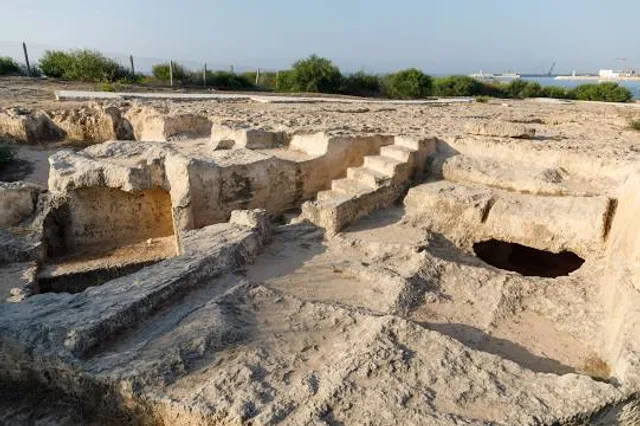
Makronissos Archaeological Site
XXJ3+CHJ, Ayia Napa 5330, Cyprus
4.2(180)
Open until 12:00 AM
Save
spot
spot
Ratings & Description
Info
Cultural
Outdoor
Scenic
Family friendly
Off the beaten path
attractions: Makronissos Beach, The Dome Beach, Makronissos Beach West, Landa Beach, Mikri Landa Beach, restaurants: Koralli seafood, Levels Beach Bar, Agrotikon, Lasmari Beach Bar - Ayia Napa, Cup Code Cafe & Bar, The Garden of Eden, Kings Sword, Margherita Pizza Artigianale Ayia Napa, Up 2 You Snack Bar, Sueño Azul, local businesses:
 Learn more insights from Wanderboat AI.
Open hoursSee all hours
SatOpen 24 hoursOpen
Plan your stay

Pet-friendly Hotels in Ayia Napa
Find a cozy hotel nearby and make it a full experience.

Affordable Hotels in Ayia Napa
Find a cozy hotel nearby and make it a full experience.

The Coolest Hotels You Haven't Heard Of (Yet)
Find a cozy hotel nearby and make it a full experience.

Trending Stays Worth the Hype in Ayia Napa
Find a cozy hotel nearby and make it a full experience.
Reviews
Live events
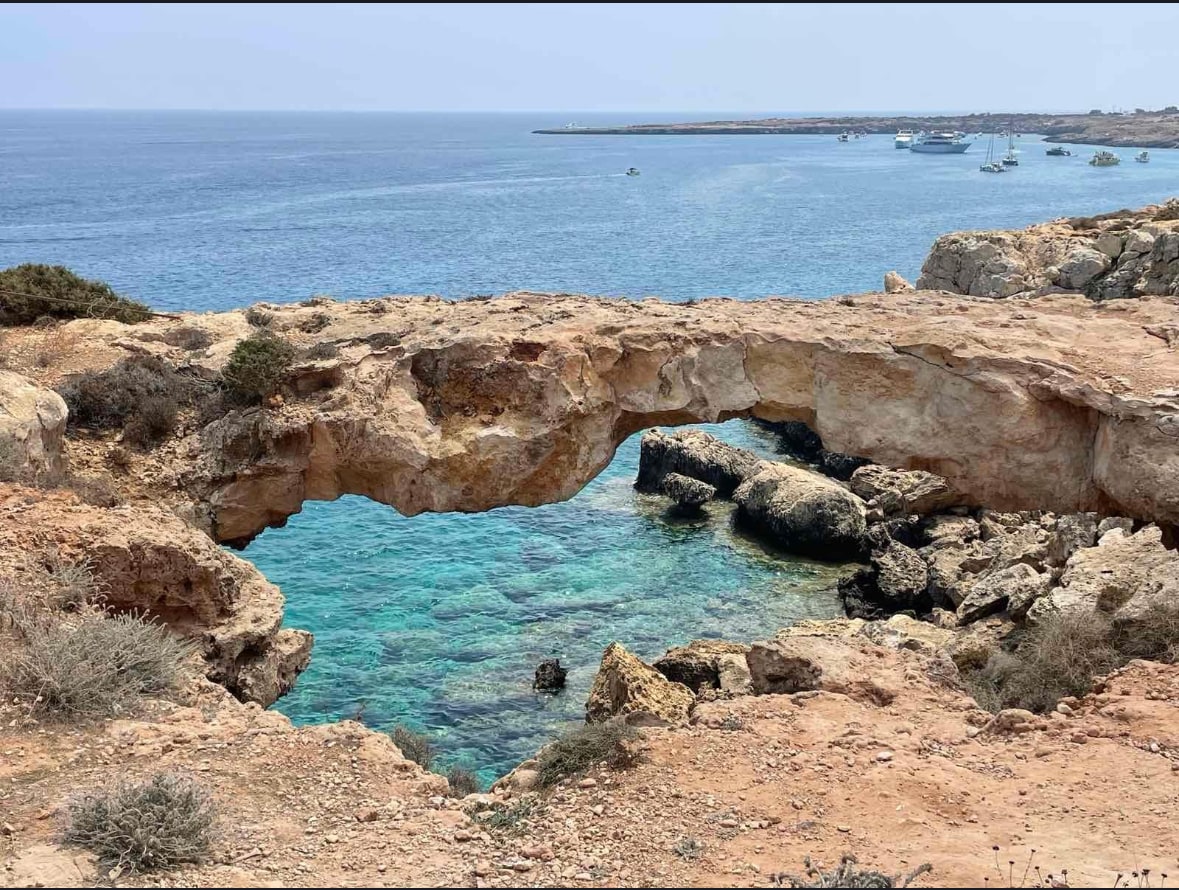
From Larnaca Hidden Spots Of Cape Greko Group of 5
Sun, Feb 8 • 8:00 AM
Larnaca, Larnaca, 6023, Cyprus
View details
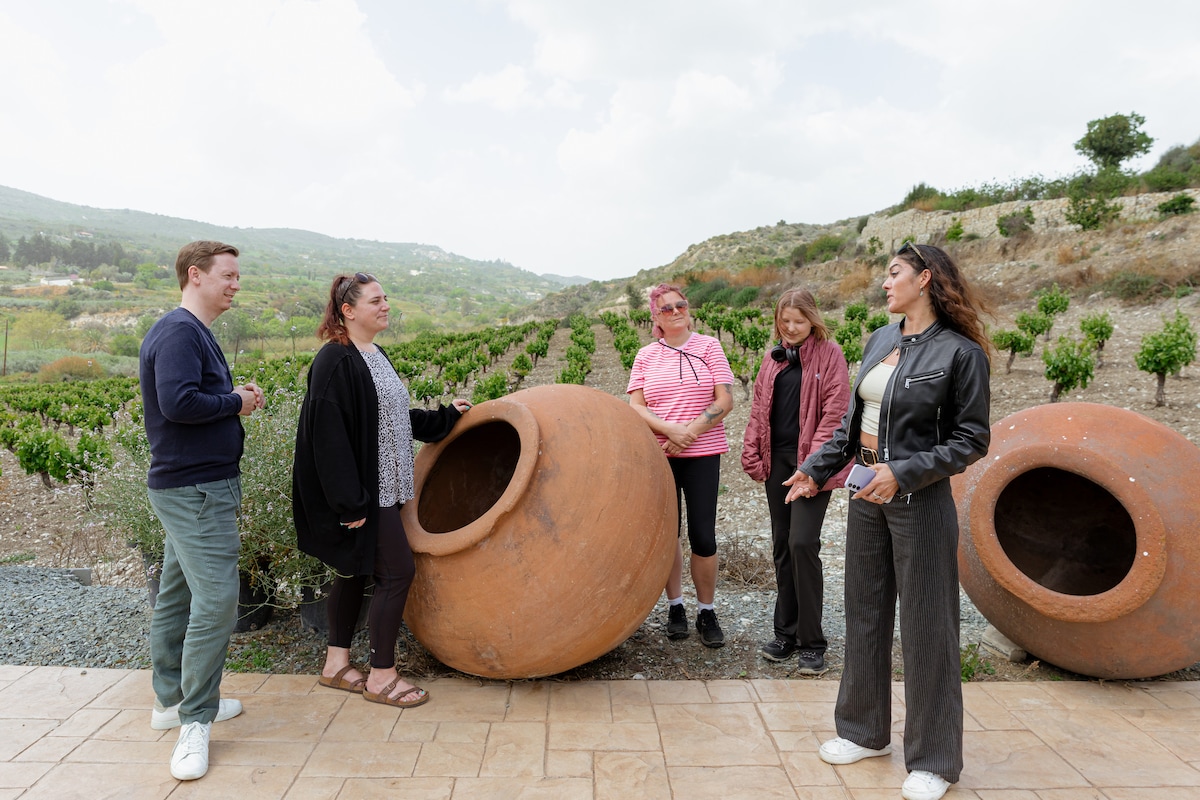
From Ayia Napa: Troodos Mountains Food & Wine Tour
Mon, Feb 9 • 8:00 AM
Protaras, Famagusta, 7643, Cyprus
View details
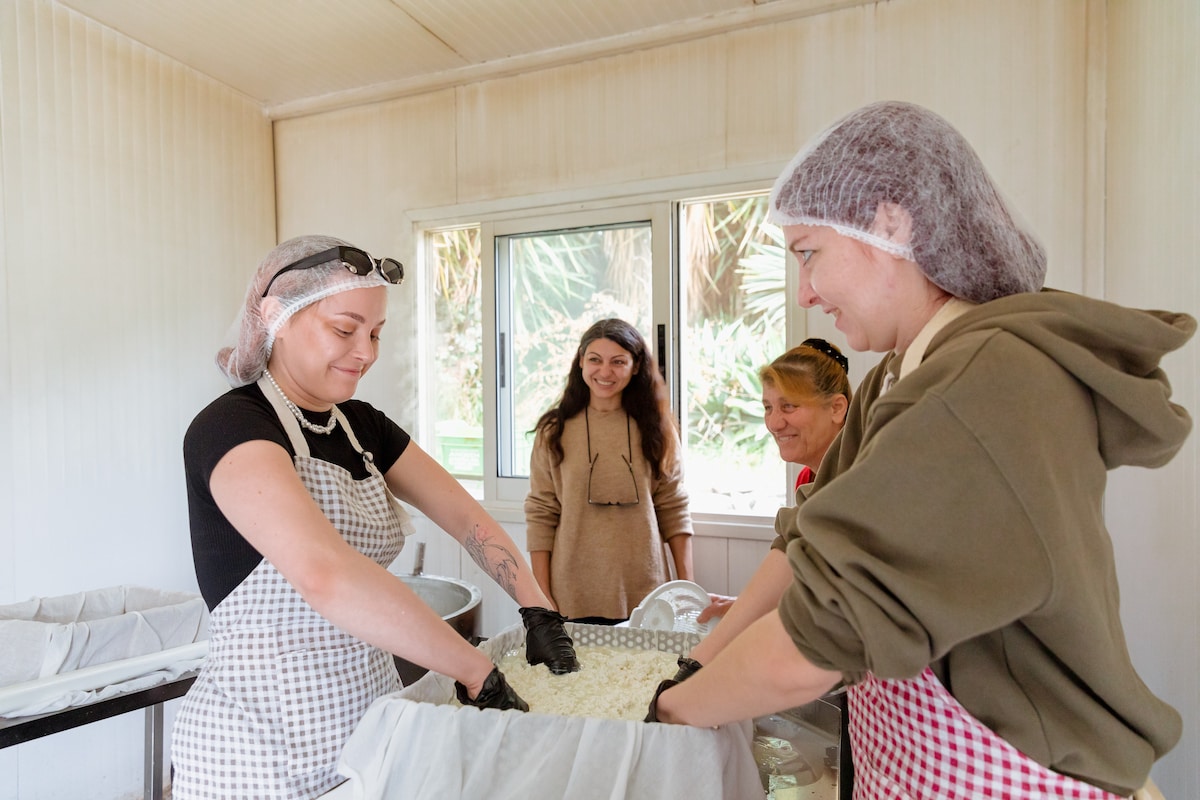
Frm Ayia Napa: Halloumi Making & Villages Day Tour
Tue, Feb 10 • 8:00 AM
Protaras, Famagusta, 5330, Cyprus
View details
Nearby attractions of Makronissos Archaeological Site
Makronissos Beach
The Dome Beach
Makronissos Beach West
Landa Beach
Mikri Landa Beach
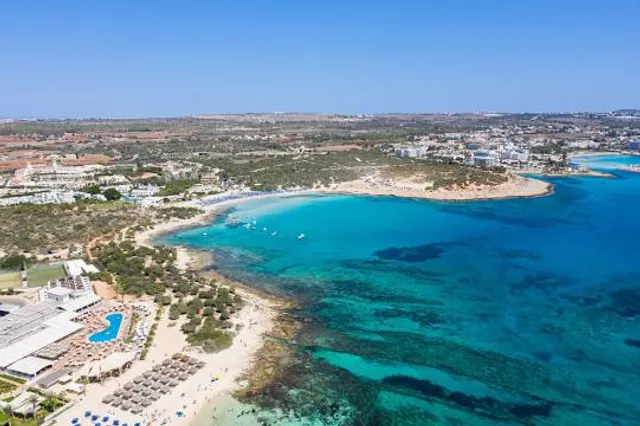
Makronissos Beach
4.8
(1.4K)
Open 24 hours
Click for details
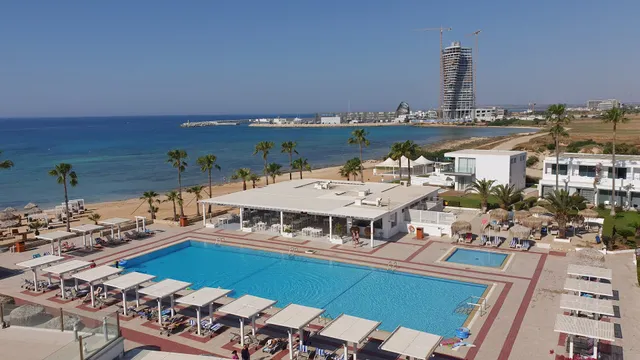
The Dome Beach
4.1
(105)
Open 24 hours
Click for details

Makronissos Beach West
4.7
(24)
Open 24 hours
Click for details
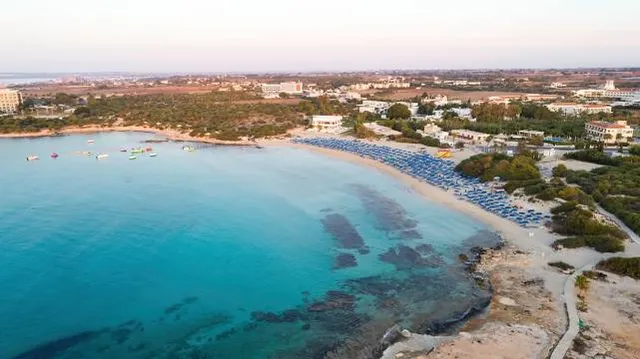
Landa Beach
4.7
(1.0K)
Open 24 hours
Click for details
Nearby restaurants of Makronissos Archaeological Site
Koralli seafood
Levels Beach Bar
Agrotikon
Lasmari Beach Bar - Ayia Napa
Cup Code Cafe & Bar
The Garden of Eden
Kings Sword
Margherita Pizza Artigianale Ayia Napa
Up 2 You Snack Bar
Sueño Azul
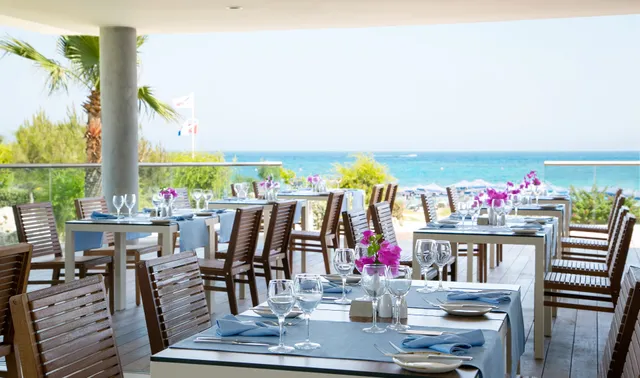
Koralli seafood
4.6
(204)
Click for details
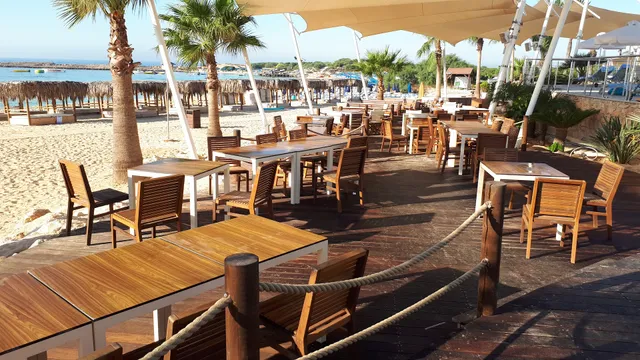
Levels Beach Bar
4.3
(177)
Click for details
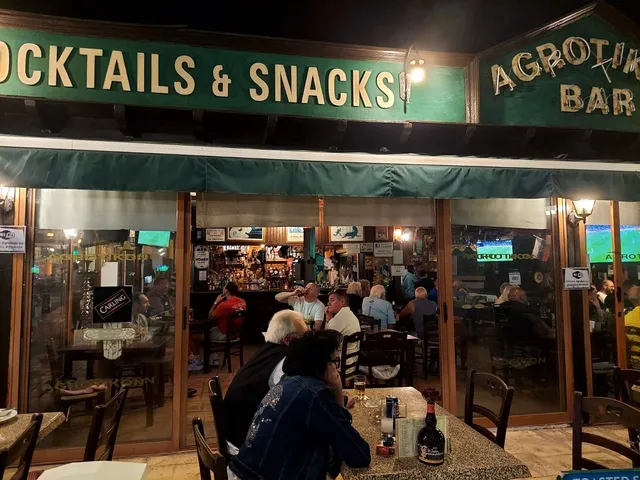
Agrotikon
4.7
(525)
Open until 2:00 AM
Click for details
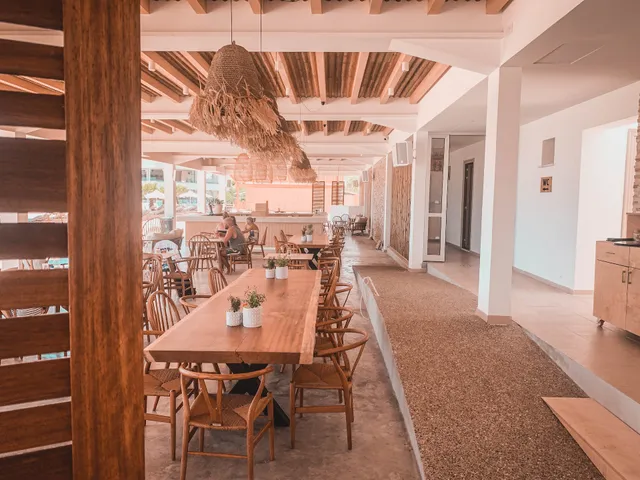
Lasmari Beach Bar - Ayia Napa
4.5
(450)
$$
Click for details