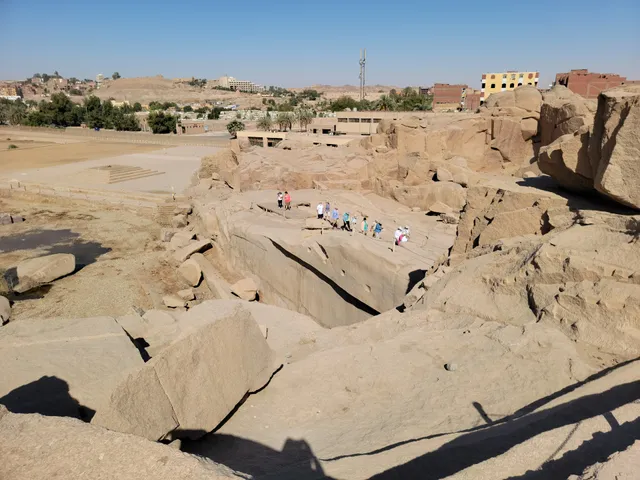
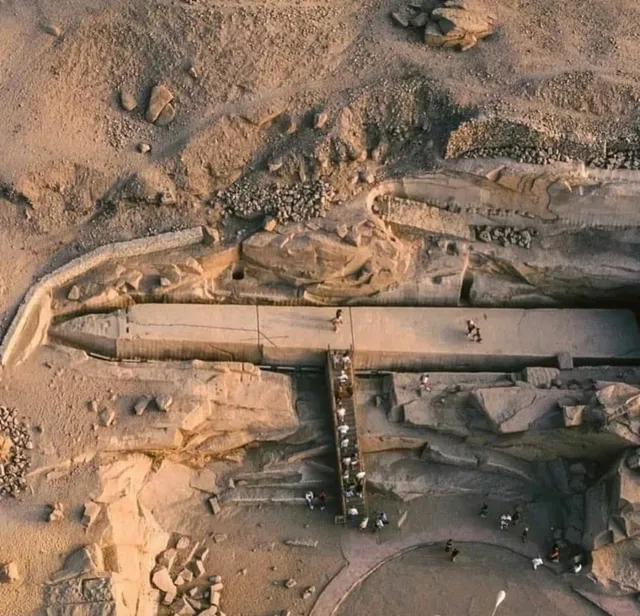
The Unfinished Obelisk is a massive granite obelisk that is still lying in the quarry where it was being carved in Aswan, Egypt. It is the largest known ancient Egyptian obelisk, and it is estimated to weigh over 1,100 tons. The obelisk is believed to have been commissioned by Pharaoh Hatshepsut in the 15th century BC, but it was never completed.
The Unfinished Obelisk is a testament to the skill and craftsmanship of the ancient Egyptians. It is also a reminder of the challenges that they faced in quarrying and transporting such massive stones. The obelisk is still in the quarry because it developed a crack while it was being carved. This crack made the obelisk unusable, and it was abandoned.
The Unfinished Obelisk is a fascinating sight to see. It is a reminder of the power and ambition of the ancient Egyptian pharaohs, and it is a testament to the skill and craftsmanship of their builders.
I will tell you review of the Unfinished Obelisk:
Size and Weight
The Unfinished Obelisk is the largest known ancient Egyptian obelisk. It is estimated to be 137 feet tall and to weigh over 1,100 tons. This makes it the largest known stone monument that was ever carved by the ancient Egyptians.
Construction
The Unfinished Obelisk was carved from a single piece of granite. The ancient Egyptians used a variety of tools and techniques to carve the obelisk, including copper chisels, wooden mallets, and abrasive sand. The obelisk was carved in a series of stages. First, the quarrymen would outline the shape of the obelisk on the rock face. Then, they would begin to
chip away at the rock, using copper chisels and wooden mallets. Once the obelisk was roughly carved, the quarrymen would use abrasive sand to smooth out the surface.
Abandonment
The Unfinished Obelisk was abandoned because it developed a crack while it was being carved. The crack is believed to have been caused by a flaw in the granite. The crack made the obelisk unusable, and it was abandoned.
Significance
The Unfinished Obelisk is a significant archaeological find because it provides insights into the quarrying and construction techniques of the ancient Egyptians. The obelisk also provides insights into the challenges that they faced in quarrying and transporting such massive stones.
The best time to visit the Northern Quarries is early in the morning or late in the afternoon, when the crowds are smaller and the...
Read moreOur visit to the Unfinished Obelisk was an unforgettable journey into ancient history and craftsmanship.
Located just a 30-minute drive from the port in Aswan, the Unfinished Obelisk is one of those hidden gems that truly deserves your attention.
We wanted to see if it was worth visiting this site when we return in October for our Tambor Cruise House Music and Travel Experience (October 22-29, 2023), and after our experience we decided it's a must see destination to experience with our friends, family, colleagues and community!
The journey to the obelisk itself is part of the adventure. A bit of a walk is required to reach the site, but trust me, every step is worth it. As you approach, the sheer size of the obelisk – about 40 feet in length – takes your breath away.
Lying there, you can clearly see the intricate carvings and the remarkable shape that the ancient artisans were crafting. It's like getting a glimpse into the meticulous work that went into these monumental structures.
However, a small piece of advice – be sure to wear comfortable walking shoes. The path can be a bit rocky, but the excitement of what awaits at the end makes it all worthwhile.
During our visit, there was a serene sense of tranquility as there weren't many tourists around. Walking through the entrance and making your way to the obelisk is a journey in itself.
Please note that it involves some walking uphill, so it might not be suitable for individuals with walking difficulties.
Unfortunately, there's no wheelchair access, but for those who can make the journey, the reward is extraordinary.
The Unfinished Obelisk is not just a glimpse into ancient Egyptian architecture; it's a connection to the past, a testament to the incredible craftsmanship of its time. Standing before this monumental piece of history, you can't help but marvel at the dedication and skill that went into creating such wonders. If you have even the slightest curiosity about ancient civilizations, this is an experience you won't want to miss.
Immersing yourself in this piece of history is a humbling and awe-inspiring experience. The Unfinished Obelisk is a true treasure that allows you to walk in the footsteps of ancient artisans and leaves you in wonderment at...
Read moreVisited 19 October 2022.
Ticket price 80 EGP.
This is undoubtedly the biggest and well known attraction in the city of Aswan. We arrived just before 10am and thus was almost empty as the bus loads of cruise passengers had come and gone. We were one of a handful of visitors there. It is located about 2km south of the city and can be easily reached by different modes of transport.
This is an attraction that geologists and people who believe that the ancient Egyptians had help would not want to miss.
At 42 metres long and weighing approximately 1200 tonnes, if it had been completed it would have been installed at Karnak Temple and been the biggest obelisk ever erected. Ironically it was commissioned by the 18th Dynasty Queen Hatshepsut.
Walking around the open air site, it is very plain to see the difficulty that the workers would have had in moving this giant structure. Also it does stretch credulity when told the stonemasons working on these types of structures would have been using copper tools. This was begun in the Bronze Age well before the advent of iron.
This is how the stonemasons allegedly worked the stone : to divide the finished sculpture from the stone bed once finished, it would seem a complicated process that requires advanced equipment and techniques, instead, it is very simple: they used wet wood. The procedure was as follows: holes were made in the granite in which sun-dried wooden wedges were inserted. The wedges were repeatedly covered with water, this process caused a gradual increase in size. Finally, the expansion of these wedges caused a regular fracture in the rock along the line of the holes, thus separating the obelisk from the rock below. Once separated from the bed of rock, the obelisk was smoothed with diabase or dolerite rock to make its surface evener. Being harder than granite, dolerite could be used on the obelisk without breaking.
Unfortunately this piece of rock developed a clearly visible fracture. Coupled with the death of Hatshepsut the structure was simply left and never completed.
While some other reviewers revel in stating they greased palms to get them closer, we did no such thing as continuing the practice of corruption is not viable for...
Read more