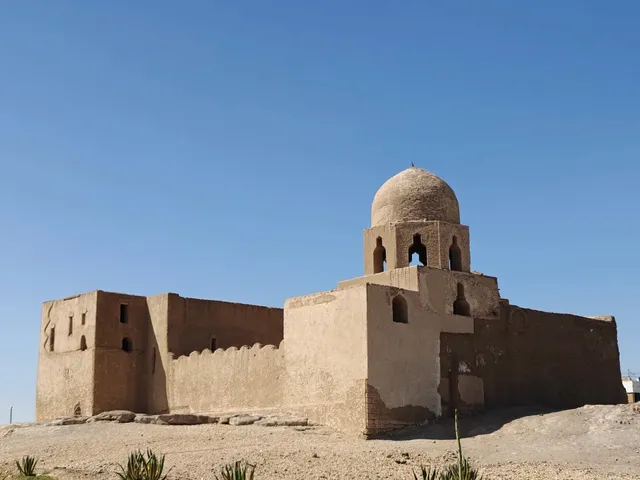
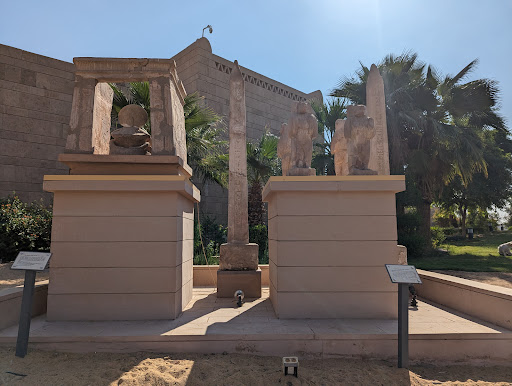
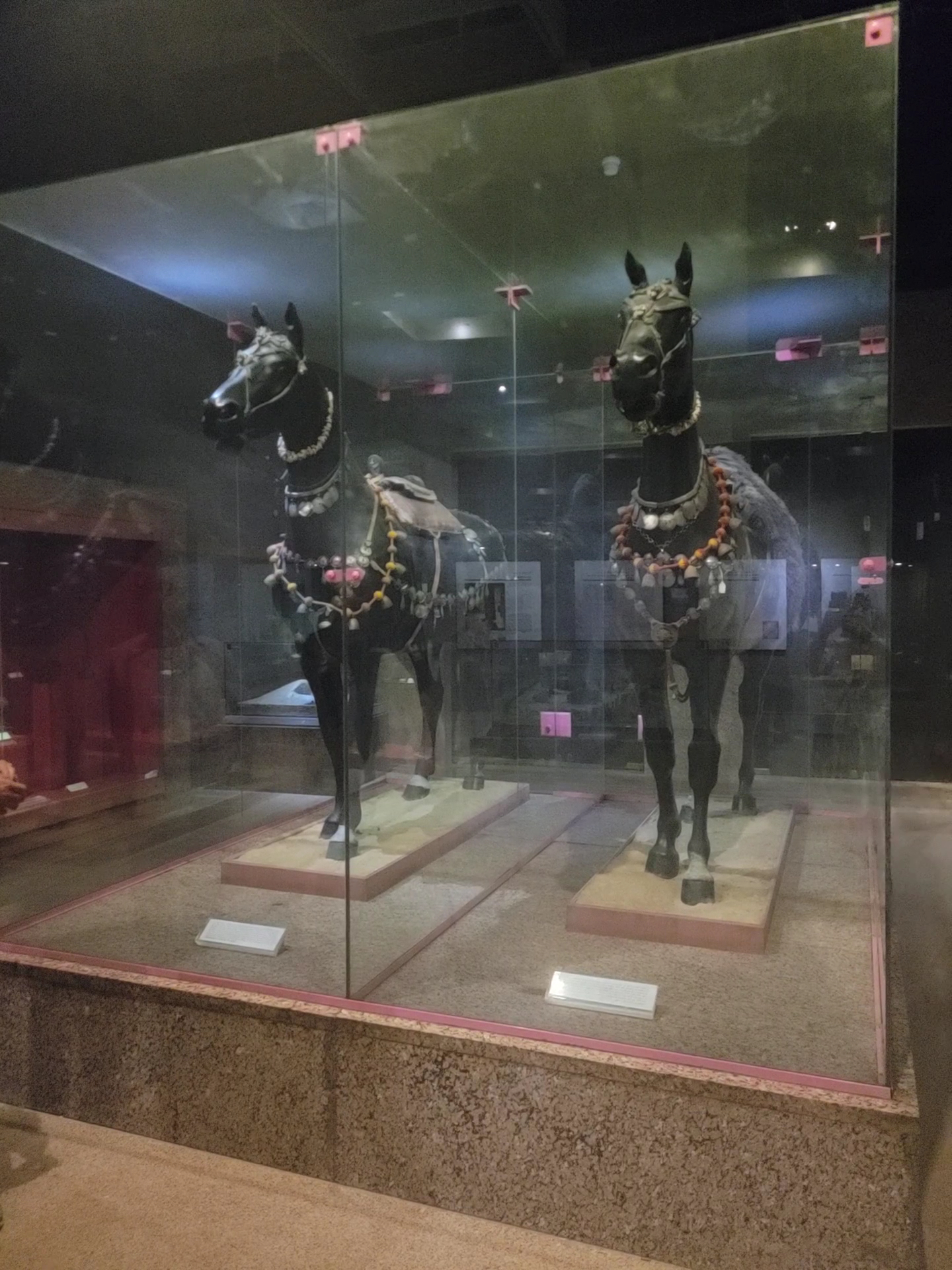
Nubian Museum things to do, attractions, restaurants, events info and trip planning
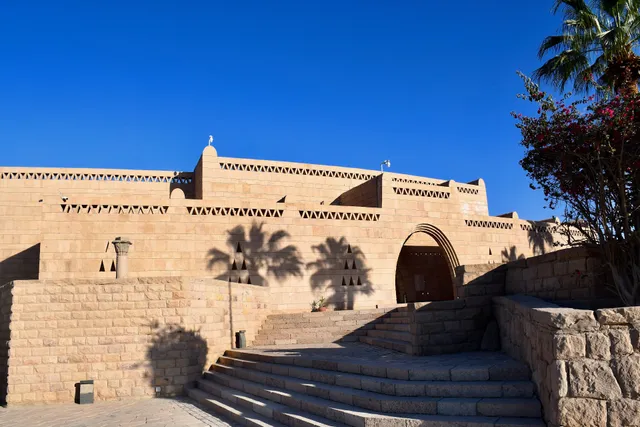
Basic Info
Nubian Museum
3VHQ+P67, Assuan, Sheyakhah Oula, Aswan 1, Aswan Governorate 1240842, Egypt
4.6(1.9K)
Closed


tickets
Save
spot
spot
Ratings & Description
Info
Cultural
Family friendly
Accessibility
attractions: Nubian Village Aswan(ヌビア村), Feryal Garden, Unfinished Obelisk, Aswan Museum, Isis Temple, Elephantine Island Pyramid, restaurants: Saraya, Oriental Kebabgy, El Dokka Resturant, 1902 Restaurant, Makani Restaurant, Golden Pharaohs café and restaurant, Shrimp Afandy, Mohammadi Restaurant, Aziza house resturant, كوفي شوب الزعيم, local businesses: Jardins Feryal, Elephantine, Elephantine, Aswan Tours
 Learn more insights from Wanderboat AI.
Phone
+20 97 2484133
Open hoursSee all hours
Tue9 AM - 5 PMClosed
Plan your stay

Pet-friendly Hotels in Nagaa Al Mahata
Find a cozy hotel nearby and make it a full experience.

Affordable Hotels in Nagaa Al Mahata
Find a cozy hotel nearby and make it a full experience.

The Coolest Hotels You Haven't Heard Of (Yet)
Find a cozy hotel nearby and make it a full experience.

Trending Stays Worth the Hype in Nagaa Al Mahata
Find a cozy hotel nearby and make it a full experience.
Reviews
Live events
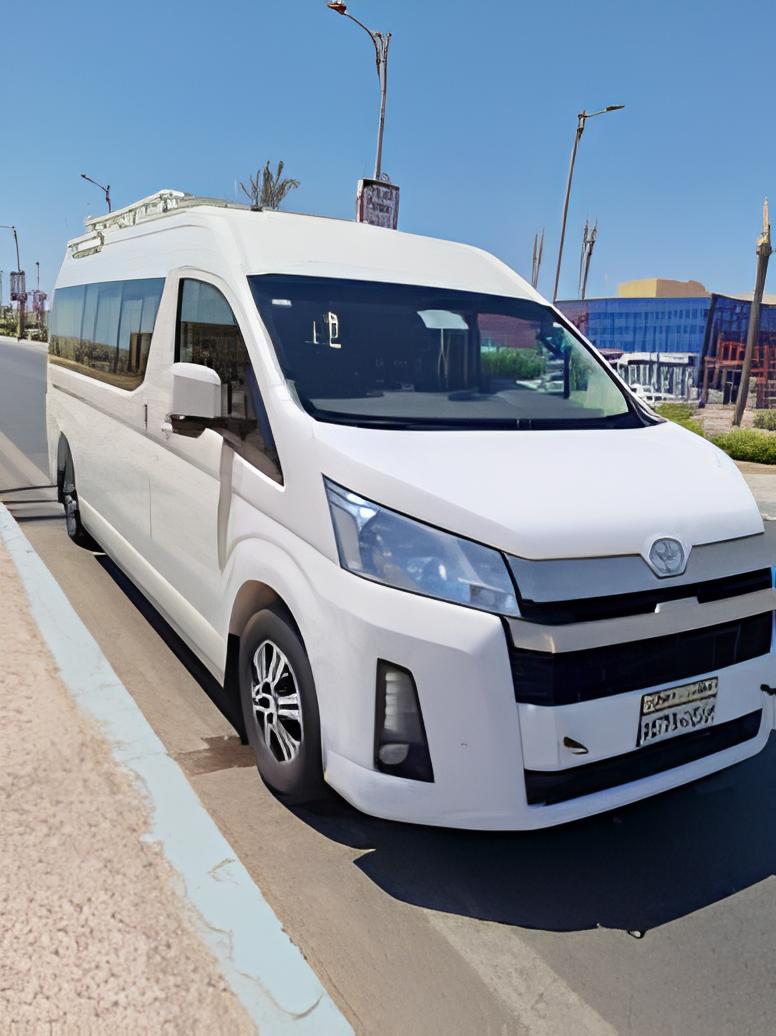
Venture to the Abu Simbel temples from Aswan
Tue, Feb 10 • 3:00 AM
Aswan, Aswan Governorate, 00000, Egypt
View details
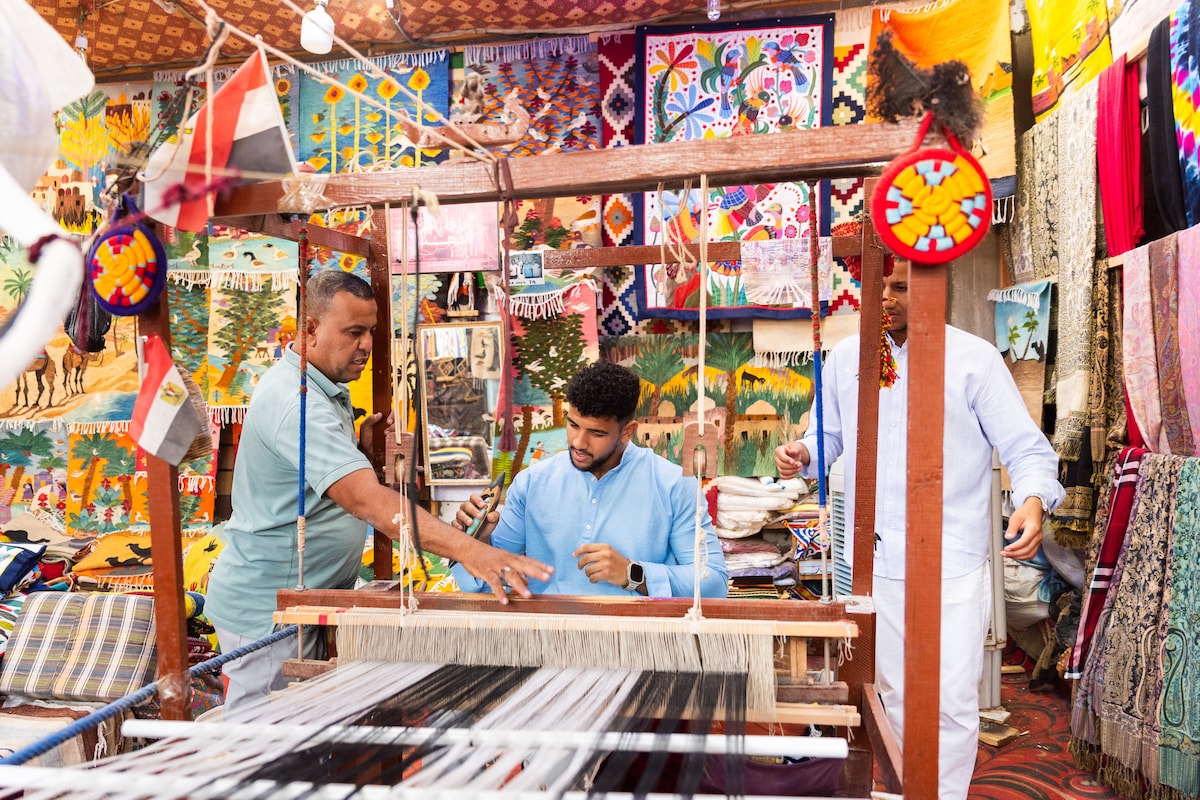
Live Like a Nubian - Authentic Nubian Village Tour
Tue, Feb 10 • 7:00 AM
Aswan, Aswan Governorate, 11515, Egypt
View details
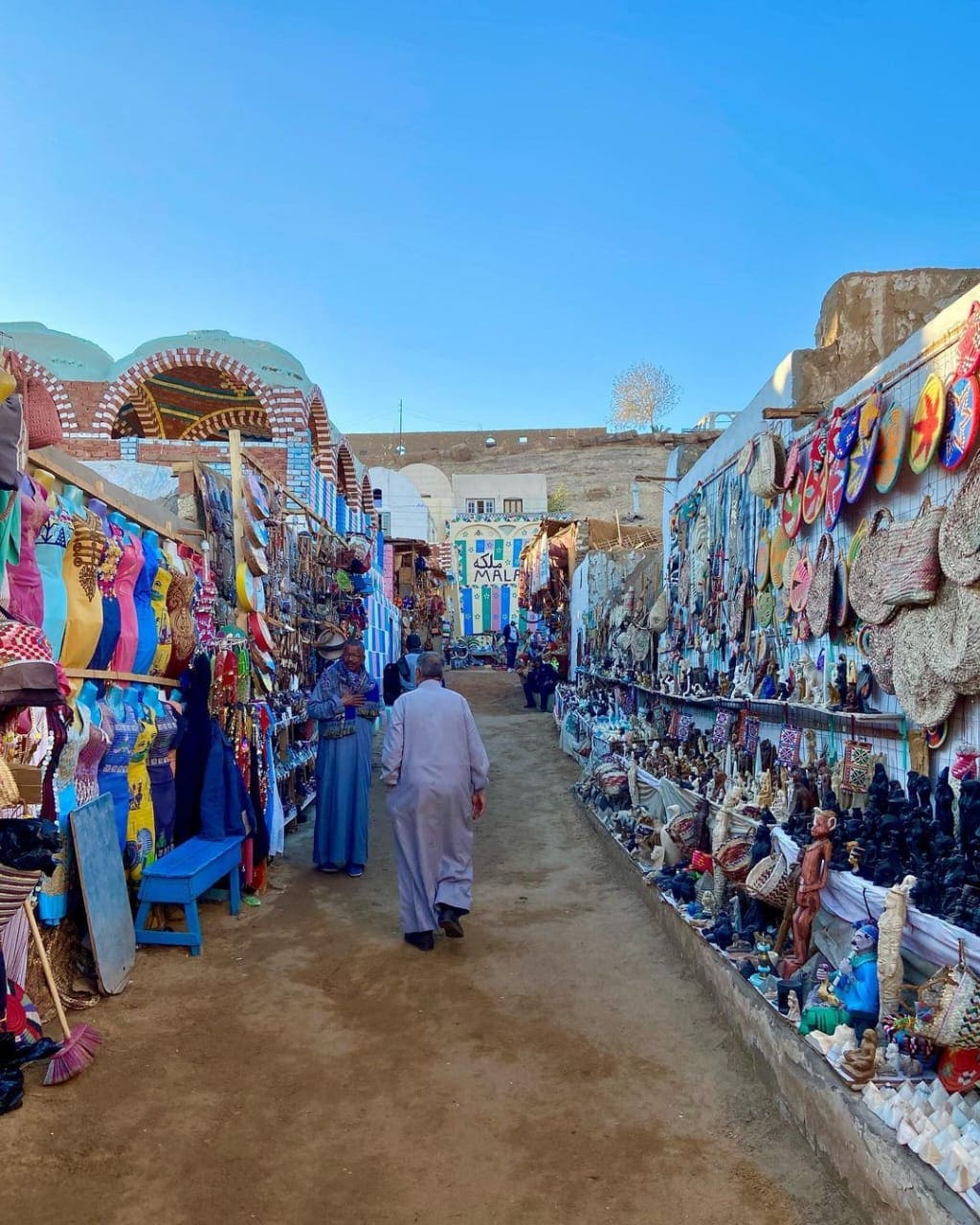
Discover the unique beauty of Nubia and Aswan
Tue, Feb 10 • 7:30 AM
Sheyakhah Oula, Aswan Governorate, 1240853, Egypt
View details
Nearby attractions of Nubian Museum
Nubian Village Aswan(ヌビア村)
Feryal Garden
Unfinished Obelisk
Aswan Museum
Isis Temple
Elephantine Island Pyramid

Nubian Village Aswan(ヌビア村)
4.1
(11)
Open 24 hours
Click for details
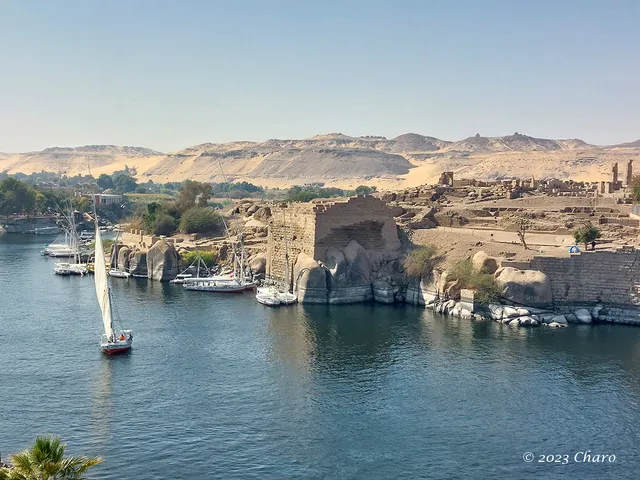
Feryal Garden
4.4
(426)
Closed
Click for details
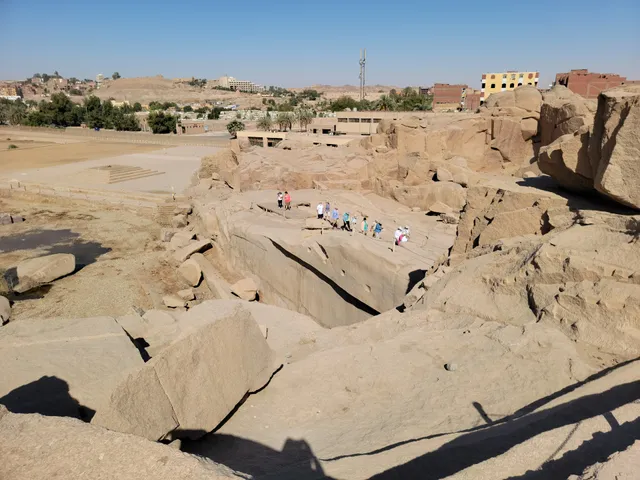
Unfinished Obelisk
4.3
(2.4K)
Closed
Click for details
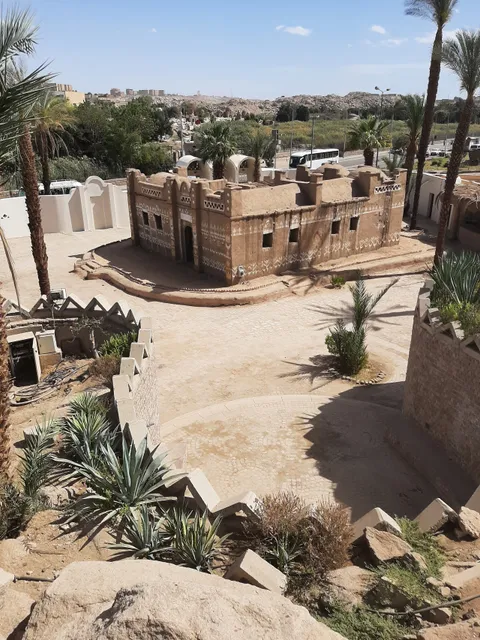
Aswan Museum
4.1
(219)
Closed
Click for details
Nearby restaurants of Nubian Museum
Saraya
Oriental Kebabgy
El Dokka Resturant
1902 Restaurant
Makani Restaurant
Golden Pharaohs café and restaurant
Shrimp Afandy
Mohammadi Restaurant
Aziza house resturant
كوفي شوب الزعيم

Saraya
4.3
(68)
Closed
Click for details
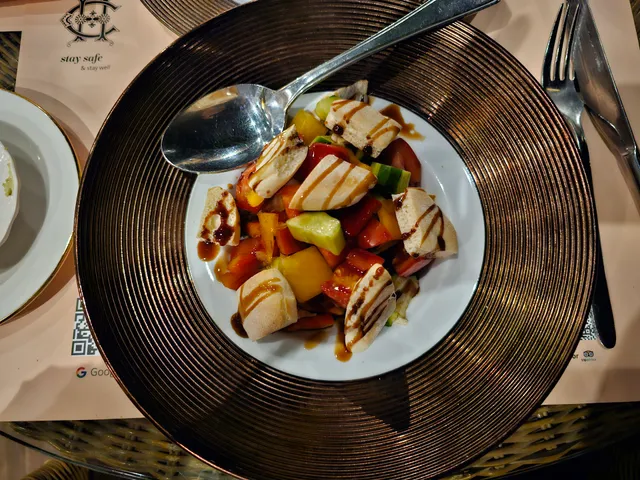
Oriental Kebabgy
4.3
(43)
Click for details
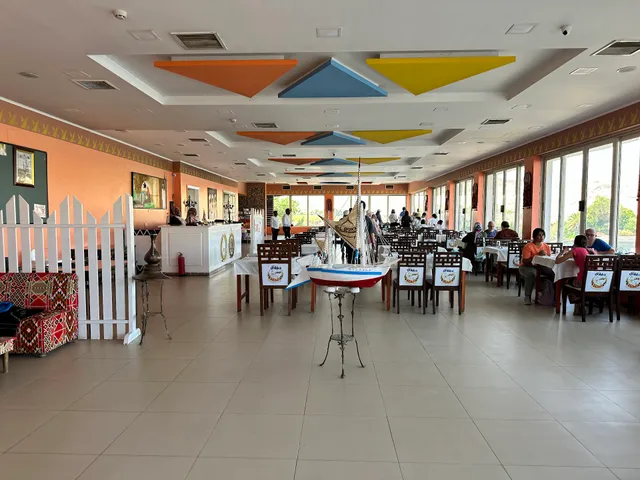
El Dokka Resturant
4.2
(516)
$$
Closed
Click for details
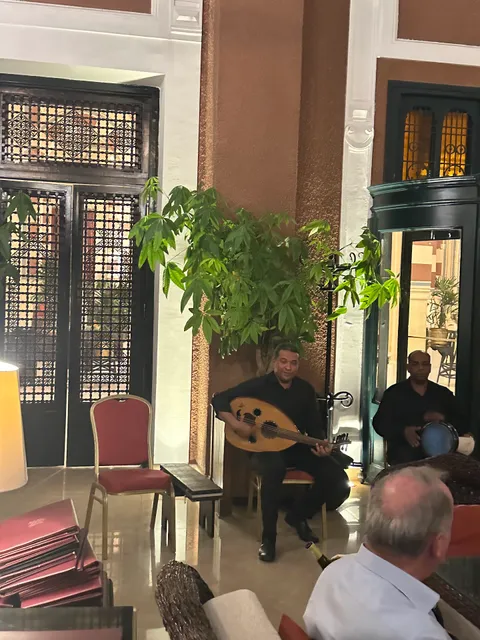
1902 Restaurant
3.8
(19)
Click for details
Nearby local services of Nubian Museum
Jardins Feryal
Elephantine
Elephantine
Aswan Tours

Jardins Feryal
4.4
(358)
Click for details
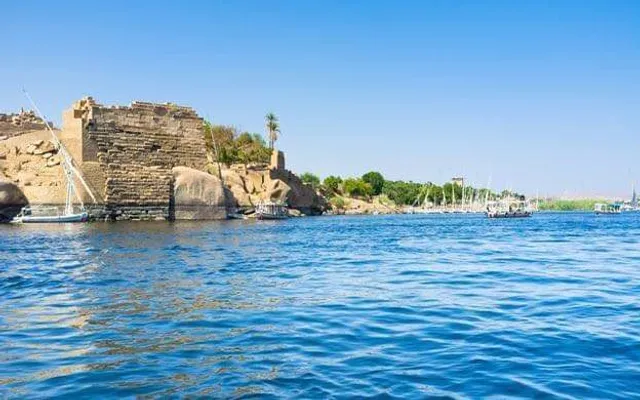
Elephantine
4.6
(96)
Click for details
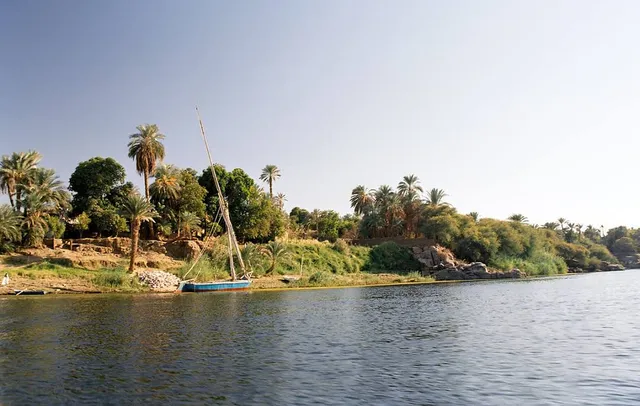
Elephantine
4.6
(79)
Click for details
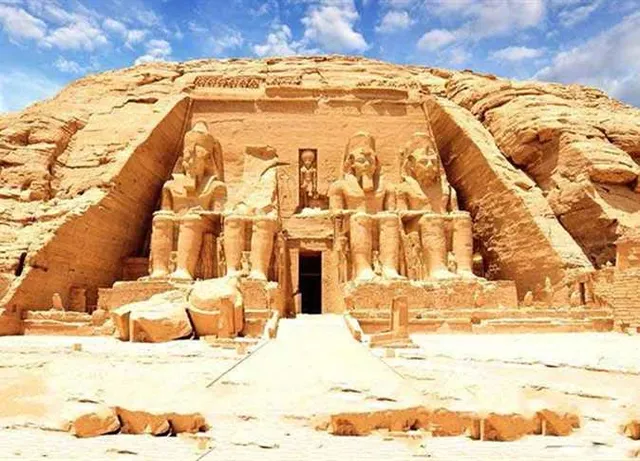
Aswan Tours
4.7
(49)
Click for details