Bab al-Futuh, meaning "Gate of Conquest," is one of the three remaining monumental gates of the old city of Cairo, Egypt. Constructed in 1087 during the Fatimid Caliphate, it stands today as a remarkable testament to the city’s Islamic architectural heritage, urban history, and military engineering. As an observer and a student of Islamic history and architecture, I would rate Bab al-Futuh 9 out of 10 for its historical significance, architectural brilliance, and cultural value.
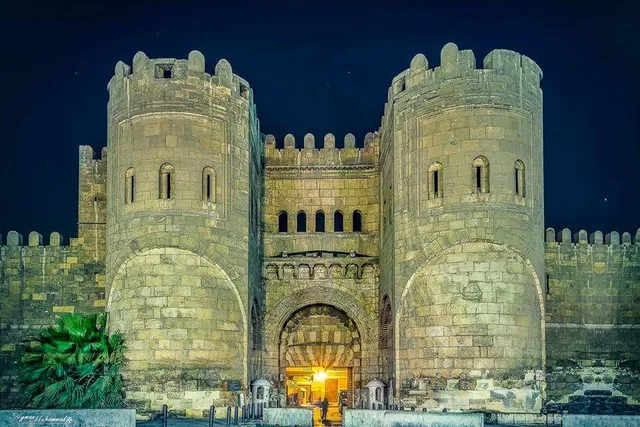
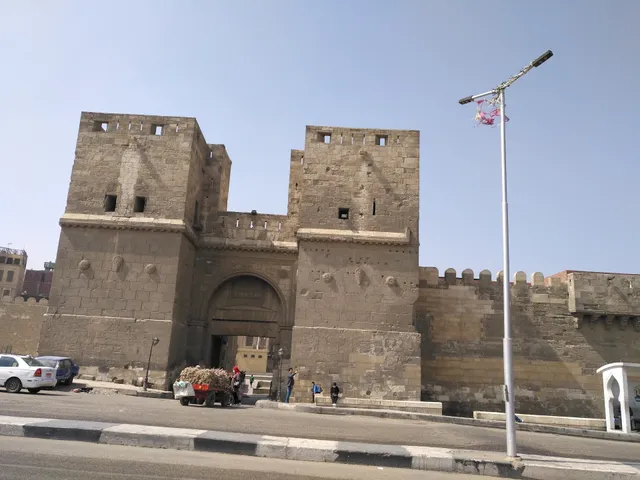
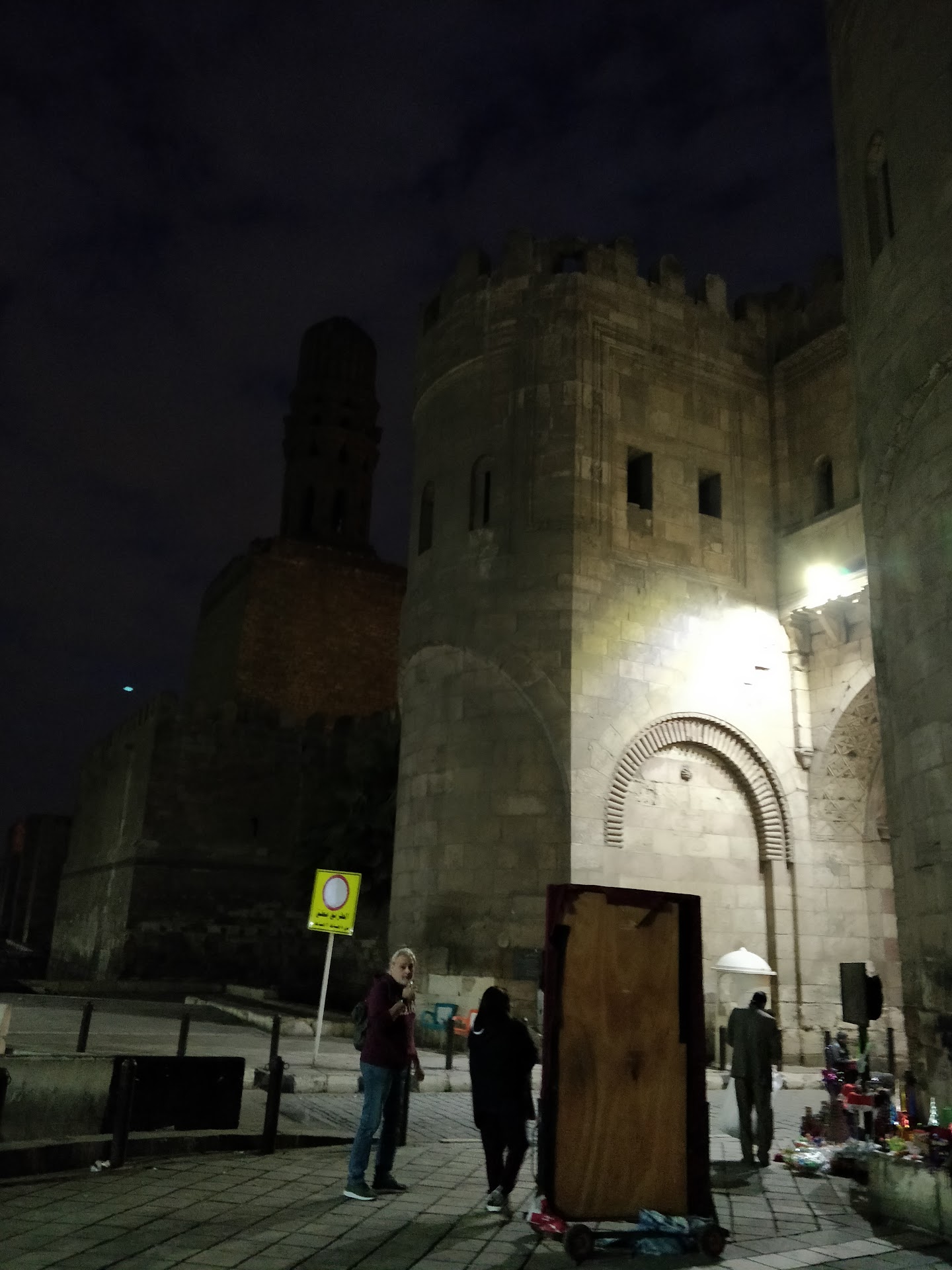
Located on the northern wall of the old Fatimid city, Bab al-Futuh was originally part of the fortified walls built by the commander Badr al-Jamali. Unlike modern gates that serve a purely decorative or symbolic role, this gate was built for defense. The twin round towers flanking the arched entrance are massive and sturdy, designed to withstand sieges. The gate also includes features such as arrow slits and upper chambers for surveillance and defense, which show the sophistication of medieval Islamic military architecture.
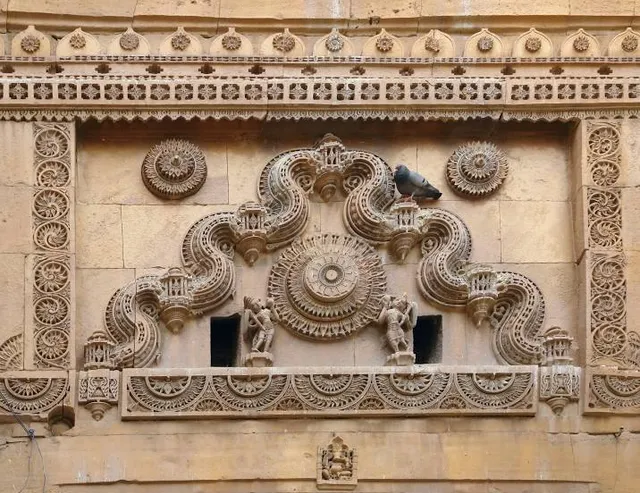
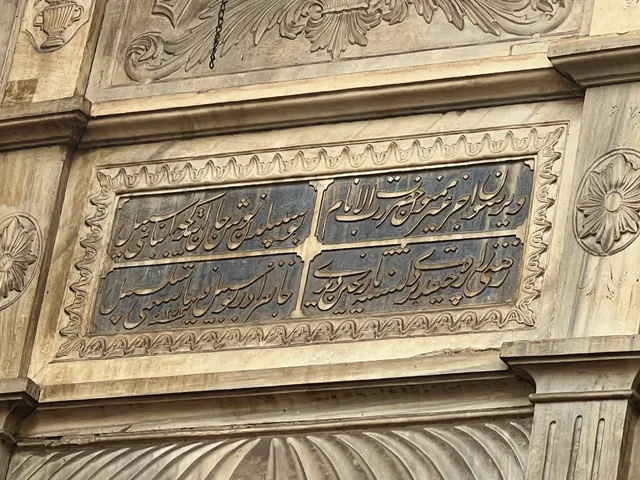
Architecturally, Bab al-Futuh is a masterpiece of Fatimid craftsmanship. The gate blends military strength with aesthetic elegance. The massive stone structure is decorated with simple yet majestic elements, including Kufic inscriptions and carved stonework that have stood the test of time. Its semicircular towers and thick walls show a deep understanding of both form and function. The gate has a timeless beauty that attracts photographers, tourists, and historians alike.
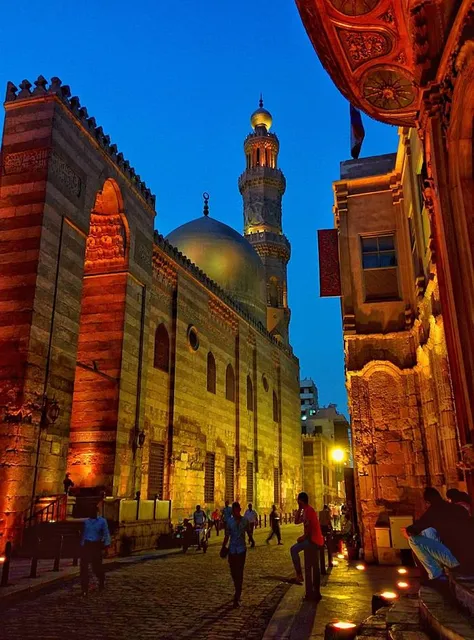
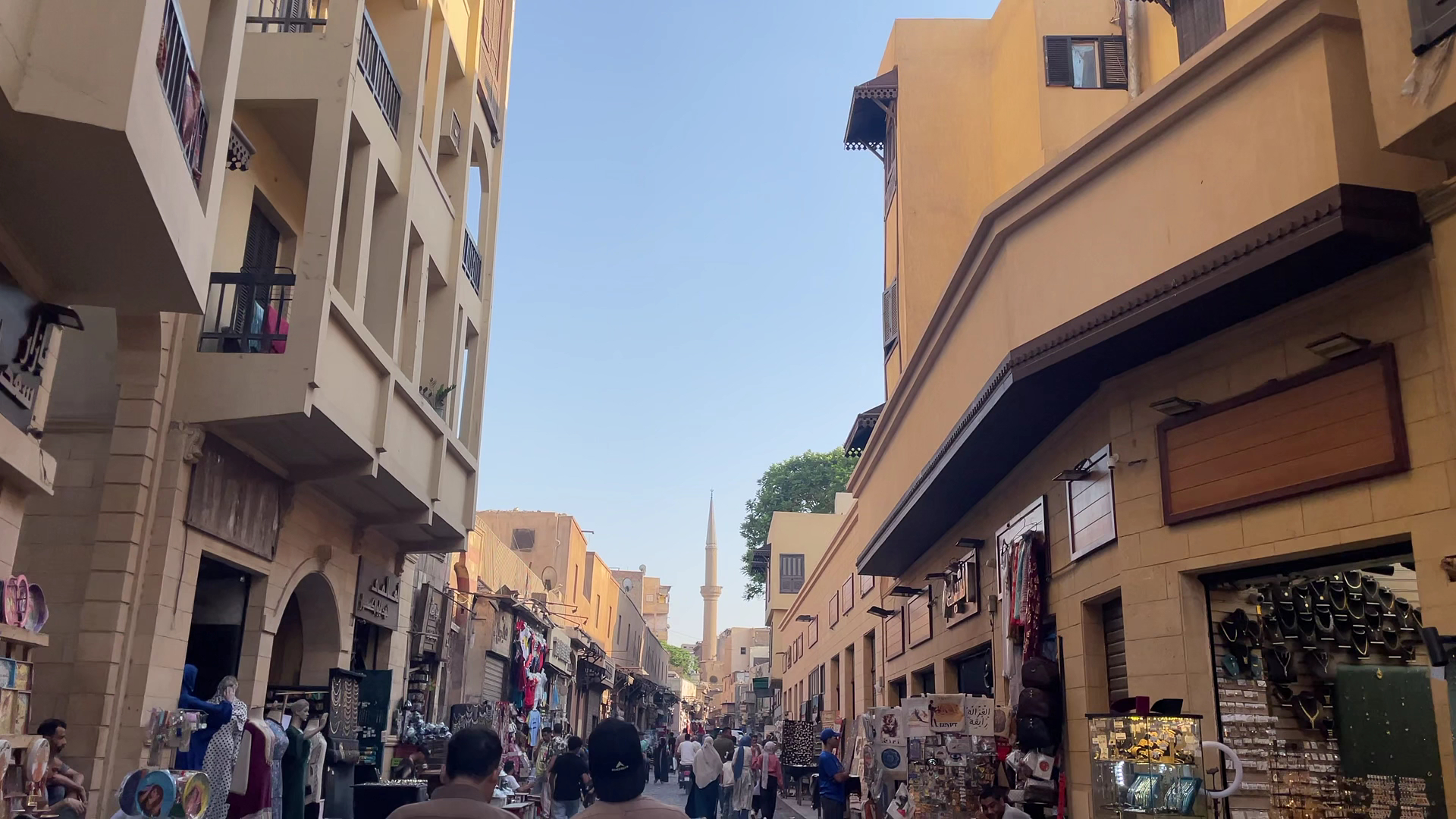
The gate's name, "Gate of Conquest," reflects its symbolic association with power and victory. It once opened toward the north, welcoming traders and travelers from the Mediterranean world. Today, it marks the northern entrance to al-Mu’izz Street, one of the most vibrant and historic streets in Islamic Cairo. Passing through Bab al-Futuh feels like entering a different era, where every step tells a story of Islamic civilization, Fatimid governance, and Cairo’s urban evolution.
Culturally, Bab al-Futuh is more than just a gate; it is a symbol of Cairo's historical identity. It has witnessed the rise and fall of dynasties, the transformation of political power, and the continuous life of a city that is now over a millennium old. Tourists and locals gather around it, and school groups often visit to learn about Cairo’s Islamic legacy. For Muslims, historians, and architecture lovers, this site is an educational and spiritual experience.
However, the surrounding environment could be better managed. While the gate itself is well-preserved, the nearby urban sprawl and traffic can sometimes distract from the experience. A more organized visitor experience, with guided tours and informational signage, could elevate the site's impact and understanding.
In conclusion, Bab al-Futuh is a historical gem that deserves recognition and preservation. It provides deep insights into Islamic architecture, military design, and Cairo’s urban history. I highly recommend visiting it for anyone interested in Islamic civilization, and I rate it 9/10 for its authenticity, beauty, and...
Read moreBab al-Futuh: A Historic Gate of Cairo Bab al-Futuh is one of the most famous gates of Islamic Cairo, Egypt. This monumental structure, whose name translates to "Gate of Conquests," was built in 1087 during the reign of the Fatimid Caliphate, making it a significant example of medieval Islamic architecture. It is located on the northern side of the Fatimid city and serves as a gateway between the bustling heart of Cairo and the outside world.
What Makes Bab al-Futuh Special: Architectural Mastery: Bab al-Futuh is a stunning example of Islamic military architecture. Its design is a combination of defensive and decorative elements, including a massive fortified gate, towers, and battlements. The gate’s elegant details, such as intricate stonework and inscriptions, reflect the sophisticated craftsmanship of the Fatimid era. Historical Significance: The gate was originally constructed as a defensive feature to protect the city from invaders. However, it also had an important symbolic role, acting as a gateway to prosperity and conquests. It marks the entrance to one of the key areas of the old city, connecting the heart of Cairo with the northern territories. Cultural Heritage: As part of the historic Cairo Heritage Site, Bab al-Futuh contributes to the city’s rich cultural landscape. Visitors can admire the remarkable blend of military history and artistic beauty that the gate represents. The structure’s enduring presence is a testament to the strength and resilience of medieval Cairo. An Essential Landmark: Today, Bab al-Futuh is an integral part of Cairo’s urban fabric, surrounded by bustling markets, streets, and historic buildings. It’s a popular spot for tourists and locals alike, offering a glimpse into Cairo’s past while also being a functional part of the city. A Connection to the Past: Stepping through Bab al-Futuh is like stepping into the past. Its massive structure and ancient stones evoke the spirit of Cairo’s medieval period, offering a rare chance to experience the atmosphere of an ancient city that still thrives today. A visit to Bab al-Futuh provides a chance to appreciate not only its architectural grandeur but also the deep history of Islamic Cairo and its role in the city's development. Whether you're interested in history, architecture, or culture, this historical gate is a must-see for anyone...
Read moreNestled in the heart of Historic Cairo, Bab El-Futuh (translated as “Gate of Conquest”) stands as a timeless sentinel, guarding the memories of a once-thriving Fatimid dynasty. Built in 1087 AD by the Fatimid vizier Badr al-Jamali, this massive stone gate is one of the few remaining structures from medieval Islamic Cairo that still echoes the grandeur of its past.
Historical Significance:
Bab El-Futuh is more than just an architectural marvel — it is a symbol of Cairo’s resilience and rich Islamic heritage. Along with its twin, Bab al-Nasr, it formed the northern fortified entrance to the Fatimid city. The gate was strategically designed not only for defense but also as a statement of power and cultural identity.
Architecture:
The gate boasts massive flanking towers, rounded turrets, and intricately carved Kufic inscriptions — all hallmarks of Fatimid military architecture. If you’re an architecture enthusiast or history buff, the details will leave you in awe. The thick stone walls and arrow slits speak volumes about the strategic thinking of the era.
Cultural Atmosphere:
Visiting Bab El-Futuh today is like walking through a portal into Cairo’s medieval soul. Just steps away lies the Muizz Street, a vibrant and historic area teeming with traditional markets, antique shops, and centuries-old mosques. The gate itself is often a backdrop for local photographers, history tours, and sometimes even cultural festivals.
Tips for Visitors: • Go early or near sunset to avoid crowds and capture stunning photos. • Pair your visit with a walking tour of Al-Muizz Street. • If you’re lucky, you may catch local guides or street performers sharing stories about the gate’s role in Cairo’s layered history.
Final Thoughts:
Bab El-Futuh is not just a relic of the past — it is a living testament to Cairo’s enduring legacy. Whether you are a traveler, a historian, or someone simply seeking the soul of Egypt beyond the pyramids, Bab El-Futuh is an unmissable stop. It’s one of those rare places where stone speaks...
Read more