HTML SitemapExplore
logo
Find Things to DoFind The Best Restaurants

First Pylon — Attraction in Old Karnak

Name
First Pylon
Description
Nearby attractions
Karnak
Karnak, Luxor, Luxor Governorate, Egypt
Ramesses III Temple
PM94+8Q9, Karnak, Luxor, Luxor Governorate, Egypt
Hypostyle Hall
PM95+F45, Luxor City, Luxor, Luxor Governorate, Egypt
Precinct of Amun-Re
PM95+46C, Karnak, Luxor, Luxor Governorate, Egypt
Karnak Open-air Museum
Karnak, الكرنك،، Luxor Governorate, Egypt
Sound & Light
Kornish Al Nile, Karnak, Luxor, Luxor Governorate, Egypt
Obelisk of Thutmose I
PM95+982, Karnak, Luxor, Luxor Governorate, Egypt
Temple of Thutmose III
PM95+4RM, Karnak, Luxor, Luxor Governorate, Egypt
Temple Of Khonsu
PM84+J8F, Luxor City, Luxor, Luxor Governorate, Egypt
Temple of Ramesses II
PM96+245, Karnak, Luxor, Luxor Governorate, Egypt
Nearby restaurants
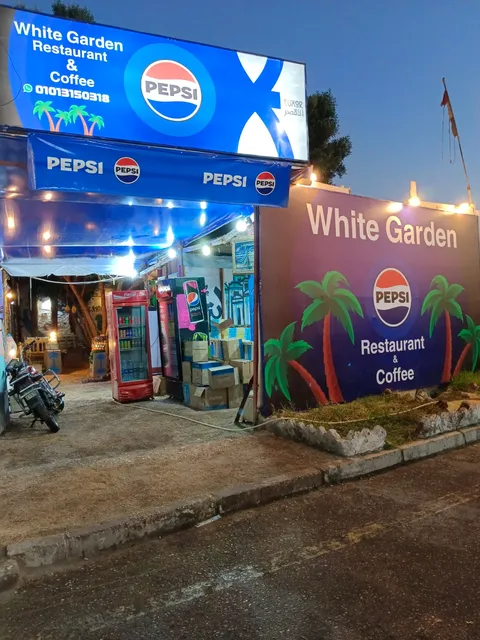
White Coffee & Restaraunt
Karnak temple, Luxor, Luxor Governorate, Egypt
Beyt Ward Restaurant and cafe shop
Karnak, Luxor, Luxor Governorate 1363401, Egypt
مطعم النيل السياحى - Nile Restaurant Luxor
Luxor City, Luxor, Luxor Governorate 1363301, Egypt
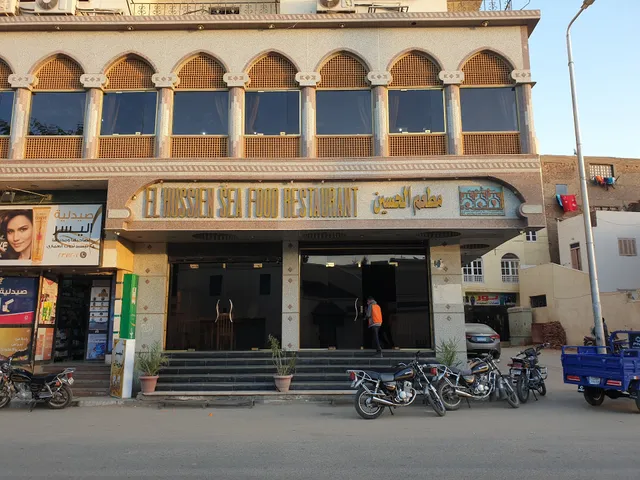
El Hussein Seafood Restaurant
Hilton st, new, الكرنك، الأقصر، محافظة الأقصر 85955, Egypt
El Hussein 2 seafood Restaurant
شارع Fondok Al Nile Helton, Karnak, Luxor, Luxor Governorate 85951, Egypt
المطعم الصيني يو شان فانج
karnak park، شارع نجع البحاروه, Luxor Governorate 85955, Egypt
El Hussein Restaurant
hilton st, New, Karnak, Luxor Governorate, Egypt
Nearby hotels
Related posts
Keywords
First Pylon tourism.First Pylon hotels.First Pylon bed and breakfast. flights to First Pylon.First Pylon attractions.First Pylon restaurants.First Pylon travel.First Pylon travel guide.First Pylon travel blog.First Pylon pictures.First Pylon photos.First Pylon travel tips.First Pylon maps.First Pylon things to do.
First Pylon things to do, attractions, restaurants, events info and trip planning
First Pylon
EgyptLuxorOld KarnakFirst Pylon

Basic Info

First Pylon

PM94+PQ3, Luxor City, Luxor, Luxor Governorate, Egypt
4.8(59)
Open 24 hours
Save
spot

Ratings & Description

Info

Cultural
Scenic
Family friendly
attractions: Karnak, Ramesses III Temple, Hypostyle Hall, Precinct of Amun-Re, Karnak Open-air Museum, Sound & Light, Obelisk of Thutmose I, Temple of Thutmose III, Temple Of Khonsu, Temple of Ramesses II, restaurants: White Coffee & Restaraunt, Beyt Ward Restaurant and cafe shop, مطعم النيل السياحى - Nile Restaurant Luxor, El Hussein Seafood Restaurant, El Hussein 2 seafood Restaurant, المطعم الصيني يو شان فانج, El Hussein Restaurant
logoLearn more insights from Wanderboat AI.

Plan your stay

hotel
Pet-friendly Hotels in Old Karnak
Find a cozy hotel nearby and make it a full experience.
hotel
Affordable Hotels in Old Karnak
Find a cozy hotel nearby and make it a full experience.
hotel
The Coolest Hotels You Haven't Heard Of (Yet)
Find a cozy hotel nearby and make it a full experience.
hotel
Trending Stays Worth the Hype in Old Karnak
Find a cozy hotel nearby and make it a full experience.

Reviews

Nearby attractions of First Pylon

Karnak

Ramesses III Temple

Hypostyle Hall

Precinct of Amun-Re

Karnak Open-air Museum

Sound & Light

Obelisk of Thutmose I

Temple of Thutmose III

Temple Of Khonsu

Temple of Ramesses II

Karnak

Karnak

4.8

(11K)

Open 24 hours
Click for details
Ramesses III Temple

Ramesses III Temple

4.9

(134)

Closed
Click for details
Hypostyle Hall

Hypostyle Hall

4.9

(144)

Open 24 hours
Click for details
Precinct of Amun-Re

Precinct of Amun-Re

4.8

(240)

Open 24 hours
Click for details

Things to do nearby

Luxor full-day sightseeing tour
Mon, Dec 8 • 7:00 AM
Luxor City, Luxor Governorate, 1362514, Egypt
View details
Cook with your Egyptian family
Mon, Dec 8 • 11:30 AM
Al Qarnah, Luxor Governorate, 85985, Egypt
View details
Traditional Songs and Music of Upper Egypt
Sun, Dec 7 • 7:00 PM
Luxor City, Luxor Governorate, 85951, Egypt
View details

Nearby restaurants of First Pylon

White Coffee & Restaraunt

Beyt Ward Restaurant and cafe shop

مطعم النيل السياحى - Nile Restaurant Luxor

El Hussein Seafood Restaurant

El Hussein 2 seafood Restaurant

المطعم الصيني يو شان فانج

El Hussein Restaurant

White Coffee & Restaraunt

White Coffee & Restaraunt

4.8

(302)

Click for details
Beyt Ward Restaurant and cafe shop

Beyt Ward Restaurant and cafe shop

4.3

(291)

Click for details
مطعم النيل السياحى - Nile Restaurant Luxor

مطعم النيل السياحى - Nile Restaurant Luxor

4.0

(83)

Click for details
El Hussein Seafood Restaurant

El Hussein Seafood Restaurant

4.8

(185)

Closed
Click for details
Get the Appoverlay
Get the AppOne tap to find yournext favorite spots!
Wanderboat LogoWanderboat

Your everyday Al companion for getaway ideas

CompanyAbout Us
InformationAI Trip PlannerSitemap
SocialXInstagramTiktokLinkedin
LegalTerms of ServicePrivacy Policy

Get the app

© 2025 Wanderboat. All rights reserved.
logo

Posts

Mahmoud AbdelfattahMahmoud Abdelfattah
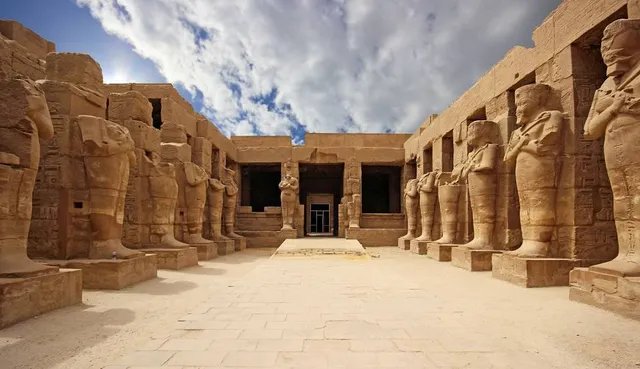
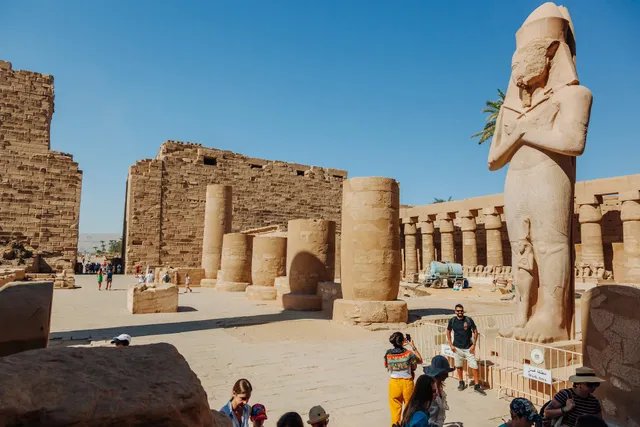
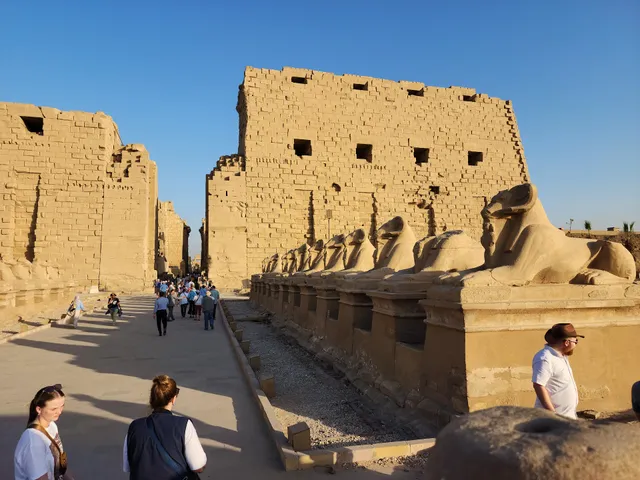
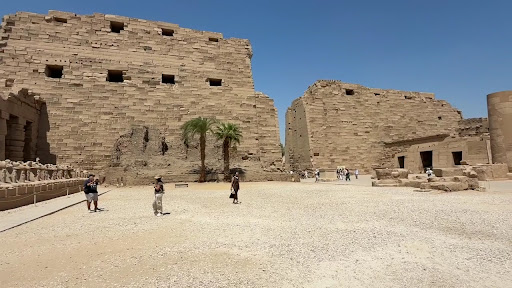
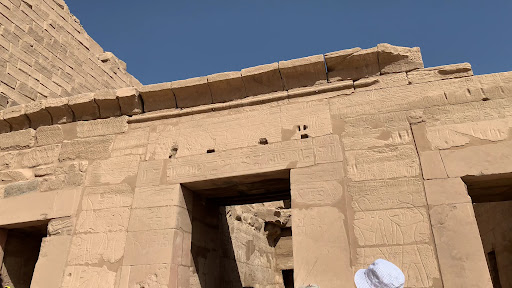
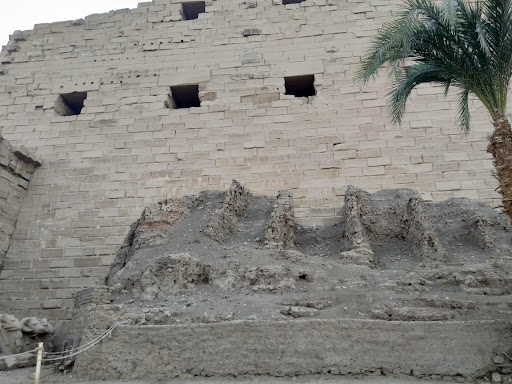
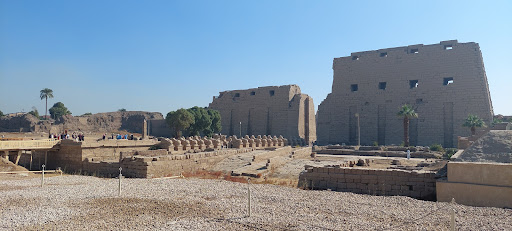
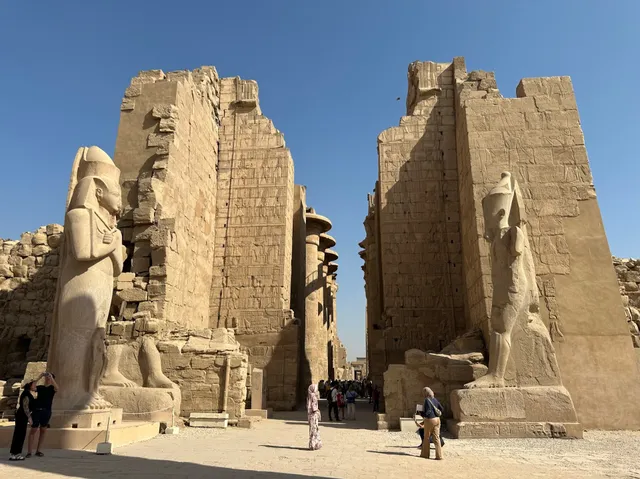
The first pylon of Karnak Temple is the monumental gateway that marks the official entrance into the vast precinct of Amun. It is the largest pylon in the entire complex, measuring about 113 meters wide and 43 meters high, though it was never fully completed. Built during the 30th Dynasty, around the reign of Nectanebo I in the 4th century BCE, it represents one of the last major additions to Karnak after more than a thousand years of continuous building. The pylon is constructed of mudbrick and sandstone, and its unfinished surfaces still show traces of the ramps that would have been used to haul blocks into place. This gateway would have been fronted by colossal statues and obelisks, as well as a massive avenue of sphinxes leading toward the Nile, but much of that decoration has been lost or removed over time. Despite its unfinished state, the first pylon still creates an imposing impression on visitors, dwarfing those who pass through its central doorway into the great court beyond. The scale of the structure reflects the ambition of late-period pharaohs to associate themselves with the grandeur of Karnak, even as Egypt faced political challenges. Today, the first pylon stands as both a threshold and a reminder of Karnak’s long history, showing how successive generations of rulers sought to leave their mark on the most important religious site in ancient Egypt. It is the beginning of the monumental processional route through the temple, a place where visitors move from the outer world into the sacred domain of Amun.
Мария НаливайкоМария Наливайко
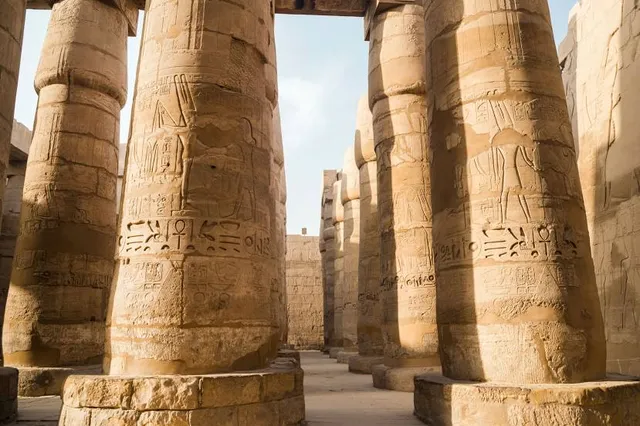
Карнакский храм, расположенный в Луксоре, Египет, — это крупнейший храмовый комплекс Древнего Египта, посвященный богам фиванской триады: Амону-Ра, его супруге Мут и их сыну Хонсу. Карнак является частью более крупного исторического комплекса Фив и входит в список объектов Всемирного наследия ЮНЕСКО. Основные факты: 1. История строительства: • Комплекс строился и расширялся на протяжении более 2000 лет, начиная с эпохи Среднего царства (около 2000 г. до н.э.) до эпохи Птолемеев. • Среди фараонов, внесших вклад в строительство: Сенусерт I, Тутмос III, Хатшепсут, Рамсес II и другие. 2. Структура комплекса: • Большой храм Амона-Ра — главный храм Карнака, с огромным гипостильным залом, колоннадами и святилищем. • Храм Мут — посвящен богине Мут, расположен к югу от главного храма. • Священное озеро — использовалось жрецами для ритуальных омовений. • Обелиски Хатшепсут и Тутмоса I — монументальные памятники, символизирующие солнечные лучи. 3. Гипостильный зал: • Это одна из самых впечатляющих частей комплекса, площадью около 5000 м². • Содержит 134 массивные колонны, украшенные рельефами и иероглифами. 4. Аллея сфинксов: • Соединяет Карнакский храм с храмом Луксора. Аллея длиной около 2,7 км украшена сфинксами с головами баранов, символизирующими Амона-Ра. 5. Символика: • Храм символизировал миф о создании мира: колонны представляют собой камышовые заросли, а потолок символизирует небо. Интересные факты: • Скарабей у Священного озера: Статуя скарабея была установлена как символ удачи и возрождения. Считается, что обход этой статуи приносит счастье. • Храмовый комплекс был центром религиозной и политической власти на протяжении веков. Карнак остается одной из главных туристических достопримечательностей Египта и предоставляет уникальную возможность погрузиться в величие древнеегипетской архитектуры и культуры.
Dawaa OKDawaa OK
The first time I was there in Karnak temple and before that first pylon, was greater than any expectations I ever had. The Egyptian old civilization is more fantastic and the ancient Egyptians must be studied widely and deeply, how they in that early time and before many thousands of years do that great pylons, pillars, structures and buildings and still until this time stand though time and environmental factors. That's unbelievable, they must knew something we don't know in spite of our modern science and technology. This is something should push us to think and study.
See more posts
See more posts
hotel
Find your stay

Pet-friendly Hotels in Old Karnak

Find a cozy hotel nearby and make it a full experience.

The first pylon of Karnak Temple is the monumental gateway that marks the official entrance into the vast precinct of Amun. It is the largest pylon in the entire complex, measuring about 113 meters wide and 43 meters high, though it was never fully completed. Built during the 30th Dynasty, around the reign of Nectanebo I in the 4th century BCE, it represents one of the last major additions to Karnak after more than a thousand years of continuous building. The pylon is constructed of mudbrick and sandstone, and its unfinished surfaces still show traces of the ramps that would have been used to haul blocks into place. This gateway would have been fronted by colossal statues and obelisks, as well as a massive avenue of sphinxes leading toward the Nile, but much of that decoration has been lost or removed over time. Despite its unfinished state, the first pylon still creates an imposing impression on visitors, dwarfing those who pass through its central doorway into the great court beyond. The scale of the structure reflects the ambition of late-period pharaohs to associate themselves with the grandeur of Karnak, even as Egypt faced political challenges. Today, the first pylon stands as both a threshold and a reminder of Karnak’s long history, showing how successive generations of rulers sought to leave their mark on the most important religious site in ancient Egypt. It is the beginning of the monumental processional route through the temple, a place where visitors move from the outer world into the sacred domain of Amun.
Mahmoud Abdelfattah

Mahmoud Abdelfattah

hotel
Find your stay

Affordable Hotels in Old Karnak

Find a cozy hotel nearby and make it a full experience.

Get the Appoverlay
Get the AppOne tap to find yournext favorite spots!
Карнакский храм, расположенный в Луксоре, Египет, — это крупнейший храмовый комплекс Древнего Египта, посвященный богам фиванской триады: Амону-Ра, его супруге Мут и их сыну Хонсу. Карнак является частью более крупного исторического комплекса Фив и входит в список объектов Всемирного наследия ЮНЕСКО. Основные факты: 1. История строительства: • Комплекс строился и расширялся на протяжении более 2000 лет, начиная с эпохи Среднего царства (около 2000 г. до н.э.) до эпохи Птолемеев. • Среди фараонов, внесших вклад в строительство: Сенусерт I, Тутмос III, Хатшепсут, Рамсес II и другие. 2. Структура комплекса: • Большой храм Амона-Ра — главный храм Карнака, с огромным гипостильным залом, колоннадами и святилищем. • Храм Мут — посвящен богине Мут, расположен к югу от главного храма. • Священное озеро — использовалось жрецами для ритуальных омовений. • Обелиски Хатшепсут и Тутмоса I — монументальные памятники, символизирующие солнечные лучи. 3. Гипостильный зал: • Это одна из самых впечатляющих частей комплекса, площадью около 5000 м². • Содержит 134 массивные колонны, украшенные рельефами и иероглифами. 4. Аллея сфинксов: • Соединяет Карнакский храм с храмом Луксора. Аллея длиной около 2,7 км украшена сфинксами с головами баранов, символизирующими Амона-Ра. 5. Символика: • Храм символизировал миф о создании мира: колонны представляют собой камышовые заросли, а потолок символизирует небо. Интересные факты: • Скарабей у Священного озера: Статуя скарабея была установлена как символ удачи и возрождения. Считается, что обход этой статуи приносит счастье. • Храмовый комплекс был центром религиозной и политической власти на протяжении веков. Карнак остается одной из главных туристических достопримечательностей Египта и предоставляет уникальную возможность погрузиться в величие древнеегипетской архитектуры и культуры.
Мария Наливайко

Мария Наливайко

hotel
Find your stay

The Coolest Hotels You Haven't Heard Of (Yet)

Find a cozy hotel nearby and make it a full experience.

hotel
Find your stay

Trending Stays Worth the Hype in Old Karnak

Find a cozy hotel nearby and make it a full experience.

The first time I was there in Karnak temple and before that first pylon, was greater than any expectations I ever had. The Egyptian old civilization is more fantastic and the ancient Egyptians must be studied widely and deeply, how they in that early time and before many thousands of years do that great pylons, pillars, structures and buildings and still until this time stand though time and environmental factors. That's unbelievable, they must knew something we don't know in spite of our modern science and technology. This is something should push us to think and study.
Dawaa OK

Dawaa OK

See more posts
See more posts

Reviews of First Pylon

4.8
(59)
avatar
5.0
13w

The first pylon of Karnak Temple is the monumental gateway that marks the official entrance into the vast precinct of Amun. It is the largest pylon in the entire complex, measuring about 113 meters wide and 43 meters high, though it was never fully completed. Built during the 30th Dynasty, around the reign of Nectanebo I in the 4th century BCE, it represents one of the last major additions to Karnak after more than a thousand years of continuous building. The pylon is constructed of mudbrick and sandstone, and its unfinished surfaces still show traces of the ramps that would have been used to haul blocks into place.

This gateway would have been fronted by colossal statues and obelisks, as well as a massive avenue of sphinxes leading toward the Nile, but much of that decoration has been lost or removed over time. Despite its unfinished state, the first pylon still creates an imposing impression on visitors, dwarfing those who pass through its central doorway into the great court beyond. The scale of the structure reflects the ambition of late-period pharaohs to associate themselves with the grandeur of Karnak, even as Egypt faced political challenges.

Today, the first pylon stands as both a threshold and a reminder of Karnak’s long history, showing how successive generations of rulers sought to leave their mark on the most important religious site in ancient Egypt. It is the beginning of the monumental processional route through the temple, a place where visitors move from the outer world into the sacred...

   Read more
avatar
5.0
1y

The First Pylon, known as الصرح الأول in Arabic, is a monumental structure found at the entrance of many ancient Egyptian temples. It serves as the primary gateway to the temple complex and is often adorned with elaborate carvings, reliefs, and statues depicting scenes from mythology, religious rituals, and historical events.

Constructed with massive stone blocks and towering walls, the First Pylon was designed to impress and intimidate visitors, emphasizing the grandeur and divine significance of the temple beyond. It typically consists of a central gateway flanked by two massive towers, creating a dramatic entrance that symbolizes the transition from the mundane world to the sacred realm of the gods.

The First Pylon played a crucial role in the religious and ceremonial life of ancient Egypt. It served as the backdrop for important rituals, processions, and festivals, during which the pharaoh and priests would display their devotion to the gods and assert the authority of the state.

One of the most famous examples of a First Pylon is found at the Karnak Temple complex in Luxor, Egypt. This colossal structure, built by various pharaohs over centuries, features intricate carvings and reliefs celebrating the military victories and divine lineage of the rulers who commissioned it.

Today, the First Pylon stands as a testament to the architectural and artistic achievements of ancient Egypt, drawing visitors from around the world to marvel at its monumental scale and...

   Read more
avatar
5.0
3y

Under the XXXth Dynasty, Nectanebo (c. 350 B.C.) began building the First Pylon which closes the western side of the Great Courtyard; this pylon remains unfinished, explaining the presence of mud-brick remnants of the construction ramps.

Horemheb (1333-1306 B.C.) built the Second Pylon, which then became the entrance to the Temple, and in front of which several monuments wore installed.

Around 1200 B.C., Seti If built a triple repository chapel for the sacred barques of the Theban triad, Amun, Mout and Khonsu,

Access to the Temple of Kamak is gained today through what is a fate addition to the Temple: the First Courtyard, built in front of the east-west axis leading to the sanctuary of Amun between the end of the XIVth and the IVth century...

   Read more
Page 1 of 7
Previous
Next