HTML SitemapExplore
logo
Find Things to DoFind The Best Restaurants

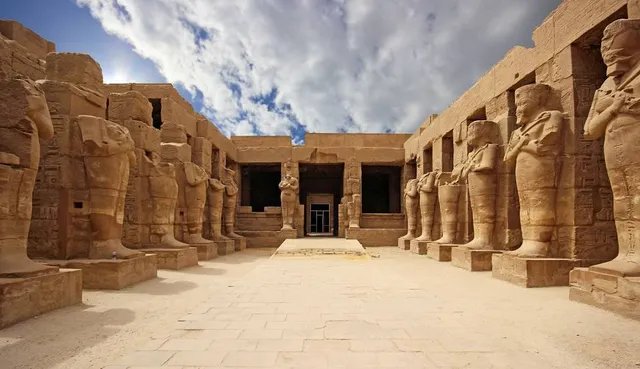
Mut Temple — Attraction in Old Karnak

Name
Mut Temple
Description
Nearby attractions
Karnak
Karnak, Luxor, Luxor Governorate, Egypt
Temple Of Khonsu
PM84+J8F, Luxor City, Luxor, Luxor Governorate, Egypt
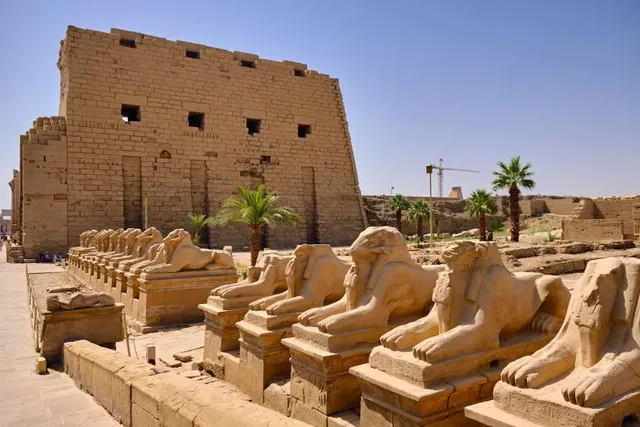
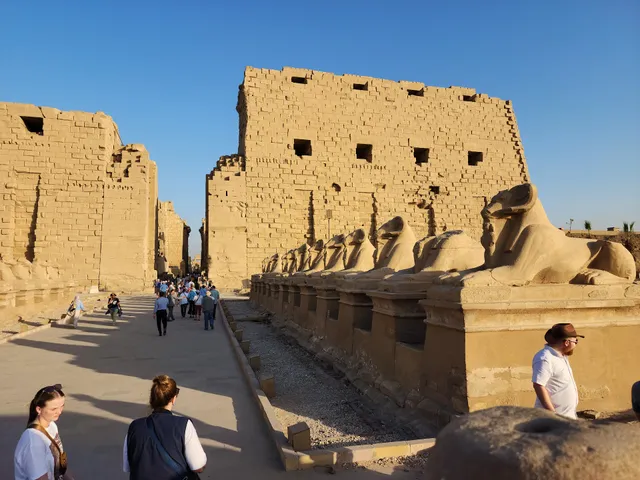
The Sphinx Avenue
طريق معبد الكرنك الي، معبد الأقصر, Luxor Governorate, Egypt
Precinct of Amun-Re
PM95+46C, Karnak, Luxor, Luxor Governorate, Egypt
The temple of opet
شارع El-Shaikh Mousa, Karnak, Luxor, Luxor Governorate 1363026, Egypt
Ramesses III Temple
PM94+8Q9, Karnak, Luxor, Luxor Governorate, Egypt
Hypostyle Hall
PM95+F45, Luxor City, Luxor, Luxor Governorate, Egypt
Temple of Thutmose III
PM95+4RM, Karnak, Luxor, Luxor Governorate, Egypt
Temple of Ramesses II
PM96+245, Karnak, Luxor, Luxor Governorate, Egypt
Obelisk of Thutmose I
PM95+982, Karnak, Luxor, Luxor Governorate, Egypt
Nearby restaurants
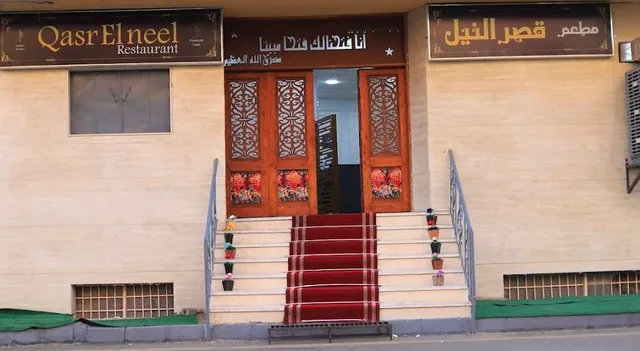
Qasr el neel restaurant
El-Sayed Youssef, Karnak, Luxor, Luxor Governorate 85953, Egypt
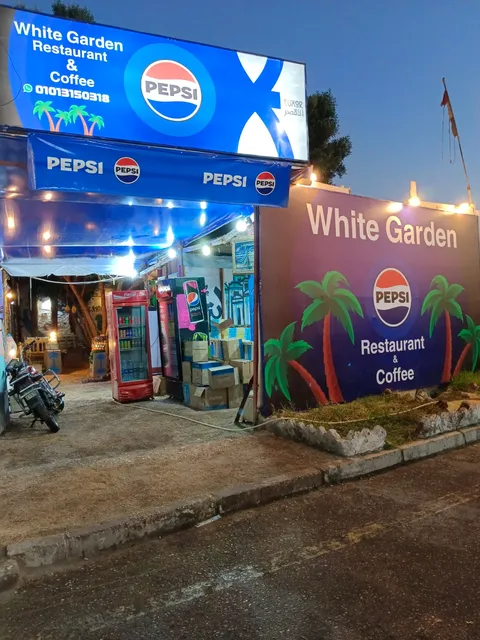
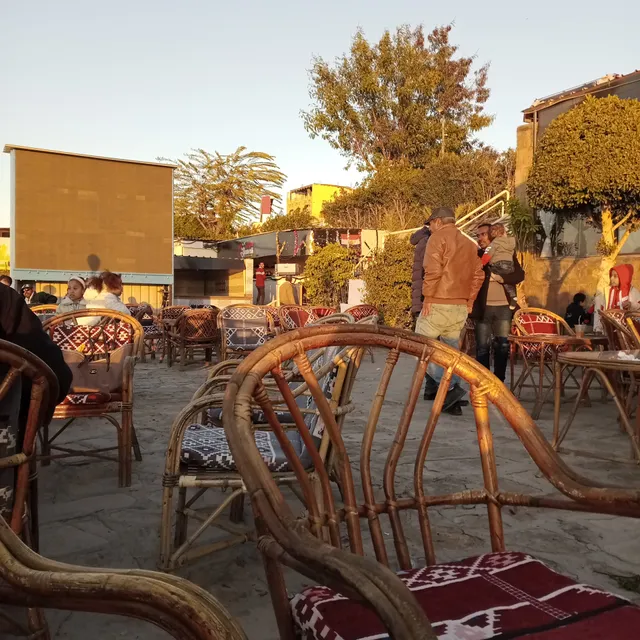
White Coffee & Restaraunt
Karnak temple, Luxor, Luxor Governorate, Egypt
المطعم الصيني يو شان فانج
karnak park، شارع نجع البحاروه, Luxor Governorate 85955, Egypt
Bab Sharq Luxor
The Conference Center, El Kornish, Karnak, Luxor, Luxor Governorate 1362602, Egypt
مطعم وكافية هاواي Hawaii Cafe & Restaurant
كورنيش النيل، الكرنك، الأقصر،, Egypt
Nearby hotels
Rezeiky hotel and camp Luxor
Unnamed Road, Karnak, Luxor, Luxor Governorate 1363001, Egypt
HISTORIA the Boutique Hotel Nile Cruise
Kornish Al Nile, Karnak, Luxor, Luxor Governorate 85111, Egypt
Related posts
Keywords
Mut Temple tourism.Mut Temple hotels.Mut Temple bed and breakfast. flights to Mut Temple.Mut Temple attractions.Mut Temple restaurants.Mut Temple travel.Mut Temple travel guide.Mut Temple travel blog.Mut Temple pictures.Mut Temple photos.Mut Temple travel tips.Mut Temple maps.Mut Temple things to do.
Mut Temple things to do, attractions, restaurants, events info and trip planning
Mut Temple
EgyptLuxorOld KarnakMut Temple

Basic Info

Mut Temple

PM64+M38, Rd Lead to Al Oksor, Karnak, Luxor, Luxor Governorate 1363067, Egypt
4.4(302)
Open 24 hours
Save
spot

Ratings & Description

Info

Cultural
Scenic
Family friendly
attractions: Karnak, Temple Of Khonsu, The Sphinx Avenue, Precinct of Amun-Re, The temple of opet, Ramesses III Temple, Hypostyle Hall, Temple of Thutmose III, Temple of Ramesses II, Obelisk of Thutmose I, restaurants: Qasr el neel restaurant, White Coffee & Restaraunt, المطعم الصيني يو شان فانج, Bab Sharq Luxor, مطعم وكافية هاواي Hawaii Cafe & Restaurant
logoLearn more insights from Wanderboat AI.

Plan your stay

hotel
Pet-friendly Hotels in Old Karnak
Find a cozy hotel nearby and make it a full experience.
hotel
Affordable Hotels in Old Karnak
Find a cozy hotel nearby and make it a full experience.
hotel
The Coolest Hotels You Haven't Heard Of (Yet)
Find a cozy hotel nearby and make it a full experience.
hotel
Trending Stays Worth the Hype in Old Karnak
Find a cozy hotel nearby and make it a full experience.

Reviews

Nearby attractions of Mut Temple

Karnak

Temple Of Khonsu

The Sphinx Avenue

Precinct of Amun-Re

The temple of opet

Ramesses III Temple

Hypostyle Hall

Temple of Thutmose III

Temple of Ramesses II

Obelisk of Thutmose I

Karnak

Karnak

4.8

(11K)

Open 24 hours
Click for details
Temple Of Khonsu

Temple Of Khonsu

4.7

(90)

Open 24 hours
Click for details
The Sphinx Avenue

The Sphinx Avenue

4.7

(451)

Open 24 hours
Click for details
Precinct of Amun-Re

Precinct of Amun-Re

4.8

(240)

Open 24 hours
Click for details

Things to do nearby

[Private]Valley of The Kings Hatshpsut Habu &lunch
[Private]Valley of The Kings Hatshpsut Habu &lunch
Tue, Dec 9 • 5:30 AM
Luxor City, Luxor Governorate, 1362404, Egypt
View details
Balloons ride over luxor, Fly with Captain Moo
Tue, Dec 9 • 4:00 AM
Luxor City, Luxor Governorate, 00000, Egypt
View details
Private customized day trip in Luxor with Lunch
Tue, Dec 9 • 6:00 AM
Al Qarna, Luxor Governorate, 1340413, Egypt
View details

Nearby restaurants of Mut Temple

Qasr el neel restaurant

White Coffee & Restaraunt

المطعم الصيني يو شان فانج

Bab Sharq Luxor

مطعم وكافية هاواي Hawaii Cafe & Restaurant

Qasr el neel restaurant

Qasr el neel restaurant

4.8

(224)

Click for details
White Coffee & Restaraunt

White Coffee & Restaraunt

4.8

(302)

Click for details
المطعم الصيني يو شان فانج

المطعم الصيني يو شان فانج

3.7

(7)

Click for details
Bab Sharq Luxor

Bab Sharq Luxor

4.0

(32)

Open until 2:00 AM
Click for details
Get the Appoverlay
Get the AppOne tap to find yournext favorite spots!
Wanderboat LogoWanderboat

Your everyday Al companion for getaway ideas

CompanyAbout Us
InformationAI Trip PlannerSitemap
SocialXInstagramTiktokLinkedin
LegalTerms of ServicePrivacy Policy

Get the app

© 2025 Wanderboat. All rights reserved.
logo

Posts

Devika RajeevDevika Rajeev
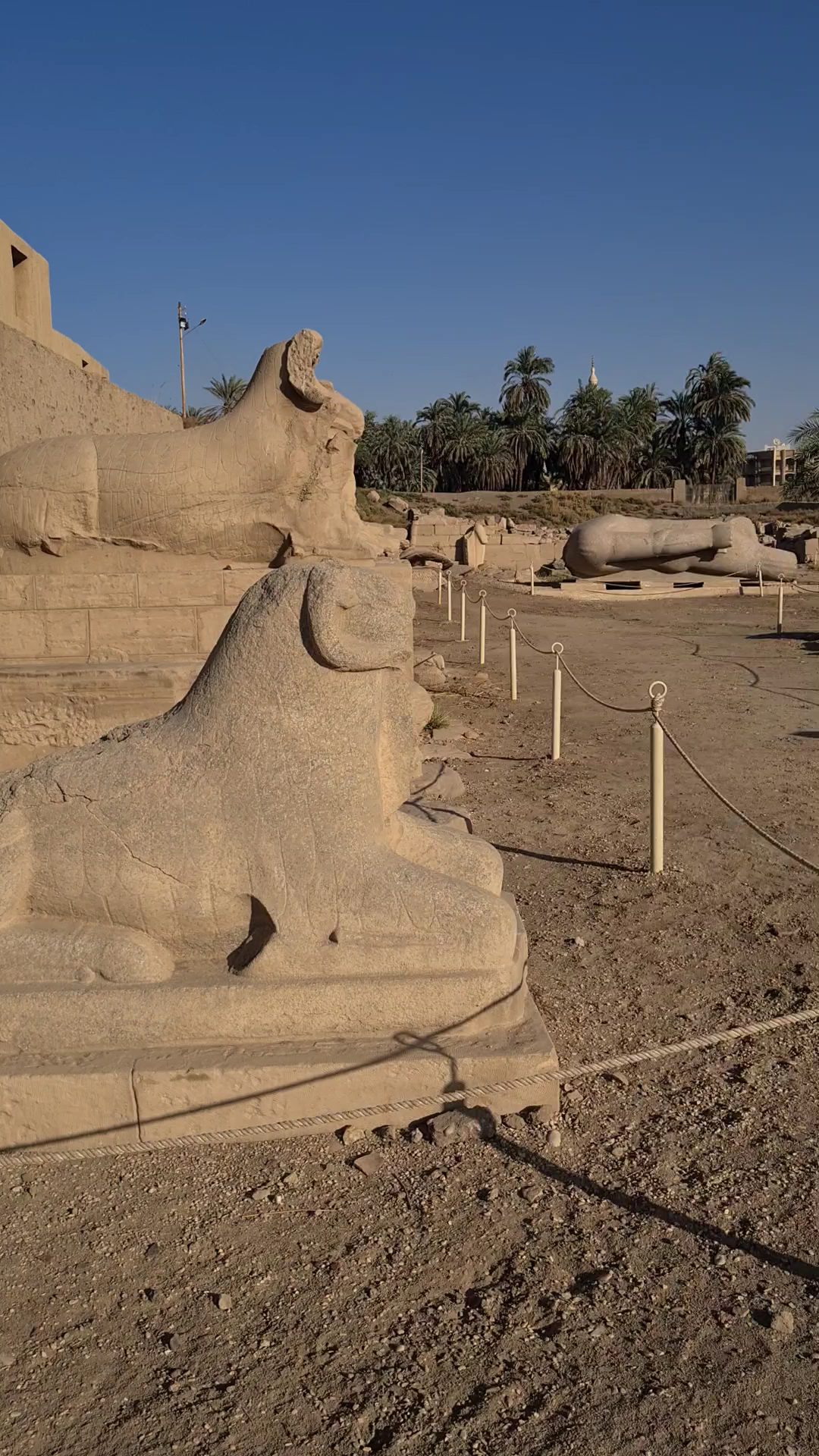
Most of the other reviews don't seem to be relevant/ updated, so leaving this here as of October 2023. We visited this place only because we bought an extra ticket for it while buying tickets at the Karnak Temple. It was extremely difficult not just to get to, but even find. We headed south from the Karnak Temple past the Temple of Khonsu through a large gate. Somehow kept managing to go south till we hit the Avenue of Sphinxes. (If in doubt, just ask any of the security guards, they are helpful). The Avenue turns left and then right at a point. Instead of turning right, keep heading straight (there is a signboard - see photo below) and you will see the gate to your right. The gate was locked when we got there, but the gate keeper came down and let us in after checking our tickets. This was clearly a magnificent temple, but is in a state of disrepair. There are a couple of beautiful statues of Sekhmet and Rameses (see photos below) which make you feel slightly better about the money spent on the tickets. There is also a gallery of Sekhmet statues to help you realise how grand this temple must have been in its heyday (see video below). The ticket checker came in with us and helpfully pointed out the highlights (of course we gave him the expected tip at the end). It was extremely peaceful as there was no other soul around. We would have enjoyed it except for the heat and the effort of getting there. (If you don't want to head back all the way to the Karnak Temple to reach civilization, just head further down the Avenue of Sphinxes till you see a set of steps leading up. There was a ticket counter there, not sure for what. We told them we just wanted to get to the road and climbed up.)
Hans FröhlichHans Fröhlich
Wer heute als Tourist nach Luxor kommt und in dem Tempel des Götterkönigs Amun über die Zeit verfügt, den Tempel der Mut, südlich vom Tempel des Amun, zusätzlich zu besichtigen, muss viel Zeit und Ausdauer mitbringen. Seit über zehn Jahren wird in Luxor die Sphinx-Allee aus Richtung Luxor-Tempel kommend in Richtung Karnak-Tempel restauriert und obwohl es immer wieder so aussieht, dass die Arbeiten kurz vor ihrem Abschluss stehen, wird es wohl noch einige Zeit dauern, bis Touristen diesen Weg nutzen können. Es ist momentan also nicht möglich, direkt aus dem Karnak-Tempel über ein Stück der Sphinx-Allee zum Mut-Tempel zu gelangen, da hinter dem zehnten Pylon ein Zaun diese Strecke absperrt. Die Eintrittskarte zur Besichtigung des Mut-Tempels erhält man im Ticket-Shop des Karnak-Tempels, sie ist also extra zu bezahlen. So muss der Tourist einen zusätzlichen Fußweg um die Tempelmauer in südliche Richtung herumlaufen oder mit einem Taxi zum Mut-Tempel fahren, um diesen zu besuchen. Der Tempel selbst ist es wert besucht zu werden, obwohl er auf den ersten Blick eher nichts Außergewöhnliches zu beinhalten scheint, als eine unendliche große Sammlung von Riesenstatuen der löwenköpfigen Sechmet mit Menschenkörper in Sitzstellung, heute fast alle nur als Fragmente erhalten. Südlich von diesem Tempelbezirk liegt der See Ascher, welcher in den historischen Schriften nur beiläufig durch die Bezeichnung „Herrin vom See Ascher“ erwähnt wird. Er wurde in den letzten Jahren instandgesetzt. Auf seine Entstehung wird kein Hinweis gegeben und es kann sich um ein Teil des alten Flussbettes vom Nil handeln oder der König Amun-hotep III. legte ihn als „heiligen See“ an, als er den gesamten Tempelkomplex für die Göttin Mut errichten ließ. Diesem König sind viele Bauwerke im Tempel des Amun zu verdanken, da er Dank seiner vielen kriegerischen Erfolge (hier der siegreiche Feldzug gegen das Land Kusch) über die entsprechenden finanziellen Mittel zum Bau solcher Anlagen verfügte. Ihm sind auch die Teilstücke der Sphinx-Allee und der Laufweg zwischen Karnak und dem damals neuen Tempel des Amun in Luxor zu verdanken, der als Prozessionsstraßen mit liegenden Widdern und der Sonnenscheibe auf dem Kopf flankiert, ein gigantisches Meisterwerk schuf. Somit besaßen Amun (Vater) und Mut (Mutter) ihre eigenen Tempel. Erweiterungen fanden immer wieder in größeren Abständen statt. Unter der Dynastie der Ramessiden (Ramses III. und Nachfolger) erhielt auch der Mondgott Chons (Kind) noch einen eindrucksvollen Tempel, ebenso wurde ein Tempel unter Ramses III. (Tempel C) in den Mut-Bezirk gebaut. Zwei monumentale kopflose Standbilder von Ramses III. aus Granit sind heute beschädigt noch vorhanden. Seti II. ließ ein Pylon am nördlichen Eingang errichten. König Taharaqa (690 - 664 v. Chr.) in der 25. Dynastie, bekannt durch seine Kolonnaden und Kioske, ließ hinter dem Pylon einen Säulengang auf der mittleren Achse errichten und nahm verschiedene Ergänzungen im Tempel vor. Er ließ den Teich und die Kanäle erneuern und umschloss die Anlage mit einer Schutzmauer. Das Tor in der Westmauer öffnete einen neuen Prozessionsweg zum Tempel A. Ptolemäus II. ließ eine Kapelle als Gegentempel am Ende des Mut-Tempels errichten, der jedoch zur Baumaterialgewinnung im 19. Jahrhundert fast vollständig abgerissen wurde. Dank internationaler Bemühungen und finanzieller Unterstützungen konnten durch „The American Research Center in Ägypten (ARCE) und das Brooklyn Museum“ viele Rekonstruktionen erfolgen, so dass auch künftig mit einer ständigen Komplettierung der Fragmente zu rechnen ist.
farid Elhadyfarid Elhady
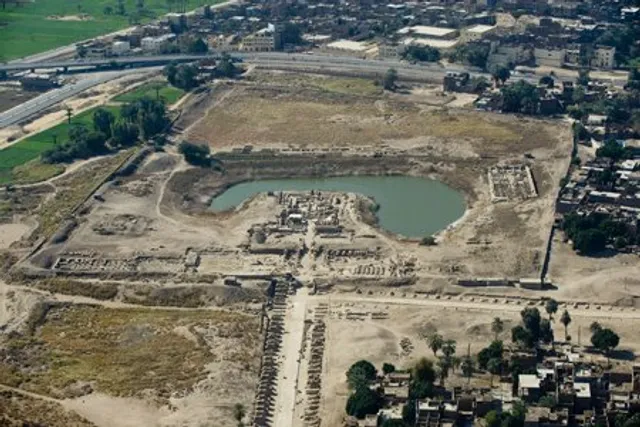
Mut was a daughter of the sun god like Sekhmet, Hathor, Bastet, Nekhbet and others — goddesses known as the “Eye of Re.” They were both benign and dangerous and could appear as gentle cats or fierce lionesses. Because they influenced the Nile floods and could both cause and cure disease, their cults were vital to Egypt. Mut’s other role, which assumed greater importance from the reign of Amunhotep III on, was as consort of Amun and mother of Khonsu. She is usually portrayed as a woman wearing the Double Crown, signifying her task of protecting the office of kingship and the king himself. Mut’s primary cult center was at South Karnak, linked to the Amun Precinct by an avenue of rams. Covering over 20 acres, it contains three major temples. The Mut Temple itself is girdled by a horseshoe-shaped sacred lake (the Isheru), a type specific to Eye of Re goddesses. The earliest preserved structures date to Hatshepsut and Thutmosis III, but the Johns Hopkins University Mut Expedition discovered evidence of a Middle Kingdom temple under the later construction. Until Dynasty 25, the Mut Precinct consisted only of the Mut Temple and the sacred lake.
See more posts
See more posts
hotel
Find your stay

Pet-friendly Hotels in Old Karnak

Find a cozy hotel nearby and make it a full experience.

Most of the other reviews don't seem to be relevant/ updated, so leaving this here as of October 2023. We visited this place only because we bought an extra ticket for it while buying tickets at the Karnak Temple. It was extremely difficult not just to get to, but even find. We headed south from the Karnak Temple past the Temple of Khonsu through a large gate. Somehow kept managing to go south till we hit the Avenue of Sphinxes. (If in doubt, just ask any of the security guards, they are helpful). The Avenue turns left and then right at a point. Instead of turning right, keep heading straight (there is a signboard - see photo below) and you will see the gate to your right. The gate was locked when we got there, but the gate keeper came down and let us in after checking our tickets. This was clearly a magnificent temple, but is in a state of disrepair. There are a couple of beautiful statues of Sekhmet and Rameses (see photos below) which make you feel slightly better about the money spent on the tickets. There is also a gallery of Sekhmet statues to help you realise how grand this temple must have been in its heyday (see video below). The ticket checker came in with us and helpfully pointed out the highlights (of course we gave him the expected tip at the end). It was extremely peaceful as there was no other soul around. We would have enjoyed it except for the heat and the effort of getting there. (If you don't want to head back all the way to the Karnak Temple to reach civilization, just head further down the Avenue of Sphinxes till you see a set of steps leading up. There was a ticket counter there, not sure for what. We told them we just wanted to get to the road and climbed up.)
Devika Rajeev

Devika Rajeev

hotel
Find your stay

Affordable Hotels in Old Karnak

Find a cozy hotel nearby and make it a full experience.

Get the Appoverlay
Get the AppOne tap to find yournext favorite spots!
Wer heute als Tourist nach Luxor kommt und in dem Tempel des Götterkönigs Amun über die Zeit verfügt, den Tempel der Mut, südlich vom Tempel des Amun, zusätzlich zu besichtigen, muss viel Zeit und Ausdauer mitbringen. Seit über zehn Jahren wird in Luxor die Sphinx-Allee aus Richtung Luxor-Tempel kommend in Richtung Karnak-Tempel restauriert und obwohl es immer wieder so aussieht, dass die Arbeiten kurz vor ihrem Abschluss stehen, wird es wohl noch einige Zeit dauern, bis Touristen diesen Weg nutzen können. Es ist momentan also nicht möglich, direkt aus dem Karnak-Tempel über ein Stück der Sphinx-Allee zum Mut-Tempel zu gelangen, da hinter dem zehnten Pylon ein Zaun diese Strecke absperrt. Die Eintrittskarte zur Besichtigung des Mut-Tempels erhält man im Ticket-Shop des Karnak-Tempels, sie ist also extra zu bezahlen. So muss der Tourist einen zusätzlichen Fußweg um die Tempelmauer in südliche Richtung herumlaufen oder mit einem Taxi zum Mut-Tempel fahren, um diesen zu besuchen. Der Tempel selbst ist es wert besucht zu werden, obwohl er auf den ersten Blick eher nichts Außergewöhnliches zu beinhalten scheint, als eine unendliche große Sammlung von Riesenstatuen der löwenköpfigen Sechmet mit Menschenkörper in Sitzstellung, heute fast alle nur als Fragmente erhalten. Südlich von diesem Tempelbezirk liegt der See Ascher, welcher in den historischen Schriften nur beiläufig durch die Bezeichnung „Herrin vom See Ascher“ erwähnt wird. Er wurde in den letzten Jahren instandgesetzt. Auf seine Entstehung wird kein Hinweis gegeben und es kann sich um ein Teil des alten Flussbettes vom Nil handeln oder der König Amun-hotep III. legte ihn als „heiligen See“ an, als er den gesamten Tempelkomplex für die Göttin Mut errichten ließ. Diesem König sind viele Bauwerke im Tempel des Amun zu verdanken, da er Dank seiner vielen kriegerischen Erfolge (hier der siegreiche Feldzug gegen das Land Kusch) über die entsprechenden finanziellen Mittel zum Bau solcher Anlagen verfügte. Ihm sind auch die Teilstücke der Sphinx-Allee und der Laufweg zwischen Karnak und dem damals neuen Tempel des Amun in Luxor zu verdanken, der als Prozessionsstraßen mit liegenden Widdern und der Sonnenscheibe auf dem Kopf flankiert, ein gigantisches Meisterwerk schuf. Somit besaßen Amun (Vater) und Mut (Mutter) ihre eigenen Tempel. Erweiterungen fanden immer wieder in größeren Abständen statt. Unter der Dynastie der Ramessiden (Ramses III. und Nachfolger) erhielt auch der Mondgott Chons (Kind) noch einen eindrucksvollen Tempel, ebenso wurde ein Tempel unter Ramses III. (Tempel C) in den Mut-Bezirk gebaut. Zwei monumentale kopflose Standbilder von Ramses III. aus Granit sind heute beschädigt noch vorhanden. Seti II. ließ ein Pylon am nördlichen Eingang errichten. König Taharaqa (690 - 664 v. Chr.) in der 25. Dynastie, bekannt durch seine Kolonnaden und Kioske, ließ hinter dem Pylon einen Säulengang auf der mittleren Achse errichten und nahm verschiedene Ergänzungen im Tempel vor. Er ließ den Teich und die Kanäle erneuern und umschloss die Anlage mit einer Schutzmauer. Das Tor in der Westmauer öffnete einen neuen Prozessionsweg zum Tempel A. Ptolemäus II. ließ eine Kapelle als Gegentempel am Ende des Mut-Tempels errichten, der jedoch zur Baumaterialgewinnung im 19. Jahrhundert fast vollständig abgerissen wurde. Dank internationaler Bemühungen und finanzieller Unterstützungen konnten durch „The American Research Center in Ägypten (ARCE) und das Brooklyn Museum“ viele Rekonstruktionen erfolgen, so dass auch künftig mit einer ständigen Komplettierung der Fragmente zu rechnen ist.
Hans Fröhlich

Hans Fröhlich

hotel
Find your stay

The Coolest Hotels You Haven't Heard Of (Yet)

Find a cozy hotel nearby and make it a full experience.

hotel
Find your stay

Trending Stays Worth the Hype in Old Karnak

Find a cozy hotel nearby and make it a full experience.

Mut was a daughter of the sun god like Sekhmet, Hathor, Bastet, Nekhbet and others — goddesses known as the “Eye of Re.” They were both benign and dangerous and could appear as gentle cats or fierce lionesses. Because they influenced the Nile floods and could both cause and cure disease, their cults were vital to Egypt. Mut’s other role, which assumed greater importance from the reign of Amunhotep III on, was as consort of Amun and mother of Khonsu. She is usually portrayed as a woman wearing the Double Crown, signifying her task of protecting the office of kingship and the king himself. Mut’s primary cult center was at South Karnak, linked to the Amun Precinct by an avenue of rams. Covering over 20 acres, it contains three major temples. The Mut Temple itself is girdled by a horseshoe-shaped sacred lake (the Isheru), a type specific to Eye of Re goddesses. The earliest preserved structures date to Hatshepsut and Thutmosis III, but the Johns Hopkins University Mut Expedition discovered evidence of a Middle Kingdom temple under the later construction. Until Dynasty 25, the Mut Precinct consisted only of the Mut Temple and the sacred lake.
farid Elhady

farid Elhady

See more posts
See more posts

Reviews of Mut Temple

4.4
(302)
avatar
3.0
2y

Most of the other reviews don't seem to be relevant/ updated, so leaving this here as of October 2023.

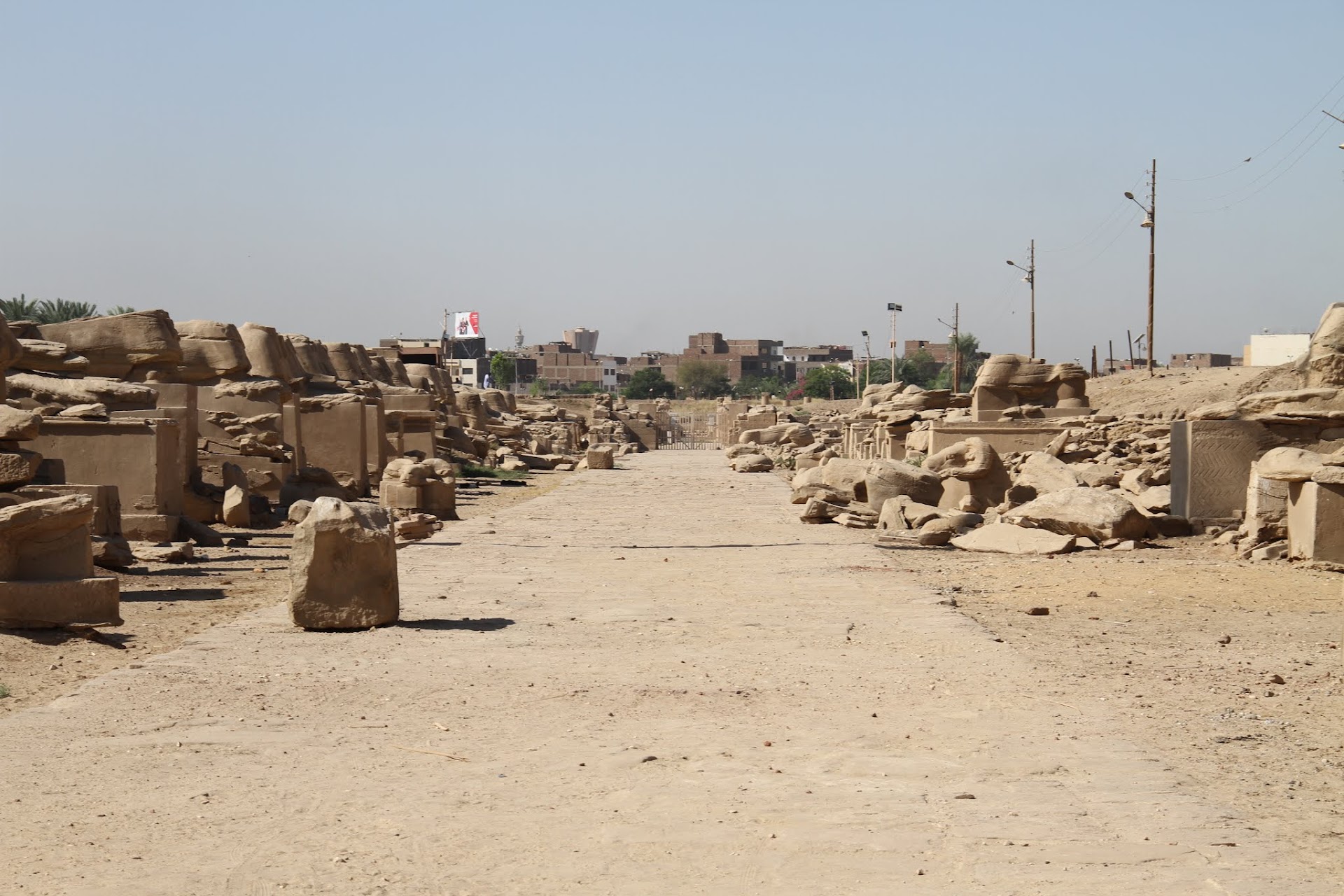
We visited this place only because we bought an extra ticket for it while buying tickets at the Karnak Temple. It was extremely difficult not just to get to, but even find. We headed south from the Karnak Temple past the Temple of Khonsu through a large gate. Somehow kept managing to go south till we hit the Avenue of Sphinxes. (If in doubt, just ask any of the security guards, they are helpful).

The Avenue turns left and then right at a point. Instead of turning right, keep heading straight (there is a signboard - see photo below) and you will see the gate to your right. The gate was locked when we got there, but the gate keeper came down and let us in after checking our tickets.

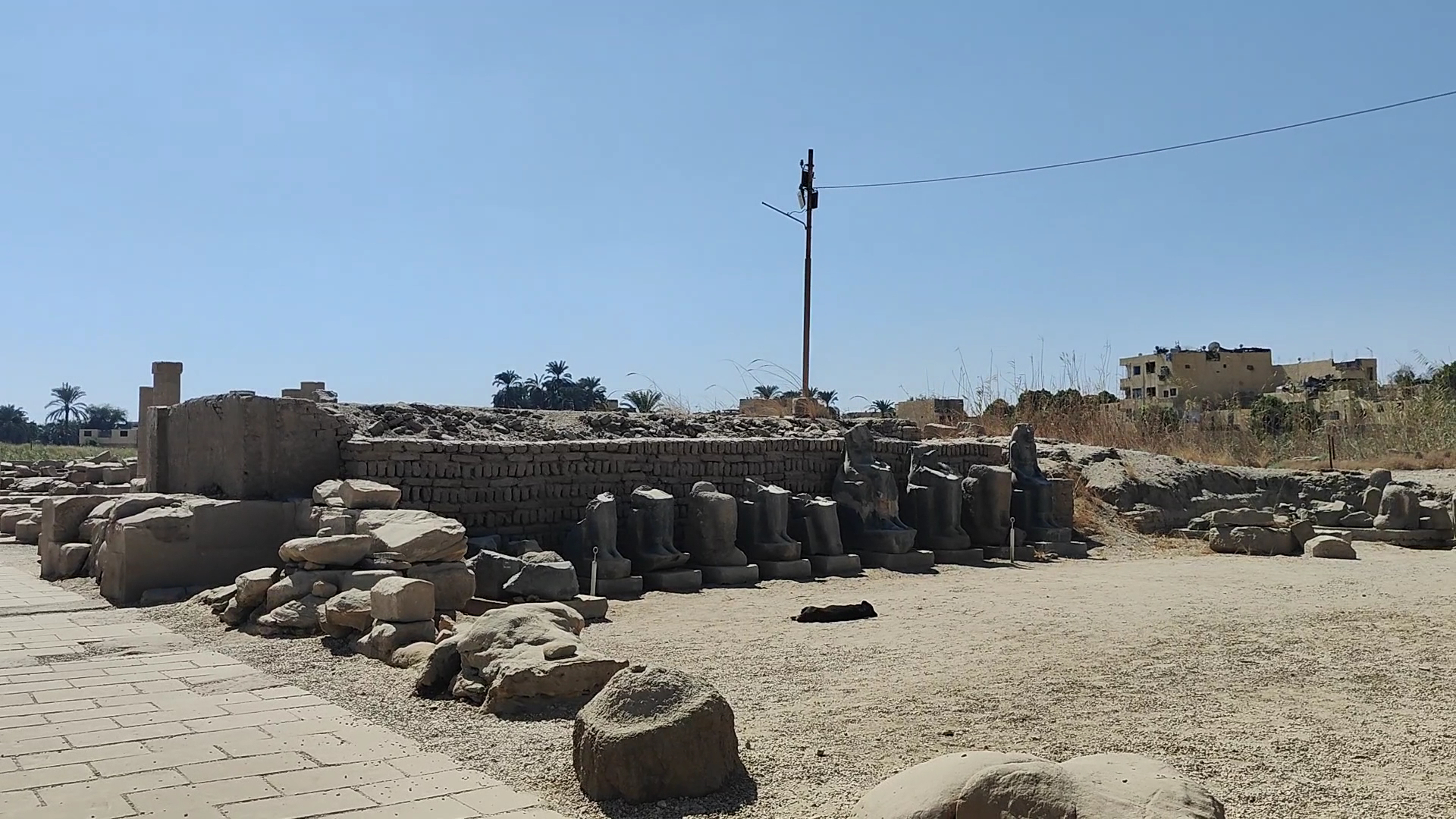
This was clearly a magnificent temple, but is in a state of disrepair. There are a couple of beautiful statues of Sekhmet and Rameses (see photos below) which make you feel slightly better about the money spent on the tickets. There is also a gallery of Sekhmet statues to help you realise how grand this temple must have been in its heyday (see video below). The ticket checker came in with us and helpfully pointed out the highlights (of course we gave him the expected tip at the end).

It was extremely peaceful as there was no other soul around. We would have enjoyed it except for the heat and the effort of getting there.

(If you don't want to head back all the way to the Karnak Temple to reach civilization, just head further down the Avenue of Sphinxes till you see a set of steps leading up. There was a ticket counter there, not sure for what. We told them we just wanted to get to the road and...

   Read more
avatar
3.0
6y

Wer heute als Tourist nach Luxor kommt und in dem Tempel des Götterkönigs Amun über die Zeit verfügt, den Tempel der Mut, südlich vom Tempel des Amun, zusätzlich zu besichtigen, muss viel Zeit und Ausdauer mitbringen. Seit über zehn Jahren wird in Luxor die Sphinx-Allee aus Richtung Luxor-Tempel kommend in Richtung Karnak-Tempel restauriert und obwohl es immer wieder so aussieht, dass die Arbeiten kurz vor ihrem Abschluss stehen, wird es wohl noch einige Zeit dauern, bis Touristen diesen Weg nutzen können. Es ist momentan also nicht möglich, direkt aus dem Karnak-Tempel über ein Stück der Sphinx-Allee zum Mut-Tempel zu gelangen, da hinter dem zehnten Pylon ein Zaun diese Strecke absperrt. Die Eintrittskarte zur Besichtigung des Mut-Tempels erhält man im Ticket-Shop des Karnak-Tempels, sie ist also extra zu bezahlen. So muss der Tourist einen zusätzlichen Fußweg um die Tempelmauer in südliche Richtung herumlaufen oder mit einem Taxi zum Mut-Tempel fahren, um diesen zu besuchen. Der Tempel selbst ist es wert besucht zu werden, obwohl er auf den ersten Blick eher nichts Außergewöhnliches zu beinhalten scheint, als eine unendliche große Sammlung von Riesenstatuen der löwenköpfigen Sechmet mit Menschenkörper in Sitzstellung, heute fast alle nur als Fragmente erhalten. Südlich von diesem Tempelbezirk liegt der See Ascher, welcher in den historischen Schriften nur beiläufig durch die Bezeichnung „Herrin vom See Ascher“ erwähnt wird. Er wurde in den letzten Jahren instandgesetzt. Auf seine Entstehung wird kein Hinweis gegeben und es kann sich um ein Teil des alten Flussbettes vom Nil handeln oder der König Amun-hotep III. legte ihn als „heiligen See“ an, als er den gesamten Tempelkomplex für die Göttin Mut errichten ließ. Diesem König sind viele Bauwerke im Tempel des Amun zu verdanken, da er Dank seiner vielen kriegerischen Erfolge (hier der siegreiche Feldzug gegen das Land Kusch) über die entsprechenden finanziellen Mittel zum Bau solcher Anlagen verfügte. Ihm sind auch die Teilstücke der Sphinx-Allee und der Laufweg zwischen Karnak und dem damals neuen Tempel des Amun in Luxor zu verdanken, der als Prozessionsstraßen mit liegenden Widdern und der Sonnenscheibe auf dem Kopf flankiert, ein gigantisches Meisterwerk schuf. Somit besaßen Amun (Vater) und Mut (Mutter) ihre eigenen Tempel. Erweiterungen fanden immer wieder in größeren Abständen statt. Unter der Dynastie der Ramessiden (Ramses III. und Nachfolger) erhielt auch der Mondgott Chons (Kind) noch einen eindrucksvollen Tempel, ebenso wurde ein Tempel unter Ramses III. (Tempel C) in den Mut-Bezirk gebaut. Zwei monumentale kopflose Standbilder von Ramses III. aus Granit sind heute beschädigt noch vorhanden. Seti II. ließ ein Pylon am nördlichen Eingang errichten. König Taharaqa (690 - 664 v. Chr.) in der 25. Dynastie, bekannt durch seine Kolonnaden und Kioske, ließ hinter dem Pylon einen Säulengang auf der mittleren Achse errichten und nahm verschiedene Ergänzungen im Tempel vor. Er ließ den Teich und die Kanäle erneuern und umschloss die Anlage mit einer Schutzmauer. Das Tor in der Westmauer öffnete einen neuen Prozessionsweg zum Tempel A. Ptolemäus II. ließ eine Kapelle als Gegentempel am Ende des Mut-Tempels errichten, der jedoch zur Baumaterialgewinnung im 19. Jahrhundert fast vollständig abgerissen wurde.

Dank internationaler Bemühungen und finanzieller Unterstützungen konnten durch „The American Research Center in Ägypten (ARCE) und das Brooklyn Museum“ viele Rekonstruktionen erfolgen, so dass auch künftig mit einer ständigen Komplettierung der Fragmente zu...

   Read more
avatar
5.0
23w

Mut was a daughter of the sun god like Sekhmet, Hathor, Bastet, Nekhbet and others — goddesses known as the “Eye of Re.” They were both benign and dangerous and could appear as gentle cats or fierce lionesses. Because they influenced the Nile floods and could both cause and cure disease, their cults were vital to Egypt.

Mut’s other role, which assumed greater importance from the reign of Amunhotep III on, was as consort of Amun and mother of Khonsu. She is usually portrayed as a woman wearing the Double Crown, signifying her task of protecting the office of kingship and the king himself. Mut’s primary cult center was at South Karnak, linked to the Amun Precinct by an avenue of rams. Covering over 20 acres, it contains three major temples. The Mut Temple itself is girdled by a horseshoe-shaped sacred lake (the Isheru), a type specific to Eye of Re goddesses. The earliest preserved structures date to Hatshepsut and Thutmosis III, but the Johns Hopkins University Mut Expedition discovered evidence of a Middle Kingdom temple under the later construction. Until Dynasty 25, the Mut Precinct consisted only of the Mut Temple and the...

   Read more
Page 1 of 7
Previous
Next