The Sphinx Avenue things to do, attractions, restaurants, events info and trip planning
Basic Info
The Sphinx Avenue
طريق معبد الكرنك الي، معبد الأقصر, Luxor Governorate, Egypt
4.6(456)
Open until 5:00 PM
Save
spot
spot
Ratings & Description
Info
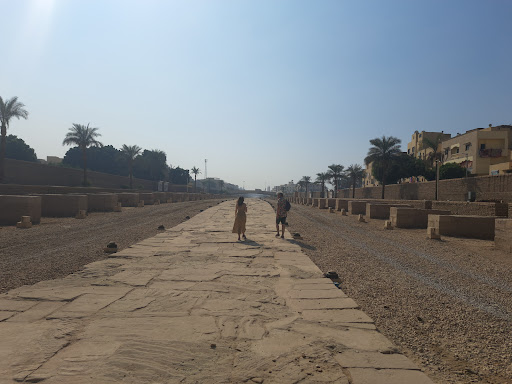
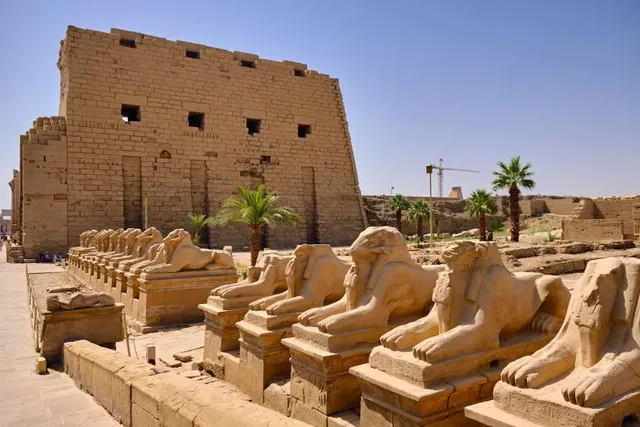
Avenue of Sphinxes or The King's Festivities Road, also known as Rams Road is a 2.7 km long avenue which connects Karnak Temple with Luxor Temple having been uncovered in the ancient city of Thebes, with sphinxes and ram-headed statues lined up on both flanks.
Cultural
Outdoor
Scenic
Family friendly
attractions: Luxor Museum, Mut Temple, restaurants: Qasr el neel restaurant, Karnak cafe shop, مطعم وكافية هاواي Hawaii Cafe & Restaurant, Kaya Restoz, Bab Sharq Luxor, Capital Cafe, Oasis Palace, Hawaii Cafe, Le monde cafe, Sunset Cafe, local businesses: Local Market سوق, Princess Sarah Nile Cruise, Savoy tourism market
 Learn more insights from Wanderboat AI.
Website
en.m.wikipedia.org
Open hoursSee all hours
Fri6 AM - 5 PMOpen
Plan your stay

Pet-friendly Hotels in Old Karnak
Find a cozy hotel nearby and make it a full experience.

Affordable Hotels in Old Karnak
Find a cozy hotel nearby and make it a full experience.

The Coolest Hotels You Haven't Heard Of (Yet)
Find a cozy hotel nearby and make it a full experience.

Trending Stays Worth the Hype in Old Karnak
Find a cozy hotel nearby and make it a full experience.
Reviews
Live events

Balloons ride over luxor, Fly with Captain Moo
Mon, Feb 16 • 6:15 AM
Luxor City, Luxor Governorate, 00000, Egypt
View details
Private customized day trip in Luxor with Lunch
Fri, Feb 13 • 6:00 AM
Al Qarna, Luxor Governorate, 1340413, Egypt
View details
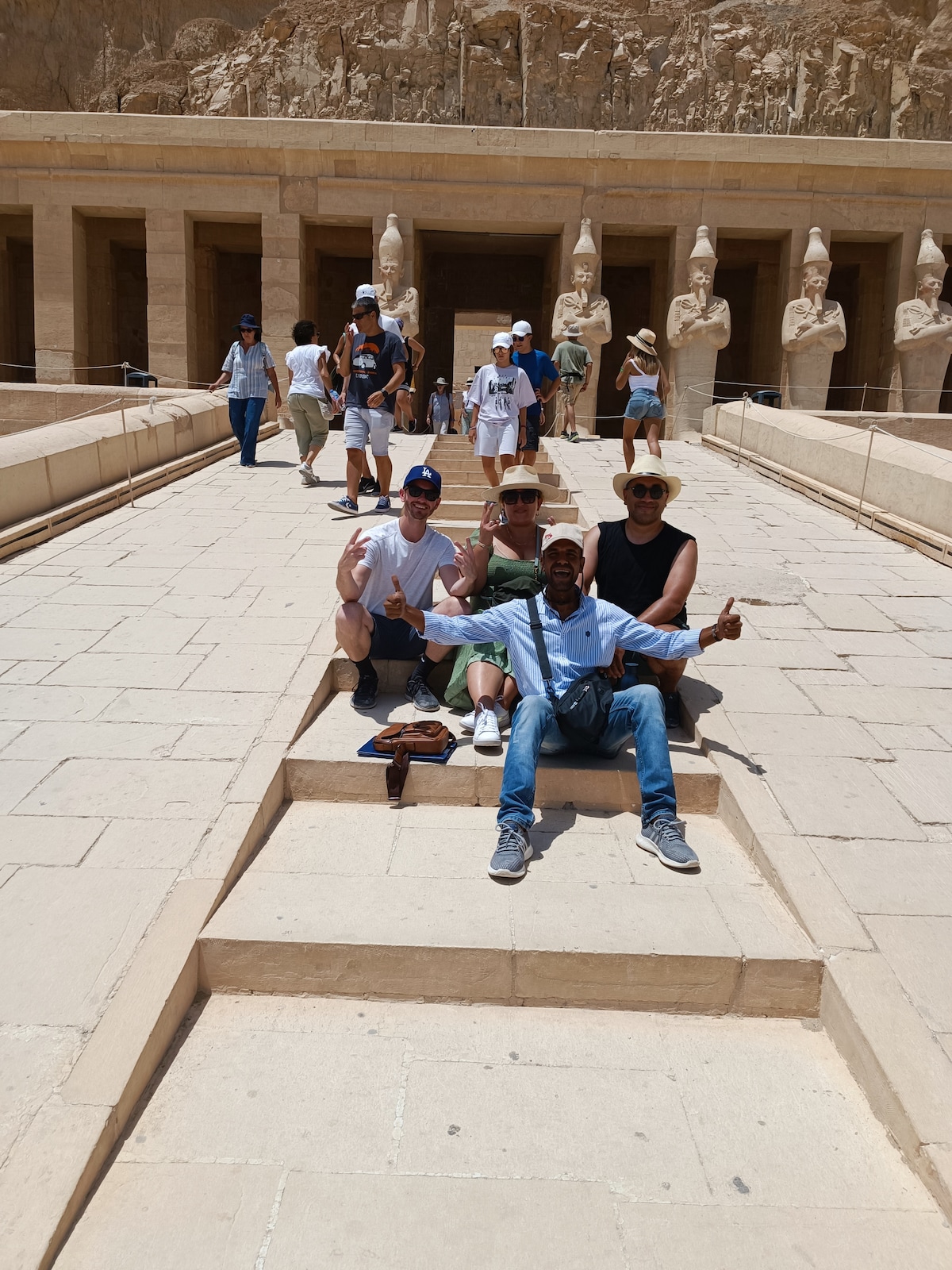
Luxor full-day sightseeing tour
Fri, Feb 13 • 7:00 AM
Luxor City, Luxor Governorate, 1362514, Egypt
View details
Nearby attractions of The Sphinx Avenue
Luxor Museum
Mut Temple
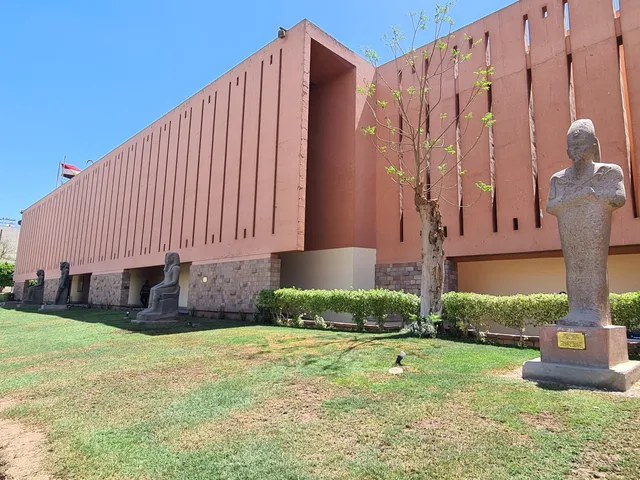
Luxor Museum
4.6
(3.5K)
Open until 2:00 PM
Click for details
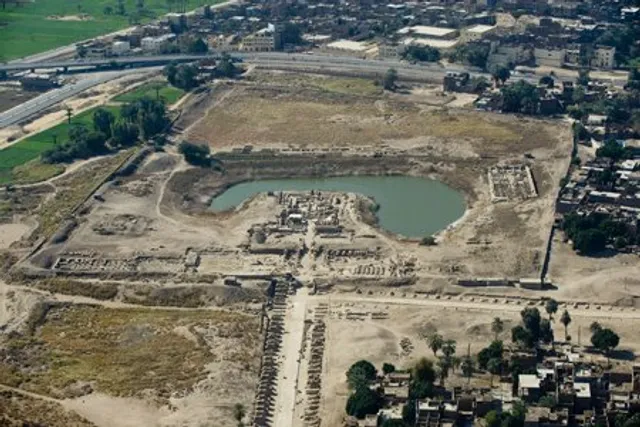
Mut Temple
4.3
(330)
Open 24 hours
Click for details
Nearby restaurants of The Sphinx Avenue
Qasr el neel restaurant
Karnak cafe shop
مطعم وكافية هاواي Hawaii Cafe & Restaurant
Kaya Restoz
Bab Sharq Luxor
Capital Cafe
Oasis Palace
Hawaii Cafe
Le monde cafe
Sunset Cafe
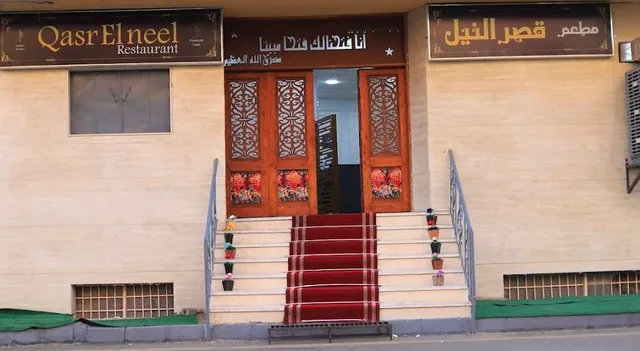
Qasr el neel restaurant
4.8
(271)
Open until 12:00 AM
Click for details
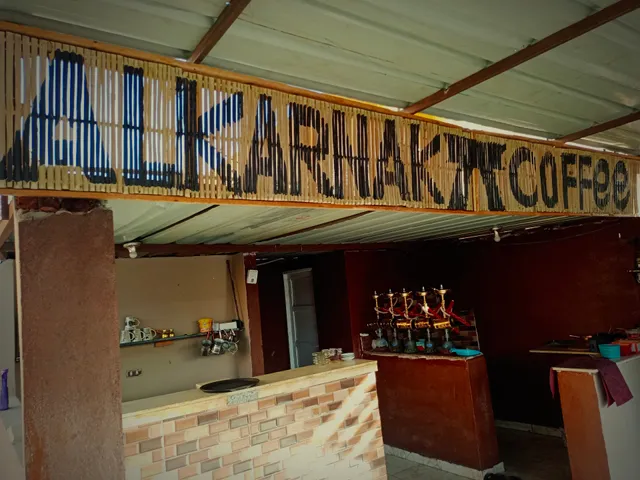
Karnak cafe shop
4.0
(3)
Open until 5:00 PM
Click for details
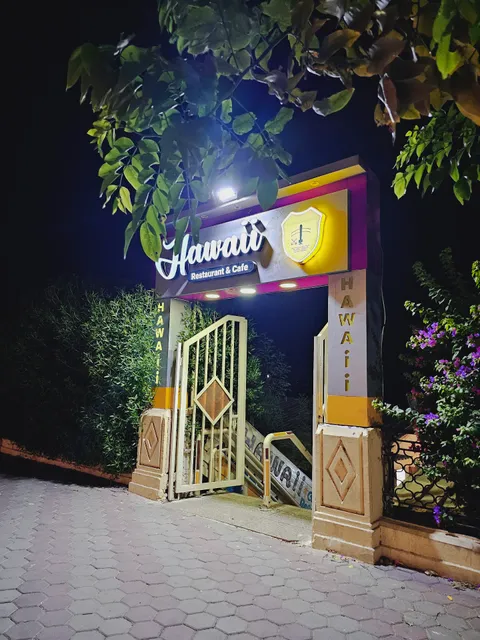
مطعم وكافية هاواي Hawaii Cafe & Restaurant
3.7
(41)
Open until 1:00 AM
Click for details
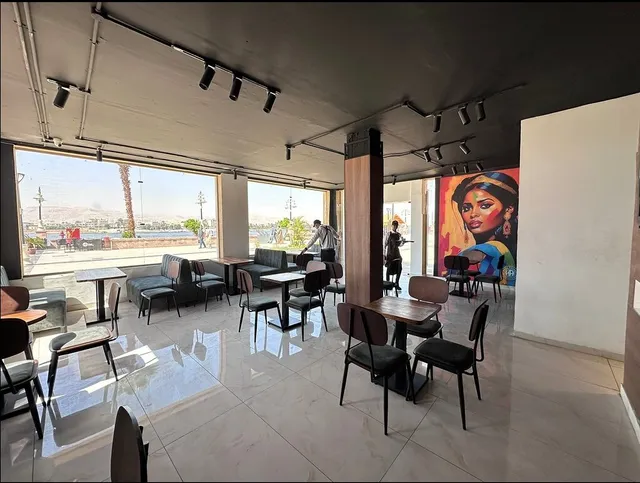
Kaya Restoz
4.5
(162)
Open until 2:00 AM
Click for details
Nearby local services of The Sphinx Avenue
Local Market سوق
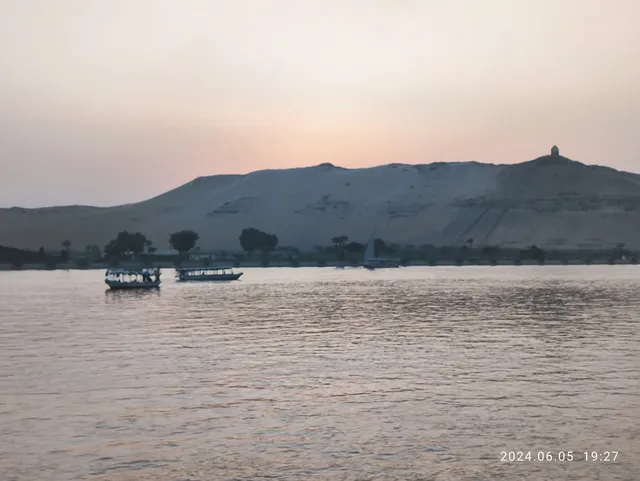
Princess Sarah Nile Cruise
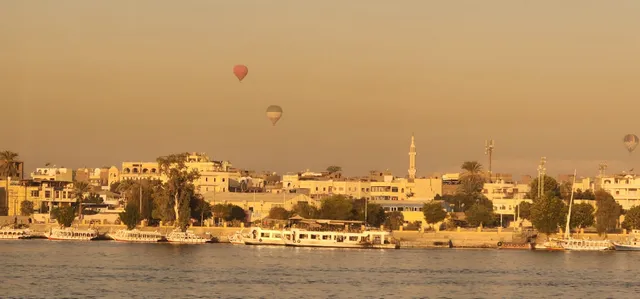
Savoy tourism market
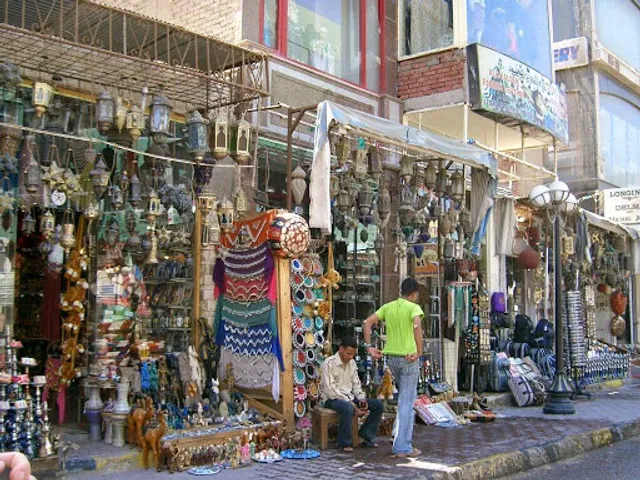
Local Market سوق
4.3
(225)
Click for details
Princess Sarah Nile Cruise
4.1
(165)
Click for details
Savoy tourism market
4.1
(142)
Click for details