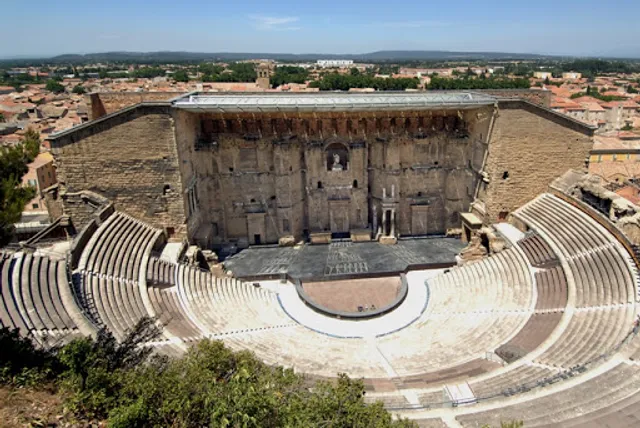
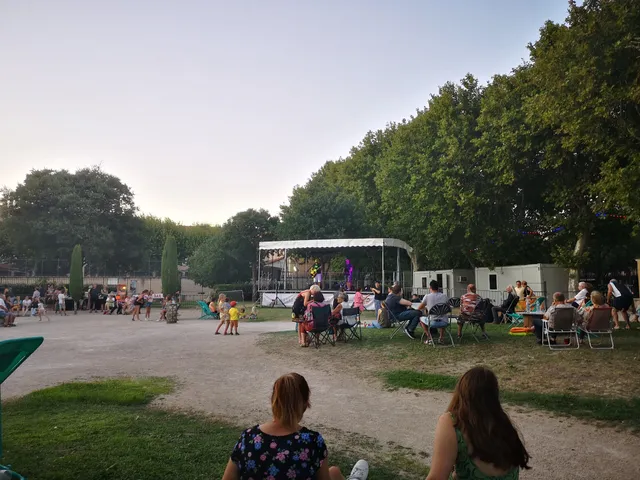
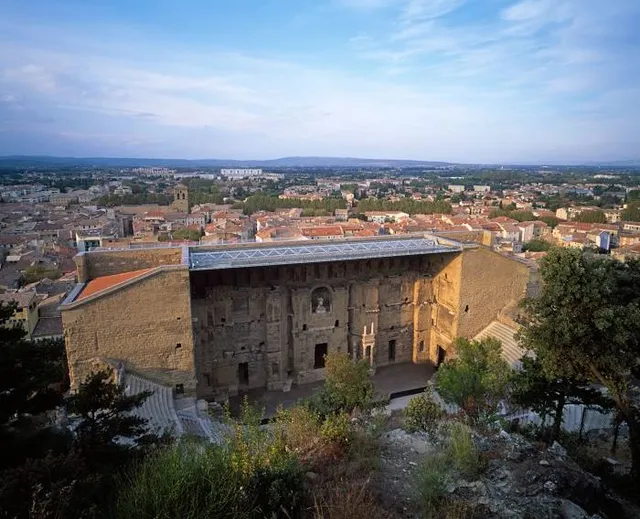
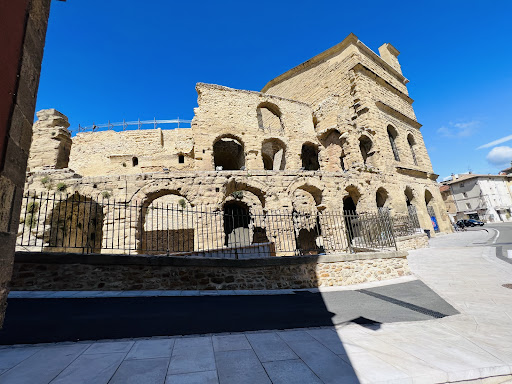
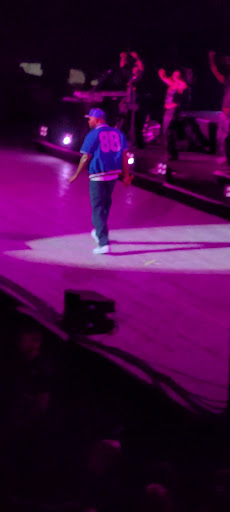
The best way to see and appreciate this theatre is to book a performance here. I have been few years back for a day tour, staff not very helpful, little description in English, and entree tickets high for what you get. At that price, in wonderful Nimes, you get €17 Nimes Pass which includes incredible Romanite museum of antiquities, the fab colliseum style Nimes Arena, the Roman Magne (military) Tower with its panorama, and Maison Carree with a film! So Orange council is certainly milking one of its only 2 or 3 landmarks. The 4 star rating overall is because the arena gets transformed at night for a performance, during July-August annual festival, and it is amazing! Plus if you come when the doors open (most summer concerts start at 2130) you can wonder around and see the theatre for free as it were. I came to see Don Giovanni, a Mozart opera, it was mind blowing, as they project images onto the Theatre stage etc, truly spectacular, and having all those thousands of spectators there, one gets a true appreciation of the venue, how it was in Roman times with its capacity of 9000 seats. Ridiculously for such a festival, full of foreigners, subtitles only in French - I have to mention it because if your Italian is not great, then like Russians not far away from me you will be busy reading up on the opera synopsis to make head or tail of it. If you are not going to a concert during the Choregies Festival, I suggest you go to the top of fab public park called Colline Saint Eutrope (you can easily google walking directions, then when there, ask people which way to the monument or panorama). The view to the Roman Theatre and Orange itself from there is stupendous (see...
Read moreA piece of Roman history and architecture that withstood the test of time. Wonder why they don’t build nowadays like they used to? 🤔
From the outside, it looks impressive. Every corner you look from, there’s a different facade which tells a story.
Entrance fee is €11.50/adult including the headset (compulsory) for the theatre and the museum across the road.
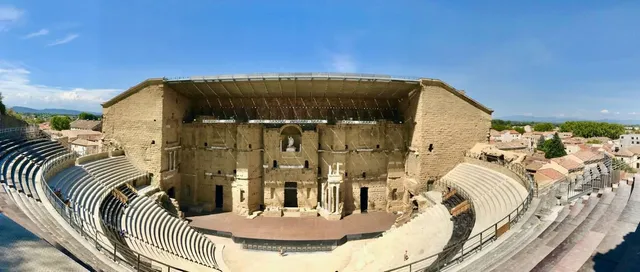
The theatre steps have been restored, so, not much of it is original. The backdrop where the stage is, is a work of art. Imagine how grand it will all be if it was still intact. However, just the remains tells you of the immense size of the building.
The Greeks and the Romans must be excellent sound technicians. So much so, the theatre is still used for concerts and performances because of its acoustics.
We climbed up to the very top, sat down to take it all in while looking down to the stage and backdrop.
If you do get a chance, visit Orange as well when you are visiting Avignon. You will not regret it.
Suggestion - the management of the theatre should give a choice to visitors to either opt for the headset or not. Other places seem to...
Read moreConstruido bajo el reinado de César Augusto en el siglo I, Aún dispone del muro de fachada escénica con su elevación original: 103 metros de largo por 37 de alto. «Es la muralla más bella de mi reino», dijo Luis XIV durante una visita. Originalmente estaba precedida por un pórtico, del que subsiste un arco en el lado oeste.
La fachada escénica (scaenae frons) estaba recubierta de mármol y reconstruía simbólicamente un palacio decorado con columnas en tres niveles, frisos y nichos. Uno de ellos con la estatua del emperador que preside la escena. También ciclos iconográficos de la familia Julio-Claudia.
Sobre la escena, tenía una gran cubierta de madera sostenida por delante con dos cadenas fijadas a altos mástiles sobre pilastras situadas en la parte trasera. La cávea podía contener alrededor de 9.000 espectadores. El entretenimiento ofrecido estaba abierto a todos y era gratuito.
Fundada en 40 a. C. por los veteranos de la Legio III Gallica de Julio César, Orange era una colonia romana llamada Arausio o, más exacatamente, Colonia Julia Firma Secundanorum Arausio: «la colonia juliana de Arausio establecida por los soldados de la segunda legión». Conoció un gran desarrollo bajo el emperador Augusto, durante cuyo reinado fue erigido el teatro.
Fue restaurado durante el siglo II y los relieves del proscenio (proscaenium) son de la época de Adriano. El teatro no sobrevivió a la decadencia del Imperio romano y al crecimiento del cristianismo en el siglo IV: fue clausurado definitivamente en 391 ya que la iglesia (para entonces el cristianismo ya era religión oficial) se oponía a lo que consideraba espectáculos paganos. Después de eso, el teatro quedó completamente abandonado. Sufrió pillajes y saqueos por los bárbaros. En la Edad Media sirvió de puesto de defensa, y en el siglo XVI de refugio para la población durante las guerras de religión de Francia. El teatro recuperó poco a poco su esplendor en el siglo XIX, gracias al programa de restauración iniciado en 1825. Las gradas no fueron restauradas hasta finales del siglo XIX. En 2006 se añadió un techo al escenario para proteger los muros y permitir la instalación de iluminación. Este nuevo techo se sitúa en el mismo lugar que el techo romano original, pero utiliza materiales modernos:...
Read more