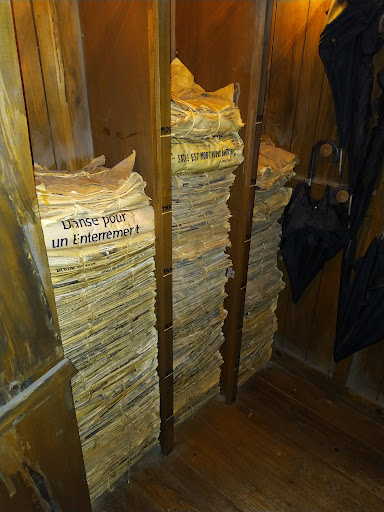
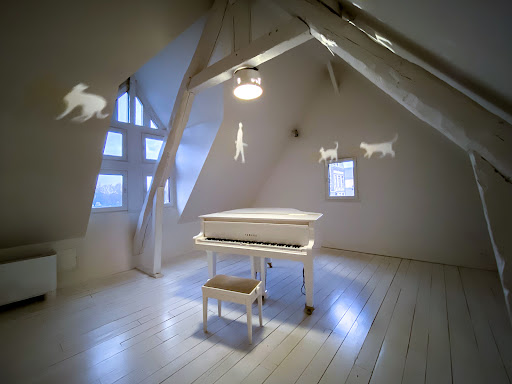
Maisons Satie things to do, attractions, restaurants, events info and trip planning
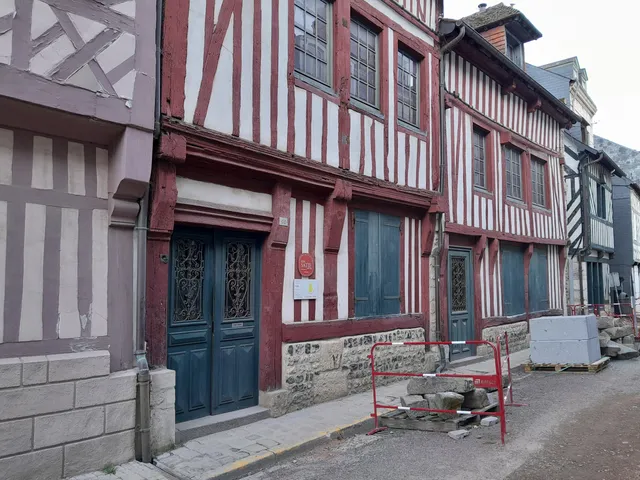
Basic Info
Maisons Satie
67 Bd Charles V, 14600 Honfleur, France
3.9(526)
Closed

tickets
Save
spot
spot
Ratings & Description
Info
Cultural
Entertainment
Family friendly
Accessibility
attractions: musée Eugène-Boudin de Honfleur, Église Sainte Catherine, Naturospace Honfleur, Port of Honfleur, Vieux Phare de Honfleur, La Lieutenance, Le Jardin des Personnalités, Le Vieux-Bassin, Galeries Bartoux Sainte-Catherine, Panorama du Mont-Joli, restaurants: L'Homme de Bois, Le Gambetta, La Tortue, Côté Resto, Il Parasole, La Cidrerie, Le Jardin des Peintres, Restaurant SaQuaNa, Restaurant La Lieutenance, Auberge du Vieux Clocher, local businesses: La Lieutenance, Naval Museum, Galerie ArTiane, Galeries Bartoux Normandy, Musée d'Ethnographie, Your Normandy Tour, Église catholique Saint-Léonard
 Learn more insights from Wanderboat AI.
Phone
+33 2 31 89 11 11
Website
musees-honfleur.fr
Open hoursSee all hours
Sat10 AM - 6 PMClosed
Plan your stay

Pet-friendly Hotels in Lisieux
Find a cozy hotel nearby and make it a full experience.

Affordable Hotels in Lisieux
Find a cozy hotel nearby and make it a full experience.

The Coolest Hotels You Haven't Heard Of (Yet)
Find a cozy hotel nearby and make it a full experience.

Trending Stays Worth the Hype in Lisieux
Find a cozy hotel nearby and make it a full experience.
Reviews
Live events
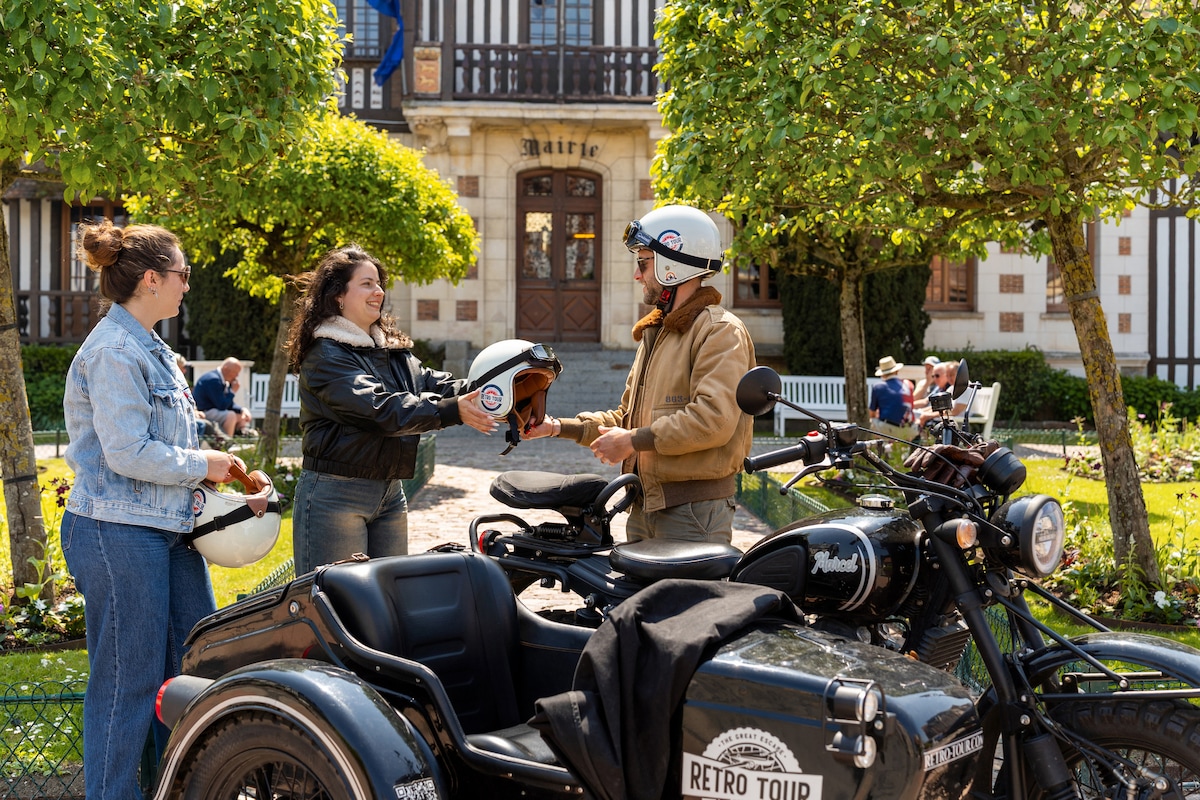
Discover Deauville by sidecar
Sat, Feb 28 • 10:00 AM
14800, Deauville, France
View details
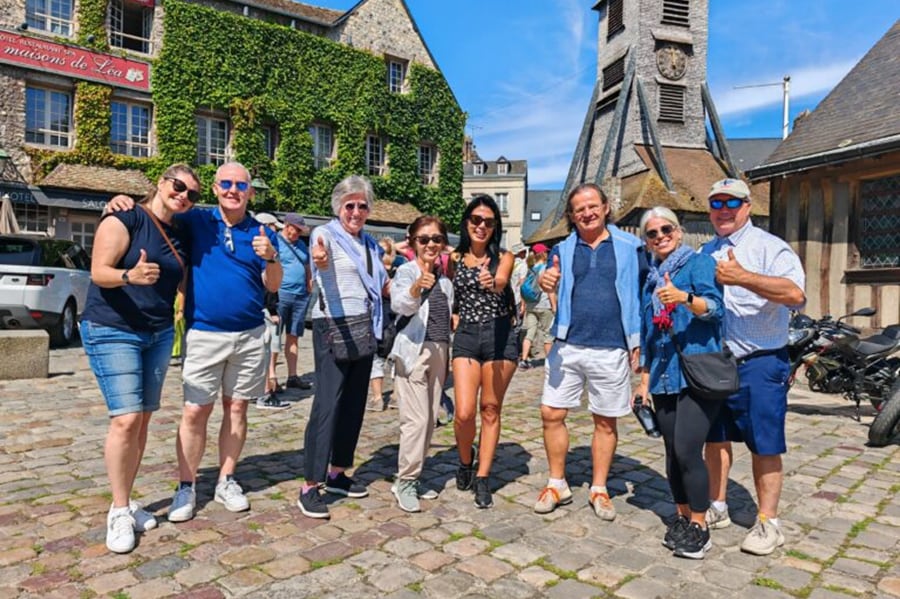
A Private Walking Tour of Honfleur with a local
Sat, Feb 28 • 10:00 AM
14600, Honfleur, France
View details
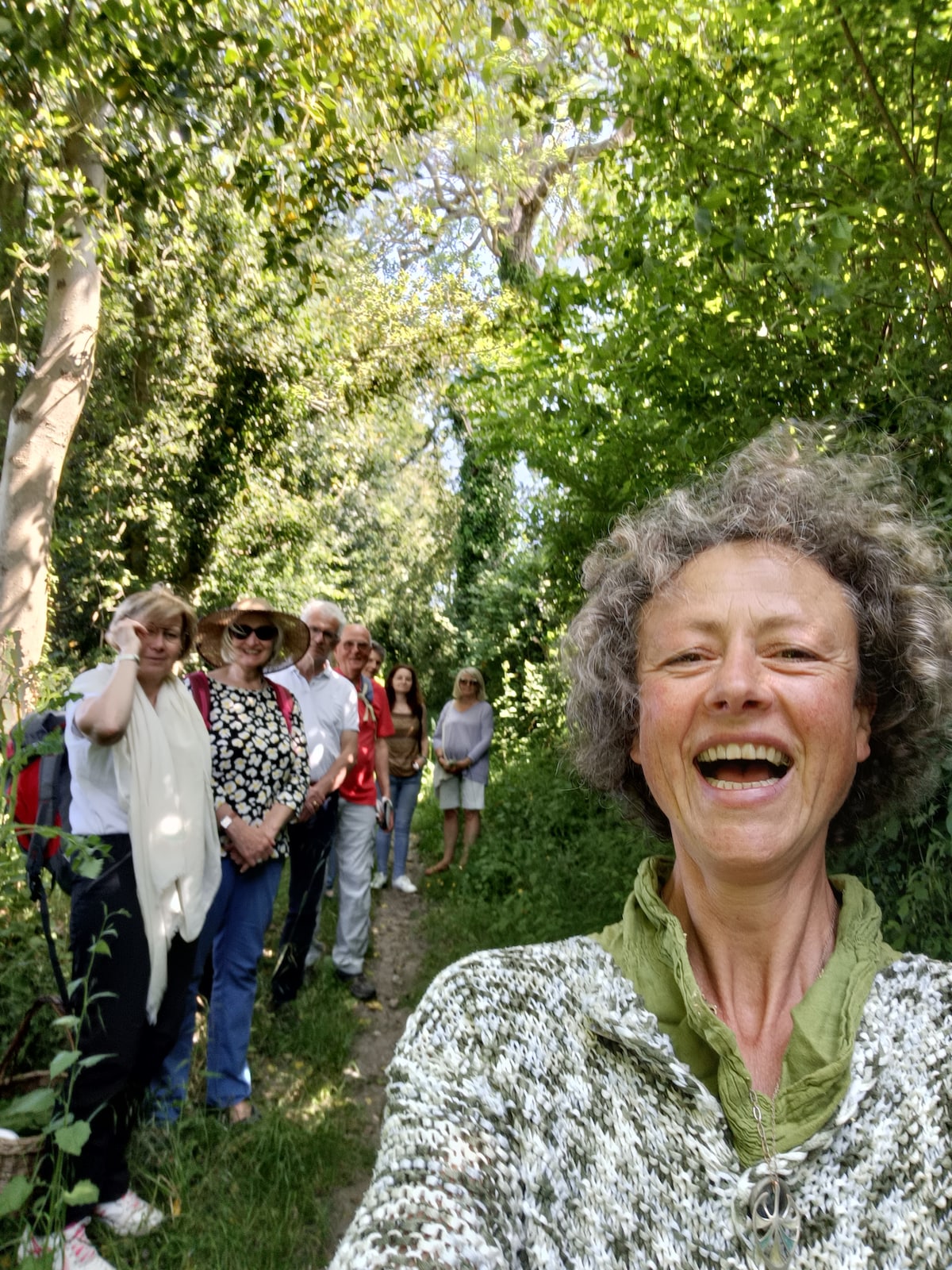
Learn about wild plants for food and medicine
Thu, Mar 5 • 2:30 PM
14600, Gonneville-sur-Honfleur, France
View details
Nearby attractions of Maisons Satie
musée Eugène-Boudin de Honfleur
Église Sainte Catherine
Naturospace Honfleur
Port of Honfleur
Vieux Phare de Honfleur
La Lieutenance
Le Jardin des Personnalités
Le Vieux-Bassin
Galeries Bartoux Sainte-Catherine
Panorama du Mont-Joli
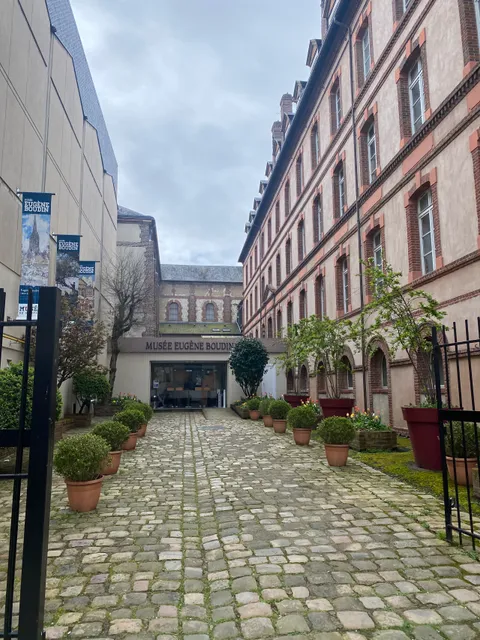
musée Eugène-Boudin de Honfleur
4.2
(488)
Closed
Click for details
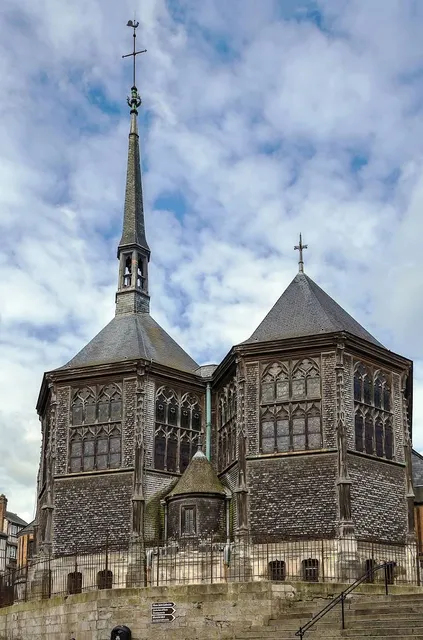
Église Sainte Catherine
4.6
(1.9K)
Closed
Click for details
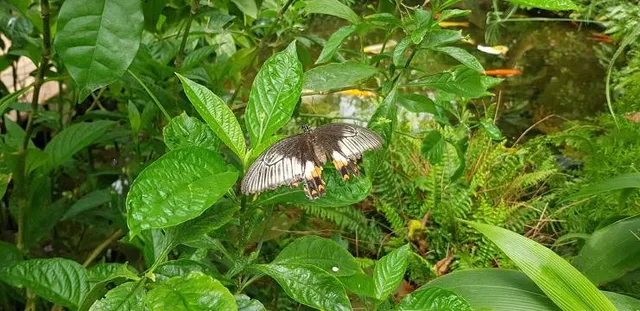
Naturospace Honfleur
4.2
(1.1K)
Closed
Click for details

Port of Honfleur
4.6
(9.3K)
Open until 12:00 AM
Click for details
Nearby restaurants of Maisons Satie
L'Homme de Bois
Le Gambetta
La Tortue
Côté Resto
Il Parasole
La Cidrerie
Le Jardin des Peintres
Restaurant SaQuaNa
Restaurant La Lieutenance
Auberge du Vieux Clocher
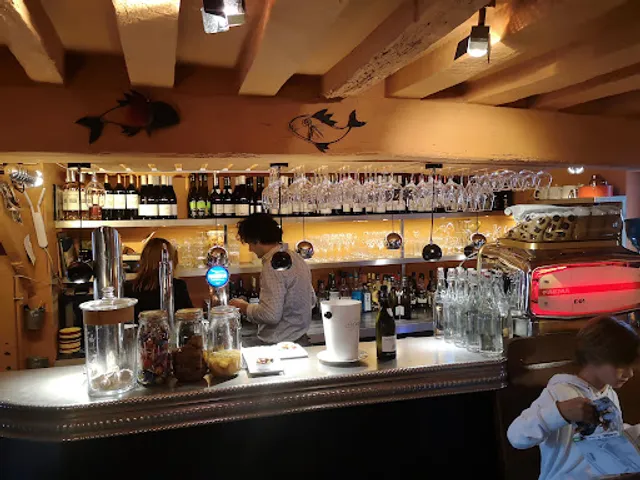
L'Homme de Bois
4.3
(748)
Closed
Click for details
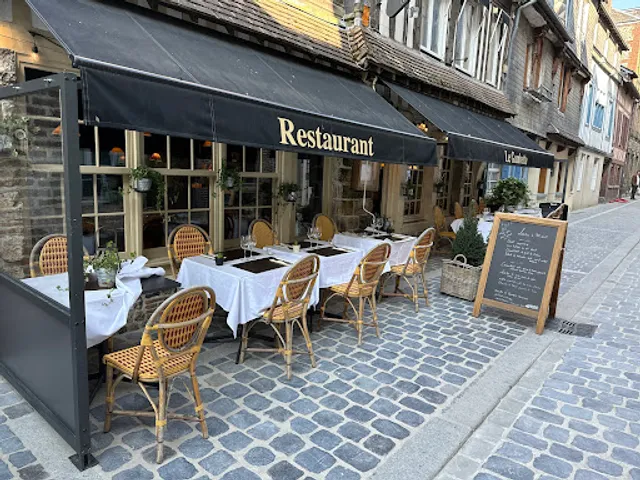
Le Gambetta
4.3
(343)
$$
Closed
Click for details
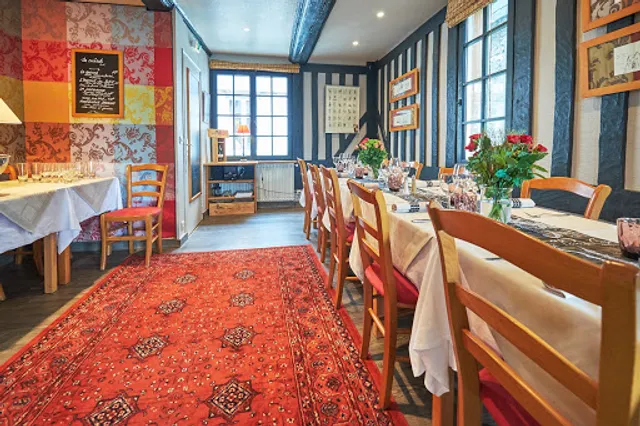
La Tortue
4.4
(368)
Closed
Click for details
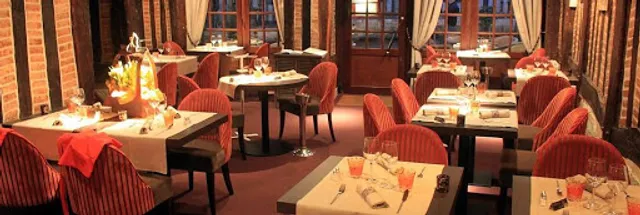
Côté Resto
4.6
(975)
$$
Closed
Click for details
Nearby local services of Maisons Satie
La Lieutenance
Naval Museum
Galerie ArTiane
Galeries Bartoux Normandy
Musée d'Ethnographie
Your Normandy Tour
Église catholique Saint-Léonard
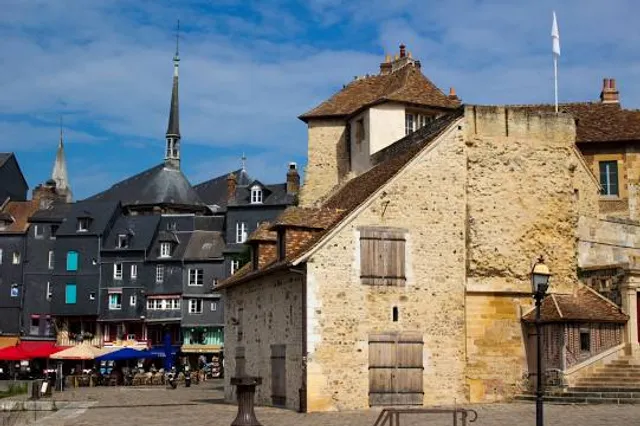
La Lieutenance
4.5
(130)
Click for details
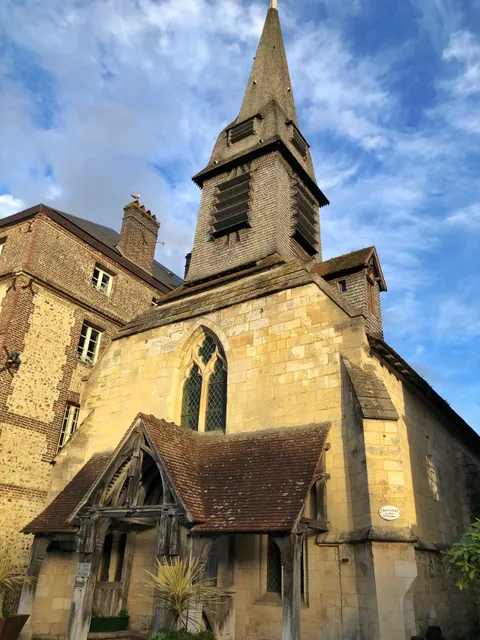
Naval Museum
4.0
(153)
Click for details
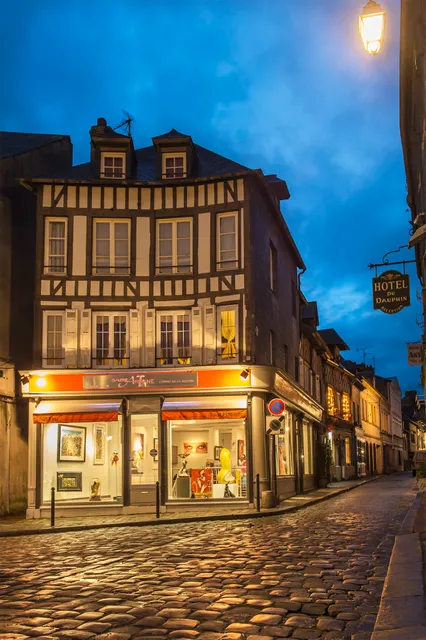
Galerie ArTiane
4.6
(15)
Click for details
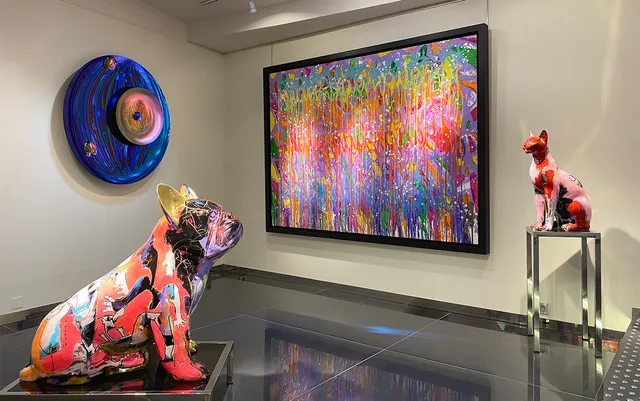
Galeries Bartoux Normandy
4.7
(18)
Click for details