The Musée des Confluences is a contemporary science and anthropology museum located in Lyon, France. It is renowned for its unique architectural design and diverse collections that explore the history of humanity, natural history, and the interconnectedness of cultures. Here’s a detailed overview of the museum's features, history, and significance:
History Inception: The museum was conceived as part of a larger urban development project in Lyon, aimed at revitalizing the area where the Rhône and Saône rivers meet, known as the Confluence. Construction: The museum was designed by the architectural firm Coop Himmelb(l)au and opened in December 2014. Its construction represents a significant investment in cultural infrastructure for the city.
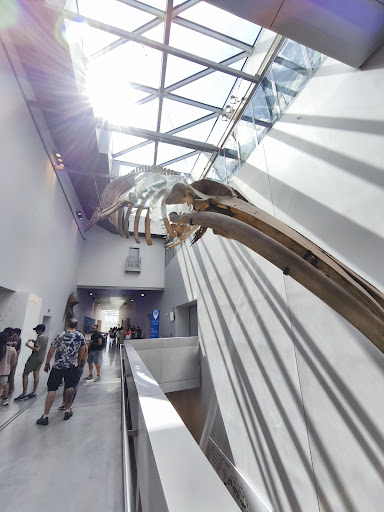
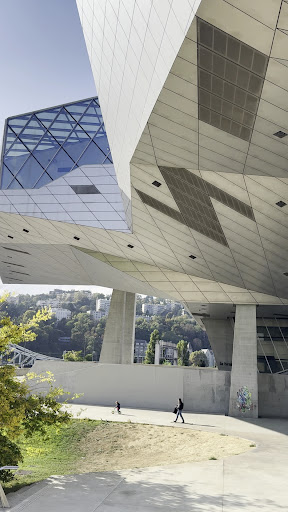
Architectural Features Design: The building is characterized by its striking and futuristic design, featuring a blend of glass and metal. Its form resembles a ship, symbolizing exploration and discovery. Interior Spaces: The museum’s interior is spacious and filled with natural light, with wide galleries that allow for the display of various exhibitions. The design encourages an immersive experience for visitors. Landscaping: Surrounding the museum is a landscaped park that enhances the overall aesthetic and provides outdoor spaces for relaxation and enjoyment.
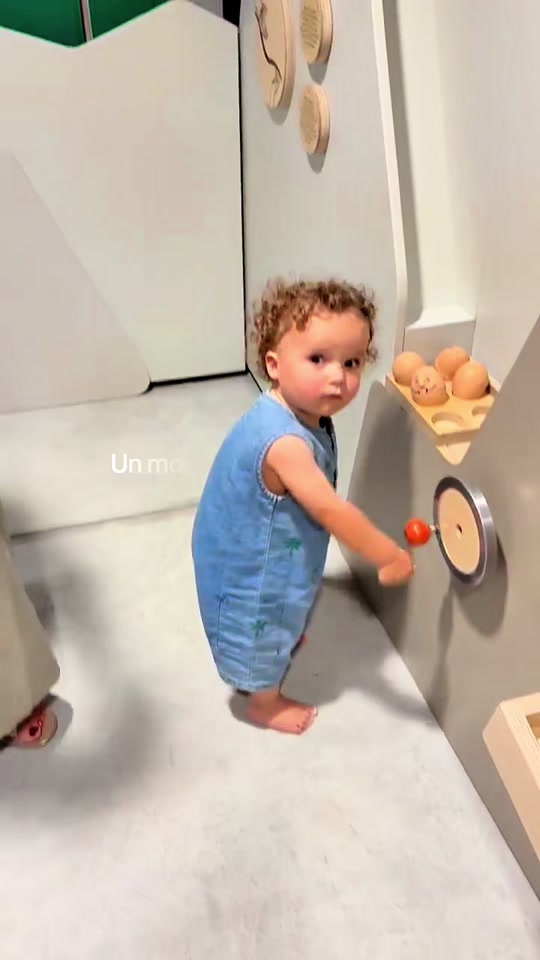
Exhibitions and Collections Permanent Collections: The museum houses a diverse range of exhibits that cover topics such as natural history, anthropology, and the evolution of human societies. The collections include artifacts, specimens, and multimedia presentations. Temporary Exhibitions: In addition to its permanent collections, the Musée des Confluences hosts temporary exhibitions that explore specific themes or topics, often collaborating with other institutions and artists. Interactive Elements: The museum incorporates interactive displays and educational resources, making it accessible and engaging for visitors of all ages.
Significance Cultural Hub: The Musée des Confluences serves as a cultural hub in Lyon, attracting both locals and tourists. It aims to foster a better understanding of the world’s diversity and complexity. Educational Role: The museum plays an essential role in education, offering programs and workshops for schools, families, and the public to encourage exploration and learning about science and culture. Urban Development: The museum's establishment has contributed to the revitalization of the Confluence district, making it a vibrant area for culture, leisure, and commerce.
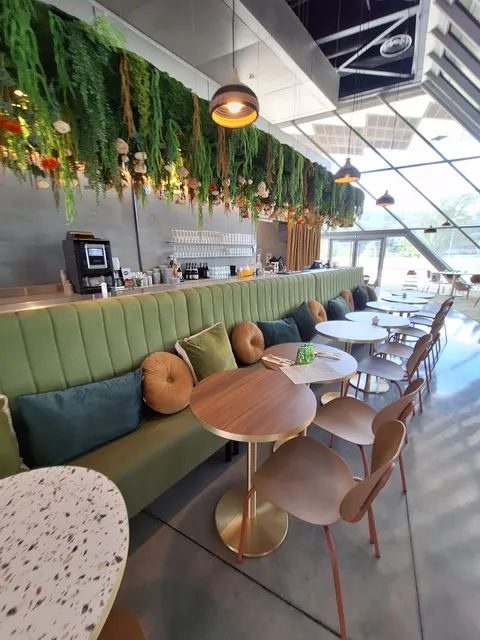
Visitor Information Access: The museum is easily accessible via public transportation, including tram and bus services. It is located near the confluence of the Rhône and Saône rivers. Opening Hours: The museum typically operates year-round, with specific hours for visitors. It's advisable to check the museum's official website for the most current information on hours and admission fees. Facilities: The museum includes a café and a gift shop, providing visitors with options for refreshments and souvenirs.
Conclusion The Musée des Confluences is a remarkable institution that combines art, science, and anthropology in a stunning architectural setting. Its commitment to education and cultural exchange makes it a significant destination in Lyon, offering visitors a unique opportunity to explore the complexities of human existence and the natural world. Whether you are a history enthusiast, a science lover, or simply looking for an engaging experience, the museum has something to...
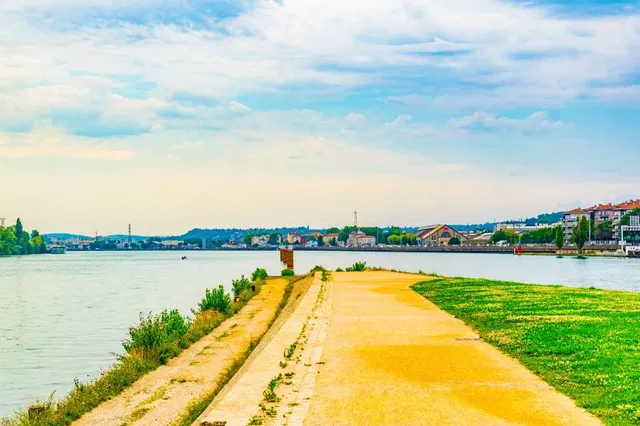
Read moreAs an international student in Lyon, the Musée des Confluences was one of the first cultural places I visited, and it left a deep impression on me. Located at the very tip of the Presqu’île, where the Rhône and Saône rivers meet, the building itself already feels like an exhibition. Its futuristic design of glass and steel, shaped almost like a spaceship, contrasts beautifully with the calm flow of the rivers around it. Arriving there by tram, I remember staring at the architecture for several minutes before even thinking about going inside.
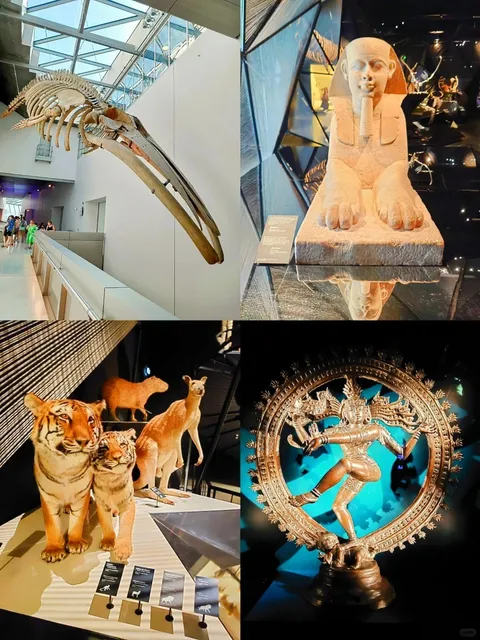
The museum’s interior is vast and modern, with open spaces and creative lighting. What fascinated me most was the diversity of the exhibitions: from natural history with dinosaur skeletons, to anthropology with objects from ancient civilizations, to thought-provoking displays about humanity’s future. Walking through the halls felt like traveling across time and space in just a few hours. As a student, I loved how the museum connected science, culture, and philosophy in one narrative. It wasn’t only about learning facts but about questioning our place in the world.
One highlight for me was the section on world cultures, where artifacts from Asia, Africa, and the Americas were displayed with context and respect. Seeing familiar objects from my own region alongside items from distant lands gave me a sense of belonging in the global story. Another favorite was the giant mammoth skeleton and the room about evolution, which reminded me of childhood curiosity but presented in a much more sophisticated way.
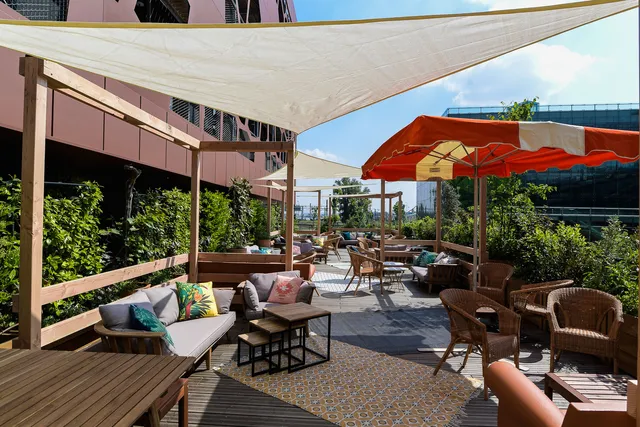
The museum also offers spaces to rest, like the panoramic windows that open toward the river. Sitting there with classmates, discussing what we had just seen, was as enjoyable as the exhibitions themselves. The rooftop terrace is another gem, giving one of the best views of Lyon’s two rivers joining. It’s a peaceful spot to take photos or simply reflect.
Of course, as a student, I appreciated the reduced entry fee, which made the visit affordable. I ended up buying the annual pass, knowing I would want to return multiple times. And I did — each visit revealed new details, new temporary exhibitions, and new questions to think about.
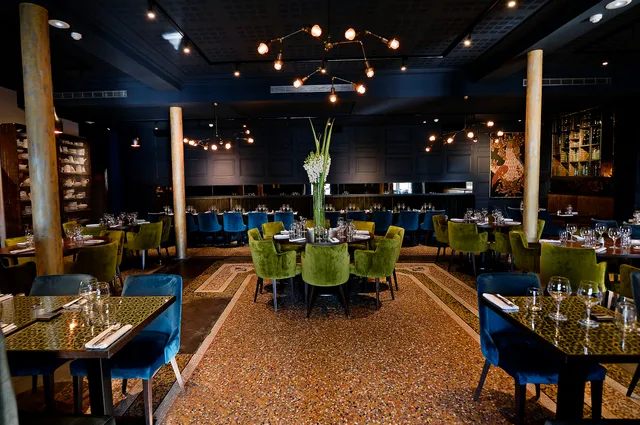
If I have to mention downsides, I’d say the museum can get very busy during weekends, especially with families and school groups. At times it felt a little overwhelming, and reading every explanation panel was almost impossible. Also, the restaurant inside is quite expensive, so I usually bring a snack or eat somewhere nearby instead. But these are minor issues compared to the richness of the experience.
For me, the Musée des Confluences is not just a museum; it is a bridge between past, present, and future, between cultures and sciences, between Lyon and the wider world. Every time I go, I leave with both new knowledge and new questions. As an international student trying to understand my place in a new country, this museum feels like the perfect symbol: it embraces diversity, curiosity, and dialogue. It has become one of my favorite places in Lyon, a spot I recommend to every friend who...
Read moreDont go there with KIDS! In short - this was extremely disappointing visit. DONT GO THERE before confirming that you know exactly what is in there!! And if you go with car - really check the parking!!! ;)
we were counting on seeing more about natural Science, anthropology and Earth Sciences - and fact that this museum si quite new, so it will be interactive. What we seen was awesom building with great architecture, and old school museum that is basically just exhibits with text, and many screens with talking heads.
Almost no science there at all, and no interactive elements for kids where they can interact and learn as in Science museum in London, Ot Technorama in Winthertur (Switzerland) or Copernicus museum in Warsaw, Poland, ot Transport museum in Luzern.
First floor of museum was about sleep and mixed exhibits from various eras, and types. Boring as hell, especially for kids. Som myths, some figures (beautiful), some literature, some animations or videos.
Second floor, about Death, Dinosaur skeletons (this was not so bad), Stuffed Animals (This maybe could be counted as not bad, it is just that privately i hate stuffed animals - but for some kids it could be actually best part of museum). There was as well some part that could be seen as "science" with one engine, one old car, some mixers, kitchen stuff etc. Really bad.
Some other facts:
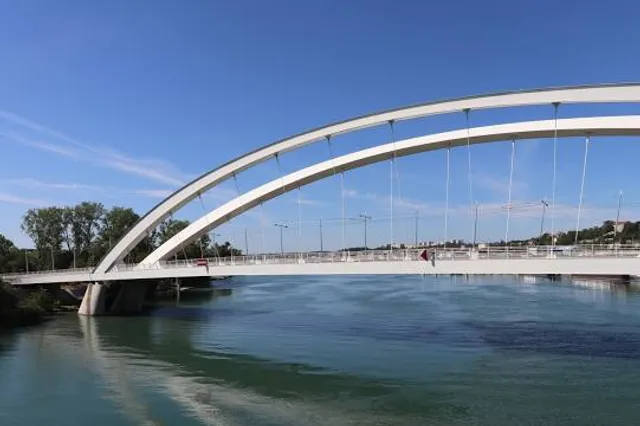
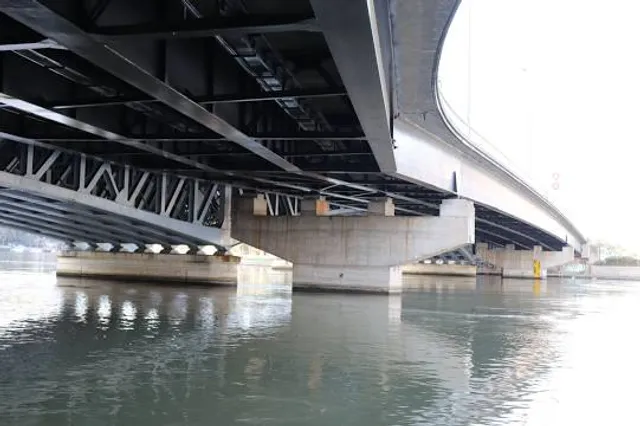
we spent 40 minutes looking for parking. After we failed - we asked in Museum where parking is and 4 different employees of museum were not able to tell us where is parking, even if on ticket office is infom,ration about bringing there ticvkets. As well some signs on other side of bridge were pointing to parking that was cancelled 2 years ago. One of employees told us to go next time to parking that is 28 minutes on foot from Muesum. One way.. In google maps you can find as well parking of museum that is... WRONG.
when we arrived - toilets on 3 and top floor were not operational, and we received info that it is problem in whole building. Fortunatelly - in ground floor toilets were stil ok.
restaurant at the top was having very stuffy and very unplesant air. :/
Generally - for such gorgeous building, this what is in it, would be maybe great in 60s or 70s, but it has nothing to do with really modern and interactive museums. This was really disappointing. And everywhere - talking heads, tens of boring talking heads. Change it - please. In current form it...
Read more