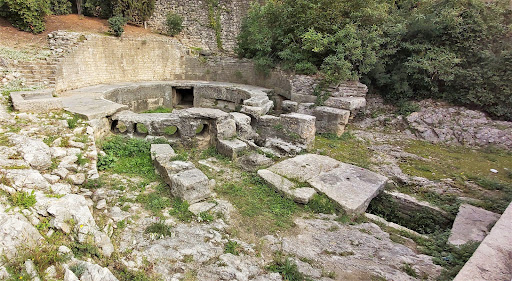
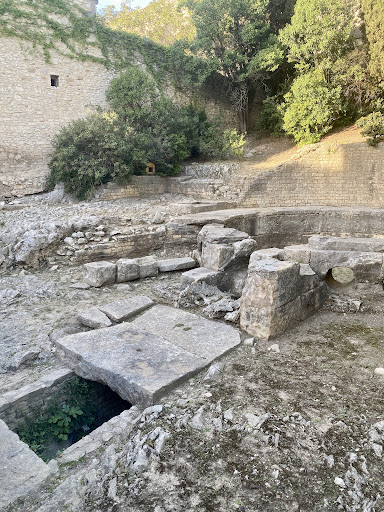
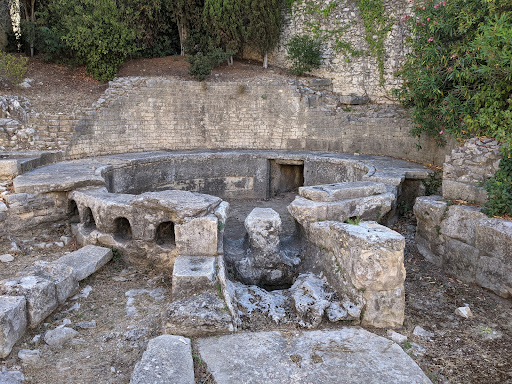
Castellum Aquae things to do, attractions, restaurants, events info and trip planning
Basic Info
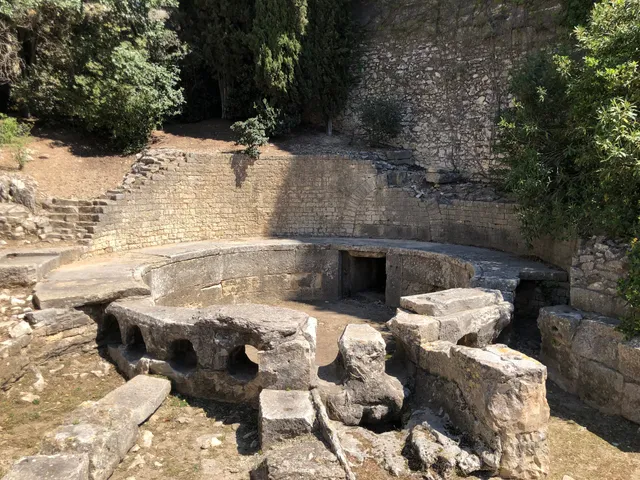
Castellum Aquae
16 Rue de la Lampeze 14, 30000 Nîmes, France
4.3(305)
Open until 12:00 AM

tickets
Save
spot
spot
Ratings & Description
Info
Cultural
Accessibility
attractions: University of Nîmes, Maison Carrée, Jardin de La Fontaine, Square Antonin, Tour Magne, Carré d'Art, Tour de l'Horloge de Nîmes, Spot de street art, Galerie Testard, Chez moi, Chez toi, restaurants: Barberousse Nîmes, L’Accent Bistrot chic, Au Flan Coco, Chamas Tacos® Nîmes, Mercadante, Côté Sushi Nîmes, La Marmite Restaurant traditionnel, bistrot, cave à vins naturel, Sushi Shop Nîmes Antonin, L'imprev', Hanoï, local businesses: La Coupole des Halles, Fnac, Laverie automatique rue Ménard, ReTeck - Nîmes (ex Docteur IT) - Réparations et Accessoires High Tech, Orange, The Lisboa Corner Barbershop, Histoire d'Or, MARIE-CAMILLE CHEVENIER - Avocat - Nîmes - Gard, Le Jardin des Fleurs, L'Arène du fou
 Learn more insights from Wanderboat AI.
Website
nimes-tourisme.com
Open hoursSee all hours
ThuOpen 24 hoursOpen
Plan your stay

Pet-friendly Hotels in Nîmes
Find a cozy hotel nearby and make it a full experience.

Affordable Hotels in Nîmes
Find a cozy hotel nearby and make it a full experience.

The Coolest Hotels You Haven't Heard Of (Yet)
Find a cozy hotel nearby and make it a full experience.

Trending Stays Worth the Hype in Nîmes
Find a cozy hotel nearby and make it a full experience.
Reviews
Live events

Candlelight: Hommage à Charles Aznavour
Thu, Feb 26 • 7:00 PM
Rue Jean Reboul, Nîmes, 30000
View details
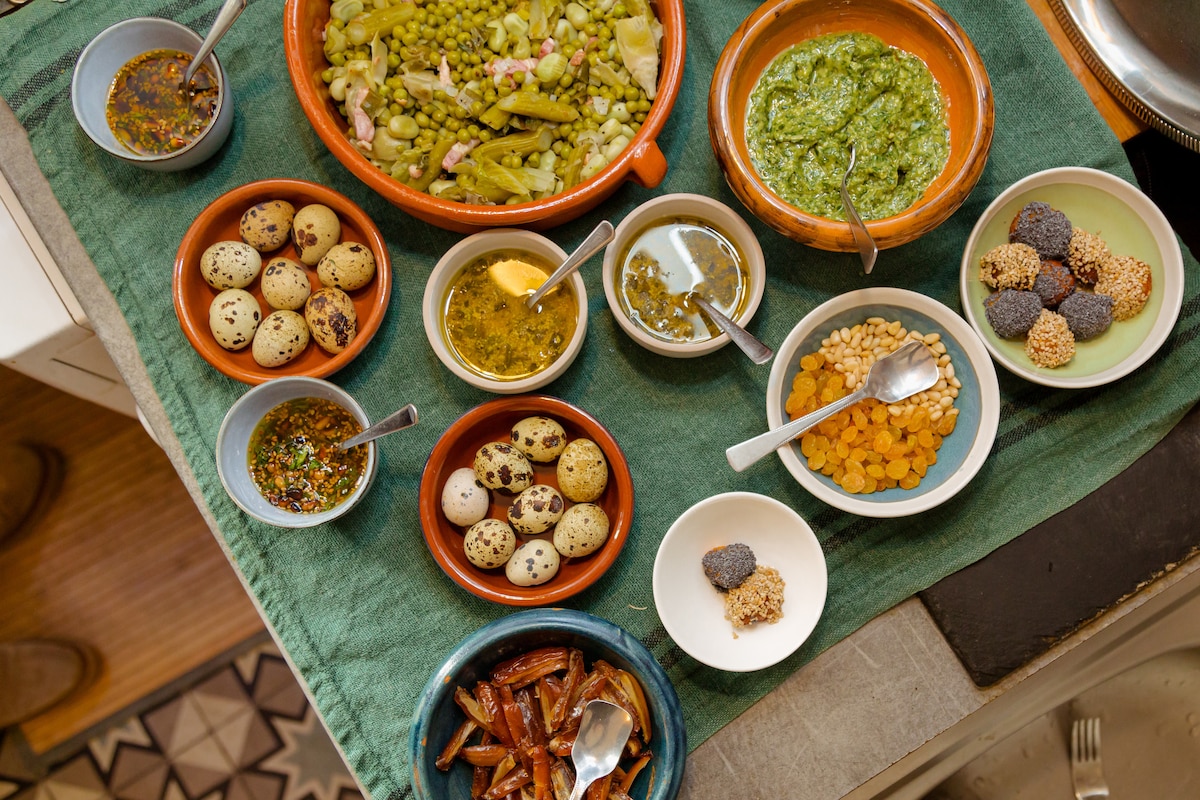
Brunch with ancient Roman flavors
Fri, Feb 27 • 11:00 AM
13200, Arles, France
View details
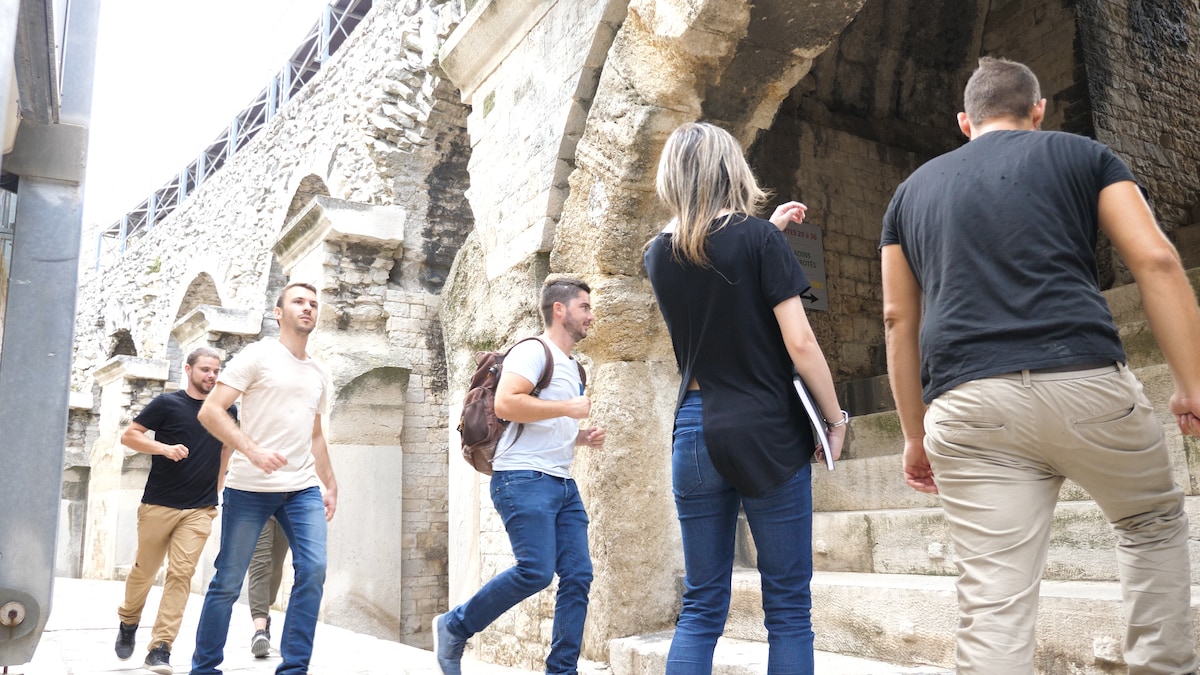
Solve mysteries in Nîmes
Sat, Feb 28 • 10:00 AM
30900, Nîmes, France
View details
Nearby attractions of Castellum Aquae
University of Nîmes
Maison Carrée
Jardin de La Fontaine
Square Antonin
Tour Magne
Carré d'Art
Tour de l'Horloge de Nîmes
Spot de street art
Galerie Testard
Chez moi, Chez toi

University of Nîmes
3.5
(83)
Open until 8:00 PM
Click for details

Maison Carrée
4.4
(6.3K)
Open until 4:30 PM
Click for details
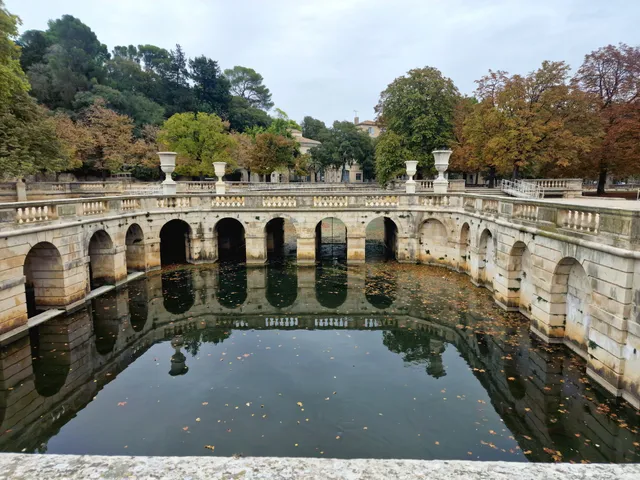
Jardin de La Fontaine
4.7
(7.3K)
Open until 10:00 PM
Click for details
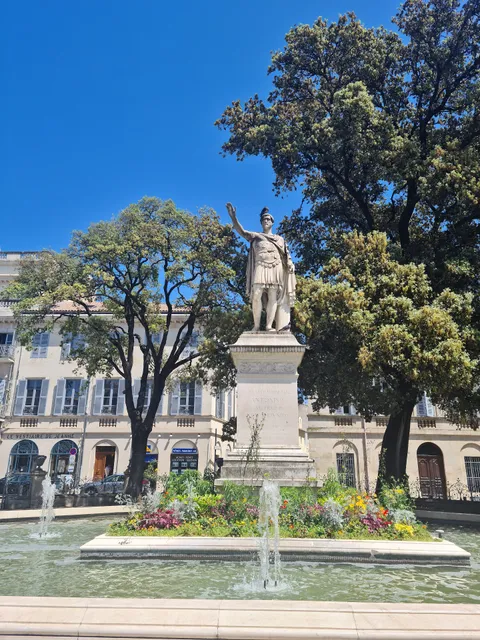
Square Antonin
4.4
(129)
Open until 12:00 AM
Click for details
Nearby restaurants of Castellum Aquae
Barberousse Nîmes
L’Accent Bistrot chic
Au Flan Coco
Chamas Tacos® Nîmes
Mercadante
Côté Sushi Nîmes
La Marmite Restaurant traditionnel, bistrot, cave à vins naturel
Sushi Shop Nîmes Antonin
L'imprev'
Hanoï

Barberousse Nîmes
4.3
(297)
Closed
Click for details
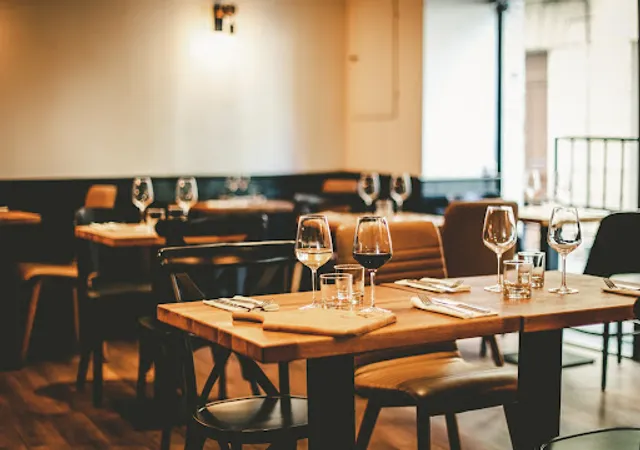
L’Accent Bistrot chic
5.0
(244)
Closed
Click for details

Au Flan Coco
4.6
(773)
Closed
Click for details
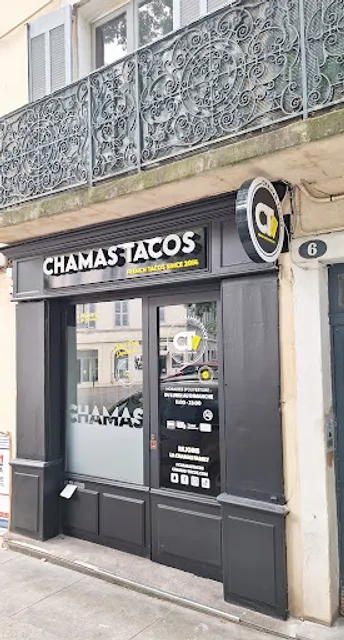
Chamas Tacos® Nîmes
4.0
(151)
$
Open until 10:50 PM
Click for details
Nearby local services of Castellum Aquae
La Coupole des Halles
Fnac
Laverie automatique rue Ménard
ReTeck - Nîmes (ex Docteur IT) - Réparations et Accessoires High Tech
Orange
The Lisboa Corner Barbershop
Histoire d'Or
MARIE-CAMILLE CHEVENIER - Avocat - Nîmes - Gard
Le Jardin des Fleurs
L'Arène du fou
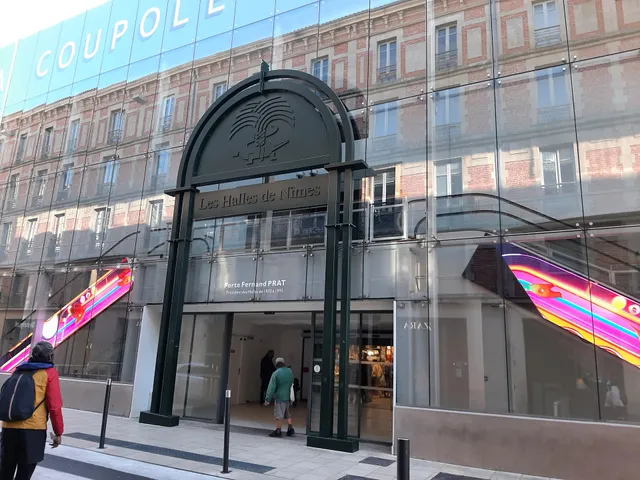
La Coupole des Halles
4.1
(3.2K)
Click for details
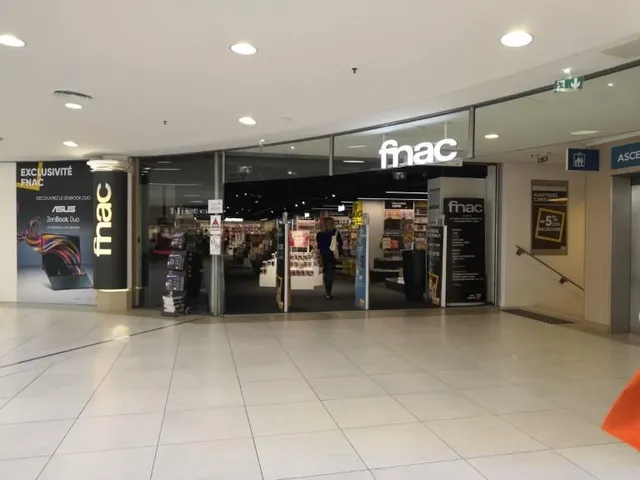
Fnac
4.0
(1.7K)
Click for details

Laverie automatique rue Ménard
4.7
(24)
Click for details
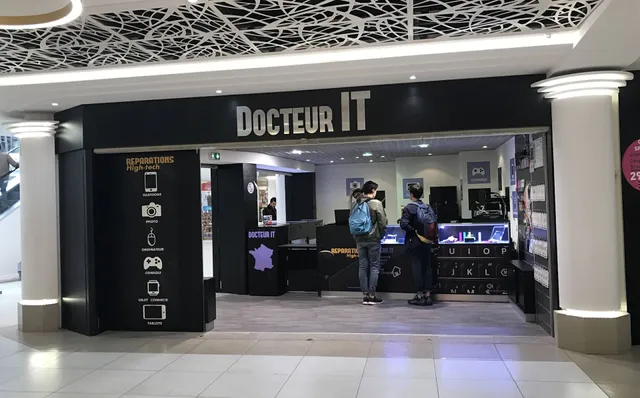
ReTeck - Nîmes (ex Docteur IT) - Réparations et Accessoires High Tech
4.7
(520)
Click for details