HTML SitemapExplore
logo
Find Things to DoFind The Best Restaurants

Pagoda Paris — Attraction in Paris

Name
Pagoda Paris
Description
Nearby attractions
Musée Jacquemart-André
158 Bd Haussmann, 75008 Paris, France
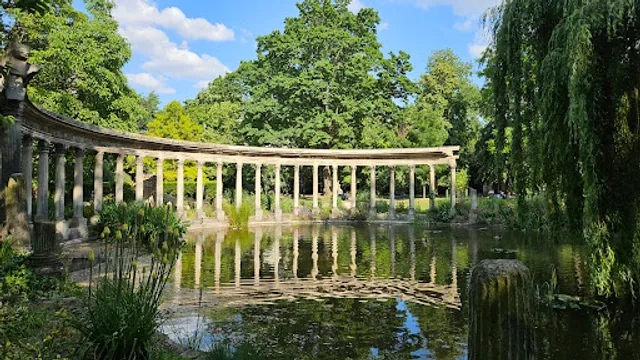
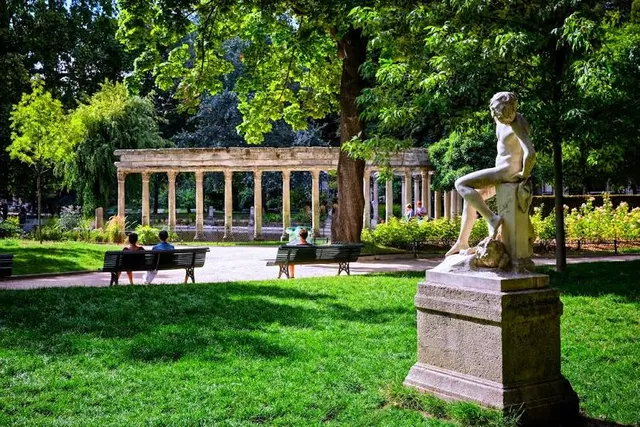
Parc Monceau
75008 Paris, France
Salle Pleyel
252 Rue du Faubourg Saint-Honoré, 75008 Paris, France
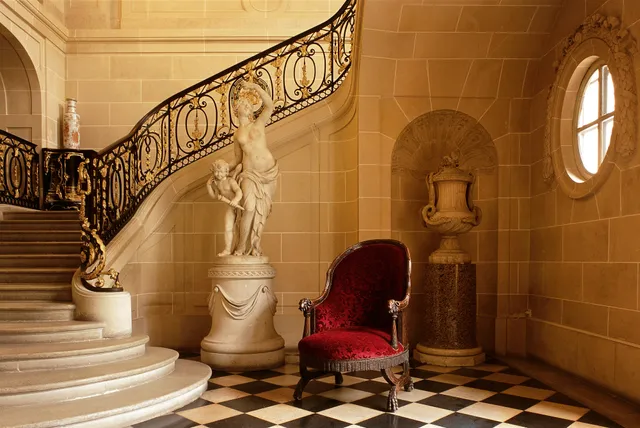
Musée Nissim de Camondo
63 Rue de Monceau, 75008 Paris, France
Musée Cernuschi
7 Av. Velasquez, 75008 Paris, France
Lelong & Co. Gallery
13 Rue de Téhéran, 75008 Paris, France
Garden of the HĂŽtel Salomon de Rothschild
12 Av. de Friedland, 75008 Paris, France
HĂŽtel Menier
5 Av. Van Dyck, 75008 Paris, France
Église Saint-Philippe-du-Roule
9 Rue de Courcelles, 75008 Paris, France
François Léage Gallery
178 Rue du Faubourg Saint-Honoré, 75008 Paris, France
Nearby restaurants
Sergent Garcia
3 Pl. Rio de Janeiro, 75008 Paris, France
Lino Ristorante
61 Rue de Courcelles, 75008 Paris, France
Valois
1 Pl. Rio de Janeiro, 75008 Paris, France
Le Parthénon
60 Rue de Courcelles, 75008 Paris, France
Restaurant Italien Da Alfredo Paris 8
182 Bd Haussmann, 75008 Paris, France
Le Murillo
59 Rue de Courcelles, 75008 Paris, France
Café de l'Avenue - Paris 8
190 Bd Haussmann, 75008 Paris, France
L'Annexe
41 Rue de Courcelles, 75008 Paris, France
Le Restaurant du Collectionneur
51-57 Rue de Courcelles, 75008 Paris, France
CÎté Orient
45 Rue de Berri, 75008 Paris, France
Related posts
Keywords
Pagoda Paris tourism.Pagoda Paris hotels.Pagoda Paris bed and breakfast. flights to Pagoda Paris.Pagoda Paris attractions.Pagoda Paris restaurants.Pagoda Paris travel.Pagoda Paris travel guide.Pagoda Paris travel blog.Pagoda Paris pictures.Pagoda Paris photos.Pagoda Paris travel tips.Pagoda Paris maps.Pagoda Paris things to do.
Pagoda Paris things to do, attractions, restaurants, events info and trip planning
Pagoda Paris
FranceIle-de-FranceParisPagoda Paris

Basic Info

Pagoda Paris

48 Rue de Courcelles, 75008 Paris, France
4.2(186)
Open 24 hours
Save
spot

Ratings & Description

Info

Cultural
Scenic
"off the beaten path"
"instagrammable"
attractions: MusĂ©e Jacquemart-AndrĂ©, Parc Monceau, Salle Pleyel, MusĂ©e Nissim de Camondo, MusĂ©e Cernuschi, Lelong & Co. Gallery, Garden of the HĂŽtel Salomon de Rothschild, HĂŽtel Menier, Église Saint-Philippe-du-Roule, François LĂ©age Gallery, restaurants: Sergent Garcia, Lino Ristorante, Valois, Le ParthĂ©non, Restaurant Italien Da Alfredo Paris 8, Le Murillo, CafĂ© de l'Avenue - Paris 8, L'Annexe, Le Restaurant du Collectionneur, CĂŽtĂ© Orient
logoLearn more insights from Wanderboat AI.
Website
pagodaparis.com

Plan your stay

hotel
Pet-friendly Hotels in Paris
Find a cozy hotel nearby and make it a full experience.

hotel
Affordable Hotels in Paris
Find a cozy hotel nearby and make it a full experience.

hotel
The Coolest Hotels You Haven't Heard Of (Yet)
Find a cozy hotel nearby and make it a full experience.

hotel
Trending Stays Worth the Hype in Paris
Find a cozy hotel nearby and make it a full experience.

Reviews

Nearby attractions of Pagoda Paris

Musée Jacquemart-André

Parc Monceau

Salle Pleyel

Musée Nissim de Camondo

Musée Cernuschi

Lelong & Co. Gallery

Garden of the HĂŽtel Salomon de Rothschild

HĂŽtel Menier

Église Saint-Philippe-du-Roule

François Léage Gallery

Musée Jacquemart-André

Musée Jacquemart-André

4.5

(3.8K)

Open 24 hours
Click for details
Parc Monceau

Parc Monceau

4.6

(9.1K)

Open 24 hours
Click for details
Salle Pleyel

Salle Pleyel

4.5

(2.7K)

Open 24 hours
Click for details
Musée Nissim de Camondo

Musée Nissim de Camondo

4.7

(845)

Open 24 hours
Click for details

Things to do nearby

Cheese and wine tasting with Chef Alex
Fri, Dec 5 ‱ 2:00 PM
75005, Paris, France
View details
No Diet Club - Unique local food - Canal St Martin
Sat, Dec 6 ‱ 12:00 PM
75010, Paris, France
View details
Create your own signature fragrance in Paris
Fri, Dec 5 ‱ 2:30 PM
75004, Paris, France
View details

Nearby restaurants of Pagoda Paris

Sergent Garcia

Lino Ristorante

Valois

Le Parthénon

Restaurant Italien Da Alfredo Paris 8

Le Murillo

Café de l'Avenue - Paris 8

L'Annexe

Le Restaurant du Collectionneur
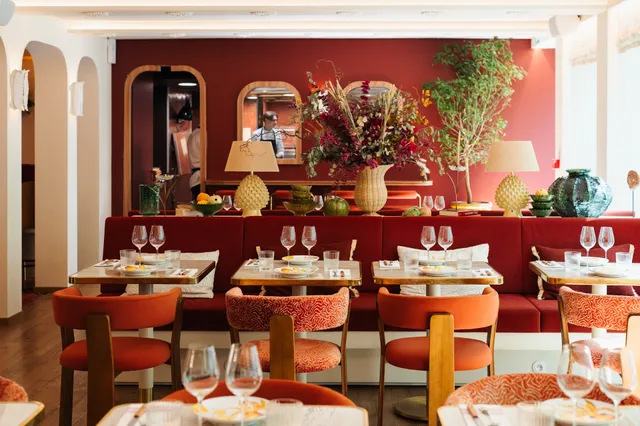
CÎté Orient

Sergent Garcia

Sergent Garcia

4.8

(686)

Click for details
Lino Ristorante

Lino Ristorante

4.5

(524)

Click for details
Valois

Valois

4.1

(675)

$$

Click for details
Le Parthénon

Le Parthénon

4.1

(99)

Click for details
Get the Appoverlay
Get the AppOne tap to find yournext favorite spots!
Wanderboat LogoWanderboat

Your everyday Al companion for getaway ideas

CompanyAbout Us
InformationAI Trip PlannerSitemap
SocialXInstagramTiktokLinkedin
LegalTerms of ServicePrivacy Policy

Get the app

© 2025 Wanderboat. All rights reserved.
logo

Reviews of Pagoda Paris

4.2
(186)
avatar
4.0
3y

In the heart of the Plaine Monceau, a Paris neighborhood which has undoubtedly the largest mansions in mÂČ, is an amazing Chinese Pagoda.

Arrived in 1902 in Paris, ChingTsaiLoo is an art dealer who has known a dazzling success. He bought a mansion built in 1880, classic style, in order to work a few steps from Parc Monceau. Mr. Loo was lucky, the owners were not asked to have a building permit at this time.

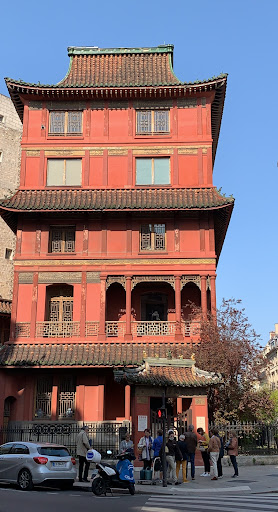
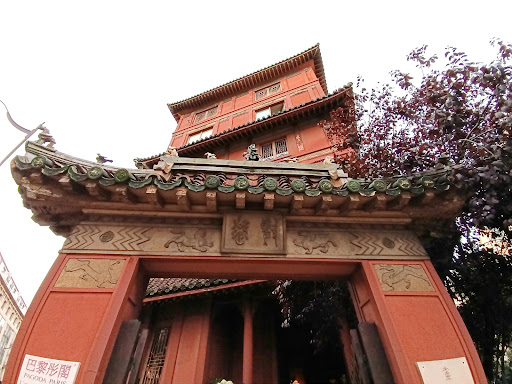
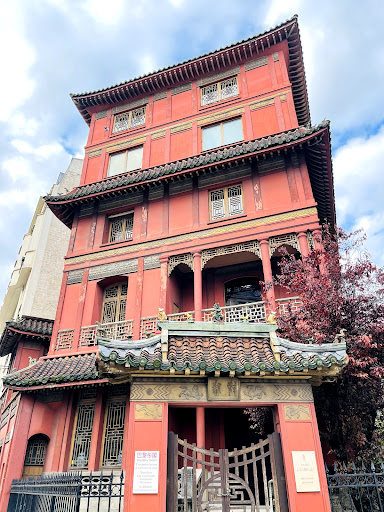
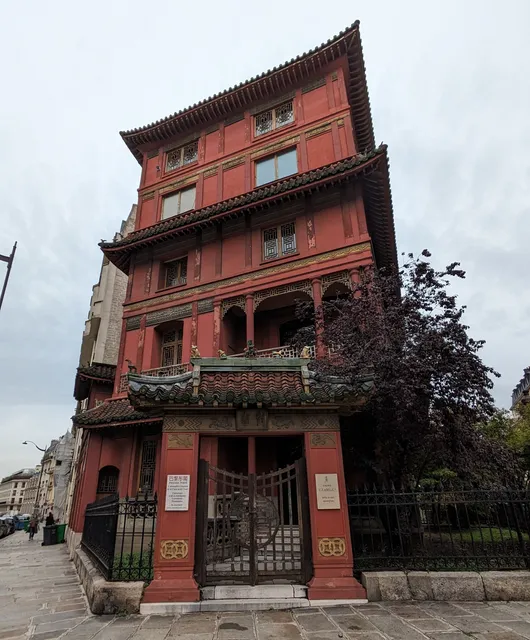
The architect Fernand Bloch is then responsible for transforming this 19th century building into a beautiful pagoda of Chinese inspiration. The mansion is raised by two floors, the roof was rebuilt, and the entire building painted in red.

The construction was achieved in 1926, which obviously has led many complaints and even a neighbourhood petition for demolition. In vain
 the “House Loo” is still standing up today. And although it was sold in 2011, its activity keeps going according to the wishes of its founder, namely to be a cultural bridge between France and China.

It is now a private museum, which offers throughout the year exhibitions and shows (and even offers spaces privatized). The only opportunity to discover the magnificent interior decor typically Chinese of...

   Read more
avatar
4.0
10w

Pagoda Paris, or the Loo House, is a unique building in Paris that combines Eastern and Western cultures. Originally, it was a regular 19th-century mansion, but a hundred years ago, in 1925, it was acquired by the Chinese collector Ching Tsai Lu and transformed into a pagoda. He added floors, a curved roof, red color, and traditional Chinese details. Inside, valuable types of wood, expensive fabrics, and painted gilded panels in the traditional Chinese style were used. The building became both Lou's home and a gallery for his collection of Asian art. In 2012, the pagoda was restored by Baroness Jacqueline von Hammerstein-Loxten, who opened the Galerie Pagoda Paris, which hosts exhibitions of Asian art and the annual Asia Week Paris. The pagoda appears as an architectural curiosity, standing out from the surrounding buildings with its red facade and unusual roof. Today, it serves as a cultural center with a library and exhibitions, accessible by appointment. The problem is that it is quite difficult to make an online reservation in order to get into the exhibition. The barcode displayed at the entrance...

   Read more
avatar
5.0
4y

La Maison de Loo est un musĂ©e privĂ© d'art asiatique situĂ© 48 Rue de Courcelles et Place GĂ©rard Oury, Paris ( 8e ), occupĂ© par les activitĂ©s de la galerie CTLoo & Cie. Le caractĂšre original de cette Maison est qu’elle n’est en aucun cas un bĂątiment religieux, simplement le rĂ©sultat de l’amour d’un homme pour son pays d’origine – la Chine – et de sa volontĂ© de le partager avec son pays d’adoption – la France. ArrivĂ© en 1902 Ă  Paris, Ching Tsai Loo est un marchand d’art Ă  la rĂ©ussite fulgurante. Il rachĂšte un hĂŽtel particulier construit en 1880, de style Français classique, pour y exercer son activitĂ© Ă  quelques pas du Parc Monceau. M. Loo a de la chance, il n’était pas demandĂ© aux propriĂ©taires de permis de construire Ă  cette Ă©poque. Une aubaine pour qui souhaite ajouter un peu de fantaisie Ă  son quotidien
 L’architecte Fernand Bloch est chargĂ© de transformer ce bĂątiment du 19e siĂšcle en une somptueuse pagode d’inspiration chinoise. L’hĂŽtel particulier est surĂ©levĂ© de 2 Ă©tages, le toit est reconstruit en tuiles vernies, et la totalitĂ© du bĂątiment peinte en rouge. La CitĂ© Interdite n’a qu’à bien se tenir ! Une construction achevĂ©e en 1926 qui suscitera Ă©videmment de nombreuses plaintes, et mĂȘme une pĂ©tition du voisinage pour dĂ©molition. En vain. La « Maison Loo » est aujourd’hui toujours debout. Et bien qu’elle ait Ă©tĂ© vendue en 2011, elle continue son activitĂ© selon les souhaits de son illustre fondateur, Ă  savoir ĂȘtre un lien culturel entre la France et la Chine. C’est aujourd’hui un musĂ©e privĂ©, qui propose tout au long de l’annĂ©e des expositions et salons (et mĂȘme des espaces privatisables). Les seules occasions si vous le souhaitez de dĂ©couvrir la magnifique dĂ©coration intĂ©rieure typiquement chinoise de cette pagode. La collection est de « 1 300 livres, 3 000 catalogues d'expositions, 3 000 photos originales et de nombreux objets rares ». ElĂ©ments protĂ©gĂ©s : Les façades et toitures ; la salle dite des "cavaliers" au rez-de-chaussĂ©e et son dĂ©cor ; le palier et les deux salles en laque du Shansi au premier Ă©tage et leurs dĂ©cors ; la galerie indienne au quatriĂšme Ă©tage et son dĂ©cor ; l'ensemble de la cage d'ascenseur et sa cabine ; la salle d'exposition au sous-sol ; ainsi que le sol de la parcelle sur laquelle l'immeuble est situĂ©. L'Ă©difice, surnommĂ© la "Pagode Rouge", est inscrit au titre des Monuments historiques en...

   Read more
Page 1 of 7
Previous
Next

Posts

1girl 1passport1girl 1passport
In the heart of the Plaine Monceau, a Paris neighborhood which has undoubtedly the largest mansions in mÂČ, is an amazing Chinese Pagoda. Arrived in 1902 in Paris, ChingTsaiLoo is an art dealer who has known a dazzling success. He bought a mansion built in 1880, classic style, in order to work a few steps from Parc Monceau. Mr. Loo was lucky, the owners were not asked to have a building permit at this time. The architect Fernand Bloch is then responsible for transforming this 19th century building into a beautiful pagoda of Chinese inspiration. The mansion is raised by two floors, the roof was rebuilt, and the entire building painted in red. The construction was achieved in 1926, which obviously has led many complaints and even a neighbourhood petition for demolition. In vain
 the “House Loo” is still standing up today. And although it was sold in 2011, its activity keeps going according to the wishes of its founder, namely to be a cultural bridge between France and China. It is now a private museum, which offers throughout the year exhibitions and shows (and even offers spaces privatized). The only opportunity to discover the magnificent interior decor typically Chinese of this pagoda.
AzarAzar
Pagoda Paris, or the Loo House, is a unique building in Paris that combines Eastern and Western cultures. Originally, it was a regular 19th-century mansion, but a hundred years ago, in 1925, it was acquired by the Chinese collector Ching Tsai Lu and transformed into a pagoda. He added floors, a curved roof, red color, and traditional Chinese details. Inside, valuable types of wood, expensive fabrics, and painted gilded panels in the traditional Chinese style were used. The building became both Lou's home and a gallery for his collection of Asian art. In 2012, the pagoda was restored by Baroness Jacqueline von Hammerstein-Loxten, who opened the Galerie Pagoda Paris, which hosts exhibitions of Asian art and the annual Asia Week Paris. The pagoda appears as an architectural curiosity, standing out from the surrounding buildings with its red facade and unusual roof. Today, it serves as a cultural center with a library and exhibitions, accessible by appointment. The problem is that it is quite difficult to make an online reservation in order to get into the exhibition. The barcode displayed at the entrance does not work.
François SalaĂŒnFrançois SalaĂŒn
Atypique Ă  Paris !! Trouver une pagode Ă  Paris, Ă©tonnant non ? Mais pourquoi ? : La pagode Maison de Loo est un musĂ©e privĂ© d'art asiatique situĂ© place GĂ©rard-Oury et 48 rue de Courcelles dans le 8ᔉ arrondissement de Paris. Il est occupĂ© par les activitĂ©s de la galerie CTLoo & Cⁱᔉ. Le caractĂšre original de la Maison Loo est qu’elle n’est en aucun cas un bĂątiment religieux, mais simplement le rĂ©sultat de l’amour d’un homme pour son pays d’origine – la Chine – et de sa volontĂ© de le partager avec son pays d’adoption – la France. ArrivĂ© en 1902 Ă  Paris, Ching Tsai Loo est un marchand d’art Ă  la rĂ©ussite fulgurante. Il rachĂšte un hĂŽtel particulier construit en 1880, de style Français classique, pour y exercer son activitĂ© Ă  quelques pas du Parc Monceau. M. Loo a de la chance, il n’était pas demandĂ© aux propriĂ©taires de permis de construire Ă  cette Ă©poque. Une aubaine pour qui souhaite ajouter un peu de fantaisie Ă  son quotidien
 L’architecte Fernand Bloch est alors chargĂ© de transformer ce bĂątiment du 19e siĂšcle en une somptueuse pagode d’inspiration chinoise. L’hĂŽtel particulier est surĂ©levĂ© de 2 Ă©tages, le toit est reconstruit, et la totalitĂ© du bĂątiment peinte en rouge. Une construction achevĂ©e en 1926 qui suscitera Ă©videmment de nombreuses plaintes, et mĂȘme une pĂ©tition du voisinage pour dĂ©molition. En vain. La « Maison Loo » est aujourd’hui toujours debout. Et bien qu’elle ait Ă©tĂ© vendue en 2011, elle continue son activitĂ© selon les souhaits de son illustre fondateur, Ă  savoir ĂȘtre un lien culturel entre la France et la Chine. C’est aujourd’hui un musĂ©e privĂ©, qui propose tout au long de l’annĂ©e des expositions et salons (et mĂȘme des espaces privatisables). Les seules occasions si vous le souhaitez de dĂ©couvrir la magnifique dĂ©coration intĂ©rieure typiquement chinoise de cette pagode. Un Ă©tablissement hors du commun Ă  dĂ©couvrir !
See more posts
See more posts
hotel
Find your stay

Pet-friendly Hotels in Paris

Find a cozy hotel nearby and make it a full experience.

In the heart of the Plaine Monceau, a Paris neighborhood which has undoubtedly the largest mansions in mÂČ, is an amazing Chinese Pagoda. Arrived in 1902 in Paris, ChingTsaiLoo is an art dealer who has known a dazzling success. He bought a mansion built in 1880, classic style, in order to work a few steps from Parc Monceau. Mr. Loo was lucky, the owners were not asked to have a building permit at this time. The architect Fernand Bloch is then responsible for transforming this 19th century building into a beautiful pagoda of Chinese inspiration. The mansion is raised by two floors, the roof was rebuilt, and the entire building painted in red. The construction was achieved in 1926, which obviously has led many complaints and even a neighbourhood petition for demolition. In vain
 the “House Loo” is still standing up today. And although it was sold in 2011, its activity keeps going according to the wishes of its founder, namely to be a cultural bridge between France and China. It is now a private museum, which offers throughout the year exhibitions and shows (and even offers spaces privatized). The only opportunity to discover the magnificent interior decor typically Chinese of this pagoda.
1girl 1passport

1girl 1passport

hotel
Find your stay

Affordable Hotels in Paris

Find a cozy hotel nearby and make it a full experience.

Get the Appoverlay
Get the AppOne tap to find yournext favorite spots!
Pagoda Paris, or the Loo House, is a unique building in Paris that combines Eastern and Western cultures. Originally, it was a regular 19th-century mansion, but a hundred years ago, in 1925, it was acquired by the Chinese collector Ching Tsai Lu and transformed into a pagoda. He added floors, a curved roof, red color, and traditional Chinese details. Inside, valuable types of wood, expensive fabrics, and painted gilded panels in the traditional Chinese style were used. The building became both Lou's home and a gallery for his collection of Asian art. In 2012, the pagoda was restored by Baroness Jacqueline von Hammerstein-Loxten, who opened the Galerie Pagoda Paris, which hosts exhibitions of Asian art and the annual Asia Week Paris. The pagoda appears as an architectural curiosity, standing out from the surrounding buildings with its red facade and unusual roof. Today, it serves as a cultural center with a library and exhibitions, accessible by appointment. The problem is that it is quite difficult to make an online reservation in order to get into the exhibition. The barcode displayed at the entrance does not work.
Azar

Azar

hotel
Find your stay

The Coolest Hotels You Haven't Heard Of (Yet)

Find a cozy hotel nearby and make it a full experience.

hotel
Find your stay

Trending Stays Worth the Hype in Paris

Find a cozy hotel nearby and make it a full experience.

Atypique Ă  Paris !! Trouver une pagode Ă  Paris, Ă©tonnant non ? Mais pourquoi ? : La pagode Maison de Loo est un musĂ©e privĂ© d'art asiatique situĂ© place GĂ©rard-Oury et 48 rue de Courcelles dans le 8ᔉ arrondissement de Paris. Il est occupĂ© par les activitĂ©s de la galerie CTLoo & Cⁱᔉ. Le caractĂšre original de la Maison Loo est qu’elle n’est en aucun cas un bĂątiment religieux, mais simplement le rĂ©sultat de l’amour d’un homme pour son pays d’origine – la Chine – et de sa volontĂ© de le partager avec son pays d’adoption – la France. ArrivĂ© en 1902 Ă  Paris, Ching Tsai Loo est un marchand d’art Ă  la rĂ©ussite fulgurante. Il rachĂšte un hĂŽtel particulier construit en 1880, de style Français classique, pour y exercer son activitĂ© Ă  quelques pas du Parc Monceau. M. Loo a de la chance, il n’était pas demandĂ© aux propriĂ©taires de permis de construire Ă  cette Ă©poque. Une aubaine pour qui souhaite ajouter un peu de fantaisie Ă  son quotidien
 L’architecte Fernand Bloch est alors chargĂ© de transformer ce bĂątiment du 19e siĂšcle en une somptueuse pagode d’inspiration chinoise. L’hĂŽtel particulier est surĂ©levĂ© de 2 Ă©tages, le toit est reconstruit, et la totalitĂ© du bĂątiment peinte en rouge. Une construction achevĂ©e en 1926 qui suscitera Ă©videmment de nombreuses plaintes, et mĂȘme une pĂ©tition du voisinage pour dĂ©molition. En vain. La « Maison Loo » est aujourd’hui toujours debout. Et bien qu’elle ait Ă©tĂ© vendue en 2011, elle continue son activitĂ© selon les souhaits de son illustre fondateur, Ă  savoir ĂȘtre un lien culturel entre la France et la Chine. C’est aujourd’hui un musĂ©e privĂ©, qui propose tout au long de l’annĂ©e des expositions et salons (et mĂȘme des espaces privatisables). Les seules occasions si vous le souhaitez de dĂ©couvrir la magnifique dĂ©coration intĂ©rieure typiquement chinoise de cette pagode. Un Ă©tablissement hors du commun Ă  dĂ©couvrir !
François SalaĂŒn

François SalaĂŒn

See more posts
See more posts