Basilica Cathedral of Saint Denis things to do, attractions, restaurants, events info and trip planning
Basic Info
Basilica Cathedral of Saint Denis
1 Rue de la Légion d'Honneur, 93200 Saint-Denis, France
4.6(3.3K)
Closed


tickets
Save
spot
spot
Ratings & Description
Info
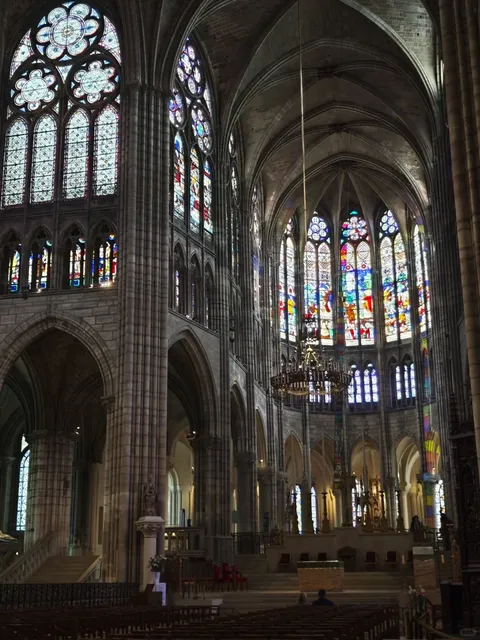
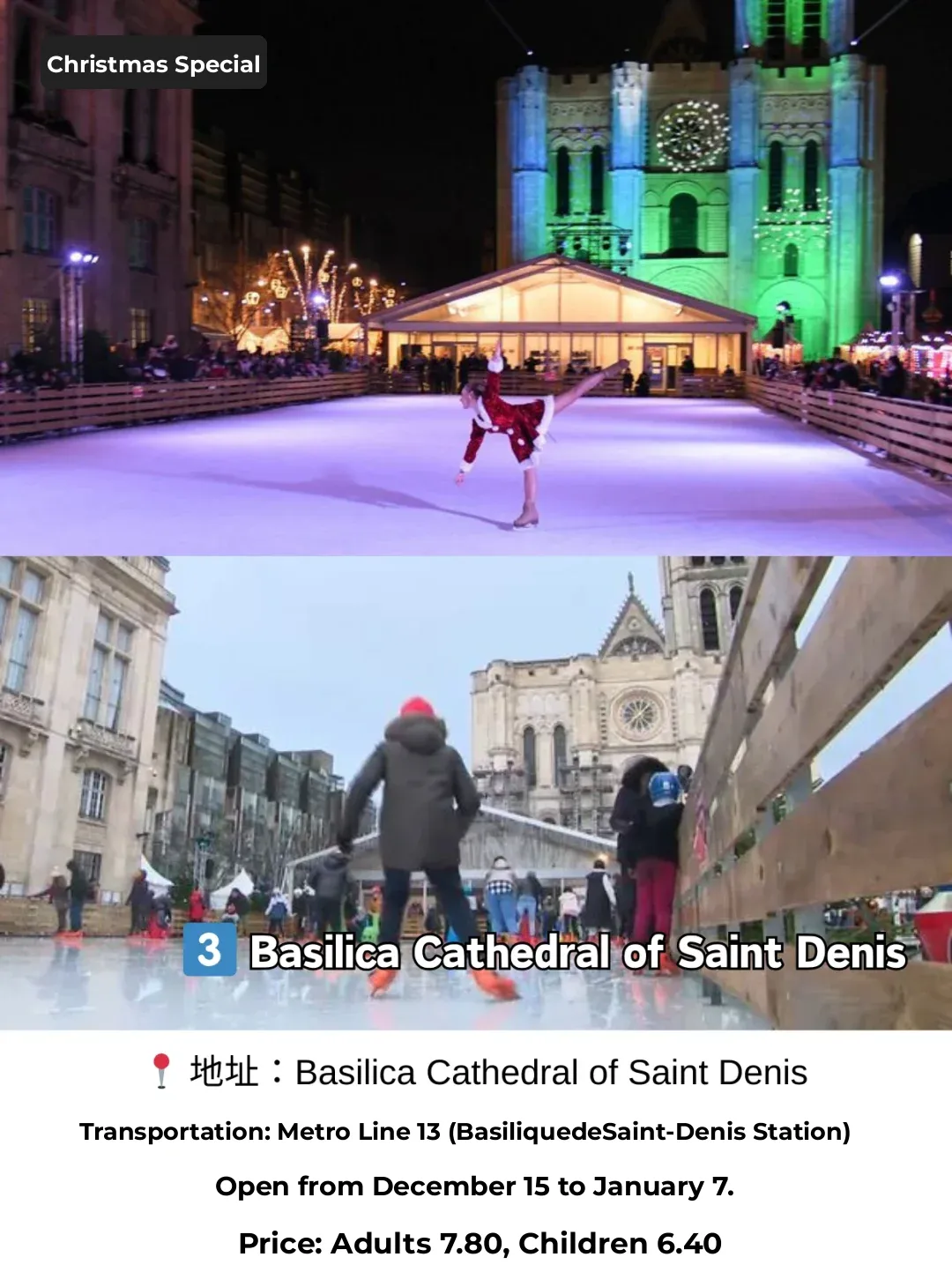
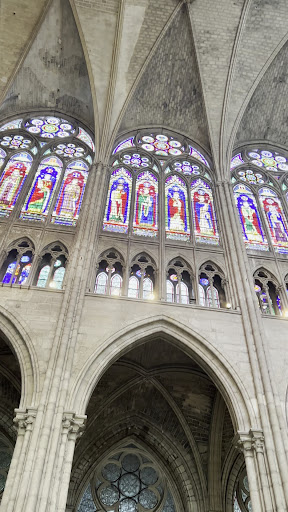
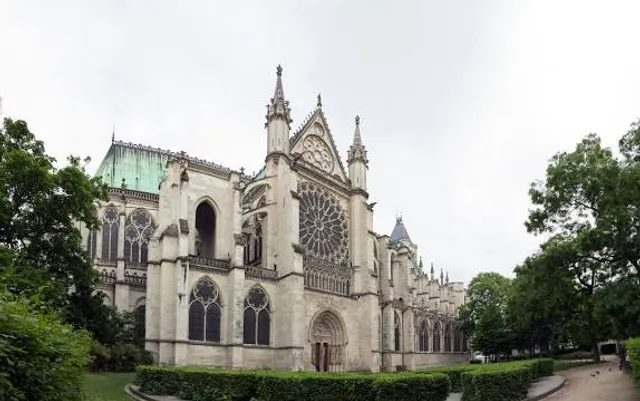
The Basilica of Saint-Denis is a large former medieval abbey church and present cathedral in the commune of Saint-Denis, a northern suburb of Paris.
Cultural
Accessibility
attractions: Tourist Office of Plaine Commune Grand Paris (Headquarters), Parc de la Légion d'Honneur, Saint-Denis Historial Street Market, Street Art Avenue Grand Paris, restaurants: Au Rendez-Vous, Les Arts, Le Mets du Roy, Le Khédive, Le Café de France, LA TABLE RONDE - Restaurant et Hotel, Restaurant O'Grand Breton, MARGUERITE CHARLIE, PAUL, BANGCOOK Saint-Denis Fast-Good Thaï, local businesses: Halles de Saint-Denis, Caf Saint-Denis, Lidl, Marché de Saint-Denis, Marché de Saint-Denis, église saint Denys de l'Estrée, Paris Walks, NEF
 Learn more insights from Wanderboat AI.
Phone
+33 1 48 09 83 54
Website
saint-denis-basilique.fr
Open hoursSee all hours
Mon10 AM - 4:45 PMClosed
Plan your stay

Pet-friendly Hotels in Saint-Denis
Find a cozy hotel nearby and make it a full experience.

Affordable Hotels in Saint-Denis
Find a cozy hotel nearby and make it a full experience.

The Coolest Hotels You Haven't Heard Of (Yet)
Find a cozy hotel nearby and make it a full experience.

Trending Stays Worth the Hype in Saint-Denis
Find a cozy hotel nearby and make it a full experience.
Reviews
Live events
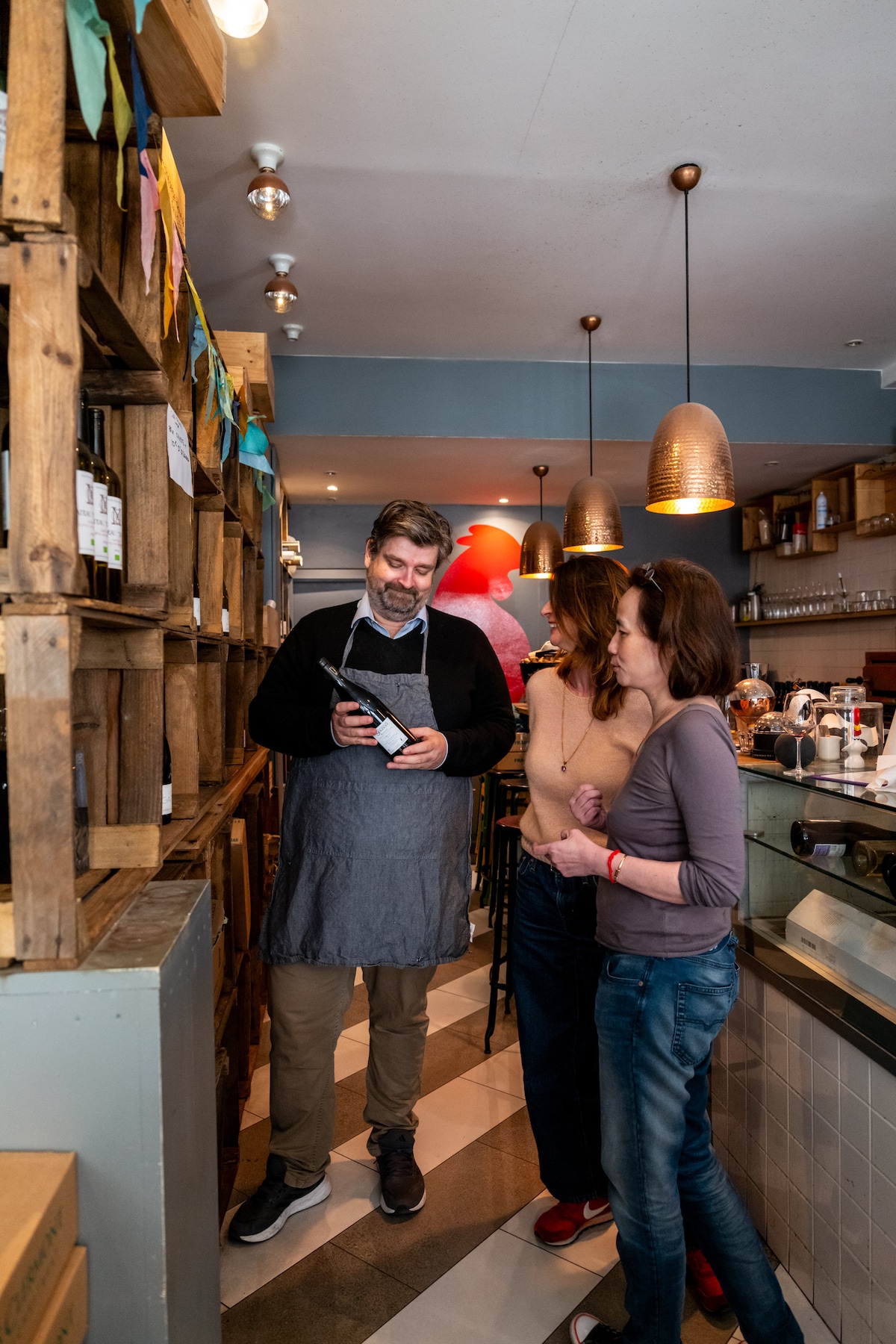
A sommelier’s wine tasting tour de France
Tue, Feb 24 • 4:00 PM
75009, Paris, France
View details

Planète Préhistorique : Dinosaures, L’expérience immersive à l’Atelier des Lumières
Tue, Feb 24 • 10:00 AM
38 Rue Saint-Maur, 75011
View details
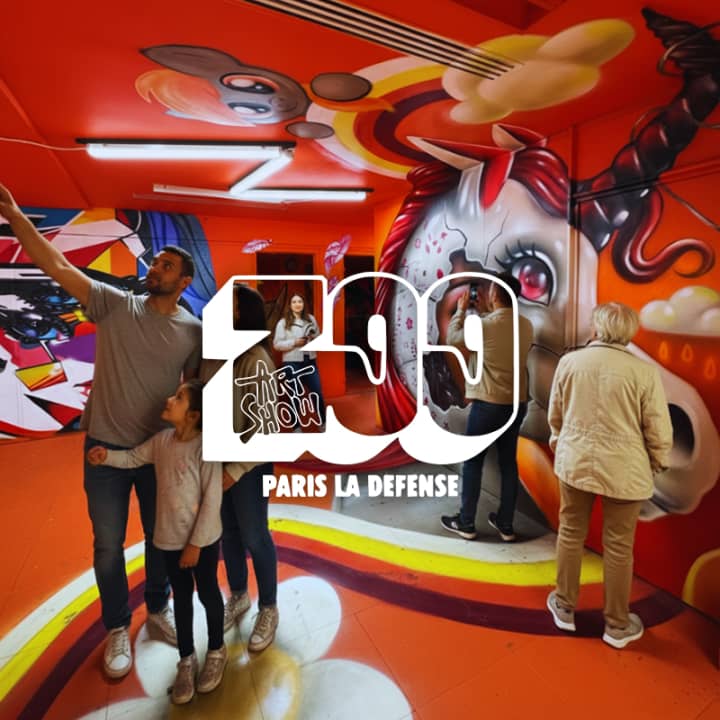
Expo Street art Paris - Zoo Art Show
Tue, Feb 24 • 10:00 AM
92800 Puteaux, France, 92800
View details
Nearby attractions of Basilica Cathedral of Saint Denis
Tourist Office of Plaine Commune Grand Paris (Headquarters)
Parc de la Légion d'Honneur
Saint-Denis Historial Street Market
Street Art Avenue Grand Paris
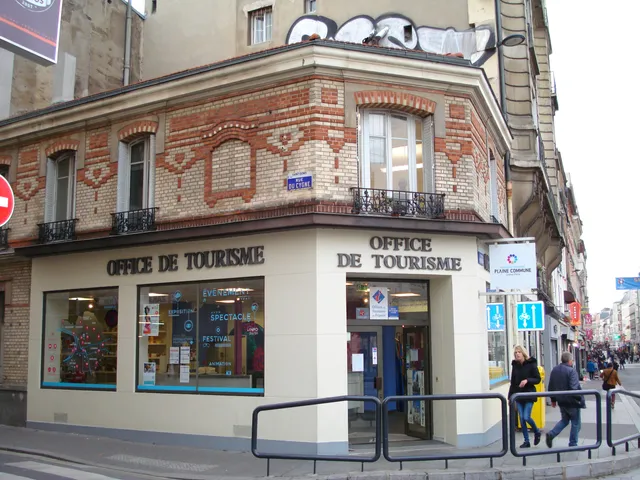
Tourist Office of Plaine Commune Grand Paris (Headquarters)
4.3
(49)
Open until 12:00 AM
Click for details
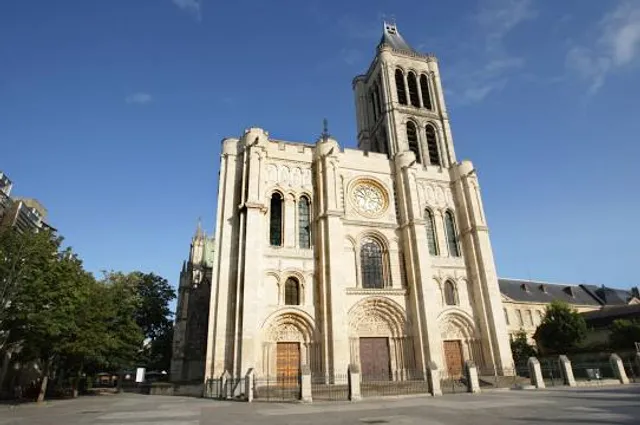
Parc de la Légion d'Honneur
4.3
(1.2K)
Closed
Click for details
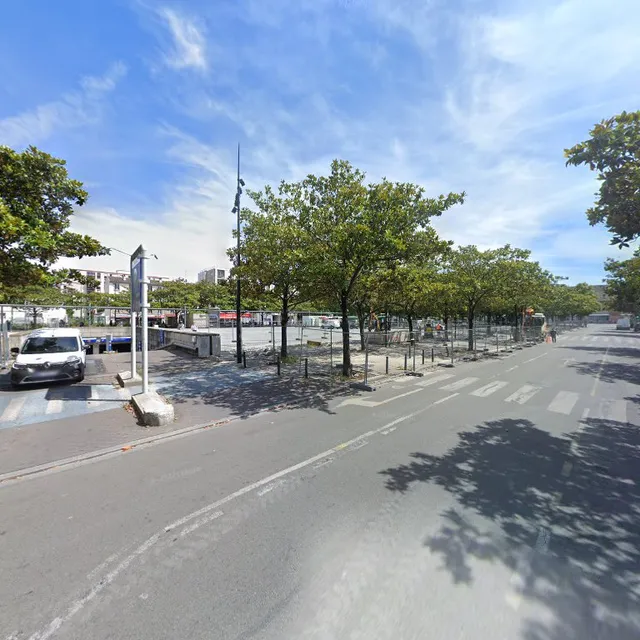
Saint-Denis Historial Street Market
4.5
(21)
Open until 12:00 AM
Click for details
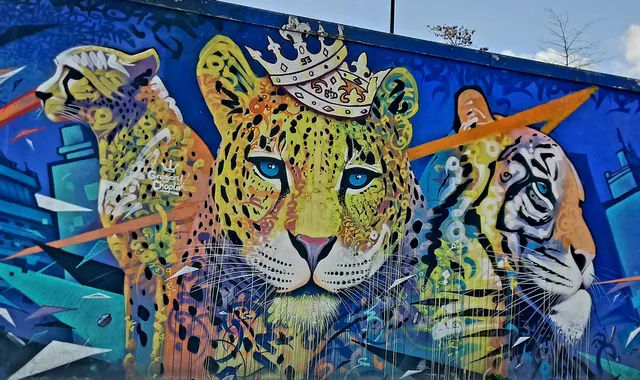
Street Art Avenue Grand Paris
4.3
(42)
Closed
Click for details
Nearby restaurants of Basilica Cathedral of Saint Denis
Au Rendez-Vous
Les Arts
Le Mets du Roy
Le Khédive
Le Café de France
LA TABLE RONDE - Restaurant et Hotel
Restaurant O'Grand Breton
MARGUERITE CHARLIE
PAUL
BANGCOOK Saint-Denis Fast-Good Thaï
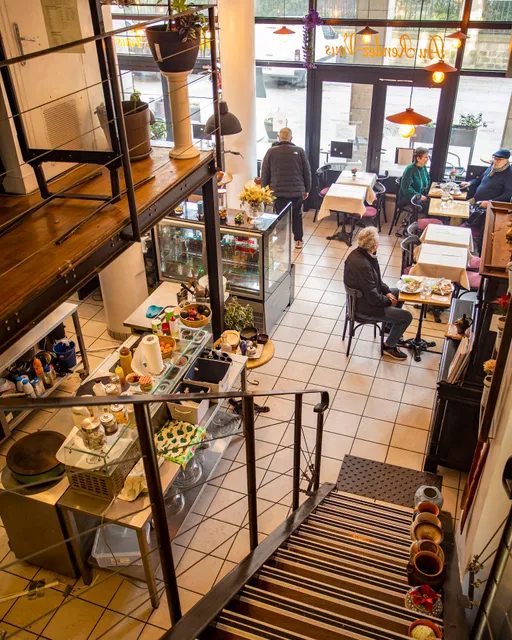
Au Rendez-Vous
4.9
(390)
Open until 12:00 AM
Click for details
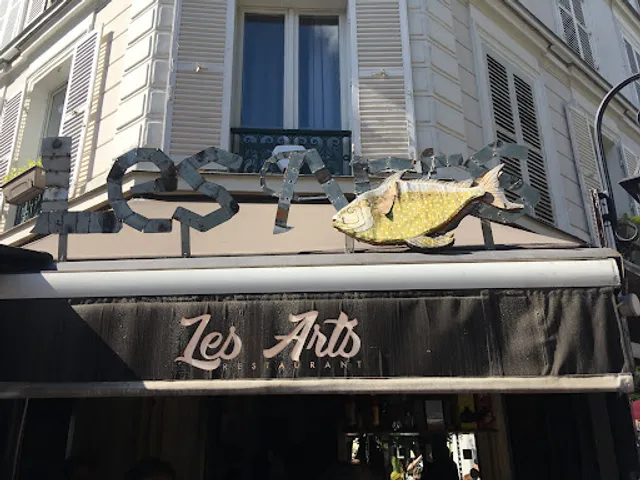
Les Arts
4.4
(271)
Open until 12:00 AM
Click for details
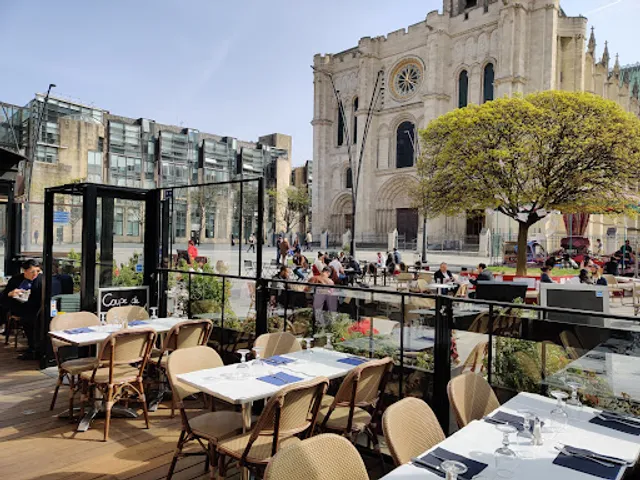
Le Mets du Roy
4.0
(227)
$$
Open until 11:00 PM
Click for details
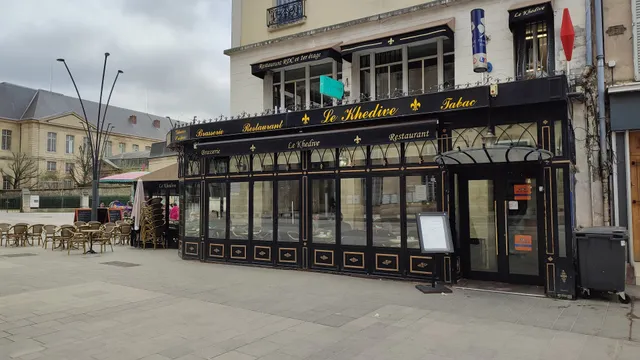
Le Khédive
3.6
(168)
Open until 12:00 AM
Click for details
Nearby local services of Basilica Cathedral of Saint Denis
Halles de Saint-Denis
Caf Saint-Denis
Lidl
Marché de Saint-Denis
Marché de Saint-Denis
église saint Denys de l'Estrée
Paris Walks
NEF
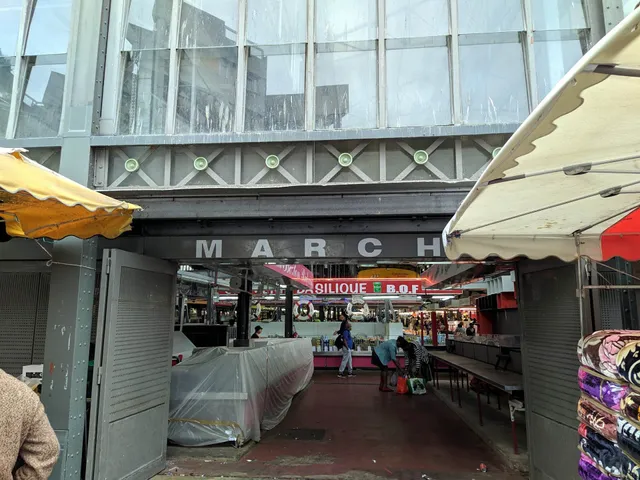
Halles de Saint-Denis
4.1
(413)
Click for details
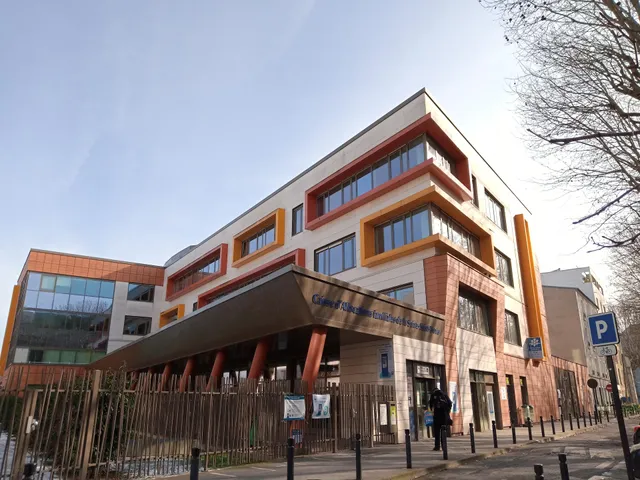
Caf Saint-Denis
2.6
(135)
Click for details
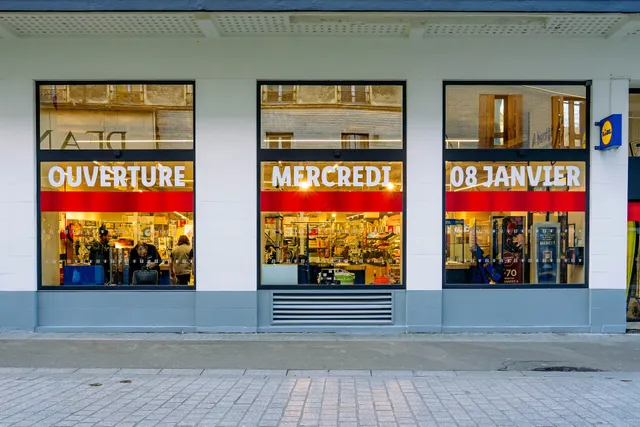
Lidl
4.3
(137)
Click for details
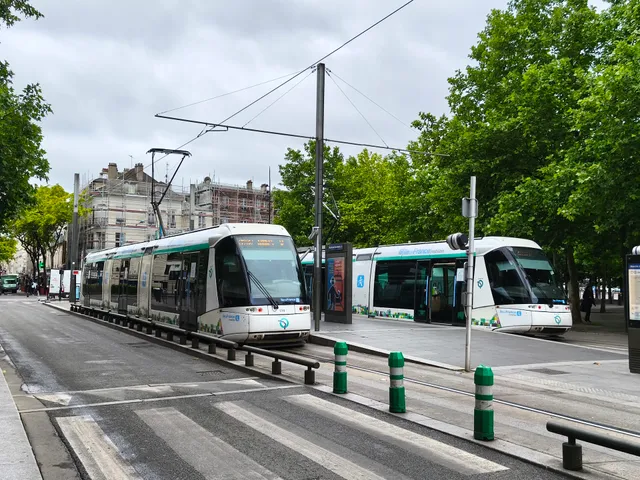
Marché de Saint-Denis
3.6
(36)
Click for details