Marschiertor things to do, attractions, restaurants, events info and trip planning
Basic Info
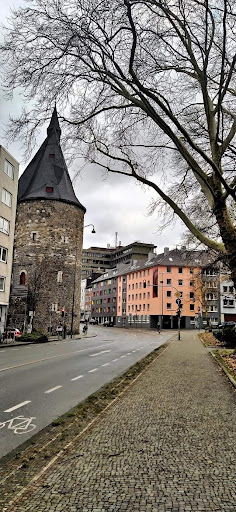
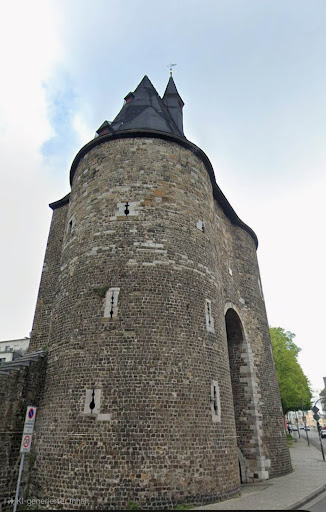
Marschiertor
Franzstraße 995, 52064 Aachen, Germany
4.4(294)
Open until 12:00 AM
Save
spot
spot
Ratings & Description
Info
Cultural
Scenic
Family friendly
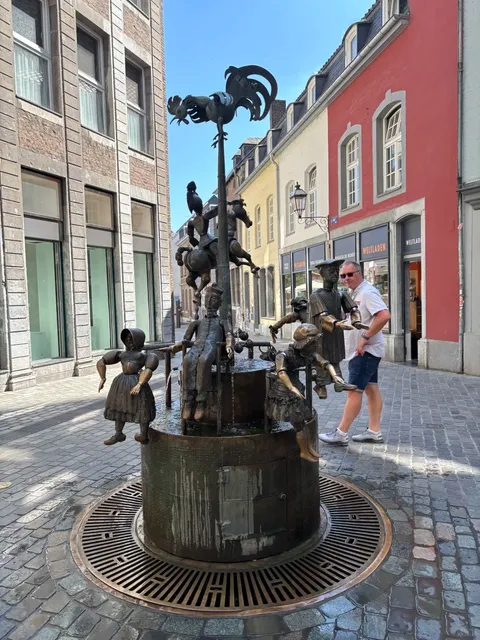
attractions: Elisenbrunnen, Aachen Cathedral, aachen tourist service, Kreislauf des Geldes, Archaeological Window, Aachener Altstadt, Elisengarten, Katschhof, Aachen Cathedral Treasury, Puppenbrunnen, Aachen - Bonifatius Stirnberg (1975), restaurants: Tradition aus Vietnam, Im alten Zollhaus Inh. David Pyras, Pizzeria Pisa Aachen, SWEETS EMPIRE Waffeln & Donuts, Dschingis Chan, Kink-Lon, Groffmann Genüsse Bistro, Hai Nam, Bäckerei MOSS, Vabene! Pizzeria & Aperitivo, local businesses: ABACCO'S STEAKHOUSE Aachen, DÖNERHAUS&PİZZERIA, REWE Stenten, ElisenGalerie, Hallenbad Elisabethhalle, Warhammer, Mayersche Aachen, Aquis Plaza, HNO-Gemeinschaftspraxis am Elisenbrunnen, GALERIA Aachen
 Learn more insights from Wanderboat AI.
Open hoursSee all hours
TueOpen 24 hoursOpen
Plan your stay

Pet-friendly Hotels in Aachen
Find a cozy hotel nearby and make it a full experience.

Affordable Hotels in Aachen
Find a cozy hotel nearby and make it a full experience.

The Coolest Hotels You Haven't Heard Of (Yet)
Find a cozy hotel nearby and make it a full experience.

Trending Stays Worth the Hype in Aachen
Find a cozy hotel nearby and make it a full experience.
Reviews
Live events

Familienzeit-Schatzsuche Aachen Altstadt
Tue, Feb 10 • 2:00 PM
Friedrich-Wilhelm-Platz 13b, 52062 Aachen, 52062
View details

Valentinstag: Paarzeit-Schatzsuche Aachen Altstadt
Tue, Feb 10 • 2:00 PM
Friedrich-Wilhelm-Platz, 52062 Aachen, 52062
View details

Paarzeit Schatzsuche: Mission Aachen
Tue, Feb 10 • 3:00 PM
Friedrich-Wilhelm-Platz 5-6, Aachen, 52062
View details
Nearby attractions of Marschiertor
Elisenbrunnen
Aachen Cathedral
aachen tourist service
Kreislauf des Geldes
Archaeological Window
Aachener Altstadt
Elisengarten
Katschhof
Aachen Cathedral Treasury
Puppenbrunnen, Aachen - Bonifatius Stirnberg (1975)
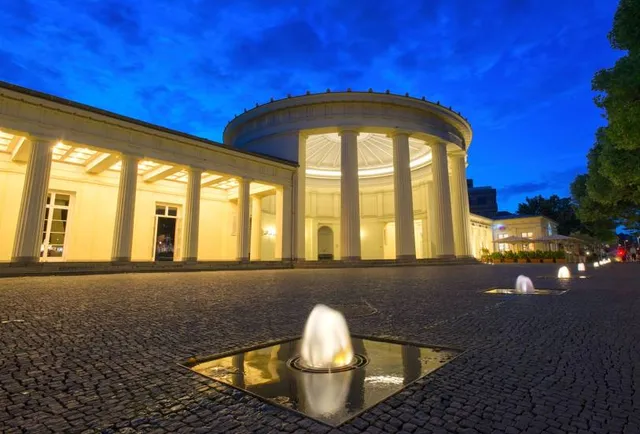
Elisenbrunnen
4.3
(3.9K)
Open until 12:00 AM
Click for details
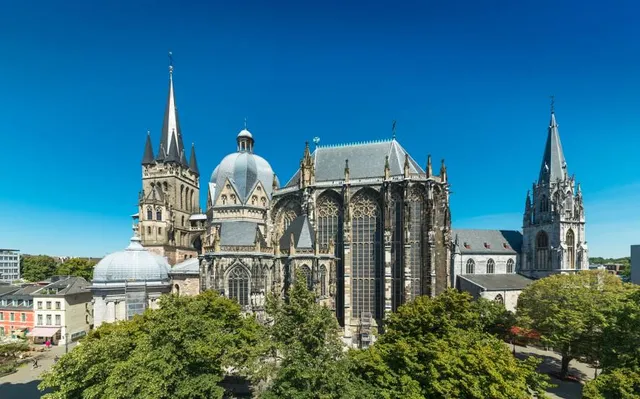
Aachen Cathedral
4.7
(7.9K)
Open until 6:00 PM
Click for details
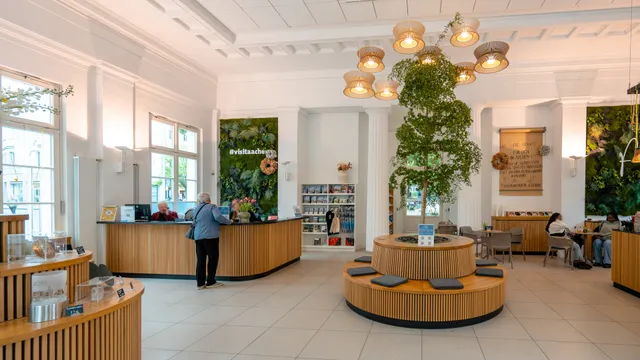
aachen tourist service
3.9
(115)
Open until 5:00 PM
Click for details

Kreislauf des Geldes
4.5
(261)
Open until 12:00 AM
Click for details
Nearby restaurants of Marschiertor
Tradition aus Vietnam
Im alten Zollhaus Inh. David Pyras
Pizzeria Pisa Aachen
SWEETS EMPIRE Waffeln & Donuts
Dschingis Chan
Kink-Lon
Groffmann Genüsse Bistro
Hai Nam
Bäckerei MOSS
Vabene! Pizzeria & Aperitivo
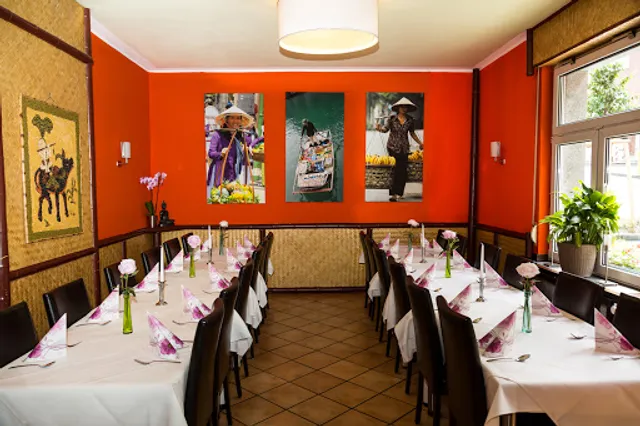
Tradition aus Vietnam
4.7
(244)
Open until 12:00 AM
Click for details
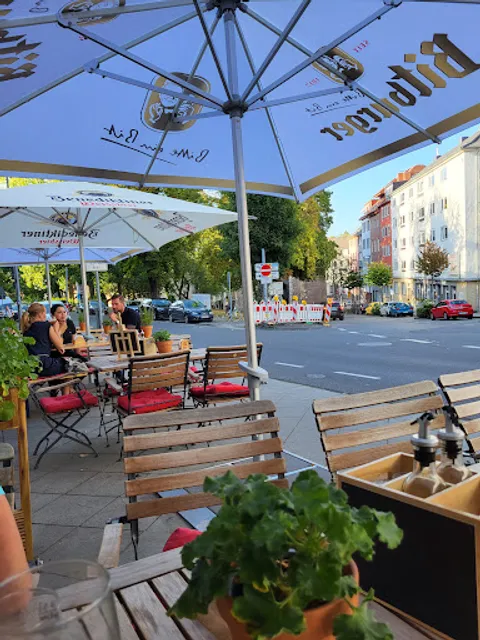
Im alten Zollhaus Inh. David Pyras
4.1
(351)
Closed
Click for details

Pizzeria Pisa Aachen
3.1
(145)
Open until 2:00 AM
Click for details
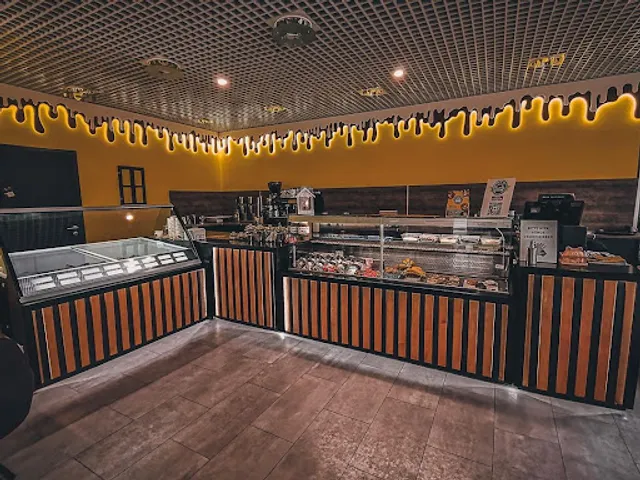
SWEETS EMPIRE Waffeln & Donuts
4.8
(243)
Open until 8:00 PM
Click for details
Nearby local services of Marschiertor
ABACCO'S STEAKHOUSE Aachen
DÖNERHAUS&PİZZERIA
REWE Stenten
ElisenGalerie
Hallenbad Elisabethhalle
Warhammer
Mayersche Aachen
Aquis Plaza
HNO-Gemeinschaftspraxis am Elisenbrunnen
GALERIA Aachen
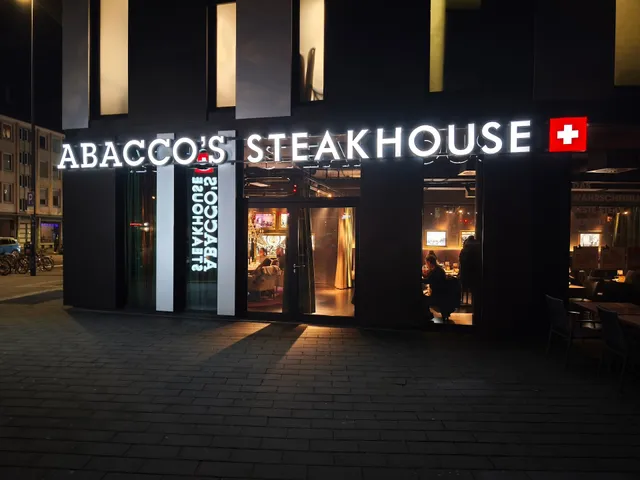
ABACCO'S STEAKHOUSE Aachen
4.6
(442)
Click for details
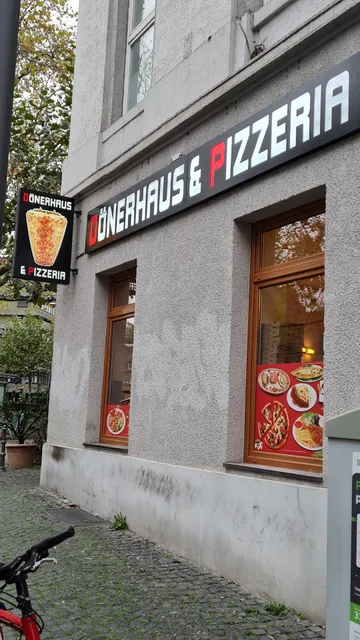
DÖNERHAUS&PİZZERIA
4.1
(269)
Click for details

REWE Stenten
4.5
(1.1K)
Click for details
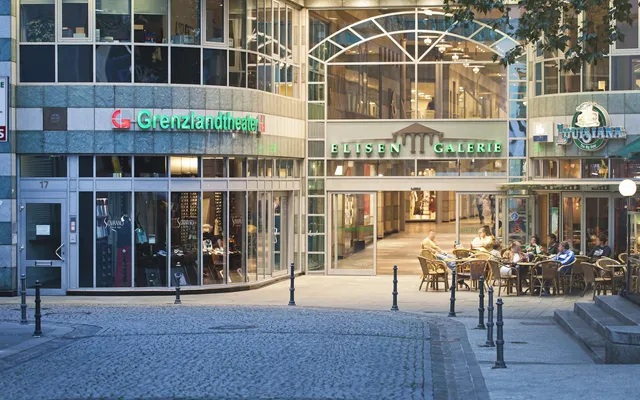
ElisenGalerie
4.1
(1.7K)
Click for details