Tempelhof Airport things to do, attractions, restaurants, events info and trip planning
Basic Info
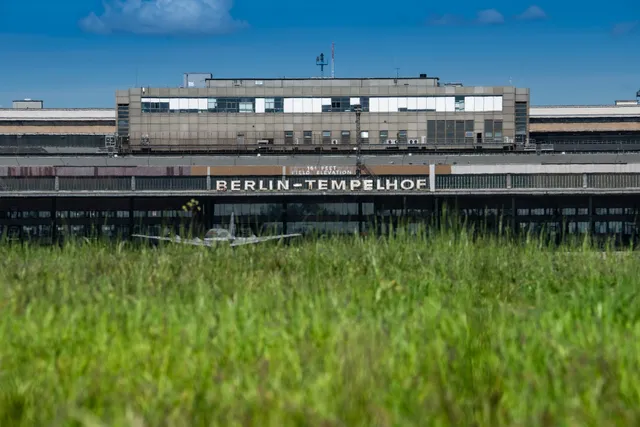
Tempelhof Airport
Platz d. Luftbrücke 5, 12101 Berlin, Germany
4.5(2.5K)
Closed

tickets
Save
spot
spot
Ratings & Description
Info
Cultural
Outdoor
Scenic
Family friendly
Accessibility
attractions: Police Historical Collection, Airlift Memorial, Jolos Kinder-Welt, English Theatre Berlin | International Performing Arts Center, Kurt Mühlenhaupt Museum, THEATER THIKWA, Viktoriapark, Prussian Monument for the Liberation Wars, Spielplatz, restaurants: Orville’s. Coffee|Food|Events, Burger King Berlin, Café do Brasil, Jayden Restaurant, Schäfer's Backshop Sänger, Bar-Kneipe "Keine Eile", Bäcker Wiedemann – Bäckerei Tempelhof, Meer & Mehr Seafood and Grill Restaurant, Café 60 Grad, Sama Beirut, local businesses: Silverwings Club - Berlin, Columbiahalle, Eurogida, Manfred-von-Richthofen-Straße 2, Manfred-von-Richthofen-Straße 18, petit cochon Manufaktur GmbH, Mampe Spirituosen Manufaktur und Ladengeschäft, Ökomarkt Chamissoplatz, In a la Munde Kochschule, Flohmarkt Marheinekeplatz
 Learn more insights from Wanderboat AI.
Phone
+49 30 2000374220
Website
thf-berlin.de
Open hoursSee all hours
Fri10 AM - 5 PMClosed
Plan your stay

Pet-friendly Hotels in Berlin
Find a cozy hotel nearby and make it a full experience.

Affordable Hotels in Berlin
Find a cozy hotel nearby and make it a full experience.

The Coolest Hotels You Haven't Heard Of (Yet)
Find a cozy hotel nearby and make it a full experience.

Trending Stays Worth the Hype in Berlin
Find a cozy hotel nearby and make it a full experience.
Reviews
Live events
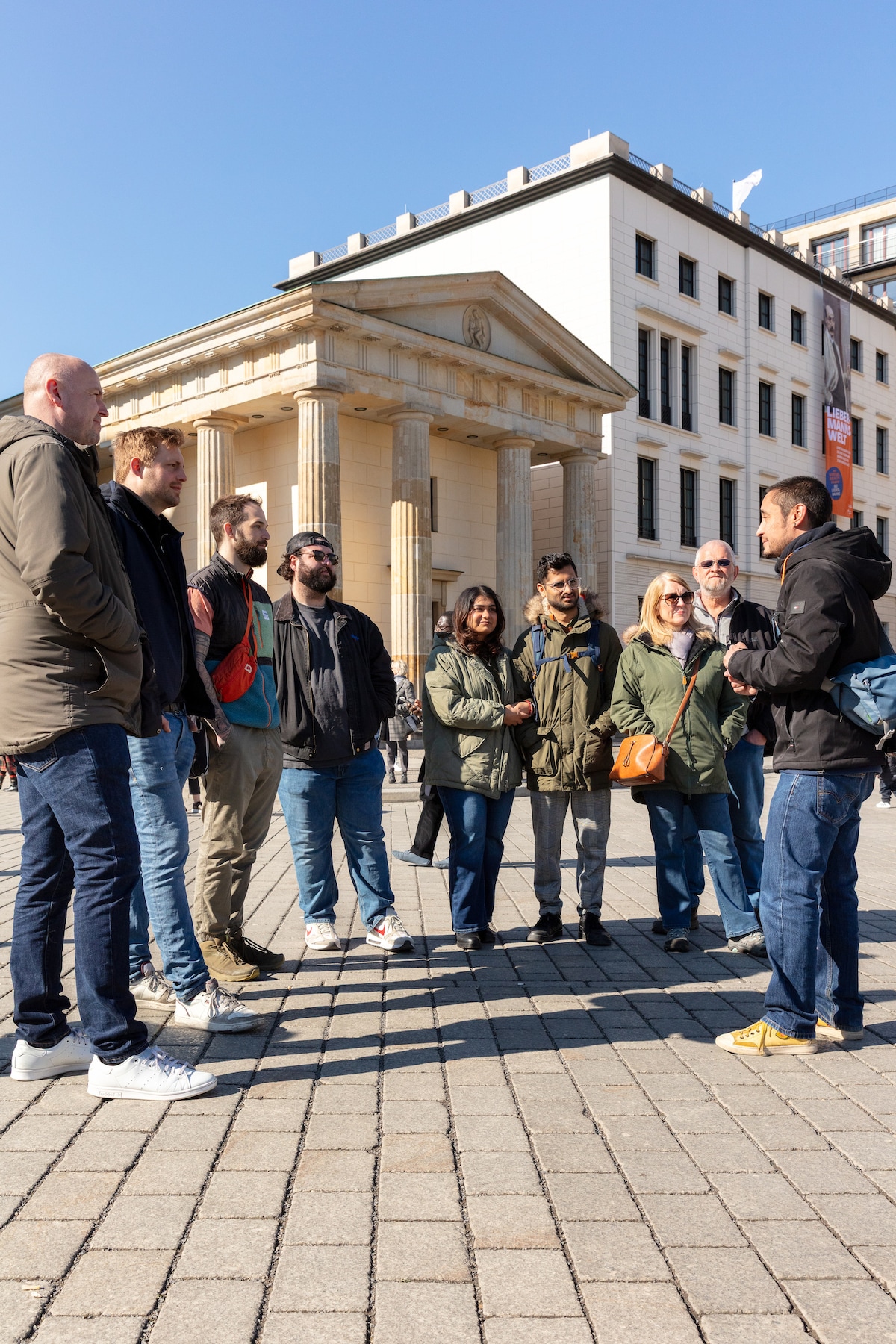
Rude Bastards Tour of® Berlin
Fri, Feb 27 • 10:00 AM
10785, Berlin, Germany
View details
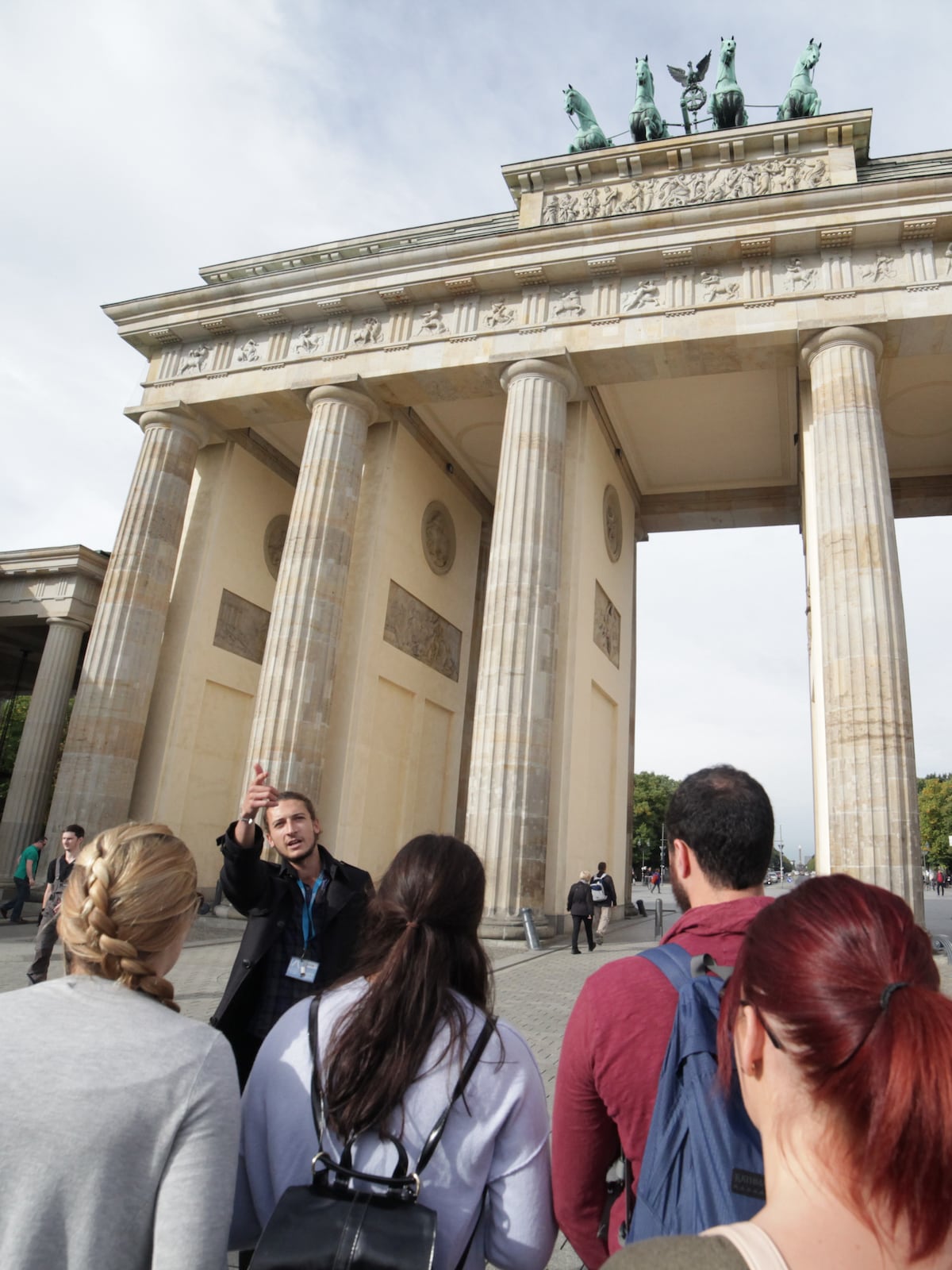
Discover Berlin - Main Sights Tour in English
Fri, Feb 27 • 10:30 AM
10178, Berlin, Germany
View details
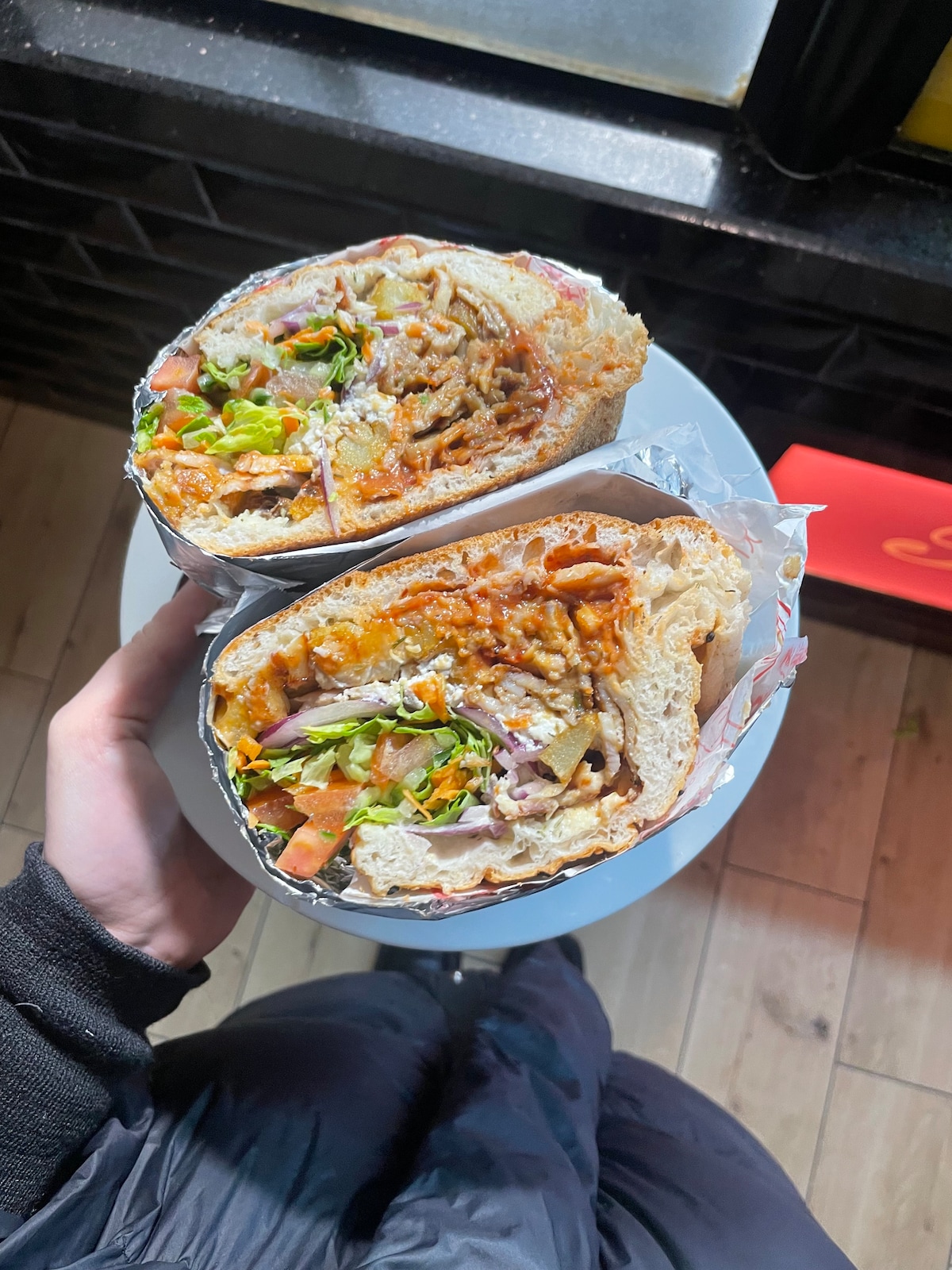
No Diet Club - The street food paradise in Berlin
Fri, Feb 27 • 12:00 PM
10115, Berlin, Germany
View details
Nearby attractions of Tempelhof Airport
Police Historical Collection
Airlift Memorial
Jolos Kinder-Welt
English Theatre Berlin | International Performing Arts Center
Kurt Mühlenhaupt Museum
THEATER THIKWA
Viktoriapark
Prussian Monument for the Liberation Wars
Spielplatz
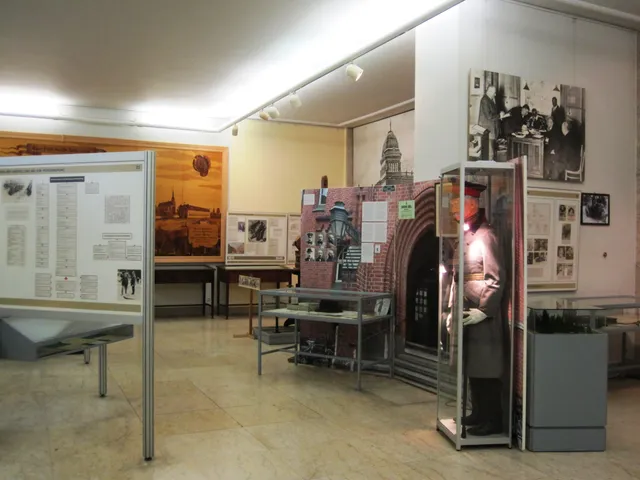
Police Historical Collection
4.6
(88)
Open until 12:00 AM
Click for details
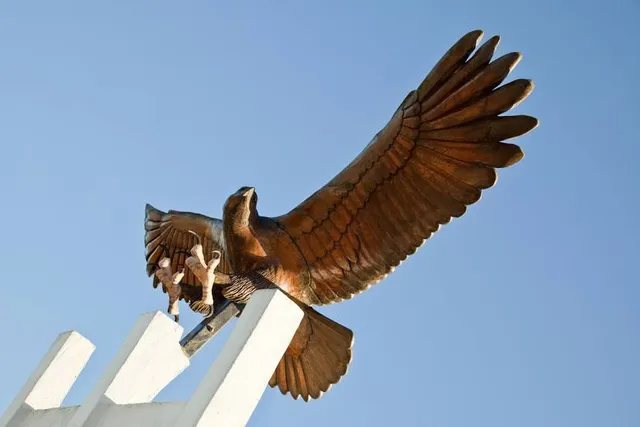
Airlift Memorial
4.4
(167)
Open until 12:00 AM
Click for details
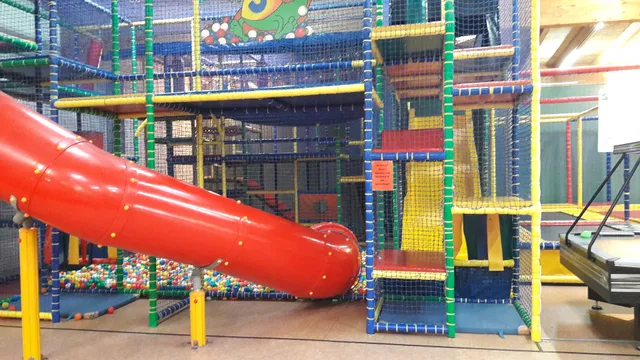
Jolos Kinder-Welt
3.1
(558)
Closed
Click for details
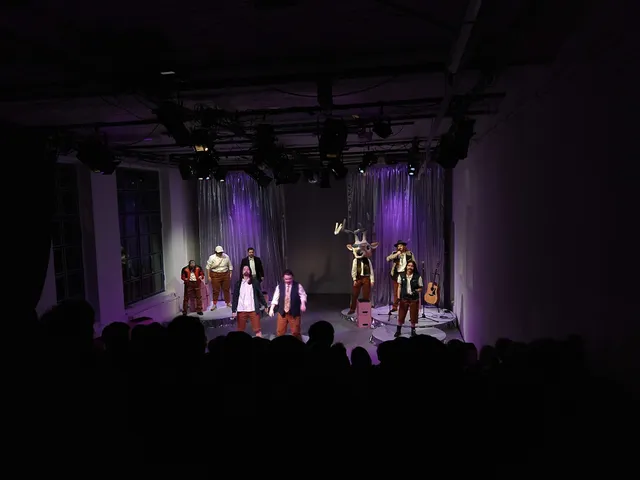
English Theatre Berlin | International Performing Arts Center
4.5
(91)
Open 24 hours
Click for details
Nearby restaurants of Tempelhof Airport
Orville’s. Coffee|Food|Events
Burger King Berlin
Café do Brasil
Jayden Restaurant
Schäfer's Backshop Sänger
Bar-Kneipe "Keine Eile"
Bäcker Wiedemann – Bäckerei Tempelhof
Meer & Mehr Seafood and Grill Restaurant
Café 60 Grad
Sama Beirut
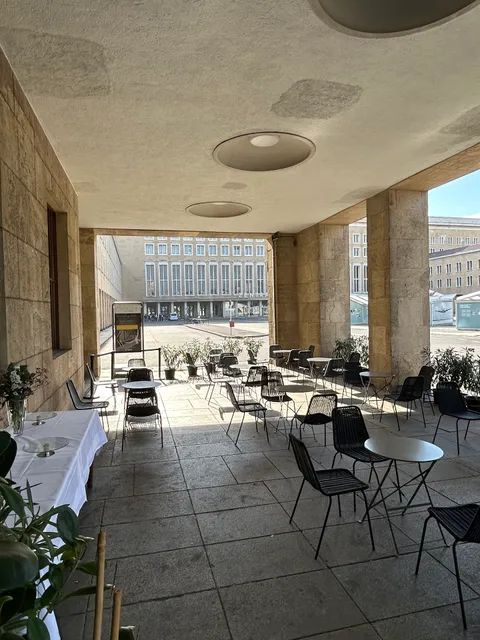
Orville’s. Coffee|Food|Events
4.6
(69)
Click for details
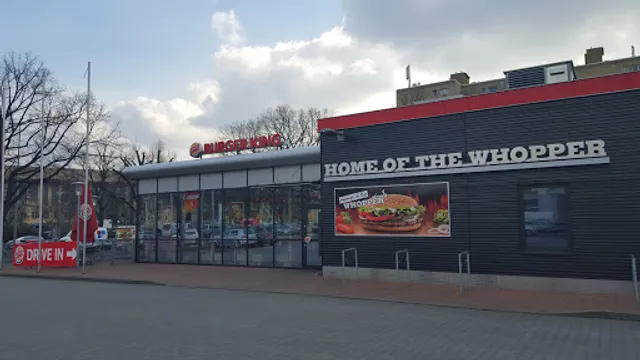
Burger King Berlin
3.2
(1.5K)
Open until 4:00 AM
Click for details
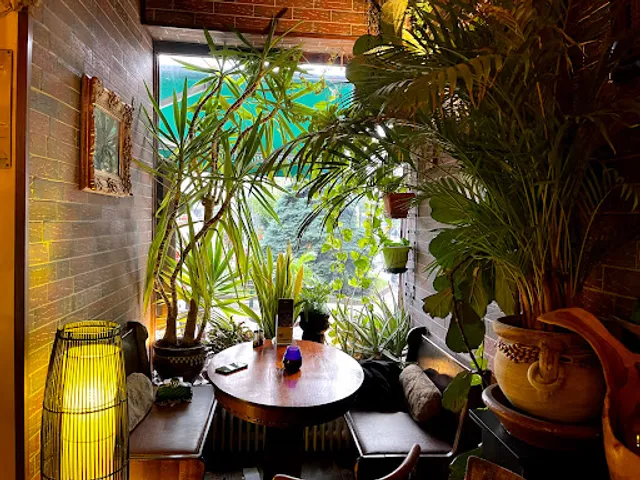
Café do Brasil
4.6
(459)
Closed
Click for details
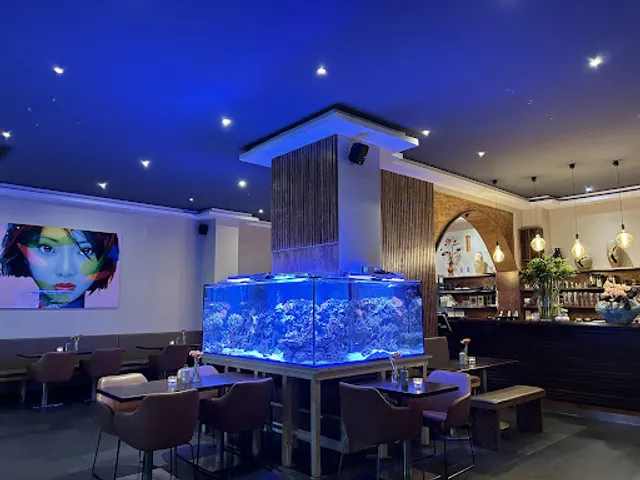
Jayden Restaurant
4.3
(139)
Closed
Click for details
Nearby local services of Tempelhof Airport
Silverwings Club - Berlin
Columbiahalle
Eurogida
Manfred-von-Richthofen-Straße 2
Manfred-von-Richthofen-Straße 18
petit cochon Manufaktur GmbH
Mampe Spirituosen Manufaktur und Ladengeschäft
Ökomarkt Chamissoplatz
In a la Munde Kochschule
Flohmarkt Marheinekeplatz
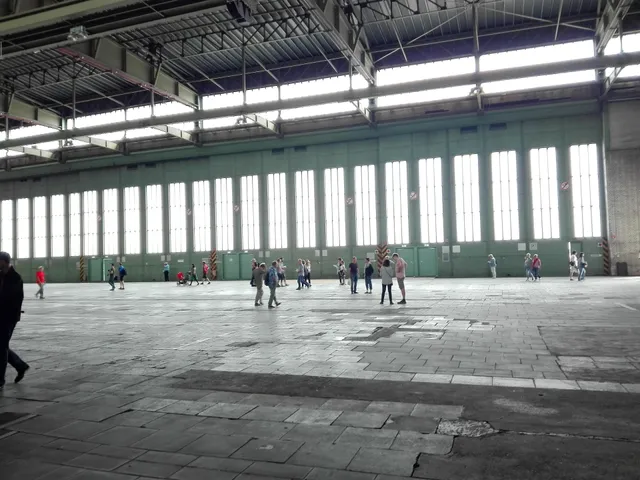
Silverwings Club - Berlin
4.2
(281)
Click for details

Columbiahalle
4.2
(2.6K)
Click for details

Eurogida
4.3
(457)
Click for details
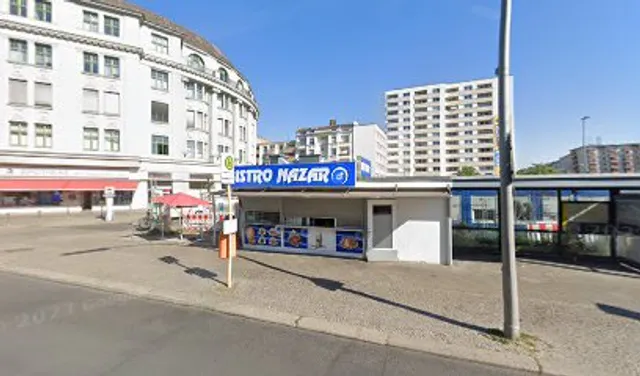
Manfred-von-Richthofen-Straße 2
4.5
(168)
Click for details