Wendish (Sorb) Museum things to do, attractions, restaurants, events info and trip planning
Basic Info
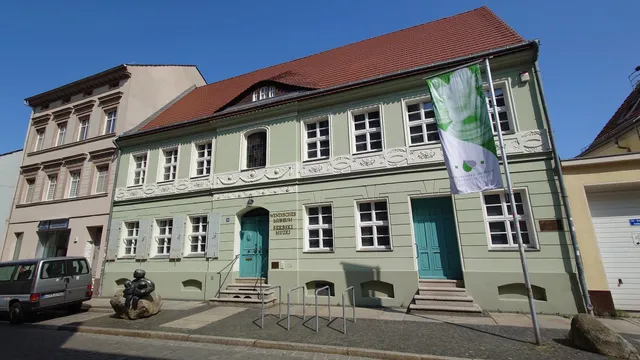
Wendish (Sorb) Museum
Mühlenstraße 12, 03046 Cottbus, Germany
4.7(59)
Open until 5:00 PM

tickets
Save
spot
spot
Ratings & Description
Info
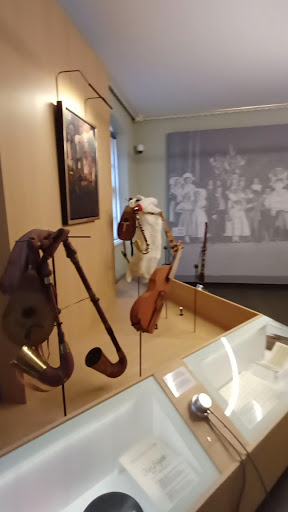
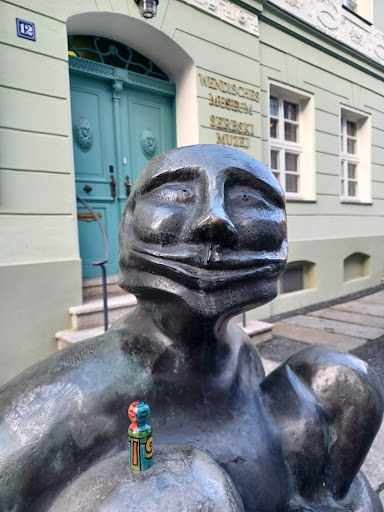
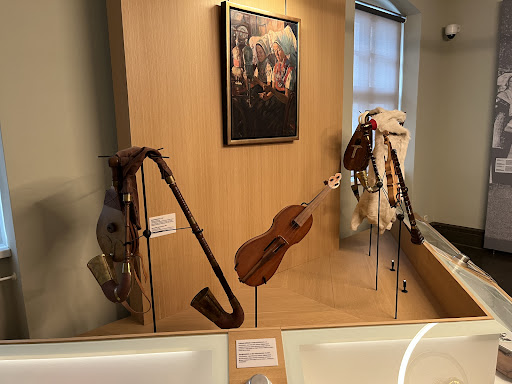
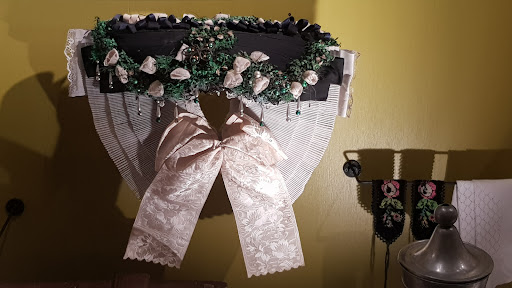
The Wendish Museum, Lower Sorbian: Serbski muzej, German: Wendisches Museum, is a museum of the culture and history of the Wends and Sorbs in Lower Lusatia. It is located in Cottbus. It encompasses a large collection of Tracht, especially from the Spree Forest region.
Cultural
Family friendly
Accessibility
attractions: Spremberger Turm, Brandenburgisches Landesmuseum für moderne Kunst - Dieselkraftwerk, Spielbank Cottbus, Altes Elektrizitätswerk Cottbus, Stadtmuseum Cottbus, restaurants: Restaurant Kartoffelkiste, Conditorei und Café Lauterbach, Mosquito, Amarone Ristorante - Cottbus, Sakana Sushi Bar NT Cottbus, Brau & Bistro Cottbus, U-Boot, Café Lucie - Cottbus, Taparia, Esscobar - Cottbus, local businesses: Old market square Cottbus, Brandenburgisches Apothekenmuseum
 Learn more insights from Wanderboat AI.
Phone
+49 355 794930
Website
wendisches-museum.de
Open hoursSee all hours
Sun1 - 5 PMOpen
Plan your stay

Pet-friendly Hotels in Cottbus - Chóśebuz
Find a cozy hotel nearby and make it a full experience.

Affordable Hotels in Cottbus - Chóśebuz
Find a cozy hotel nearby and make it a full experience.

The Coolest Hotels You Haven't Heard Of (Yet)
Find a cozy hotel nearby and make it a full experience.

Trending Stays Worth the Hype in Cottbus - Chóśebuz
Find a cozy hotel nearby and make it a full experience.
Reviews
Live events

BTU Tech Hub Meetup - 15
Sun, Feb 22 • 1:00 PM
IKMZ - BTU Cottbus-Senftenberg, Platz der Deutsche Einheit 2, 03044 Cottbus, Germany
View details
Nearby attractions of Wendish (Sorb) Museum
Spremberger Turm
Brandenburgisches Landesmuseum für moderne Kunst - Dieselkraftwerk
Spielbank Cottbus
Altes Elektrizitätswerk Cottbus
Stadtmuseum Cottbus
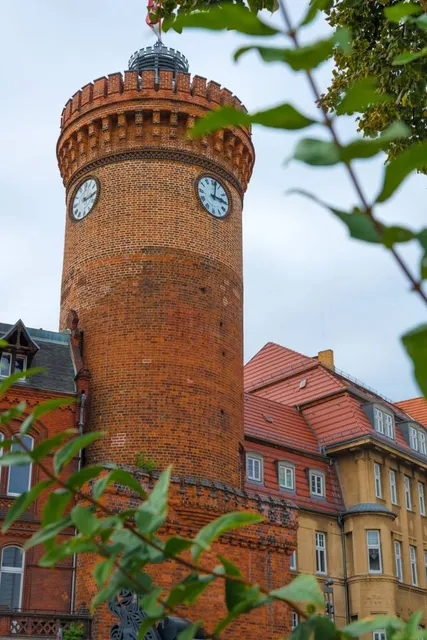
Spremberger Turm
4.7
(327)
Open until 8:00 PM
Click for details
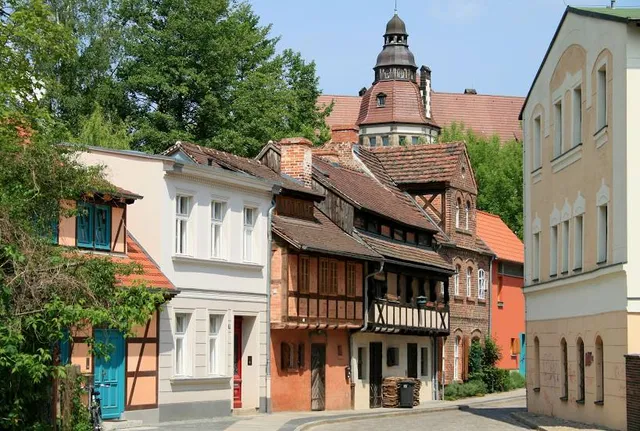
Brandenburgisches Landesmuseum für moderne Kunst - Dieselkraftwerk
4.5
(248)
Open until 7:00 PM
Click for details
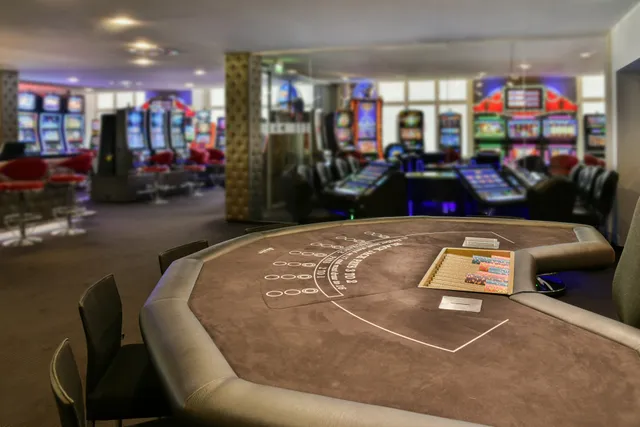
Spielbank Cottbus
4.3
(95)
Open until 2:00 AM
Click for details
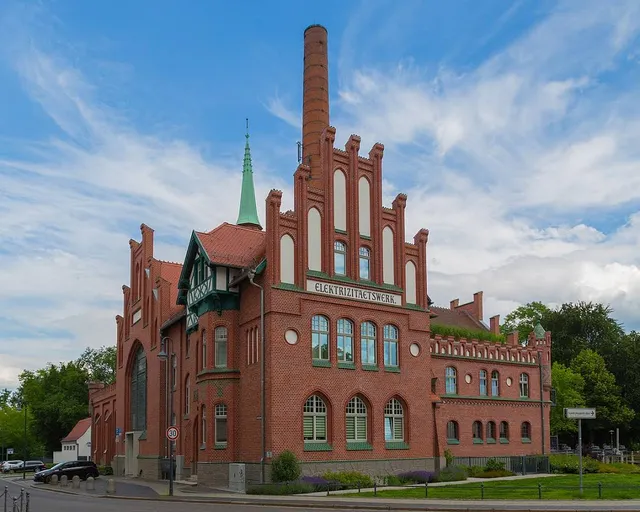
Altes Elektrizitätswerk Cottbus
4.6
(45)
Open 24 hours
Click for details
Nearby restaurants of Wendish (Sorb) Museum
Restaurant Kartoffelkiste
Conditorei und Café Lauterbach
Mosquito
Amarone Ristorante - Cottbus
Sakana Sushi Bar NT Cottbus
Brau & Bistro Cottbus
U-Boot
Café Lucie - Cottbus
Taparia
Esscobar - Cottbus

Restaurant Kartoffelkiste
4.5
(866)
Open until 9:00 PM
Click for details
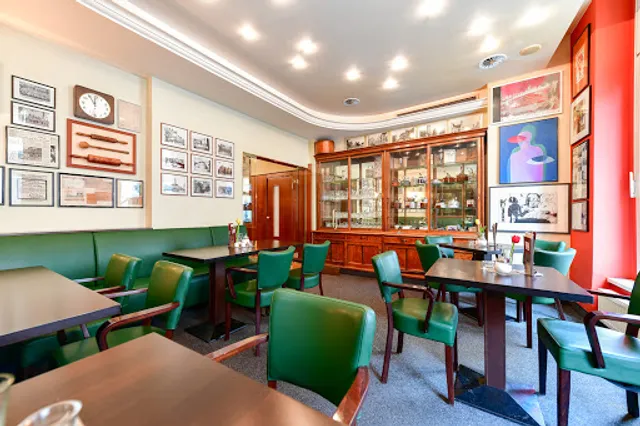
Conditorei und Café Lauterbach
4.3
(699)
$$
Open until 6:00 PM
Click for details
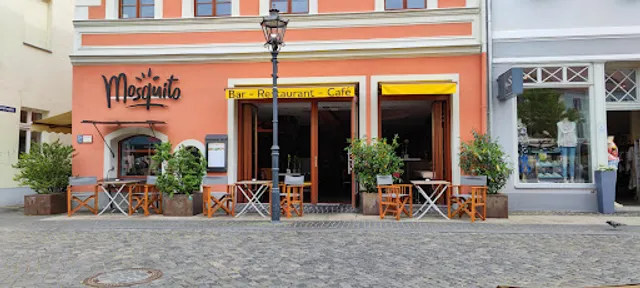
Mosquito
4.6
(539)
Open until 12:00 AM
Click for details
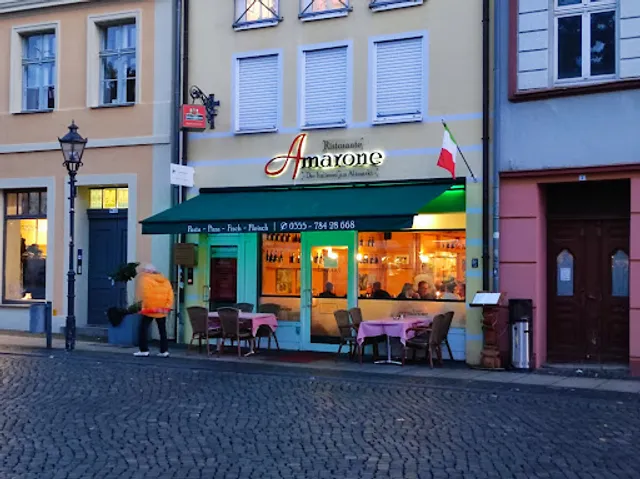
Amarone Ristorante - Cottbus
4.4
(520)
Open until 10:00 PM
Click for details
Nearby local services of Wendish (Sorb) Museum
Old market square Cottbus
Brandenburgisches Apothekenmuseum
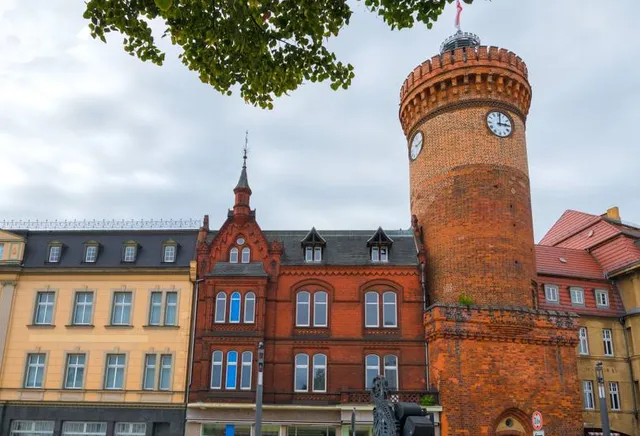
Old market square Cottbus
4.5
(2K)
Click for details
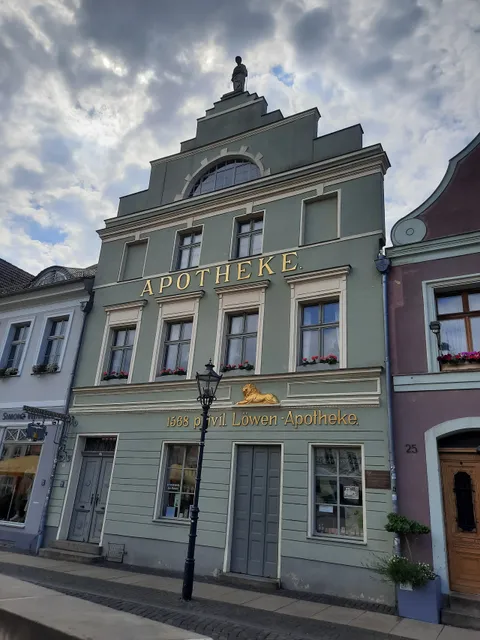
Brandenburgisches Apothekenmuseum
4.9
(81)
Click for details