Ancient Stadium of Delphi things to do, attractions, restaurants, events info and trip planning
Basic Info
Ancient Stadium of Delphi
Delphi 330 54, Greece
4.8(518)
Closed
Save
spot
spot
Ratings & Description
Info
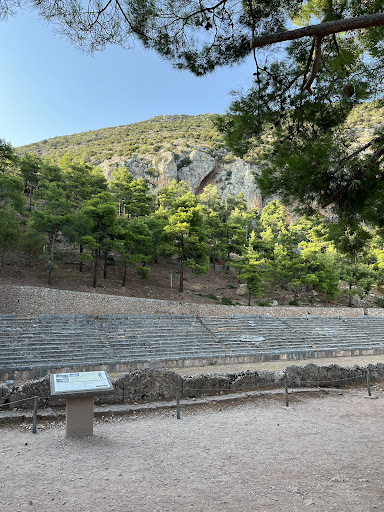
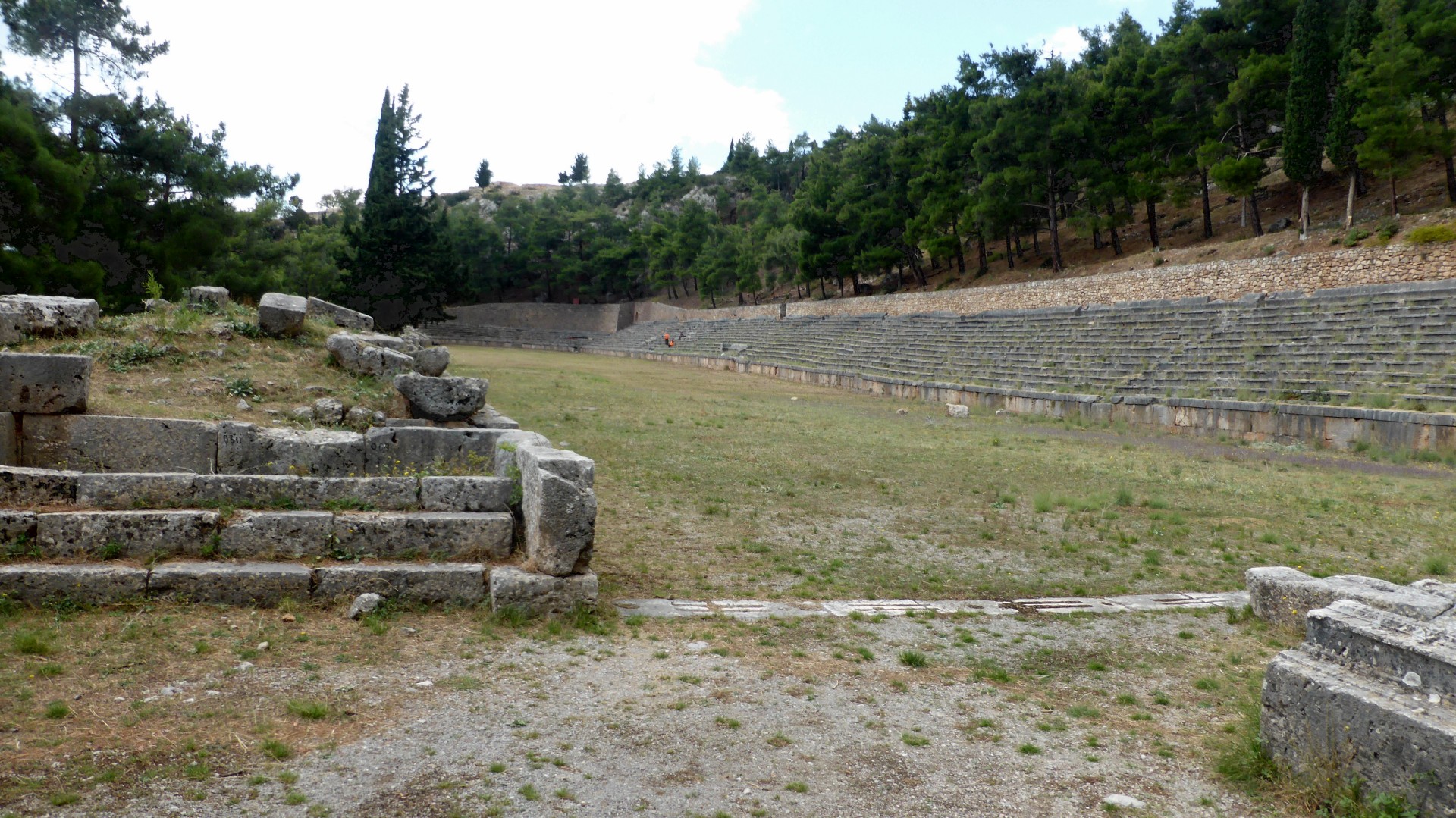
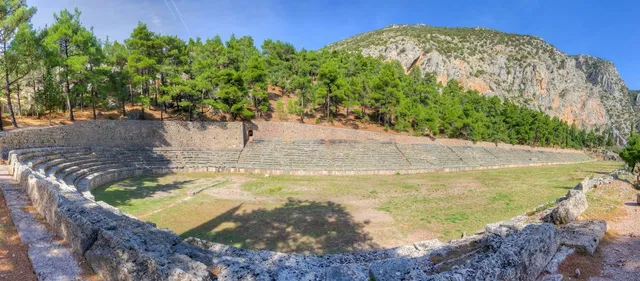
The Stadium of Delphi lies on the highest spot of the Archaeological Site of Delphi. It overlooks the sanctuary of Apollo and has a view to the Delphic landscape. It was built either within the second half of the 4th century B.C. or even after the Galatian attacks.
Cultural
Outdoor
Scenic
attractions: Delphi Archaeological Museum, Temple of Apollo, The Ancient Theater of Delphi, Delphi Archaeological Site, The Athenian Treasury, Castalia Spring, Ancient Gymnasium of Delphi, Tholos of Athena Pronaia, European Cultural Centre of Delphi, Oracle of Delphi, restaurants: Tavern DION, Taverna Vakhos, In Delphi Restaurant, Taberna Ta Skalakia, PHIVOS RESTAURANT - ΕΣΤΙΑΤΟΡΙΟ ΦΟΙΒΟΣ, Melopoleio, Epikouros Restaurant - Delphi, L'Aurige Wine-Restaurant, Phileo Cafe Bar, Υδρία Δελφοί, local businesses: The Sikyonian Treasury, The Siphnian Treasury, Delphi Flag Gallery
 Learn more insights from Wanderboat AI.
Open hoursSee all hours
Sat8:30 AM - 3:30 PMClosed
Plan your stay

Pet-friendly Hotels in Delphi Municipality
Find a cozy hotel nearby and make it a full experience.

Affordable Hotels in Delphi Municipality
Find a cozy hotel nearby and make it a full experience.

The Coolest Hotels You Haven't Heard Of (Yet)
Find a cozy hotel nearby and make it a full experience.

Trending Stays Worth the Hype in Delphi Municipality
Find a cozy hotel nearby and make it a full experience.
Reviews
Live events

Delphi Private Tour with Licensed Expert Guide
Sun, Feb 15 • 7:30 AM
330 54, Delphi, Greece
View details
Nearby attractions of Ancient Stadium of Delphi
Delphi Archaeological Museum
Temple of Apollo
The Ancient Theater of Delphi
Delphi Archaeological Site
The Athenian Treasury
Castalia Spring
Ancient Gymnasium of Delphi
Tholos of Athena Pronaia
European Cultural Centre of Delphi
Oracle of Delphi
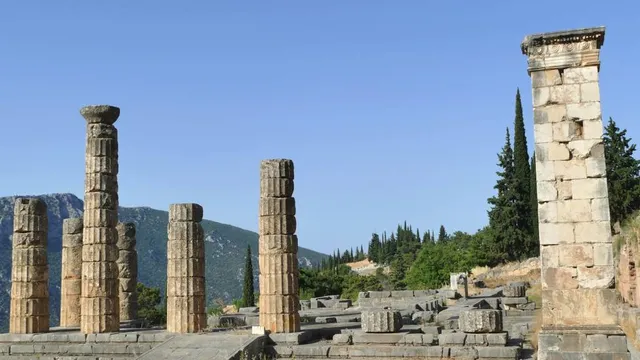
Delphi Archaeological Museum
4.7
(6K)
Closed
Click for details
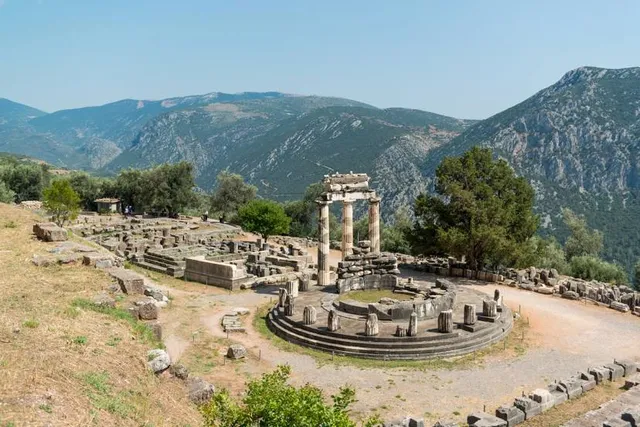
Temple of Apollo
4.8
(3.9K)
Closed
Click for details
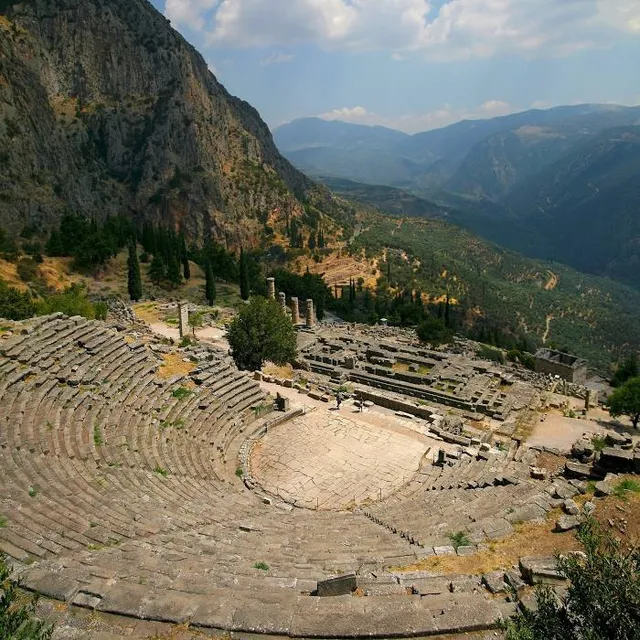
The Ancient Theater of Delphi
4.9
(315)
Closed
Click for details
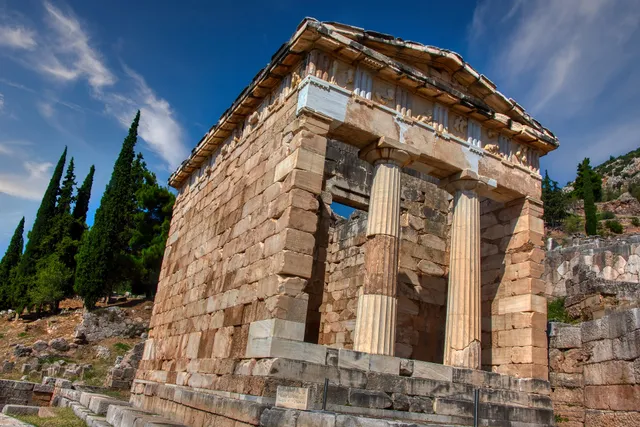
Delphi Archaeological Site
4.8
(623)
Closed
Click for details
Nearby restaurants of Ancient Stadium of Delphi
Tavern DION
Taverna Vakhos
In Delphi Restaurant
Taberna Ta Skalakia
PHIVOS RESTAURANT - ΕΣΤΙΑΤΟΡΙΟ ΦΟΙΒΟΣ
Melopoleio
Epikouros Restaurant - Delphi
L'Aurige Wine-Restaurant
Phileo Cafe Bar
Υδρία Δελφοί
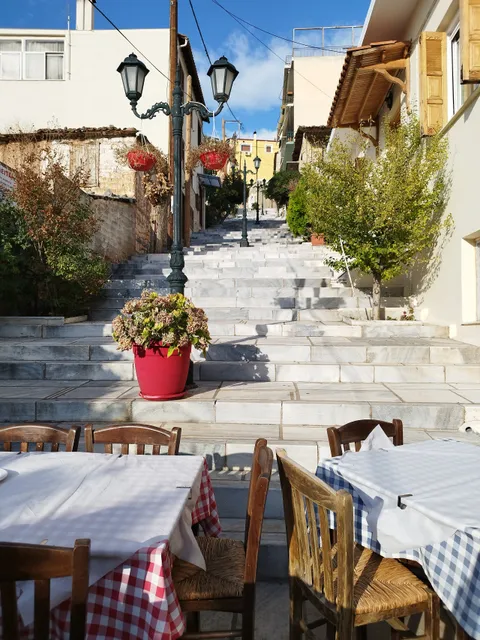
Tavern DION
4.7
(1.5K)
Open until 11:00 PM
Click for details
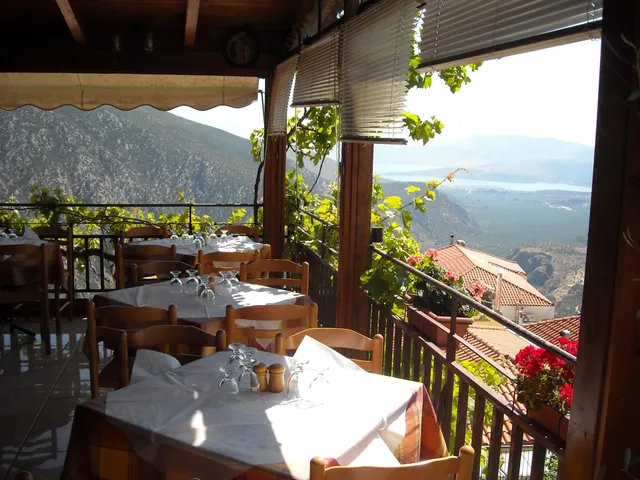
Taverna Vakhos
4.6
(1.6K)
Open until 12:00 AM
Click for details
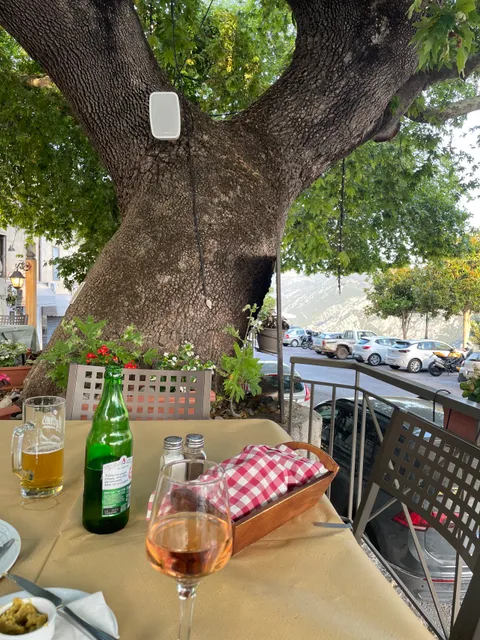
In Delphi Restaurant
4.7
(1.1K)
Open until 11:30 PM
Click for details
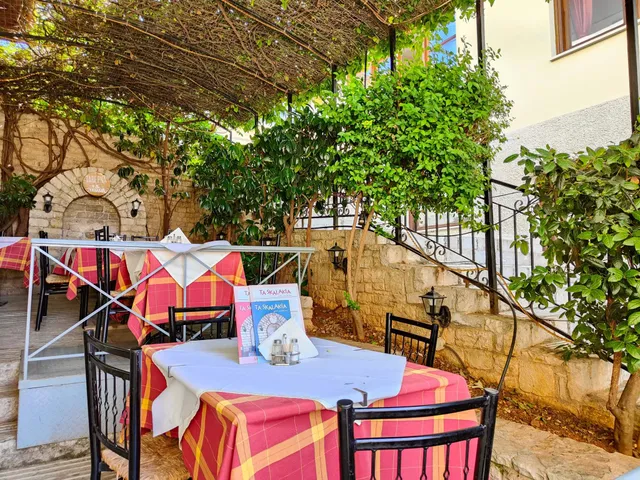
Taberna Ta Skalakia
4.7
(420)
Open until 11:30 PM
Click for details
Nearby local services of Ancient Stadium of Delphi
The Sikyonian Treasury
The Siphnian Treasury
Delphi Flag Gallery
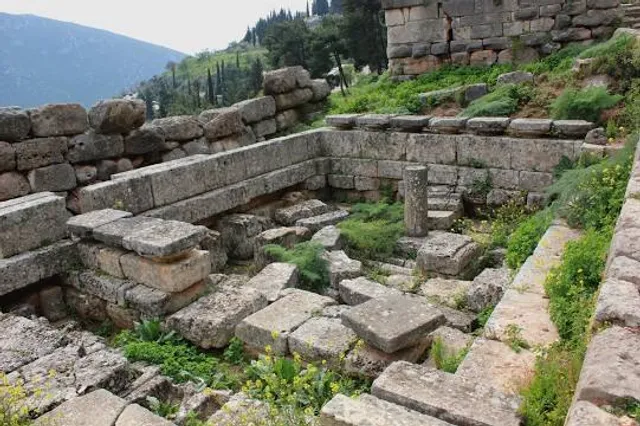
The Sikyonian Treasury
4.8
(12)
Click for details
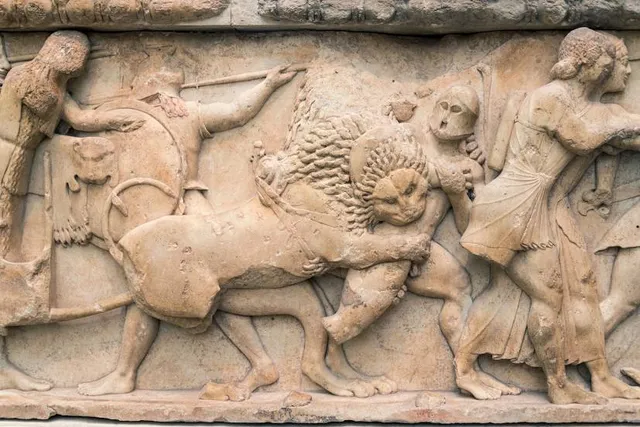
The Siphnian Treasury
4.8
(9)
Click for details
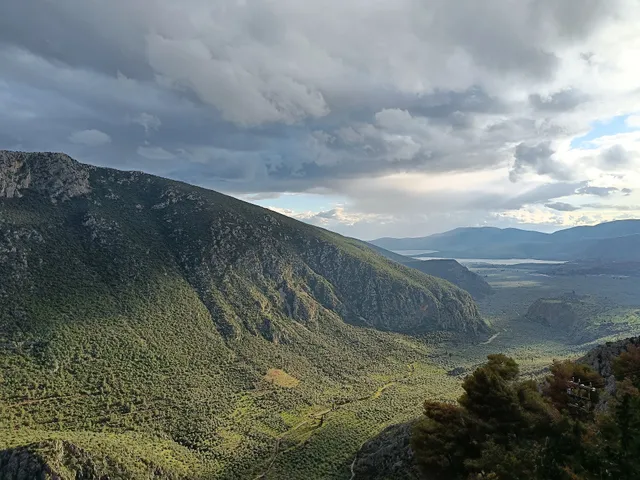
Delphi Flag Gallery
4.5
(22)
Click for details