Fethiye Mosque things to do, attractions, restaurants, events info and trip planning
Basic Info
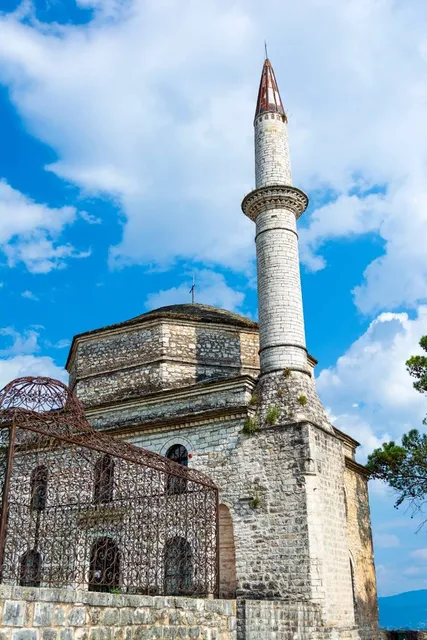
Fethiye Mosque
Its Kale, Ioannina 452 21, Greece
4.6(310)
Closed
Save
spot
spot
Ratings & Description
Info
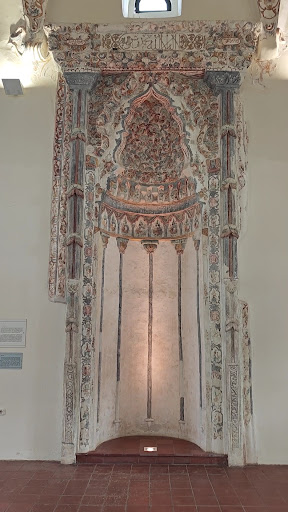
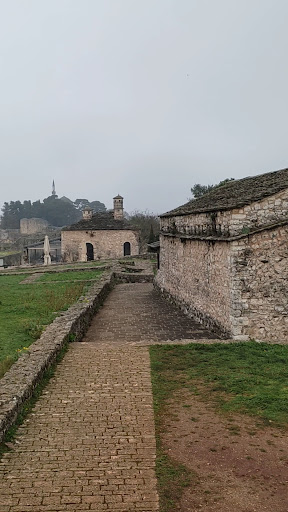
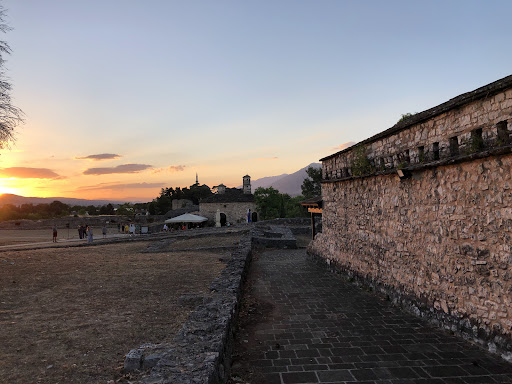
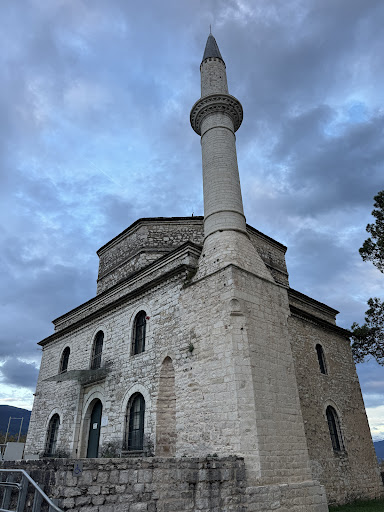
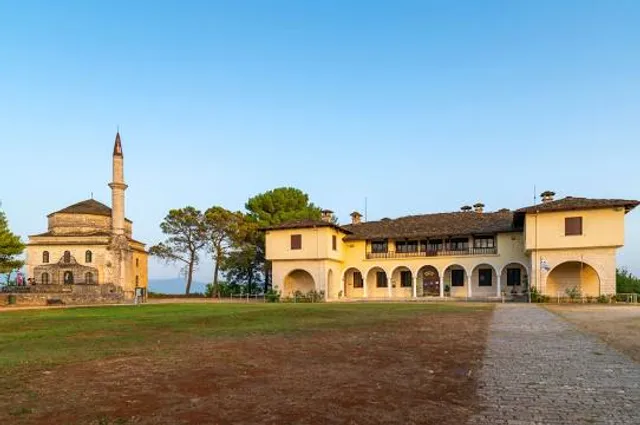
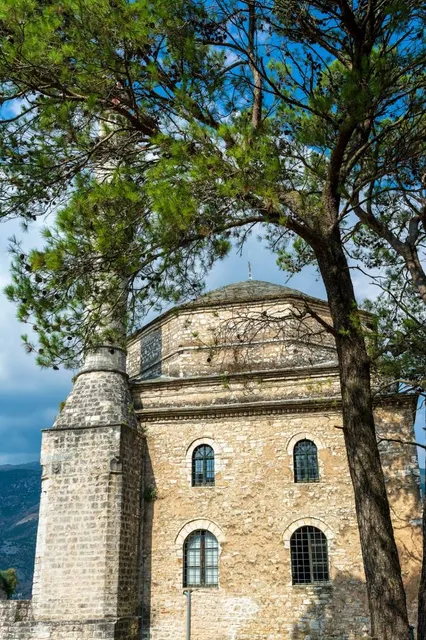
The Fethiye Mosque is a 17th-century Ottoman mosque in central Athens, Greece. Repurposed after Greek independence in 1834, it fell into disrepair, but after renovations it was reopened to the public in 2017 and is presently being used for cultural exhibitions.
Cultural
Family friendly
Accessibility
attractions: Ich Kale Acropolis of Ioannina, Byzantine Museum of Ioannina, Castle of Ioannina, Silversmithing Museum, Museum "Arslan Pasha", Litharitsia park, Archaeological Museum of Ioannina, The Clock Tower of Ioannina, restaurants: Arte Povera, Balsamico, Chevalier, Metsovitiki Folia, To Magazaki Pou Legame, Skala, Avertá Resto, PRESVEIA Restaurant Meze, No ties, Il CASTELLO, local businesses: Municipal Ethnographic Museum of Ioannina, Garivaldi 1
 Learn more insights from Wanderboat AI.
Phone
+30 2651 039580
Open hoursSee all hours
Fri8 AM - 9 PMClosed
Plan your stay

Pet-friendly Hotels in Ioannina Municipality
Find a cozy hotel nearby and make it a full experience.

Affordable Hotels in Ioannina Municipality
Find a cozy hotel nearby and make it a full experience.

The Coolest Hotels You Haven't Heard Of (Yet)
Find a cozy hotel nearby and make it a full experience.

Trending Stays Worth the Hype in Ioannina Municipality
Find a cozy hotel nearby and make it a full experience.
Reviews
Live events
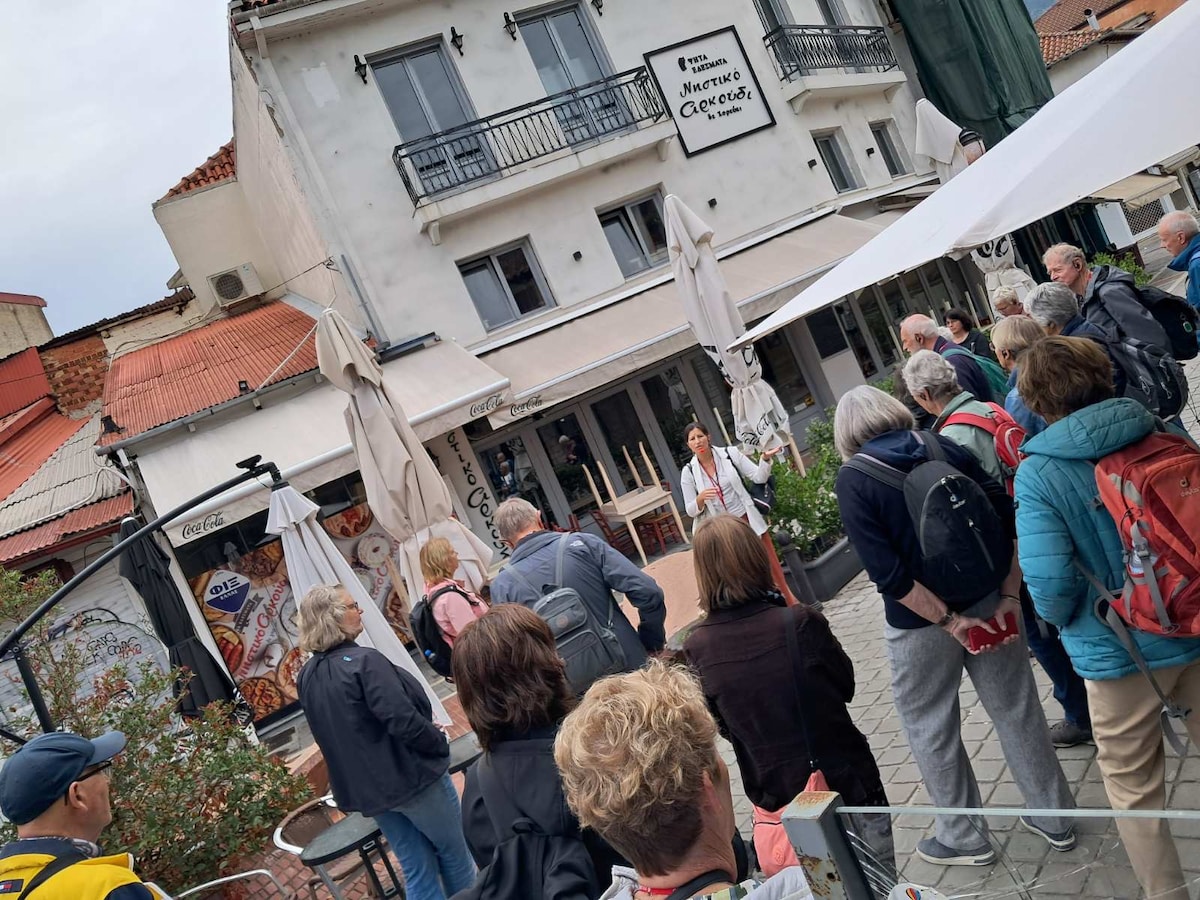
Explore Ioannina like a local
Fri, Feb 27 • 8:00 AM
452 21, Ioannina, Greece
View details
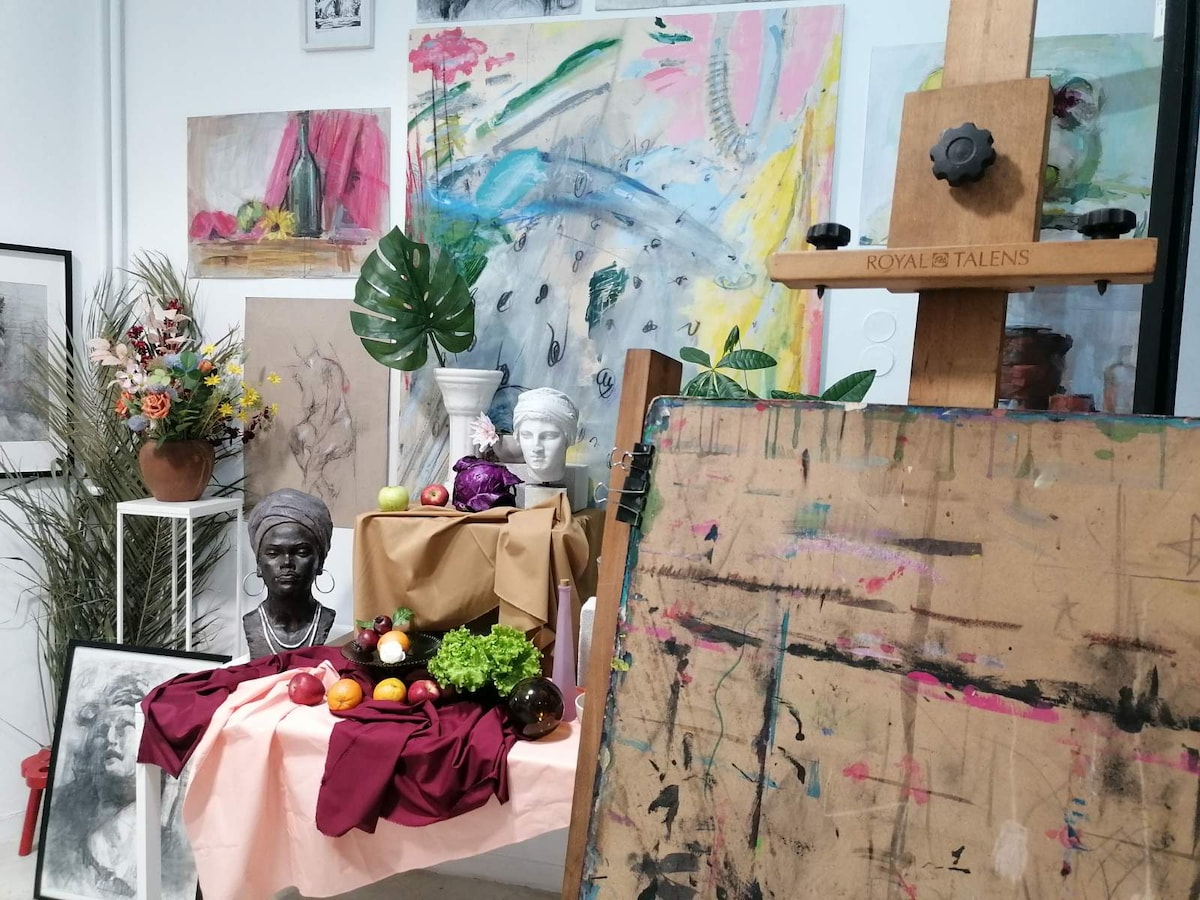
Paint & Wine in a Contemporary Art Space
Fri, Feb 27 • 7:30 PM
454 44, Ioannina, Greece
View details
Nearby attractions of Fethiye Mosque
Ich Kale Acropolis of Ioannina
Byzantine Museum of Ioannina
Castle of Ioannina
Silversmithing Museum
Museum "Arslan Pasha"
Litharitsia park
Archaeological Museum of Ioannina
The Clock Tower of Ioannina
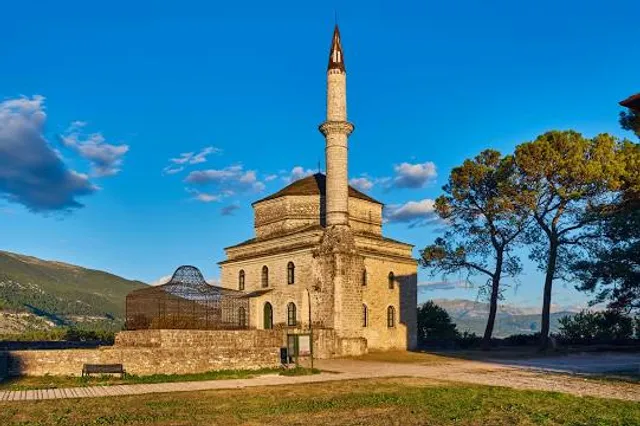
Ich Kale Acropolis of Ioannina
4.8
(2K)
Closed
Click for details
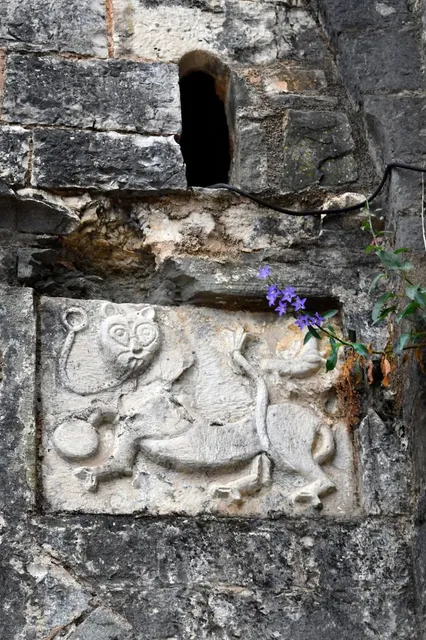
Byzantine Museum of Ioannina
4.5
(361)
Closed
Click for details
Castle of Ioannina
4.7
(5.2K)
Open until 12:00 AM
Click for details
Silversmithing Museum
4.8
(1.0K)
Closed
Click for details
Nearby restaurants of Fethiye Mosque
Arte Povera
Balsamico
Chevalier
Metsovitiki Folia
To Magazaki Pou Legame
Skala
Avertá Resto
PRESVEIA Restaurant Meze
No ties
Il CASTELLO
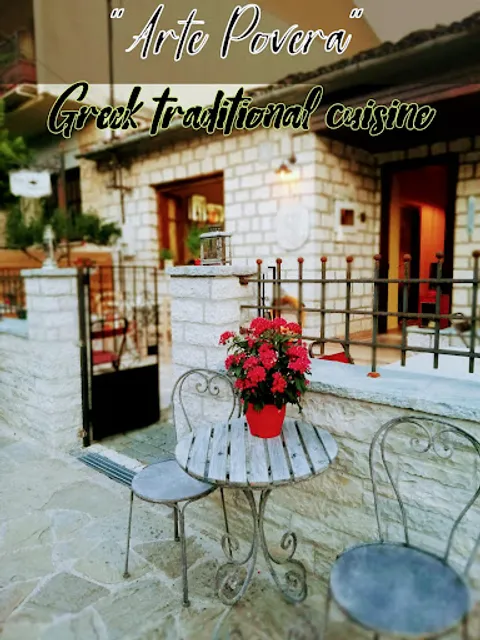
Arte Povera
4.6
(273)
Click for details
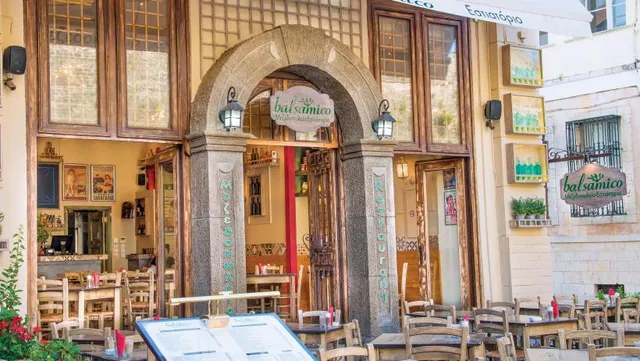
Balsamico
4.7
(4.2K)
Closed
Click for details
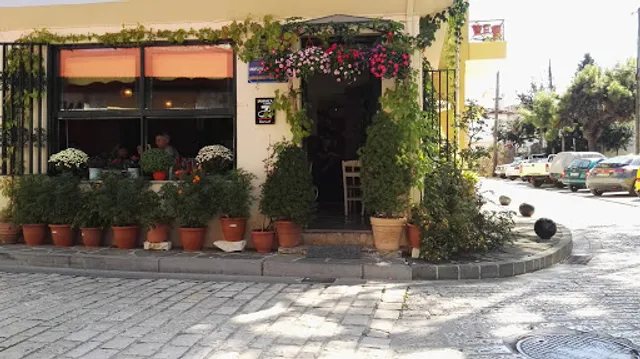
Chevalier
4.8
(813)
Closed
Click for details
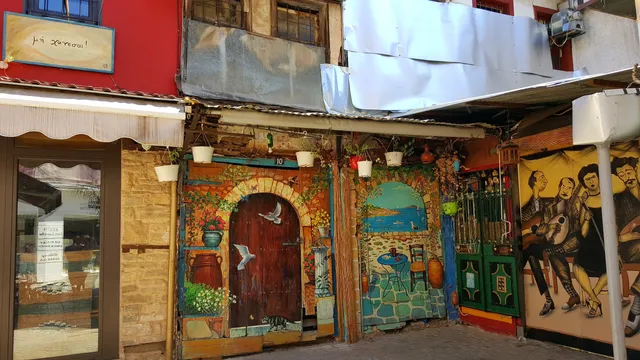
Metsovitiki Folia
4.8
(4.1K)
Closed
Click for details
Nearby local services of Fethiye Mosque
Municipal Ethnographic Museum of Ioannina
Garivaldi 1
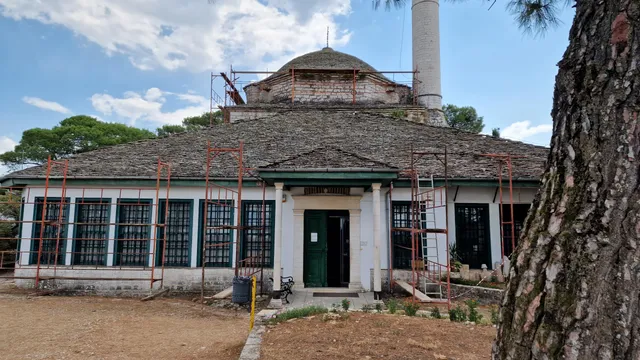
Municipal Ethnographic Museum of Ioannina
4.5
(175)
Click for details
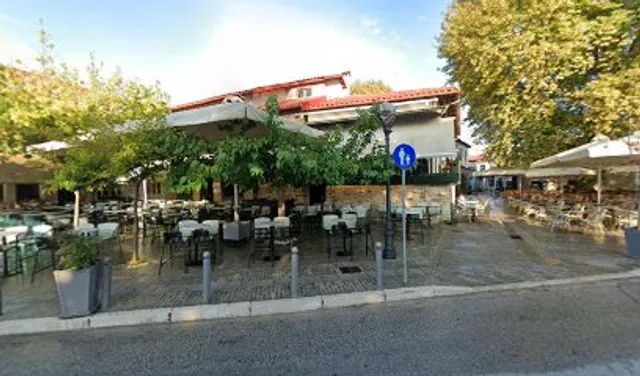
Garivaldi 1
4.8
(235)
Click for details