HTML SitemapExplore
logo
Find Things to DoFind The Best Restaurants

Castle of Ioannina — Attraction in Ioannina Municipality

Name
Castle of Ioannina
Description
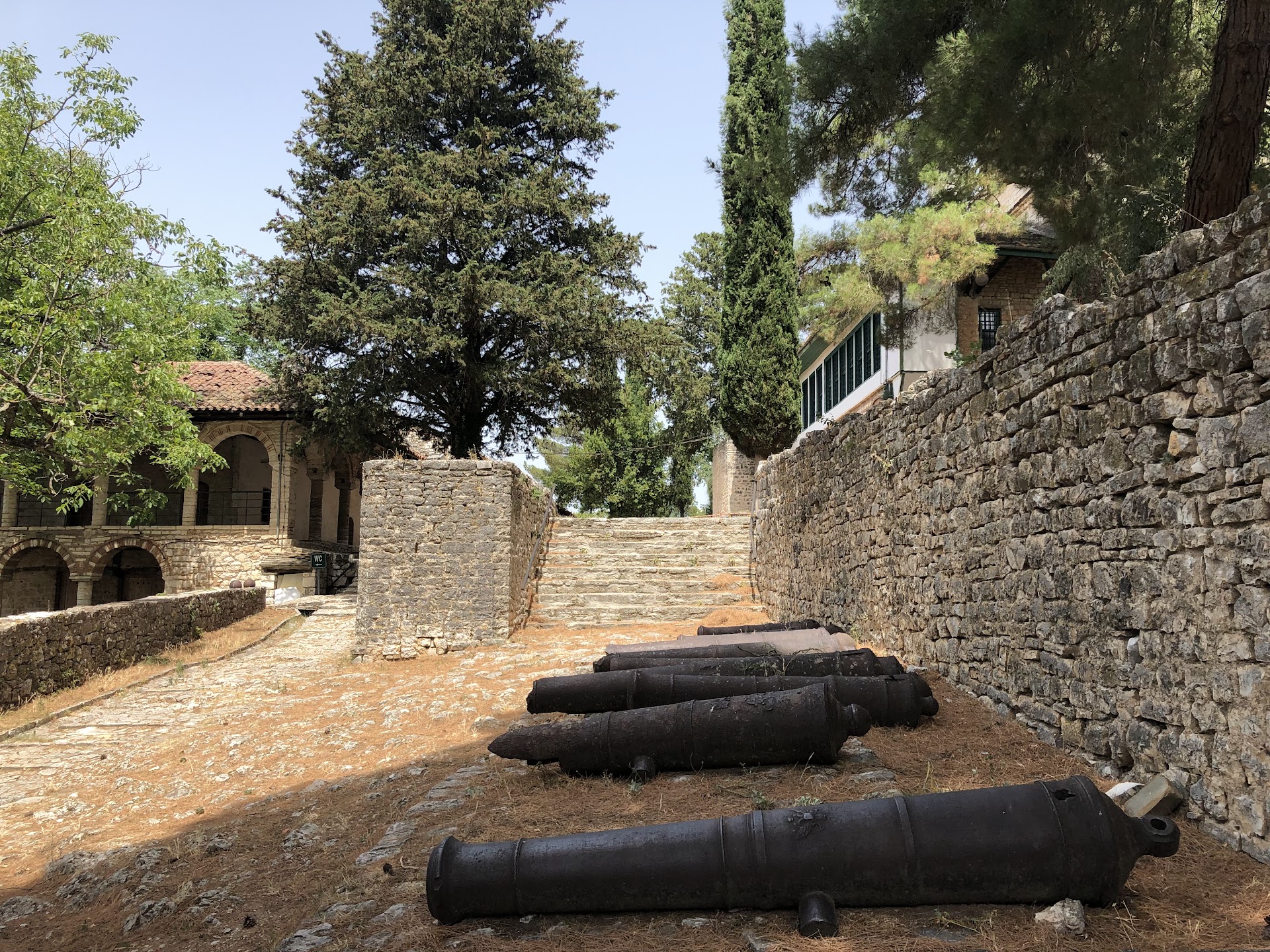
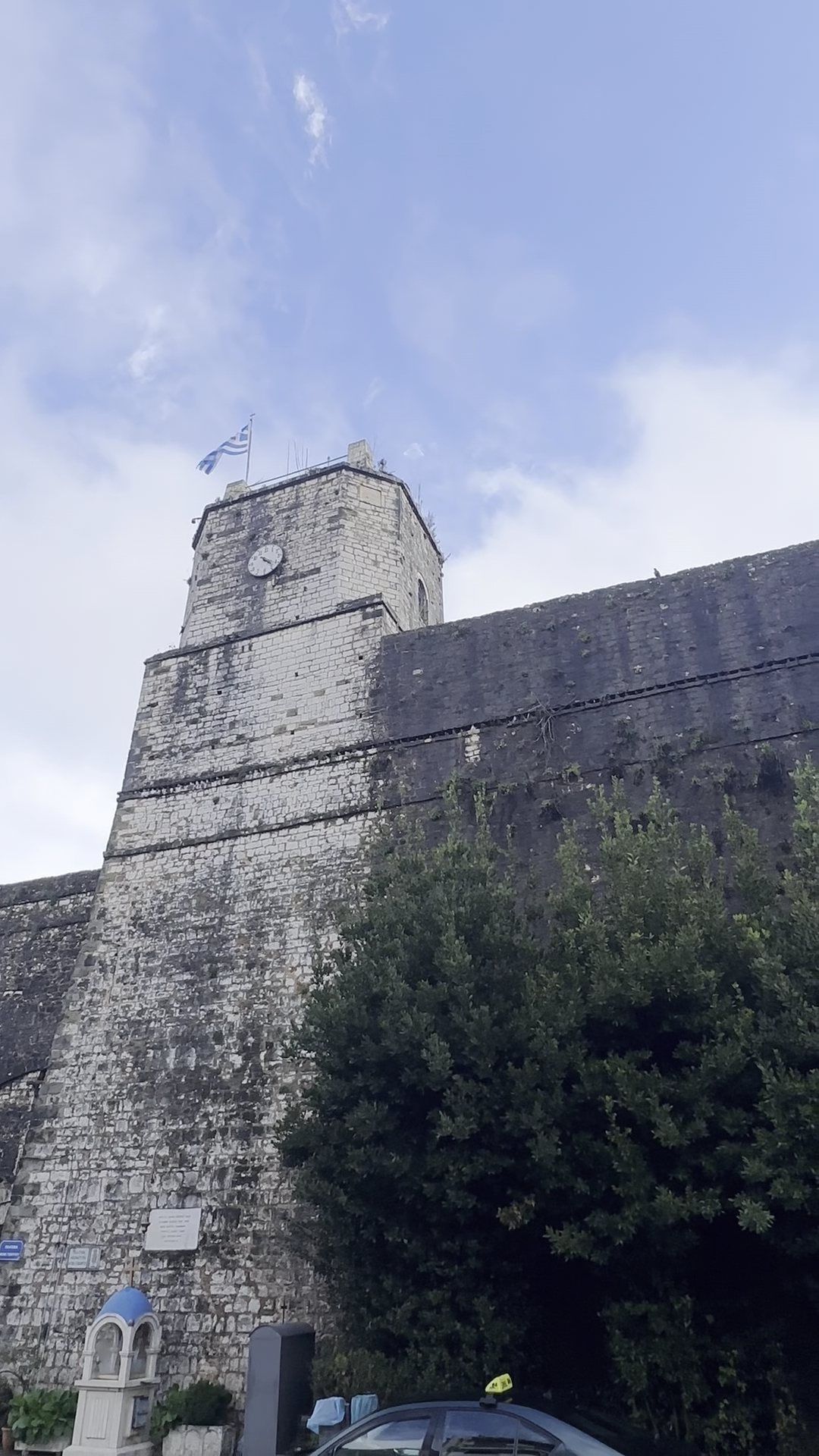
The Ioannina Castle is the fortified old town of the city of Ioannina in northwestern Greece. The present fortification dates largely to the reconstruction under Ali Pasha in the late Ottoman period, but incorporates also pre-existing Byzantine elements.
Nearby attractions
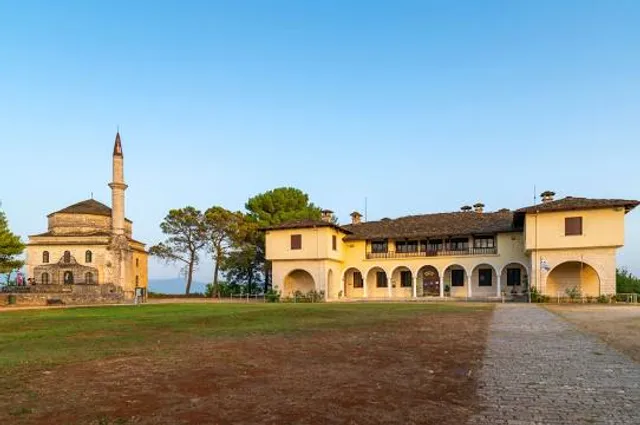
Silversmithing Museum
Ακρόπολη Ιτς Καλέ, Κάστρο, Ioannina 452 21, Greece
Ich Kale Acropolis of Ioannina
Bisarion Makri 14, Ioannina 452 21, Greece
Byzantine Museum of Ioannina
Its Kale, Βυζαντινό Μουσείο Ιωαννίνων, Ioannina 452 21, Greece
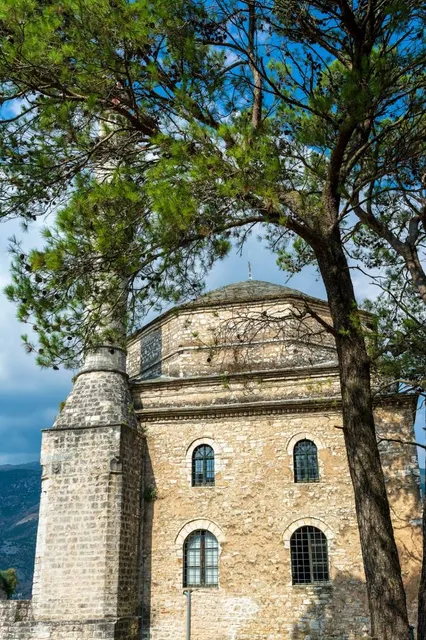
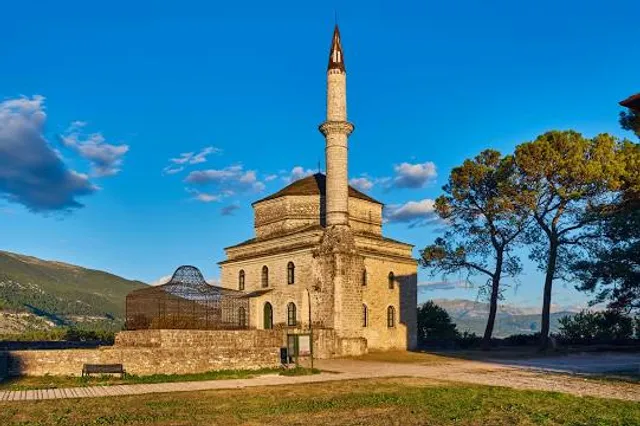
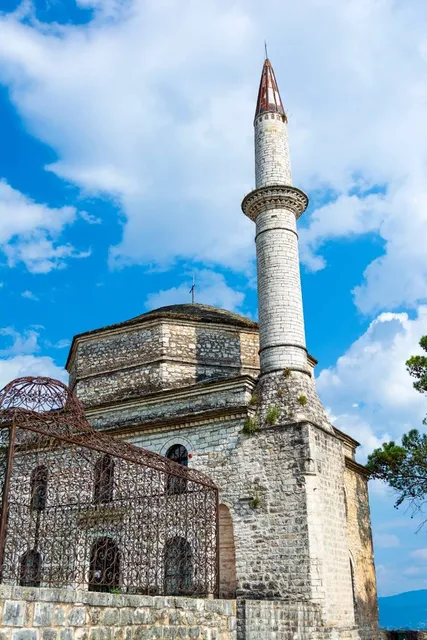
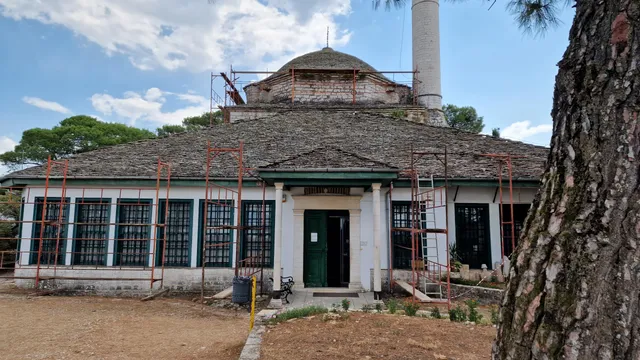
Fethiye Mosque
Its Kale, Ioannina 452 21, Greece
Museum "Arslan Pasha"
Alexioy Noytsοy 2, Ioannina 452 21, Greece
Litharitsia park
Zalokosta 21, Ioannina 452 21, Greece
Archaeological Museum of Ioannina
25is Martiou 6, Ioannina 452 21, Greece
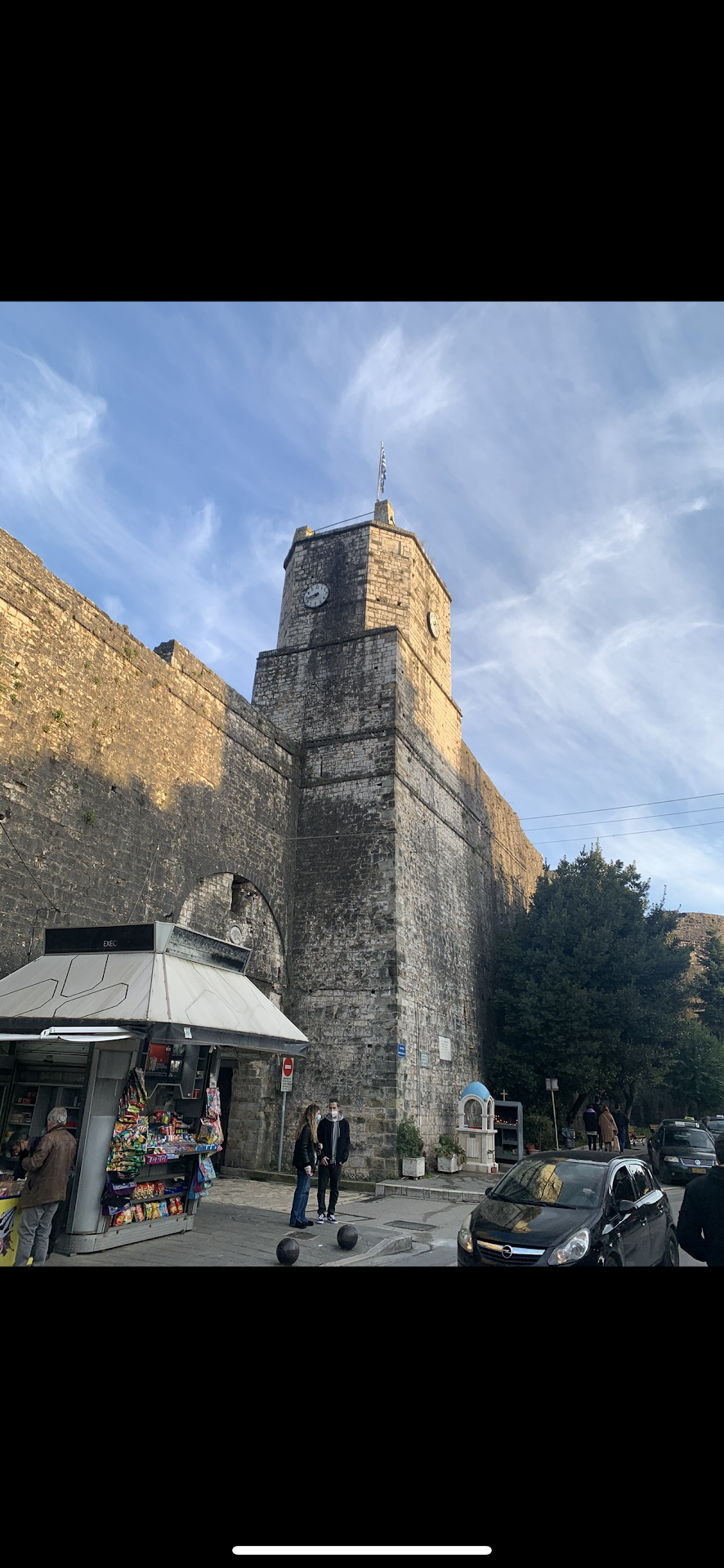
The Clock Tower of Ioannina
Mpizaniou, Ioannina 452 21, Greece
Misios Mansion
Asopiou 13, Ioannina 454 44, Greece
Nearby restaurants
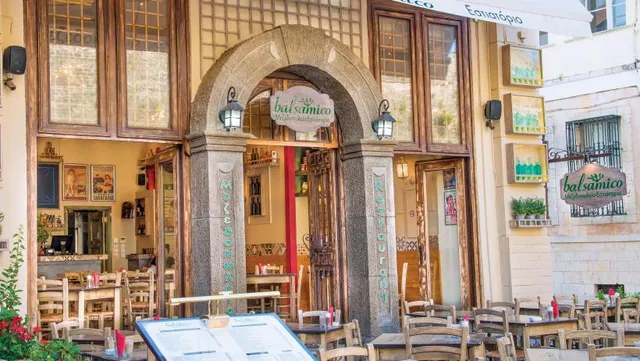
Balsamico
Plateia Neomartiros Georgiou 17, Ioannina 452 21, Greece
Metsovitiki Folia
Averof 101, Ioannina 452 21, Greece
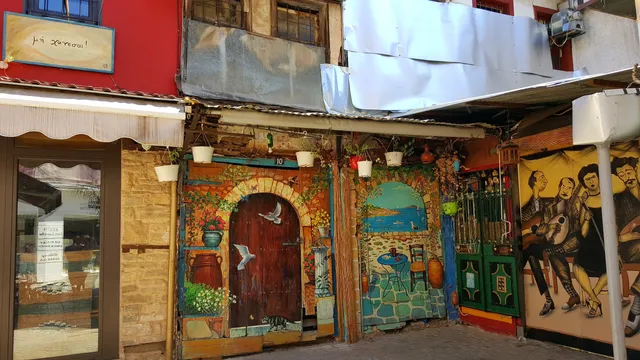
To Magazaki Pou Legame
Eth. Antistaseos 44, Ioannina 452 21, Greece
No ties
Parodos Ethnikis Antistasis, Molos 350 09, Greece
Avertá Resto
Ανδρονίκου Παλαιολόγου 6, Ioannina 452 21, Greece
Σούζη Τρως στα Ιωάννινα
Giosef Eligia 13, Ioannina 452 21, Greece
Αγιολί - Agioli | Ιωάννινα
Πλατεία Νεομάρτυρος Γεωργίου 16, Ioannina 452 21, Greece
BONZAI Asian Restaurant
Giosef Eligia 11, Ioannina 452 21, Greece
ΟΙ ΒΛΑΧΟΙ
Mitropoleos 3, Ioannina 452 21, Greece
PRESVEIA Restaurant Meze
Leof. Karamanli 17, Ioannina 452 21, Greece
Nearby hotels
Castrello Ξενώνας Ιωάννινα
Κάστρο, Patriarchοi Ioasaf 15, Ioannina 452 21, Greece
Ialna Boutique Hotel
ΑΝΔΡΟΝΙΚΟΥ, Paleologou 20-22, Ioannina 452 21, Greece
Its Kale Boutique Hotel
64 Ανδρονίκου, Paleologou, Ioannina 452 21, Greece
Lucy's cozy house in the castle
Patriarchοi Ioasaf 16Α, Ioannina 452 21, Greece
PETROU SUITES
Ανδρονίκου Παλαιολόγου 5, Ioannina 453 32, Greece
KAMARES Historic Boutique Hotel & Spa | Ioannina
Zalokosta 74, Ioannina 452 21, Greece
Πλάτανος στο Κάστρο
Ανδρονίκου Παλαιολόγου 11, Ioannina 452 21, Greece
HOTEL FILYRA
CASTLE, ANDRONIKOY, Paleologou 18, Ioannina 452 21, Greece
Backpackers and Travelers Hostel
Giosef Eligia 15, Ioannina 452 21, Greece
Hotel Antique
Neoptolemou 8, Ioannina 454 44, Greece
Related posts
Keywords
Castle of Ioannina tourism.Castle of Ioannina hotels.Castle of Ioannina bed and breakfast. flights to Castle of Ioannina.Castle of Ioannina attractions.Castle of Ioannina restaurants.Castle of Ioannina travel.Castle of Ioannina travel guide.Castle of Ioannina travel blog.Castle of Ioannina pictures.Castle of Ioannina photos.Castle of Ioannina travel tips.Castle of Ioannina maps.Castle of Ioannina things to do.
Castle of Ioannina things to do, attractions, restaurants, events info and trip planning
Castle of Ioannina
GreeceEpirus and Western MacedoniaIoannina MunicipalityCastle of Ioannina

Basic Info

Castle of Ioannina

Glikidon 2, Ioannina 452 21, Greece
4.7(5.5K)
Open until 12:00 AM
Save
spot

Ratings & Description

Info

The Ioannina Castle is the fortified old town of the city of Ioannina in northwestern Greece. The present fortification dates largely to the reconstruction under Ali Pasha in the late Ottoman period, but incorporates also pre-existing Byzantine elements.

Cultural
Outdoor
attractions: Silversmithing Museum, Ich Kale Acropolis of Ioannina, Byzantine Museum of Ioannina, Fethiye Mosque, Museum "Arslan Pasha", Litharitsia park, Archaeological Museum of Ioannina, The Clock Tower of Ioannina, Misios Mansion, restaurants: Balsamico, Metsovitiki Folia, To Magazaki Pou Legame, No ties, Avertá Resto, Σούζη Τρως στα Ιωάννινα, Αγιολί - Agioli | Ιωάννινα, BONZAI Asian Restaurant, ΟΙ ΒΛΑΧΟΙ, PRESVEIA Restaurant Meze
logoLearn more insights from Wanderboat AI.
Open hoursSee all hours
FriOpen 24 hoursOpen

Plan your stay

hotel
Pet-friendly Hotels in Ioannina Municipality
Find a cozy hotel nearby and make it a full experience.

hotel
Affordable Hotels in Ioannina Municipality
Find a cozy hotel nearby and make it a full experience.

hotel
The Coolest Hotels You Haven't Heard Of (Yet)
Find a cozy hotel nearby and make it a full experience.

hotel
Trending Stays Worth the Hype in Ioannina Municipality
Find a cozy hotel nearby and make it a full experience.

Reviews

Nearby attractions of Castle of Ioannina

Silversmithing Museum

Ich Kale Acropolis of Ioannina

Byzantine Museum of Ioannina

Fethiye Mosque

Museum "Arslan Pasha"

Litharitsia park

Archaeological Museum of Ioannina

The Clock Tower of Ioannina

Misios Mansion

Silversmithing Museum

Silversmithing Museum

4.8

(1.0K)

Open until 5:00 PM
Click for details
Ich Kale Acropolis of Ioannina

Ich Kale Acropolis of Ioannina

4.8

(1.9K)

Open until 8:00 PM
Click for details
Byzantine Museum of Ioannina

Byzantine Museum of Ioannina

4.5

(346)

Open until 3:30 PM
Click for details
Fethiye Mosque

Fethiye Mosque

4.6

(300)

Open 24 hours
Click for details

Things to do nearby

Explore Ioannina like a local
Fri, Dec 5 • 2:00 PM
452 21, Ioannina, Greece
View details
Recreate traditional Epirus dishes
Sat, Dec 6 • 9:00 AM
453 33, Ioannina, Greece
View details

Nearby restaurants of Castle of Ioannina

Balsamico

Metsovitiki Folia

To Magazaki Pou Legame

No ties

Avertá Resto

Σούζη Τρως στα Ιωάννινα

Αγιολί - Agioli | Ιωάννινα

BONZAI Asian Restaurant

ΟΙ ΒΛΑΧΟΙ

PRESVEIA Restaurant Meze

Balsamico

Balsamico

4.7

(3.8K)

Click for details
Metsovitiki Folia

Metsovitiki Folia

4.8

(4K)

Click for details
To Magazaki Pou Legame

To Magazaki Pou Legame

4.7

(677)

$$

Click for details
No ties

No ties

4.5

(558)

$$

Click for details
Get the Appoverlay
Get the AppOne tap to find yournext favorite spots!
Wanderboat LogoWanderboat

Your everyday Al companion for getaway ideas

CompanyAbout Us
InformationAI Trip PlannerSitemap
SocialXInstagramTiktokLinkedin
LegalTerms of ServicePrivacy Policy

Get the app

© 2025 Wanderboat. All rights reserved.
logo

Reviews of Castle of Ioannina

4.7
(5,451)
avatar
5.0
1y

One of the most beautiful cities in Greece! Ioannina is the largest city in Epirus and a much-loved getaway for Greeks throughout the year. It has a unique atmosphere (especially when Lake Pamvotida is covered in its famous early-morning mist) and is full of cobbled streets and historic buildings, as well as museums and monuments linked to the Ottoman occupation and in particular Ali Pasha, the all-powerful late-18th and early-19th century ruler in this parts. And at the same time, it’s a student city, with a modern side and great nightlife and eating scene. Most getaways to Ioannina are for around 2-3-days (but we’re proposing longer), especially as it’s so close to the mountain villages and nature spots of Epirus, including the Zagori villages and Vikos Gorge and Parga and Sivota whose vibe and sandy beaches give them an island feel on the mainland.

The past and present combine effortlessly in Ioannina. On the one hand, it has preserved its cultural heritage and on the other, it has embraced student life. So every getaway to Ioannina should start with a city walk, just to soak up the atmosphere and check out the tavernas, shops and parks you’ll be enjoying during your stay. Oh, and don’t forget the nightlife spots.

A good place to start is Clock Tower, a city landmark built in the lower town in 1906 and relocated to the Park of Heroes (including the Tomb of the Unknown Soldier) by Dimokratias Square in 1918. From here, it’s a short walk to Litharitsia Park, where you’ll find the Veli Pasha Building Complex (with a mosque, a madrasa and auxiliary buildings), which was part of a palace built by Ali Pasha for his son, and the Litharitsia Fortress, with a rooftop restaurant/bar that has a view of the whole city.

An absolute must among the things to do in Ioannina is to explore its fortified old town, known as Ioannina Castle. Built on the banks of Lake Pamvotida, it is the oldest continuously inhabited Byzantine castle in Greece, although Hellenistic-era artefacts have also been found here. It contains some of Ioannina’s most historical buildings, the most famously belonging Ali Pasha, who rule a semi-autonomous state encompassing much of Greece and Albania from Ioannina from 1787-1822.

The Castle of Ioannina refers to two fortified parts, a walled northeastern citadel created in Byzantine times when it featured a palace and church dedicated to Saint John were replaced in the 17th-century Aslan Pasha Mosque complex, and Its Kale (the Inner Fortress) a southeastern enclave with separate walls and gates containing Ali Pasha’s palace...

   Read more
avatar
4.0
4y

Το Κάστρο των Ιωαννίνων είναι κτισμένο στο νοτιοανατολικό άκρο της πόλης, στη μικρή βραχώδη χερσόνησο που εισχωρεί στη λίμνη Παμβώτιδα. Πήρε τη σημερινή του μορφή κατά την ύστερη οθωμανική περίοδο έχοντας ενσωματώσει μεγάλο μέρος της προγενέστερης βυζαντινής οχύρωσης.

Δεν ξέρουμε πότε ακριβώς ιδρύθηκε η πόλη και το κάστρο ούτε από πού προήλθε η ονομασία της.

Ιστορία Το κάστρο των Ιωαννίνων ήταν μια καστροπολιτεία που δημιουργήθηκε κατά την Μεσοβυζαντινή περίοδο. Παρόλο που στο πέρασμα του χρόνου δέχθηκε διάφορες ενισχύσεις και τροποποιήσεις, το σχήμα και το μέγεθος του κάστρου παρέμειναν βασικά τα ίδια με εκείνα της βυζαντινής περιόδου, με τη διαφορά ότι τα εξωτερικά τείχη ανακατασκευάστηκαν εξ ολοκλήρου από τον Αλή πασά.

Παλιότερα επικρατούσε η άποψη ότι τα Ιωάννινα ιδρύθηκαν από τον αυτοκράτορα Ιουστινιανό, τον 6ο μ.Χ. αιώνα. H θεωρία αυτή βασίστηκε σε λανθασμένη ταύτιση της πόλης με το μέρος όπου σύμφωνα με τον ιστορικό Προκόπιο, στο Περί Κτισμάτων έργο του, μετοίκησαν οι κάτοικοι της αρχαίας Θεσπρωτικής πόλης Εύροιας. Σήμερα γνωρίζουμε πως το μέρος που περιγράφει ο Προκόπιος δεν ήταν τα Γιάννενα. Επιπλέον, δεν υπάρχει κάποια άλλη ιστορική πηγή που να πιστοποιεί την ίδρυση της πόλης τον 6ο αιώνα ούτε σχετικά αρχαιολογικά ευρήματα.

Οπότε τα περί ίδρυσης από τον Ιουστινιανό θα πρέπει να θεωρούνται ανακριβή. Αυτό που ξέρουμε είναι ότι στα μέσα του 9ου αιώνα η πόλη υπήρχε και ήταν αρκετά πολυάνθρωπη ώστε να έχει επίσκοπο.

Η πρώτη ιστορική αναφορά για την πόλη των Ιωαννίνων υπάρχει στα Πρακτικά της Συνόδου της Κωνσταντινούπολης του 879/880, όπου συμμετείχε ο επίσκοπος Ιωαννίνων Ζαχαρίας (πρόκειται για σύνοδο που είχε συγκαλέσει ο πατριάρχης Φώτιος για το filioque και στην οποία είχαν συμμετάσχει 383 επίσκοποι).

Η Άννα Κομνηνή στο έργο της «Αλεξιάδα», εξιστορεί πως το 1082, την πόλη κατέλαβε ο Νορμανδός Βοημούνδος (Boemondo). Ο Βοημούνδος υπήρξε μεγάλη μορφή εκείνης της εποχής. Ήταν γιος του περιβόητου Ροβέρτου Γυισκάρδου (Δούκα Καλαβρίας & Σικελίας) και πολύ αργότερα διακρίθηκε ως ο de facto αρχηγός της Α’ Σταυροφορίας. Έφτασε μάλιστα να γίνει Πρίγκιπας της Αντιόχειας.

Οι Νορμανδοί είχαν ξεκινήσει επιδρομές στα Δυτικά Βαλκάνια το 1080 και αρχικά είχαν επιτυχίες. Στη συνέχεια όμως, ο Βυζαντινός αυτοκράτορας Αλέξιος Α’ Κομνηνός αντεπιτέθηκε και κατόρθωσε να τους απωθήσει. Ο Βοημούνδος για να διαφυλάξει τα μέχρι τότε κεκτημένα, οργανώθηκε αμυντικά. Στα Ιωάννινα έκανε ενίσχυση της οχύρωσης κατασκευάζοντας τάφρο και χτίζοντας μια δεύτερη ακρόπολη. Μέχρι σήμερα στο κάστρο σώζεται ο λεγόμενος «πύργος του Βοημούνδου», ο οποίος όμως ενδέχεται να είναι βυζαντινός και να προϋπήρχε της Νορμανδικής επιδρομής.

Οι Νορμανδοί έχασαν σύντομα τα περισσότερα εδάφη που είχαν κατακτήσει σε εκείνη την εκστρατεία, όμως η περιοχή των Ιωαννίνων παρέμεινε υπό τον έλεγχό τους για 25 ακόμα χρόνια, μέχρι το 1108. Ίσως στην περίοδο αυτή θα μπορούσε να αναζητηθεί η απαρχή της οικονομικής άνθισης της πόλης κατά το Μεσαίωνα, που στηρίχτηκε στην ανάπτυξη εμπορικών σχέσεων με τη Δύση και τη Βενετία, κάτι που υπό κανονικές συνθήκες, για ένα απλό πολίδιον της ενδοχώρας, δεν ήταν καθόλου συνηθισμένο.

Το 13ο αιώνα, με την εγκαθίδρυση του Δεσποτάτου της Ηπείρου, τα Ιωάννινα έγιναν το δεύτερο σημαντικότερο αστικό κέντρο της Ηπείρου, μετά την Άρτα. Ο ιδρυτής του Δεσποτάτου Μιχαήλ Α’ Κομνηνός Δούκας ανοικοδόμησε τμήματα των τειχών της πόλης και εγκατέστησε στο κάστρο μέλη αριστοκρατικών οικογενειών που είχαν φύγει από την Κωνσταντινούπολη μετά την άλωση από τους Φράγκους το 1204. Αυτό έδωσε στην πόλη μια νέα πληθυσμιακή, οικονομική και πνευματική ώθηση. Σε όλη την υστεροβυζαντινή περίοδο (13ος-15ος αιώνας), η πόλη των Ιωαννίνων γνώρισε ιδιαίτερη ανάπτυξη. Η οικονομική ευμάρεια δημιούργησε μια εύπορη και ισχυρή αστική τάξη που, όπως αποδείχτηκε σε πολλές περιπτώσεις, είχε τον πρώτο λόγο στις αποφάσεις για την...

   Read more
avatar
5.0
6y

Awesome medieval walled town that it's still inhabited. Apart from the battlements that are partly walkable, there are 2 minarets to visit, which house nearby a folklore museum and a museum of Byzantine history for the region. Nearby the Its Kale minaret one can also find the excellent museum of silversmithing and a small orthodox church. Furthermore, close to the main gate one can visit the old Synagogue and the place of martyrdom of St George, Saint protector of Ioannina, highlighting the meld of Abrahamic religions through the city's history. Especially from Its Kale one can find spectacular views of the lake and it's island, while the surrounding area offers many choices of cafés and restaurants for all tastes and budgets. Parking is readily available around the walls both for passenger cars and tourist buses. Driving inside the walls is best avoided due to narrow roads and restrictions to...

   Read more
Page 1 of 7
Previous
Next

Posts

C SC S
One of the most beautiful cities in Greece! Ioannina is the largest city in Epirus and a much-loved getaway for Greeks throughout the year. It has a unique atmosphere (especially when Lake Pamvotida is covered in its famous early-morning mist) and is full of cobbled streets and historic buildings, as well as museums and monuments linked to the Ottoman occupation and in particular Ali Pasha, the all-powerful late-18th and early-19th century ruler in this parts. And at the same time, it’s a student city, with a modern side and great nightlife and eating scene. Most getaways to Ioannina are for around 2-3-days (but we’re proposing longer), especially as it’s so close to the mountain villages and nature spots of Epirus, including the Zagori villages and Vikos Gorge and Parga and Sivota whose vibe and sandy beaches give them an island feel on the mainland. The past and present combine effortlessly in Ioannina. On the one hand, it has preserved its cultural heritage and on the other, it has embraced student life. So every getaway to Ioannina should start with a city walk, just to soak up the atmosphere and check out the tavernas, shops and parks you’ll be enjoying during your stay. Oh, and don’t forget the nightlife spots. A good place to start is Clock Tower, a city landmark built in the lower town in 1906 and relocated to the Park of Heroes (including the Tomb of the Unknown Soldier) by Dimokratias Square in 1918. From here, it’s a short walk to Litharitsia Park, where you’ll find the Veli Pasha Building Complex (with a mosque, a madrasa and auxiliary buildings), which was part of a palace built by Ali Pasha for his son, and the Litharitsia Fortress, with a rooftop restaurant/bar that has a view of the whole city. An absolute must among the things to do in Ioannina is to explore its fortified old town, known as Ioannina Castle. Built on the banks of Lake Pamvotida, it is the oldest continuously inhabited Byzantine castle in Greece, although Hellenistic-era artefacts have also been found here. It contains some of Ioannina’s most historical buildings, the most famously belonging Ali Pasha, who rule a semi-autonomous state encompassing much of Greece and Albania from Ioannina from 1787-1822. The Castle of Ioannina refers to two fortified parts, a walled northeastern citadel created in Byzantine times when it featured a palace and church dedicated to Saint John were replaced in the 17th-century Aslan Pasha Mosque complex, and Its Kale (the Inner Fortress) a southeastern enclave with separate walls and gates containing Ali Pasha’s palace other buildings.
Γιώργος ΒοντίτσοςΓιώργος Βοντίτσος
Το Κάστρο των Ιωαννίνων είναι κτισμένο στο νοτιοανατολικό άκρο της πόλης, στη μικρή βραχώδη χερσόνησο που εισχωρεί στη λίμνη Παμβώτιδα. Πήρε τη σημερινή του μορφή κατά την ύστερη οθωμανική περίοδο έχοντας ενσωματώσει μεγάλο μέρος της προγενέστερης βυζαντινής οχύρωσης. Δεν ξέρουμε πότε ακριβώς ιδρύθηκε η πόλη και το κάστρο ούτε από πού προήλθε η ονομασία της. Ιστορία Το κάστρο των Ιωαννίνων ήταν μια καστροπολιτεία που δημιουργήθηκε κατά την Μεσοβυζαντινή περίοδο. Παρόλο που στο πέρασμα του χρόνου δέχθηκε διάφορες ενισχύσεις και τροποποιήσεις, το σχήμα και το μέγεθος του κάστρου παρέμειναν βασικά τα ίδια με εκείνα της βυζαντινής περιόδου, με τη διαφορά ότι τα εξωτερικά τείχη ανακατασκευάστηκαν εξ ολοκλήρου από τον Αλή πασά. Παλιότερα επικρατούσε η άποψη ότι τα Ιωάννινα ιδρύθηκαν από τον αυτοκράτορα Ιουστινιανό, τον 6ο μ.Χ. αιώνα. H θεωρία αυτή βασίστηκε σε λανθασμένη ταύτιση της πόλης με το μέρος όπου σύμφωνα με τον ιστορικό Προκόπιο, στο Περί Κτισμάτων έργο του, μετοίκησαν οι κάτοικοι της αρχαίας Θεσπρωτικής πόλης Εύροιας. Σήμερα γνωρίζουμε πως το μέρος που περιγράφει ο Προκόπιος δεν ήταν τα Γιάννενα. Επιπλέον, δεν υπάρχει κάποια άλλη ιστορική πηγή που να πιστοποιεί την ίδρυση της πόλης τον 6ο αιώνα ούτε σχετικά αρχαιολογικά ευρήματα. Οπότε τα περί ίδρυσης από τον Ιουστινιανό θα πρέπει να θεωρούνται ανακριβή. Αυτό που ξέρουμε είναι ότι στα μέσα του 9ου αιώνα η πόλη υπήρχε και ήταν αρκετά πολυάνθρωπη ώστε να έχει επίσκοπο. Η πρώτη ιστορική αναφορά για την πόλη των Ιωαννίνων υπάρχει στα Πρακτικά της Συνόδου της Κωνσταντινούπολης του 879/880, όπου συμμετείχε ο επίσκοπος Ιωαννίνων Ζαχαρίας (πρόκειται για σύνοδο που είχε συγκαλέσει ο πατριάρχης Φώτιος για το filioque και στην οποία είχαν συμμετάσχει 383 επίσκοποι). Η Άννα Κομνηνή στο έργο της «Αλεξιάδα», εξιστορεί πως το 1082, την πόλη κατέλαβε ο Νορμανδός Βοημούνδος (Boemondo). Ο Βοημούνδος υπήρξε μεγάλη μορφή εκείνης της εποχής. Ήταν γιος του περιβόητου Ροβέρτου Γυισκάρδου (Δούκα Καλαβρίας & Σικελίας) και πολύ αργότερα διακρίθηκε ως ο de facto αρχηγός της Α’ Σταυροφορίας. Έφτασε μάλιστα να γίνει Πρίγκιπας της Αντιόχειας. Οι Νορμανδοί είχαν ξεκινήσει επιδρομές στα Δυτικά Βαλκάνια το 1080 και αρχικά είχαν επιτυχίες. Στη συνέχεια όμως, ο Βυζαντινός αυτοκράτορας Αλέξιος Α’ Κομνηνός αντεπιτέθηκε και κατόρθωσε να τους απωθήσει. Ο Βοημούνδος για να διαφυλάξει τα μέχρι τότε κεκτημένα, οργανώθηκε αμυντικά. Στα Ιωάννινα έκανε ενίσχυση της οχύρωσης κατασκευάζοντας τάφρο και χτίζοντας μια δεύτερη ακρόπολη. Μέχρι σήμερα στο κάστρο σώζεται ο λεγόμενος «πύργος του Βοημούνδου», ο οποίος όμως ενδέχεται να είναι βυζαντινός και να προϋπήρχε της Νορμανδικής επιδρομής. Οι Νορμανδοί έχασαν σύντομα τα περισσότερα εδάφη που είχαν κατακτήσει σε εκείνη την εκστρατεία, όμως η περιοχή των Ιωαννίνων παρέμεινε υπό τον έλεγχό τους για 25 ακόμα χρόνια, μέχρι το 1108. Ίσως στην περίοδο αυτή θα μπορούσε να αναζητηθεί η απαρχή της οικονομικής άνθισης της πόλης κατά το Μεσαίωνα, που στηρίχτηκε στην ανάπτυξη εμπορικών σχέσεων με τη Δύση και τη Βενετία, κάτι που υπό κανονικές συνθήκες, για ένα απλό πολίδιον της ενδοχώρας, δεν ήταν καθόλου συνηθισμένο. Το 13ο αιώνα, με την εγκαθίδρυση του Δεσποτάτου της Ηπείρου, τα Ιωάννινα έγιναν το δεύτερο σημαντικότερο αστικό κέντρο της Ηπείρου, μετά την Άρτα. Ο ιδρυτής του Δεσποτάτου Μιχαήλ Α’ Κομνηνός Δούκας ανοικοδόμησε τμήματα των τειχών της πόλης και εγκατέστησε στο κάστρο μέλη αριστοκρατικών οικογενειών που είχαν φύγει από την Κωνσταντινούπολη μετά την άλωση από τους Φράγκους το 1204. Αυτό έδωσε στην πόλη μια νέα πληθυσμιακή, οικονομική και πνευματική ώθηση. Σε όλη την υστεροβυζαντινή περίοδο (13ος-15ος αιώνας), η πόλη των Ιωαννίνων γνώρισε ιδιαίτερη ανάπτυξη. Η οικονομική ευμάρεια δημιούργησε μια εύπορη και ισχυρή αστική τάξη που, όπως αποδείχτηκε σε πολλές περιπτώσεις, είχε τον πρώτο λόγο στις αποφάσεις για την πορεία της πόλης.
IgorIgor
The castle of Ioannina was built in 528 AD by the Emperor Justinian, to demonstrate the Byzantine Empire’s ambitious character and power. The castle is divided into four sections: the outer walls, the northwestern citadel, dominated by Aslan Mosque, the southeastern citadel Itch-Kale and finally the actual old castle town of Ioannina. The walled-in-town covers an area of 20 acres; its perimeter is 2,000m and has a width of 10m. + Great view of the area and lake. - The signs could be better explained and more informative
See more posts
See more posts
hotel
Find your stay

Pet-friendly Hotels in Ioannina Municipality

Find a cozy hotel nearby and make it a full experience.

One of the most beautiful cities in Greece! Ioannina is the largest city in Epirus and a much-loved getaway for Greeks throughout the year. It has a unique atmosphere (especially when Lake Pamvotida is covered in its famous early-morning mist) and is full of cobbled streets and historic buildings, as well as museums and monuments linked to the Ottoman occupation and in particular Ali Pasha, the all-powerful late-18th and early-19th century ruler in this parts. And at the same time, it’s a student city, with a modern side and great nightlife and eating scene. Most getaways to Ioannina are for around 2-3-days (but we’re proposing longer), especially as it’s so close to the mountain villages and nature spots of Epirus, including the Zagori villages and Vikos Gorge and Parga and Sivota whose vibe and sandy beaches give them an island feel on the mainland. The past and present combine effortlessly in Ioannina. On the one hand, it has preserved its cultural heritage and on the other, it has embraced student life. So every getaway to Ioannina should start with a city walk, just to soak up the atmosphere and check out the tavernas, shops and parks you’ll be enjoying during your stay. Oh, and don’t forget the nightlife spots. A good place to start is Clock Tower, a city landmark built in the lower town in 1906 and relocated to the Park of Heroes (including the Tomb of the Unknown Soldier) by Dimokratias Square in 1918. From here, it’s a short walk to Litharitsia Park, where you’ll find the Veli Pasha Building Complex (with a mosque, a madrasa and auxiliary buildings), which was part of a palace built by Ali Pasha for his son, and the Litharitsia Fortress, with a rooftop restaurant/bar that has a view of the whole city. An absolute must among the things to do in Ioannina is to explore its fortified old town, known as Ioannina Castle. Built on the banks of Lake Pamvotida, it is the oldest continuously inhabited Byzantine castle in Greece, although Hellenistic-era artefacts have also been found here. It contains some of Ioannina’s most historical buildings, the most famously belonging Ali Pasha, who rule a semi-autonomous state encompassing much of Greece and Albania from Ioannina from 1787-1822. The Castle of Ioannina refers to two fortified parts, a walled northeastern citadel created in Byzantine times when it featured a palace and church dedicated to Saint John were replaced in the 17th-century Aslan Pasha Mosque complex, and Its Kale (the Inner Fortress) a southeastern enclave with separate walls and gates containing Ali Pasha’s palace other buildings.
C S

C S

hotel
Find your stay

Affordable Hotels in Ioannina Municipality

Find a cozy hotel nearby and make it a full experience.

Get the Appoverlay
Get the AppOne tap to find yournext favorite spots!
Το Κάστρο των Ιωαννίνων είναι κτισμένο στο νοτιοανατολικό άκρο της πόλης, στη μικρή βραχώδη χερσόνησο που εισχωρεί στη λίμνη Παμβώτιδα. Πήρε τη σημερινή του μορφή κατά την ύστερη οθωμανική περίοδο έχοντας ενσωματώσει μεγάλο μέρος της προγενέστερης βυζαντινής οχύρωσης. Δεν ξέρουμε πότε ακριβώς ιδρύθηκε η πόλη και το κάστρο ούτε από πού προήλθε η ονομασία της. Ιστορία Το κάστρο των Ιωαννίνων ήταν μια καστροπολιτεία που δημιουργήθηκε κατά την Μεσοβυζαντινή περίοδο. Παρόλο που στο πέρασμα του χρόνου δέχθηκε διάφορες ενισχύσεις και τροποποιήσεις, το σχήμα και το μέγεθος του κάστρου παρέμειναν βασικά τα ίδια με εκείνα της βυζαντινής περιόδου, με τη διαφορά ότι τα εξωτερικά τείχη ανακατασκευάστηκαν εξ ολοκλήρου από τον Αλή πασά. Παλιότερα επικρατούσε η άποψη ότι τα Ιωάννινα ιδρύθηκαν από τον αυτοκράτορα Ιουστινιανό, τον 6ο μ.Χ. αιώνα. H θεωρία αυτή βασίστηκε σε λανθασμένη ταύτιση της πόλης με το μέρος όπου σύμφωνα με τον ιστορικό Προκόπιο, στο Περί Κτισμάτων έργο του, μετοίκησαν οι κάτοικοι της αρχαίας Θεσπρωτικής πόλης Εύροιας. Σήμερα γνωρίζουμε πως το μέρος που περιγράφει ο Προκόπιος δεν ήταν τα Γιάννενα. Επιπλέον, δεν υπάρχει κάποια άλλη ιστορική πηγή που να πιστοποιεί την ίδρυση της πόλης τον 6ο αιώνα ούτε σχετικά αρχαιολογικά ευρήματα. Οπότε τα περί ίδρυσης από τον Ιουστινιανό θα πρέπει να θεωρούνται ανακριβή. Αυτό που ξέρουμε είναι ότι στα μέσα του 9ου αιώνα η πόλη υπήρχε και ήταν αρκετά πολυάνθρωπη ώστε να έχει επίσκοπο. Η πρώτη ιστορική αναφορά για την πόλη των Ιωαννίνων υπάρχει στα Πρακτικά της Συνόδου της Κωνσταντινούπολης του 879/880, όπου συμμετείχε ο επίσκοπος Ιωαννίνων Ζαχαρίας (πρόκειται για σύνοδο που είχε συγκαλέσει ο πατριάρχης Φώτιος για το filioque και στην οποία είχαν συμμετάσχει 383 επίσκοποι). Η Άννα Κομνηνή στο έργο της «Αλεξιάδα», εξιστορεί πως το 1082, την πόλη κατέλαβε ο Νορμανδός Βοημούνδος (Boemondo). Ο Βοημούνδος υπήρξε μεγάλη μορφή εκείνης της εποχής. Ήταν γιος του περιβόητου Ροβέρτου Γυισκάρδου (Δούκα Καλαβρίας & Σικελίας) και πολύ αργότερα διακρίθηκε ως ο de facto αρχηγός της Α’ Σταυροφορίας. Έφτασε μάλιστα να γίνει Πρίγκιπας της Αντιόχειας. Οι Νορμανδοί είχαν ξεκινήσει επιδρομές στα Δυτικά Βαλκάνια το 1080 και αρχικά είχαν επιτυχίες. Στη συνέχεια όμως, ο Βυζαντινός αυτοκράτορας Αλέξιος Α’ Κομνηνός αντεπιτέθηκε και κατόρθωσε να τους απωθήσει. Ο Βοημούνδος για να διαφυλάξει τα μέχρι τότε κεκτημένα, οργανώθηκε αμυντικά. Στα Ιωάννινα έκανε ενίσχυση της οχύρωσης κατασκευάζοντας τάφρο και χτίζοντας μια δεύτερη ακρόπολη. Μέχρι σήμερα στο κάστρο σώζεται ο λεγόμενος «πύργος του Βοημούνδου», ο οποίος όμως ενδέχεται να είναι βυζαντινός και να προϋπήρχε της Νορμανδικής επιδρομής. Οι Νορμανδοί έχασαν σύντομα τα περισσότερα εδάφη που είχαν κατακτήσει σε εκείνη την εκστρατεία, όμως η περιοχή των Ιωαννίνων παρέμεινε υπό τον έλεγχό τους για 25 ακόμα χρόνια, μέχρι το 1108. Ίσως στην περίοδο αυτή θα μπορούσε να αναζητηθεί η απαρχή της οικονομικής άνθισης της πόλης κατά το Μεσαίωνα, που στηρίχτηκε στην ανάπτυξη εμπορικών σχέσεων με τη Δύση και τη Βενετία, κάτι που υπό κανονικές συνθήκες, για ένα απλό πολίδιον της ενδοχώρας, δεν ήταν καθόλου συνηθισμένο. Το 13ο αιώνα, με την εγκαθίδρυση του Δεσποτάτου της Ηπείρου, τα Ιωάννινα έγιναν το δεύτερο σημαντικότερο αστικό κέντρο της Ηπείρου, μετά την Άρτα. Ο ιδρυτής του Δεσποτάτου Μιχαήλ Α’ Κομνηνός Δούκας ανοικοδόμησε τμήματα των τειχών της πόλης και εγκατέστησε στο κάστρο μέλη αριστοκρατικών οικογενειών που είχαν φύγει από την Κωνσταντινούπολη μετά την άλωση από τους Φράγκους το 1204. Αυτό έδωσε στην πόλη μια νέα πληθυσμιακή, οικονομική και πνευματική ώθηση. Σε όλη την υστεροβυζαντινή περίοδο (13ος-15ος αιώνας), η πόλη των Ιωαννίνων γνώρισε ιδιαίτερη ανάπτυξη. Η οικονομική ευμάρεια δημιούργησε μια εύπορη και ισχυρή αστική τάξη που, όπως αποδείχτηκε σε πολλές περιπτώσεις, είχε τον πρώτο λόγο στις αποφάσεις για την πορεία της πόλης.
Γιώργος Βοντίτσος

Γιώργος Βοντίτσος

hotel
Find your stay

The Coolest Hotels You Haven't Heard Of (Yet)

Find a cozy hotel nearby and make it a full experience.

hotel
Find your stay

Trending Stays Worth the Hype in Ioannina Municipality

Find a cozy hotel nearby and make it a full experience.

The castle of Ioannina was built in 528 AD by the Emperor Justinian, to demonstrate the Byzantine Empire’s ambitious character and power. The castle is divided into four sections: the outer walls, the northwestern citadel, dominated by Aslan Mosque, the southeastern citadel Itch-Kale and finally the actual old castle town of Ioannina. The walled-in-town covers an area of 20 acres; its perimeter is 2,000m and has a width of 10m. + Great view of the area and lake. - The signs could be better explained and more informative
Igor

Igor

See more posts
See more posts