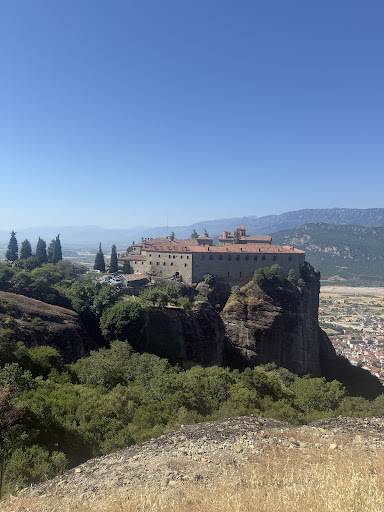
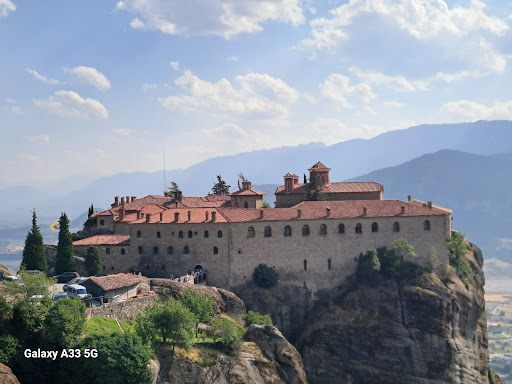
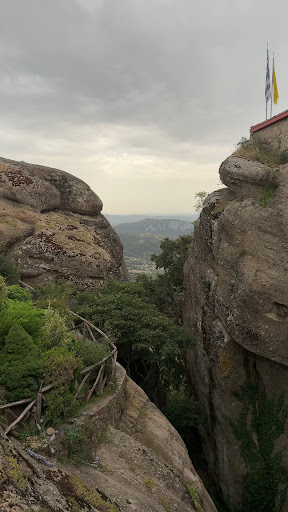
Holy Monastery of Saint Stephen things to do, attractions, restaurants, events info and trip planning
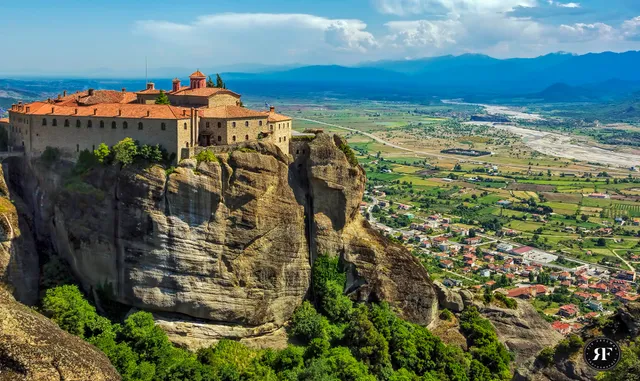
Basic Info
Holy Monastery of Saint Stephen
ΑΓΙΑ ΜΕΤΕΩΡΑ, Kalampaka 422 00, Greece
4.7(2.2K)
Open until 12:00 AM
Save
spot
spot
Ratings & Description
Info
Cultural
Scenic
Accessibility
Family friendly
attractions: Monastery of the Holy Trinity, Greek Education Museum, Holy Church of the Dormition of the Virgin Mary, restaurants: Valia Calda Taverna Restaurant, The DINER & Cocktail Bar restaurant, Taverna Dionisos, Tavern Dias, Santa Lucia Pizza, Pizzaland, Καφε Μπρικι Καλαμπακα, Rapsodia, Mama Mia, local businesses: Monastery of St. Stephan, Holy Church of Holy Meteorite Fathers
 Learn more insights from Wanderboat AI.
Phone
+30 2432 022279
Open hoursSee all hours
MonClosedOpen
Plan your stay

Pet-friendly Hotels in Meteora Municipality
Find a cozy hotel nearby and make it a full experience.

Affordable Hotels in Meteora Municipality
Find a cozy hotel nearby and make it a full experience.

The Coolest Hotels You Haven't Heard Of (Yet)
Find a cozy hotel nearby and make it a full experience.

Trending Stays Worth the Hype in Meteora Municipality
Find a cozy hotel nearby and make it a full experience.
Reviews
Live events
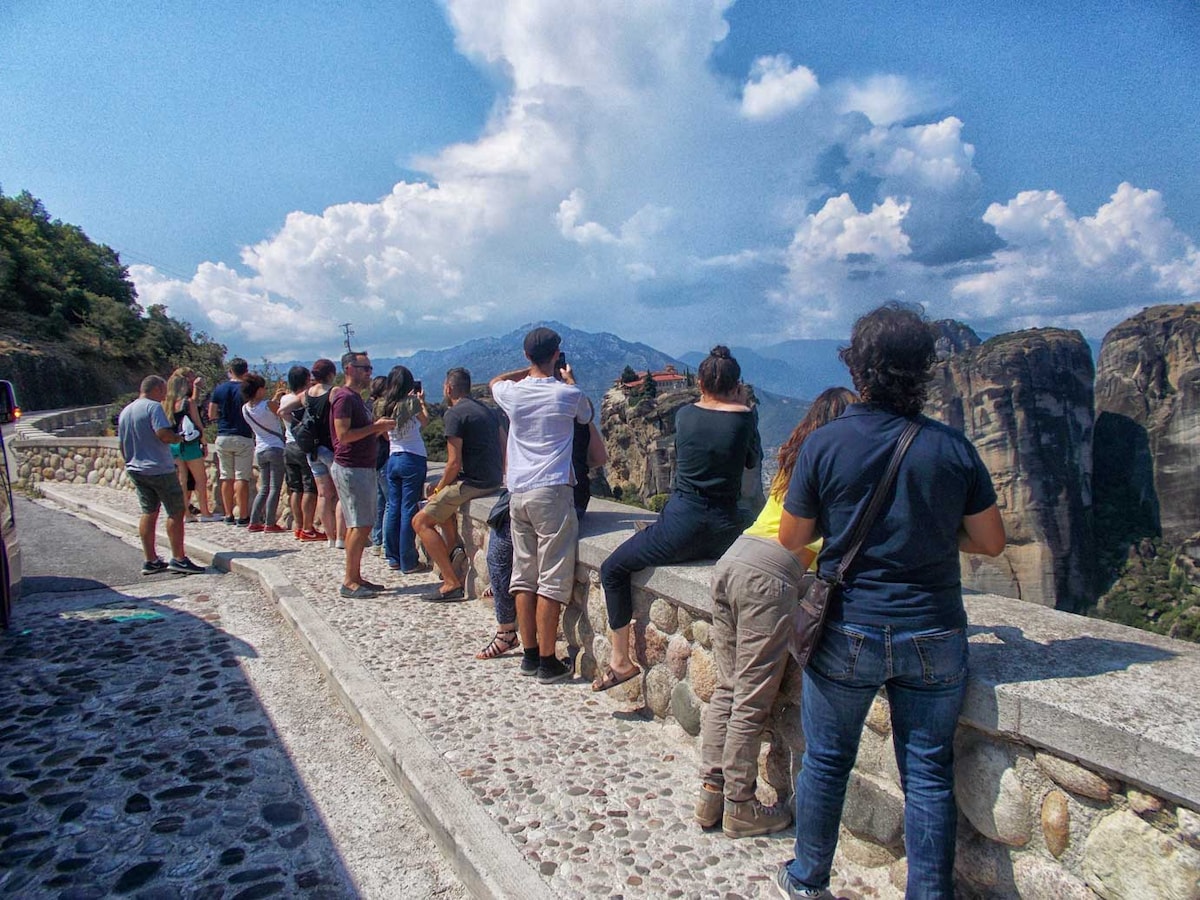
Panoramic Morning Meteora tour with Local Guide
Tue, Feb 24 • 8:00 AM
422 00, Kalabaka, Greece
View details
Nearby attractions of Holy Monastery of Saint Stephen
Monastery of the Holy Trinity
Greek Education Museum
Holy Church of the Dormition of the Virgin Mary

Monastery of the Holy Trinity
4.8
(2.6K)
Closed
Click for details
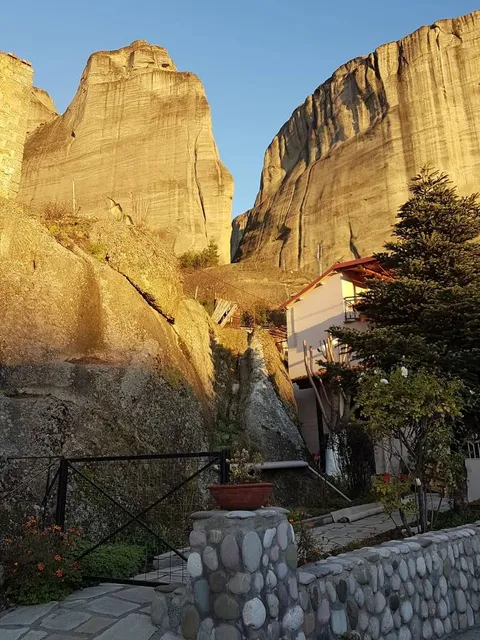
Greek Education Museum
4.8
(198)
Open 24 hours
Click for details
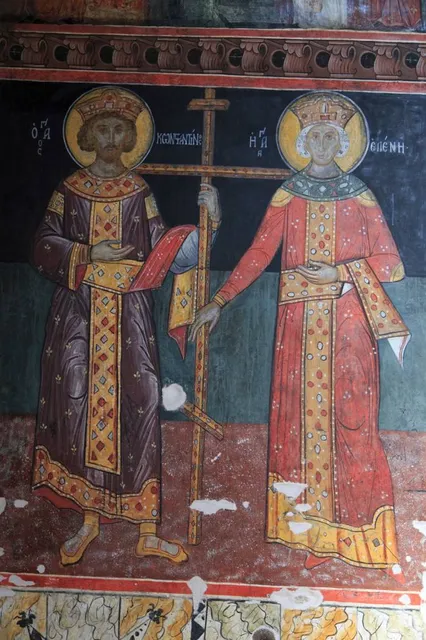
Holy Church of the Dormition of the Virgin Mary
4.9
(185)
Open until 6:00 PM
Click for details
Nearby restaurants of Holy Monastery of Saint Stephen
Valia Calda Taverna Restaurant
The DINER & Cocktail Bar restaurant
Taverna Dionisos
Tavern Dias
Santa Lucia Pizza
Pizzaland
Καφε Μπρικι Καλαμπακα
Rapsodia
Mama Mia
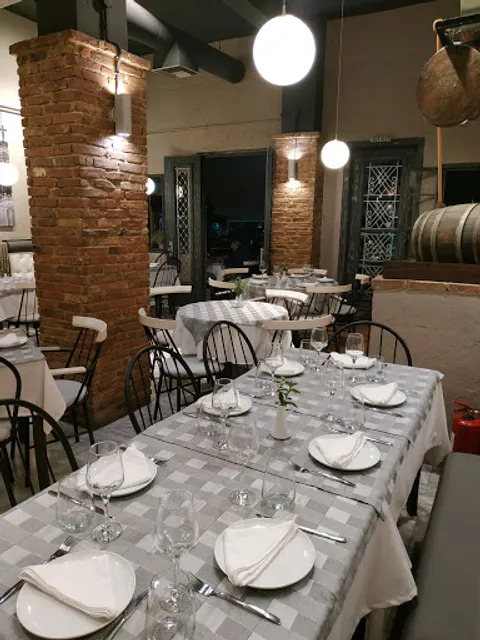
Valia Calda Taverna Restaurant
4.6
(762)
Open until 11:00 PM
Click for details

The DINER & Cocktail Bar restaurant
4.8
(484)
Open until 2:00 AM
Click for details
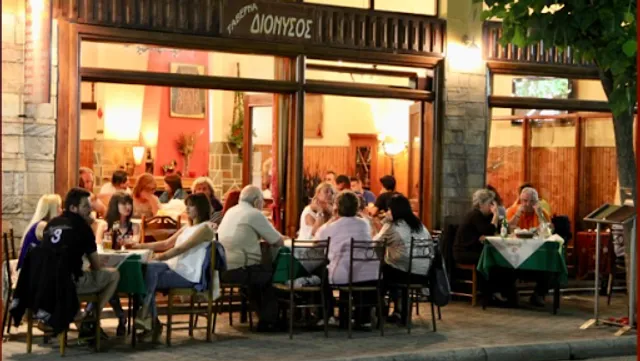
Taverna Dionisos
4.6
(509)
Closed
Click for details
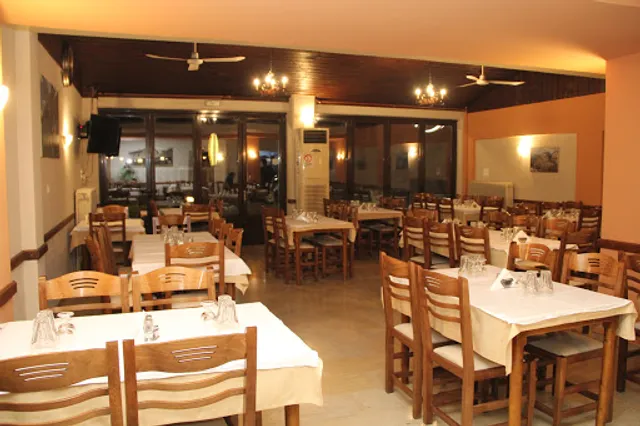
Tavern Dias
4.5
(198)
Open until 12:00 AM
Click for details
Nearby local services of Holy Monastery of Saint Stephen
Monastery of St. Stephan
Holy Church of Holy Meteorite Fathers
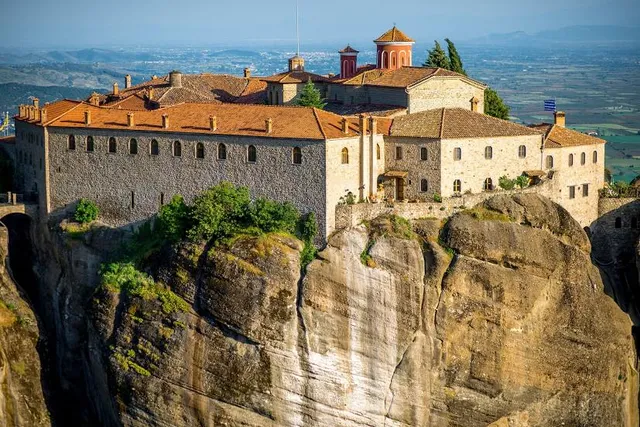
Monastery of St. Stephan
4.7
(1.6K)
Click for details

Holy Church of Holy Meteorite Fathers
4.8
(74)
Click for details