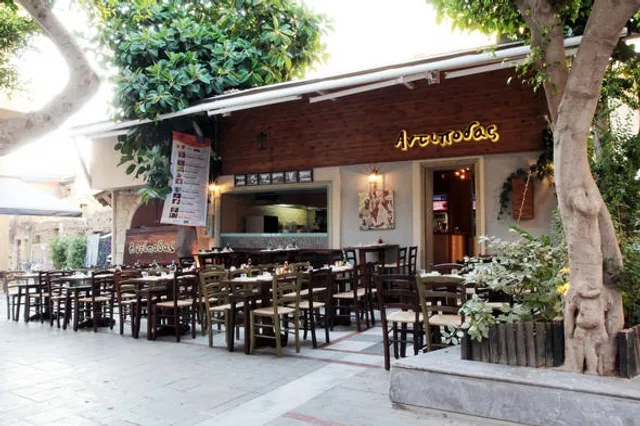
My visit to the Heraklion Archaeological Museum was a highlight of my Crete itinerary, offering a profound connection to a civilization that thrived over 4,000 years ago. The museum’s layout encourages a leisurely pace, and I spent about two hours exploring, though history buffs could easily linger for three or more. The museum is well-organized, with spacious galleries and clear signage. The ground floor focuses on the Minoan civilization’s dominance in the Aegean, featuring pottery, jewelry, and the Phaistos Disc, while the upper floor showcases frescoes, sculptures, and Roman-era artifacts. Highlights like the Knossos Board Game (a strategy game with ivory pieces) and the “Harvester Vase” from Hagia Triada added playful and human elements to the narrative. One of the most memorable aspects was the sense of discovery. The Minoans’ undeciphered writing systems (Linear A and the Phaistos Disc’s script) left me pondering the mysteries of their language and culture. The artistry of their goldsmiths and potters, influenced by Egyptian techniques but distinctly Cretan, underscored their sophistication. The museum’s temporary exhibition, “Ekatompolis: The World of Archaic Crete,” added depth by exploring later periods, though it felt less cohesive than the Minoan focus. Logistically, the experience had some challenges. Parking in Heraklion’s narrow streets is notoriously difficult, with no dedicated museum lot. I circled for 20 minutes before finding a spot a 10-minute walk away. The museum can get crowded, especially during peak season (July–August), so I recommend visiting early in the morning or late afternoon to avoid tour bus crowds. The cafe on-site is a pleasant spot for a break, with reasonable prices (e.g., €2.20 for a cola) and a shady terrace, but the gift shop, while stocked with quality replicas and books, is pricey. Accessibility is a strong point, with an elevator and spacious galleries suitable for wheelchair users. However, the lack of audio guides (or uncertainty about their availability) was a drawback. While guided tours are offered, I opted to explore independently with a guidebook, which worked well given the detailed labels. For a more immersive experience, a guided tour or audio guide would be ideal, especially for those seeking deeper insights into specific artifacts. Service: Friendly and Professional, but Limited Interaction The museum staff were courteous and helpful, particularly at the ticket counter, where they explained the combined ticket option and provided a map. EU citizens under 25 can enter for free, a nice perk, though I paid the full €12 entrance fee (reduced €6 for eligible groups). The staff’s presence in the galleries was minimal, which suited my preference for independent exploration but might disappoint those expecting more engagement. Security was unobtrusive yet effective, ensuring the artifacts’ safety without disrupting the experience. One minor critique is the lack of clarity about audio guides. Online reviews suggest they exist, but I didn’t see them advertised during my visit. At €12 for a full ticket, the Heraklion Archaeological Museum offers excellent value for the quality and significance of its collection. Compared to other major European museums, the price is reasonable, and the experience rivals that of top institutions like the Acropolis Museum in Athens. The free entry for EU youth under 25 and reduced rates for seniors and students further enhance accessibility. However, the value is slightly diminished by the pottery-heavy focus, which may not appeal to all visitors. Adding more interactive elements—such as touchscreens, virtual reconstructions, or workshops—could justify the ticket price further and cater to diverse audiences, including families. The cafe and gift shop, while convenient, are on the pricier side, so budget-conscious travelers...
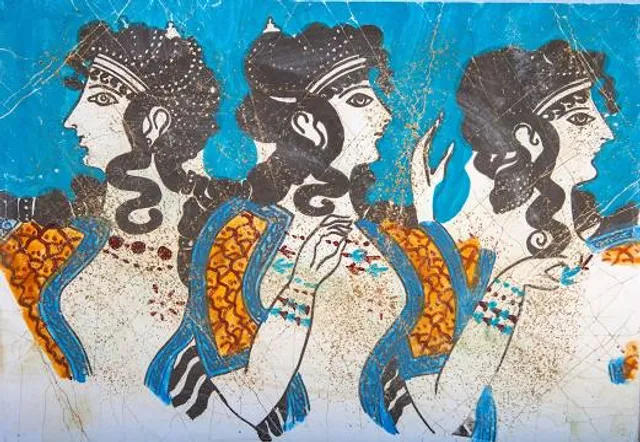
Read moreThe Heraklion Archaeological Museum in Crete is one of the most significant and renowned museums in Greece, particularly known for its extensive collection of Minoan artifacts. Here are some key details about the museum: The museum is located in the city of Heraklion, the capital of Crete. It is centrally situated, making it easily accessible for visitors exploring the city. The Heraklion Archaeological Museum houses the most comprehensive collection of Minoan artifacts in the world. It offers a deep insight into the Minoan civilization, which flourished on Crete from around 3000 to 1100 BC. The museum's collection includes thousands of items from the Minoan civilization, such as pottery, tools, weapons, frescoes, jewelry, and everyday objects. Some of the most famous pieces include: A mysterious clay disc featuring a unique script, believed to date back to the second millennium BC. The museum houses several well-preserved frescoes from the Minoan palaces, including the famous "Prince of the Lilies." A statue representing a female deity holding snakes, symbolizing fertility and religious rituals. Depicting the Minoan practice of bull-leaping, a ceremonial activity involving athletes and bulls. In addition to Minoan artifacts, the museum also features collections from later periods, including the Mycenaean, Geometric, Archaic, Classical, Hellenistic, and Roman eras. These collections highlight the continuity and development of civilization on Crete over the centuries. The museum building itself is a fine example of modern architecture, designed in the early 20th century. It has undergone several renovations to accommodate the growing collection and modernize its facilities. A major renovation project was completed in the early 2000s, enhancing the museum’s infrastructure, display techniques, and visitor services. The museum is generally open daily, with extended hours during the summer tourist season. It is advisable to check the official website or contact the museum directly for the most up-to-date information on opening times. Visitors can explore the museum on their own or take part in guided tours, which are available in multiple languages. Guided tours offer deeper insights into the exhibits and the history of the artifacts. The museum is accessible to people with disabilities, and it provides various amenities such as a gift shop, café, and rest areas. The Heraklion Archaeological Museum is not only a place for exhibition but also plays a significant role in the research, preservation, and conservation of Cretan antiquities. The museum frequently hosts temporary exhibitions, educational programs, and cultural events aimed at engaging both local and international audiences. The Heraklion Archaeological Museum is a must-visit for anyone interested in ancient history and archaeology, offering a rich and immersive experience into the ancient...
Read moreIf you are passionate about history or archaeology, then you must visit this museum. If not, don’t bother.
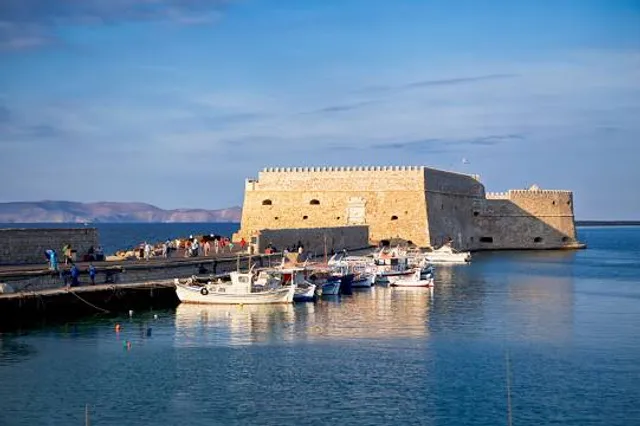
The Archaeological Museum is, in my opinion, the second most important tourist attraction in Heraklion (the first being the Koules Fortress).
I won’t describe in detail what you can see here, because there are plenty of photos online, but I’ll make a few clarifications, because during my visit I noticed quite a few tourists who seemed disappointed by the collections on display.
An archaeological museum is not the same as a history museum. In an archaeological museum, you’ll find collections of objects, artifacts, and exhibits that help you understand (or imagine) how people lived in ancient times.
If you’re looking for details about important figures and major events (wars, revolutions, political assassinations, discoveries, etc.), that’s what a history museum is for.
Don’t waste all your energy in the first halls. Many visitors make this mistake (I know, because back in college I worked as a tourist guide): they spend too much time in the prehistoric sections, get tired, and then rush through the most fascinating parts.
I saw the same thing here: tourists staring for ages at the hundreds (or maybe thousands) of clay artifacts on the ground floor, only to hurry past the magnificent collection of ancient coins displayed upstairs.
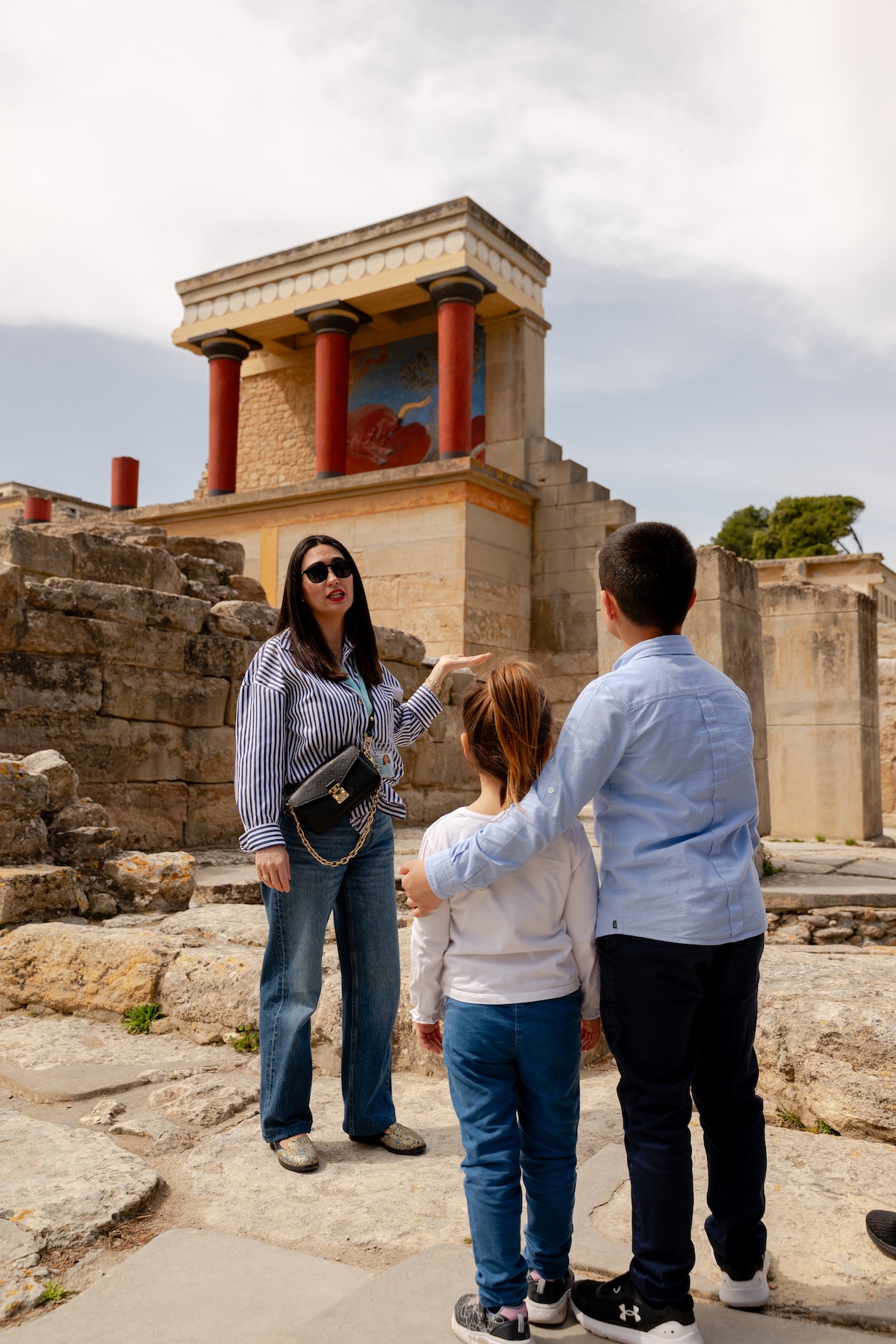
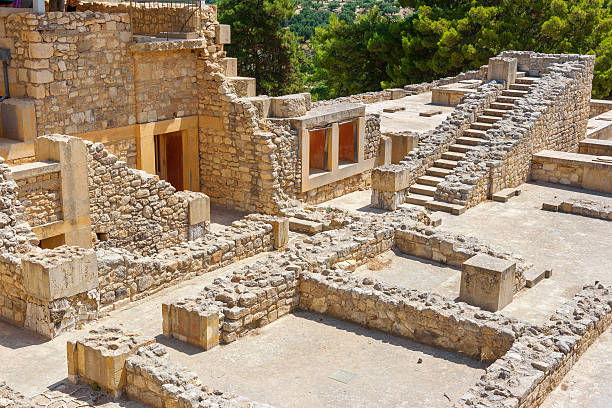
In the very first hall there’s a wooden model - a miniature reconstruction of the Palace of Knossos. Even if it’s not 100% historically accurate (you can read online about the controversies surrounding the palace), it’s still very interesting. In fact, before visiting the actual archaeological site, it’s a great idea to stop by the museum. Personally, I think it’s even better to visit the museum and, if you’re short on time, you could easily skip the site itself.
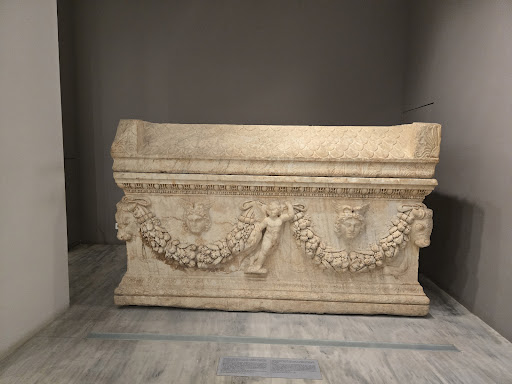
Finally, before leaving, don’t forget the hall of statues. After finishing the upper floor, when you come back downstairs, turn left. I mention this because, to my great surprise, I saw entire groups of tourists leave the building at this point, missing one of the most remarkable collections in the museum.
Finally, two more points:
The air conditioning doesn’t always work. If you struggle with the heat, it’s best to avoid visiting during peak hours when the museum is very crowded.
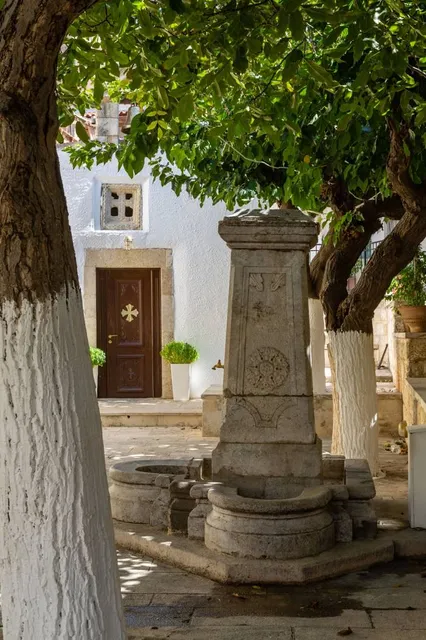
The museum is surrounded by a garden, so after your visit you can relax in the shade and enjoy the view—it’s especially...
Read more