Church of Agios Titos things to do, attractions, restaurants, events info and trip planning
Basic Info
Church of Agios Titos
Agiou Titou 16, Iraklio 712 02, Greece
4.7(1.4K)
Open until 11:00 PM
Save
spot
spot
Ratings & Description
Info
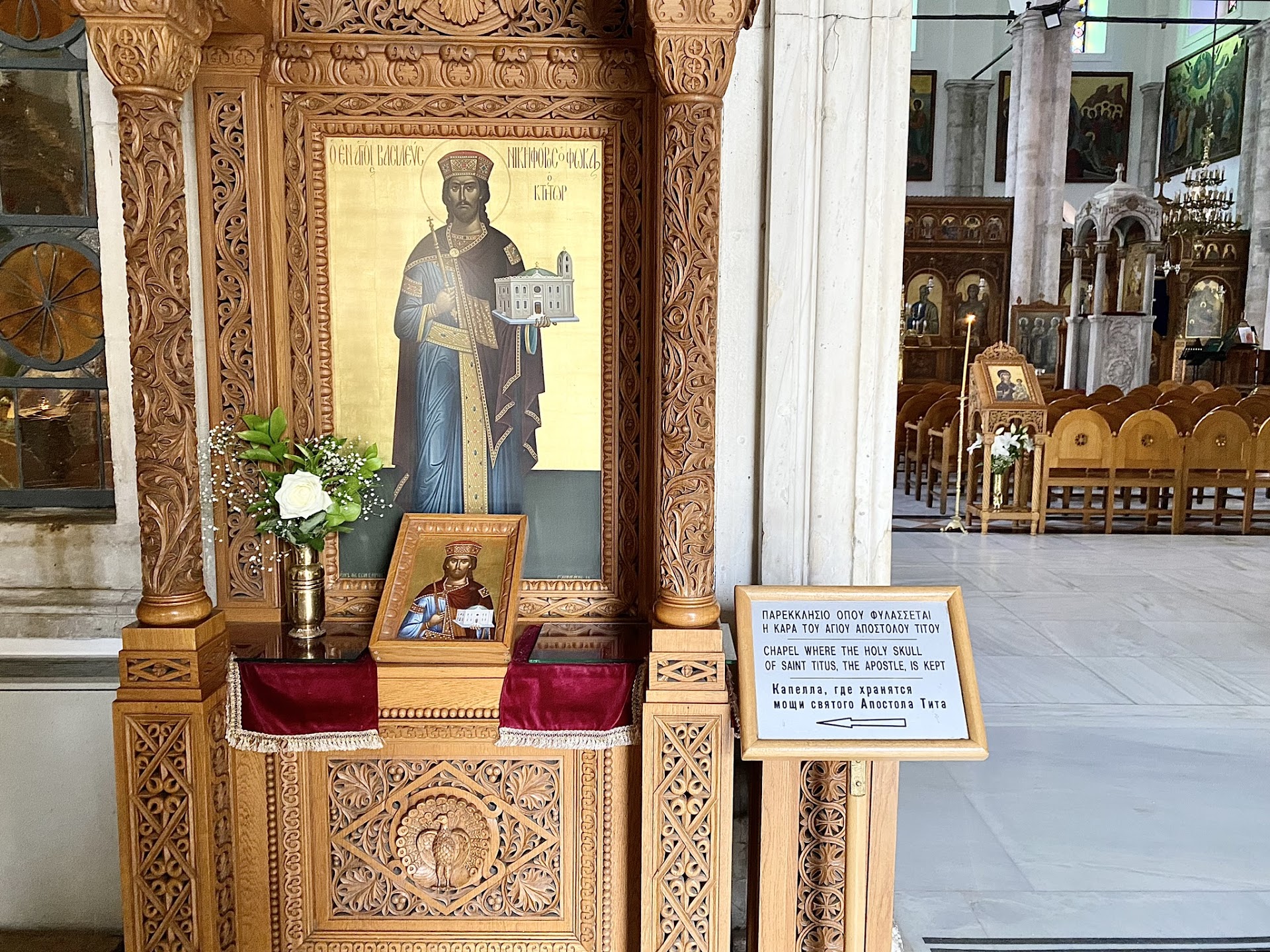
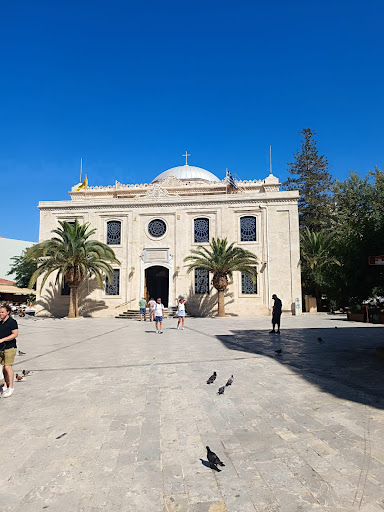
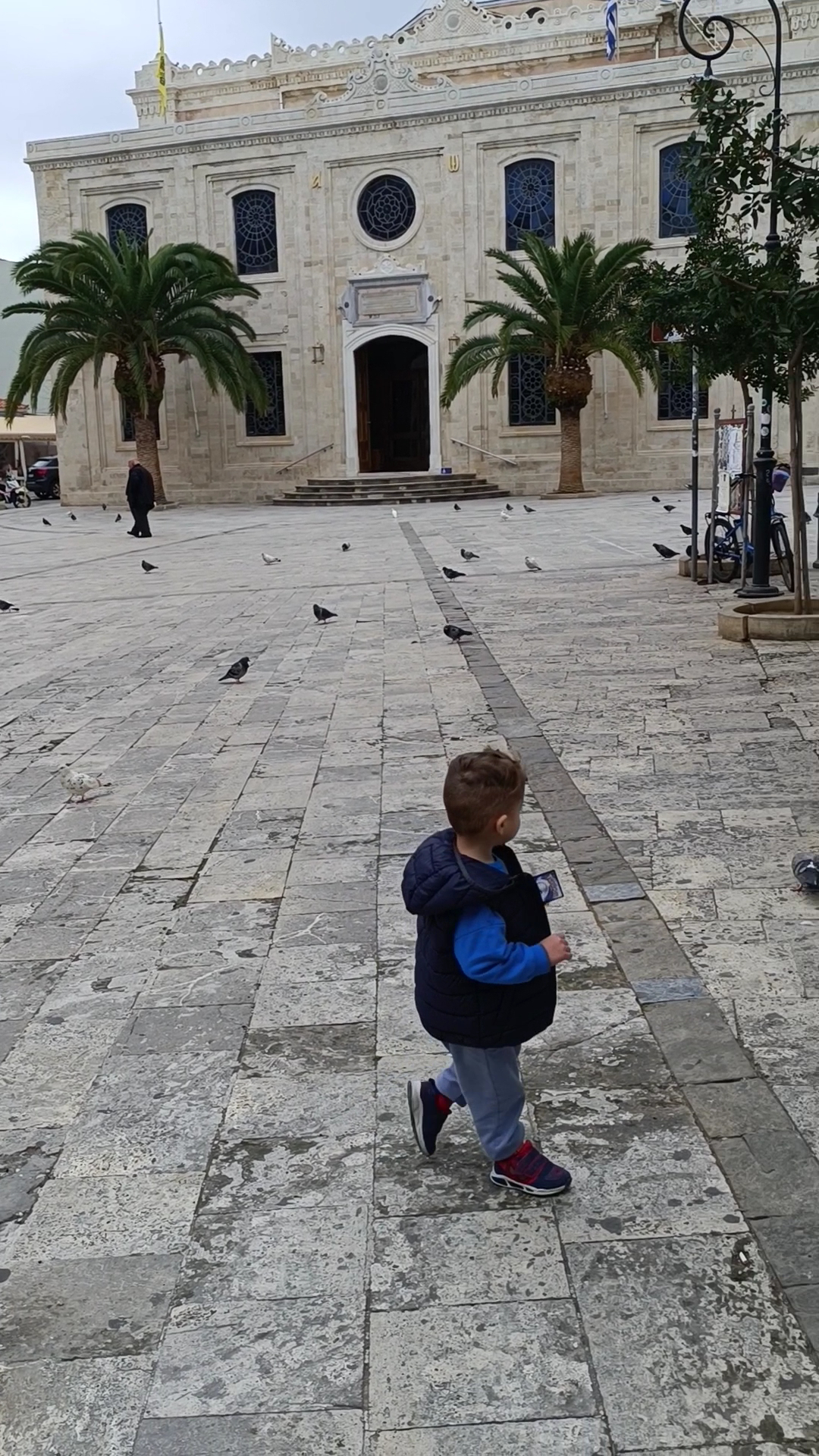
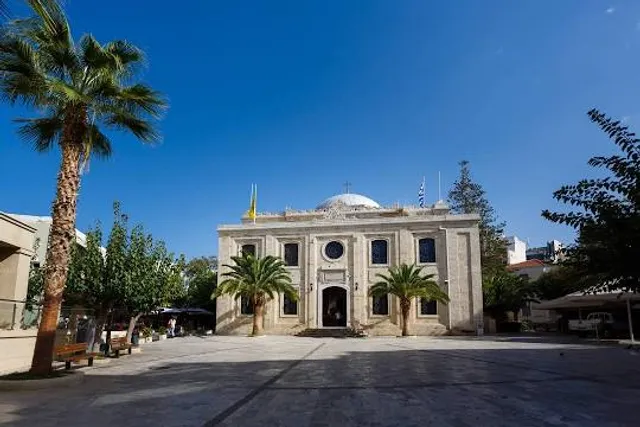
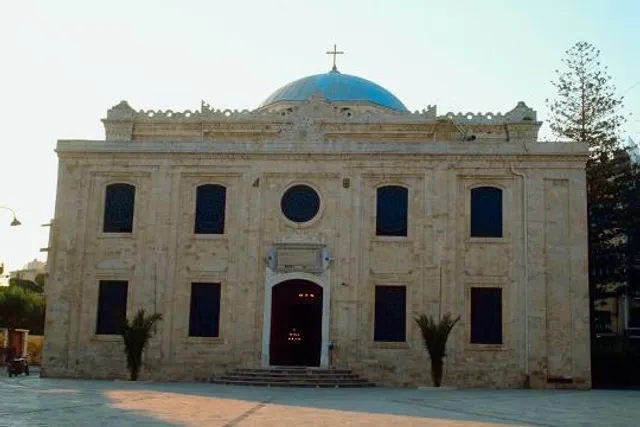
The Cathedral of Saint Titus also known as Hagios Titos, is an Orthodox church in the city of Heraklion, Crete, dedicated to Saint Titus. The current church was built in 1869 as the Yeni Cami and in 1925 it was converted to Christian worship. The church was declared a cathedral of the archdiocese of Crete in 2013.
Cultural
Accessibility
attractions: Morosini Fountain, Heraklion Archaeological Museum, Venetian Loggia, Theotokopoulos Park, EscapeRooms.Gr, Heraklion Venetian Port, Heraklion Municipal Art Gallery, Venetian Shipyards / Vechi, Saint Minas Holy Cathedral, Historical Museum of Crete, restaurants: Pagopoieion, Dish Bar Restaurant, Tempelis, Peskesi, Domes All Day Cafe Bar & Restaurant, KOUZEINERI, Amalia's Kitchen, Barba Thymios, El Sur - Ethnic Resto Bar - Mexican & Sushi Bar, The Home, local businesses: Venetian port in Heraklion, Basilica di San Marco, Pl. Daskalogianni 7, Agios Minas (St. Menas), Pottery Workshop, Sailing Crete, Natur elia, Archaeological Museum, Heraklion Port Authority (H.P.A.), TransferPlan-Crete
 Learn more insights from Wanderboat AI.
Phone
+30 281 022 4839
Open hoursSee all hours
Mon8 a.m. - 11 p.m.Open
Plan your stay

Pet-friendly Hotels in Municipality of Heraklion
Find a cozy hotel nearby and make it a full experience.

Affordable Hotels in Municipality of Heraklion
Find a cozy hotel nearby and make it a full experience.

The Coolest Hotels You Haven't Heard Of (Yet)
Find a cozy hotel nearby and make it a full experience.

Trending Stays Worth the Hype in Municipality of Heraklion
Find a cozy hotel nearby and make it a full experience.
Reviews
Live events
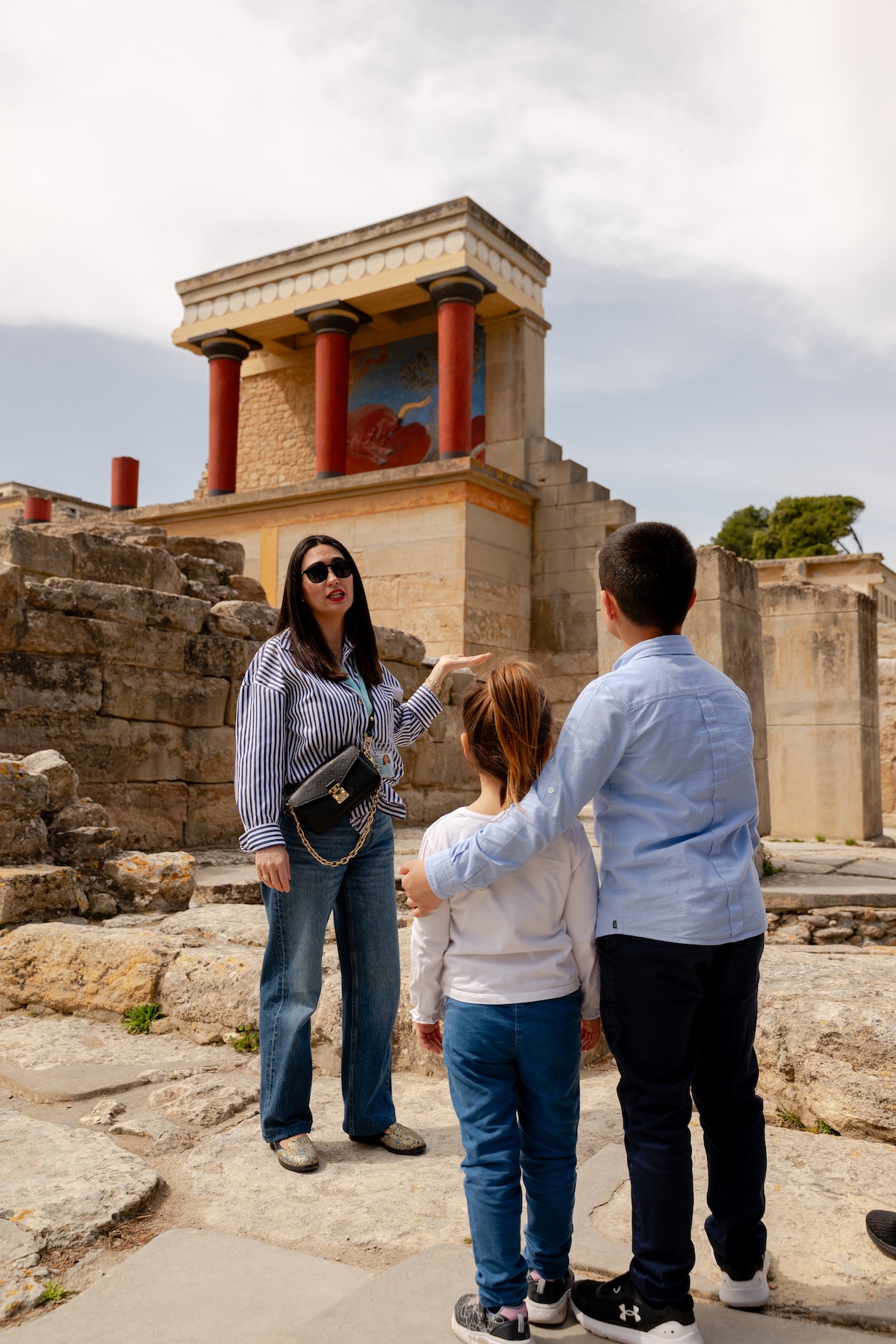
Knossos Palace, Archaeological Museum & City Tour
Mon, Jan 26 • 7:45 AM
714 09, Knossos, Greece
View details
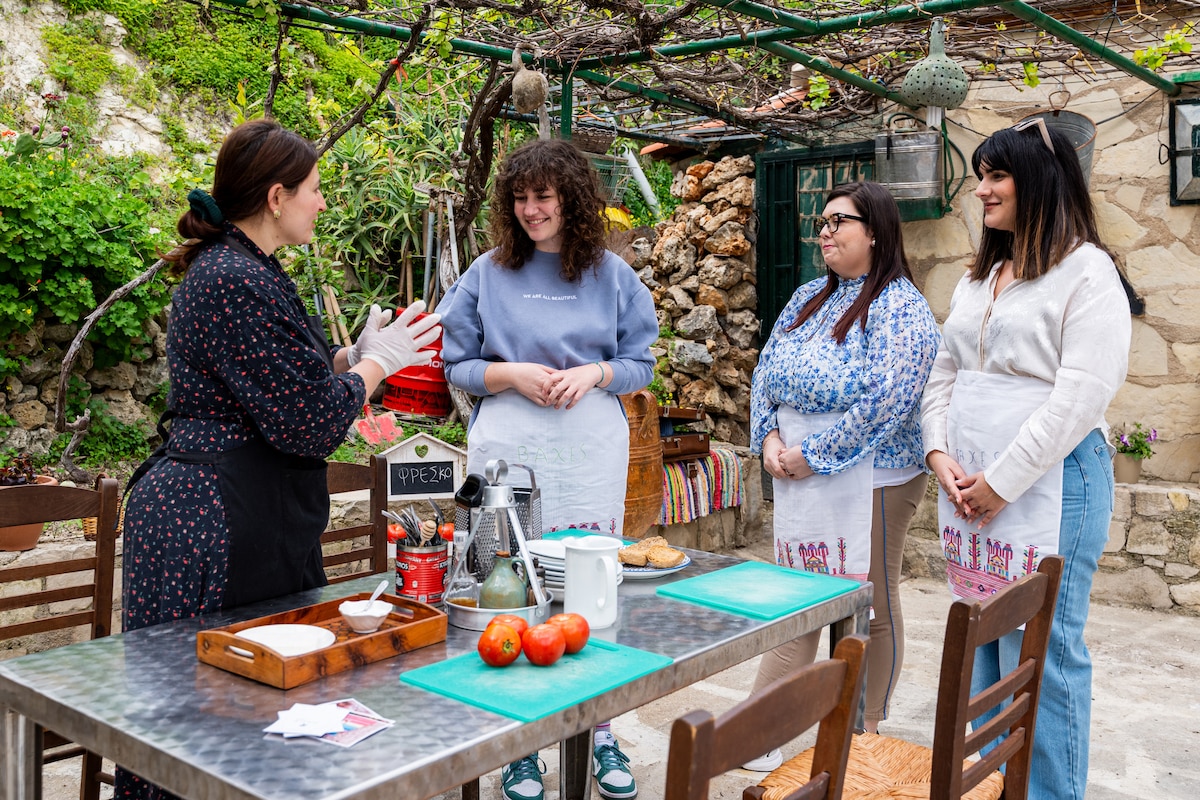
Cook and taste local delicacies in Baxes
Mon, Jan 26 • 3:30 PM
715 00, Iraklio, Greece
View details
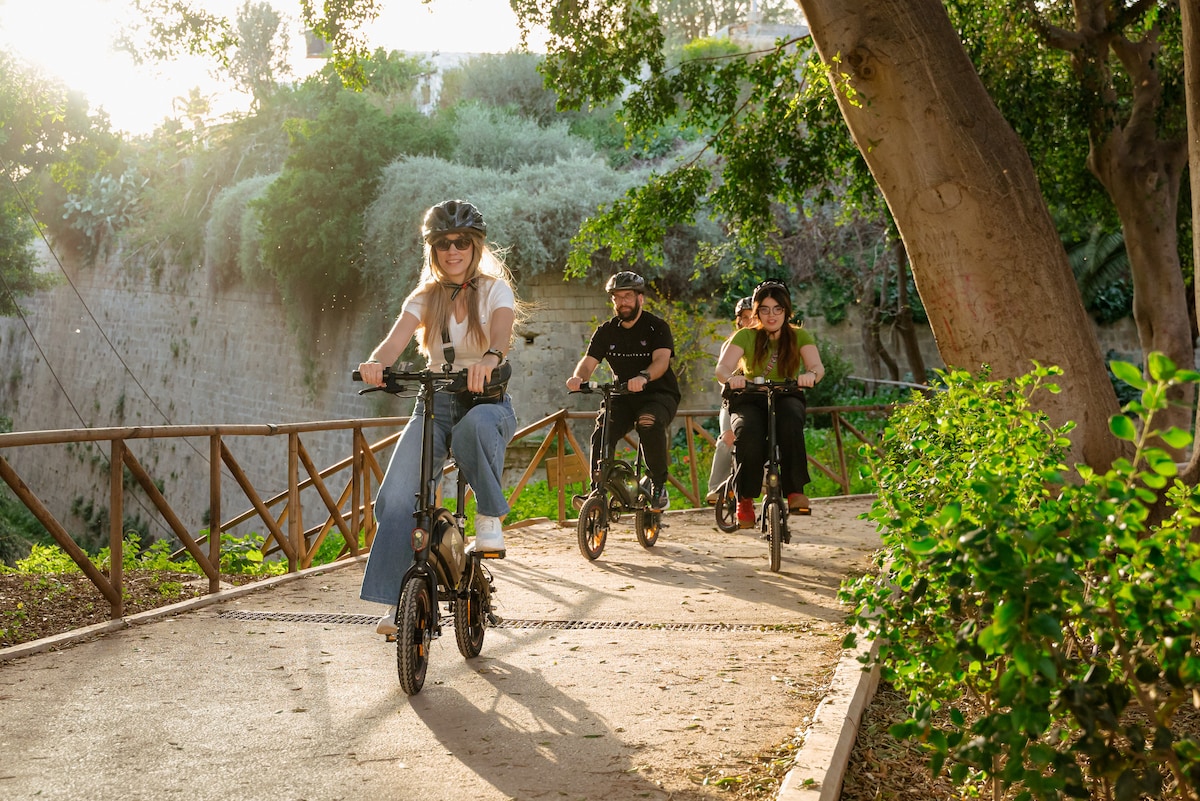
Ecobike tour in historic Heraklion
Mon, Jan 26 • 9:00 AM
712 02, Heraklion, Greece
View details
Nearby attractions of Church of Agios Titos
Morosini Fountain
Heraklion Archaeological Museum
Venetian Loggia
Theotokopoulos Park
EscapeRooms.Gr
Heraklion Venetian Port
Heraklion Municipal Art Gallery
Venetian Shipyards / Vechi
Saint Minas Holy Cathedral
Historical Museum of Crete
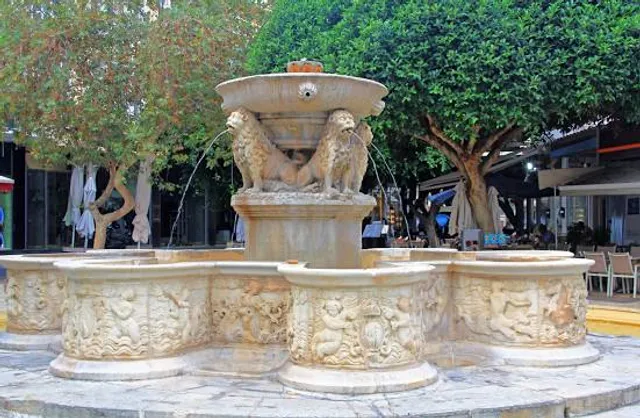
Morosini Fountain
4.5
(10.2K)
Open until 12:00 AM
Click for details
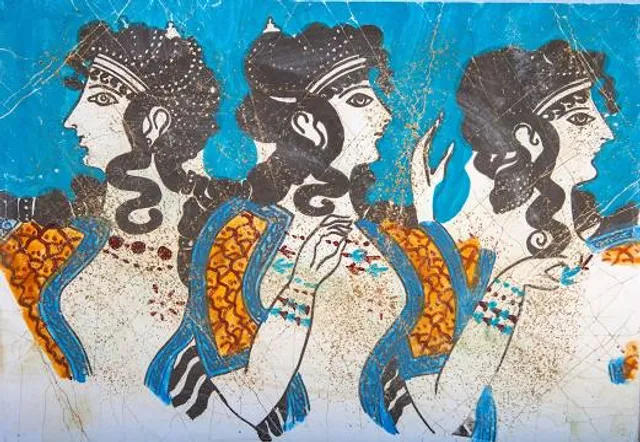
Heraklion Archaeological Museum
4.7
(12.7K)
Open until 3:30 PM
Click for details
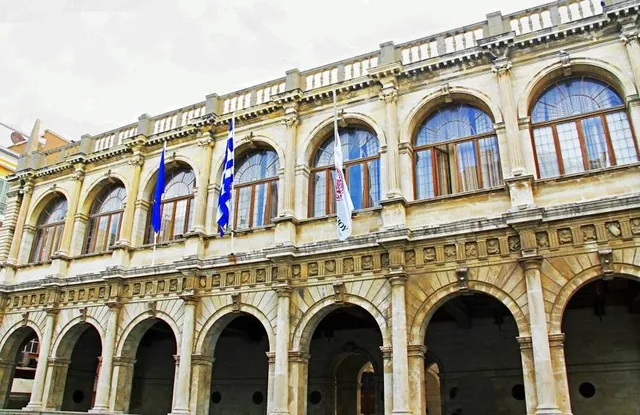
Venetian Loggia
4.6
(641)
Open until 12:00 AM
Click for details
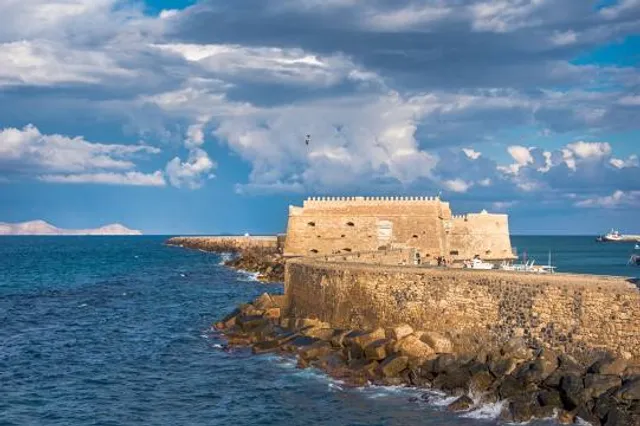
Theotokopoulos Park
4.2
(538)
Open until 12:00 AM
Click for details
Nearby restaurants of Church of Agios Titos
Pagopoieion
Dish Bar Restaurant
Tempelis
Peskesi
Domes All Day Cafe Bar & Restaurant
KOUZEINERI
Amalia's Kitchen
Barba Thymios
El Sur - Ethnic Resto Bar - Mexican & Sushi Bar
The Home
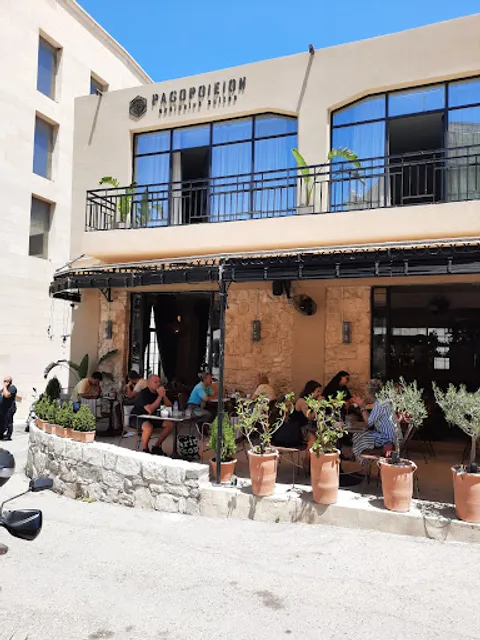
Pagopoieion
4.3
(707)
$$
Closed
Click for details
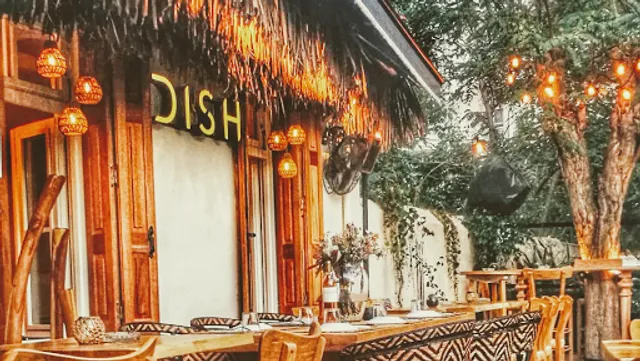
Dish Bar Restaurant
4.3
(704)
$$
Closed
Click for details
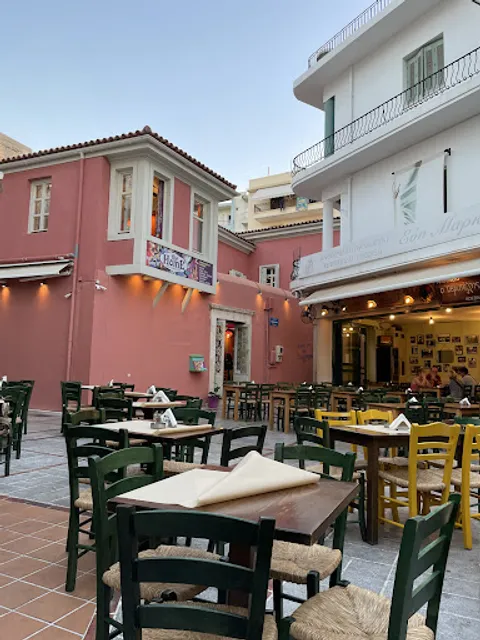
Tempelis
4.5
(1.4K)
Closed
Click for details
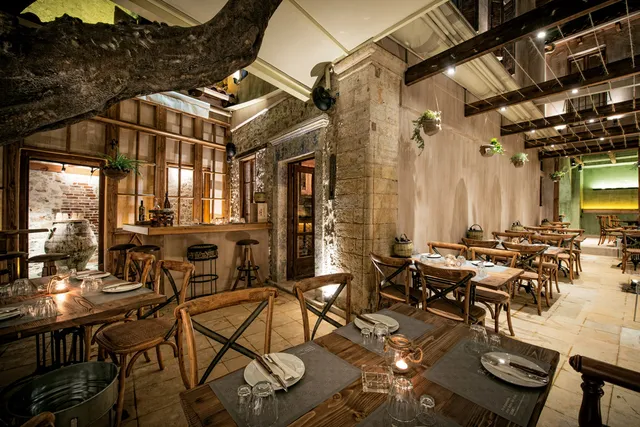
Peskesi
4.8
(5.6K)
$$
Closed
Click for details
Nearby local services of Church of Agios Titos
Venetian port in Heraklion
Basilica di San Marco
Pl. Daskalogianni 7
Agios Minas (St. Menas)
Pottery Workshop
Sailing Crete
Natur elia
Archaeological Museum
Heraklion Port Authority (H.P.A.)
TransferPlan-Crete
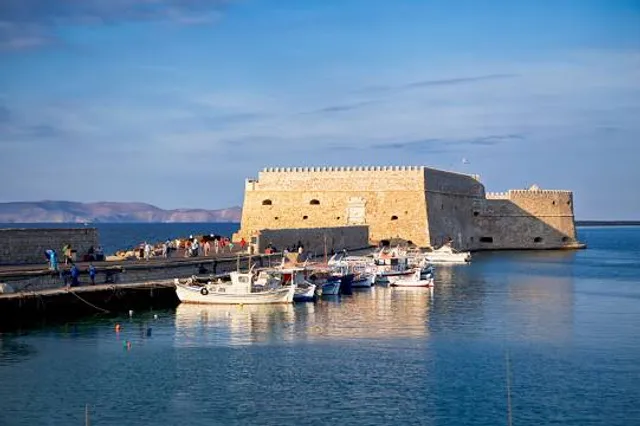
Venetian port in Heraklion
4.6
(2.3K)
Click for details
Basilica di San Marco
4.7
(144)
Click for details
Pl. Daskalogianni 7
4.1
(555)
Click for details
Agios Minas (St. Menas)
4.7
(1.6K)
Click for details