Rocca a Mare Fortress things to do, attractions, restaurants, events info and trip planning
Basic Info
Rocca a Mare Fortress
Heraklion 712 02, Greece
4.6(4.9K)
Closed


tickets
Save
spot
spot
Ratings & Description
Info
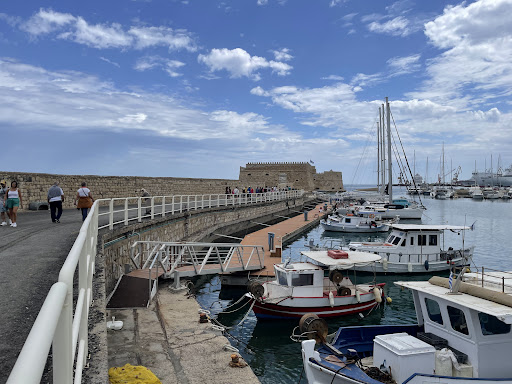
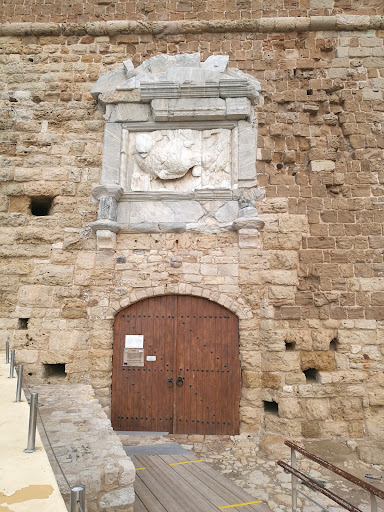
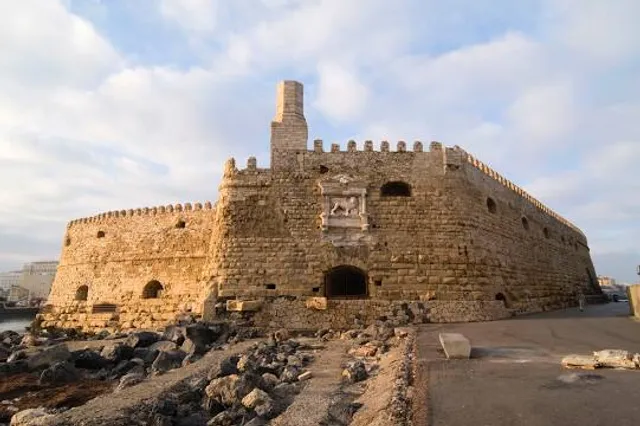
The Koules or Castello a Mare is a fortress located at the entrance of the old port of Heraklion, Crete, Greece. It was built by the Republic of Venice in the early 16th century, and is still in good condition today.
Cultural
Outdoor
Family friendly
attractions: Heraklion Venetian Port, Nikos Kitsikis's bust, Venetian Shipyards, Venetian Shipyards / Vechi, Heraklion Archaeological Museum, Church of Agios Titos, Morosini Fountain, Historical Museum of Crete, Venetian Loggia, Theotokopoulos Park, restaurants: Cafe Marina, Erasitechnes Psarades, A Little Wine A Little Sea, Ippokampos, Sir Papafigos, Kastella Seafood Restaurant, Ladókolla, Εστιατόριο Πλάνη, Veneto1860 Seaview Restaurant, Avli Project Heraklion, local businesses: Venetian port in Heraklion, Heraklion Port Authority (H.P.A.), Natur elia, Heraklion Port Passenger Station, Pottery Workshop, Basilica di San Marco, Archaeological Museum, Pl. Daskalogianni 7, Sailing Crete, TransferPlan-Crete
 Learn more insights from Wanderboat AI.
Phone
+30 281 024 3559
Website
koules.efah.gr
Open hoursSee all hours
Sun8:30 AM - 3:30 PMClosed
Plan your stay

Pet-friendly Hotels in Municipality of Heraklion
Find a cozy hotel nearby and make it a full experience.

Affordable Hotels in Municipality of Heraklion
Find a cozy hotel nearby and make it a full experience.

The Coolest Hotels You Haven't Heard Of (Yet)
Find a cozy hotel nearby and make it a full experience.

Trending Stays Worth the Hype in Municipality of Heraklion
Find a cozy hotel nearby and make it a full experience.
Reviews
Live events
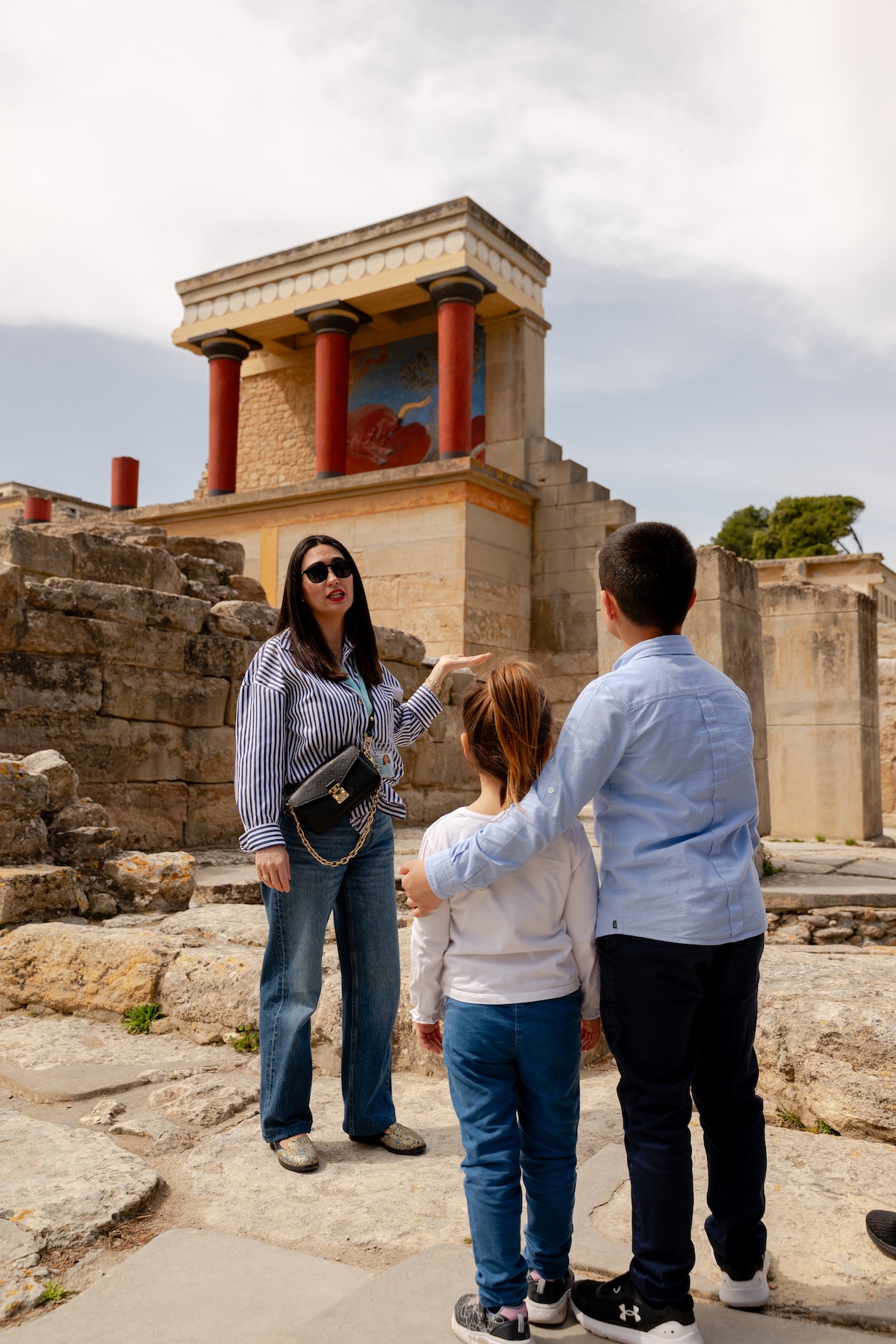
Knossos Palace, Archaeological Museum & City Tour
Sun, Feb 22 • 7:00 AM
714 09, Knossos, Greece
View details
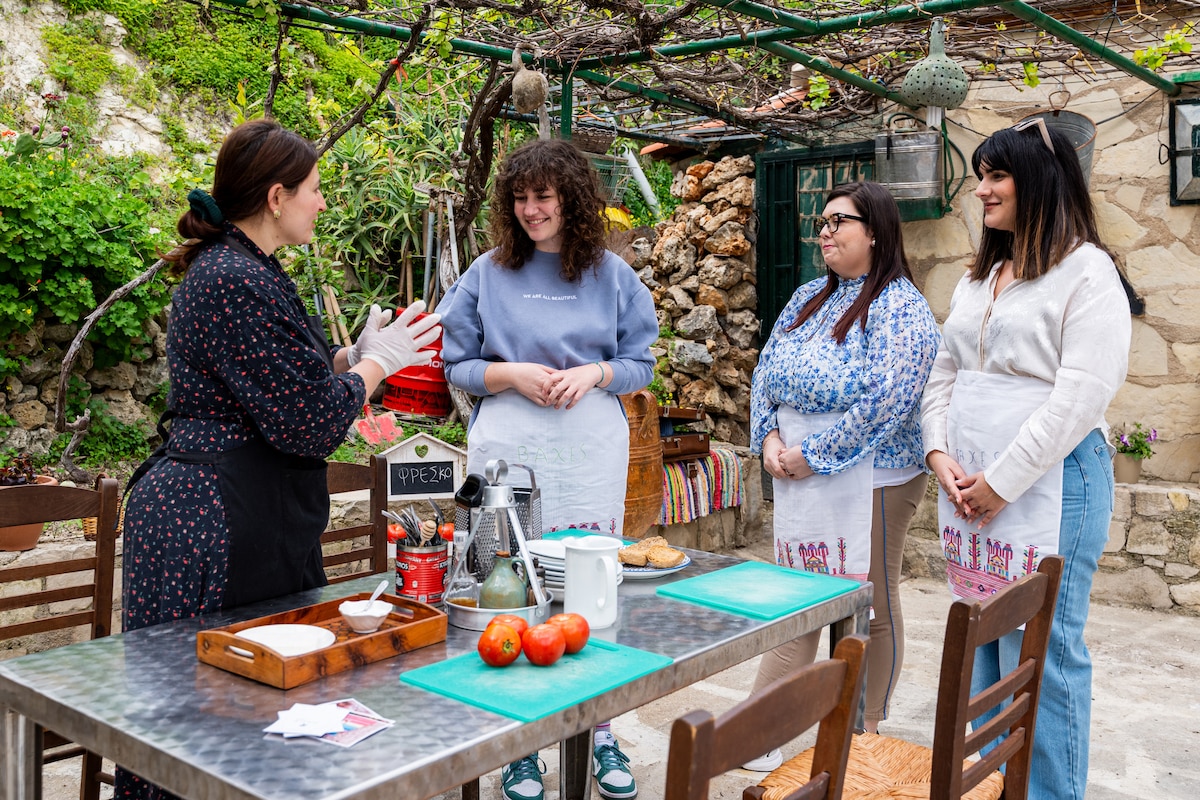
Cook and taste local delicacies in Baxes
Wed, Feb 25 • 3:30 PM
715 00, Iraklio, Greece
View details
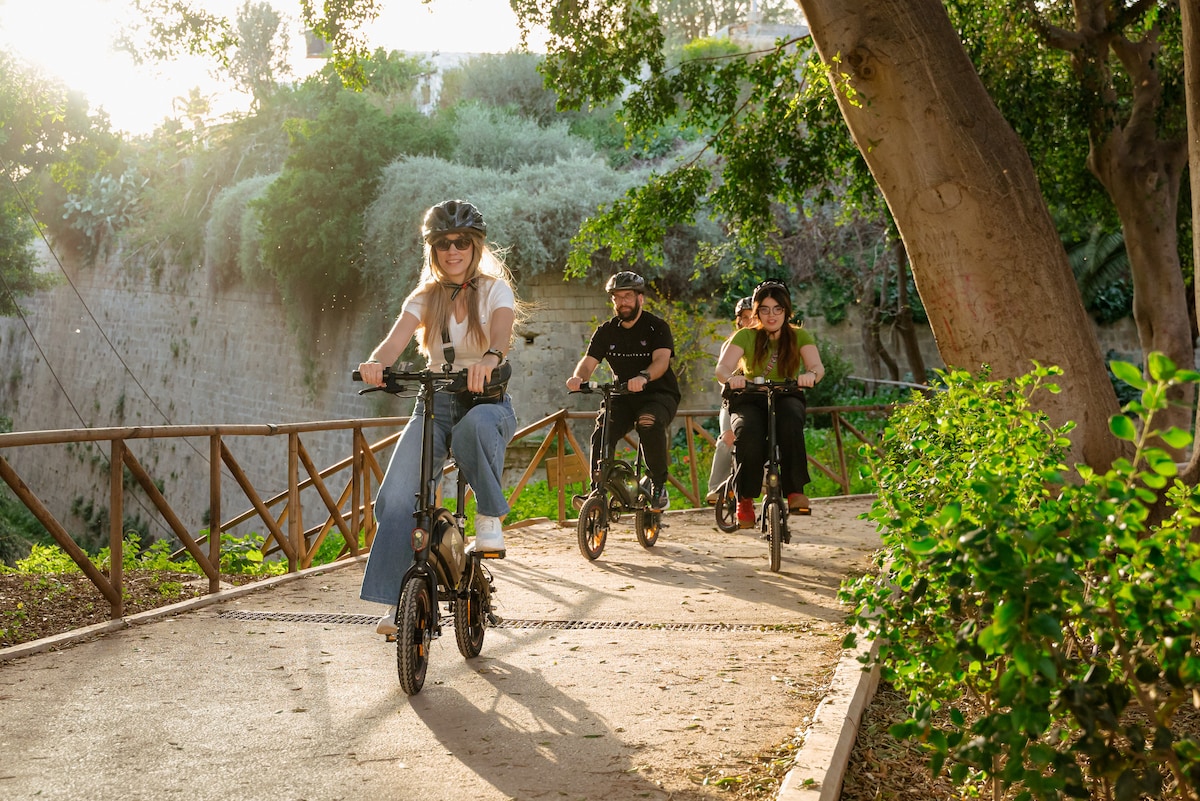
Ecobike tour in historic Heraklion
Sun, Feb 22 • 9:00 AM
712 02, Heraklion, Greece
View details
Nearby attractions of Rocca a Mare Fortress
Heraklion Venetian Port
Nikos Kitsikis's bust
Venetian Shipyards
Venetian Shipyards / Vechi
Heraklion Archaeological Museum
Church of Agios Titos
Morosini Fountain
Historical Museum of Crete
Venetian Loggia
Theotokopoulos Park
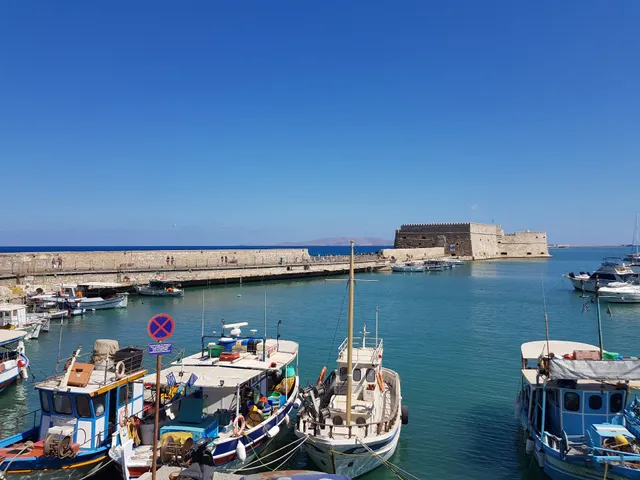
Heraklion Venetian Port
4.6
(3.7K)
Open until 12:00 AM
Click for details
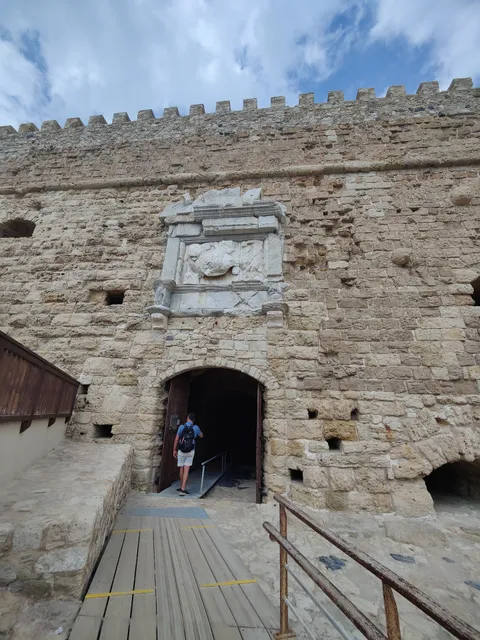
Nikos Kitsikis's bust
4.6
(46)
Open 24 hours
Click for details
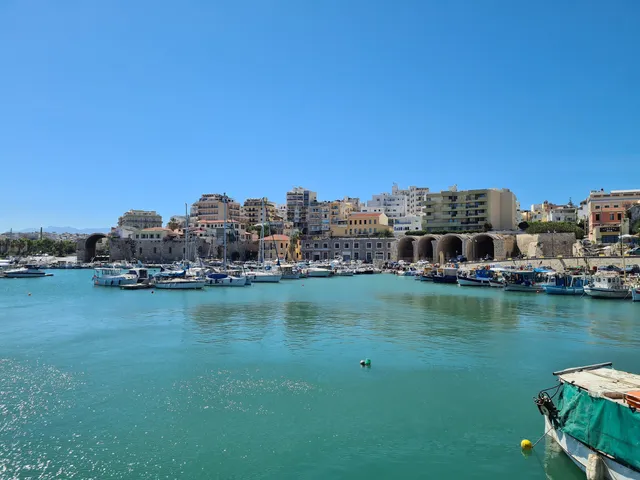
Venetian Shipyards
4.3
(128)
Open until 12:00 AM
Click for details
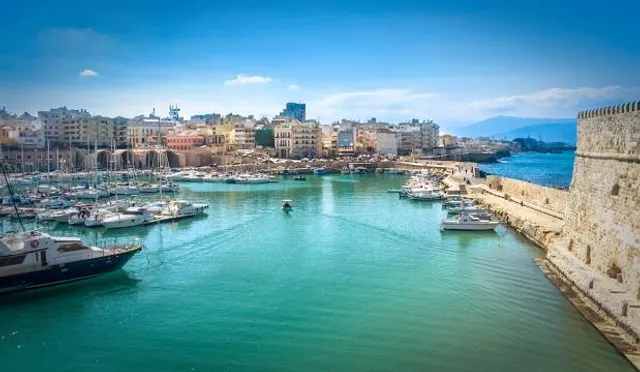
Venetian Shipyards / Vechi
4.3
(143)
Open until 12:00 AM
Click for details
Nearby restaurants of Rocca a Mare Fortress
Cafe Marina
Erasitechnes Psarades
A Little Wine A Little Sea
Ippokampos
Sir Papafigos
Kastella Seafood Restaurant
Ladókolla
Εστιατόριο Πλάνη
Veneto1860 Seaview Restaurant
Avli Project Heraklion
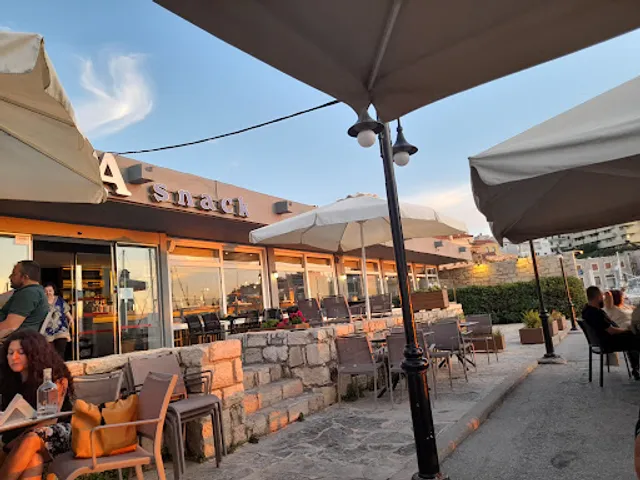
Cafe Marina
4.3
(1.2K)
Closed
Click for details
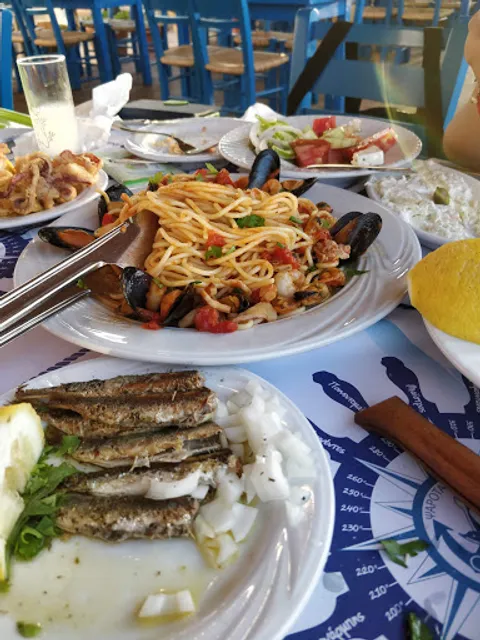
Erasitechnes Psarades
4.3
(572)
$$
Closed
Click for details
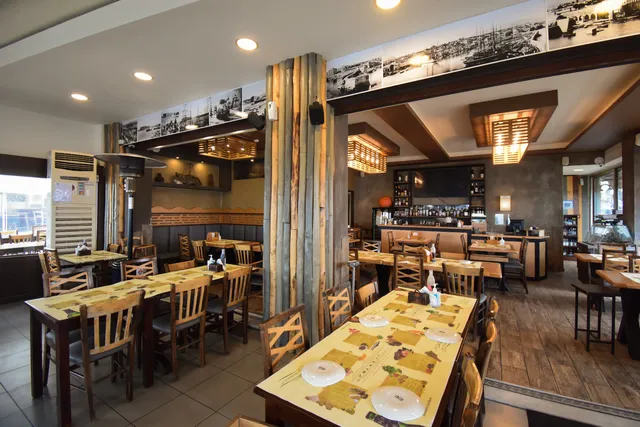
A Little Wine A Little Sea
4.4
(2.6K)
$$
Closed
Click for details
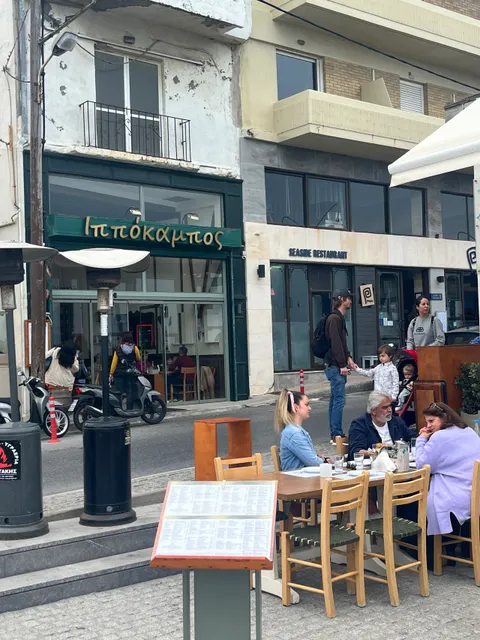
Ippokampos
4.6
(1.5K)
Closed
Click for details
Nearby local services of Rocca a Mare Fortress
Venetian port in Heraklion
Heraklion Port Authority (H.P.A.)
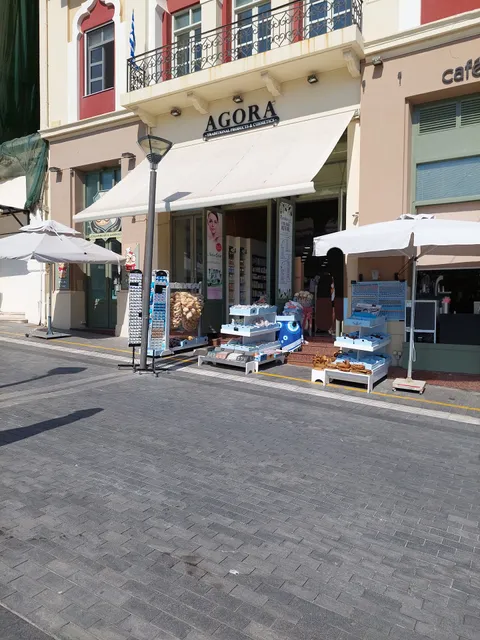
Natur elia
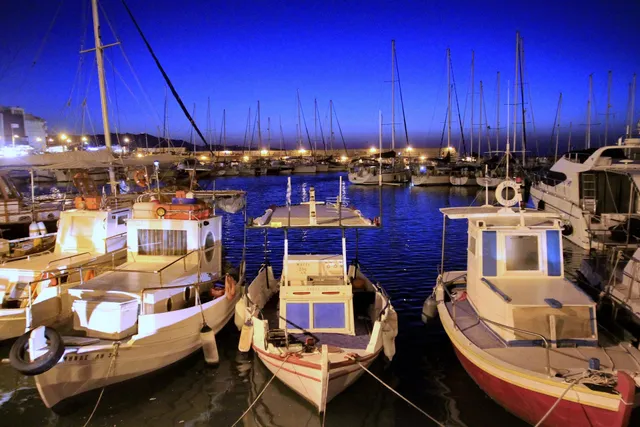
Heraklion Port Passenger Station
Pottery Workshop
Basilica di San Marco
Archaeological Museum
Pl. Daskalogianni 7
Sailing Crete
TransferPlan-Crete
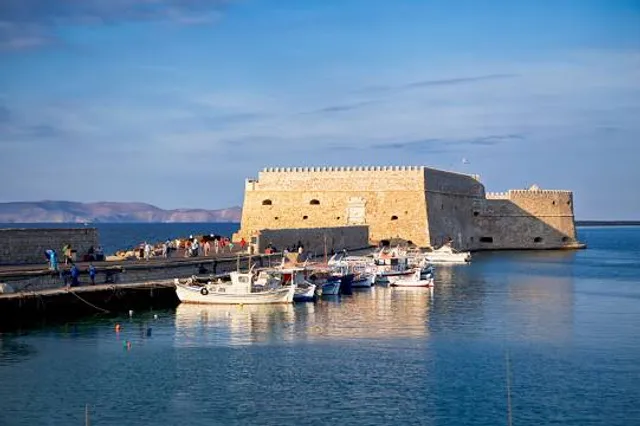
Venetian port in Heraklion
4.6
(2.3K)
Click for details
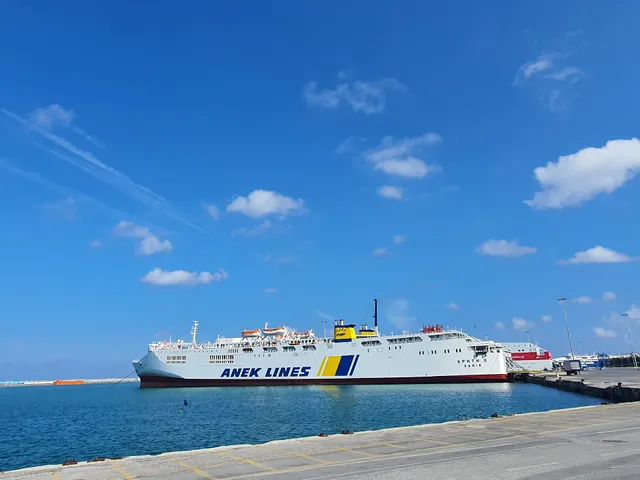
Heraklion Port Authority (H.P.A.)
4.2
(206)
Click for details
Natur elia
3.5
(84)
Click for details
Heraklion Port Passenger Station
4.2
(1.8K)
Click for details