Temple of Athena Polias and Zeus Polieus things to do, attractions, restaurants, events info and trip planning
Basic Info
Temple of Athena Polias and Zeus Polieus
Rhodes 851 00, Greece
4.2(206)
Open until 12:00 AM
Save
spot
spot
Ratings & Description
Info
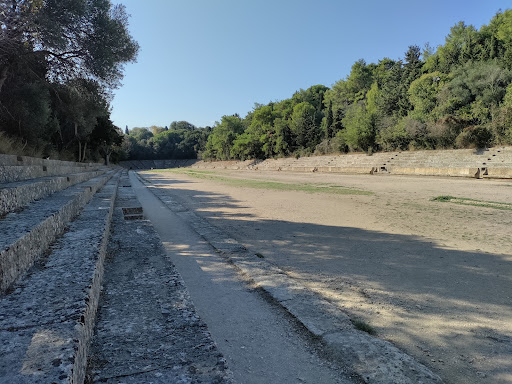
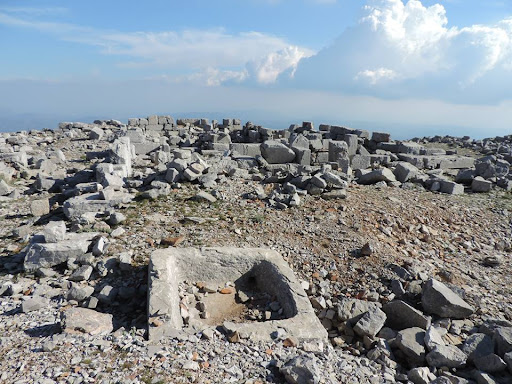
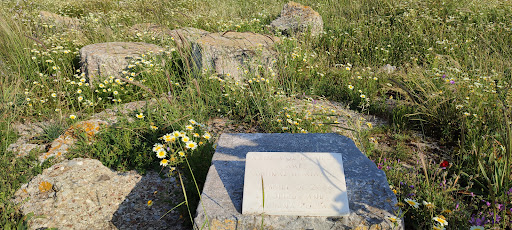
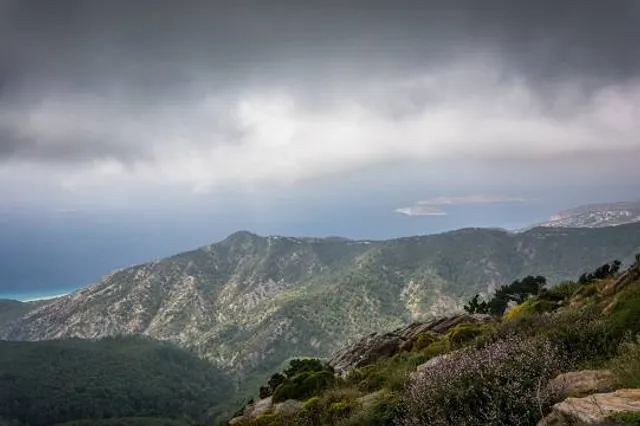
The Sanctuary of Zeus Polieus was a walled open-air sanctuary dedicated to Zeus Polieus around 500 BC on the Acropolis of Athens, sited to the Erechtheion's east. None of its foundations have been discovered and its trapezoid plan and many entrances have been worked out from rock cuttings on the Acropolis.
Cultural
Scenic
Outdoor
attractions: Kato Petres Beach, Acropolis of Rhodes, Ancient Stadium of Rhodes, restaurants: George's Grill House, Adikri restaurant, Loot, Homu Sushi Bar - Ρόδος, Capricci Italian Restaurant, Seva's Place, Martini Bar, Açai Plant Based Restaurant, ΤΑΜΑΜ Restaurant, Nook Cocktail Bar, local businesses: Cave Archangel Michael Panormitis, Apollo temple, Akti Kanari Beach, Leontos 8, Leontos 12
 Learn more insights from Wanderboat AI.
Open hoursSee all hours
WedOpen 24 hoursOpen
Plan your stay

Pet-friendly Hotels in Municipality of Rhodes
Find a cozy hotel nearby and make it a full experience.

Affordable Hotels in Municipality of Rhodes
Find a cozy hotel nearby and make it a full experience.

The Coolest Hotels You Haven't Heard Of (Yet)
Find a cozy hotel nearby and make it a full experience.

Trending Stays Worth the Hype in Municipality of Rhodes
Find a cozy hotel nearby and make it a full experience.
Reviews
Live events
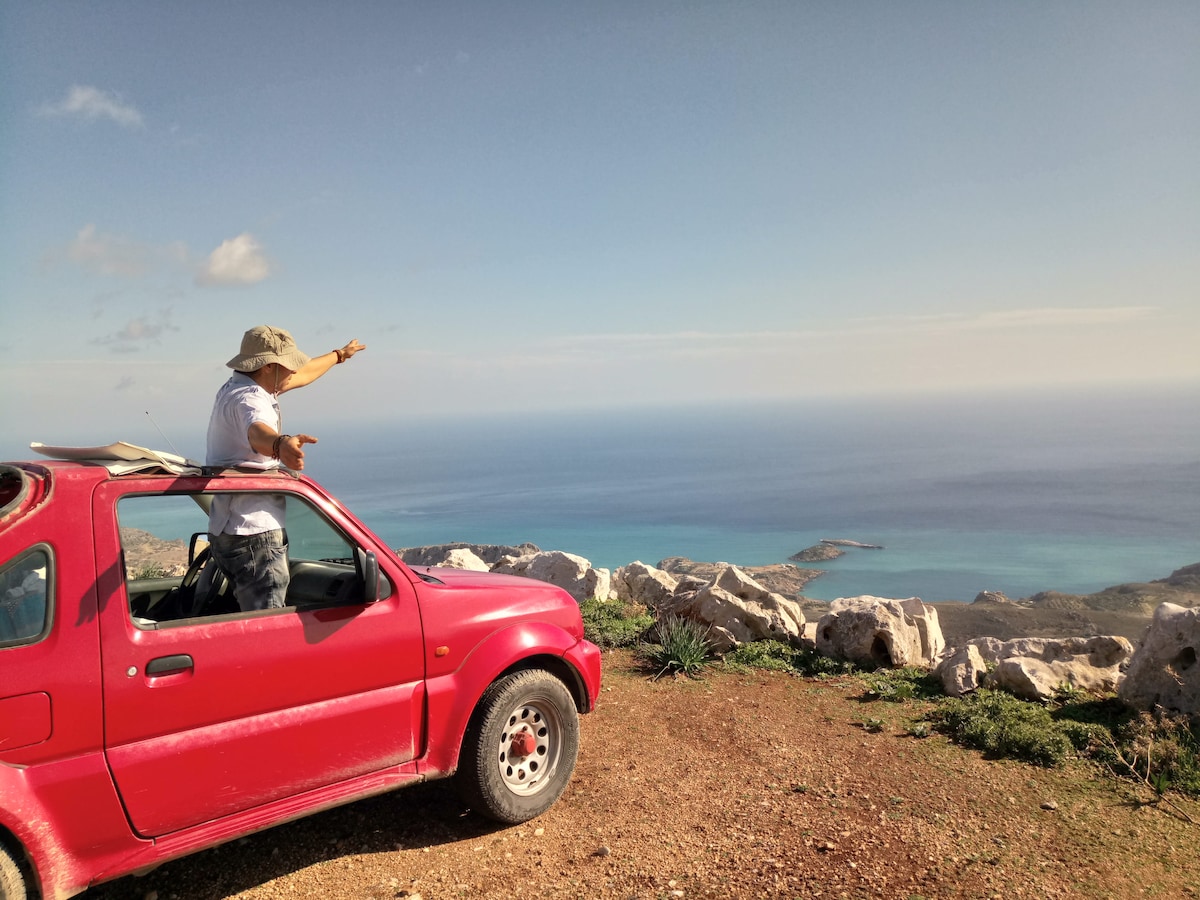
Explore hidden Rhodes
Wed, Feb 18 • 7:00 AM
851 00, Rhodes, Greece
View details
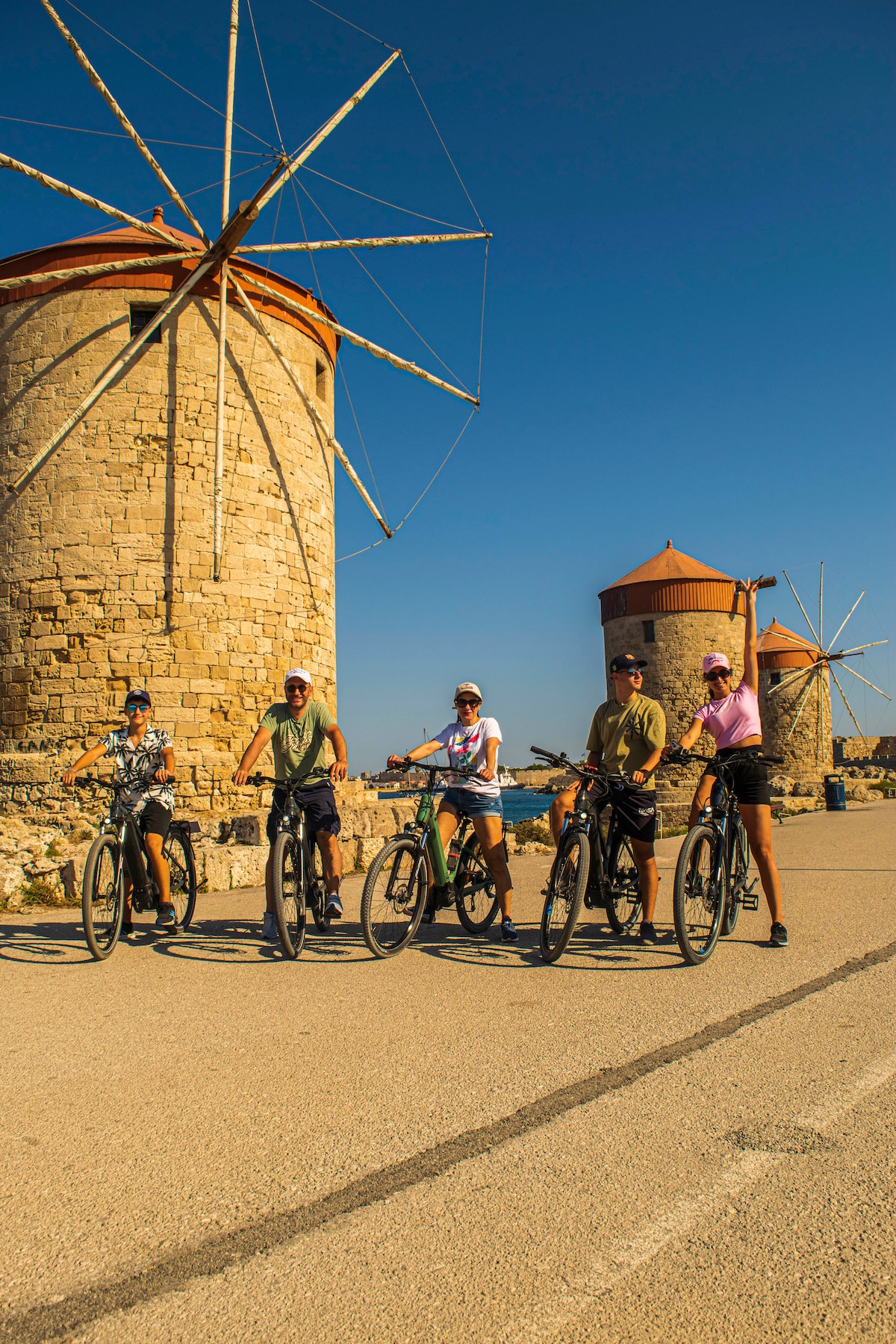
Ride medieval Rhodes with e-bike specialist
Wed, Feb 18 • 9:00 AM
85100, Rhodes, Greece
View details
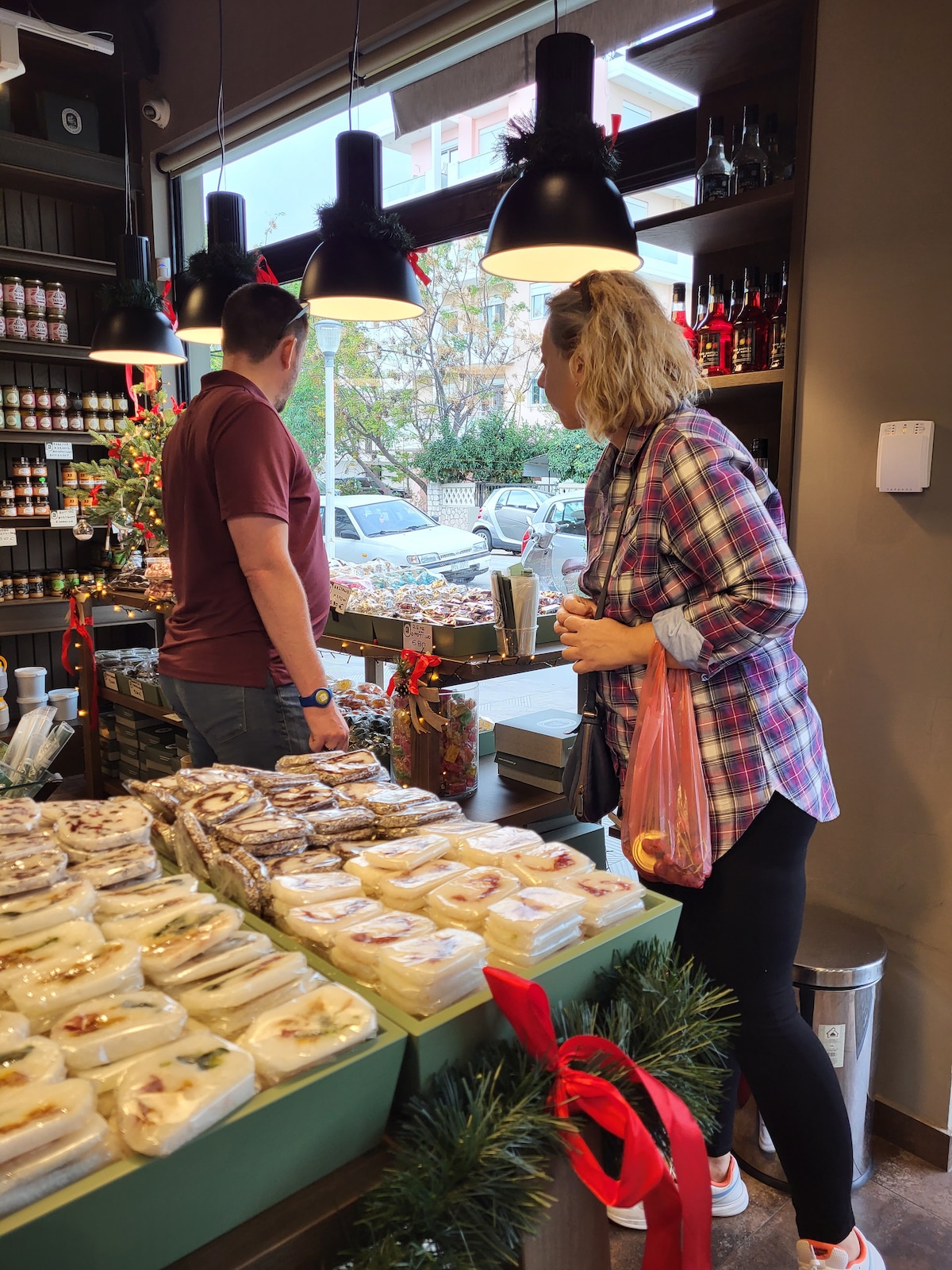
The Local Food markets tour
Wed, Feb 18 • 11:00 AM
851 32, Rhodes, Greece
View details
Nearby attractions of Temple of Athena Polias and Zeus Polieus
Kato Petres Beach
Acropolis of Rhodes
Ancient Stadium of Rhodes
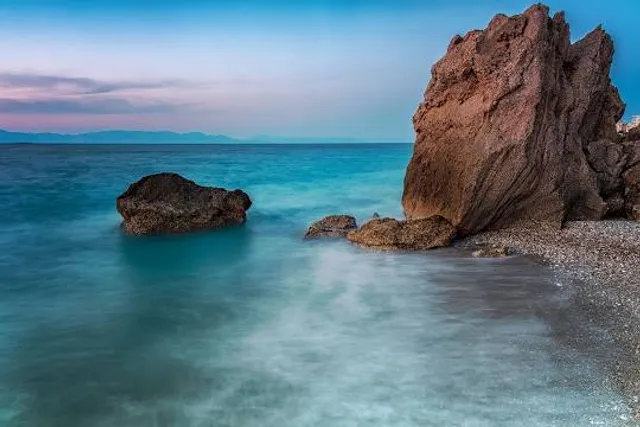
Kato Petres Beach
4.6
(129)
Open 24 hours
Click for details
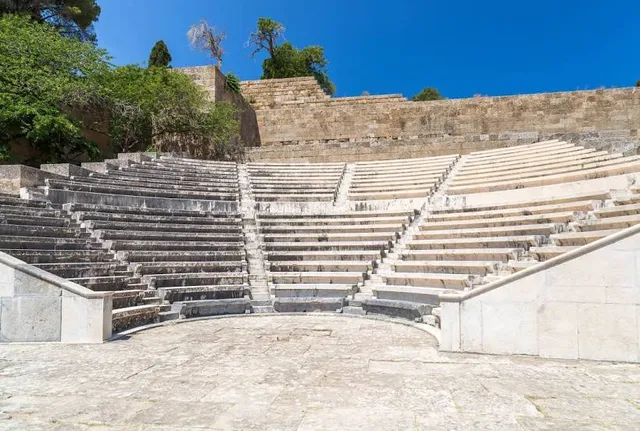
Acropolis of Rhodes
4.2
(778)
Closed
Click for details
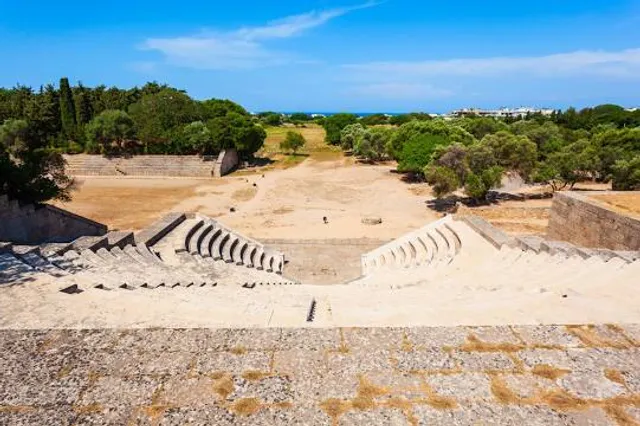
Ancient Stadium of Rhodes
4.6
(774)
Open until 12:00 AM
Click for details
Nearby restaurants of Temple of Athena Polias and Zeus Polieus
George's Grill House
Adikri restaurant
Loot
Homu Sushi Bar - Ρόδος
Capricci Italian Restaurant
Seva's Place
Martini Bar
Açai Plant Based Restaurant
ΤΑΜΑΜ Restaurant
Nook Cocktail Bar
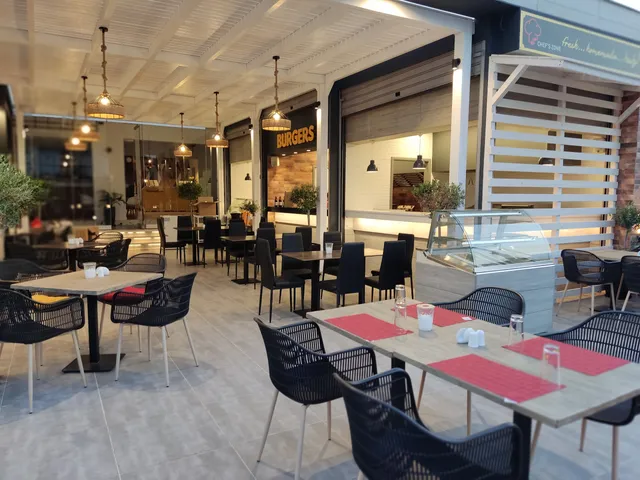
George's Grill House
4.7
(180)
Closed
Click for details
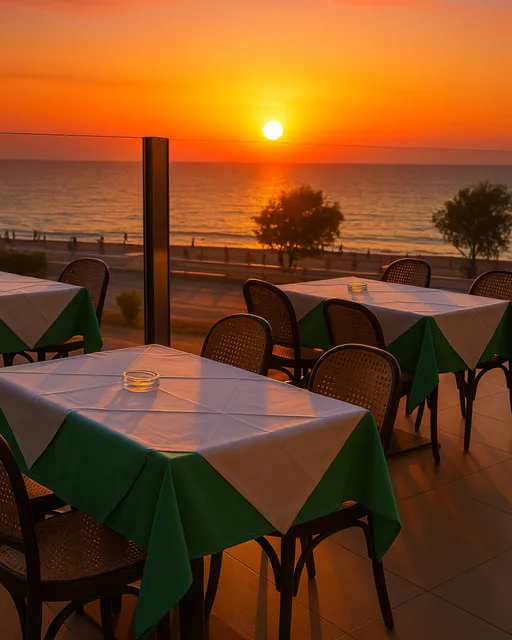
Adikri restaurant
4.9
(152)
Click for details
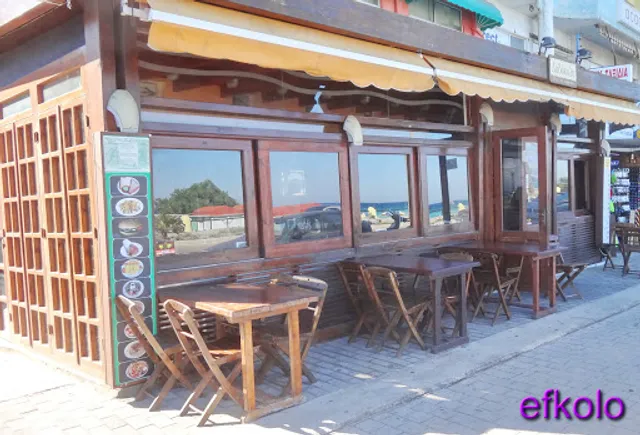
Loot
4.7
(129)
Closed
Click for details
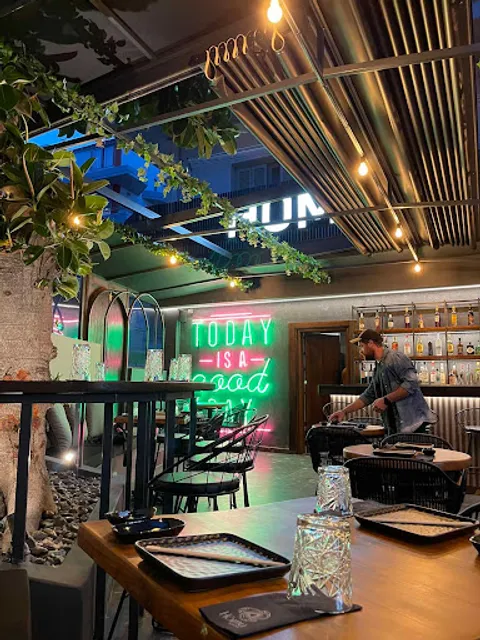
Homu Sushi Bar - Ρόδος
4.8
(1.6K)
Closed
Click for details
Nearby local services of Temple of Athena Polias and Zeus Polieus
Cave Archangel Michael Panormitis
Apollo temple
Akti Kanari Beach
Leontos 8
Leontos 12
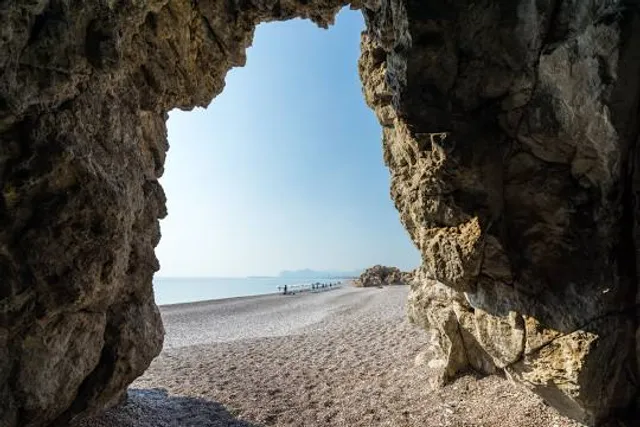
Cave Archangel Michael Panormitis
4.8
(310)
Click for details
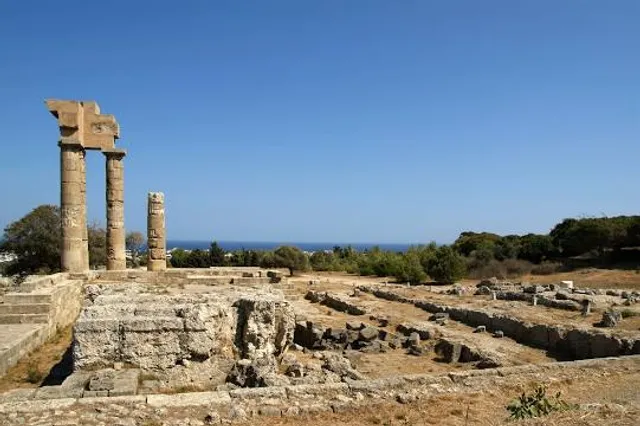
Apollo temple
4.0
(53)
Click for details
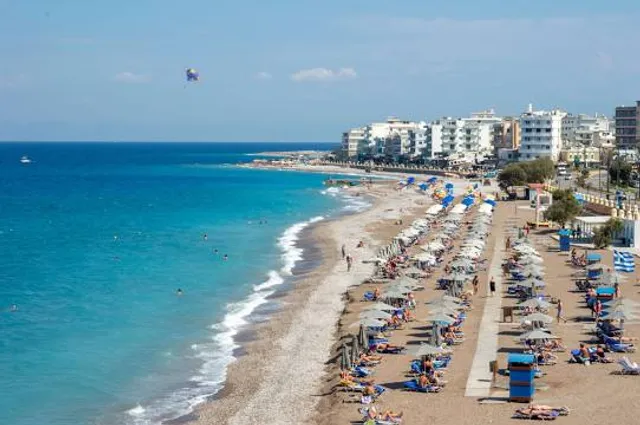
Akti Kanari Beach
4.3
(42)
Click for details
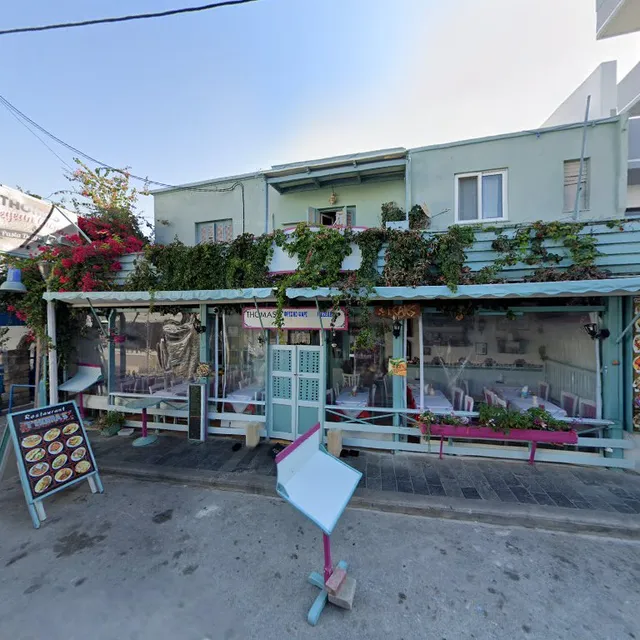
Leontos 8
4.5
(389)
Click for details