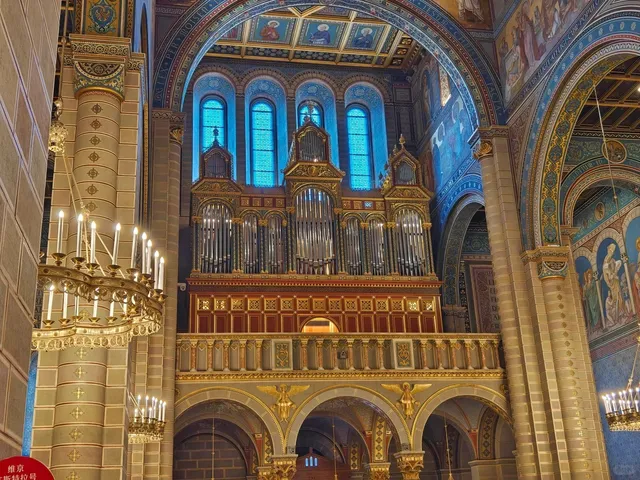
Pécs Cathedral is one of the most prominent historical and religious landmarks in the city of Pécs, located in southwestern Hungary. This cathedral boasts remarkable architecture and a long history dating back to the Middle Ages.
The original construction of Pécs Cathedral dates back to the 11th century, initially built on the foundations of an old Roman church. The cathedral has undergone several restorations and reconstructions over the centuries. It features a blend of architectural styles reflecting the influences of different eras, including Romanesque, Gothic, and Renaissance. During the 12th century, the cathedral saw significant expansions, and its original Romanesque design was enhanced with Gothic elements. In the 19th century, the cathedral underwent comprehensive restoration under the direction of architect Miklós Ybl, who added some classical elements.
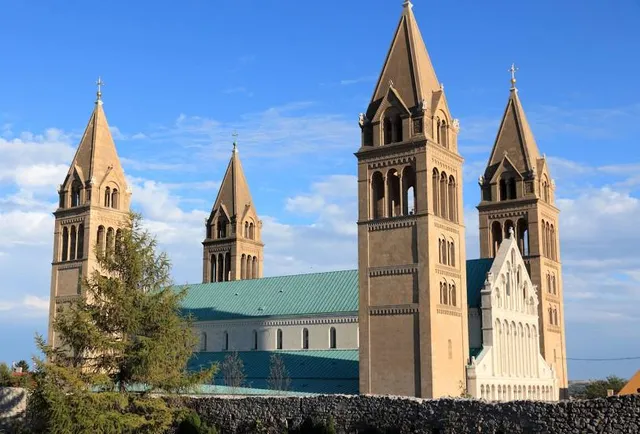
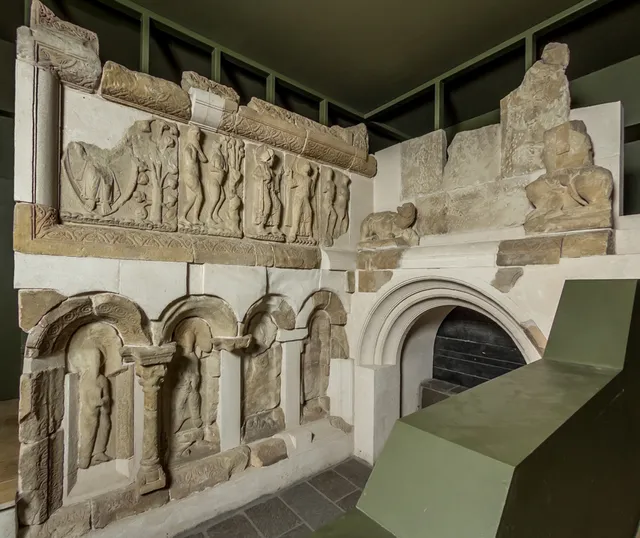
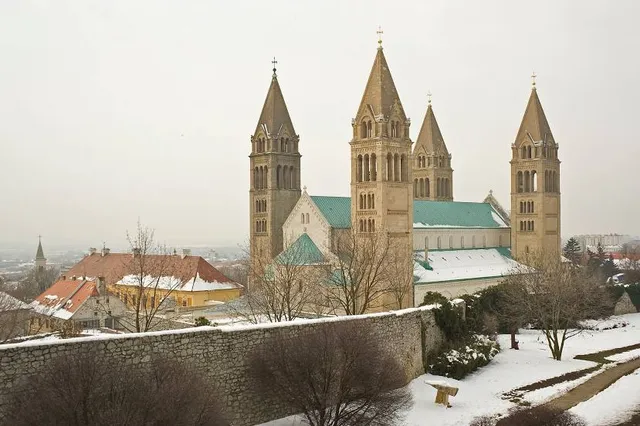
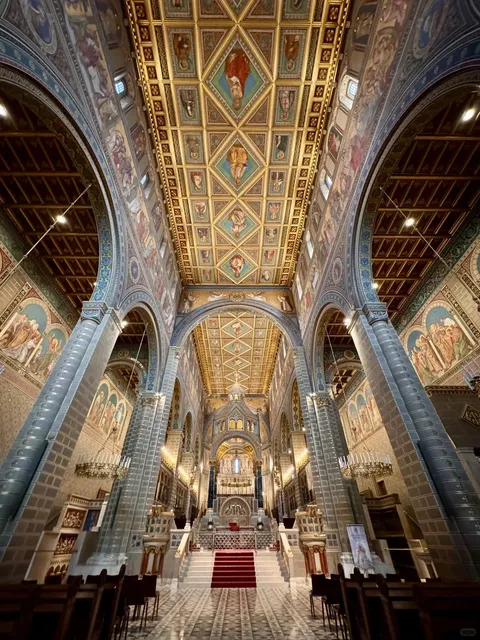
The cathedral’s facade is distinguished by its majestic appearance, consisting of four equally tall towers, giving it a unique character among European cathedrals. Inside, it houses large spaces adorned with frescoes and religious paintings, along with massive marble columns and ornate arches. The cathedral also contains a crypt dating back to Roman times, which is one of the oldest parts of the building. Additionally, it preserves a vast collection of artistic treasures, including ancient sculptures and rare religious icons.
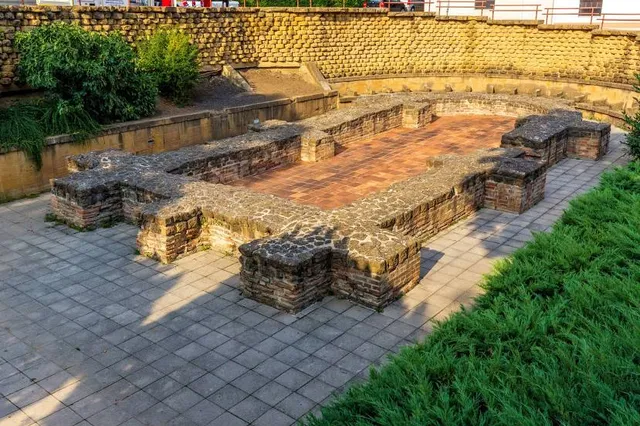
Pécs Cathedral serves as the seat of the Roman Catholic Diocese of Pécs, playing a central role in the religious life of the region. It is also part of the UNESCO World Heritage site "Early Christian Necropolis of Pécs," which includes ancient tombs from the Roman era.
The cathedral is a major tourist attraction in Pécs, drawing large numbers of visitors each year due to its unique design and rich history. It also hosts various religious and cultural activities, including concerts that take advantage of the building’s unique acoustics.
The cathedral is open to the public most days of the week, but it is advisable to check the opening hours in advance, especially during religious holidays. A small entrance fee may be required, which typically includes access to the cathedral's museum and crypt.
Pécs Cathedral is not just a religious building; it is a living testament to the evolution of art and architecture over the centuries, reflecting the rich history of Pécs and the...
Read moreThis is a Basilica minor categorized church, which is the seat of the Episcopal District of Pécs (geographically that are the Counties Baranya and Tolna). It has a long - around 900 years old - history. Of course, only pieces of the ancestor buildings have remained, because the church burned down during the centuries for several times. Luckily, each Bishop has rebuild it, but - obviously - in a bit different style. The building we can see nowadays became it's shapes in the 19th century.
I think this church is a beautiful one, situated on an grandious spot in the City Centre. Looks in parts similar to the huge Cathedral of St. Peter in Vatican (based on the baldahinom over the altar and the row of sculptures of Saints over the roof from the square side of the building). On each corner there is a huge tower (four in total), in one of them you can climb up under the roof and enjoy the unique skyline of the City. There are awesome frescoes all over the walls and a magnificent and recently totally renewed organ. Under the Basilica there is a nine centuries old basement, where one of the previous Bishops and known Poet, Janus Pannonius, has...
Read moreScroll down for the English version.
Pécsi dóm és környéke történetei A Pécsi dóm, hivatalos nevén a Szent Péter- és Szent Pál-székesegyház, Magyarország egyik legjelentősebb történelmi és kulturális emléke. Az épület és környéke számos érdekes és izgalmas történetet rejt.
Romantikus és szép történetek A székesegyház alapjait a 4. század végén rakták le, és az évszázadok során többször átépítették. A középkorban a templom környéke a város szíve volt, ahol számos romantikus történet született. Az egyik legismertebb legenda szerint egy fiatal szerelmespár, akik nem lehettek együtt a társadalmi különbségek miatt, titokban találkoztak a dóm altemplomában.
Vad és pikáns történetek A török hódoltság idején a székesegyházat mecsetté alakították át, és a környék vad és pikáns események színhelyévé vált. A legenda szerint a török katonák gyakran rendeztek itt mulatságokat, amelyek nem mindig voltak tisztességesek.
Történelmi események és változások A székesegyház és környéke számos történelmi esemény tanúja volt. 1064-ben itt koronázták meg Salamon királyt, és a templom többször is leégett, majd újjáépítették. A 19. század végén Friedrich von Schmidt tervei alapján nyerte el mai neoromán formáját.
Közterület neve és jellege A Dóm tér neve és jellege az évszázadok során többször változott. A középkorban a tér a város központja volt, ahol piacokat és ünnepségeket tartottak. A 20. században a tér modernizálódott, és ma már rendezett parkok és sétányok veszik körül.
English version. Stories of Pécs Cathedral and its Surroundings The Pécs Cathedral, officially known as the Cathedral of St. Peter and St. Paul, is one of Hungary’s most significant historical and cultural landmarks. The building and its surroundings are filled with numerous interesting and exciting stories.
Romantic and Beautiful Stories The foundations of the cathedral were laid at the end of the 4th century, and it has been rebuilt several times over the centuries. In the Middle Ages, the area around the cathedral was the heart of the city, where many romantic stories were born. One of the most famous legends tells of a young couple who, unable to be together due to social differences, secretly met in the crypt of the cathedral.
Wild and Spicy Stories During the Turkish occupation, the cathedral was converted into a mosque, and the area became the scene of wild and spicy events. According to legend, Turkish soldiers often held feasts here that were not always decent.
Historical Events and Changes The cathedral and its surroundings have witnessed numerous historical events. In 1064, King Solomon was crowned here, and the church burned down several times, only to be rebuilt. At the end of the 19th century, it was redesigned in its current Neo-Romanesque style by Friedrich von Schmidt.
Changes in the Public Area’s Name and Character The name and character of Dóm Square have changed several times over the centuries. In the Middle Ages, the square was the city’s center, hosting markets and celebrations. In the 20th century, the square was modernized, and today it is surrounded by well-maintained parks and walkways.
Fotó: 1932 Fortepan / Vincent...
Read more