HTML SitemapExplore

Akbar's Church — Attraction in Agra

Name
Akbar's Church
Description
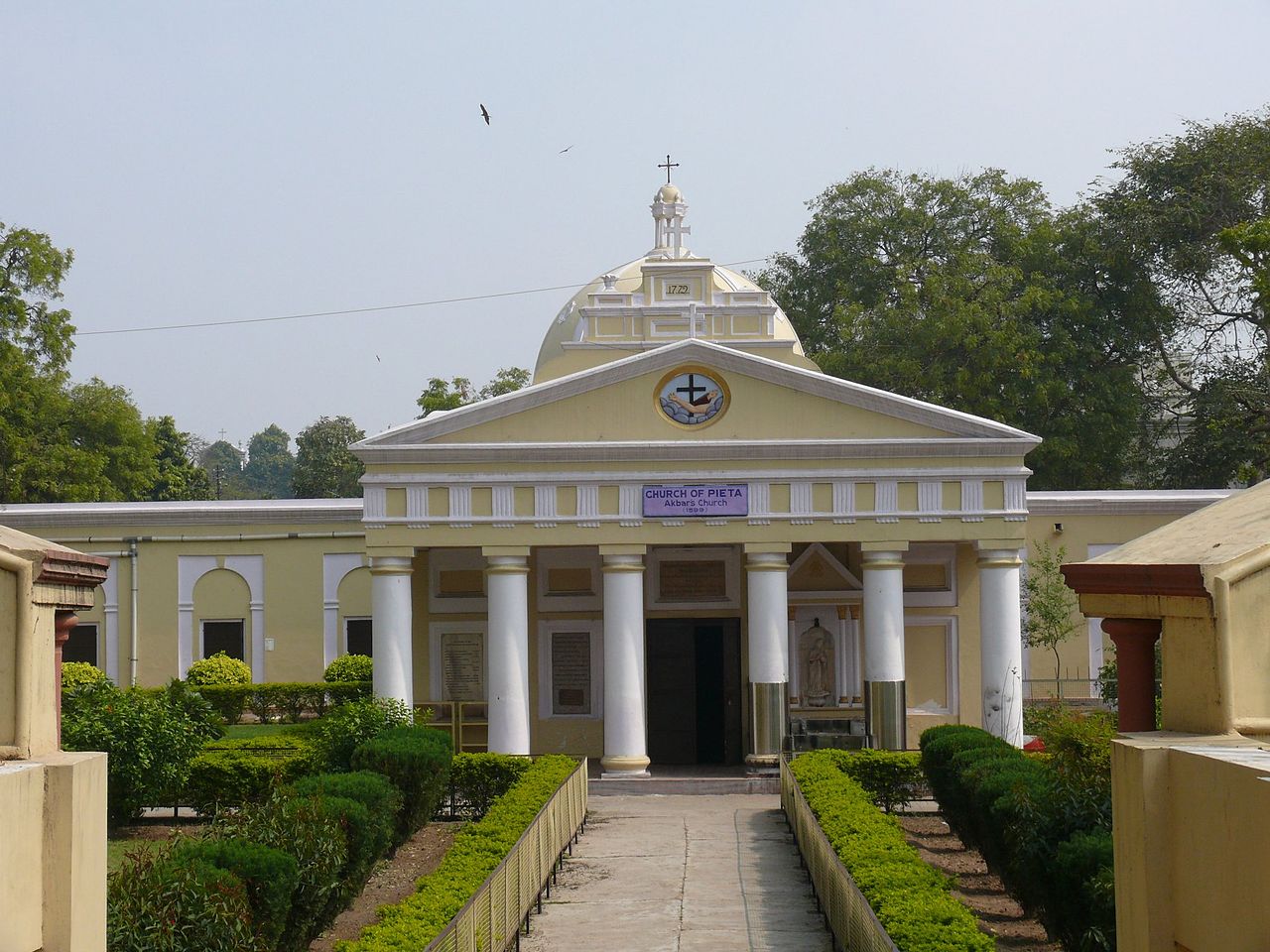
Akbar's Church also known as Church of Akbar is a Roman Catholic Church, built in 1600 by Jesuit Fathers, situated in Agra, India.
Nearby attractions
Paliwal Park
Pandit Motilal Nehru Rd, Civil Lines, Agra, Uttar Pradesh 282003, India
Shaheed Smarak
52X3+9WG, Bagirati Rd, Near Axis Bank, Sanjay Palace, Sanjay Place, Civil Lines, Agra, Uttar Pradesh 282002, India
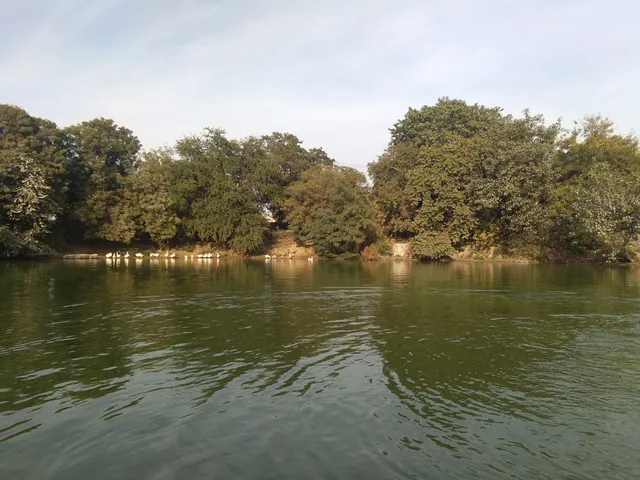
Paliwal Park Lake
Civil Lines, Agra, Uttar Pradesh 282003
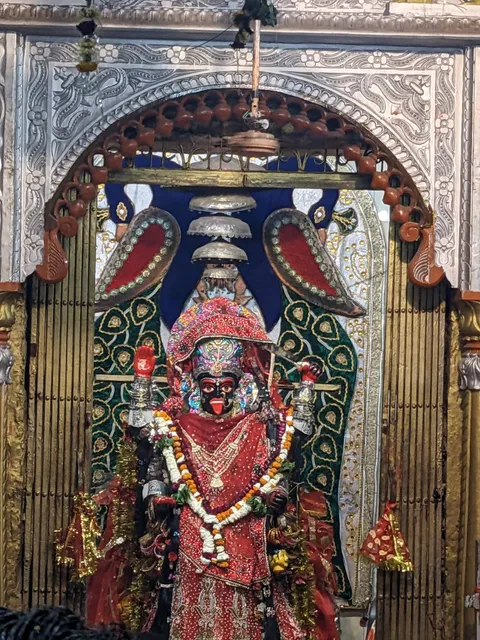
Kalibari Temple
52Q5+VWJ, Kali Bari Road, MM Darwaza Rd, Crossing, Agra, Uttar Pradesh 282003, India
Nearby restaurants
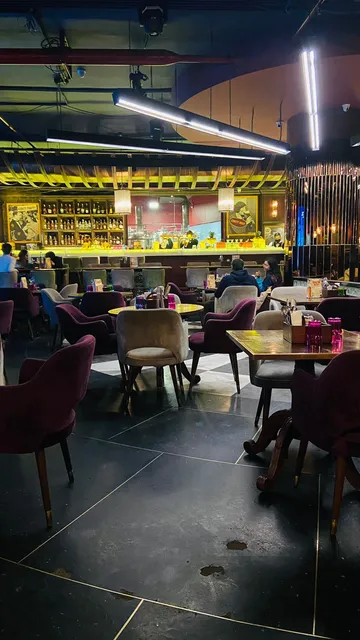
Lights Out - Lounge & Roofpark
9th Floor, Corporate Park, Block, 109, Sanjay Palace, Sanjay Place, Civil Lines, Agra, Uttar Pradesh 282004, India
Kiskey whiskey
120, Ashok Cosmos Mall, 119/8, 8, Wazirpura Rd, Sanjay Palace, Sanjay Place, Civil Lines, Agra, Uttar Pradesh 282002, India
Barbeque Nation - Agra - Ashok Cosmos Mall
3rd, Sanjay Place, Civil Lines, Agra, Uttar Pradesh 282002, India
Jobaaj Work Cafe
8th Floor, Corporate Park, Zudio Building / Adhar Building, opposite GG Hospital, Sanjay Palace, Sanjay Place, Civil Lines, Agra, Uttar Pradesh 282002, India
Domino's Pizza | Sanjay Place, Agra
Shop No. 114, Deep Shikha Complex, 23 G, Wazirpura Rd, near Sanjay Talkies, Sanjay Palace, Wazirpura, Sanjay Place, Civil Lines, Agra, Uttar Pradesh 282002, India
Pinch Of Spice
23, 453, Wazirpura Rd, opp. Sanjay Cinema, Nagar Nigam Colony, Wazirpura, Sanjay Place, Civil Lines, Agra, Uttar Pradesh 282002, India
Chai Sutta Bar
52X4+WVW, Shop No.8A Block E 11/8 Prateek Tower, Sanjay Place, Civil Lines, Agra, Uttar Pradesh 282002, India
Amritsari Kulcha Naan
Shop .no. 114/2, Deep Shikha Complex, Sanjay Palace, Sanjay Place, Civil Lines, Agra, Uttar Pradesh 282002, India
Shiva Dhaba
Shop No 1, Ghatiya Azam Kha, Railway Market, Mandi Said, Naya Bans, Agra, Uttar Pradesh 282003, India
Haldiram's - Sanjay Place, Agra
Basement, Ground floor & First floor, Plot No 26 G/114-116, Sanjay Palace, Sanjay Place, Civil Lines, Agra, Uttar Pradesh 282002, India
Nearby local services
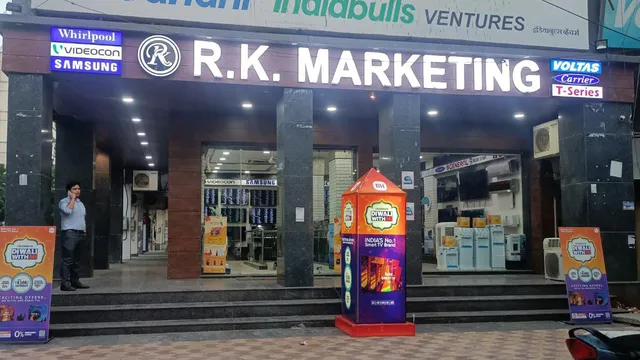
RK Marketing, Sanjay Place | Best Electronics Showroom in Agra
Narayan Tower, Sanjay Palace, Sanjay Place, Civil Lines, Agra, Uttar Pradesh 282002, India
Nearby hotels
Hotel Nuova
BLOCK NO. S, 23, Wazirpura Rd, near St. Patrick's Junior College, Sanjay Palace, Sanjay Place, Civil Lines, Agra, Uttar Pradesh 282002, India
Fairfield by Marriott Agra
119/8 & 120/8, Wazirpura Rd, Sanjay Palace, Sanjay Place, Civil Lines, Agra, Uttar Pradesh 282002, India
Hotel king park avenue
Building no, 18/103, opp. B.P oil mill, Neel Kanth Mahadev Mohalla, Ghatia, Azam khan, Agra, Uttar Pradesh 282003, India
The PL Palace Hotel
Mahatma Gandhi Rd, near Income Tax Office, Sanjay Palace, Sanjay Place, Civil Lines, Agra, Uttar Pradesh 282002, India
OYO 11647 Hotel Metro
36, 115, Wazirpura Rd, near Cafe Coffee Day, Sanjay Place, Civil Lines, Agra, Uttar Pradesh 282002, India
Holiday Inn Agra Mg Road, an IHG Hotel
Commercial Complex, 16/2/8, Mahatma Gandhi Marg, Sanjay Palace, Sanjay Place, Civil Lines, Agra, Uttar Pradesh 282002, India
Hotel Solitaire & Restaurant
Hotel Solitaire Hariparwat Crossing, Mahatma Gandhi Rd, Agra, Uttar Pradesh 282002, India
Hotel Blue Sapphire
Swadeshi Beema Nagar, 2/213, Mahatma Gandhi Rd, Opposite Agra Nagar Nigam, Opp Shah Cinema, Ramnagar Colony, Civil Lines, Agra, Uttar Pradesh 282002, India
Related posts
Keywords
Akbar's Church tourism.Akbar's Church hotels.Akbar's Church bed and breakfast. flights to Akbar's Church.Akbar's Church attractions.Akbar's Church restaurants.Akbar's Church local services.Akbar's Church travel.Akbar's Church travel guide.Akbar's Church travel blog.Akbar's Church pictures.Akbar's Church photos.Akbar's Church travel tips.Akbar's Church maps.Akbar's Church things to do.
Akbar's Church things to do, attractions, restaurants, events info and trip planning
Akbar's Church
IndiaUttar PradeshAgraAkbar's Church

Basic Info

Akbar's Church

52W6+W5J, Wazirpura Rd, Kamla Nagar, Civil Lines, Agra, Uttar Pradesh 282003, India
4.5(73)
Open until 12:00 AM
Save
spot

Ratings & Description

Info

Akbar's Church also known as Church of Akbar is a Roman Catholic Church, built in 1600 by Jesuit Fathers, situated in Agra, India.

Cultural
Scenic
Family friendly
Accessibility
attractions: Paliwal Park, Shaheed Smarak, Paliwal Park Lake, Kalibari Temple, restaurants: Lights Out - Lounge & Roofpark, Kiskey whiskey, Barbeque Nation - Agra - Ashok Cosmos Mall, Jobaaj Work Cafe, Domino's Pizza | Sanjay Place, Agra, Pinch Of Spice, Chai Sutta Bar, Amritsari Kulcha Naan, Shiva Dhaba, Haldiram's - Sanjay Place, Agra, local businesses: RK Marketing, Sanjay Place | Best Electronics Showroom in Agra
logoLearn more insights from Wanderboat AI.
Phone
+91 562 285 1318
Website
agraarchdiocese.com
Open hoursSee all hours
Mon11 AM - 6 PMOpen

Plan your stay

hotel
Pet-friendly Hotels in Agra
Find a cozy hotel nearby and make it a full experience.

hotel
Affordable Hotels in Agra
Find a cozy hotel nearby and make it a full experience.

hotel
The Coolest Hotels You Haven't Heard Of (Yet)
Find a cozy hotel nearby and make it a full experience.

hotel
Trending Stays Worth the Hype in Agra
Find a cozy hotel nearby and make it a full experience.

Reviews

Live events
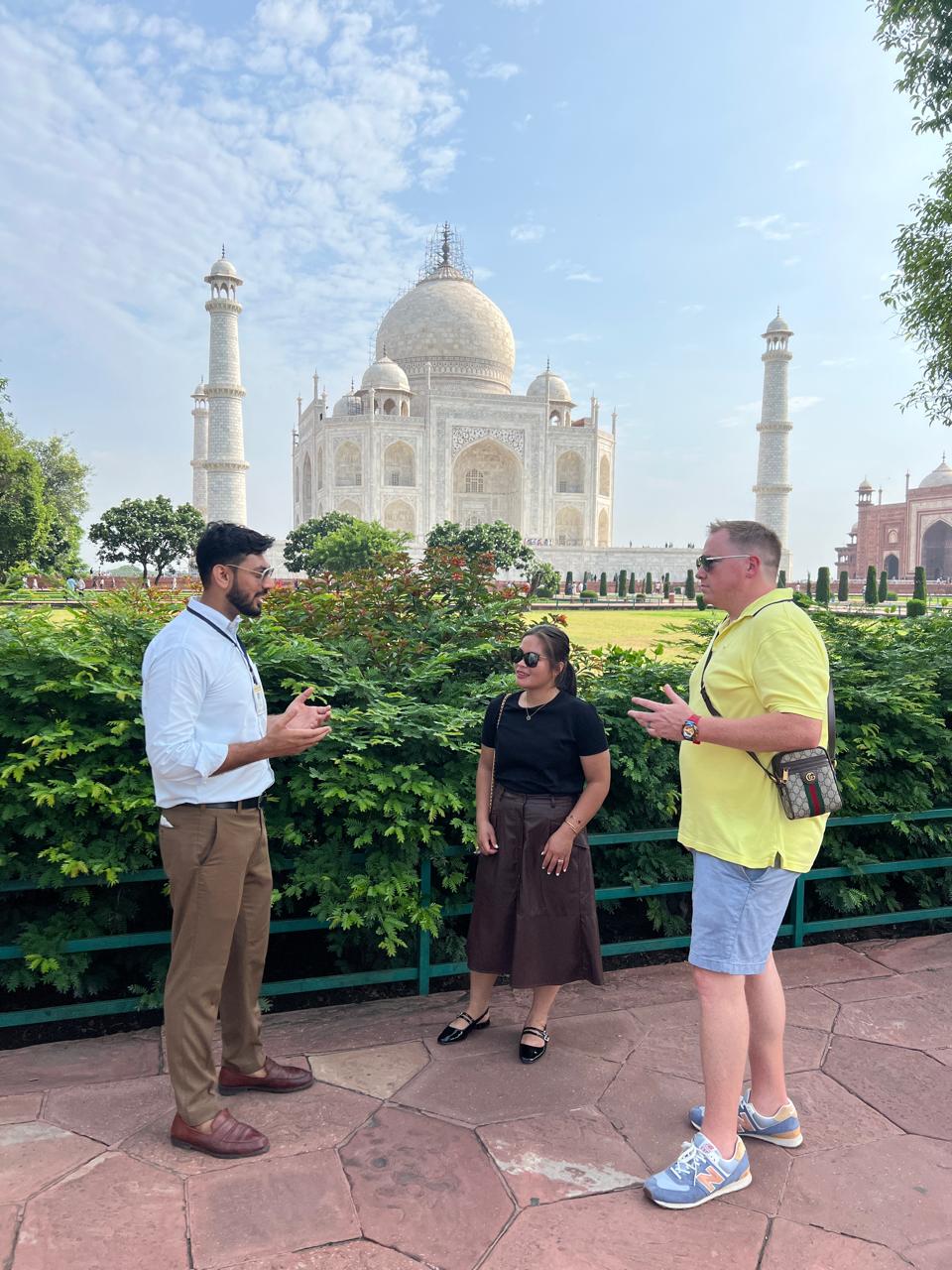
Private guided sunrise visit to Taj Mahal
Tue, Jan 20 • 5:30 AM
Agra, Uttar Pradesh, 282001, India
View details
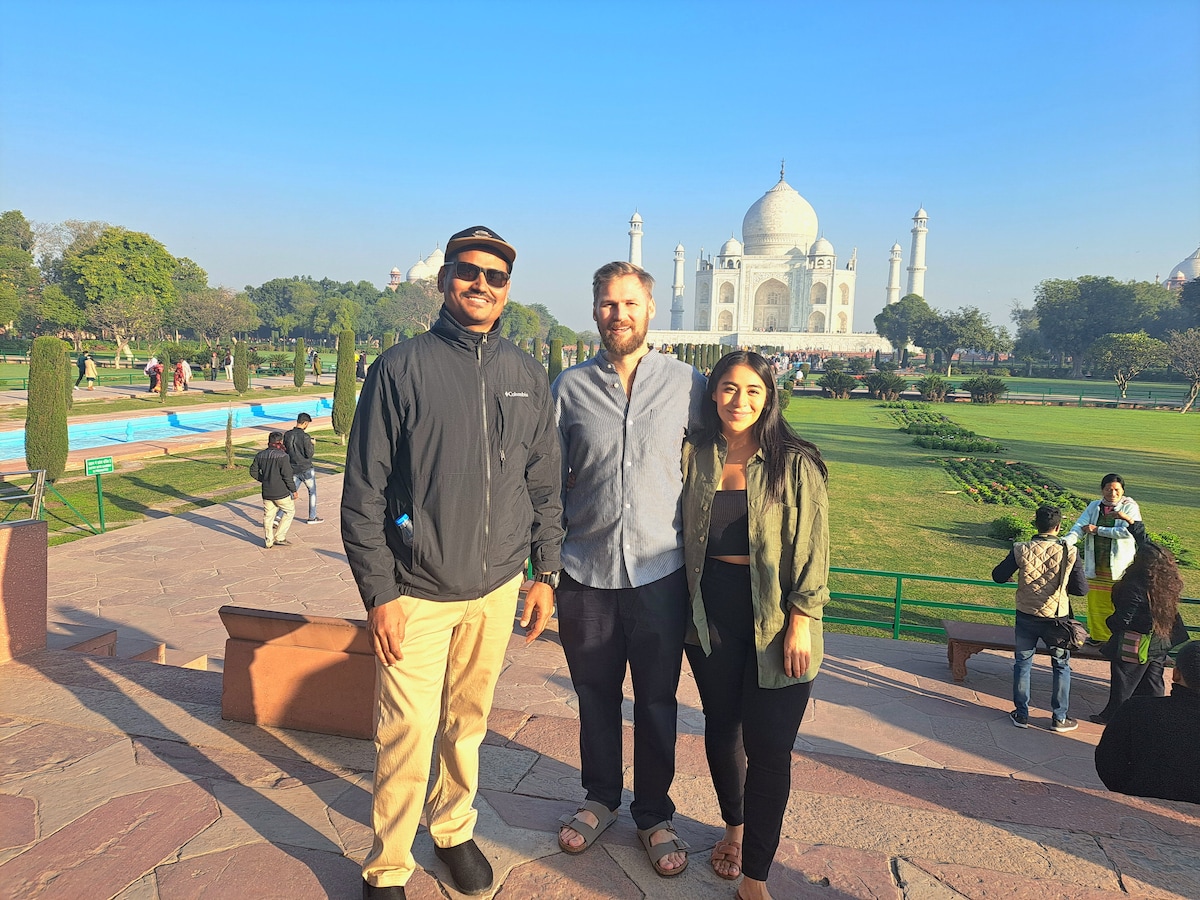
Taj Mahal Sunrise tour with Photography &Agra Fort
Tue, Jan 20 • 5:00 AM
Agra, Uttar Pradesh, 282004, India
View details
Fully Customizable tour of Taj Mahal and Agra Fort
Wed, Jan 21 • 8:30 AM
Dhandhupura, Uttar Pradesh, 282001, India
View details
Nearby attractions of Akbar's Church

Paliwal Park

Shaheed Smarak

Paliwal Park Lake

Kalibari Temple
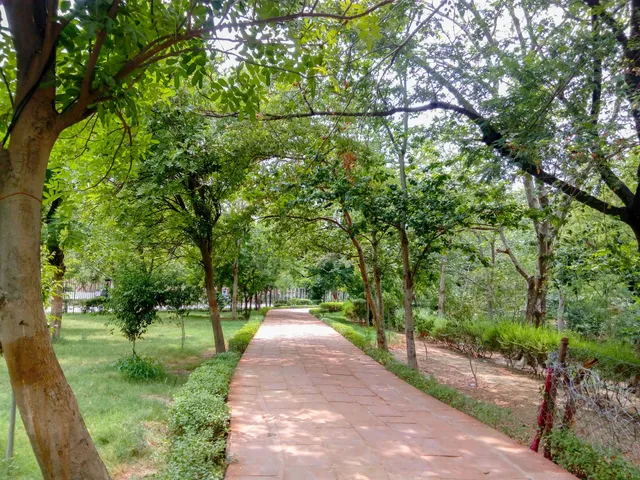
Paliwal Park

Paliwal Park

4.1

(2.5K)

Closed
Click for details
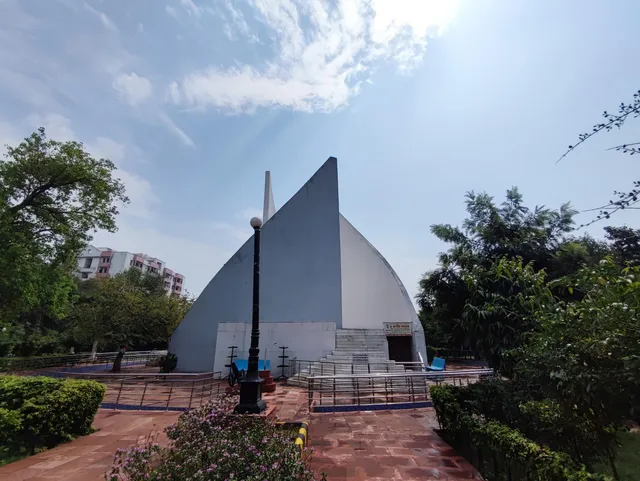
Shaheed Smarak

Shaheed Smarak

4.1

(1.6K)

Closed
Click for details
Paliwal Park Lake

Paliwal Park Lake

3.9

(42)

Open 24 hours
Click for details
Kalibari Temple

Kalibari Temple

4.7

(111)

Closed
Click for details

Nearby restaurants of Akbar's Church

Lights Out - Lounge & Roofpark

Kiskey whiskey

Barbeque Nation - Agra - Ashok Cosmos Mall

Jobaaj Work Cafe

Domino's Pizza | Sanjay Place, Agra

Pinch Of Spice

Chai Sutta Bar

Amritsari Kulcha Naan

Shiva Dhaba

Haldiram's - Sanjay Place, Agra
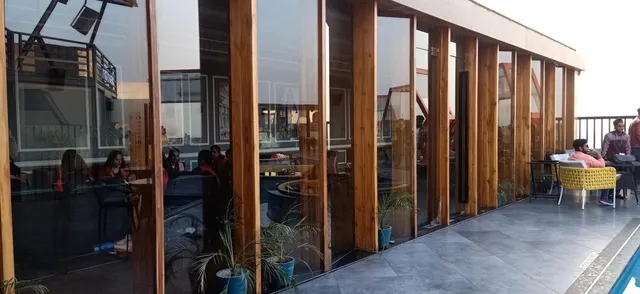
Lights Out - Lounge & Roofpark

Lights Out - Lounge & Roofpark

4.0

(909)

$$$

Open until 12:30 AM
Click for details
Kiskey whiskey

Kiskey whiskey

4.2

(1.2K)

$$$

Open until 12:00 AM
Click for details
Barbeque Nation - Agra - Ashok Cosmos Mall

Barbeque Nation - Agra - Ashok Cosmos Mall

4.3

(949)

Open until 10:45 PM
Click for details
Jobaaj Work Cafe

Jobaaj Work Cafe

4.8

(155)

Open until 10:00 PM
Click for details

Nearby local services of Akbar's Church

RK Marketing, Sanjay Place | Best Electronics Showroom in Agra

RK Marketing, Sanjay Place | Best Electronics Showroom in Agra

RK Marketing, Sanjay Place | Best Electronics Showroom in Agra

4.9

(413)

Click for details
Get the Appoverlay
Get the AppOne tap to find yournext favorite spots!
Wanderboat LogoWanderboat

Your everyday Al companion for getaway ideas

CompanyAbout Us
InformationAI Trip PlannerSitemap
SocialXInstagramTiktokLinkedin
LegalTerms of ServicePrivacy Policy

Get the app

© 2025 Wanderboat. All rights reserved.

Posts

Aditya MalaviyaAditya Malaviya
Tucked away in the quieter Civil Lines of Agra, not far from Kamala Nagar, stands a church that doesn’t shout for attention — but quietly holds centuries of extraordinary stories. This is Akbar’s Church, also known as the Church of Akbari Beginnings, and it is easily one of the most fascinating — and underrated — historical sites I’ve ever stepped into. You wouldn’t expect to find a 16th-century Christian church at the heart of the Mughal Empire, but then again, Akbar wasn’t your usual emperor. In a city dominated by the Taj Mahal and Agra Fort, this modest church has its own claim to fame — it was the first church in Agra, built in 1598, and quite possibly the first place in India where Christmas carols were sung. I stepped in on a quiet afternoon. The outside is unassuming, almost quaint, especially when viewed next to the towering Cathedral of the Immaculate Conception (built later in 1848). But once inside, it’s impossible not to feel the weight of history. You can still sense the hush of candlelight, the echo of hymns, and the shadows of centuries of celebration and conflict. The story of the church began with three Jesuit priests from Goa, invited by Emperor Akbar in 1580 during his well-documented phase of religious curiosity and experimentation. They came not to convert the empire — they knew better — but to converse. Akbar, ever the intellectual, was interested in everything: Sufism, Hindu philosophy, Zoroastrianism, and yes, Christianity too. In a remarkable gesture of religious openness, he granted land near an Armenian Christian settlement and funded the construction of a small chapel. This became Akbar’s Church. It was here, amid Armenian jewellers, European traders, and Mughal nobles, that the first Nativity plays in India were staged. On Christmas Day, Akbar would lead a full royal procession on elephant-back to attend Mass — imagine drums, music, and Mughal pageantry converging on a Christian chapel! The atmosphere of inclusivity continued under Jahangir, Akbar’s son, who even baptised some of his nephews here and gave further endowments. The church grew in stature and size, becoming a centre of Christian life in Mughal Agra. But history, of course, doesn’t sit still. In 1635, things turned. Emperor Shah Jahan, in the aftermath of his war with the Portuguese, ordered the church torn down and the Jesuits expelled. But diplomacy returned, and so did the church — it was rebuilt just a year later in 1636. Then came more turbulent times. When Ahmad Shah Abdali invaded in 1769, the church was set on fire. It took the intervention of the legendary Walter Reinhardt Sombre, a European mercenary, to restore it. His wife, the formidable Begum Samru of Sardhana, was baptised here in 1781, adding yet another iconic chapter to the church’s legacy. Today, the structure that stands dates back to 1848, an architectural blend of Mughal restraint and European elegance. Inside, the arched ceiling echoes the older structure, and if you close your eyes, you can almost hear the polyphonic layers of Persian, Latin, and Hindustani drifting through time. If you’re visiting Agra, do carve out half an hour for Akbar’s Church.
Muhammad HashimMuhammad Hashim
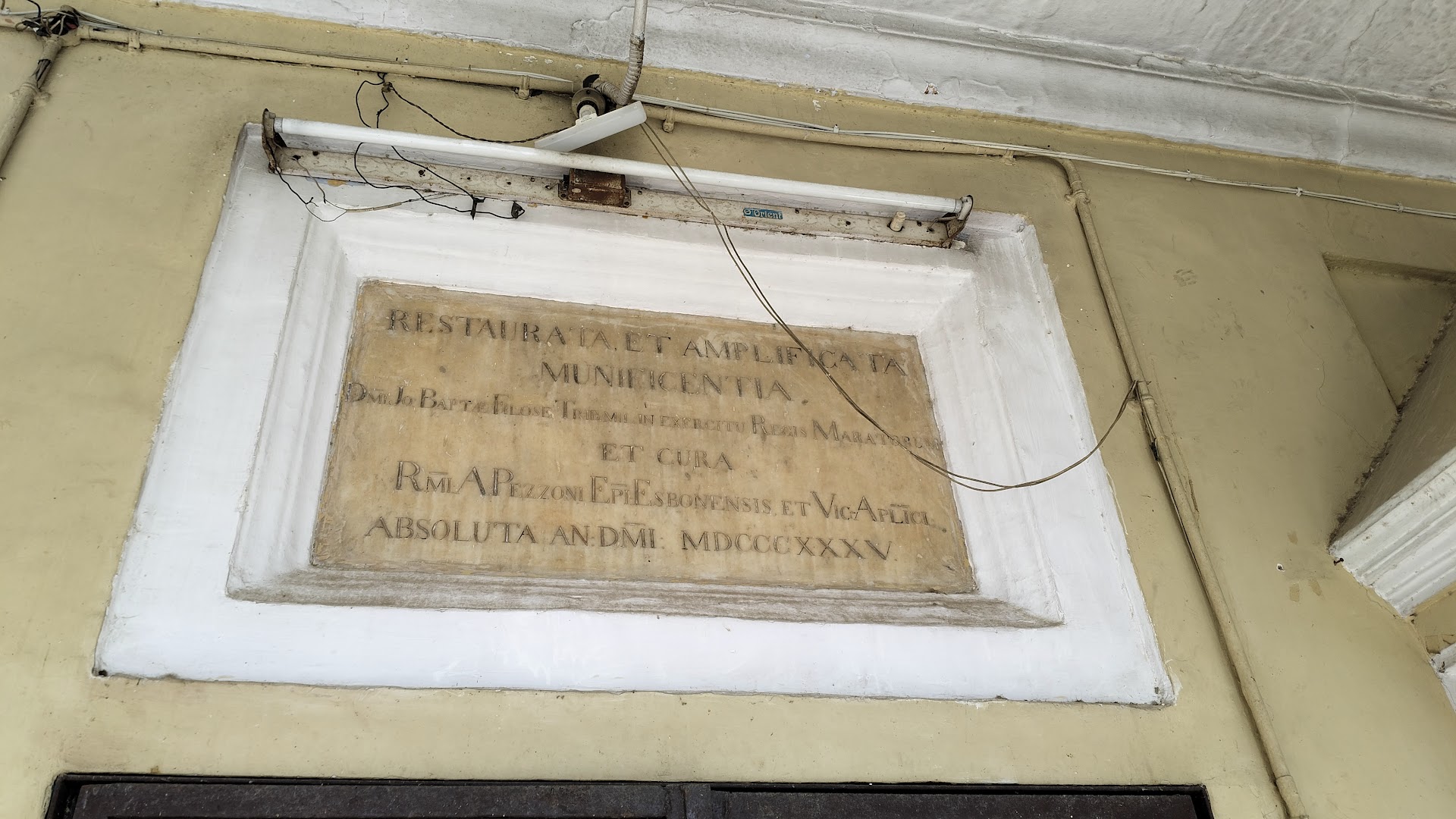
Akbar's Church  also known as Church of Akbar is a Roman Catholic Church, built in 1600 by Jesuit Fathers, situated in Agra, India Jesuit priest were invited by Mughal Emperor Akbar the Great from Goa to learn more about Christianity. So, Father Rodolfe Aquauiua, the Father Antoine de Monserrat and the Father Francois Henriques reached Agra on 18 February 1580. Akbar learnt about Christianity and gave land to Jesuit fathers to built a Church in Agra. This was the first Roman Catholic Church in Mughal Empire. After Akbar it was his son Jahangir who donated for further expansion of the Church[5]. Khwaja Martins and Mirza Sikandar Junior too contributed for the expansion. The church was demolished by Emperor Shah Jahan in 1635, after he captured Jesuit Priests crossing religious limits of Islam and agreed to release them only if they demolish the Church. The Church was rebuilt in 1636 by the permission of Mughal Emperor Shah Jahan after the pardon of Jesuits. First Holy Mass was celebrated in the Church on 8 September 1636. In 1761, in the aftermath of the Third Battle of Panipat the church was looted by Afghan Invaders under Ahmed Shah Abdali[6]. In 1769 the church was rebuilt by Father Wendel S.J. with the help of Walter Reinhardt, Commander of Agra Fort. Bishop Antonino Pezzoni, O.F.M. Cap. extended the church westward with the contribution from Jean Baptiste Filose in 1835.
Adrian CoreraAdrian Corera
Agra is perhaps the most Mughal of cities in India with the Taj Mahal, Akbar Fort and then the Fatehpur Sikri close by. But little is known about the Christian side of Agra, largely due to the patronage of Akbar and his son Jehangir. The story goes back to 1580 when three Jesuit priests from Goa reached Agra at the invitation of the Emperor, who provided the land and resources for the building of the church. What stands today is the church built in 1848, after the original church was pulled down in 1635 on Emperor Shah Jehan's insistence, rebuilt a year later and then ransacked and destroyed by Ahmed Shah in 1769. The Church is a quaint structure, dwarfed by the imposing Cathedral of the Immaculate Conception, next door. There's a palpable calmness as you sit in prayer inside the church whilst also wondering about the greatness of the Emperor who embraced all religions and beliefs yet did not convert despite the best efforts of the Jesuits. Do not miss out on visiting the church when you are in Agra next.
See more posts
See more posts
hotel
Find your stay

Pet-friendly Hotels in Agra

Find a cozy hotel nearby and make it a full experience.

Tucked away in the quieter Civil Lines of Agra, not far from Kamala Nagar, stands a church that doesn’t shout for attention — but quietly holds centuries of extraordinary stories. This is Akbar’s Church, also known as the Church of Akbari Beginnings, and it is easily one of the most fascinating — and underrated — historical sites I’ve ever stepped into. You wouldn’t expect to find a 16th-century Christian church at the heart of the Mughal Empire, but then again, Akbar wasn’t your usual emperor. In a city dominated by the Taj Mahal and Agra Fort, this modest church has its own claim to fame — it was the first church in Agra, built in 1598, and quite possibly the first place in India where Christmas carols were sung. I stepped in on a quiet afternoon. The outside is unassuming, almost quaint, especially when viewed next to the towering Cathedral of the Immaculate Conception (built later in 1848). But once inside, it’s impossible not to feel the weight of history. You can still sense the hush of candlelight, the echo of hymns, and the shadows of centuries of celebration and conflict. The story of the church began with three Jesuit priests from Goa, invited by Emperor Akbar in 1580 during his well-documented phase of religious curiosity and experimentation. They came not to convert the empire — they knew better — but to converse. Akbar, ever the intellectual, was interested in everything: Sufism, Hindu philosophy, Zoroastrianism, and yes, Christianity too. In a remarkable gesture of religious openness, he granted land near an Armenian Christian settlement and funded the construction of a small chapel. This became Akbar’s Church. It was here, amid Armenian jewellers, European traders, and Mughal nobles, that the first Nativity plays in India were staged. On Christmas Day, Akbar would lead a full royal procession on elephant-back to attend Mass — imagine drums, music, and Mughal pageantry converging on a Christian chapel! The atmosphere of inclusivity continued under Jahangir, Akbar’s son, who even baptised some of his nephews here and gave further endowments. The church grew in stature and size, becoming a centre of Christian life in Mughal Agra. But history, of course, doesn’t sit still. In 1635, things turned. Emperor Shah Jahan, in the aftermath of his war with the Portuguese, ordered the church torn down and the Jesuits expelled. But diplomacy returned, and so did the church — it was rebuilt just a year later in 1636. Then came more turbulent times. When Ahmad Shah Abdali invaded in 1769, the church was set on fire. It took the intervention of the legendary Walter Reinhardt Sombre, a European mercenary, to restore it. His wife, the formidable Begum Samru of Sardhana, was baptised here in 1781, adding yet another iconic chapter to the church’s legacy. Today, the structure that stands dates back to 1848, an architectural blend of Mughal restraint and European elegance. Inside, the arched ceiling echoes the older structure, and if you close your eyes, you can almost hear the polyphonic layers of Persian, Latin, and Hindustani drifting through time. If you’re visiting Agra, do carve out half an hour for Akbar’s Church.
Aditya Malaviya

Aditya Malaviya

hotel
Find your stay

Affordable Hotels in Agra

Find a cozy hotel nearby and make it a full experience.

Get the Appoverlay
Get the AppOne tap to find yournext favorite spots!
Akbar's Church  also known as Church of Akbar is a Roman Catholic Church, built in 1600 by Jesuit Fathers, situated in Agra, India Jesuit priest were invited by Mughal Emperor Akbar the Great from Goa to learn more about Christianity. So, Father Rodolfe Aquauiua, the Father Antoine de Monserrat and the Father Francois Henriques reached Agra on 18 February 1580. Akbar learnt about Christianity and gave land to Jesuit fathers to built a Church in Agra. This was the first Roman Catholic Church in Mughal Empire. After Akbar it was his son Jahangir who donated for further expansion of the Church[5]. Khwaja Martins and Mirza Sikandar Junior too contributed for the expansion. The church was demolished by Emperor Shah Jahan in 1635, after he captured Jesuit Priests crossing religious limits of Islam and agreed to release them only if they demolish the Church. The Church was rebuilt in 1636 by the permission of Mughal Emperor Shah Jahan after the pardon of Jesuits. First Holy Mass was celebrated in the Church on 8 September 1636. In 1761, in the aftermath of the Third Battle of Panipat the church was looted by Afghan Invaders under Ahmed Shah Abdali[6]. In 1769 the church was rebuilt by Father Wendel S.J. with the help of Walter Reinhardt, Commander of Agra Fort. Bishop Antonino Pezzoni, O.F.M. Cap. extended the church westward with the contribution from Jean Baptiste Filose in 1835.
Muhammad Hashim

Muhammad Hashim

hotel
Find your stay

The Coolest Hotels You Haven't Heard Of (Yet)

Find a cozy hotel nearby and make it a full experience.

hotel
Find your stay

Trending Stays Worth the Hype in Agra

Find a cozy hotel nearby and make it a full experience.

Agra is perhaps the most Mughal of cities in India with the Taj Mahal, Akbar Fort and then the Fatehpur Sikri close by. But little is known about the Christian side of Agra, largely due to the patronage of Akbar and his son Jehangir. The story goes back to 1580 when three Jesuit priests from Goa reached Agra at the invitation of the Emperor, who provided the land and resources for the building of the church. What stands today is the church built in 1848, after the original church was pulled down in 1635 on Emperor Shah Jehan's insistence, rebuilt a year later and then ransacked and destroyed by Ahmed Shah in 1769. The Church is a quaint structure, dwarfed by the imposing Cathedral of the Immaculate Conception, next door. There's a palpable calmness as you sit in prayer inside the church whilst also wondering about the greatness of the Emperor who embraced all religions and beliefs yet did not convert despite the best efforts of the Jesuits. Do not miss out on visiting the church when you are in Agra next.
Adrian Corera

Adrian Corera

See more posts
See more posts

Reviews of Akbar's Church

4.5
(73)
avatar
5.0
40w

Tucked away in the quieter Civil Lines of Agra, not far from Kamala Nagar, stands a church that doesn’t shout for attention — but quietly holds centuries of extraordinary stories. This is Akbar’s Church, also known as the Church of Akbari Beginnings, and it is easily one of the most fascinating — and underrated — historical sites I’ve ever stepped into.

You wouldn’t expect to find a 16th-century Christian church at the heart of the Mughal Empire, but then again, Akbar wasn’t your usual emperor. In a city dominated by the Taj Mahal and Agra Fort, this modest church has its own claim to fame — it was the first church in Agra, built in 1598, and quite possibly the first place in India where Christmas carols were sung.

I stepped in on a quiet afternoon. The outside is unassuming, almost quaint, especially when viewed next to the towering Cathedral of the Immaculate Conception (built later in 1848). But once inside, it’s impossible not to feel the weight of history. You can still sense the hush of candlelight, the echo of hymns, and the shadows of centuries of celebration and conflict.

The story of the church began with three Jesuit priests from Goa, invited by Emperor Akbar in 1580 during his well-documented phase of religious curiosity and experimentation. They came not to convert the empire — they knew better — but to converse. Akbar, ever the intellectual, was interested in everything: Sufism, Hindu philosophy, Zoroastrianism, and yes, Christianity too.

In a remarkable gesture of religious openness, he granted land near an Armenian Christian settlement and funded the construction of a small chapel. This became Akbar’s Church. It was here, amid Armenian jewellers, European traders, and Mughal nobles, that the first Nativity plays in India were staged. On Christmas Day, Akbar would lead a full royal procession on elephant-back to attend Mass — imagine drums, music, and Mughal pageantry converging on a Christian chapel!

The atmosphere of inclusivity continued under Jahangir, Akbar’s son, who even baptised some of his nephews here and gave further endowments. The church grew in stature and size, becoming a centre of Christian life in Mughal Agra. But history, of course, doesn’t sit still.

In 1635, things turned. Emperor Shah Jahan, in the aftermath of his war with the Portuguese, ordered the church torn down and the Jesuits expelled. But diplomacy returned, and so did the church — it was rebuilt just a year later in 1636. Then came more turbulent times. When Ahmad Shah Abdali invaded in 1769, the church was set on fire. It took the intervention of the legendary Walter Reinhardt Sombre, a European mercenary, to restore it. His wife, the formidable Begum Samru of Sardhana, was baptised here in 1781, adding yet another iconic chapter to the church’s legacy.

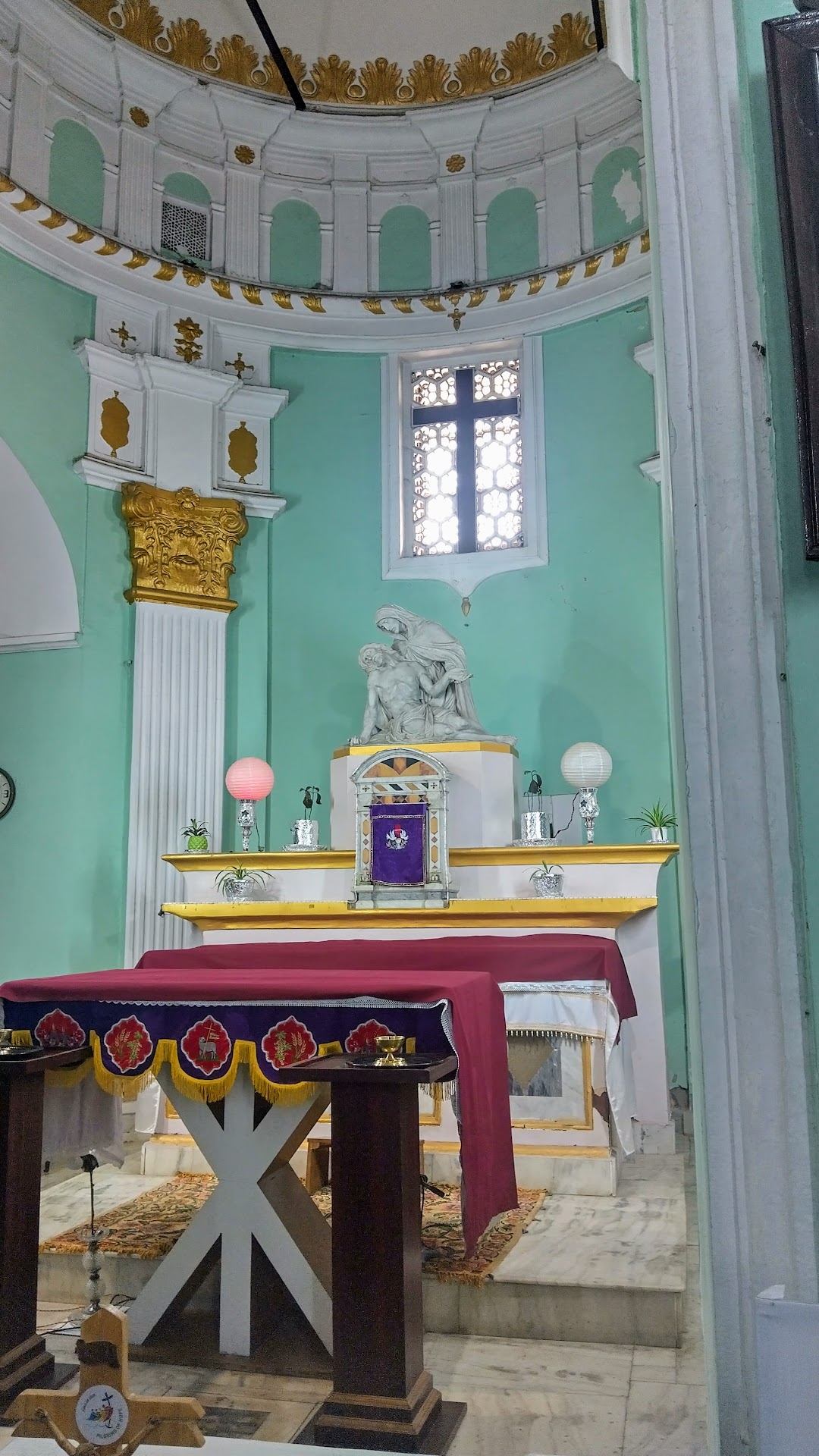
Today, the structure that stands dates back to 1848, an architectural blend of Mughal restraint and European elegance. Inside, the arched ceiling echoes the older structure, and if you close your eyes, you can almost hear the polyphonic layers of Persian, Latin, and Hindustani drifting through time.

If you’re visiting Agra, do carve out half an hour for...

   Read more
avatar
5.0
7y

Akbar’s Church

Did you know that the Mughal Emperor Akbar, commissioned one of the earliest churches to be built in North India? Built way back in 1598, this church in Agra, which is still called ‘Akbar’s Church’ formed the core around which a thriving Armenian Christian community flourished. It also played witness to some tumultuous events in Indian history!

A man who loved to open his mind to new influences, Akbar probably got introduced to Christianity, thanks to the Jesuit missionaries he invited to his court from Goa. Around the same time, there was also a large thriving community of Armenian Christian merchants, jewelers and bankers living in the Mughal capital of Agra and when the Jesuits expressed a wish to build a church here, Akbar obliged and donated generously for the small chapel, that was soon built.

Located at Kamala Nagar in the Civil Lines of Agra today, this tiny church became a centre of worship for Christians in the Mughal capital. Records show that it was a scene of great festivities during festivals like Christmas and Easter. The earliest known Nativity plays were performed in this church, with a number of locals and Mughal royalty in attendance. On Christmas morning, Akbar would visit the church at the head of a grand procession, on an elephant with drums and music heralding his arrival! In the evening, the women and children from the Imperial household visiting the church.

Akbar’s successor Jehangir, continued the tradition of patronising the church and even gave large grants to it. Sadly, it could not remain unaffected by the volatility in relations between the Mughals and the Christian powers. In 1632, Shah Jahan declared war on the Portuguese and defeated them two years later. This led to the persecution of Christians in Agra and the original Akbar’s church was pulled down in 1635. However, as relations between the two powers improved the following year, the church was rebuilt in 1636. This church underwent great changes over the next two centuries.

During the later years, when the Mughal empire declined, Agra suffered great invasions and raids by a series of marauding armies and this church was often a target.

The greatest damage to the church was caused during the invasion of Agra by Afghan ruler Ahmad Shah Abdali in 1758. Afghan soldiers ransacked the place. Thankfully, the church soon found a patron in European mercenary, Walter Reinhart Sombre who helped rebuild and extend the church. It is in this very church that Sombre’s wife Farzana, the famous Begum Samru of Sardhana was baptised and converted to Christianity in the year 1781.

Today, this small Church, may stand in the shadow of the much grander Church of Immaculate Conception better known as St Peter’s church close by. But, walk in and it is hard to miss the aura of ‘Akbar’s Church’. You will be awed by all the history this little church has...

   Read more
avatar
4.0
1y

Akbari Church

Akbari church was the first church in Agra where Christmas carols were sung for the first time in history. Right after a hundred years when Vasco-De-Gama reached the Indian shores, Agra was already becoming home for somewhat European traders, mercenaries, Jesuits, and many. Going forward with his belive in syncretic religion Akbar granted land near an existing Armenian settlement for the first church to come up. This is the site where the ‘Akbar’s church’, originally built in 1598, stands today.

According to the historian RV Smith, the festival of Christmas would see the Emperor and his nobles come to the church in the morning, followed by ladies of the harem and young princes in the evening. It is in this period of religious experimentation that the first Nativity plays in India were staged, with Europeans playing a part within, often with the Emperor as the audience. The practices begun in Akbar’s reign continued in that of Jahangir. Gradually the play grew in scale and became better organized, with rehearsals taking place in an area called Phulatti. It is also said that a few of Jahangir’s nephews were baptized in the same church. During the Shahjahan period some conflicts occurred- Jesuits were prosecuted and church was pulled down and reconstructed again in 1635. When Abdali’s troops ransacked the place and put it on fire in 1769 somehow the church again found a great patron named Walter Reinhardt, who helped to rebuild and extend the church.

In 1848 a new church was built alongside, standing close to Akbar’s church, and dominating what is now a large complex of church buildings is the imposing Cathedral of Immaculate Conception. Possessing a Baroque exterior at its front, the cathedral from within resembles a magnified version of Akbar’s Church with the same curved ceiling effect, the difference between the two places of worship being the altar.

Even today going there for a Sunday mass one can easily envisage the feeling of the city of confluence and understand how living in harmony has always been an integral part of the...

   Read more
Page 1 of 7
Previous
Next