HTML SitemapExplore
logo
Find Things to DoFind The Best Restaurants

Diwan-E-Aam — Attraction in Agra

Name
Diwan-E-Aam
Description
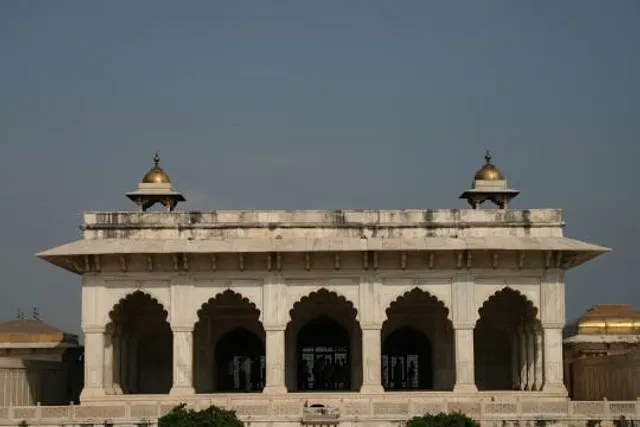
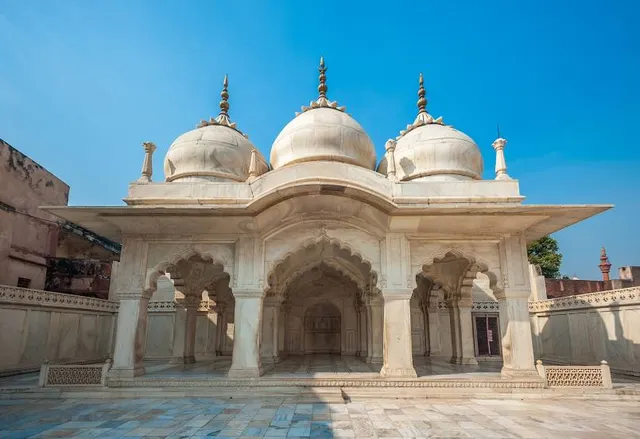
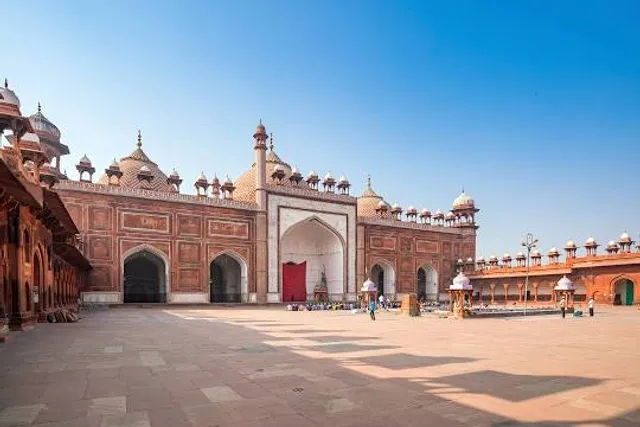
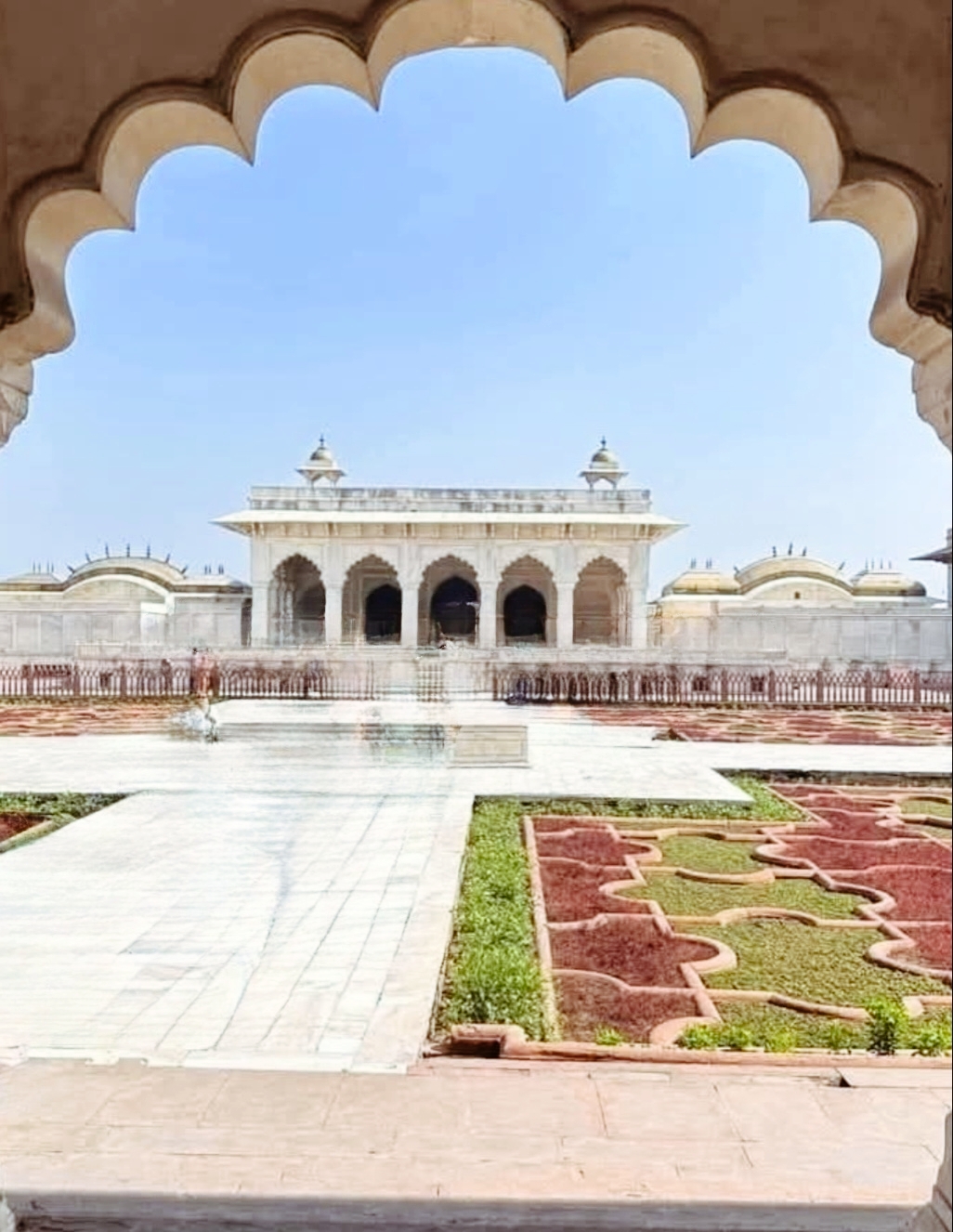
The Diwan-i-Am, or Hall of Audience, is a room in the Red Fort of Delhi where the Mughal emperor Shah Jahan and his successors received members of the general public and heard their grievances.
Nearby attractions
Agra Fort
Agra Fort, Rakabganj, Agra, Uttar Pradesh 282003, India
Anguri Bagh
52HF+966, Agra Fort, Rakabganj, Agra, Uttar Pradesh 282003, India
Red Fort of Agra
52HC+VFH, Agra Fort, Rakabganj, Agra, Uttar Pradesh 282003, India
The Shish Mahal (The Glass Palace)
52HF+F7X, Agra Fort, Rakabganj, Agra, Uttar Pradesh 282003, India
Tomb Of John Russell Colvin
52HC+GW6, Agra Fort, Rakabganj, Agra, Uttar Pradesh 282003, India
Jahangir Palace
52HF+37V, Rakabganj, Fort, Agra, Uttar Pradesh 282003, India
Amar Singh Gate
Agra Fort, Rakabganj, Agra, Uttar Pradesh 282003, India
Diwan-i-khas
52HF+H8R, Agra Fort, Rakabganj, Agra, Uttar Pradesh 282003, India
Machchi Bhawan
52HF+J58, SH 62, Agra Fort, Rakabganj, Agra, Uttar Pradesh 282003, India
Shah Jahani Mahal
SH 62, Agra Fort, Rakabganj, Agra, Uttar Pradesh 282003, India
Nearby restaurants
IRCTC Food Plaza Agra
Agra Fort, Rakabganj, Agra, Uttar Pradesh 282003, India
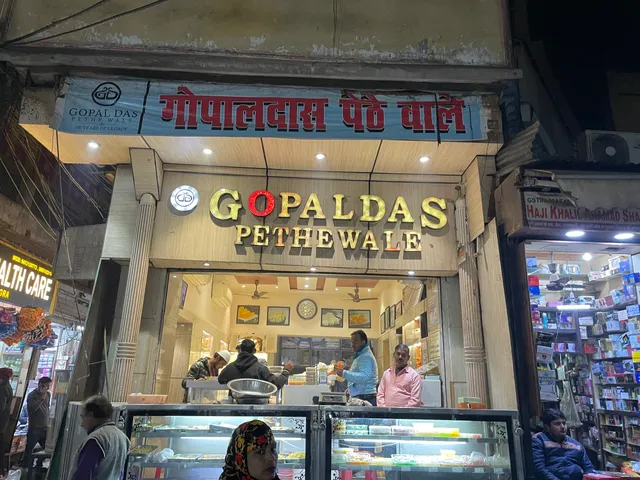
Gopal Das Pethe Wale Johri Bazar
Johari Bazar Rd, near luhar gali, Mantola, Agra, Uttar Pradesh 282003, India
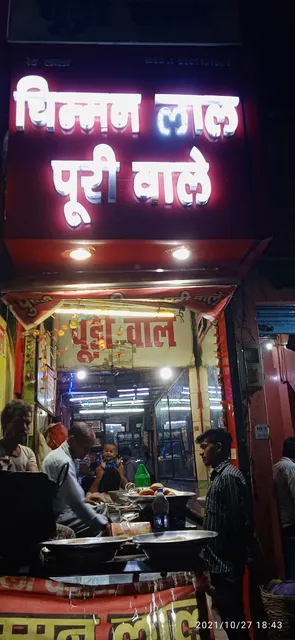
Chimman lal Puri Wale
16, 3, Daresi Rd, Jama Masjid, Sheb Bazar, Mantola, Agra, Uttar Pradesh 282003, India
Comesum
Railway Station, Agra Fort, Rakabganj, Agra, Uttar Pradesh 282003, India
Aagra fort estesn
52J9+X58, estesn, Agra Fort, Rakabganj, Agra, Uttar Pradesh 282003, India
Shree Ram Restaurant
24/5, Chhipitola Rd, Opp. Bijli Ghar Bus Stand, Chakkipat, Chhipitola, Rakabganj, Agra, Uttar Pradesh 282001, India
The Kesar Restaurant
165. F M. Cariappa Road Agra Hotel, Uttar Pradesh 282001, India
Taj Restaurant Only Food Booking
Railway Station, near Agra Fort, Kinari Bazar, Hing ki Mandi, Mantola, Agra, Uttar Pradesh 282003, India
NOVELTY RESTAURANT
196, FMC ROAD, Baluganj, Rakabganj, Agra, Uttar Pradesh 282001, India
The Manoj Restaurant
1, 43, Johari Bazar Rd, Jama Masjid, Kinari Bazar, Hing ki Mandi, Mantola, Agra, Uttar Pradesh 282003, India
Nearby hotels
Hotel Ajay International
16/29 daresi no. 1 Near agra fort rly station chimman puri chowraha, station, Agra Fort, Agra, Uttar Pradesh 282003, India
OYO 67810 Hotel Lals Inn
2, Daresi Rd, opp. HP Petrol Pump, Sita Ram Colony, Pipal Mandi, Mantola, Agra, Uttar Pradesh 282003, India
HOTEL R G PALACE
25/45, Chhipitola Rd, Chakkipat, Chhipitola, Rakabganj, Agra, Uttar Pradesh 282001, India
Agra hotel
5298+399, 165. F M. Cariappa Road Agra Hotel, Baluganj, Rakabganj, Agra, Uttar Pradesh 282001, India
Hotel Akbar Ashok
Kagarol House, 196 Field Marshal Cariappa Road, near Fort, Nai basti, Rakabganj, Agra, Uttar Pradesh 282001, India
Related posts
Keywords
Diwan-E-Aam tourism.Diwan-E-Aam hotels.Diwan-E-Aam bed and breakfast. flights to Diwan-E-Aam.Diwan-E-Aam attractions.Diwan-E-Aam restaurants.Diwan-E-Aam travel.Diwan-E-Aam travel guide.Diwan-E-Aam travel blog.Diwan-E-Aam pictures.Diwan-E-Aam photos.Diwan-E-Aam travel tips.Diwan-E-Aam maps.Diwan-E-Aam things to do.
Diwan-E-Aam things to do, attractions, restaurants, events info and trip planning
Diwan-E-Aam
IndiaUttar PradeshAgraDiwan-E-Aam

Basic Info

Diwan-E-Aam

52HC+JX2, Unnamed Road, Agra Fort, Rakabganj, Agra, Uttar Pradesh 282003, India
4.5(188)
Open 24 hours
Save
spot

Ratings & Description

Info

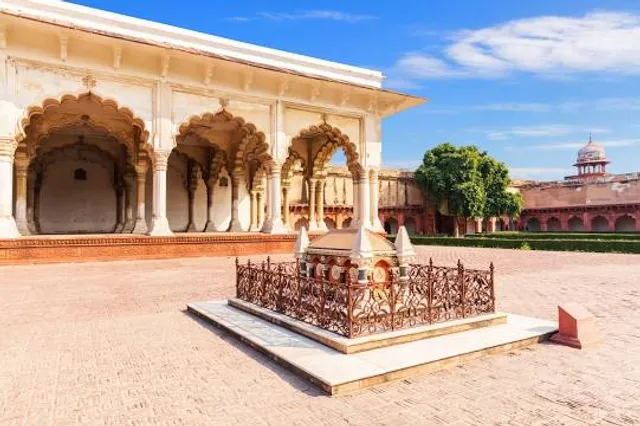
The Diwan-i-Am, or Hall of Audience, is a room in the Red Fort of Delhi where the Mughal emperor Shah Jahan and his successors received members of the general public and heard their grievances.

Cultural
Scenic
Family friendly
Accessibility
attractions: Agra Fort, Anguri Bagh, Red Fort of Agra, The Shish Mahal (The Glass Palace), Tomb Of John Russell Colvin, Jahangir Palace, Amar Singh Gate, Diwan-i-khas, Machchi Bhawan, Shah Jahani Mahal, restaurants: IRCTC Food Plaza Agra, Gopal Das Pethe Wale Johri Bazar, Chimman lal Puri Wale, Comesum, Aagra fort estesn, Shree Ram Restaurant, The Kesar Restaurant, Taj Restaurant Only Food Booking, NOVELTY RESTAURANT, The Manoj Restaurant
logoLearn more insights from Wanderboat AI.
Phone
+91 1800 200 8335

Plan your stay

hotel
Pet-friendly Hotels in Agra
Find a cozy hotel nearby and make it a full experience.

hotel
Affordable Hotels in Agra
Find a cozy hotel nearby and make it a full experience.

hotel
The Coolest Hotels You Haven't Heard Of (Yet)
Find a cozy hotel nearby and make it a full experience.

hotel
Trending Stays Worth the Hype in Agra
Find a cozy hotel nearby and make it a full experience.

Reviews

Nearby attractions of Diwan-E-Aam

Agra Fort

Anguri Bagh

Red Fort of Agra

The Shish Mahal (The Glass Palace)

Tomb Of John Russell Colvin

Jahangir Palace

Amar Singh Gate

Diwan-i-khas

Machchi Bhawan

Shah Jahani Mahal

Agra Fort

Agra Fort

4.5

(46.9K)

Open 24 hours
Click for details
Anguri Bagh

Anguri Bagh

4.4

(591)

Open 24 hours
Click for details
Red Fort of Agra

Red Fort of Agra

4.6

(719)

Open 24 hours
Click for details
The Shish Mahal (The Glass Palace)

The Shish Mahal (The Glass Palace)

4.4

(246)

Closed
Click for details

Things to do nearby

Taj Mahal Tour With Professional Guide
Sun, Dec 7 • 6:00 AM
Taj Mahal Metro Station Agra, Uttar Pradesh, 282001, India
View details

Agra Heritage Walk
Agra Heritage Walk
Sun, Dec 7 • 6:00 AM
TDI MALL Agra, Uttar Pradesh, 282006, India
View details
Tour Taj Mahal at sunrise
Sun, Dec 7 • 6:00 AM
Kahrai, Uttar Pradesh, 282001, India
View details

Nearby restaurants of Diwan-E-Aam

IRCTC Food Plaza Agra

Gopal Das Pethe Wale Johri Bazar

Chimman lal Puri Wale

Comesum

Aagra fort estesn

Shree Ram Restaurant

The Kesar Restaurant

Taj Restaurant Only Food Booking

NOVELTY RESTAURANT

The Manoj Restaurant

IRCTC Food Plaza Agra

IRCTC Food Plaza Agra

2.8

(79)

Click for details
Gopal Das Pethe Wale Johri Bazar

Gopal Das Pethe Wale Johri Bazar

4.1

(491)

Click for details
Chimman lal Puri Wale

Chimman lal Puri Wale

3.8

(227)

Click for details
Comesum

Comesum

3.4

(6)

$$

Click for details
Get the Appoverlay
Get the AppOne tap to find yournext favorite spots!
Wanderboat LogoWanderboat

Your everyday Al companion for getaway ideas

CompanyAbout Us
InformationAI Trip PlannerSitemap
SocialXInstagramTiktokLinkedin
LegalTerms of ServicePrivacy Policy

Get the app

© 2025 Wanderboat. All rights reserved.
logo

Posts

A J BashhaA J Bashha
Diwan-i-Khas: Jewel of Mughal Architecture, is situated within Agra Fort in Uttar Pradesh, India, stands as a magnificent testament to Mughal architectural brilliance. This exquisite hall embodies the artistic sophistication and grandeur that characterized the empire at its height. Built in 1635 during Emperor Shah Jahan's reign, Diwan-i-Khas served as a private audience hall where the emperor received foreign ambassadors, nobles, and dignitaries to discuss matters of state. Beyond its political function, the hall's opulent design showcases the Mughal court's seamless blend of elegance and authority. The structure features two distinct sections, an outer columned hall and an inner chamber called Tambi Khana. The outer hall captivates visitors with its intricately carved marble pillars adorned with semi-precious stone inlays. These pillars display vibrant floral patterns, a signature element of Mughal decorative art that celebrates nature's beauty. Open on three sides with five graceful arches supported by ornate double columns, the hall creates an airy atmosphere. This thoughtful design allows natural light to flood the space while providing uninterrupted views of the surroundings, perfectly suited to its royal purpose. The hall's flat wooden ceiling, originally embellished with gold and silver leaf, represents one of its most striking features. This sumptuous decoration would have reflected sunlight, creating a dazzling effect throughout the space. Though time has diminished some of this splendor, remnants of the intricate work continue to mesmerize visitors. The interior walls feature delicate floral inlay work and Persian inscriptions that add cultural and artistic depth. Diwan-i-Khas holds profound historical significance beyond its architectural beauty. Emperor Shah Jahan conducted official ceremonies here, received foreign envoys, and made decisions that shaped the empire's future. The hall also hosted cultural gatherings, highlighting the court's patronage of the arts. One of the hall's most famous associations is with the legendary Peacock Throne. This extraordinary creation, encrusted with precious gems, originally resided in Diwan-i-Khas before being moved to Delhi's Red Fort. This connection further enhances the hall's historical importance. Located within Agra Fort, a UNESCO World Heritage Site renowned for its massive red sandstone walls, Diwan-i-Khas benefits from the fort's rich historical context. The fort served as the primary residence of Mughal emperors until the capital relocated to Delhi. Within this complex, Diwan-i-Khas occupies a strategic position near the emperor's quarters, offering visitors insight into Mughal governance and lifestyle. The hall's setting enhances its charm. From its open arches, visitors enjoy serene views of the Yamuna River and glimpses of the Taj Mahal in the distance. This harmonious integration of natural beauty and architectural refinement creates a peaceful atmosphere. Surrounding Diwan-i-Khas are verdant gardens and peaceful courtyards that contrast beautifully with Agra Fort's imposing architecture. These green spaces invite contemplation of the site's rich historical and cultural significance. Walking through Diwan-i-Khas transports visitors to an era of imperial splendor. Its detailed craftsmanship and historical importance leave a lasting impression, providing a window into Shah Jahan's reign and the Mughal era's cultural heritage. Diwan-i-Khas transcends being merely an architectural wonder; it stands as a living monument to the artistry, diplomacy, and luxury of the Mughal Empire, an essential destination for history enthusiasts, architecture admirers, and anyone seeking connection with India's illustrious past.
Charanjeet SinghCharanjeet Singh
Very Nice place, History: A result of earliest manifestation of Shah Jehan's love for marble, Diwan-I-Am or Hall of Public Audience was the place where the emperor addressed the general public as well as the nobility. Constructed between 1631-40, it is situated close to Machchhi Bhawan. The huge assembly hall measuring 201' by 67' has flat roof and two arched red sandstone gateways to the north and south. The façade has an arcade with nine bold arches and the hall is divided into three aisles. Though the building was constructed in red sandstone, yet it had been plastered with white shell plaster to resemble the white marble. The raised rectangular chamber from where the emperor addressed the people was ostentatiously ornamented. Made in marble, this 'jharokha' with a three-arched opening and inlaid with precious stones, was known as the 'Takht-i-Murassa' (the Throne Room). This chamber was connected to the royal apartments and the royal ladies could watch the ceremonials of the Diwan-i-Am through the marble windows with perforated screens on the right and left of the enperor's chamber, while not being seen by those in the hall. The marble dias below this chamber was known as 'Baithak'. It used to serve as the seat for Wazir, who presented petitions to the emperor. It is said that the hall used to have silver balustrades for the nobility, where they could stand according to their ranks and the outlines of the columns and the spandrels were done in gold.
Geetha PaiGeetha Pai
Diwan-i-Khas or the Hall of Private Audience is a large pavilion meant for meeting the royal guests Built in 1635, this marble building has two halls, connected by three archways. The outer hall with double pillars, is beautifully inlaid with floral designs & has carved dados & niches Inner hall has paintings & floral designs. Diwan-i-Am is associated with Chatrapati Shivaji's Great Escape from the Agra Fort in 1666. After Jai Singh’s army encircled the Purandar fort, Shivaji was forced to sign the Purandar Treaty under which he agreed to hand over 23 out of the 35 forts held by him. Purandar Treaty was followed by his famous visit to Agra Fort, where Shivaji was humiliated at Diwan-i-Khas & kept under house arrest by Aurangzeb. Shivaji managed to escape from the Agra Fort within three months. Less than four years later, he launched fresh attacks to regain his surrendered forts & the Mughals lost all they had. In front of Diwani I Khas, on the riverfront side, lies the finely carved Jahangir’s black throne, brought from Allahabad in 1610. The crack in the throne is due to the uprising of the Jats of Bharatpur around 1765. Another white marble throne known as Shahjahani throne lies opposite to the black one
See more posts
See more posts
hotel
Find your stay

Pet-friendly Hotels in Agra

Find a cozy hotel nearby and make it a full experience.

Diwan-i-Khas: Jewel of Mughal Architecture, is situated within Agra Fort in Uttar Pradesh, India, stands as a magnificent testament to Mughal architectural brilliance. This exquisite hall embodies the artistic sophistication and grandeur that characterized the empire at its height. Built in 1635 during Emperor Shah Jahan's reign, Diwan-i-Khas served as a private audience hall where the emperor received foreign ambassadors, nobles, and dignitaries to discuss matters of state. Beyond its political function, the hall's opulent design showcases the Mughal court's seamless blend of elegance and authority. The structure features two distinct sections, an outer columned hall and an inner chamber called Tambi Khana. The outer hall captivates visitors with its intricately carved marble pillars adorned with semi-precious stone inlays. These pillars display vibrant floral patterns, a signature element of Mughal decorative art that celebrates nature's beauty. Open on three sides with five graceful arches supported by ornate double columns, the hall creates an airy atmosphere. This thoughtful design allows natural light to flood the space while providing uninterrupted views of the surroundings, perfectly suited to its royal purpose. The hall's flat wooden ceiling, originally embellished with gold and silver leaf, represents one of its most striking features. This sumptuous decoration would have reflected sunlight, creating a dazzling effect throughout the space. Though time has diminished some of this splendor, remnants of the intricate work continue to mesmerize visitors. The interior walls feature delicate floral inlay work and Persian inscriptions that add cultural and artistic depth. Diwan-i-Khas holds profound historical significance beyond its architectural beauty. Emperor Shah Jahan conducted official ceremonies here, received foreign envoys, and made decisions that shaped the empire's future. The hall also hosted cultural gatherings, highlighting the court's patronage of the arts. One of the hall's most famous associations is with the legendary Peacock Throne. This extraordinary creation, encrusted with precious gems, originally resided in Diwan-i-Khas before being moved to Delhi's Red Fort. This connection further enhances the hall's historical importance. Located within Agra Fort, a UNESCO World Heritage Site renowned for its massive red sandstone walls, Diwan-i-Khas benefits from the fort's rich historical context. The fort served as the primary residence of Mughal emperors until the capital relocated to Delhi. Within this complex, Diwan-i-Khas occupies a strategic position near the emperor's quarters, offering visitors insight into Mughal governance and lifestyle. The hall's setting enhances its charm. From its open arches, visitors enjoy serene views of the Yamuna River and glimpses of the Taj Mahal in the distance. This harmonious integration of natural beauty and architectural refinement creates a peaceful atmosphere. Surrounding Diwan-i-Khas are verdant gardens and peaceful courtyards that contrast beautifully with Agra Fort's imposing architecture. These green spaces invite contemplation of the site's rich historical and cultural significance. Walking through Diwan-i-Khas transports visitors to an era of imperial splendor. Its detailed craftsmanship and historical importance leave a lasting impression, providing a window into Shah Jahan's reign and the Mughal era's cultural heritage. Diwan-i-Khas transcends being merely an architectural wonder; it stands as a living monument to the artistry, diplomacy, and luxury of the Mughal Empire, an essential destination for history enthusiasts, architecture admirers, and anyone seeking connection with India's illustrious past.
A J Bashha

A J Bashha

hotel
Find your stay

Affordable Hotels in Agra

Find a cozy hotel nearby and make it a full experience.

Get the Appoverlay
Get the AppOne tap to find yournext favorite spots!
Very Nice place, History: A result of earliest manifestation of Shah Jehan's love for marble, Diwan-I-Am or Hall of Public Audience was the place where the emperor addressed the general public as well as the nobility. Constructed between 1631-40, it is situated close to Machchhi Bhawan. The huge assembly hall measuring 201' by 67' has flat roof and two arched red sandstone gateways to the north and south. The façade has an arcade with nine bold arches and the hall is divided into three aisles. Though the building was constructed in red sandstone, yet it had been plastered with white shell plaster to resemble the white marble. The raised rectangular chamber from where the emperor addressed the people was ostentatiously ornamented. Made in marble, this 'jharokha' with a three-arched opening and inlaid with precious stones, was known as the 'Takht-i-Murassa' (the Throne Room). This chamber was connected to the royal apartments and the royal ladies could watch the ceremonials of the Diwan-i-Am through the marble windows with perforated screens on the right and left of the enperor's chamber, while not being seen by those in the hall. The marble dias below this chamber was known as 'Baithak'. It used to serve as the seat for Wazir, who presented petitions to the emperor. It is said that the hall used to have silver balustrades for the nobility, where they could stand according to their ranks and the outlines of the columns and the spandrels were done in gold.
Charanjeet Singh

Charanjeet Singh

hotel
Find your stay

The Coolest Hotels You Haven't Heard Of (Yet)

Find a cozy hotel nearby and make it a full experience.

hotel
Find your stay

Trending Stays Worth the Hype in Agra

Find a cozy hotel nearby and make it a full experience.

Diwan-i-Khas or the Hall of Private Audience is a large pavilion meant for meeting the royal guests Built in 1635, this marble building has two halls, connected by three archways. The outer hall with double pillars, is beautifully inlaid with floral designs & has carved dados & niches Inner hall has paintings & floral designs. Diwan-i-Am is associated with Chatrapati Shivaji's Great Escape from the Agra Fort in 1666. After Jai Singh’s army encircled the Purandar fort, Shivaji was forced to sign the Purandar Treaty under which he agreed to hand over 23 out of the 35 forts held by him. Purandar Treaty was followed by his famous visit to Agra Fort, where Shivaji was humiliated at Diwan-i-Khas & kept under house arrest by Aurangzeb. Shivaji managed to escape from the Agra Fort within three months. Less than four years later, he launched fresh attacks to regain his surrendered forts & the Mughals lost all they had. In front of Diwani I Khas, on the riverfront side, lies the finely carved Jahangir’s black throne, brought from Allahabad in 1610. The crack in the throne is due to the uprising of the Jats of Bharatpur around 1765. Another white marble throne known as Shahjahani throne lies opposite to the black one
Geetha Pai

Geetha Pai

See more posts
See more posts

Reviews of Diwan-E-Aam

4.5
(188)
avatar
4.0
40w

Diwan-i-Khas: Jewel of Mughal Architecture, is situated within Agra Fort in Uttar Pradesh, India, stands as a magnificent testament to Mughal architectural brilliance. This exquisite hall embodies the artistic sophistication and grandeur that characterized the empire at its height.

Built in 1635 during Emperor Shah Jahan's reign, Diwan-i-Khas served as a private audience hall where the emperor received foreign ambassadors, nobles, and dignitaries to discuss matters of state. Beyond its political function, the hall's opulent design showcases the Mughal court's seamless blend of elegance and authority.

The structure features two distinct sections, an outer columned hall and an inner chamber called Tambi Khana. The outer hall captivates visitors with its intricately carved marble pillars adorned with semi-precious stone inlays. These pillars display vibrant floral patterns, a signature element of Mughal decorative art that celebrates nature's beauty.

Open on three sides with five graceful arches supported by ornate double columns, the hall creates an airy atmosphere. This thoughtful design allows natural light to flood the space while providing uninterrupted views of the surroundings, perfectly suited to its royal purpose.

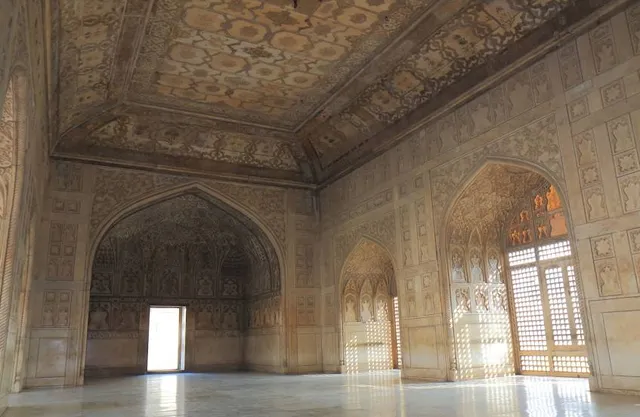
The hall's flat wooden ceiling, originally embellished with gold and silver leaf, represents one of its most striking features. This sumptuous decoration would have reflected sunlight, creating a dazzling effect throughout the space. Though time has diminished some of this splendor, remnants of the intricate work continue to mesmerize visitors. The interior walls feature delicate floral inlay work and Persian inscriptions that add cultural and artistic depth.

Diwan-i-Khas holds profound historical significance beyond its architectural beauty. Emperor Shah Jahan conducted official ceremonies here, received foreign envoys, and made decisions that shaped the empire's future. The hall also hosted cultural gatherings, highlighting the court's patronage of the arts.

One of the hall's most famous associations is with the legendary Peacock Throne. This extraordinary creation, encrusted with precious gems, originally resided in Diwan-i-Khas before being moved to Delhi's Red Fort. This connection further enhances the hall's historical importance.

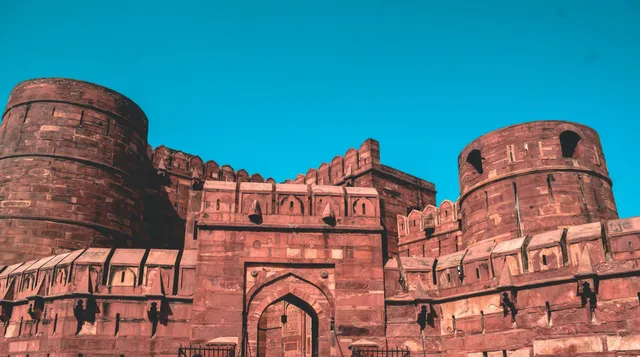
Located within Agra Fort, a UNESCO World Heritage Site renowned for its massive red sandstone walls, Diwan-i-Khas benefits from the fort's rich historical context. The fort served as the primary residence of Mughal emperors until the capital relocated to Delhi. Within this complex, Diwan-i-Khas occupies a strategic position near the emperor's quarters, offering visitors insight into Mughal governance and lifestyle.

The hall's setting enhances its charm. From its open arches, visitors enjoy serene views of the Yamuna River and glimpses of the Taj Mahal in the distance. This harmonious integration of natural beauty and architectural refinement creates a peaceful atmosphere.

Surrounding Diwan-i-Khas are verdant gardens and peaceful courtyards that contrast beautifully with Agra Fort's imposing architecture. These green spaces invite contemplation of the site's rich historical and cultural significance.

Walking through Diwan-i-Khas transports visitors to an era of imperial splendor. Its detailed craftsmanship and historical importance leave a lasting impression, providing a window into Shah Jahan's reign and the Mughal era's cultural heritage.

Diwan-i-Khas transcends being merely an architectural wonder; it stands as a living monument to the artistry, diplomacy, and luxury of the Mughal Empire, an essential destination for history enthusiasts, architecture admirers, and anyone seeking connection with India's...

   Read more
avatar
4.0
1y

The Diwan-i-Khas, or "Hall of Private Audience," within Agra Fort is an exquisite representation of Mughal elegance and royal grandeur. Built by Emperor Shah Jahan in the mid-17th century, this hall served as the emperor's private audience chamber, where he would meet with visiting dignitaries, foreign ambassadors, and his closest advisors to discuss matters of state and diplomacy. It stands as one of the most beautiful structures within the fort, offering a glimpse into the lavish lifestyle and sophisticated court culture of the Mughal era.

The Diwan-i-Khas is constructed primarily from white marble, a signature of Shah Jahan’s architectural style, as seen in his other iconic works like the Taj Mahal. The structure is adorned with delicate floral carvings, inlaid with semi-precious stones, and features intricate jali (lattice) work that allows light to filter through, creating an ethereal ambiance. The hall's graceful arches and carved pillars give it a sense of grandeur while maintaining an intimate atmosphere suitable for private meetings.

At the center of the hall is the space where the famed Peacock Throne once stood—a symbol of Mughal opulence. The Diwan-i-Khas was the setting for significant political discussions and ceremonial gatherings, making it an essential part of the imperial court's day-to-day operations.

The hall's open design also allows for panoramic views of the Yamuna River and the Taj Mahal, further enhancing its regal feel. Visitors to the Diwan-i-Khas are often struck by its serene beauty and the attention to detail that characterizes Mughal architecture.

Today, the Diwan-i-Khas stands as a testament to the refined taste and political power of the Mughal emperors, offering a deeper understanding of the empire’s cultural and diplomatic achievements. Its blend of artistic brilliance and historical significance makes it one of the most captivating sites...

   Read more
avatar
4.0
1y

The Diwan-i-Am, located within the historic Agra Fort, is a significant architectural and cultural landmark from the Mughal era. Known as the "Hall of Public Audience," this grand pavilion was constructed by Emperor Shah Jahan in the 17th century and served as the venue where the emperor would address the general public, hear petitions, and dispense justice. The structure stands as a testament to the Mughal emperors' commitment to governance and their connection with their subjects.

The Diwan-i-Am is an open, pillared hall that showcases the Mughal architectural style at its finest. Built primarily from red sandstone, the hall features a series of elegant arches supported by intricately carved pillars. The roof of the hall, originally adorned with gold and intricate decorations, adds to the opulent yet accessible nature of the structure. At the far end of the hall is a raised marble platform known as the "jharokha," where the emperor would sit on a throne, surrounded by his ministers and nobles.

One of the most striking features of the Diwan-i-Am is its balance between grandeur and simplicity. While the hall is impressive in its scale and design, it also maintains a sense of openness, reflecting the Mughal philosophy of justice and accessibility.

Today, the Diwan-i-Am stands as a reminder of the administrative prowess of the Mughal Empire. Visitors to Agra Fort can easily imagine the scenes of royal audiences and important decisions being made within its walls. The structure’s historical significance, combined with its architectural beauty, makes it an essential part of any visit to Agra Fort, offering a glimpse into the public life of one of India’s most...

   Read more
Page 1 of 7
Previous
Next