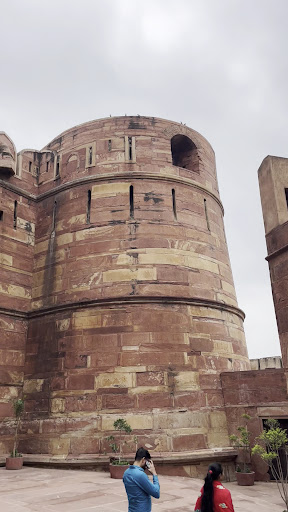
HTML SitemapExplore
logo
Find Things to DoFind The Best Restaurants

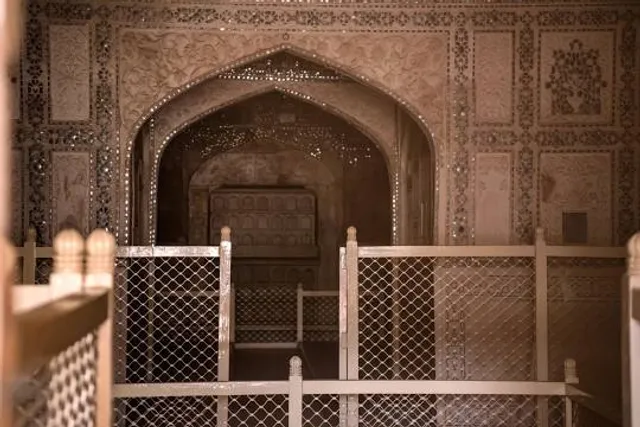
Amar Singh Gate — Attraction in Agra

Name
Amar Singh Gate
Description
Nearby attractions
Agra Fort
Agra Fort, Rakabganj, Agra, Uttar Pradesh 282003, India
Anguri Bagh
52HF+966, Agra Fort, Rakabganj, Agra, Uttar Pradesh 282003, India
Jahangir Palace
52HF+37V, Rakabganj, Fort, Agra, Uttar Pradesh 282003, India
The Shish Mahal (The Glass Palace)
52HF+F7X, Agra Fort, Rakabganj, Agra, Uttar Pradesh 282003, India
Red Fort of Agra
52HC+VFH, Agra Fort, Rakabganj, Agra, Uttar Pradesh 282003, India
Diwan-E-Aam
52HC+JX2, Unnamed Road, Agra Fort, Rakabganj, Agra, Uttar Pradesh 282003, India
Shah Jahani Mahal
SH 62, Agra Fort, Rakabganj, Agra, Uttar Pradesh 282003, India
Shahjahan Garden
52FG+W37, Taj Road, Fatehabad Rd, Tajganj, Agra, Uttar Pradesh 282001, India
Tomb Of John Russell Colvin
52HC+GW6, Agra Fort, Rakabganj, Agra, Uttar Pradesh 282003, India
Roshnara Ara Pavilion
SH 62, Agra Fort, Rakabganj, Agra, Uttar Pradesh 282003, India
Nearby restaurants
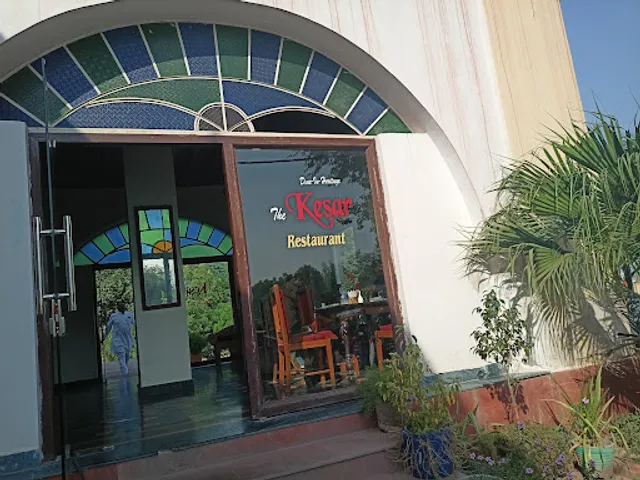
The Kesar Restaurant
165. F M. Cariappa Road Agra Hotel, Uttar Pradesh 282001, India
NOVELTY RESTAURANT
196, FMC ROAD, Baluganj, Rakabganj, Agra, Uttar Pradesh 282001, India
Shree Ram Restaurant
24/5, Chhipitola Rd, Opp. Bijli Ghar Bus Stand, Chakkipat, Chhipitola, Rakabganj, Agra, Uttar Pradesh 282001, India
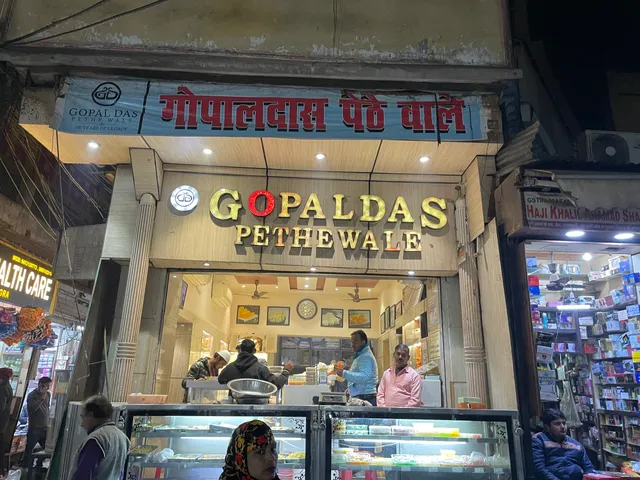
Gopal Das Pethe Wale Johri Bazar
Johari Bazar Rd, near luhar gali, Mantola, Agra, Uttar Pradesh 282003, India
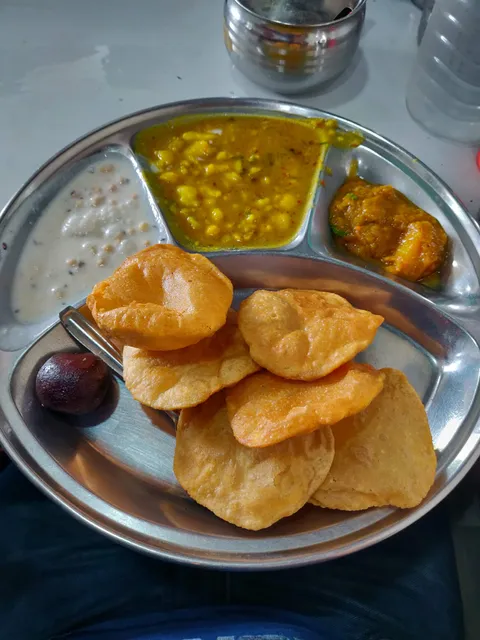
Chimman lal Puri Wale
16, 3, Daresi Rd, Jama Masjid, Sheb Bazar, Mantola, Agra, Uttar Pradesh 282003, India
IRCTC Food Plaza Agra
Agra Fort, Rakabganj, Agra, Uttar Pradesh 282003, India
Taj Darbar Restaurant
282001, Nai basti, Rakabganj, Agra, Uttar Pradesh 282001, India
Aagra fort estesn
52J9+X58, estesn, Agra Fort, Rakabganj, Agra, Uttar Pradesh 282003, India
Comesum
Railway Station, Agra Fort, Rakabganj, Agra, Uttar Pradesh 282003, India
Taj Restaurant Only Food Booking
Railway Station, near Agra Fort, Kinari Bazar, Hing ki Mandi, Mantola, Agra, Uttar Pradesh 282003, India
Nearby hotels
Hotel Akbar Ashok
Kagarol House, 196 Field Marshal Cariappa Road, near Fort, Nai basti, Rakabganj, Agra, Uttar Pradesh 282001, India
Agra hotel
5298+399, 165. F M. Cariappa Road Agra Hotel, Baluganj, Rakabganj, Agra, Uttar Pradesh 282001, India
HOTEL R G PALACE
25/45, Chhipitola Rd, Chakkipat, Chhipitola, Rakabganj, Agra, Uttar Pradesh 282001, India
Hotel Ajay International
16/29 daresi no. 1 Near agra fort rly station chimman puri chowraha, station, Agra Fort, Agra, Uttar Pradesh 282003, India
Taj Castle Homestay
18/147, A-1 Near Shahjahan Park Road, Kharati Tola, Tajganj, Agra, Uttar Pradesh 282001, India
Sukoon Home Stay Agra
18/147 A-27 Fatehabad Road Tajganj, 18/147a/28, Nai basti, Khairati Tola, Agra, Uttar Pradesh 282001, India
OYO 67810 Hotel Lals Inn
2, Daresi Rd, opp. HP Petrol Pump, Sita Ram Colony, Pipal Mandi, Mantola, Agra, Uttar Pradesh 282003, India
Related posts
Keywords
Amar Singh Gate tourism.Amar Singh Gate hotels.Amar Singh Gate bed and breakfast. flights to Amar Singh Gate.Amar Singh Gate attractions.Amar Singh Gate restaurants.Amar Singh Gate travel.Amar Singh Gate travel guide.Amar Singh Gate travel blog.Amar Singh Gate pictures.Amar Singh Gate photos.Amar Singh Gate travel tips.Amar Singh Gate maps.Amar Singh Gate things to do.
Amar Singh Gate things to do, attractions, restaurants, events info and trip planning
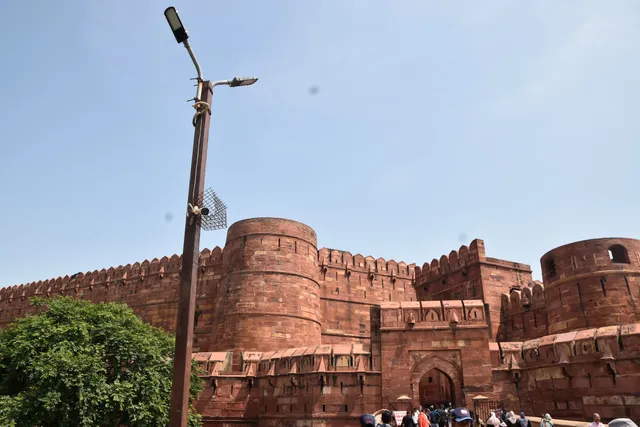
Amar Singh Gate
IndiaUttar PradeshAgraAmar Singh Gate

Basic Info

Amar Singh Gate

Agra Fort, Rakabganj, Agra, Uttar Pradesh 282003, India
4.5(675)
Closed
Save
spot

Ratings & Description

Info

Cultural
Scenic
Family friendly
Accessibility
attractions: Agra Fort, Anguri Bagh, Jahangir Palace, The Shish Mahal (The Glass Palace), Red Fort of Agra, Diwan-E-Aam, Shah Jahani Mahal, Shahjahan Garden, Tomb Of John Russell Colvin, Roshnara Ara Pavilion, restaurants: The Kesar Restaurant, NOVELTY RESTAURANT, Shree Ram Restaurant, Gopal Das Pethe Wale Johri Bazar, Chimman lal Puri Wale, IRCTC Food Plaza Agra, Taj Darbar Restaurant, Aagra fort estesn, Comesum, Taj Restaurant Only Food Booking
logoLearn more insights from Wanderboat AI.
Open hoursSee all hours
Sat6 AM - 6 PMClosed

Plan your stay

hotel
Pet-friendly Hotels in Agra
Find a cozy hotel nearby and make it a full experience.

hotel
Affordable Hotels in Agra
Find a cozy hotel nearby and make it a full experience.

hotel
The Coolest Hotels You Haven't Heard Of (Yet)
Find a cozy hotel nearby and make it a full experience.

hotel
Trending Stays Worth the Hype in Agra
Find a cozy hotel nearby and make it a full experience.

Reviews

Nearby attractions of Amar Singh Gate

Agra Fort

Anguri Bagh

Jahangir Palace

The Shish Mahal (The Glass Palace)

Red Fort of Agra

Diwan-E-Aam

Shah Jahani Mahal

Shahjahan Garden

Tomb Of John Russell Colvin

Roshnara Ara Pavilion

Agra Fort

Agra Fort

4.5

(46.9K)

Open 24 hours
Click for details
Anguri Bagh

Anguri Bagh

4.4

(591)

Open 24 hours
Click for details
Jahangir Palace

Jahangir Palace

4.5

(233)

Closed
Click for details
The Shish Mahal (The Glass Palace)

The Shish Mahal (The Glass Palace)

4.4

(246)

Closed
Click for details

Things to do nearby

Taj Mahal Tour With Professional Guide
Sun, Dec 7 • 6:00 AM
Taj Mahal Metro Station Agra, Uttar Pradesh, 282001, India
View details

Agra Heritage Walk
Agra Heritage Walk
Sun, Dec 7 • 6:00 AM
TDI MALL Agra, Uttar Pradesh, 282006, India
View details
Tour Taj Mahal at sunrise
Sun, Dec 7 • 6:00 AM
Kahrai, Uttar Pradesh, 282001, India
View details
Nearby restaurants of Amar Singh Gate

The Kesar Restaurant

NOVELTY RESTAURANT

Shree Ram Restaurant

Gopal Das Pethe Wale Johri Bazar

Chimman lal Puri Wale

IRCTC Food Plaza Agra

Taj Darbar Restaurant

Aagra fort estesn

Comesum

Taj Restaurant Only Food Booking

The Kesar Restaurant

The Kesar Restaurant

3.8

(417)

$$

Click for details
NOVELTY RESTAURANT

NOVELTY RESTAURANT

3.4

(334)

Click for details
Shree Ram Restaurant

Shree Ram Restaurant

3.7

(86)

Click for details
Gopal Das Pethe Wale Johri Bazar

Gopal Das Pethe Wale Johri Bazar

4.1

(491)

Click for details
Get the Appoverlay
Get the AppOne tap to find yournext favorite spots!
Wanderboat LogoWanderboat

Your everyday Al companion for getaway ideas

CompanyAbout Us
InformationAI Trip PlannerSitemap
SocialXInstagramTiktokLinkedin
LegalTerms of ServicePrivacy Policy

Get the app

© 2025 Wanderboat. All rights reserved.
logo

Posts

AnshajAnshaj
 A guide to the Red Fort of Agra: A journey inside the Agra Fort   By: Jarred ManasseSeptember 20th, 2023 India | Travel Inspiration Nestled within the culturally rich city of Agra, the Agra Fort, also renowned as the Red Fort, stands as a testament to India's majestic history. Constructed by the visionary Mughal Emperor Akbar, this imposing historical fort, crafted from striking red sandstone, holds a significant place in the hearts of those embarking on India tours. Join us on a captivating journey inside its storied walls as we explore the profound heritage and architectural wonders it has to offer, all in close proximity to the world-famous Taj Mahal. What is the history of Agra Fort, and how did it come to be known as the Red Fort? The history of Agra Fort is both intricate and fascinating, and it is closely tied to its association with the Red Fort: Agra Fort, also known as the Red Fort of Agra, is a UNESCO World Heritage Site located in the city of Agra, in the northern Indian state of Uttar Pradesh. Its history dates back to the 11th century when it was initially a brick fort. However, the fort we see today, constructed from striking red sandstone, owes much of its grandeur and significance to the Mughal Empire, particularly Emperor Akbar. Early History: The earliest reference to the fort comes from the 11th century when it was a simple brick structure. It wasn't until the reign of Akbar the Great (1556-1605) that significant construction began. He transformed the fort into a majestic palace-fortress and made it the main residence of the Mughal emperors. Architectural Marvel: Akbar's grandson, Shah Jahan (1628-1658), who is famous for building the Taj Mahal, further embellished the Agra Fort. He added many exquisite structures, including the iconic Diwan-i-Am (Hall of Public Audience) and Diwan-i-Khas (Hall of Private Audience), which are stunning examples of Mughal architecture. The Red Fort Connection: Agra Fort came to be known as the Red Fort due to its construction using red sandstone, which gives it its distinctive crimson hue. The extensive use of this material not only contributed to its nickname but also made it a symbol of power and grandeur during the Mughal era. Historical Significance: Over the centuries, Agra Fort witnessed significant historical events, including the struggle for power among Mughal emperors, battles, and the house arrest of Emperor Shah Jahan by his son Aurangzeb. It played a pivotal role in the administration of the empire. British Era: Agra Fort continued to be significant during the British colonial period. It was briefly captured by the British during the Indian Rebellion of 1857, which added another layer to its historical importance. Independence: After India gained independence in 1947, the fort was handed over to the Indian government, and it was subsequently declared a UNESCO World Heritage Site in 1983 due to its architectural and historical significance. Today, Agra Fort stands as a remarkable testament to the architectural brilliance and historical importance of the Mughal Empire. It is not only a tourist attraction but also a place where the layers of history come alive, making it an essential stop for anyone embarking on India tours.  Agra Fort stands as a remarkable testament to the architectural brilliance and historical importance of the Mughal Empire What makes Agra Fort a UNESCO World Heritage Site? Agra Fort's designation as a UNESCO World Heritage Site is primarily attributed to its exceptional cultural and historical significance, as well as its remarkable architectural features. UNESCO designated Agra Fort as a World Heritage Site in 1983 for the following reasons: Architectural Grandeur: Agra Fort is a superb example of Mughal architecture, characterized by its extensive use of red sandstone, intricate carvings, and elegant design. The fort showcases the architectural brilliance of the Mughal Empire during the reign of Emperor Akbar and his successors. Historical Significance: The fort played a pivotal role in the history of
Harsh JamhauriaHarsh Jamhauria
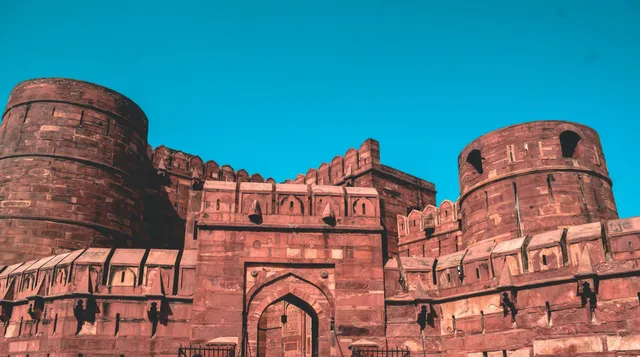
Located in the historic city of Agra, the Amar Singh Gate stands tall as a magnificent entrance to the grandeur and opulence of the Mughal era. As one of the four imposing gates that lead to the famous Taj Mahal, the Amar Singh Gate is not only an architectural marvel but also a significant historical landmark that transports visitors back in time. From the moment you approach the gate, its intricate design and remarkable craftsmanship capture your attention. The gate's imposing red sandstone structure is adorned with delicate carvings and detailed motifs that reflect the artistic finesse of the Mughal dynasty. The precision and attention to detail are truly awe-inspiring, leaving visitors with a deep appreciation for the mastery of ancient artisans. Stepping through the Amar Singh Gate, you can feel the weight of history on your shoulders. As you pass under its arches, you enter a world steeped in heritage and tradition. The gate serves as a gateway not only to the Taj Mahal but also to the stories and legacies of the Mughal emperors who once roamed these grounds. It evokes a sense of reverence and transports you to an era of grandeur and magnificence. The Amar Singh Gate is not only a visual delight but also a testament to the architectural brilliance of the Mughal period. The meticulous detailing of the floral patterns, calligraphy, and geometric designs is a testament to the mastery of the craftsmen of that time. As you explore the gate, take your time to admire the exquisite artwork, which speaks volumes about the rich cultural heritage of Agra. One of the most appealing aspects of the Amar Singh Gate is its strategic location, providing a splendid view of the Taj Mahal. As you stand before the gate, you can catch a glimpse of the Taj's dome in the distance, creating a captivating sight that amplifies the anticipation and excitement of experiencing one of the wonders of the world. While the Amar Singh Gate is undoubtedly a must-visit destination, it is important to note that it serves primarily as an entry point to the Taj Mahal complex. Consequently, the gate itself does not offer extensive facilities or amenities. However, this does not diminish the charm and significance of the gate, as its true purpose lies in guiding visitors towards the iconic Taj Mahal and serving as a symbolic representation of the Mughal era. In conclusion, the Amar Singh Gate in Agra is a captivating architectural masterpiece that captures the essence of Mughal grandeur. Its intricate carvings, historical significance, and proximity to the Taj Mahal make it an integral part of any visit to Agra. Whether you are a history enthusiast, an architecture aficionado, or simply seeking a glimpse into India's rich heritage, the Amar Singh Gate is a must-see attraction that will leave you in awe of its magnificence.
Md Humayun KabirMd Humayun Kabir
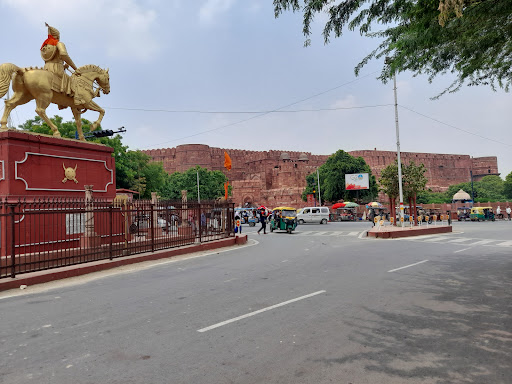
The Amar Singh Gate is one of the historical entrances to the Agra Fort, also known as the Red Fort, located in Agra, Uttar Pradesh, India. Named after Raja Amar Singh Rathore of Jodhpur, this gate played a crucial role in the fort's defense during the Mughal era. The Amar Singh Gate is distinguished by its grand design and architectural splendor, exhibiting typical Mughal artistry with intricate carvings and majestic red sandstone facades. The gateway leads into a series of beautiful palaces, audience halls, and other important structures within the fort. Originally, the fort had two main gates—the Delhi Gate and the Amar Singh Gate. While the Delhi Gate is largely reserved for military use, visitors today enter the fort through the Amar Singh Gate. Once inside, they can explore the vast complex that offers a glimpse into the opulence and strategic importance of the Mughal Empire.
See more posts
See more posts
hotel
Find your stay

Pet-friendly Hotels in Agra

Find a cozy hotel nearby and make it a full experience.

 A guide to the Red Fort of Agra: A journey inside the Agra Fort   By: Jarred ManasseSeptember 20th, 2023 India | Travel Inspiration Nestled within the culturally rich city of Agra, the Agra Fort, also renowned as the Red Fort, stands as a testament to India's majestic history. Constructed by the visionary Mughal Emperor Akbar, this imposing historical fort, crafted from striking red sandstone, holds a significant place in the hearts of those embarking on India tours. Join us on a captivating journey inside its storied walls as we explore the profound heritage and architectural wonders it has to offer, all in close proximity to the world-famous Taj Mahal. What is the history of Agra Fort, and how did it come to be known as the Red Fort? The history of Agra Fort is both intricate and fascinating, and it is closely tied to its association with the Red Fort: Agra Fort, also known as the Red Fort of Agra, is a UNESCO World Heritage Site located in the city of Agra, in the northern Indian state of Uttar Pradesh. Its history dates back to the 11th century when it was initially a brick fort. However, the fort we see today, constructed from striking red sandstone, owes much of its grandeur and significance to the Mughal Empire, particularly Emperor Akbar. Early History: The earliest reference to the fort comes from the 11th century when it was a simple brick structure. It wasn't until the reign of Akbar the Great (1556-1605) that significant construction began. He transformed the fort into a majestic palace-fortress and made it the main residence of the Mughal emperors. Architectural Marvel: Akbar's grandson, Shah Jahan (1628-1658), who is famous for building the Taj Mahal, further embellished the Agra Fort. He added many exquisite structures, including the iconic Diwan-i-Am (Hall of Public Audience) and Diwan-i-Khas (Hall of Private Audience), which are stunning examples of Mughal architecture. The Red Fort Connection: Agra Fort came to be known as the Red Fort due to its construction using red sandstone, which gives it its distinctive crimson hue. The extensive use of this material not only contributed to its nickname but also made it a symbol of power and grandeur during the Mughal era. Historical Significance: Over the centuries, Agra Fort witnessed significant historical events, including the struggle for power among Mughal emperors, battles, and the house arrest of Emperor Shah Jahan by his son Aurangzeb. It played a pivotal role in the administration of the empire. British Era: Agra Fort continued to be significant during the British colonial period. It was briefly captured by the British during the Indian Rebellion of 1857, which added another layer to its historical importance. Independence: After India gained independence in 1947, the fort was handed over to the Indian government, and it was subsequently declared a UNESCO World Heritage Site in 1983 due to its architectural and historical significance. Today, Agra Fort stands as a remarkable testament to the architectural brilliance and historical importance of the Mughal Empire. It is not only a tourist attraction but also a place where the layers of history come alive, making it an essential stop for anyone embarking on India tours.  Agra Fort stands as a remarkable testament to the architectural brilliance and historical importance of the Mughal Empire What makes Agra Fort a UNESCO World Heritage Site? Agra Fort's designation as a UNESCO World Heritage Site is primarily attributed to its exceptional cultural and historical significance, as well as its remarkable architectural features. UNESCO designated Agra Fort as a World Heritage Site in 1983 for the following reasons: Architectural Grandeur: Agra Fort is a superb example of Mughal architecture, characterized by its extensive use of red sandstone, intricate carvings, and elegant design. The fort showcases the architectural brilliance of the Mughal Empire during the reign of Emperor Akbar and his successors. Historical Significance: The fort played a pivotal role in the history of
Anshaj

Anshaj

hotel
Find your stay

Affordable Hotels in Agra

Find a cozy hotel nearby and make it a full experience.

Get the Appoverlay
Get the AppOne tap to find yournext favorite spots!
Located in the historic city of Agra, the Amar Singh Gate stands tall as a magnificent entrance to the grandeur and opulence of the Mughal era. As one of the four imposing gates that lead to the famous Taj Mahal, the Amar Singh Gate is not only an architectural marvel but also a significant historical landmark that transports visitors back in time. From the moment you approach the gate, its intricate design and remarkable craftsmanship capture your attention. The gate's imposing red sandstone structure is adorned with delicate carvings and detailed motifs that reflect the artistic finesse of the Mughal dynasty. The precision and attention to detail are truly awe-inspiring, leaving visitors with a deep appreciation for the mastery of ancient artisans. Stepping through the Amar Singh Gate, you can feel the weight of history on your shoulders. As you pass under its arches, you enter a world steeped in heritage and tradition. The gate serves as a gateway not only to the Taj Mahal but also to the stories and legacies of the Mughal emperors who once roamed these grounds. It evokes a sense of reverence and transports you to an era of grandeur and magnificence. The Amar Singh Gate is not only a visual delight but also a testament to the architectural brilliance of the Mughal period. The meticulous detailing of the floral patterns, calligraphy, and geometric designs is a testament to the mastery of the craftsmen of that time. As you explore the gate, take your time to admire the exquisite artwork, which speaks volumes about the rich cultural heritage of Agra. One of the most appealing aspects of the Amar Singh Gate is its strategic location, providing a splendid view of the Taj Mahal. As you stand before the gate, you can catch a glimpse of the Taj's dome in the distance, creating a captivating sight that amplifies the anticipation and excitement of experiencing one of the wonders of the world. While the Amar Singh Gate is undoubtedly a must-visit destination, it is important to note that it serves primarily as an entry point to the Taj Mahal complex. Consequently, the gate itself does not offer extensive facilities or amenities. However, this does not diminish the charm and significance of the gate, as its true purpose lies in guiding visitors towards the iconic Taj Mahal and serving as a symbolic representation of the Mughal era. In conclusion, the Amar Singh Gate in Agra is a captivating architectural masterpiece that captures the essence of Mughal grandeur. Its intricate carvings, historical significance, and proximity to the Taj Mahal make it an integral part of any visit to Agra. Whether you are a history enthusiast, an architecture aficionado, or simply seeking a glimpse into India's rich heritage, the Amar Singh Gate is a must-see attraction that will leave you in awe of its magnificence.
Harsh Jamhauria

Harsh Jamhauria

hotel
Find your stay

The Coolest Hotels You Haven't Heard Of (Yet)

Find a cozy hotel nearby and make it a full experience.

hotel
Find your stay

Trending Stays Worth the Hype in Agra

Find a cozy hotel nearby and make it a full experience.

The Amar Singh Gate is one of the historical entrances to the Agra Fort, also known as the Red Fort, located in Agra, Uttar Pradesh, India. Named after Raja Amar Singh Rathore of Jodhpur, this gate played a crucial role in the fort's defense during the Mughal era. The Amar Singh Gate is distinguished by its grand design and architectural splendor, exhibiting typical Mughal artistry with intricate carvings and majestic red sandstone facades. The gateway leads into a series of beautiful palaces, audience halls, and other important structures within the fort. Originally, the fort had two main gates—the Delhi Gate and the Amar Singh Gate. While the Delhi Gate is largely reserved for military use, visitors today enter the fort through the Amar Singh Gate. Once inside, they can explore the vast complex that offers a glimpse into the opulence and strategic importance of the Mughal Empire.
Md Humayun Kabir

Md Humayun Kabir

See more posts
See more posts

Reviews of Amar Singh Gate

4.5
(675)
avatar
5.0
1y


A guide to the Red Fort of Agra: A journey inside the Agra Fort


 By: Jarred ManasseSeptember 20th, 2023

India | Travel Inspiration

Nestled within the culturally rich city of Agra, the Agra Fort, also renowned as the Red Fort, stands as a testament to India's majestic history. Constructed by the visionary Mughal Emperor Akbar, this imposing historical fort, crafted from striking red sandstone, holds a significant place in the hearts of those embarking on India tours.

Join us on a captivating journey inside its storied walls as we explore the profound heritage and architectural wonders it has to offer, all in close proximity to the world-famous Taj Mahal.

What is the history of Agra Fort, and how did it come to be known as the Red Fort?

The history of Agra Fort is both intricate and fascinating, and it is closely tied to its association with the Red Fort:

Agra Fort, also known as the Red Fort of Agra, is a UNESCO World Heritage Site located in the city of Agra, in the northern Indian state of Uttar Pradesh. Its history dates back to the 11th century when it was initially a brick fort. However, the fort we see today, constructed from striking red sandstone, owes much of its grandeur and significance to the Mughal Empire, particularly Emperor Akbar.

Early History: The earliest reference to the fort comes from the 11th century when it was a simple brick structure. It wasn't until the reign of Akbar the Great (1556-1605) that significant construction began. He transformed the fort into a majestic palace-fortress and made it the main residence of the Mughal emperors.

Architectural Marvel: Akbar's grandson, Shah Jahan (1628-1658), who is famous for building the Taj Mahal, further embellished the Agra Fort. He added many exquisite structures, including the iconic Diwan-i-Am (Hall of Public Audience) and Diwan-i-Khas (Hall of Private Audience), which are stunning examples of Mughal architecture.

The Red Fort Connection: Agra Fort came to be known as the Red Fort due to its construction using red sandstone, which gives it its distinctive crimson hue. The extensive use of this material not only contributed to its nickname but also made it a symbol of power and grandeur during the Mughal era.

Historical Significance: Over the centuries, Agra Fort witnessed significant historical events, including the struggle for power among Mughal emperors, battles, and the house arrest of Emperor Shah Jahan by his son Aurangzeb. It played a pivotal role in the administration of the empire.

British Era: Agra Fort continued to be significant during the British colonial period. It was briefly captured by the British during the Indian Rebellion of 1857, which added another layer to its historical importance.

Independence: After India gained independence in 1947, the fort was handed over to the Indian government, and it was subsequently declared a UNESCO World Heritage Site in 1983 due to its architectural and historical significance.

Today, Agra Fort stands as a remarkable testament to the architectural brilliance and historical importance of the Mughal Empire. It is not only a tourist attraction but also a place where the layers of history come alive, making it an essential stop for anyone embarking on India tours.


Agra Fort stands as a remarkable testament to the architectural brilliance and historical importance of the Mughal Empire

What makes Agra Fort a UNESCO World Heritage Site?

Agra Fort's designation as a UNESCO World Heritage Site is primarily attributed to its exceptional cultural and historical significance, as well as its remarkable architectural features. UNESCO designated Agra Fort as a World Heritage Site in 1983 for the following reasons:

Architectural Grandeur: Agra Fort is a superb example of Mughal architecture, characterized by its extensive use of red sandstone, intricate carvings, and elegant design. The fort showcases the architectural brilliance of the Mughal Empire during the reign of Emperor Akbar and his successors.

Historical Significance: The fort played a pivotal role in...

   Read more
avatar
4.0
2y

Located in the historic city of Agra, the Amar Singh Gate stands tall as a magnificent entrance to the grandeur and opulence of the Mughal era. As one of the four imposing gates that lead to the famous Taj Mahal, the Amar Singh Gate is not only an architectural marvel but also a significant historical landmark that transports visitors back in time.

From the moment you approach the gate, its intricate design and remarkable craftsmanship capture your attention. The gate's imposing red sandstone structure is adorned with delicate carvings and detailed motifs that reflect the artistic finesse of the Mughal dynasty. The precision and attention to detail are truly awe-inspiring, leaving visitors with a deep appreciation for the mastery of ancient artisans.

Stepping through the Amar Singh Gate, you can feel the weight of history on your shoulders. As you pass under its arches, you enter a world steeped in heritage and tradition. The gate serves as a gateway not only to the Taj Mahal but also to the stories and legacies of the Mughal emperors who once roamed these grounds. It evokes a sense of reverence and transports you to an era of grandeur and magnificence.

The Amar Singh Gate is not only a visual delight but also a testament to the architectural brilliance of the Mughal period. The meticulous detailing of the floral patterns, calligraphy, and geometric designs is a testament to the mastery of the craftsmen of that time. As you explore the gate, take your time to admire the exquisite artwork, which speaks volumes about the rich cultural heritage of Agra.

One of the most appealing aspects of the Amar Singh Gate is its strategic location, providing a splendid view of the Taj Mahal. As you stand before the gate, you can catch a glimpse of the Taj's dome in the distance, creating a captivating sight that amplifies the anticipation and excitement of experiencing one of the wonders of the world.

While the Amar Singh Gate is undoubtedly a must-visit destination, it is important to note that it serves primarily as an entry point to the Taj Mahal complex. Consequently, the gate itself does not offer extensive facilities or amenities. However, this does not diminish the charm and significance of the gate, as its true purpose lies in guiding visitors towards the iconic Taj Mahal and serving as a symbolic representation of the Mughal era.

In conclusion, the Amar Singh Gate in Agra is a captivating architectural masterpiece that captures the essence of Mughal grandeur. Its intricate carvings, historical significance, and proximity to the Taj Mahal make it an integral part of any visit to Agra. Whether you are a history enthusiast, an architecture aficionado, or simply seeking a glimpse into India's rich heritage, the Amar Singh Gate is a must-see attraction that will leave you in awe of its...

   Read more
avatar
4.0
1y

Amar Singh Gate, located at the southern entrance of Agra Fort, is a significant architectural and historical landmark that played a crucial role in the fort's defense. Originally known as Akbar Darwaza, the gate was renamed after Amar Singh Rathore, a Rajput noble who famously rebelled against the Mughal Empire. The gate's strategic importance and striking design make it an essential part of any visit to Agra Fort.

Built during Emperor Akbar's reign, Amar Singh Gate is constructed from red sandstone, a hallmark of Mughal architecture. The gate's massive and imposing structure is adorned with intricate carvings and decorative elements, reflecting the artistic finesse of the Mughal craftsmen. The gate's design includes robust bastions and a cleverly angled entrance, which made it difficult for enemies to breach. The winding path leading up to the gate further added to its defensive capabilities, forcing attackers to slow down and making them vulnerable to defensive measures.

The gate also served as the main entrance to Agra Fort for many years and was the path through which emperors, nobility, and important visitors entered the grand complex. Today, while most tourists enter through the nearby Amar Singh Gate, the historic structure still stands as a reminder of the fort's military and political significance during the Mughal era.

Inside the gate, visitors can admire the fusion of strength and elegance that characterizes much of Mughal architecture. The gateway opens up to a world of palaces, courtyards, and gardens, offering a dramatic entry into the splendor of Agra Fort. Amar Singh Gate remains a symbol of the power and grandeur of the Mughal Empire, providing an evocative starting point for exploring the fort's...

   Read more
Page 1 of 7
Previous
Next