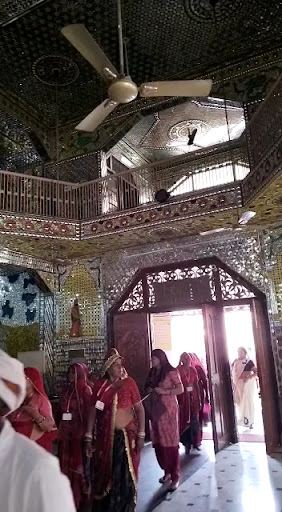
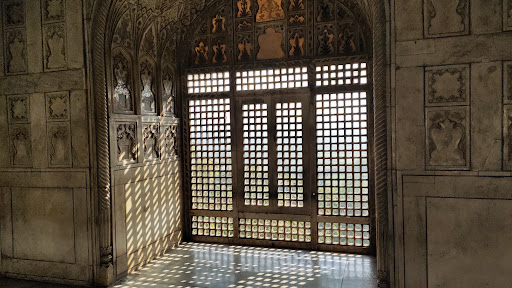
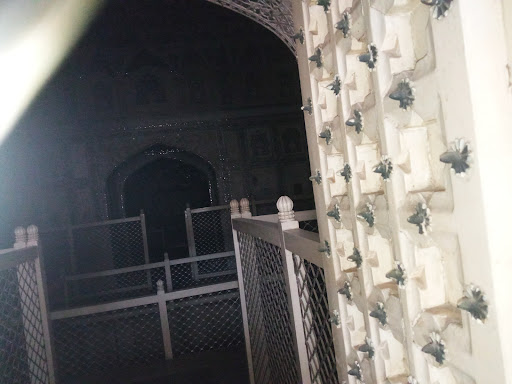
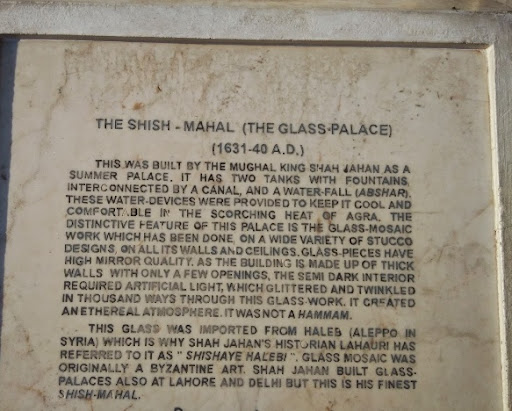
The Shish Mahal (The Glass Palace) things to do, attractions, restaurants, events info and trip planning
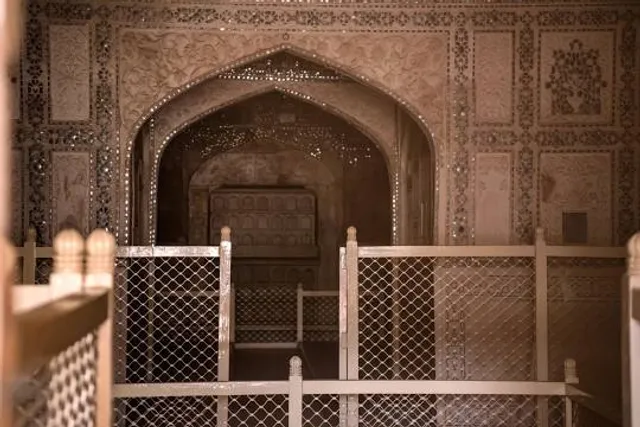
Basic Info
The Shish Mahal (The Glass Palace)
52HF+F7X, Agra Fort, Rakabganj, Agra, Uttar Pradesh 282003, India
4.4(256)
Closed
Save
spot
spot
Ratings & Description
Info
Cultural
Scenic
Family friendly
Accessibility
attractions: Agra Fort, Anguri Bagh, Diwan-E-Aam, Jahangir Palace, Red Fort of Agra, Diwan-i-khas, Shah Jahani Mahal, Amar Singh Gate, Roshnara Ara Pavilion, Tomb Of John Russell Colvin, restaurants: IRCTC Food Plaza Agra, Gopal Das Pethe Wale Johri Bazar, Chimman lal Puri Wale, The Kesar Restaurant, Comesum, Aagra fort estesn, Shree Ram Restaurant, NOVELTY RESTAURANT, Taj Restaurant Only Food Booking, Tahir Bhai Birayani, local businesses: Nagina Masjid, Shri Mankameshwar Mandir, Jama Masjid (Agra)
 Learn more insights from Wanderboat AI.
Phone
+91 1800 200 8335
Open hoursSee all hours
Mon8 AM - 6 PMClosed
Plan your stay

Pet-friendly Hotels in Agra
Find a cozy hotel nearby and make it a full experience.

Affordable Hotels in Agra
Find a cozy hotel nearby and make it a full experience.

The Coolest Hotels You Haven't Heard Of (Yet)
Find a cozy hotel nearby and make it a full experience.

Trending Stays Worth the Hype in Agra
Find a cozy hotel nearby and make it a full experience.
Reviews
Live events
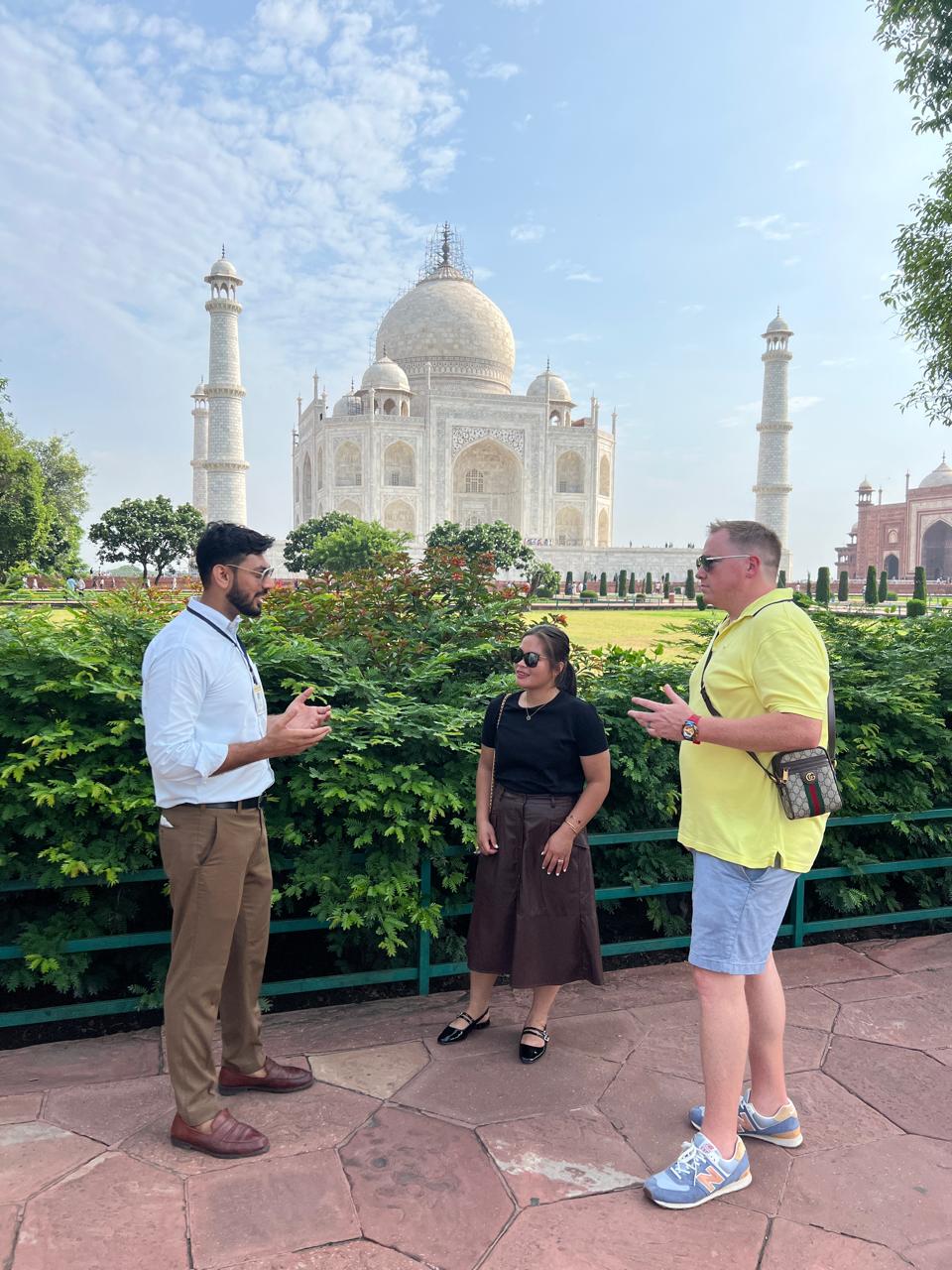
Taj Mahal & Agra Fort Tour by Tuk Tuk
Mon, Feb 16 • 5:00 AM
Agra, Uttar Pradesh, 282001, India
View details
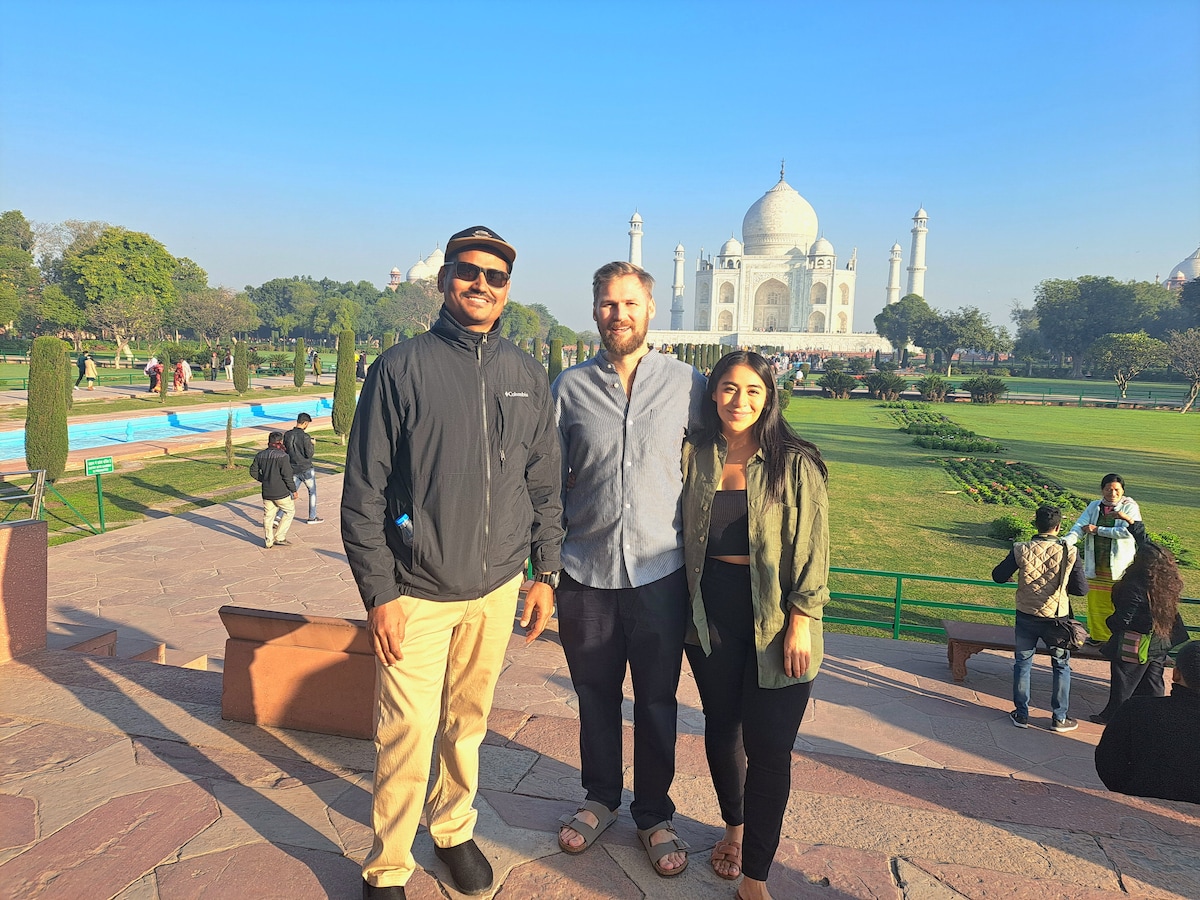
Fully Customizable tour of Taj Mahal and Agra Fort
Mon, Feb 16 • 8:30 AM
Dhandhupura, Uttar Pradesh, 282001, India
View details
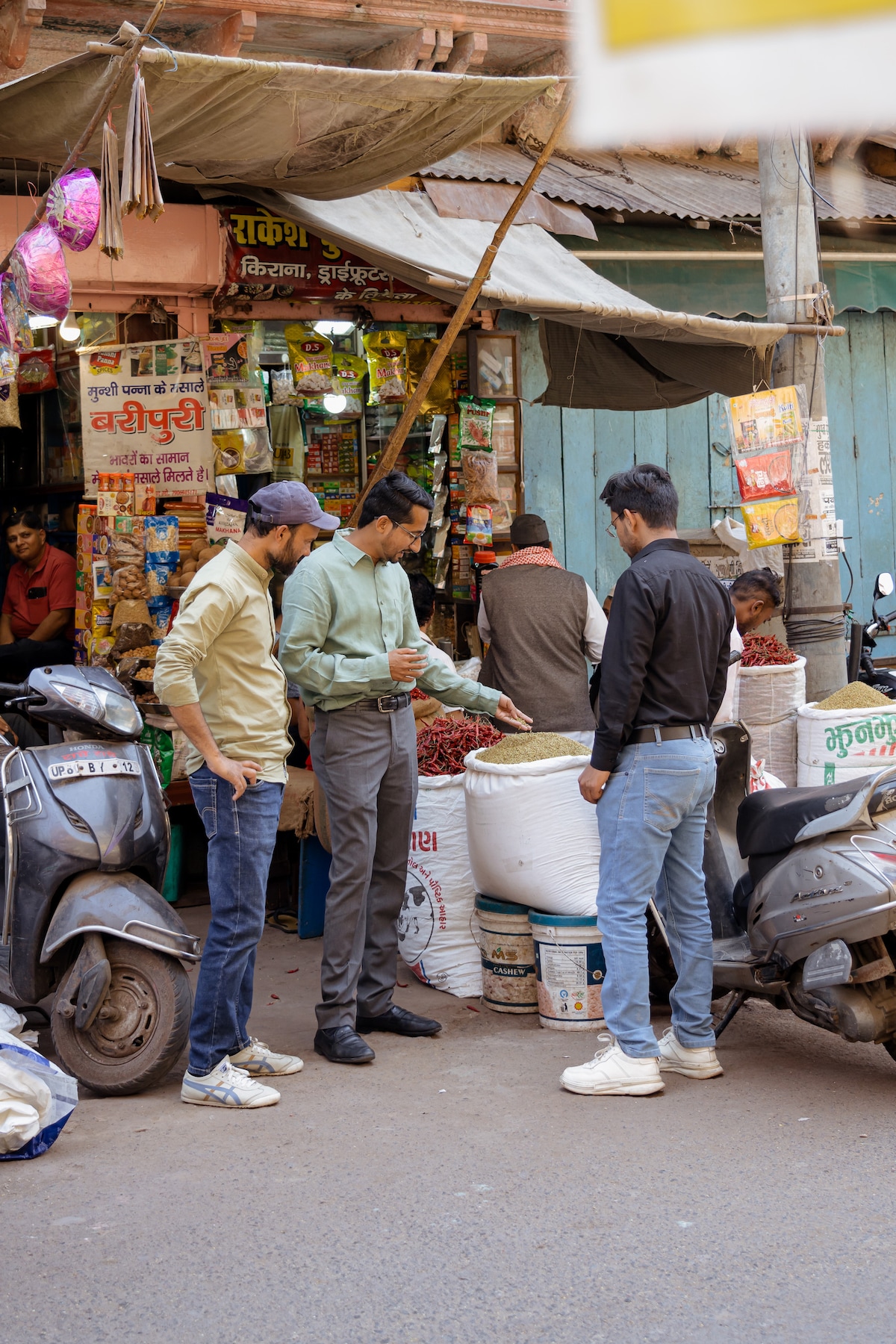
Explore hidden gems of Agras Old City
Mon, Feb 16 • 3:30 PM
Agra, Uttar Pradesh, 282003, India
View details
Nearby attractions of The Shish Mahal (The Glass Palace)
Agra Fort
Anguri Bagh
Diwan-E-Aam
Jahangir Palace
Red Fort of Agra
Diwan-i-khas
Shah Jahani Mahal
Amar Singh Gate
Roshnara Ara Pavilion
Tomb Of John Russell Colvin
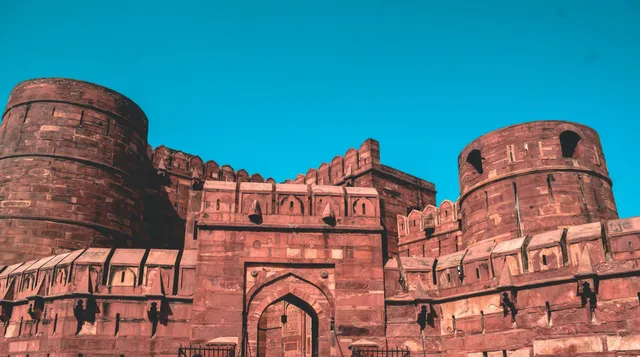
Agra Fort
4.5
(47K)
Open 24 hours
Click for details
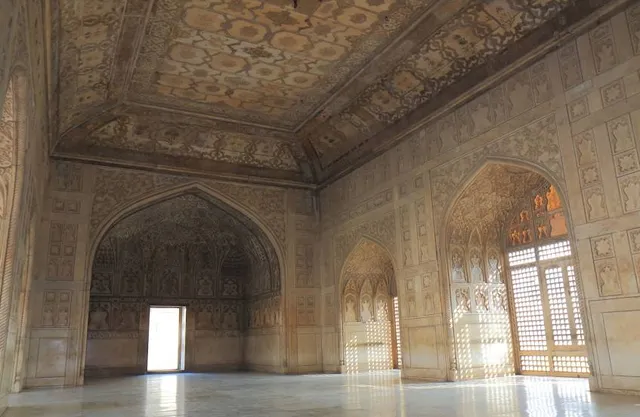
Anguri Bagh
4.4
(555)
Closed
Click for details
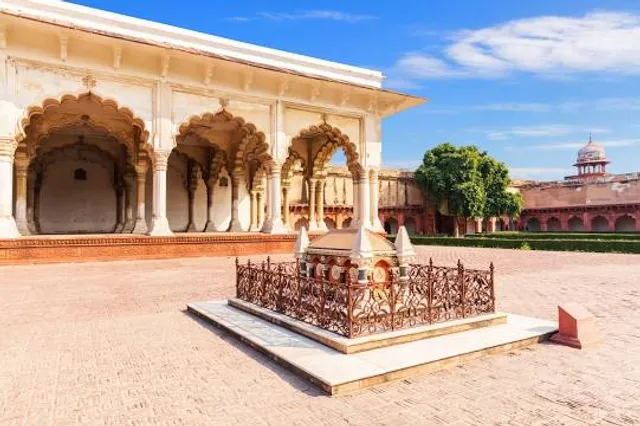
Diwan-E-Aam
4.5
(210)
Open 24 hours
Click for details
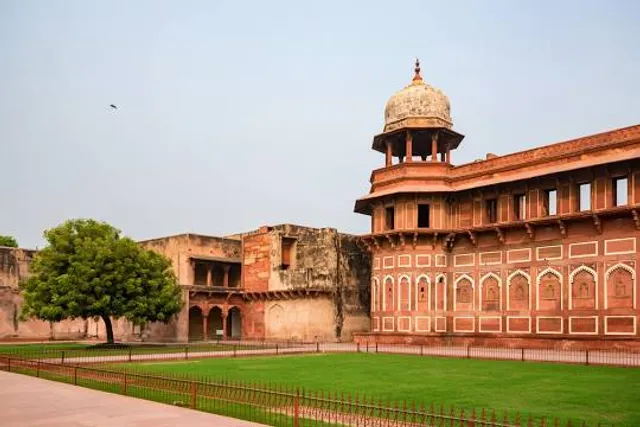
Jahangir Palace
4.5
(227)
Closed
Click for details
Nearby restaurants of The Shish Mahal (The Glass Palace)
IRCTC Food Plaza Agra
Gopal Das Pethe Wale Johri Bazar
Chimman lal Puri Wale
The Kesar Restaurant
Comesum
Aagra fort estesn
Shree Ram Restaurant
NOVELTY RESTAURANT
Taj Restaurant Only Food Booking
Tahir Bhai Birayani
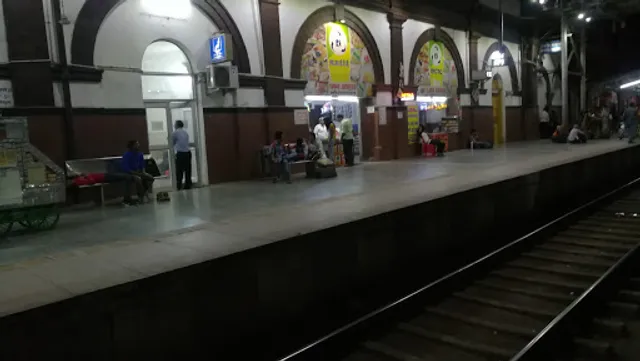
IRCTC Food Plaza Agra
2.8
(82)
Open until 12:00 AM
Click for details
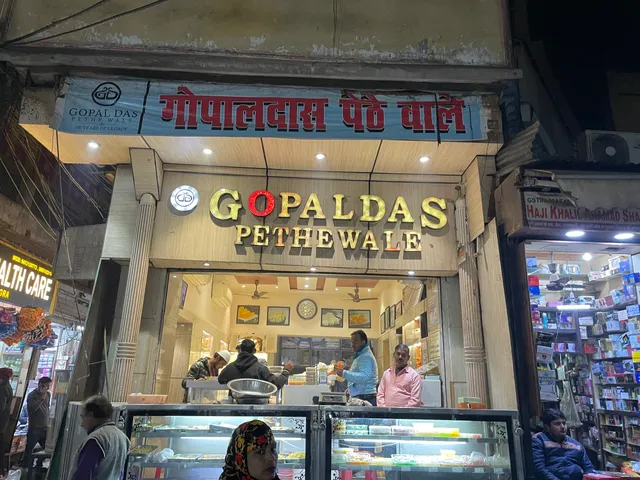
Gopal Das Pethe Wale Johri Bazar
4.1
(464)
Closed
Click for details
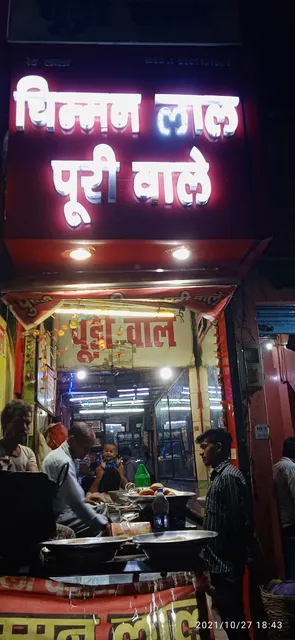
Chimman lal Puri Wale
3.7
(221)
Closed
Click for details
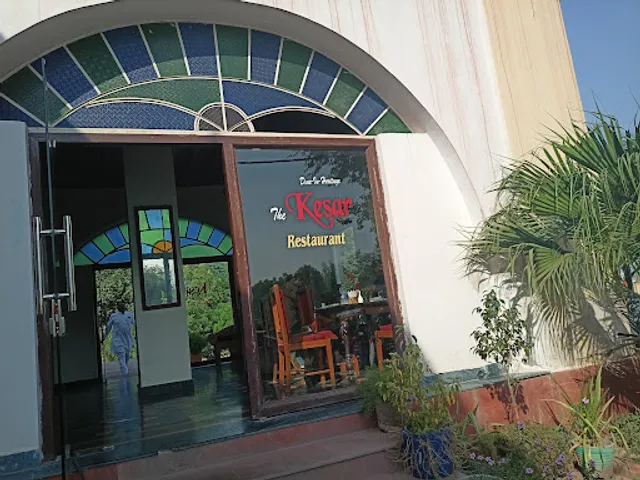
The Kesar Restaurant
3.8
(448)
$$
Closed
Click for details
Nearby local services of The Shish Mahal (The Glass Palace)
Nagina Masjid
Shri Mankameshwar Mandir
Jama Masjid (Agra)
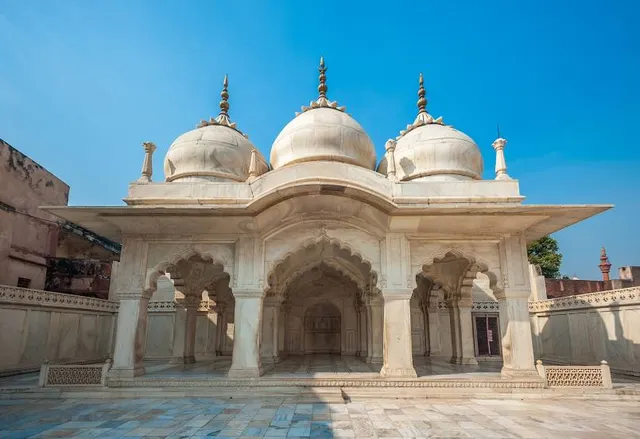
Nagina Masjid
4.6
(85)
Click for details
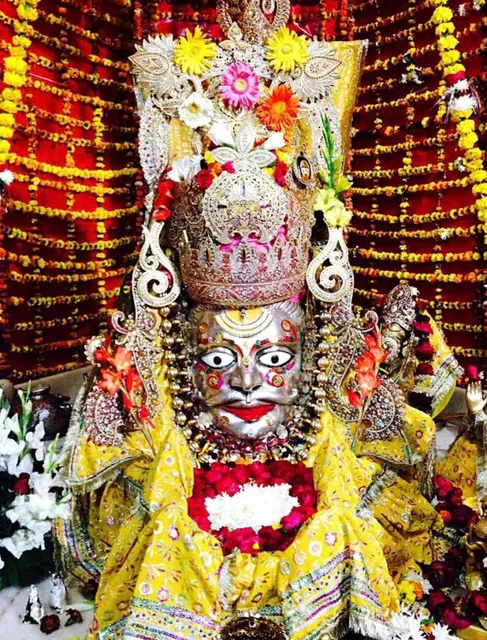
Shri Mankameshwar Mandir
4.7
(2.5K)
Click for details
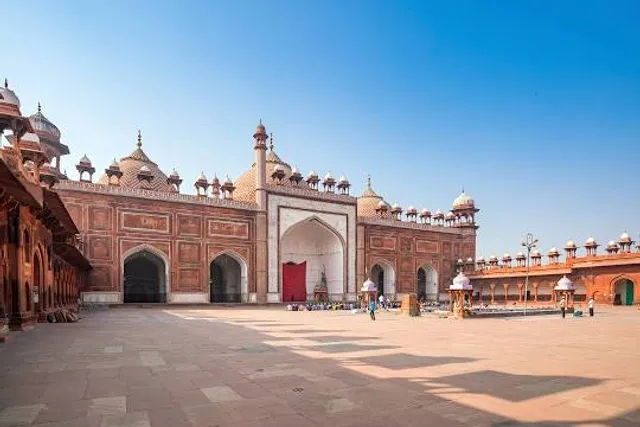
Jama Masjid (Agra)
3.9
(17)
Click for details