Anguri Bagh, located within the majestic Agra Fort in Uttar Pradesh, is a remarkable example of Mughal garden architecture. Built in 1637 by the Mughal Emperor Shah Jahan, Anguri Bagh, which translates to the "Garden of Grapes," was an exquisite private garden meant for the royal zenana (women’s quarters). This garden offers visitors a glimpse into the sophisticated landscape artistry and luxurious lifestyle of the Mughal era.
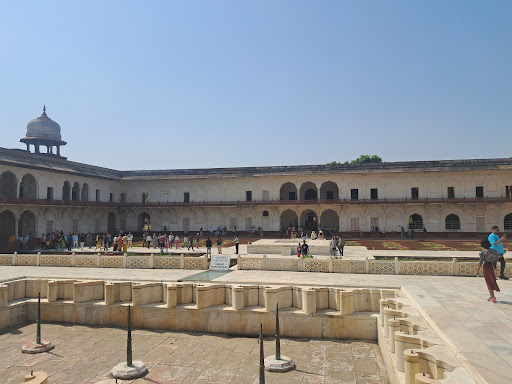
The garden is laid out in the classical Charbagh style, which is a quadrilateral garden divided into four parts by walkways or flowing water channels, symbolizing the four gardens of Paradise described in the Quran. This geometrical and symmetrical layout was not just aesthetically pleasing but carried cultural and religious significance for the Mughals, reflecting their quest for paradise on earth. The garden once boasted lush vineyards, vibrant flowers, and flowing fountains that created a serene and refreshing environment amid the palace complex.
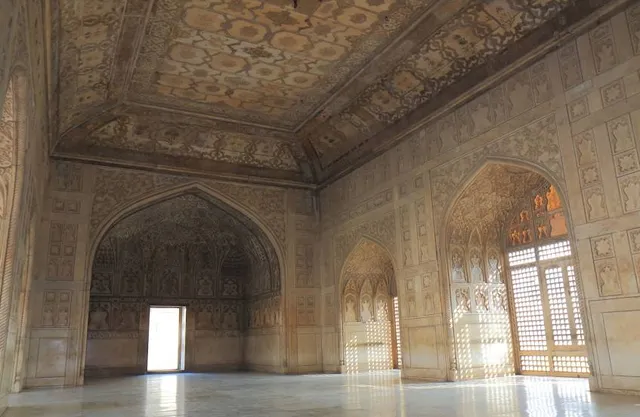
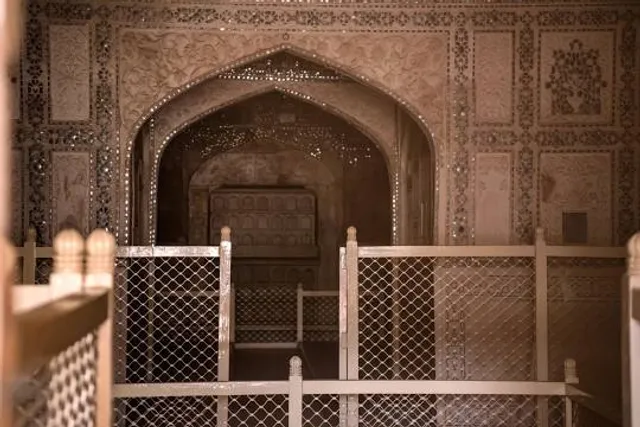
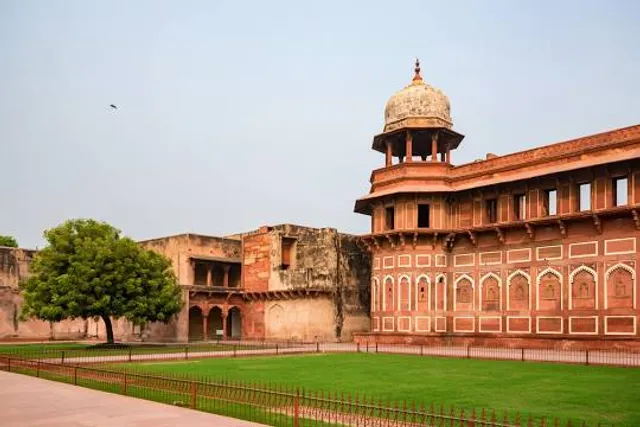
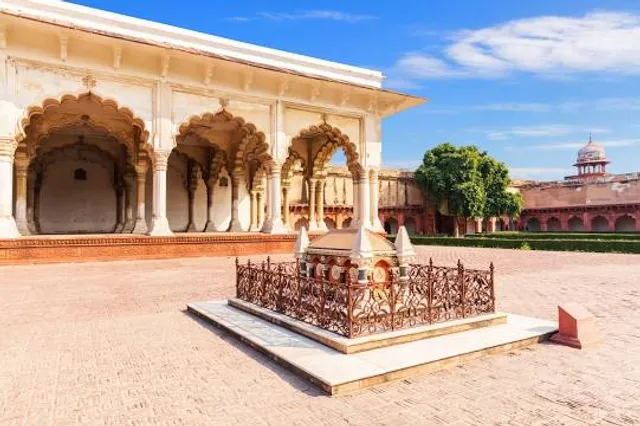
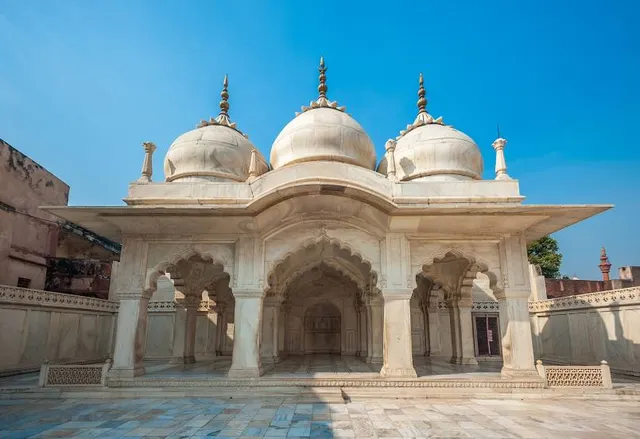
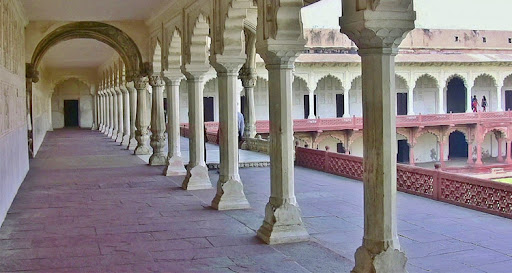
Situated near the Khas Mahal, Shah Jahan’s private palace within Agra Fort, Anguri Bagh was designed to provide a peaceful and private retreat for the emperor and his royal women, allowing them leisure amidst nature’s beauty while enjoying privacy and security. The presence of white marble pavilions and intricate paintings around the garden elevates its grandeur and demonstrates the exquisite craftsmanship that the Mughals were renowned for.
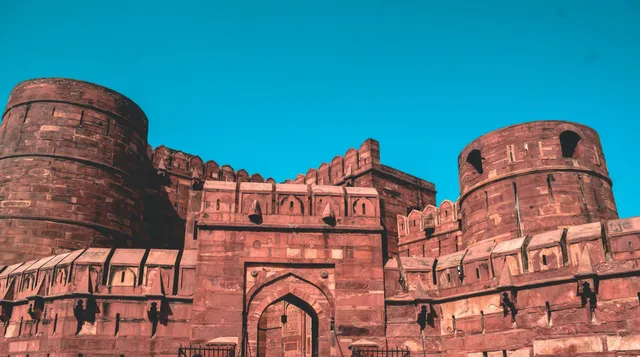
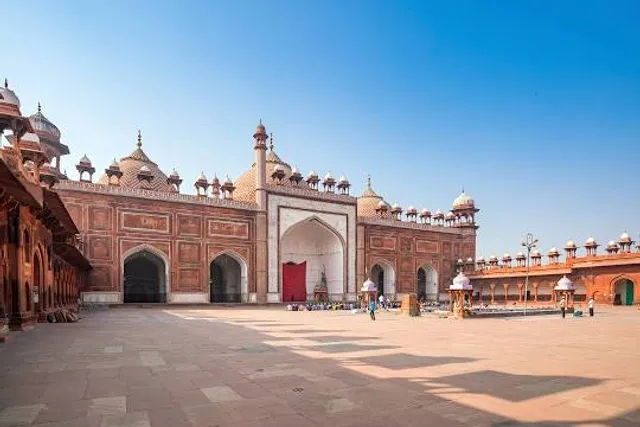
Visitors today still feel the royal aura in Anguri Bagh, with its carefully restored water channels, fountains, and symmetrical flowerbeds. Though time and historical changes have altered the original lushness, the garden remains a charming and tranquil oasis within the fort’s red sandstone fortifications. The garden’s layout and design provide a stark contrast to the robust defensive walls outside, reflecting the dual aspects of Mughal architecture—fortification and refined beauty.
Anguri Bagh is part of the larger Agra Fort complex, a UNESCO World Heritage Site. While the Taj Mahal often overshadows Agra Fort in popularity, Anguri Bagh and other structures within the fort reveal layers of history and intricate artistry that highlight the Mughals’ architectural genius. The garden complements the fort’s many halls, gates, and palaces, enriching the visitor experience with its blend of natural and man-made beauty.
Restoration efforts by the Archaeological Survey of India have helped preserve Anguri Bagh’s original design and features, maintaining it as a key highlight for tourists. Visitors are drawn especially by the garden’s peaceful ambiance amid the historical surroundings and its photogenic pathways and fountains.
Anguri Bagh is also appreciated for its educational value, offering insights into Mughal horticulture, garden planning, and the lifestyle of the Mughal dynasty. For history enthusiasts and architecture lovers, the garden serves as a living museum showcasing the cultural synthesis of Persian and Indian art...
Read moreAnguri Bagh, or the "Garden of Grapes," is a hidden jewel nestled within the magnificent Agra Fort. While many visitors rush through the fort's main sights, a moment spent in this beautifully laid-out Mughal garden offers a rare and peaceful glimpse into the private world of Mughal royalty.Historical significance: Built by Emperor Shah Jahan in 1637, the garden was once the principal square for the royal ladies' quarters, or zenana. The garden was a private space where they could relax and socialize in complete privacy. Symmetrical beauty: As a classic charbagh (four-quartered) garden, Anguri Bagh captivates with its intricate geometric patterns. The symmetrical layout of green lawns and marble walkways creates a perfectly balanced and pleasing aesthetic. Peaceful atmosphere: In contrast to the bustling crowds elsewhere in the fort, Anguri Bagh provides a sense of calm and serenity. It's an ideal spot to sit for a few minutes, away from the noise, and reflect on the historical importance of your surroundings. Photography opportunities: The garden offers many excellent photo ops. The contrasting colors of the manicured greenery, the red sandstone walkways, and the white marble Khas Mahal provide a stunning backdrop for your pictures. Things to keep in mind: Some areas are not accessible: While you can admire the garden from a distance or from the adjoining palaces, access to the lawn itself is sometimes restricted. Fountains are not always working: While the central fountain is a key feature, it is often not operational. Even so, the overall grandeur of the space remains. Manage expectations on "grapes": The name "Anguri Bagh" refers to the lush grapevines that once thrived here. Today, only a handful of climbers remain, but the name evokes the garden's...
Read moreAnguri Bagh, located within the sprawling Agra Fort complex, is a beautifully designed garden that showcases the Mughal passion for nature and aesthetics. Built during the reign of Emperor Shah Jahan in the early 17th century, this charbagh-style garden, also known as the "Grape Garden," was originally intended as a private retreat for the royal family. It served as a space for relaxation and recreation, where the emperor and his family could enjoy the beauty of nature amidst the grandeur of the fort.
The garden's layout is a perfect example of the charbagh design, which divides the space into four equal parts, symbolizing the Islamic concept of paradise. The garden is adorned with intricate geometric patterns created by red sandstone pathways that separate lush green lawns. These pathways lead to central water channels that once flowed with cool water, adding to the garden's tranquil ambiance. Though the grapevines that gave the garden its name no longer exist, the beauty and symmetry of the garden remain captivating.
Surrounded by ornate buildings and pavilions, Anguri Bagh was also the site of the royal harem, where the emperor's wives and concubines resided. The garden's proximity to the Khas Mahal, the private residence of Shah Jahan, indicates its importance as a space for leisure and relaxation.
Today, Anguri Bagh remains a peaceful oasis within the historical Agra Fort, offering visitors a glimpse into the luxurious lifestyle of the Mughal emperors. The garden's serene environment, combined with its historical significance and architectural beauty, makes it a must-visit spot for those exploring the rich heritage of the Mughal...
Read more