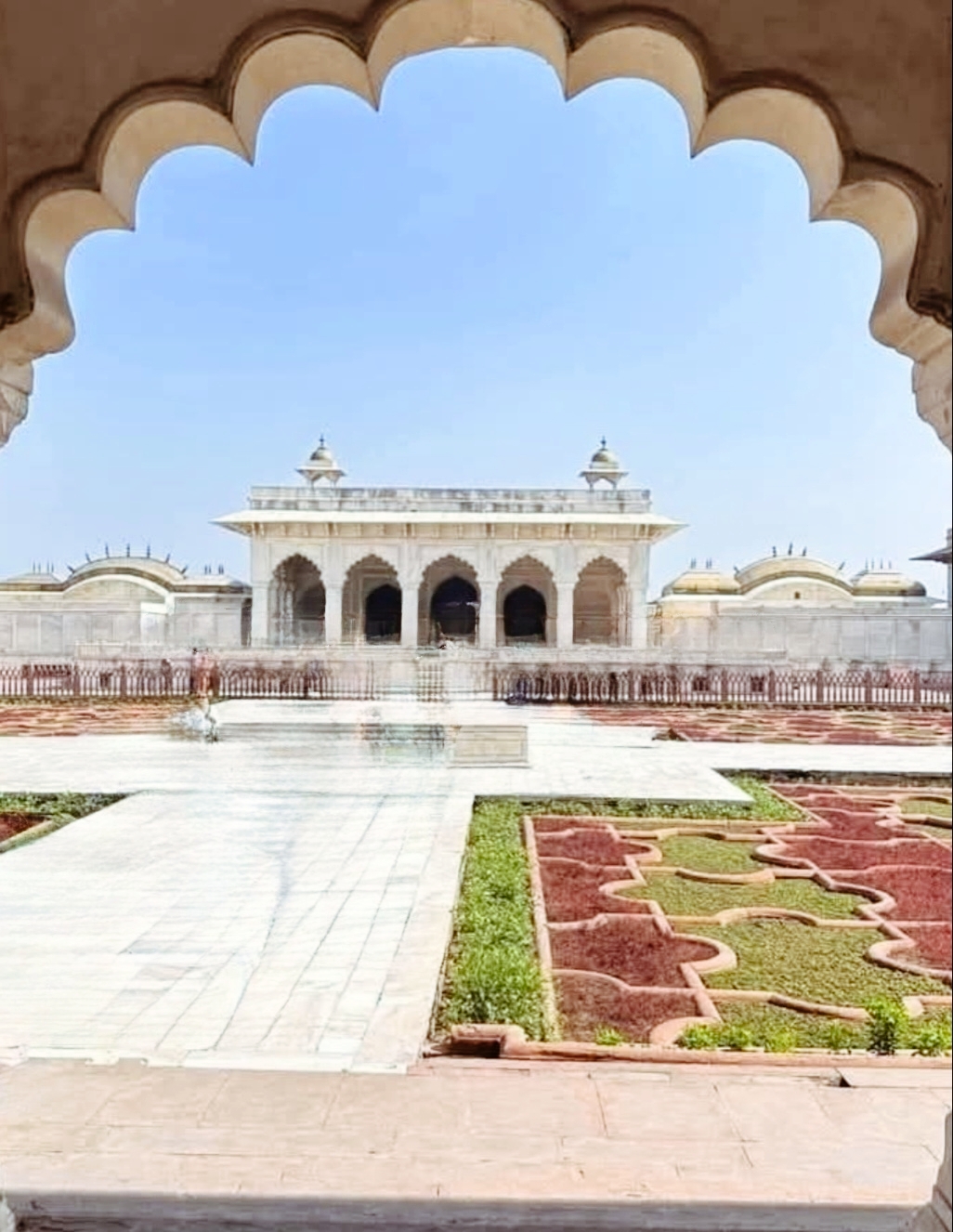
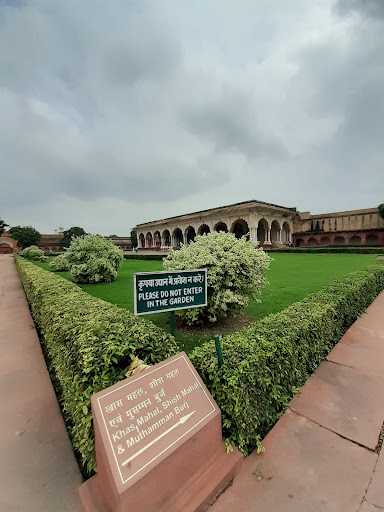
Diwan-i-Khas: Jewel of Mughal Architecture, is situated within Agra Fort in Uttar Pradesh, India, stands as a magnificent testament to Mughal architectural brilliance. This exquisite hall embodies the artistic sophistication and grandeur that characterized the empire at its height.
Built in 1635 during Emperor Shah Jahan's reign, Diwan-i-Khas served as a private audience hall where the emperor received foreign ambassadors, nobles, and dignitaries to discuss matters of state. Beyond its political function, the hall's opulent design showcases the Mughal court's seamless blend of elegance and authority.
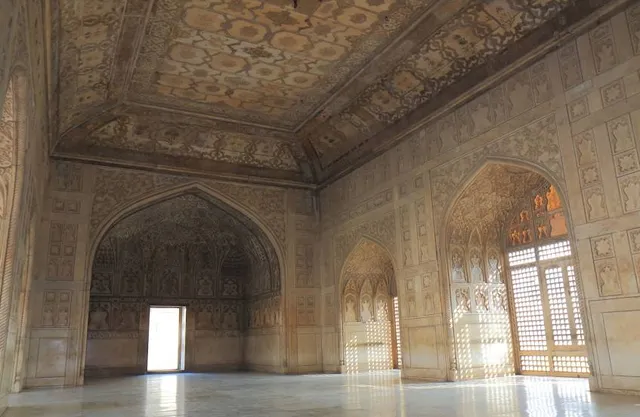
The structure features two distinct sections, an outer columned hall and an inner chamber called Tambi Khana. The outer hall captivates visitors with its intricately carved marble pillars adorned with semi-precious stone inlays. These pillars display vibrant floral patterns, a signature element of Mughal decorative art that celebrates nature's beauty.
Open on three sides with five graceful arches supported by ornate double columns, the hall creates an airy atmosphere. This thoughtful design allows natural light to flood the space while providing uninterrupted views of the surroundings, perfectly suited to its royal purpose.
The hall's flat wooden ceiling, originally embellished with gold and silver leaf, represents one of its most striking features. This sumptuous decoration would have reflected sunlight, creating a dazzling effect throughout the space. Though time has diminished some of this splendor, remnants of the intricate work continue to mesmerize visitors. The interior walls feature delicate floral inlay work and Persian inscriptions that add cultural and artistic depth.
Diwan-i-Khas holds profound historical significance beyond its architectural beauty. Emperor Shah Jahan conducted official ceremonies here, received foreign envoys, and made decisions that shaped the empire's future. The hall also hosted cultural gatherings, highlighting the court's patronage of the arts.
One of the hall's most famous associations is with the legendary Peacock Throne. This extraordinary creation, encrusted with precious gems, originally resided in Diwan-i-Khas before being moved to Delhi's Red Fort. This connection further enhances the hall's historical importance.
Located within Agra Fort, a UNESCO World Heritage Site renowned for its massive red sandstone walls, Diwan-i-Khas benefits from the fort's rich historical context. The fort served as the primary residence of Mughal emperors until the capital relocated to Delhi. Within this complex, Diwan-i-Khas occupies a strategic position near the emperor's quarters, offering visitors insight into Mughal governance and lifestyle.
The hall's setting enhances its charm. From its open arches, visitors enjoy serene views of the Yamuna River and glimpses of the Taj Mahal in the distance. This harmonious integration of natural beauty and architectural refinement creates a peaceful atmosphere.
Surrounding Diwan-i-Khas are verdant gardens and peaceful courtyards that contrast beautifully with Agra Fort's imposing architecture. These green spaces invite contemplation of the site's rich historical and cultural significance.
Walking through Diwan-i-Khas transports visitors to an era of imperial splendor. Its detailed craftsmanship and historical importance leave a lasting impression, providing a window into Shah Jahan's reign and the Mughal era's cultural heritage.
Diwan-i-Khas transcends being merely an architectural wonder; it stands as a living monument to the artistry, diplomacy, and luxury of the Mughal Empire, an essential destination for history enthusiasts, architecture admirers, and anyone seeking connection with India's...
Read moreThe Diwan-i-Khas, or "Hall of Private Audience," within Agra Fort is an exquisite representation of Mughal elegance and royal grandeur. Built by Emperor Shah Jahan in the mid-17th century, this hall served as the emperor's private audience chamber, where he would meet with visiting dignitaries, foreign ambassadors, and his closest advisors to discuss matters of state and diplomacy. It stands as one of the most beautiful structures within the fort, offering a glimpse into the lavish lifestyle and sophisticated court culture of the Mughal era.
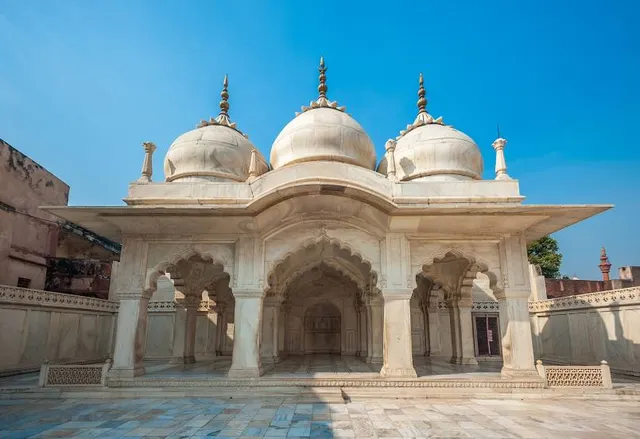
The Diwan-i-Khas is constructed primarily from white marble, a signature of Shah Jahan’s architectural style, as seen in his other iconic works like the Taj Mahal. The structure is adorned with delicate floral carvings, inlaid with semi-precious stones, and features intricate jali (lattice) work that allows light to filter through, creating an ethereal ambiance. The hall's graceful arches and carved pillars give it a sense of grandeur while maintaining an intimate atmosphere suitable for private meetings.
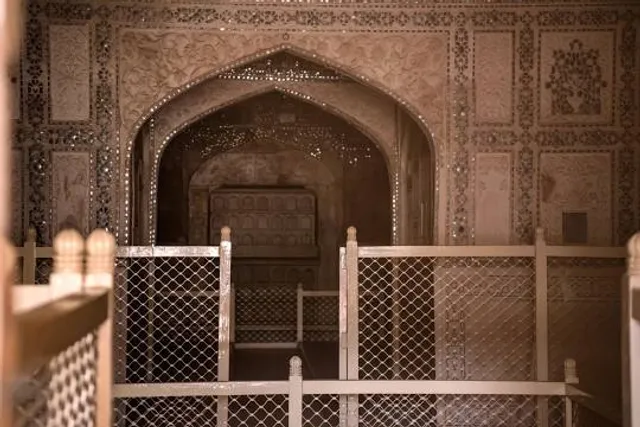
At the center of the hall is the space where the famed Peacock Throne once stood—a symbol of Mughal opulence. The Diwan-i-Khas was the setting for significant political discussions and ceremonial gatherings, making it an essential part of the imperial court's day-to-day operations.
The hall's open design also allows for panoramic views of the Yamuna River and the Taj Mahal, further enhancing its regal feel. Visitors to the Diwan-i-Khas are often struck by its serene beauty and the attention to detail that characterizes Mughal architecture.
Today, the Diwan-i-Khas stands as a testament to the refined taste and political power of the Mughal emperors, offering a deeper understanding of the empire’s cultural and diplomatic achievements. Its blend of artistic brilliance and historical significance makes it one of the most captivating sites...
Read moreVery Nice place, History: A result of earliest manifestation of Shah Jehan's love for marble, Diwan-I-Am or Hall of Public Audience was the place where the emperor addressed the general public as well as the nobility. Constructed between 1631-40, it is situated close to Machchhi Bhawan. The huge assembly hall measuring 201' by 67' has flat roof and two arched red sandstone gateways to the north and south. The façade has an arcade with nine bold arches and the hall is divided into three aisles. Though the building was constructed in red sandstone, yet it had been plastered with white shell plaster to resemble the white marble. The raised rectangular chamber from where the emperor addressed the people was ostentatiously ornamented.
Made in marble, this 'jharokha' with a three-arched opening and inlaid with precious stones, was known as the 'Takht-i-Murassa' (the Throne Room). This chamber was connected to the royal apartments and the royal ladies could watch the ceremonials of the Diwan-i-Am through the marble windows with perforated screens on the right and left of the enperor's chamber, while not being seen by those in the hall. The marble dias below this chamber was known as 'Baithak'. It used to serve as the seat for Wazir, who presented petitions to the emperor. It is said that the hall used to have silver balustrades for the nobility, where they could stand according to their ranks and the outlines of the columns and the spandrels were...
Read more