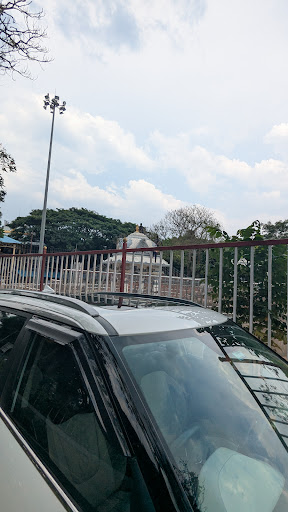
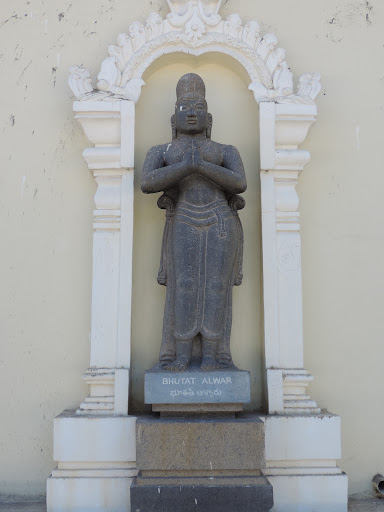
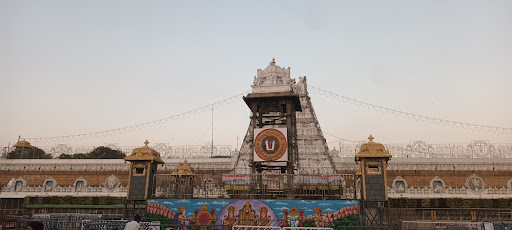
Thirumala Srivari temple things to do, attractions, restaurants, events info and trip planning
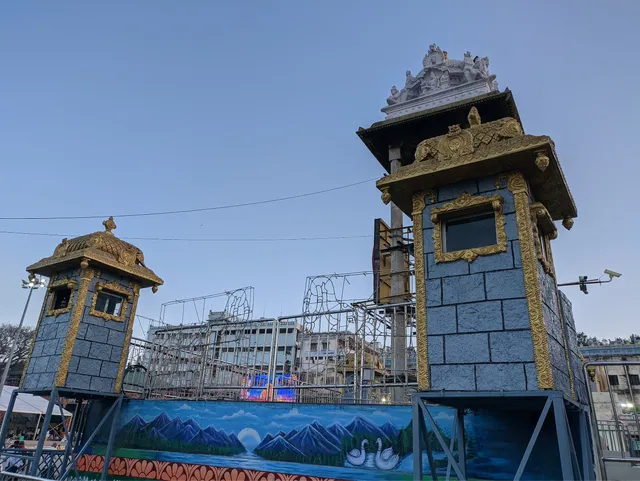
Basic Info
Thirumala Srivari temple
M9H2+7VC, Balajy Colony, Tirumala, Tirupati Urban, Andhra Pradesh 517504, India
4.6(225)
Open 24 hours
Save
spot
spot
Ratings & Description
Info
Cultural
Family friendly
Accessibility
attractions: Sri Venkateswara Swamy Temple (Tirumala Tirupati Devasthanams), Kalyanakatta tirumala, Tirumala, Tirumala Hills, Sri Bedi Anjaneya Swamy Temple, Sri Venkateswara Dhyana Jnana Mandiram, Sri Swami Hathiramji Mutt, K.C.C Main Entrance Circle Tirumala Balaji Mandir root [Tirupati temple view point (ES10) and General Dharshan Way], Akhilandam, Srivari Pushkarini, restaurants: Hotel Saravana Bavan, ANNA PRASADA FREE FOOD, Annadana Kendram, Sri Balaji WoodSide Restaurant, Fast Food Lakshmi Varaha Venkateswara, Nandini milk parlour, Annamayya Bhavanam, Sri Padmavathi Annapoorna Restaurant, Bhukya Gayathri Tea Stall, TTD Free Bus Stop - Anna Prasad, local businesses: Sri Venkateswara Swamy Vaari Temple, Vaikuntam Queue Complex - 1, Hathiram baba Math, Swami Pushkarini, Lord SRI VENKATESWARA SWAMY Temple, Tirumala
 Learn more insights from Wanderboat AI.
Plan your stay

Pet-friendly Hotels in Andhra Pradesh
Find a cozy hotel nearby and make it a full experience.

Affordable Hotels in Andhra Pradesh
Find a cozy hotel nearby and make it a full experience.

The Coolest Hotels You Haven't Heard Of (Yet)
Find a cozy hotel nearby and make it a full experience.

Trending Stays Worth the Hype in Andhra Pradesh
Find a cozy hotel nearby and make it a full experience.
Reviews
Nearby attractions of Thirumala Srivari temple
Sri Venkateswara Swamy Temple (Tirumala Tirupati Devasthanams)
Kalyanakatta tirumala
Tirumala
Tirumala Hills
Sri Bedi Anjaneya Swamy Temple
Sri Venkateswara Dhyana Jnana Mandiram
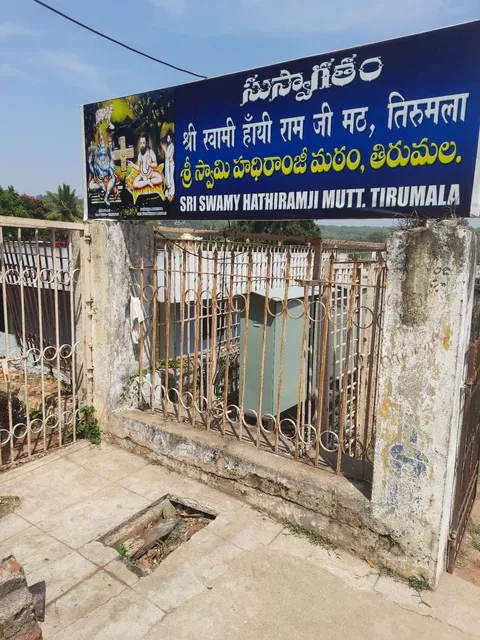
Sri Swami Hathiramji Mutt
K.C.C Main Entrance Circle Tirumala Balaji Mandir root [Tirupati temple view point (ES10) and General Dharshan Way]
Akhilandam
Srivari Pushkarini
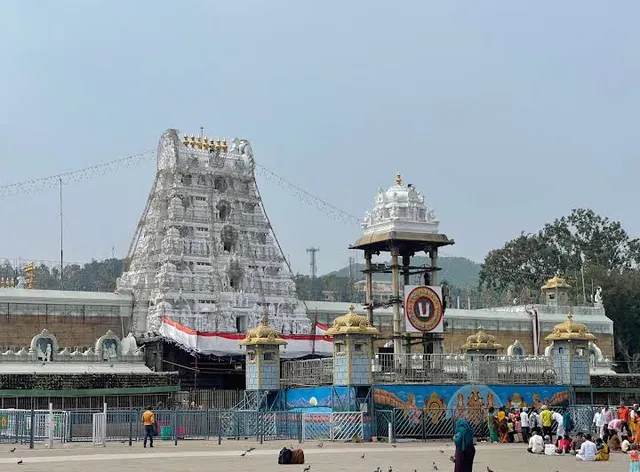
Sri Venkateswara Swamy Temple (Tirumala Tirupati Devasthanams)
4.8
(49.9K)
Open 24 hours
Click for details
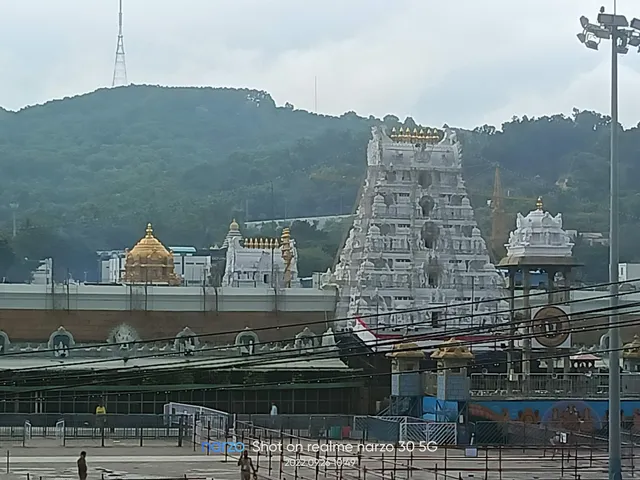
Kalyanakatta tirumala
4.5
(2.3K)
Open until 11:00 PM
Click for details
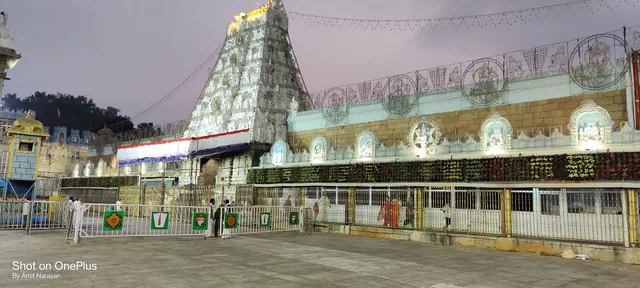
Tirumala
4.6
(22)
Open 24 hours
Click for details

Tirumala Hills
4.9
(14)
Open 24 hours
Click for details
Nearby restaurants of Thirumala Srivari temple
Hotel Saravana Bavan
ANNA PRASADA FREE FOOD
Annadana Kendram
Sri Balaji WoodSide Restaurant
Fast Food Lakshmi Varaha Venkateswara
Nandini milk parlour
Annamayya Bhavanam
Sri Padmavathi Annapoorna Restaurant
Bhukya Gayathri Tea Stall
TTD Free Bus Stop - Anna Prasad
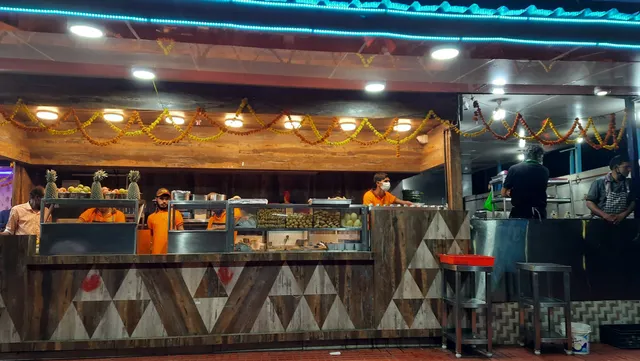
Hotel Saravana Bavan
3.4
(913)
Click for details
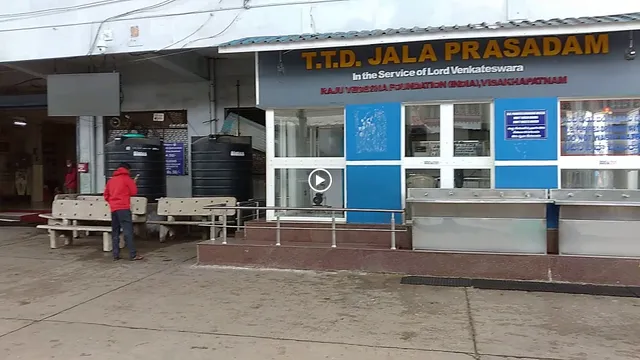
ANNA PRASADA FREE FOOD
4.7
(123)
Open until 11:00 PM
Click for details
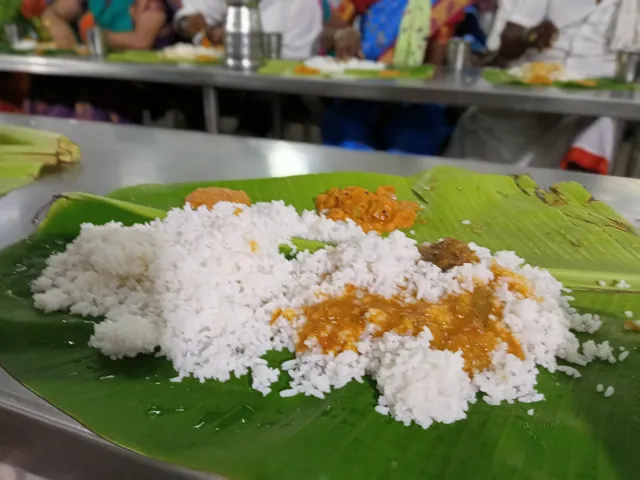
Annadana Kendram
4.5
(96)
$
Closed
Click for details
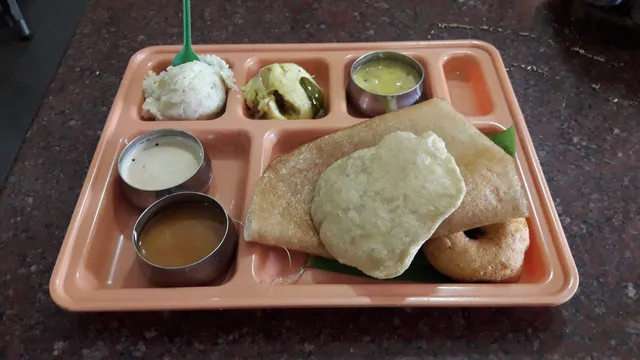
Sri Balaji WoodSide Restaurant
3.0
(158)
Open until 11:00 PM
Click for details
Nearby local services of Thirumala Srivari temple
Sri Venkateswara Swamy Vaari Temple
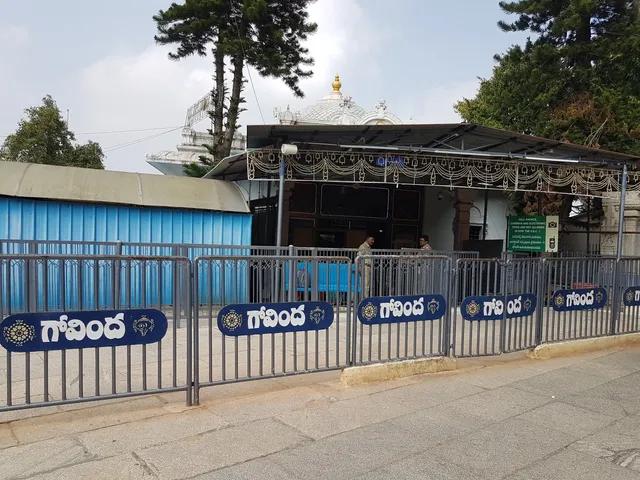
Vaikuntam Queue Complex - 1
Hathiram baba Math
Swami Pushkarini
Lord SRI VENKATESWARA SWAMY Temple, Tirumala
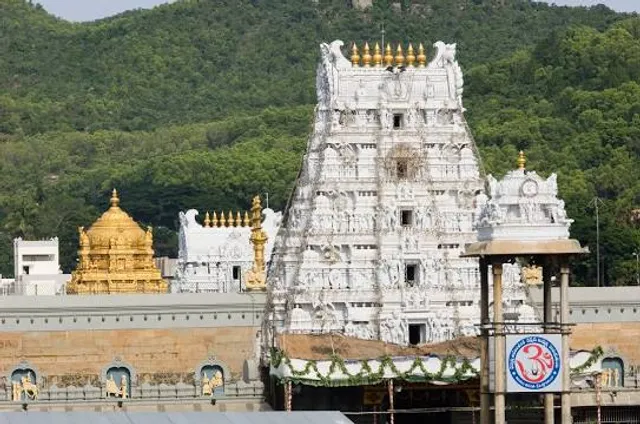
Sri Venkateswara Swamy Vaari Temple
4.7
(37.4K)
Click for details
Vaikuntam Queue Complex - 1
4.5
(838)
Click for details
Hathiram baba Math
3.9
(26)
Click for details

Swami Pushkarini
4.7
(373)
Click for details