Kote Shri Prasanna Venkataramana Swami Temple things to do, attractions, restaurants, events info and trip planning
Basic Info
Kote Shri Prasanna Venkataramana Swami Temple
39, Krishna Rajendra Rd, Kalasipalya, Bengaluru, Karnataka 560018, India
4.7(649)
Closed
Save
spot
spot
Ratings & Description
Info
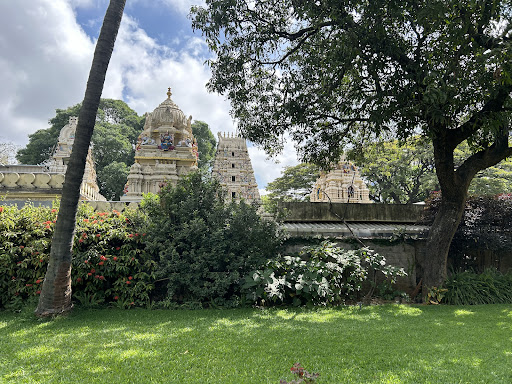
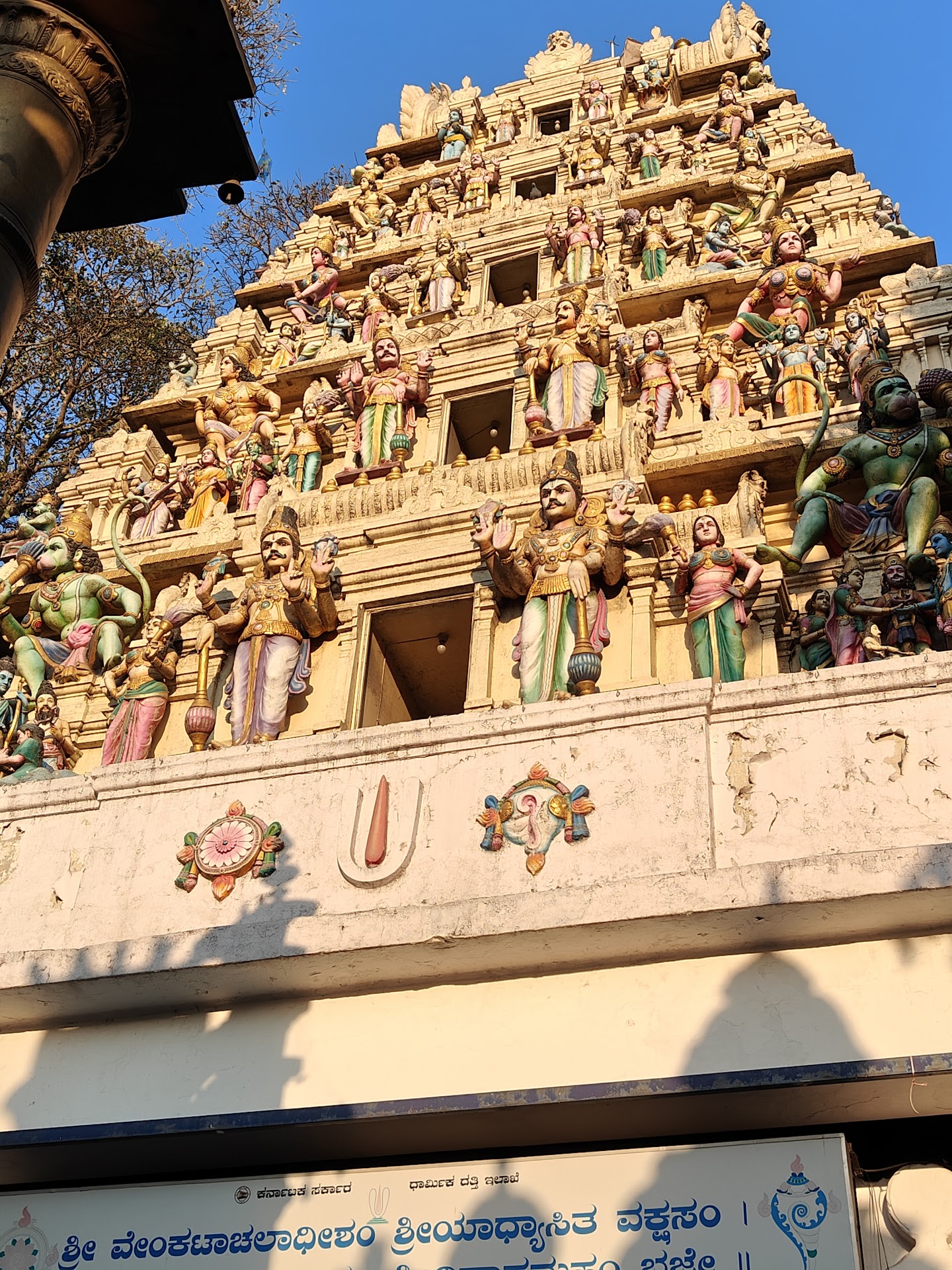
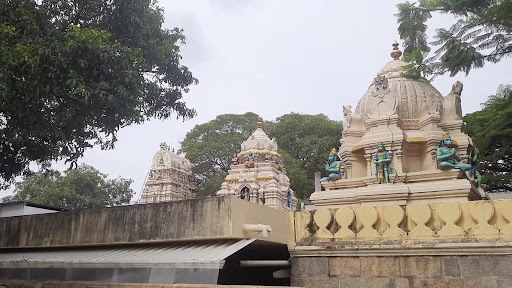
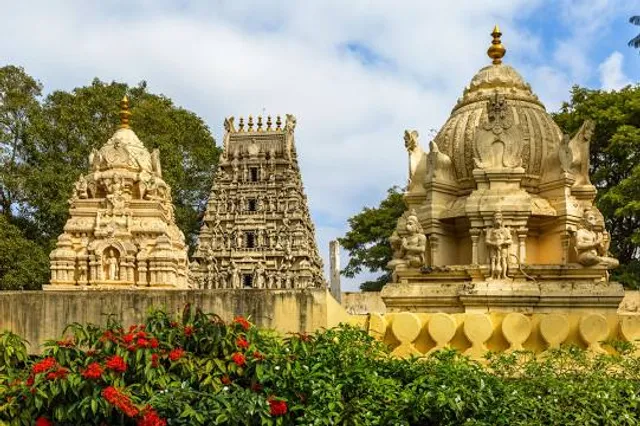
Kote Venkataramana Temple is a Hindu temple in Krishnarajendra Road, Bangalore, India dedicated to the god Venkateshwara. The temple was built in 1689 in Dravidian and Vijayanagara style by King Chikka Devaraja Wodeyar, then ruler of Mysore.
Cultural
Family friendly
Accessibility
attractions: Tipu Sultan's Summer Palace, Bengaluru Fort, J's La Quill Museum, KALPAKA TRAVELS, Shri Gangamma Devi Devasthana, restaurants: Sri Sai Ganesh Juice Centre, Prakash Cafe, Upahara Darshini, Kims Canteen, New Thalassery Restaurant( Kerala food), UDUPI AATITHYA, Kalasipalya Chakna Center, S.L.V. Coffee Bar, N V Naidu Hotel, Hotel Cornation, Hotel Chandraprakash, local businesses: Shri Jalakanteshwara Devasthana, Sri Krishnarajendra Market, KR Market, Baker’s Nest ( R J impex ), City Market, Sunday Market, Nandhini Deluxe, Rajasthan malai kulfi, Patel Sweets, Sai Niketh Baker's Mart
 Learn more insights from Wanderboat AI.
Phone
+91 80 2235 2828
Open hoursSee all hours
Mon8 AM - 12 PM, 6 - 8:30 PMClosed
Plan your stay

Pet-friendly Hotels in Bengaluru
Find a cozy hotel nearby and make it a full experience.

Affordable Hotels in Bengaluru
Find a cozy hotel nearby and make it a full experience.

The Coolest Hotels You Haven't Heard Of (Yet)
Find a cozy hotel nearby and make it a full experience.

Trending Stays Worth the Hype in Bengaluru
Find a cozy hotel nearby and make it a full experience.
Reviews
Live events
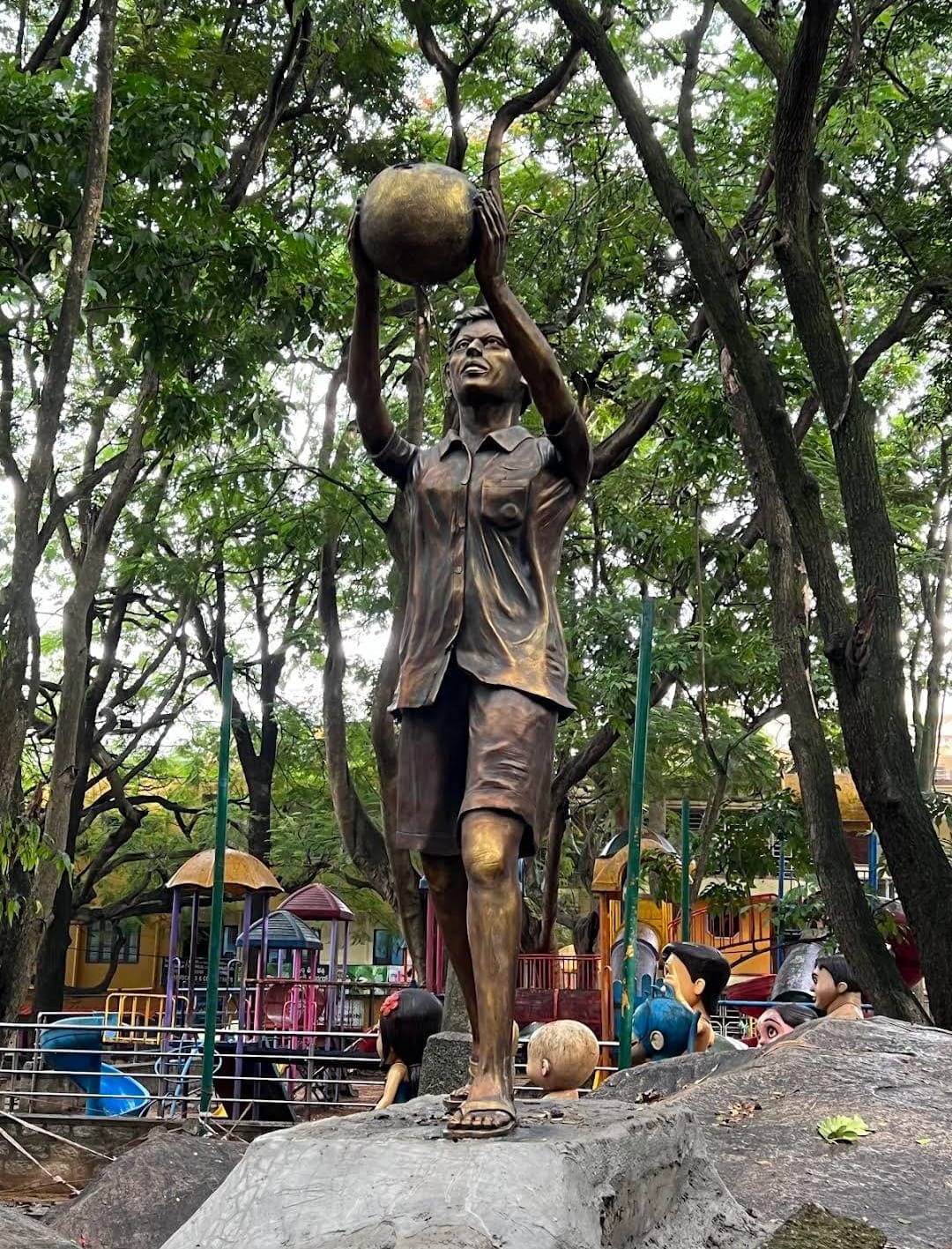
Experience Old Bangalore: Culture & Coffee
Tue, Feb 24 • 9:00 AM
Bengaluru, Karnataka, 560004, India
View details
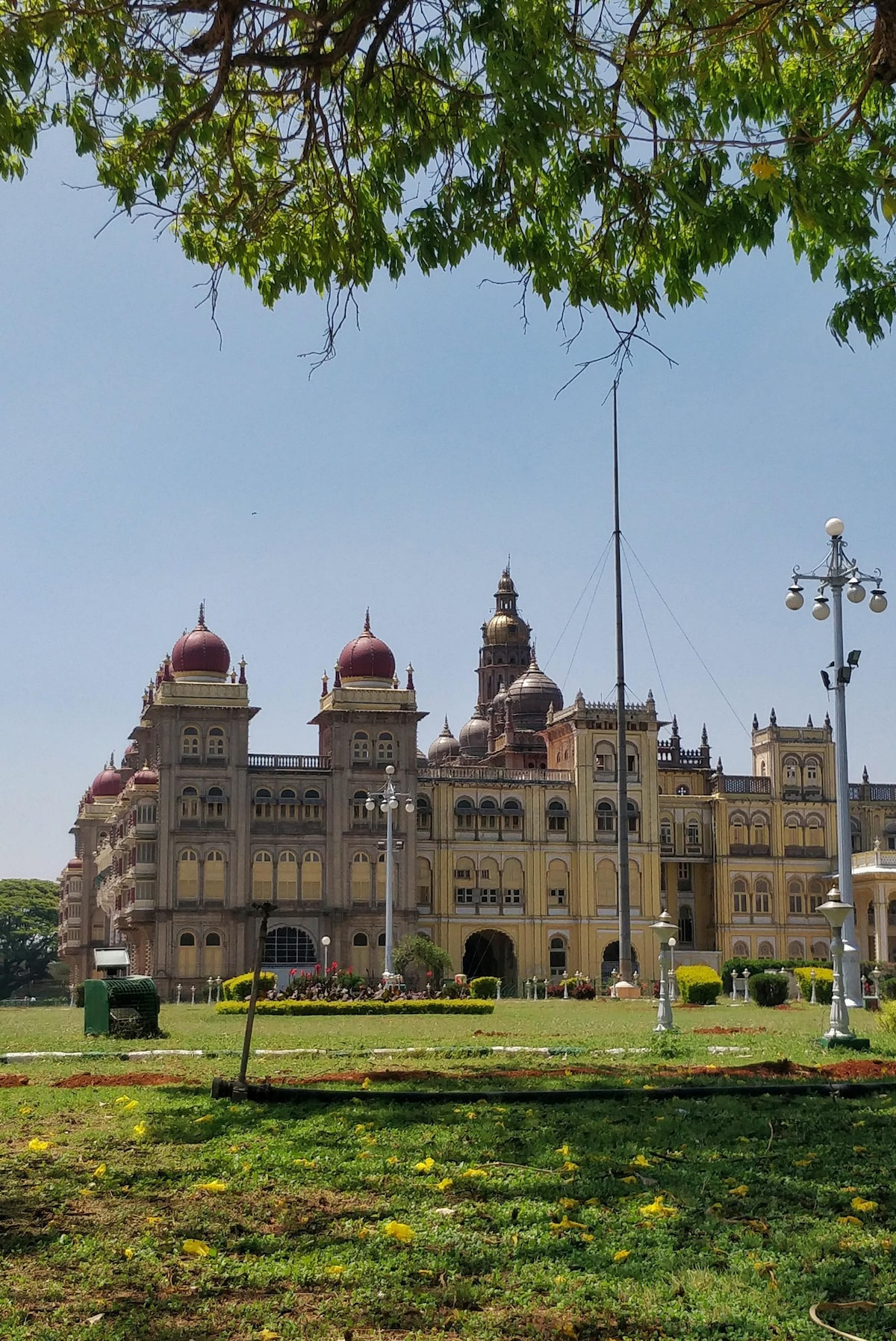
Day tour: Mysore from Bangalore with Lunch/AC car
Mon, Feb 23 • 8:00 AM
Bengaluru, Karnataka, 560001, India
View details
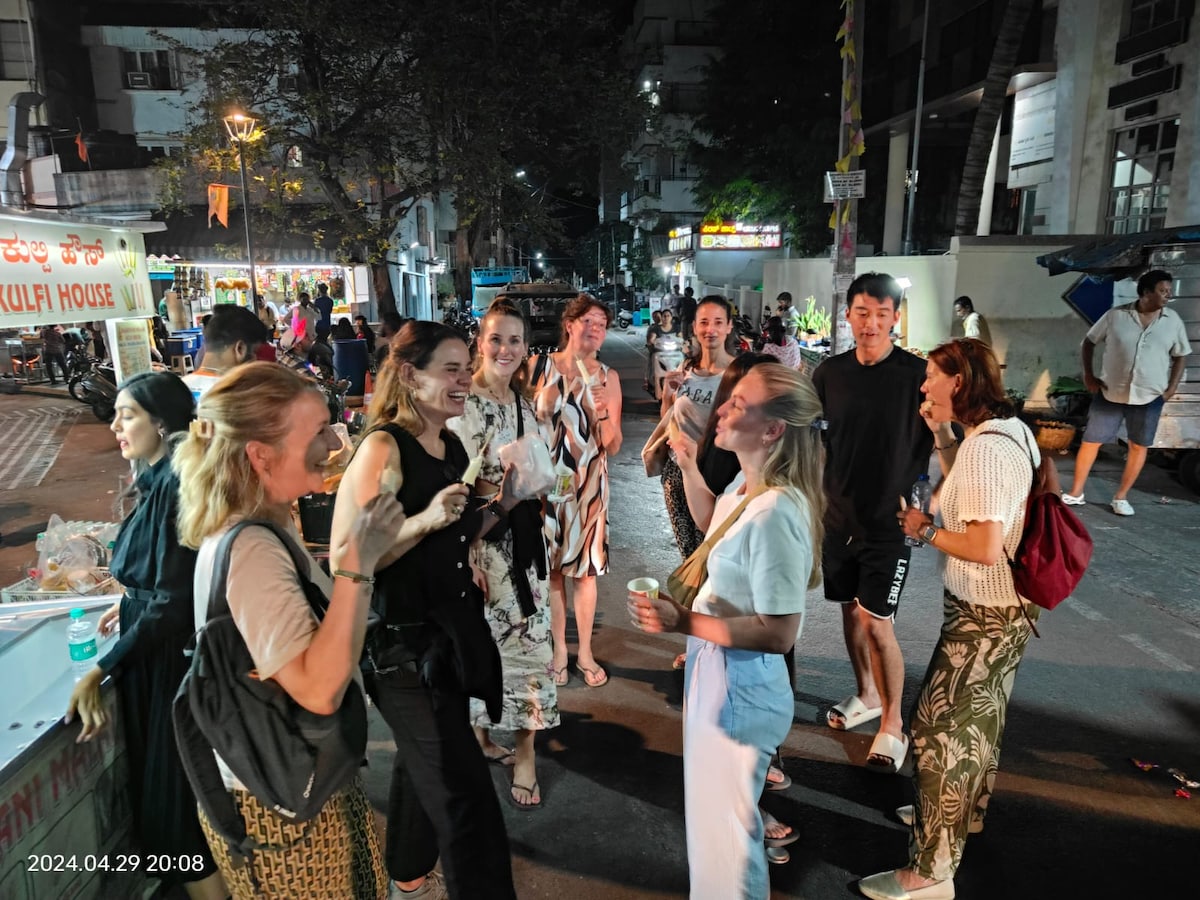
Street Food Tour near a Local Market in Bangalore
Mon, Feb 23 • 7:00 PM
Bengaluru, Karnataka, 560040, India
View details
Nearby attractions of Kote Shri Prasanna Venkataramana Swami Temple
Tipu Sultan's Summer Palace
Bengaluru Fort
J's La Quill Museum
KALPAKA TRAVELS
Shri Gangamma Devi Devasthana
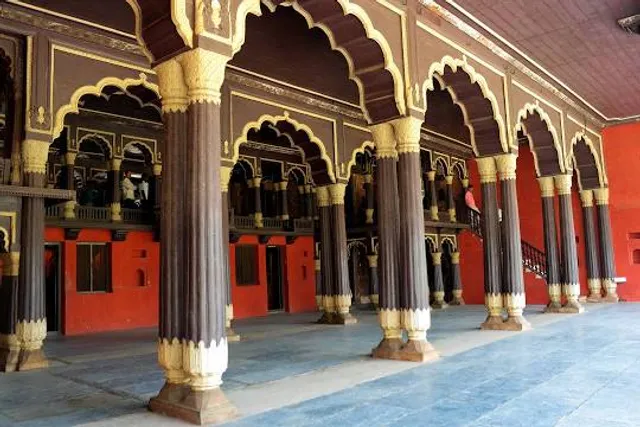
Tipu Sultan's Summer Palace
3.9
(11.6K)
Open until 5:30 PM
Click for details
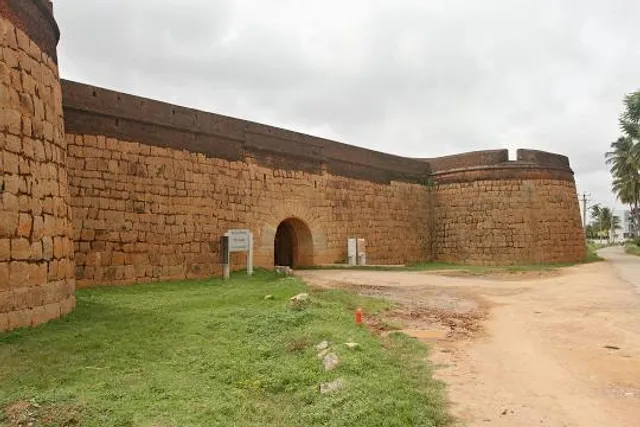
Bengaluru Fort
4.0
(10K)
Open until 5:30 PM
Click for details
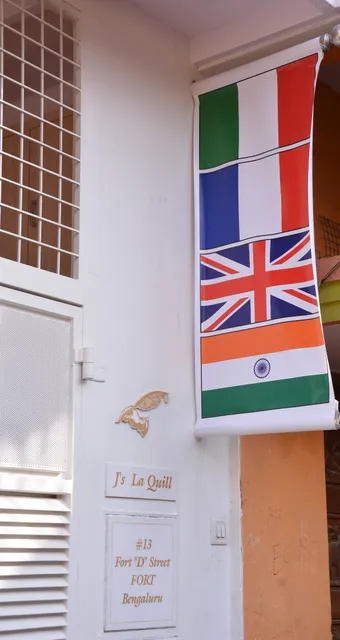
J's La Quill Museum
4.6
(12)
Open until 5:00 PM
Click for details
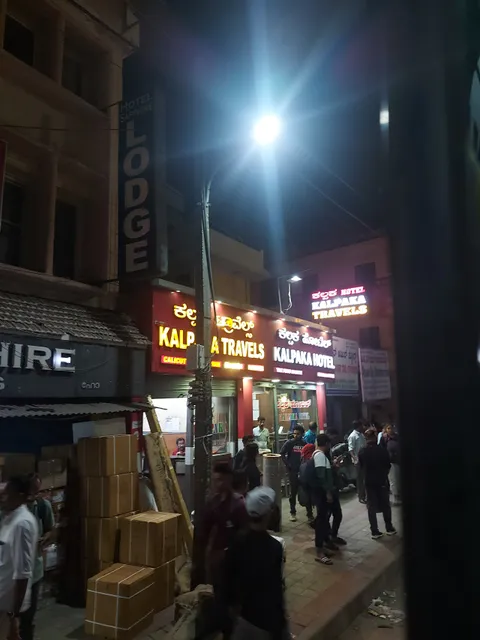
KALPAKA TRAVELS
3.8
(187)
Open 24 hours
Click for details
Nearby restaurants of Kote Shri Prasanna Venkataramana Swami Temple
Sri Sai Ganesh Juice Centre
Prakash Cafe
Upahara Darshini, Kims Canteen
New Thalassery Restaurant( Kerala food)
UDUPI AATITHYA
Kalasipalya Chakna Center
S.L.V. Coffee Bar
N V Naidu Hotel
Hotel Cornation
Hotel Chandraprakash
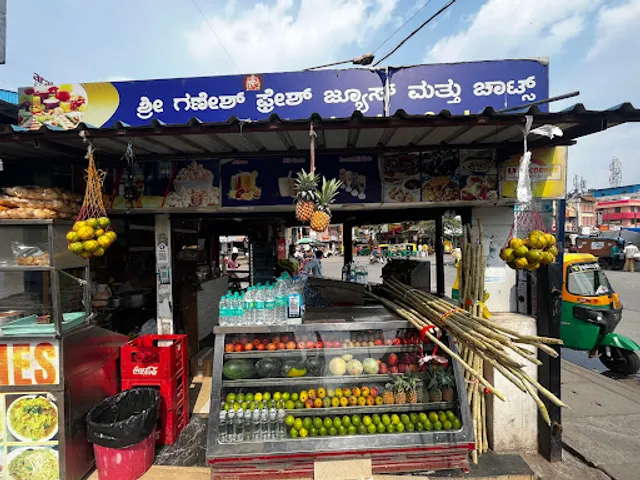
Sri Sai Ganesh Juice Centre
3.9
(144)
Open until 10:30 PM
Click for details
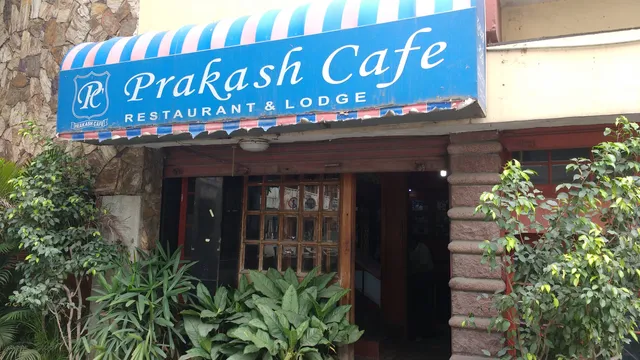
Prakash Cafe
3.9
(1.1K)
$$
Open until 12:00 AM
Click for details
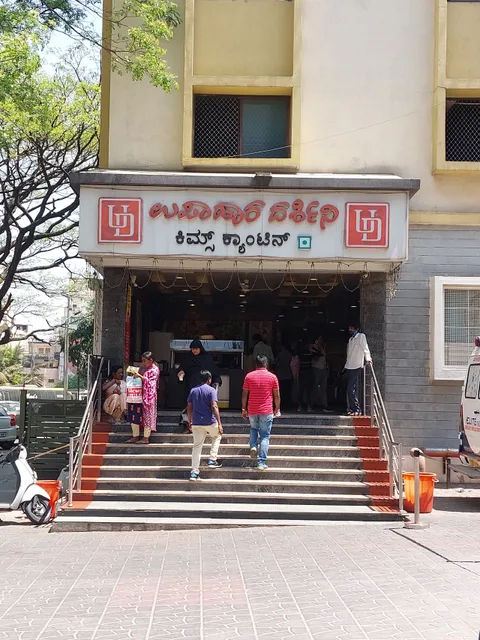
Upahara Darshini, Kims Canteen
4.1
(749)
Open until 10:00 PM
Click for details
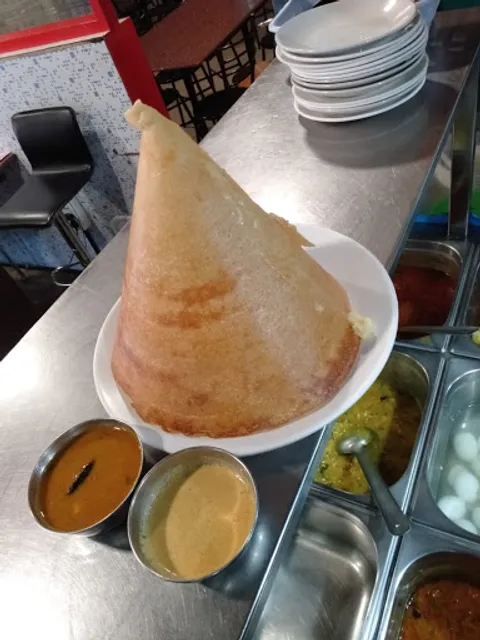
New Thalassery Restaurant( Kerala food)
3.7
(192)
Open until 11:30 PM
Click for details
Nearby local services of Kote Shri Prasanna Venkataramana Swami Temple
Shri Jalakanteshwara Devasthana
Sri Krishnarajendra Market
KR Market
Baker’s Nest ( R J impex )
City Market
Sunday Market
Nandhini Deluxe
Rajasthan malai kulfi
Patel Sweets
Sai Niketh Baker's Mart
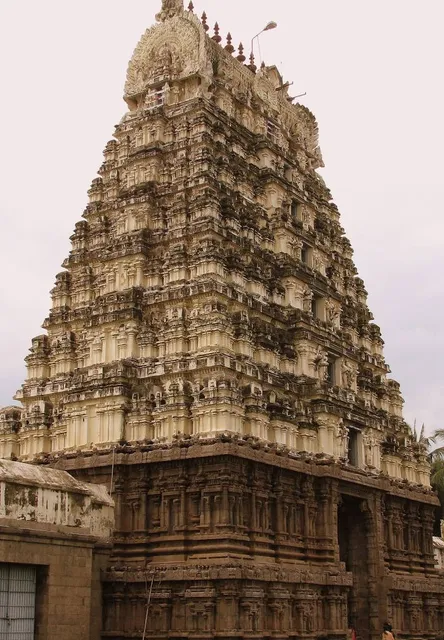
Shri Jalakanteshwara Devasthana
4.7
(134)
Click for details

Sri Krishnarajendra Market
3.9
(17.8K)
Click for details
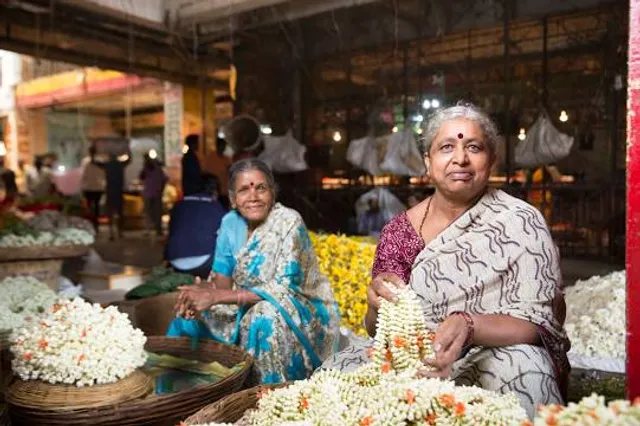
KR Market
3.9
(16.5K)
Click for details
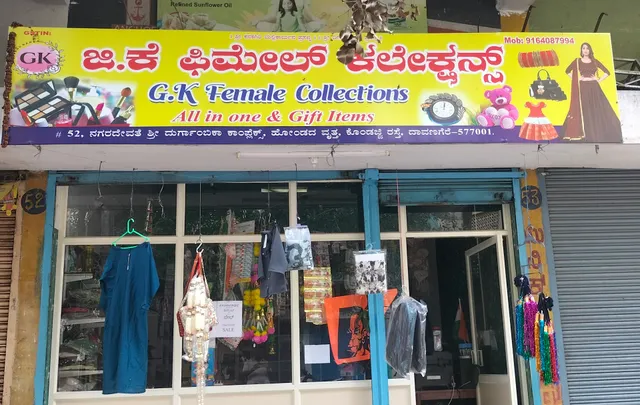
Baker’s Nest ( R J impex )
4.1
(256)
Click for details