HTML SitemapExplore
logo
Find Things to DoFind The Best Restaurants

Mahavir Mandir Patna — Attraction in Bihar

Name
Mahavir Mandir Patna
Description
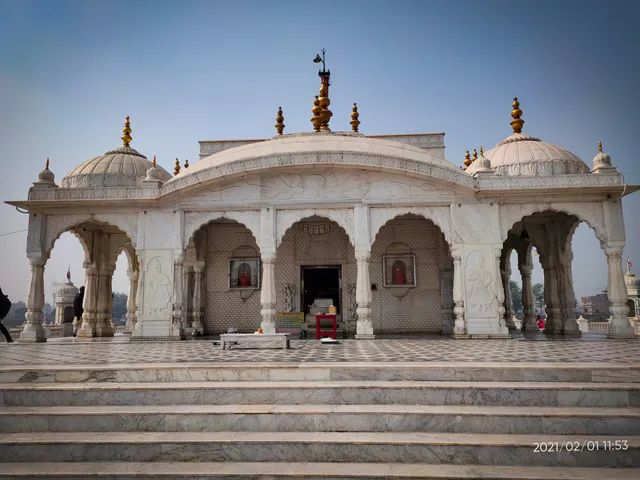
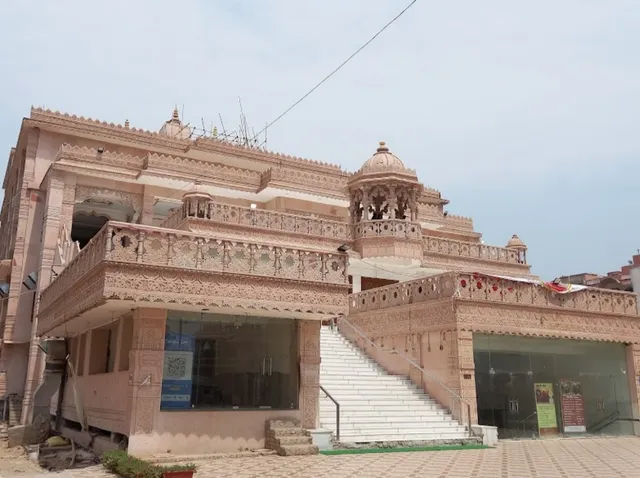
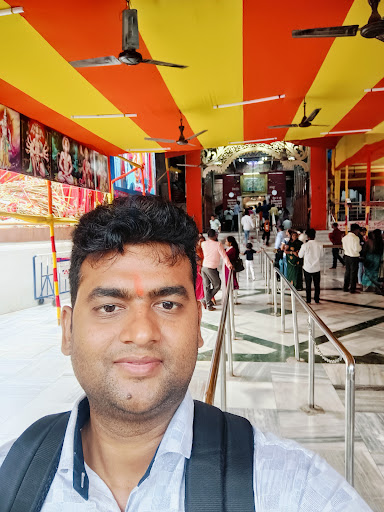
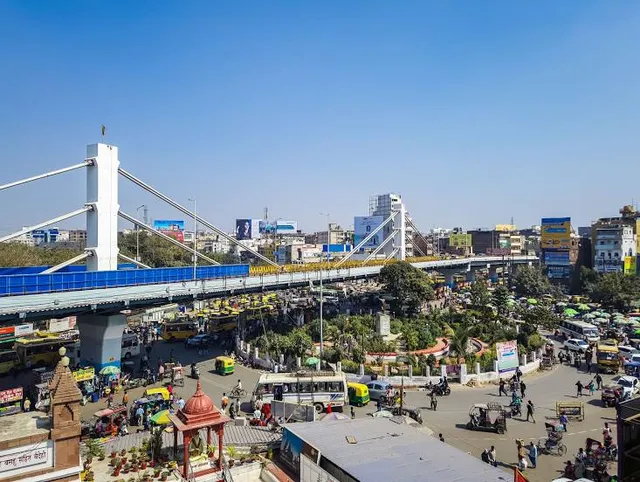
Mahavir Mandir is a Hindu temple dedicated to the god Hanuman, located in Patna, Bihar, India. Millions of pilgrims visit the temple every year. Acharya Kishore Kunal is the secretary of the Mahavir Mandir Temple Trust, Patna.
Nearby attractions
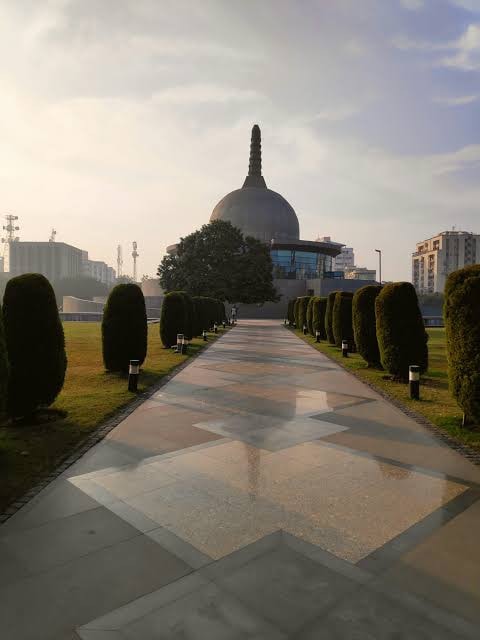
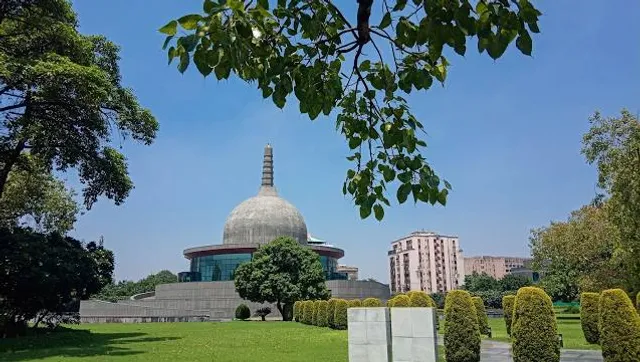
Budhha Smriti Park
Maharaja Kameshwar Complex, Fraser Rd, near Buddha park, Budh Vihar, Fraser Road Area, Patna, Bihar 800001, India
Patliputra Karuna Stupa
Mahavir Mandir, Fraser Road Area, Patna, Bihar 800001, India
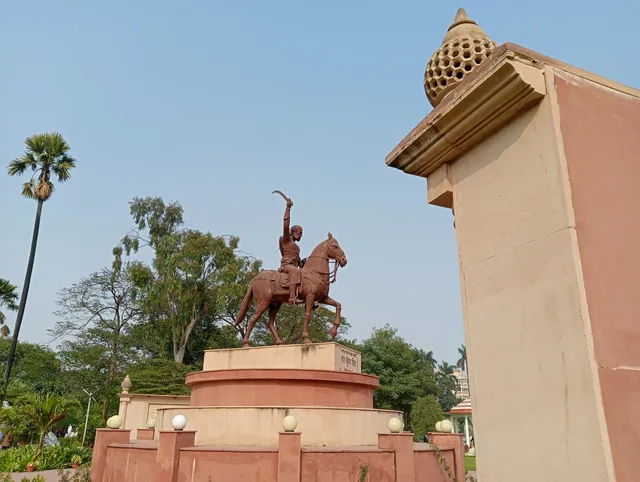
Shaheed Veer Kunwar Singh Azadi Park
Veerchand Patel Road Area, Patna, Bihar 800001
Harding Park
J42H+JHC, Veerchand Patel Road Area, Patna, Bihar 800001, India
Indira Gandhi Planetarium
J46J+4Q4, Jawaharlal Nehru Marg, Adalatganj, Kidwaipuri, Patna, Bihar 800001, India
Rizwan Palace
J45Q+JGQ, Fraser Road Area, Patna, Bihar 800001, India
Nearby restaurants
Pal Hotel
New Market Station Rd, near Railway Station, Fraser Road Area, Patna, Bihar 800001, India
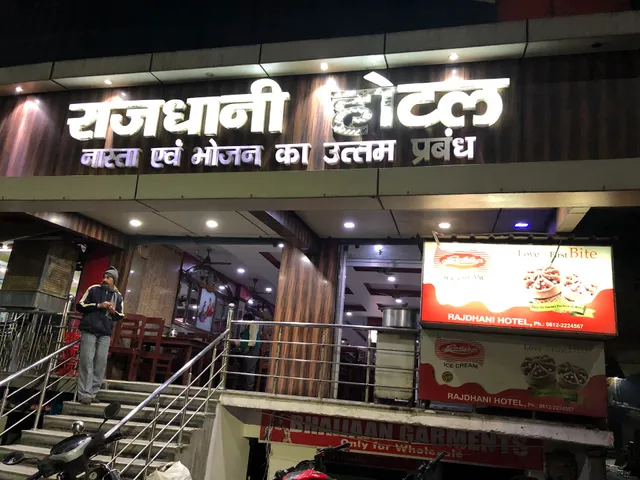
Rajdhani Hotel
J43Q+V45, Near Hotel City Center, Patna Junction, New Market Station Rd, New Market, Patna, Bihar 800001, India
Royal India
Automotives, New Kawari Market, Patna, Patna, Bihar 800001, India
Bansi Vihar Restaurant
Marwari Campus, Chauraha, Fraser Rd, near Bank Of India, Dak Bunglow, Fraser Road Area, Patna, Bihar 800001, India
Anmol Pal Hotel
Buddh Marg, opp. Bhumi Vikash Bank, near ISCON Temple, Fraser Road Area, Patna, Bihar 800001, India
Sujata Restaurant
Hotel mayur Fraser Road, New Dak Bunglow Rd, Patna, Bihar 800001, India
Aasman Restaurant
7th Floor, J45P+FFR Nutan Plaza, Sri Niwas Path, off Fraser Road, opposite Santosha Complex, Bander Bagicha, Fraser Road Area, Patna, Bihar 800001, India
Yo! China
J45P+FFR, Sri Niwas Path, Bander Bagicha, Fraser Road Area, Patna, Bihar 800001, India
Alina Resorts
5th Floor, Maharaja Kameshwar Complex, New Dak Bunglow Rd, opp. Buddha smiriti Park, Fraser Road Area, Patna, Bihar 800001, India
Domino's Pizza | Karbigahiya, Patna
Ground Floor, Hari Om Tower, Karbigahiya Rd, behind Patna Junction, Maruti Nagar, Khasmahal, Mithapur, Patna, Bihar 800001, India
Nearby hotels
Hotel City Centre
New Market Station Rd, near Railway Station, Patna Junction, Fraser Road Area, Patna, Bihar 800001, India
Mayagiri hotel
New Market Station Rd, opp. Pillor no 19, Fraser Road Area, Patna, Bihar 800001, India
Hotel Buddha International
Gurudwara Gali, opposite Buddha Smriti Park, Fraser Road Area, Patna, Bihar 800001, India
Hotel Vrindavan
Gurudwara Gali, Fraser Road Area, Patna, Bihar 800001, India
Chanakya Inn Patna
Hari Om Tower Plot no 21, Karbigahiya Road, Jn, behind Patna, New Karbigahiya, Patna, Bihar 800001, India
OYO 4582 Hotel Nisa
New Market Station Rd, Fraser Road Area, Patna, Bihar 800001, India
Jia International Hotel
Gurudwara Gali, opp. Buddha Smriti Park, Fraser Road Area, Patna, Bihar 800001, India
Townhouse Townhouse Clark Inn
Hotel Clark Inn, 1, Jamal Rd, Budh Vihar, Fraser Road Area, Patna, Bihar 800001, India
Hotel Holiday INN
New Market Station Rd, near Hotel Arpit, opp. Jamal Road, Goriya Toli, Fraser Road Area, Patna, Bihar 800001, India
Hotel Vinayak International
Hotel Vinayak International, Jamal Rd, near Patna Station, opposite Bank of India, Fraser Road Area, Patna, Bihar 800001, India
Related posts
Keywords
Mahavir Mandir Patna tourism.Mahavir Mandir Patna hotels.Mahavir Mandir Patna bed and breakfast. flights to Mahavir Mandir Patna.Mahavir Mandir Patna attractions.Mahavir Mandir Patna restaurants.Mahavir Mandir Patna travel.Mahavir Mandir Patna travel guide.Mahavir Mandir Patna travel blog.Mahavir Mandir Patna pictures.Mahavir Mandir Patna photos.Mahavir Mandir Patna travel tips.Mahavir Mandir Patna maps.Mahavir Mandir Patna things to do.
Mahavir Mandir Patna things to do, attractions, restaurants, events info and trip planning
Mahavir Mandir Patna
IndiaBiharMahavir Mandir Patna

Basic Info

Mahavir Mandir Patna

J43P+HXM, Near, Patna Jct, Budh Vihar, Fraser Road Area, Patna, Bihar 800001, India
4.8(4.6K)
Open 24 hours
Save
spot

Ratings & Description

Info

Mahavir Mandir is a Hindu temple dedicated to the god Hanuman, located in Patna, Bihar, India. Millions of pilgrims visit the temple every year. Acharya Kishore Kunal is the secretary of the Mahavir Mandir Temple Trust, Patna.

Cultural
Family friendly
attractions: Budhha Smriti Park, Patliputra Karuna Stupa, Shaheed Veer Kunwar Singh Azadi Park, Harding Park, Indira Gandhi Planetarium, Rizwan Palace, restaurants: Pal Hotel, Rajdhani Hotel, Royal India, Bansi Vihar Restaurant, Anmol Pal Hotel, Sujata Restaurant, Aasman Restaurant, Yo! China, Alina Resorts, Domino's Pizza | Karbigahiya, Patna
logoLearn more insights from Wanderboat AI.
Phone
+91 612 222 3788
Website
mahavirmandirpatna.org

Plan your stay

hotel
Pet-friendly Hotels in Bihar
Find a cozy hotel nearby and make it a full experience.

hotel
Affordable Hotels in Bihar
Find a cozy hotel nearby and make it a full experience.

hotel
The Coolest Hotels You Haven't Heard Of (Yet)
Find a cozy hotel nearby and make it a full experience.

hotel
Trending Stays Worth the Hype in Bihar
Find a cozy hotel nearby and make it a full experience.

Reviews

Nearby attractions of Mahavir Mandir Patna

Budhha Smriti Park

Patliputra Karuna Stupa

Shaheed Veer Kunwar Singh Azadi Park

Harding Park

Indira Gandhi Planetarium

Rizwan Palace

Budhha Smriti Park

Budhha Smriti Park

4.4

(12.9K)

Open 24 hours
Click for details
Patliputra Karuna Stupa

Patliputra Karuna Stupa

4.4

(552)

Closed
Click for details
Shaheed Veer Kunwar Singh Azadi Park

Shaheed Veer Kunwar Singh Azadi Park

4.2

(2.7K)

Open 24 hours
Click for details
Harding Park

Harding Park

4.1

(2.5K)

Closed
Click for details

Nearby restaurants of Mahavir Mandir Patna

Pal Hotel

Rajdhani Hotel

Royal India

Bansi Vihar Restaurant

Anmol Pal Hotel

Sujata Restaurant

Aasman Restaurant

Yo! China

Alina Resorts

Domino's Pizza | Karbigahiya, Patna

Pal Hotel

Pal Hotel

3.4

(1.5K)

Click for details
Rajdhani Hotel

Rajdhani Hotel

3.6

(308)

Click for details
Royal India

Royal India

3.3

(22)

Closed
Click for details
Bansi Vihar Restaurant

Bansi Vihar Restaurant

4.0

(3.7K)

Click for details
Get the Appoverlay
Get the AppOne tap to find yournext favorite spots!
Wanderboat LogoWanderboat

Your everyday Al companion for getaway ideas

CompanyAbout Us
InformationAI Trip PlannerSitemap
SocialXInstagramTiktokLinkedin
LegalTerms of ServicePrivacy Policy

Get the app

© 2025 Wanderboat. All rights reserved.
logo

Reviews of Mahavir Mandir Patna

4.8
(4,613)
avatar
5.0
2y

Hanuman (/ˈhʌnʊˌmɑːn/; Sanskrit: हनुमान्, IAST: Hanumān),4] also called Maruti (Sanskrit: मारुति), Bajrangabali (Sanskrit: बजरंगबली), and Anjaneya (Sanskrit: आञ्जनेय),[5] is a Hindu god and a divine vanara companion of the god Rama. Hanuman is one of the central characters of the Hindu epic Ramayana. He is an ardent devotee of Rama and one of the chiranjivis. Hanuman is regarded to be the spiritual son of the wind-god Vayu, who in several stories played a direct role in Hanuman's birth.[6 Hanuman is mentioned in several other texts, such as the epic Mahabharata and the various Puranas. Evidence of devotional worship to Hanuman is largely absent in these texts, as well as in most archeological sites. According to Philip Lutgendorf, an American Indologist, the theological significance of Hanuman and devotional dedication to him emerged about 1,000 years after the composition of the Ramayana, in the 2nd millennium CE, after the arrival of Islamic rule in the Indian subcontinent.8] Lutgendorf also writes that the skills in Hanuman's resume also seem to derive in part from his windy patrimony, reflecting Vayu's role in both body and cosmos.[9] Bhakti movement saints such as Samarth Ramdas have positioned Hanuman as a symbol of nationalism and resistance to persecution.[10] The Vaishnava saint Madhvacharya said that whenever Vishnu incarnates on earth, Vayu accompanies him and aids his work of preserving dharma.[11] In the modern era, Hanuman's iconography and temples have been increasingly common.[12] He is viewed as the ideal combination of "strength, heroic initiative and assertive excellence" and "loving, emotional devotion to his personal god Rama", as Shakti and Bhakti.[13] In later literature, he is sometimes portrayed as the patron god of martial arts such as wrestling and acrobatics, as well as activities such as meditation and diligent scholarship.[14] He symbolises the human excellences of inner self-control, faith, and service to a cause, hidden behind the first impressions of a being who looks like a Vanara.[1216] Hanuman is considered to be a bachelor and an exemplary celibate.[17]

Some scholars have identified Hanuman as one potential inspiration for Sun Wukong, the Monkey King character in the Chinese epic adventure Journey to the West.[18][19

Vedic roots The earliest mention of a divine monkey, interpreted by some scholars as the proto-Hanuman, is in hymn 10.86 of the Rigveda, dated to between 1500 and 1200 BCE. The twenty-three verses of the hymn are a metaphorical and riddle-filled legend. It is presented as a dialogue between multiple characters: the god Indra, his wife Indrani and an energetic monkey it refers to as Vrisakapi and his wife Kapi.[2426] The hymn opens with Indrani complaining to Indra that some of the soma offerings for Indra have been allocated to the energetic and strong monkey, and the people are forgetting Indra. The king of the gods, Indra, responds by telling his wife that the living being (monkey) that bothers her is to be seen as a friend, and that they should make an effort to coexist peacefully. The hymn closes with all agreeing that they should come together in Indra's house and share the wealth of the offerings.

Proto Dravidian roots The orientalist F. E. Pargiter (1852–1927) theorized that Hanuman was a proto-Dravidian deity.[27] According to this theory, the name "Hanuman" derives from Tamil word for male monkey (ana-mandi), first transformed to "Anumant" – a name which remains in use. "Anumant", according to this hypothesis, was later Sanskritized to "Hanuman" because the ancient Aryans confronted with a popular monkey deity of ancient Dravidians coopted the concept and then Sanskritized it.[26 According to Murray Emeneau, known for his Tamil linguistic studies, this theory does not make sense because the Old Tamil word mandi in Sangam literature can only mean "female monkey", and Hanuman is male. Further, adds Emeneau, the compound ana-mandi makes no semantic sense in Tamil, which has well developed and sophisticated grammar and...

   Read more
avatar
5.0
19w

Mahavir Mandir, strategically located right opposite the Patna Railway Junction, is not just a temple but a vibrant center of spirituality, devotion, and remarkable social service. Dedicated to Lord Hanuman, it stands as one of the most revered and visited temples in North India, drawing millions of devotees annually. A Deep-Rooted History and Architectural Grandeur: While its exact origins are subject to historical debate, the temple is believed to have been established by Swami Balanand of the Ramanandi sect around 1730 AD. It gained significant popularity after the partition of India in 1947, becoming a spiritual haven for refugees. The current magnificent structure, a splendid example of Nagara-style architecture with its towering shikhara and marble flooring, was largely renovated and rebuilt between 1983 and 1985. Unique Spiritual Experience: What truly sets Mahavir Mandir apart are its unique features and offerings: Two Idols of Lord Hanuman: The sanctum sanctorum houses two distinct idols of Lord Hanuman. One is believed to protect the virtuous ("Paritranaya Sadhuunam"), while the other is said to eliminate evil ("Vinashaya Cha Dushkritaam"). Both are adorned with gold crowns, creating a truly divine spectacle. Multi-tiered Complex: The temple is a multi-storeyed complex, with different floors dedicated to various deities. Beyond Lord Hanuman, you'll find idols of Lord Shiva, Maa Parvati, Nandi, Lord Ganesha, Lord Rama with Sita, Lord Krishna, Goddess Durga, Goddess Saraswati, and even Lord Buddha, creating a holistic spiritual experience. "Ram Setu Shila": A remarkable sight is the 15 kg stone, believed to be from the legendary Ram Setu (the bridge built by Lord Rama to Lanka), which floats on water in a glass container on the first floor. "Naivedyam" Prasad: The temple is renowned for its unique "Naivedyam" prasad. Prepared by experts from Tirupati and Andhra Pradesh, this delicious spherical sweet is made with besan, sugar, cashews, raisins, green cardamom, and Kashmiri saffron, cooked in ghee. It is offered to Lord Hanuman multiple times a day and then distributed to devotees. Vibrant Rituals: The temple hosts a variety of pujas, aartis, and rituals throughout the day, including Mangla Aarti, Bhog Aarti, and Sandhya Aarti. Saturdays and Tuesdays are particularly auspicious for Lord Hanuman, drawing massive crowds. Festivals like Ram Navami and Hanuman Jayanti are celebrated with immense fervor, with queues stretching for kilometers. Beyond the Divine: A Force for Social Good: Mahavir Mandir is not just a place of worship; it's a model of philanthropy. The Mahavir Mandir Trust is widely recognized for its extensive charitable and social activities, including: Running Hospitals: The trust operates prestigious medical institutions like the Mahavir Cancer Sansthan and Mahavir Heart Hospital, providing subsidized and often free treatment to the needy. They allocate significant funds towards cancer patient screening and initial treatment. Educational Initiatives: The trust is involved in running schools and libraries, promoting education and literacy. "Daridra Narayan Bhoj" (Feast for the Poor): They regularly organize meals for the underprivileged, embodying the spirit of selfless service. Vedic and Sanskrit Education: The temple actively promotes Vedic and Sanskrit education, preserving ancient Indian knowledge. Visitor Experience and Tips: Accessibility: Located directly opposite Patna Junction, the temple is easily accessible. Crowds: Expect large crowds, especially on Tuesdays, Saturdays, and during major festivals. Visiting early in the morning or later in the evening might offer a more peaceful experience. Offerings: "Naivedyam" is a must-try prasad. You can also participate in various pujas and offerings. Facilities: The complex is well-equipped with amenities for visitors, including an office, a shop selling ritual items, a bookshop, and even astrological and palmistry consultation...

   Read more
avatar
5.0
26w

Hanuman Mandir in Patna, widely known as Mahavir Mandir, is one of the most revered and popular Hindu temples in Bihar, dedicated to Lord Hanuman. Here are some review notes summarizing common visitor experiences and key highlights: Overall Experience: Spiritual and Serene: Visitors consistently describe the temple as having a peaceful and spiritual atmosphere, ideal for devotion and reflection. Highly Revered: It's considered one of the most sacred and powerful Hanuman temples in India, attracting millions of pilgrims annually from across the country and even abroad. Easy Accessibility: Its prime location right outside Patna Junction makes it very convenient for travelers and locals alike. Crowded at Peak Times: Expect significant crowds, especially on Tuesdays and Saturdays (auspicious days for Hanuman), and during major festivals like Ram Navami and New Year's. Queues can be very long. Philanthropic Activities: The Mahavir Mandir Trust is renowned for its extensive charitable work, running hospitals (like Mahaveer Cancer Institute), schools, and other welfare initiatives, which is highly appreciated by devotees. Key Highlights & Unique Features: Dual Hanuman Idols: A unique aspect of Mahavir Mandir is the presence of two idols of Lord Hanuman in the main sanctum, one facing east and the other west. It's believed one fulfills wishes (Manokamna) and the other removes troubles (Sankat Mochan). Famous Naivedyam (Prasad): The temple is particularly famous for its unique Naivedyam (offering of food), which is said to be miraculous and never gets exhausted or spoiled, even after serving thousands of devotees daily. Architectural Significance: The current structure is a modern architectural marvel, rebuilt in marble in 1987. It's a three-level temple with intricate marble work and a towering shikhara. Ramsetu Shila: The temple houses a piece of the floating Ramsetu Shila (stone from the bridge built by Lord Rama), which is kept in a glass container and revered by devotees. Other Deities: The temple complex also includes sanctums for other deities like Lord Rama, Krishna, Durga, and Shiva, offering a comprehensive spiritual experience. Sanskar Mandap: The second floor has a dedicated Sanskar Mandap for religious ceremonies, rituals, chanting of mantras, and recitals of holy scriptures. High Earnings: After Vaishno Devi Temple, Mahavir Mandir has the highest daily earnings among temples in North India, signifying its immense popularity and the devotion of its followers. Things to Keep in Mind: Cleanliness: Some reviews mention that cleanliness around the temple could be improved, particularly outside the main premises. Modest Dressing: As it's a place of worship, modest attire is recommended. Valuables: It's advisable to avoid carrying too many valuables due to the large crowds. Timing: Visiting during morning or evening aarti offers a particularly divine ambiance. If you prefer a quieter experience, try to avoid peak festival times. Services Offered: The temple facilitates various religious services, including Pujas, Rudrabhishek, Satyanarayan Katha, vehicle puja, astrological consultation, and various Japa/Paath ceremonies. In essence, Mahavir Mandir is a vibrant and spiritually significant destination in Patna, offering a profound experience for devotees and a glimpse into India's rich cultural and...

   Read more
Page 1 of 7
Previous
Next

Posts

Piyush Kumar JhaPiyush Kumar Jha
Hanuman (/ˈhʌnʊˌmɑːn/; Sanskrit: हनुमान्, IAST: Hanumān),[4] also called Maruti (Sanskrit: मारुति), Bajrangabali (Sanskrit: बजरंगबली), and Anjaneya (Sanskrit: आञ्जनेय),[5] is a Hindu god and a divine vanara companion of the god Rama. Hanuman is one of the central characters of the Hindu epic Ramayana. He is an ardent devotee of Rama and one of the chiranjivis. Hanuman is regarded to be the spiritual son of the wind-god Vayu, who in several stories played a direct role in Hanuman's birth.[6][7] Hanuman is mentioned in several other texts, such as the epic Mahabharata and the various Puranas. Evidence of devotional worship to Hanuman is largely absent in these texts, as well as in most archeological sites. According to Philip Lutgendorf, an American Indologist, the theological significance of Hanuman and devotional dedication to him emerged about 1,000 years after the composition of the Ramayana, in the 2nd millennium CE, after the arrival of Islamic rule in the Indian subcontinent.[8] Lutgendorf also writes that the skills in Hanuman's resume also seem to derive in part from his windy patrimony, reflecting Vayu's role in both body and cosmos.[9] Bhakti movement saints such as Samarth Ramdas have positioned Hanuman as a symbol of nationalism and resistance to persecution.[10] The Vaishnava saint Madhvacharya said that whenever Vishnu incarnates on earth, Vayu accompanies him and aids his work of preserving dharma.[11] In the modern era, Hanuman's iconography and temples have been increasingly common.[12] He is viewed as the ideal combination of "strength, heroic initiative and assertive excellence" and "loving, emotional devotion to his personal god Rama", as Shakti and Bhakti.[13] In later literature, he is sometimes portrayed as the patron god of martial arts such as wrestling and acrobatics, as well as activities such as meditation and diligent scholarship.[14] He symbolises the human excellences of inner self-control, faith, and service to a cause, hidden behind the first impressions of a being who looks like a Vanara.[12][15][16] Hanuman is considered to be a bachelor and an exemplary celibate.[17] Some scholars have identified Hanuman as one potential inspiration for Sun Wukong, the Monkey King character in the Chinese epic adventure Journey to the West.[18][19 Vedic roots The earliest mention of a divine monkey, interpreted by some scholars as the proto-Hanuman, is in hymn 10.86 of the Rigveda, dated to between 1500 and 1200 BCE. The twenty-three verses of the hymn are a metaphorical and riddle-filled legend. It is presented as a dialogue between multiple characters: the god Indra, his wife Indrani and an energetic monkey it refers to as Vrisakapi and his wife Kapi.[24][25][26] The hymn opens with Indrani complaining to Indra that some of the soma offerings for Indra have been allocated to the energetic and strong monkey, and the people are forgetting Indra. The king of the gods, Indra, responds by telling his wife that the living being (monkey) that bothers her is to be seen as a friend, and that they should make an effort to coexist peacefully. The hymn closes with all agreeing that they should come together in Indra's house and share the wealth of the offerings. Proto Dravidian roots The orientalist F. E. Pargiter (1852–1927) theorized that Hanuman was a proto-Dravidian deity.[27] According to this theory, the name "Hanuman" derives from Tamil word for male monkey (ana-mandi), first transformed to "Anumant" – a name which remains in use. "Anumant", according to this hypothesis, was later Sanskritized to "Hanuman" because the ancient Aryans confronted with a popular monkey deity of ancient Dravidians coopted the concept and then Sanskritized it.[26][28] According to Murray Emeneau, known for his Tamil linguistic studies, this theory does not make sense because the Old Tamil word mandi in Sangam literature can only mean "female monkey", and Hanuman is male. Further, adds Emeneau, the compound ana-mandi makes no semantic sense in Tamil, which has well developed and sophisticated grammar and semantic rules.
Chandra Shekhar VermaChandra Shekhar Verma
Hanuman Mandir in Patna, widely known as Mahavir Mandir, is one of the most revered and popular Hindu temples in Bihar, dedicated to Lord Hanuman. Here are some review notes summarizing common visitor experiences and key highlights: Overall Experience: * Spiritual and Serene: Visitors consistently describe the temple as having a peaceful and spiritual atmosphere, ideal for devotion and reflection. * Highly Revered: It's considered one of the most sacred and powerful Hanuman temples in India, attracting millions of pilgrims annually from across the country and even abroad. * Easy Accessibility: Its prime location right outside Patna Junction makes it very convenient for travelers and locals alike. * Crowded at Peak Times: Expect significant crowds, especially on Tuesdays and Saturdays (auspicious days for Hanuman), and during major festivals like Ram Navami and New Year's. Queues can be very long. * Philanthropic Activities: The Mahavir Mandir Trust is renowned for its extensive charitable work, running hospitals (like Mahaveer Cancer Institute), schools, and other welfare initiatives, which is highly appreciated by devotees. Key Highlights & Unique Features: * Dual Hanuman Idols: A unique aspect of Mahavir Mandir is the presence of two idols of Lord Hanuman in the main sanctum, one facing east and the other west. It's believed one fulfills wishes (Manokamna) and the other removes troubles (Sankat Mochan). * Famous Naivedyam (Prasad): The temple is particularly famous for its unique Naivedyam (offering of food), which is said to be miraculous and never gets exhausted or spoiled, even after serving thousands of devotees daily. * Architectural Significance: The current structure is a modern architectural marvel, rebuilt in marble in 1987. It's a three-level temple with intricate marble work and a towering shikhara. * Ramsetu Shila: The temple houses a piece of the floating Ramsetu Shila (stone from the bridge built by Lord Rama), which is kept in a glass container and revered by devotees. * Other Deities: The temple complex also includes sanctums for other deities like Lord Rama, Krishna, Durga, and Shiva, offering a comprehensive spiritual experience. * Sanskar Mandap: The second floor has a dedicated Sanskar Mandap for religious ceremonies, rituals, chanting of mantras, and recitals of holy scriptures. * High Earnings: After Vaishno Devi Temple, Mahavir Mandir has the highest daily earnings among temples in North India, signifying its immense popularity and the devotion of its followers. Things to Keep in Mind: * Cleanliness: Some reviews mention that cleanliness around the temple could be improved, particularly outside the main premises. * Modest Dressing: As it's a place of worship, modest attire is recommended. * Valuables: It's advisable to avoid carrying too many valuables due to the large crowds. * Timing: Visiting during morning or evening aarti offers a particularly divine ambiance. If you prefer a quieter experience, try to avoid peak festival times. * Services Offered: The temple facilitates various religious services, including Pujas, Rudrabhishek, Satyanarayan Katha, vehicle puja, astrological consultation, and various Japa/Paath ceremonies. In essence, Mahavir Mandir is a vibrant and spiritually significant destination in Patna, offering a profound experience for devotees and a glimpse into India's rich cultural and religious heritage.
richa sinharicha sinha
Mahavir Mandir in Patna is one of Bihar's most revered temples, dedicated to Lord Hanuman. Known for its spiritual atmosphere and rich history, it attracts thousands of devotees, especially on Tuesdays and Saturdays, which are traditionally dedicated to Hanuman worship. The temple architecture is modest but radiates a deep sense of divinity and devotion. The idols, especially that of Lord Hanuman, are beautifully adorned, and the temple is well-maintained despite the heavy footfall. The management has implemented efficient crowd control measures, making it relatively easy for devotees to have a peaceful darshan. Apart from spiritual offerings, Mahavir Mandir is also known for its charitable activities. The temple trust runs several programs, including a cancer hospital and food offerings for the underprivileged, reflecting its dedication to community service. Visitors also enjoy the special prasadam, especially the delicious naivedyam sweets, which are highly popular and widely available in Patna as a unique specialty. Overall, Mahavir Mandir offers not just a devotional experience but also a glimpse into the cultural and philanthropic spirit of Bihar. Coming to Patna and not visiting Mahavir Mandir feels incomplete. This temple is not only a place of worship but also a living symbol of Patna's cultural and spiritual heritage. Every day, people come here with faith and devotion, but the scene on Tuesdays and Saturdays is truly different, when thousands gather to seek blessings from Lord Hanuman.The temple's prasadam – especially the naivedyam laddus – is also very famous, and visitors often make sure to take some with them when they leave. Mahavir Mandir’s charitable activities, like its cancer hospital and food distribution programs, add to its uniqueness.
See more posts
See more posts
hotel
Find your stay

Pet-friendly Hotels in Bihar

Find a cozy hotel nearby and make it a full experience.

Hanuman (/ˈhʌnʊˌmɑːn/; Sanskrit: हनुमान्, IAST: Hanumān),[4] also called Maruti (Sanskrit: मारुति), Bajrangabali (Sanskrit: बजरंगबली), and Anjaneya (Sanskrit: आञ्जनेय),[5] is a Hindu god and a divine vanara companion of the god Rama. Hanuman is one of the central characters of the Hindu epic Ramayana. He is an ardent devotee of Rama and one of the chiranjivis. Hanuman is regarded to be the spiritual son of the wind-god Vayu, who in several stories played a direct role in Hanuman's birth.[6][7] Hanuman is mentioned in several other texts, such as the epic Mahabharata and the various Puranas. Evidence of devotional worship to Hanuman is largely absent in these texts, as well as in most archeological sites. According to Philip Lutgendorf, an American Indologist, the theological significance of Hanuman and devotional dedication to him emerged about 1,000 years after the composition of the Ramayana, in the 2nd millennium CE, after the arrival of Islamic rule in the Indian subcontinent.[8] Lutgendorf also writes that the skills in Hanuman's resume also seem to derive in part from his windy patrimony, reflecting Vayu's role in both body and cosmos.[9] Bhakti movement saints such as Samarth Ramdas have positioned Hanuman as a symbol of nationalism and resistance to persecution.[10] The Vaishnava saint Madhvacharya said that whenever Vishnu incarnates on earth, Vayu accompanies him and aids his work of preserving dharma.[11] In the modern era, Hanuman's iconography and temples have been increasingly common.[12] He is viewed as the ideal combination of "strength, heroic initiative and assertive excellence" and "loving, emotional devotion to his personal god Rama", as Shakti and Bhakti.[13] In later literature, he is sometimes portrayed as the patron god of martial arts such as wrestling and acrobatics, as well as activities such as meditation and diligent scholarship.[14] He symbolises the human excellences of inner self-control, faith, and service to a cause, hidden behind the first impressions of a being who looks like a Vanara.[12][15][16] Hanuman is considered to be a bachelor and an exemplary celibate.[17] Some scholars have identified Hanuman as one potential inspiration for Sun Wukong, the Monkey King character in the Chinese epic adventure Journey to the West.[18][19 Vedic roots The earliest mention of a divine monkey, interpreted by some scholars as the proto-Hanuman, is in hymn 10.86 of the Rigveda, dated to between 1500 and 1200 BCE. The twenty-three verses of the hymn are a metaphorical and riddle-filled legend. It is presented as a dialogue between multiple characters: the god Indra, his wife Indrani and an energetic monkey it refers to as Vrisakapi and his wife Kapi.[24][25][26] The hymn opens with Indrani complaining to Indra that some of the soma offerings for Indra have been allocated to the energetic and strong monkey, and the people are forgetting Indra. The king of the gods, Indra, responds by telling his wife that the living being (monkey) that bothers her is to be seen as a friend, and that they should make an effort to coexist peacefully. The hymn closes with all agreeing that they should come together in Indra's house and share the wealth of the offerings. Proto Dravidian roots The orientalist F. E. Pargiter (1852–1927) theorized that Hanuman was a proto-Dravidian deity.[27] According to this theory, the name "Hanuman" derives from Tamil word for male monkey (ana-mandi), first transformed to "Anumant" – a name which remains in use. "Anumant", according to this hypothesis, was later Sanskritized to "Hanuman" because the ancient Aryans confronted with a popular monkey deity of ancient Dravidians coopted the concept and then Sanskritized it.[26][28] According to Murray Emeneau, known for his Tamil linguistic studies, this theory does not make sense because the Old Tamil word mandi in Sangam literature can only mean "female monkey", and Hanuman is male. Further, adds Emeneau, the compound ana-mandi makes no semantic sense in Tamil, which has well developed and sophisticated grammar and semantic rules.
Piyush Kumar Jha

Piyush Kumar Jha

hotel
Find your stay

Affordable Hotels in Bihar

Find a cozy hotel nearby and make it a full experience.

Get the Appoverlay
Get the AppOne tap to find yournext favorite spots!
Hanuman Mandir in Patna, widely known as Mahavir Mandir, is one of the most revered and popular Hindu temples in Bihar, dedicated to Lord Hanuman. Here are some review notes summarizing common visitor experiences and key highlights: Overall Experience: * Spiritual and Serene: Visitors consistently describe the temple as having a peaceful and spiritual atmosphere, ideal for devotion and reflection. * Highly Revered: It's considered one of the most sacred and powerful Hanuman temples in India, attracting millions of pilgrims annually from across the country and even abroad. * Easy Accessibility: Its prime location right outside Patna Junction makes it very convenient for travelers and locals alike. * Crowded at Peak Times: Expect significant crowds, especially on Tuesdays and Saturdays (auspicious days for Hanuman), and during major festivals like Ram Navami and New Year's. Queues can be very long. * Philanthropic Activities: The Mahavir Mandir Trust is renowned for its extensive charitable work, running hospitals (like Mahaveer Cancer Institute), schools, and other welfare initiatives, which is highly appreciated by devotees. Key Highlights & Unique Features: * Dual Hanuman Idols: A unique aspect of Mahavir Mandir is the presence of two idols of Lord Hanuman in the main sanctum, one facing east and the other west. It's believed one fulfills wishes (Manokamna) and the other removes troubles (Sankat Mochan). * Famous Naivedyam (Prasad): The temple is particularly famous for its unique Naivedyam (offering of food), which is said to be miraculous and never gets exhausted or spoiled, even after serving thousands of devotees daily. * Architectural Significance: The current structure is a modern architectural marvel, rebuilt in marble in 1987. It's a three-level temple with intricate marble work and a towering shikhara. * Ramsetu Shila: The temple houses a piece of the floating Ramsetu Shila (stone from the bridge built by Lord Rama), which is kept in a glass container and revered by devotees. * Other Deities: The temple complex also includes sanctums for other deities like Lord Rama, Krishna, Durga, and Shiva, offering a comprehensive spiritual experience. * Sanskar Mandap: The second floor has a dedicated Sanskar Mandap for religious ceremonies, rituals, chanting of mantras, and recitals of holy scriptures. * High Earnings: After Vaishno Devi Temple, Mahavir Mandir has the highest daily earnings among temples in North India, signifying its immense popularity and the devotion of its followers. Things to Keep in Mind: * Cleanliness: Some reviews mention that cleanliness around the temple could be improved, particularly outside the main premises. * Modest Dressing: As it's a place of worship, modest attire is recommended. * Valuables: It's advisable to avoid carrying too many valuables due to the large crowds. * Timing: Visiting during morning or evening aarti offers a particularly divine ambiance. If you prefer a quieter experience, try to avoid peak festival times. * Services Offered: The temple facilitates various religious services, including Pujas, Rudrabhishek, Satyanarayan Katha, vehicle puja, astrological consultation, and various Japa/Paath ceremonies. In essence, Mahavir Mandir is a vibrant and spiritually significant destination in Patna, offering a profound experience for devotees and a glimpse into India's rich cultural and religious heritage.
Chandra Shekhar Verma

Chandra Shekhar Verma

hotel
Find your stay

The Coolest Hotels You Haven't Heard Of (Yet)

Find a cozy hotel nearby and make it a full experience.

hotel
Find your stay

Trending Stays Worth the Hype in Bihar

Find a cozy hotel nearby and make it a full experience.

Mahavir Mandir in Patna is one of Bihar's most revered temples, dedicated to Lord Hanuman. Known for its spiritual atmosphere and rich history, it attracts thousands of devotees, especially on Tuesdays and Saturdays, which are traditionally dedicated to Hanuman worship. The temple architecture is modest but radiates a deep sense of divinity and devotion. The idols, especially that of Lord Hanuman, are beautifully adorned, and the temple is well-maintained despite the heavy footfall. The management has implemented efficient crowd control measures, making it relatively easy for devotees to have a peaceful darshan. Apart from spiritual offerings, Mahavir Mandir is also known for its charitable activities. The temple trust runs several programs, including a cancer hospital and food offerings for the underprivileged, reflecting its dedication to community service. Visitors also enjoy the special prasadam, especially the delicious naivedyam sweets, which are highly popular and widely available in Patna as a unique specialty. Overall, Mahavir Mandir offers not just a devotional experience but also a glimpse into the cultural and philanthropic spirit of Bihar. Coming to Patna and not visiting Mahavir Mandir feels incomplete. This temple is not only a place of worship but also a living symbol of Patna's cultural and spiritual heritage. Every day, people come here with faith and devotion, but the scene on Tuesdays and Saturdays is truly different, when thousands gather to seek blessings from Lord Hanuman.The temple's prasadam – especially the naivedyam laddus – is also very famous, and visitors often make sure to take some with them when they leave. Mahavir Mandir’s charitable activities, like its cancer hospital and food distribution programs, add to its uniqueness.
richa sinha

richa sinha

See more posts
See more posts