HTML SitemapExplore
logo
Find Things to DoFind The Best Restaurants

Fatehpuri Masjid — Attraction in Delhi

Name
Fatehpuri Masjid
Description
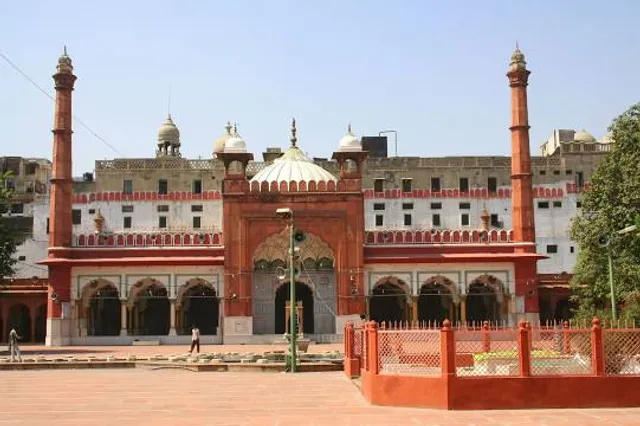
The Fatehpuri Mosque is a 17th-century mosque in India located at the western end of the oldest street of Chandni Chowk, in the Old Delhi neighbourhood of Delhi, India. It is opposite the Red Fort on the opposite end of Chandni Chowk.
Nearby attractions
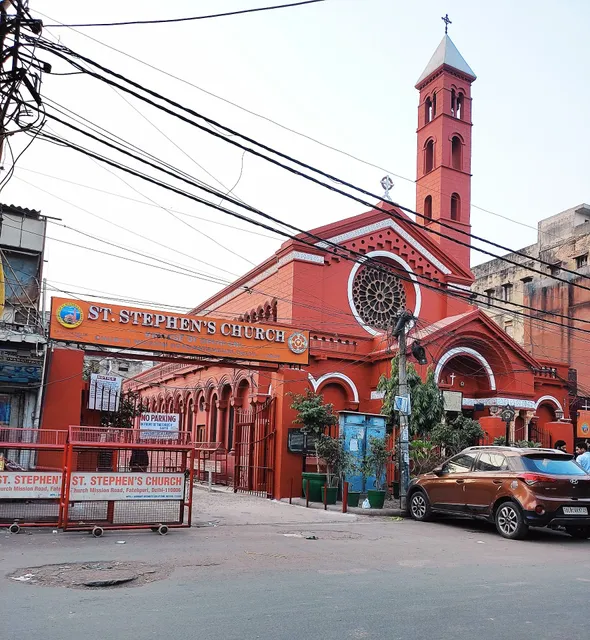
St. Stephen's Church ( C.N.I )
Fatehpuri, 18, Church Mission Rd, Katra Ghel, Khari Baoli, Chandni Chowk, New Delhi, Delhi 110006, India
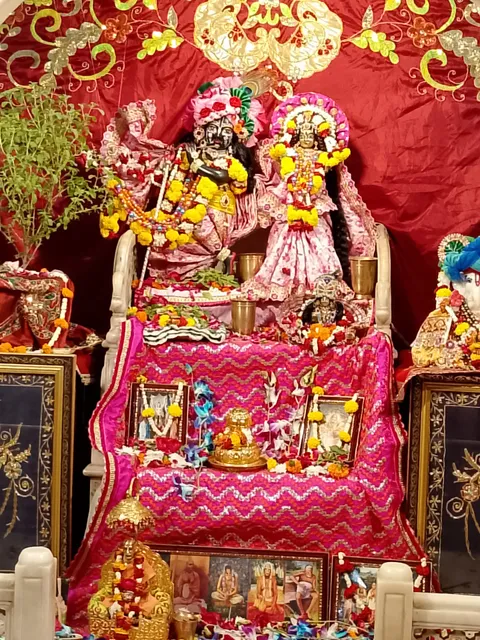
ISKCON Temple Chandni Chowk
MCD parking, 4-5, Bagh Deewar, Kinari Bazaar, Chandni Chowk, Delhi, 110006, India
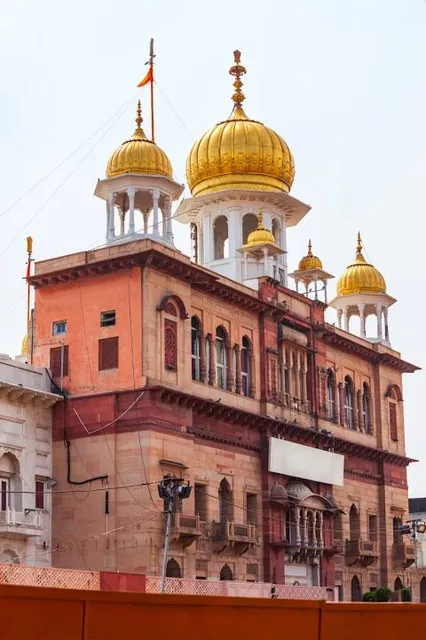
Gurudwara Sis Ganj Sahib
M64M+92V, Chandni Chowk Rd, Maliwara, Chatta Pratap, Chandni Chowk, New Delhi, Delhi, 110006, India
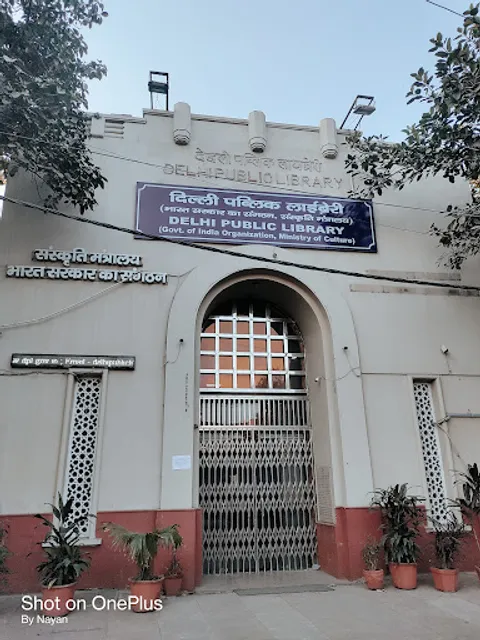
Delhi Public Library
Railway Station, Shyama Prasad Mukherjee Marg, opp. Old Delhi, Kaccha Bagh Area, Old Delhi, New Delhi, Delhi, 110006, India
Masjid Mubarak Begum
4959, Hauz Qazi Chowk, Bazar Sirkiwalan, Kaccha Pandit Main Bazar, Lal Kuan Bazar, Chandni Chowk, New Delhi, Delhi, 110006, India
Sunehri Masjid Chandni Chowk
1841, Main, Chandni Chowk Rd, Chandni Chowk, New Delhi, Delhi, 110006, India
Nearby restaurants
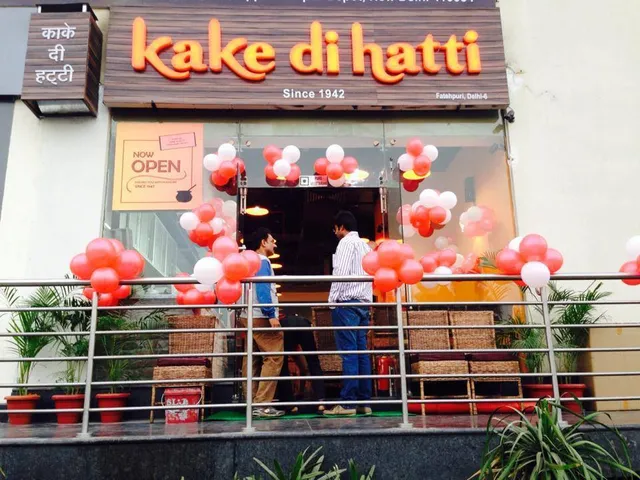
Kake Di Hatti
Church Mission Rd, Cloth Market, Katra Ghel, Khari Baoli, Chandni Chowk, New Delhi, Delhi, 110006, India
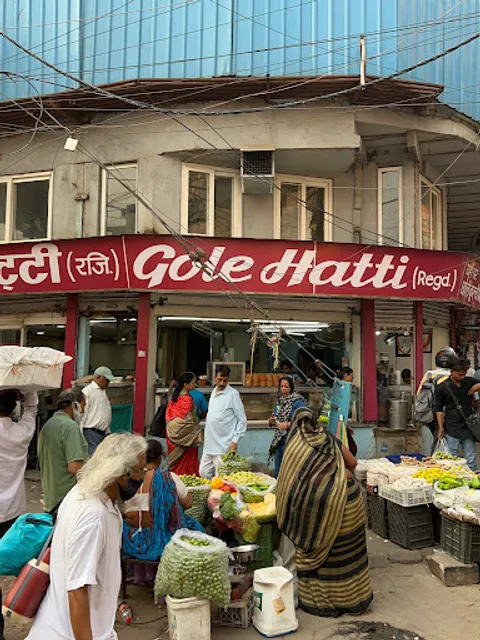
Gole Hatti
2,3, 4, Khari Baoli Rd, Katra Pedan, Fatehpuri, Old Delhi, Delhi, 110006, India
Shri Hari Sharnam
208, Katra Bariyan, Fatehpuri, Chandni Chowk, New Delhi, Delhi, 110006, India
Bikanervala | Chandni Chowk Delhi
382, Kucha Seth Rd, Gachi Ram, Fatehpuri, Chandni Chowk, Delhi, 110006, India
Khan Omelette Corner
48, Katra Baryan ,Near Fatehpuri, Chandni Chowk,Baradari,Old Delhi, Delhi, 110006, India
Giani's Di Hatti
Bagh Deewar, Katra Ghel, Fatehpuri, Chandni Chowk, Delhi, 110006, India
Ram Parshad Makhan Lal
453, Naya Bans Rd, Naya Bans, Naya Bazar, Khari Baoli, Old Delhi, New Delhi, Delhi, 110006, India
Jagjit Restaurant
13, Church Mission Rd, Fatehpuri, Chandni Chowk, New Delhi, Delhi 110006, India
Annapurna Bhojanalaya Pure Vegetarian
673, Church Mission Rd, Bagh Deewar, Katra Ghel, Khari Baoli, Chandni Chowk, New Delhi, Delhi, 110006, India
121 shakhari bhojanalaya
121, Chatta Bhawani Shanker, Bagh Deewar, Kucha Ghasiram, Fatehpuri, Chandni Chowk, Delhi, 110006, India
Related posts
Keywords
Fatehpuri Masjid tourism.Fatehpuri Masjid hotels.Fatehpuri Masjid bed and breakfast. flights to Fatehpuri Masjid.Fatehpuri Masjid attractions.Fatehpuri Masjid restaurants.Fatehpuri Masjid travel.Fatehpuri Masjid travel guide.Fatehpuri Masjid travel blog.Fatehpuri Masjid pictures.Fatehpuri Masjid photos.Fatehpuri Masjid travel tips.Fatehpuri Masjid maps.Fatehpuri Masjid things to do.
Fatehpuri Masjid things to do, attractions, restaurants, events info and trip planning
Fatehpuri Masjid
IndiaDelhiFatehpuri Masjid

Basic Info

Fatehpuri Masjid

39, Chandni Chowk Rd, Fatehpuri, Chandni Chowk, New Delhi, Delhi, 110006, India
4.3(1.5K)
Open 24 hours
Save
spot

Ratings & Description

Info

The Fatehpuri Mosque is a 17th-century mosque in India located at the western end of the oldest street of Chandni Chowk, in the Old Delhi neighbourhood of Delhi, India. It is opposite the Red Fort on the opposite end of Chandni Chowk.

Cultural
Accessibility
attractions: St. Stephen's Church ( C.N.I ), ISKCON Temple Chandni Chowk, Gurudwara Sis Ganj Sahib, Delhi Public Library, Masjid Mubarak Begum, Sunehri Masjid Chandni Chowk, restaurants: Kake Di Hatti, Gole Hatti, Shri Hari Sharnam, Bikanervala | Chandni Chowk Delhi, Khan Omelette Corner, Giani's Di Hatti, Ram Parshad Makhan Lal, Jagjit Restaurant, Annapurna Bhojanalaya Pure Vegetarian, 121 shakhari bhojanalaya
logoLearn more insights from Wanderboat AI.
Phone
+91 11 2391 8322
Website
masjidfatehpuri.in

Plan your stay

hotel
Pet-friendly Hotels in Delhi
Find a cozy hotel nearby and make it a full experience.

hotel
Affordable Hotels in Delhi
Find a cozy hotel nearby and make it a full experience.

hotel
The Coolest Hotels You Haven't Heard Of (Yet)
Find a cozy hotel nearby and make it a full experience.

hotel
Trending Stays Worth the Hype in Delhi
Find a cozy hotel nearby and make it a full experience.

Reviews

Nearby attractions of Fatehpuri Masjid

St. Stephen's Church ( C.N.I )

ISKCON Temple Chandni Chowk

Gurudwara Sis Ganj Sahib

Delhi Public Library

Masjid Mubarak Begum

Sunehri Masjid Chandni Chowk

St. Stephen's Church ( C.N.I )

St. Stephen's Church ( C.N.I )

4.3

(307)

Open 24 hours
Click for details
ISKCON Temple Chandni Chowk

ISKCON Temple Chandni Chowk

4.9

(29)

Closed
Click for details
Gurudwara Sis Ganj Sahib

Gurudwara Sis Ganj Sahib

4.8

(26.5K)

Open until 12:00 AM
Click for details
Delhi Public Library

Delhi Public Library

4.3

(340)

Open 24 hours
Click for details

Things to do nearby

Craft home-style cuisine in Delhi
Sat, Dec 6 • 11:00 AM
New Delhi, Delhi, 110024, India
View details
Explore delhis street food
Fri, Dec 5 • 4:00 PM
New Delhi, Delhi, 110006, India
View details
Titanic: A Voyage Through Time
Fri, Dec 5 • 2:20 PM
NH 8, Sector 15 Part 2, Sector 17, Gurugram, 122001
View details

Nearby restaurants of Fatehpuri Masjid

Kake Di Hatti

Gole Hatti

Shri Hari Sharnam

Bikanervala | Chandni Chowk Delhi

Khan Omelette Corner

Giani's Di Hatti

Ram Parshad Makhan Lal

Jagjit Restaurant
Annapurna Bhojanalaya Pure Vegetarian

121 shakhari bhojanalaya

Kake Di Hatti

Kake Di Hatti

4.1

(4.6K)

$$

Open until 1:00 AM
Click for details
Gole Hatti

Gole Hatti

4.0

(478)

Click for details
Shri Hari Sharnam

Shri Hari Sharnam

4.2

(200)

Click for details
Bikanervala | Chandni Chowk Delhi

Bikanervala | Chandni Chowk Delhi

4.0

(923)

Click for details
Get the Appoverlay
Get the AppOne tap to find yournext favorite spots!
Wanderboat LogoWanderboat

Your everyday Al companion for getaway ideas

CompanyAbout Us
InformationAI Trip PlannerSitemap
SocialXInstagramTiktokLinkedin
LegalTerms of ServicePrivacy Policy

Get the app

© 2025 Wanderboat. All rights reserved.
logo

Reviews of Fatehpuri Masjid

4.3
(1,475)
avatar
5.0
1y

Fatehpuri Masjid, one of Delhi’s oldest and most revered mosques, was constructed in 1650 by Fatehpuri Begum, a wife of the Mughal Emperor Shah Jahan, who also commissioned the Taj Mahal. Named after its founder, Fatehpuri Masjid stands at the western end of the bustling Chandni Chowk, opposite the monumental Red Fort and facing Jama Masjid across the old city. This masjid showcases the intricate Mughal architectural style, specifically with its red sandstone structure, onion-shaped domes, and beautifully arched gateways.

Architectural Features: Fatehpuri Masjid’s architecture is modest yet impressive, embodying the classic simplicity of Mughal aesthetics. The mosque features a central courtyard surrounded by arched galleries, with three large domes topping the main prayer hall. The walls are adorned with calligraphic inscriptions, and the traditional mihrab (prayer niche) inside the hall is decorated with minimalistic yet elegant carvings. Unlike the Jama Masjid, Fatehpuri Masjid has a single prayer hall, but its architecture allows ample natural light and ventilation, making it a peaceful and inviting space for worship.

Historical Significance: Fatehpuri Masjid has stood as a silent witness to Delhi’s transformations, from the grandeur of the Mughal era to British colonial rule and post-independence India. After the First War of Indian Independence in 1857, British forces seized the mosque, converting it into a military base and storehouse as part of a larger effort to suppress the city’s Muslim community. Subsequently, the British auctioned it to Rai Lala Chunnamal, a prominent local businessman and one of the few wealthy individuals allowed to remain in the Chandni Chowk area after the uprising.

In 1877, in recognition of its religious significance and as a goodwill gesture to the Muslim community, the British returned the masjid to its original purpose through negotiations funded by the Nawab of Rampur, a well-known patron of art, culture, and religious institutions.

Cultural and Religious Role: Over the centuries, Fatehpuri Masjid has served as an essential spiritual and educational center for the Muslim community in Delhi. The masjid houses a madrasa (Islamic school), which has historically attracted students from all over the region. In addition to regular prayers, the masjid is a gathering point for Friday congregational prayers, Eid celebrations, and other significant religious events. The mosque’s tranquil courtyard provides a place for reflection amidst the surrounding hustle and bustle of Chandni Chowk’s market streets, drawing not only worshippers but also travelers, photographers, and history enthusiasts.

Present-Day Fatehpuri Masjid: Today, Fatehpuri Masjid remains a well-preserved monument, revered both as a functioning mosque and a historic site. The masjid is managed by the local community, with ongoing efforts to maintain its architectural integrity and spiritual atmosphere. During Ramzan, the masjid comes alive with devotees who gather for iftar and tarawih prayers, creating an atmosphere that resonates with Delhi’s rich Islamic traditions.

Visitors to Fatehpuri Masjid often enjoy its proximity to the cultural heart of Old Delhi. Surrounded by traditional markets, iconic eateries, and centuries-old shops, the masjid is integral to the living heritage of the area. Fatehpuri Masjid stands as both a piece of Mughal history and a testament to the resilience and continuity of Delhi’s Islamic culture, drawing visitors who seek a glimpse into the city’s layered past and its enduring...

   Read more
avatar
4.0
6y

Located at the western end of the old street of Chandni Chowk in Delhi, Fatehpuri Masjid was built in 1650 by Mughal emperor Shahjahan’s wife, Fatehpuri Begum. Named after its creator, this red sandstone mosque is a beautiful specimen of the magnificence of Mughal architecture.

During the British rule, troops were stationed in Fathepuri Masjid in 1857 and later on it was confiscated and auctioned. It was at this place that many famous inter-religious debates took place in the past.

Description:

The main mosque is built on a three-and-a-half feet high platform. Its main dome is colossal and is flanked by two towering minarets. The prayer hall has seven arched openings of which the central arch is the highest, with kangaroos and large domes on both sides of it. There are strips of white marble on the arches and domes. The main dome is built of lime mortar and bears black and white strips.

Fatehpuri Masjid has three gates: one is right in front of the Red Fort and the other two are in the north and the south. Khari Baoli is in the north end and Katra Baryan in the south.

The central courtyard is laid with red stones. There are single and double-storied apartments on the sides. There are two verandas, 12 ft. apart, on both sides of the main arch, with kangaroos on their roofs also.

There is a very large tank (hauz) in the courtyard of the mosque. This marble tank is used for ablution. The pulpit inside the mosque is built of marble and has four steps. Rows of red stone pillars stand on both sides of the mosque.

History:

The historical mosque Fatehpuri Masjid in Delhi was built in 1650 by Fatehpuri Begum, one of emperor Shahjahan’s wives. Facing Red Fort, the historical seat of Mughal power, Fatehpuri stands as a silent spectator, witnessing all historical events right from the Mughal and British periods till date.

Fatehpuri Masjid was in a way a rival of the Jama Masjid, the latter built by Shahjahan and the former by his devoted begum, who thought this to be the best way to commemorate herself. The mosque is not one of the best specimens of Mughal architecture because the building materials were of poor quality.

During the Mughal days the mosque housed some beautiful fountains and a huge central tank. But in 1857, after the Mutiny, British troops occupied the mosque and the soldiers left no stone unturned to damage the monument. They carved their names on the beautiful red sandstone walls and held parties inside the monument with liquor flowing in abundance. Moreover, some of them used to even climb the pulpit in a drunken state and preach nonsensical sermons.

Such disorder continued for some time until finally the Masjid was handed back to the trustees. The British had auctioned off the courtyard to Seth Chunna Mal. But at the Delhi Durbar in 1877, that too was handed back to the Muslims in exchange for four villages in Mehrauli. There are a few graves in Fatehpuri Masjid including those of Hazrat Nanoon Shah, Shah Jalal, Mufti Muhammad...

   Read more
avatar
5.0
2y

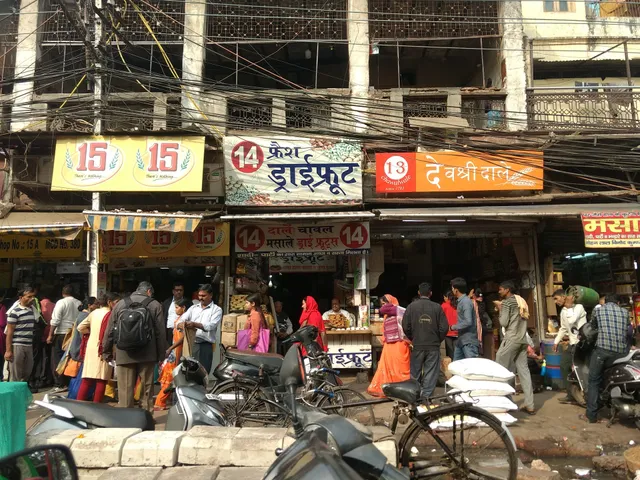
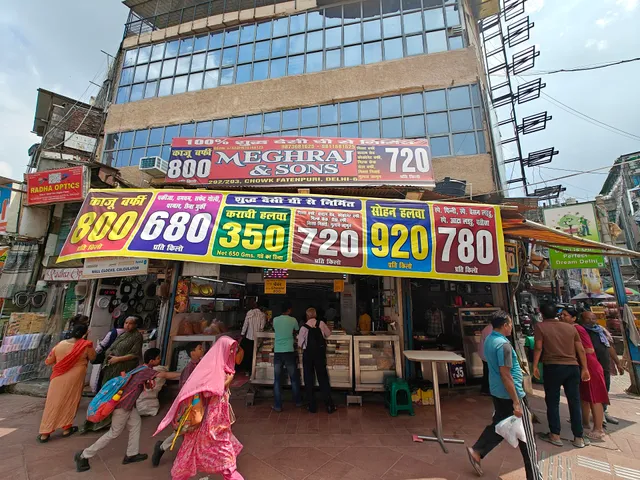
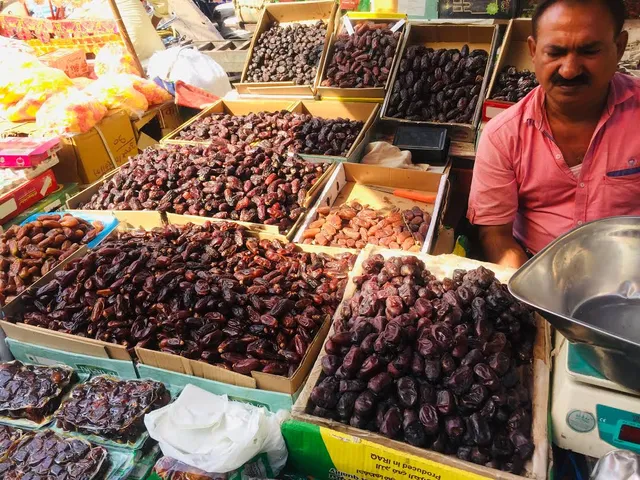
1 recently had the pleasure of visiting Fatehpuri Masjid, a magnificent mosque in Delhi, and adjacent to it, I stumbled upon the sprawling paradise of flavors known as the biggest spice and dry fruit market of Delhi. The experience was truly delightful, blending architectural marvel with the vibrant essence of aromatic spices and tantalizing dried fruits. As I approached Fatehpuri Masjid, the grandeur of its architecture immediately caught my attention. The mosque's stunning design, adorned with intricate carvings and delicate patterns, is a testament to the rich Mughal heritage that Delhi proudly holds. The sense of serenity and spirituality that envelops the mosque's courtyard is truly captivating, providing visitors with a tranquil oasis amidst the bustling city. Upon stepping outside the masjid, I found myself immersed in the bustling atmosphere of the spice and dry fruit market. It was an absolute feast for the senses. The air was infused with the tantalizing scents of various spices, creating an intoxicating symphony that enticed every passerby. The market's vibrant display of colors was a visual treat, with a mesmerizing array of spices and an assortment of dried fruits, all meticulously arranged in shops that lined the streets. Wandering through the market, I encountered a treasure trove of culinary delights. The spice market boasted an extensive selection of spices, ranging from the familiar favorites like cumin, turmeric, and cardamom to the more exotic and lesser-known varieties. The shopkeepers were friendly and knowledgeable, eagerly sharing their expertise and recommendations for the perfect blend of flavors. As I ventured deeper into the market, I discovered a cornucopia of dried fruits. From succulent dates and figs to mouthwatering apricots and raisins, the market offered an impressive range of choices. The fruits, meticulously arranged and preserved, presented a visual feast that reflected the dedication and craftsmanship of the local vendors.

What truly impressed me about this market was the vibrant atmosphere created by the bustling activity and the friendly interactions with the locals. The constant chatter, bargaining, and exchange of culinary tips added a lively energy to the surroundings, making it an unforgettable cultural experience. Visiting the Fatehpuri Masjid and the adjacent spice and dry fruit market is an absolute must for anyone with a love for history, architecture, and the culinary arts. It offers a harmonious blend of the sacred and the sensory, allowing visitors to appreciate the rich heritage of Delhi while immersing themselves in a cornucopia of flavors. Overall, my visit to Fatehpuri Masjid and the biggest spice and dry fruit market of Delhi was nothing short of delightful. I highly recommend taking the time to explore this fascinating destination, where the allure of history and the aromatic delights of spices and dried fruits combine to create an enchanting experience for...

   Read more
Page 1 of 7
Previous
Next

Posts

Mustaque AhmedMustaque Ahmed
Fatehpuri Masjid, one of Delhi’s oldest and most revered mosques, was constructed in 1650 by Fatehpuri Begum, a wife of the Mughal Emperor Shah Jahan, who also commissioned the Taj Mahal. Named after its founder, Fatehpuri Masjid stands at the western end of the bustling Chandni Chowk, opposite the monumental Red Fort and facing Jama Masjid across the old city. This masjid showcases the intricate Mughal architectural style, specifically with its red sandstone structure, onion-shaped domes, and beautifully arched gateways. Architectural Features: Fatehpuri Masjid’s architecture is modest yet impressive, embodying the classic simplicity of Mughal aesthetics. The mosque features a central courtyard surrounded by arched galleries, with three large domes topping the main prayer hall. The walls are adorned with calligraphic inscriptions, and the traditional mihrab (prayer niche) inside the hall is decorated with minimalistic yet elegant carvings. Unlike the Jama Masjid, Fatehpuri Masjid has a single prayer hall, but its architecture allows ample natural light and ventilation, making it a peaceful and inviting space for worship. Historical Significance: Fatehpuri Masjid has stood as a silent witness to Delhi’s transformations, from the grandeur of the Mughal era to British colonial rule and post-independence India. After the First War of Indian Independence in 1857, British forces seized the mosque, converting it into a military base and storehouse as part of a larger effort to suppress the city’s Muslim community. Subsequently, the British auctioned it to Rai Lala Chunnamal, a prominent local businessman and one of the few wealthy individuals allowed to remain in the Chandni Chowk area after the uprising. In 1877, in recognition of its religious significance and as a goodwill gesture to the Muslim community, the British returned the masjid to its original purpose through negotiations funded by the Nawab of Rampur, a well-known patron of art, culture, and religious institutions. Cultural and Religious Role: Over the centuries, Fatehpuri Masjid has served as an essential spiritual and educational center for the Muslim community in Delhi. The masjid houses a madrasa (Islamic school), which has historically attracted students from all over the region. In addition to regular prayers, the masjid is a gathering point for Friday congregational prayers, Eid celebrations, and other significant religious events. The mosque’s tranquil courtyard provides a place for reflection amidst the surrounding hustle and bustle of Chandni Chowk’s market streets, drawing not only worshippers but also travelers, photographers, and history enthusiasts. Present-Day Fatehpuri Masjid: Today, Fatehpuri Masjid remains a well-preserved monument, revered both as a functioning mosque and a historic site. The masjid is managed by the local community, with ongoing efforts to maintain its architectural integrity and spiritual atmosphere. During Ramzan, the masjid comes alive with devotees who gather for iftar and tarawih prayers, creating an atmosphere that resonates with Delhi’s rich Islamic traditions. Visitors to Fatehpuri Masjid often enjoy its proximity to the cultural heart of Old Delhi. Surrounded by traditional markets, iconic eateries, and centuries-old shops, the masjid is integral to the living heritage of the area. Fatehpuri Masjid stands as both a piece of Mughal history and a testament to the resilience and continuity of Delhi’s Islamic culture, drawing visitors who seek a glimpse into the city’s layered past and its enduring cultural diversity.
Sanaul HaqueSanaul Haque
1 recently had the pleasure of visiting Fatehpuri Masjid, a magnificent mosque in Delhi, and adjacent to it, I stumbled upon the sprawling paradise of flavors known as the biggest spice and dry fruit market of Delhi. The experience was truly delightful, blending architectural marvel with the vibrant essence of aromatic spices and tantalizing dried fruits. As I approached Fatehpuri Masjid, the grandeur of its architecture immediately caught my attention. The mosque's stunning design, adorned with intricate carvings and delicate patterns, is a testament to the rich Mughal heritage that Delhi proudly holds. The sense of serenity and spirituality that envelops the mosque's courtyard is truly captivating, providing visitors with a tranquil oasis amidst the bustling city. Upon stepping outside the masjid, I found myself immersed in the bustling atmosphere of the spice and dry fruit market. It was an absolute feast for the senses. The air was infused with the tantalizing scents of various spices, creating an intoxicating symphony that enticed every passerby. The market's vibrant display of colors was a visual treat, with a mesmerizing array of spices and an assortment of dried fruits, all meticulously arranged in shops that lined the streets. Wandering through the market, I encountered a treasure trove of culinary delights. The spice market boasted an extensive selection of spices, ranging from the familiar favorites like cumin, turmeric, and cardamom to the more exotic and lesser-known varieties. The shopkeepers were friendly and knowledgeable, eagerly sharing their expertise and recommendations for the perfect blend of flavors. As I ventured deeper into the market, I discovered a cornucopia of dried fruits. From succulent dates and figs to mouthwatering apricots and raisins, the market offered an impressive range of choices. The fruits, meticulously arranged and preserved, presented a visual feast that reflected the dedication and craftsmanship of the local vendors. What truly impressed me about this market was the vibrant atmosphere created by the bustling activity and the friendly interactions with the locals. The constant chatter, bargaining, and exchange of culinary tips added a lively energy to the surroundings, making it an unforgettable cultural experience. Visiting the Fatehpuri Masjid and the adjacent spice and dry fruit market is an absolute must for anyone with a love for history, architecture, and the culinary arts. It offers a harmonious blend of the sacred and the sensory, allowing visitors to appreciate the rich heritage of Delhi while immersing themselves in a cornucopia of flavors. Overall, my visit to Fatehpuri Masjid and the biggest spice and dry fruit market of Delhi was nothing short of delightful. I highly recommend taking the time to explore this fascinating destination, where the allure of history and the aromatic delights of spices and dried fruits combine to create an enchanting experience for all who visit.
Akram Khan AKMAkram Khan AKM
Fatehpuri Masjid is a historical mosque located in Delhi, India. It was built in 1650 by Fatehpuri Begum, one of Mughal emperor Shah Jahan's wives, who was also the mother of his Aurangzeb. The mosque is situated near the famous Chandni Chowk market in Old Delhi. It is known for its stunning architecture, featuring red sandstone walls with intricate carvings and a large central dome. The mosque also has two towering minarets on either side. Fatehpuri Masjid is an important place of worship for Muslims in Delhi. The mosque can accommodate a large number of worshippers and is particularly crowded during prayers and Islamic festivals. Apart from its religious significance, the is also a popular tourist attraction. can admire its architectural beauty and get a glimpse into the rich history and culture of Delhi. Amazing. Serene. Calm. Very open. Not crowded at all. Everyone is welcomed here. Just remove the footwear at the entry gate and take it with you. The building is very old. The architecture is extremely beautiful. It is a marvel of architectural engineering. Well built. Make you feel good. A good place to go and have some look inside even for general visiting purposes. Doing prayer is not mandatory. No one asks you why you are visiting. Photography:- Just take pictures of people especially women without asking. can as much as your and your family or friends photos at any place just away from the main mosque. No one will bother you. Overall very nice old building. In one word, a mini Jama Masjid but a little better and not crowded with better old building structures.
See more posts
See more posts
hotel
Find your stay

Pet-friendly Hotels in Delhi

Find a cozy hotel nearby and make it a full experience.

Fatehpuri Masjid, one of Delhi’s oldest and most revered mosques, was constructed in 1650 by Fatehpuri Begum, a wife of the Mughal Emperor Shah Jahan, who also commissioned the Taj Mahal. Named after its founder, Fatehpuri Masjid stands at the western end of the bustling Chandni Chowk, opposite the monumental Red Fort and facing Jama Masjid across the old city. This masjid showcases the intricate Mughal architectural style, specifically with its red sandstone structure, onion-shaped domes, and beautifully arched gateways. Architectural Features: Fatehpuri Masjid’s architecture is modest yet impressive, embodying the classic simplicity of Mughal aesthetics. The mosque features a central courtyard surrounded by arched galleries, with three large domes topping the main prayer hall. The walls are adorned with calligraphic inscriptions, and the traditional mihrab (prayer niche) inside the hall is decorated with minimalistic yet elegant carvings. Unlike the Jama Masjid, Fatehpuri Masjid has a single prayer hall, but its architecture allows ample natural light and ventilation, making it a peaceful and inviting space for worship. Historical Significance: Fatehpuri Masjid has stood as a silent witness to Delhi’s transformations, from the grandeur of the Mughal era to British colonial rule and post-independence India. After the First War of Indian Independence in 1857, British forces seized the mosque, converting it into a military base and storehouse as part of a larger effort to suppress the city’s Muslim community. Subsequently, the British auctioned it to Rai Lala Chunnamal, a prominent local businessman and one of the few wealthy individuals allowed to remain in the Chandni Chowk area after the uprising. In 1877, in recognition of its religious significance and as a goodwill gesture to the Muslim community, the British returned the masjid to its original purpose through negotiations funded by the Nawab of Rampur, a well-known patron of art, culture, and religious institutions. Cultural and Religious Role: Over the centuries, Fatehpuri Masjid has served as an essential spiritual and educational center for the Muslim community in Delhi. The masjid houses a madrasa (Islamic school), which has historically attracted students from all over the region. In addition to regular prayers, the masjid is a gathering point for Friday congregational prayers, Eid celebrations, and other significant religious events. The mosque’s tranquil courtyard provides a place for reflection amidst the surrounding hustle and bustle of Chandni Chowk’s market streets, drawing not only worshippers but also travelers, photographers, and history enthusiasts. Present-Day Fatehpuri Masjid: Today, Fatehpuri Masjid remains a well-preserved monument, revered both as a functioning mosque and a historic site. The masjid is managed by the local community, with ongoing efforts to maintain its architectural integrity and spiritual atmosphere. During Ramzan, the masjid comes alive with devotees who gather for iftar and tarawih prayers, creating an atmosphere that resonates with Delhi’s rich Islamic traditions. Visitors to Fatehpuri Masjid often enjoy its proximity to the cultural heart of Old Delhi. Surrounded by traditional markets, iconic eateries, and centuries-old shops, the masjid is integral to the living heritage of the area. Fatehpuri Masjid stands as both a piece of Mughal history and a testament to the resilience and continuity of Delhi’s Islamic culture, drawing visitors who seek a glimpse into the city’s layered past and its enduring cultural diversity.
Mustaque Ahmed

Mustaque Ahmed

hotel
Find your stay

Affordable Hotels in Delhi

Find a cozy hotel nearby and make it a full experience.

Get the Appoverlay
Get the AppOne tap to find yournext favorite spots!
1 recently had the pleasure of visiting Fatehpuri Masjid, a magnificent mosque in Delhi, and adjacent to it, I stumbled upon the sprawling paradise of flavors known as the biggest spice and dry fruit market of Delhi. The experience was truly delightful, blending architectural marvel with the vibrant essence of aromatic spices and tantalizing dried fruits. As I approached Fatehpuri Masjid, the grandeur of its architecture immediately caught my attention. The mosque's stunning design, adorned with intricate carvings and delicate patterns, is a testament to the rich Mughal heritage that Delhi proudly holds. The sense of serenity and spirituality that envelops the mosque's courtyard is truly captivating, providing visitors with a tranquil oasis amidst the bustling city. Upon stepping outside the masjid, I found myself immersed in the bustling atmosphere of the spice and dry fruit market. It was an absolute feast for the senses. The air was infused with the tantalizing scents of various spices, creating an intoxicating symphony that enticed every passerby. The market's vibrant display of colors was a visual treat, with a mesmerizing array of spices and an assortment of dried fruits, all meticulously arranged in shops that lined the streets. Wandering through the market, I encountered a treasure trove of culinary delights. The spice market boasted an extensive selection of spices, ranging from the familiar favorites like cumin, turmeric, and cardamom to the more exotic and lesser-known varieties. The shopkeepers were friendly and knowledgeable, eagerly sharing their expertise and recommendations for the perfect blend of flavors. As I ventured deeper into the market, I discovered a cornucopia of dried fruits. From succulent dates and figs to mouthwatering apricots and raisins, the market offered an impressive range of choices. The fruits, meticulously arranged and preserved, presented a visual feast that reflected the dedication and craftsmanship of the local vendors. What truly impressed me about this market was the vibrant atmosphere created by the bustling activity and the friendly interactions with the locals. The constant chatter, bargaining, and exchange of culinary tips added a lively energy to the surroundings, making it an unforgettable cultural experience. Visiting the Fatehpuri Masjid and the adjacent spice and dry fruit market is an absolute must for anyone with a love for history, architecture, and the culinary arts. It offers a harmonious blend of the sacred and the sensory, allowing visitors to appreciate the rich heritage of Delhi while immersing themselves in a cornucopia of flavors. Overall, my visit to Fatehpuri Masjid and the biggest spice and dry fruit market of Delhi was nothing short of delightful. I highly recommend taking the time to explore this fascinating destination, where the allure of history and the aromatic delights of spices and dried fruits combine to create an enchanting experience for all who visit.
Sanaul Haque

Sanaul Haque

hotel
Find your stay

The Coolest Hotels You Haven't Heard Of (Yet)

Find a cozy hotel nearby and make it a full experience.

hotel
Find your stay

Trending Stays Worth the Hype in Delhi

Find a cozy hotel nearby and make it a full experience.

Fatehpuri Masjid is a historical mosque located in Delhi, India. It was built in 1650 by Fatehpuri Begum, one of Mughal emperor Shah Jahan's wives, who was also the mother of his Aurangzeb. The mosque is situated near the famous Chandni Chowk market in Old Delhi. It is known for its stunning architecture, featuring red sandstone walls with intricate carvings and a large central dome. The mosque also has two towering minarets on either side. Fatehpuri Masjid is an important place of worship for Muslims in Delhi. The mosque can accommodate a large number of worshippers and is particularly crowded during prayers and Islamic festivals. Apart from its religious significance, the is also a popular tourist attraction. can admire its architectural beauty and get a glimpse into the rich history and culture of Delhi. Amazing. Serene. Calm. Very open. Not crowded at all. Everyone is welcomed here. Just remove the footwear at the entry gate and take it with you. The building is very old. The architecture is extremely beautiful. It is a marvel of architectural engineering. Well built. Make you feel good. A good place to go and have some look inside even for general visiting purposes. Doing prayer is not mandatory. No one asks you why you are visiting. Photography:- Just take pictures of people especially women without asking. can as much as your and your family or friends photos at any place just away from the main mosque. No one will bother you. Overall very nice old building. In one word, a mini Jama Masjid but a little better and not crowded with better old building structures.
Akram Khan AKM

Akram Khan AKM

See more posts
See more posts