HTML SitemapExplore
logo
Find Things to DoFind The Best Restaurants

Qudsia Bagh — Attraction in Civil Lines

Name
Qudsia Bagh
Description
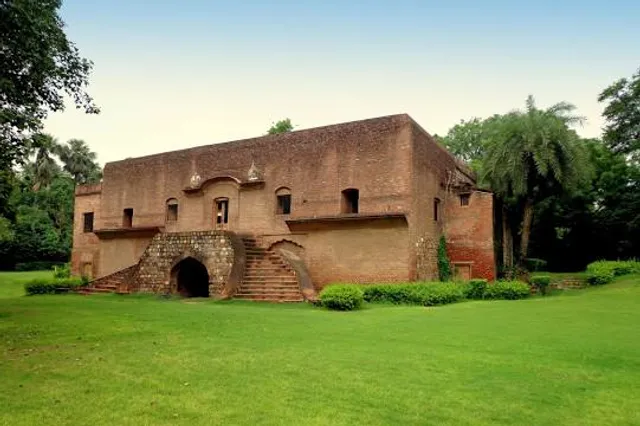
Qudsia Bagh is an 18th-century garden complex and palace located in Old Delhi, India.
Nearby attractions
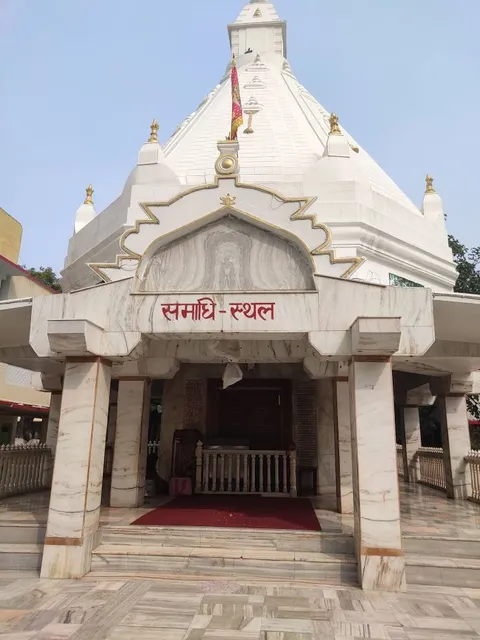
Sri Hanuman Birla Mandir, Baba neem karori ashram
Neeb, karori ashram, Sri Hanuman Mandir, Ladakh Budh Vihar Colony, Civil Lines, New Delhi, Delhi, 110054, India
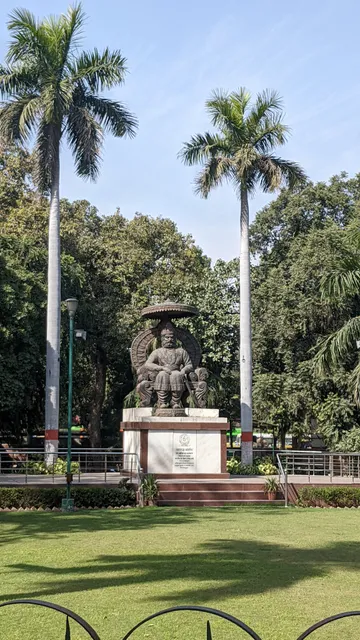
Maharaja Agrasen Park
No.2, Near, Metro Station Rd, Inter State Bus Terminal, Kashmere Gate, New Delhi, Delhi, 110006, India
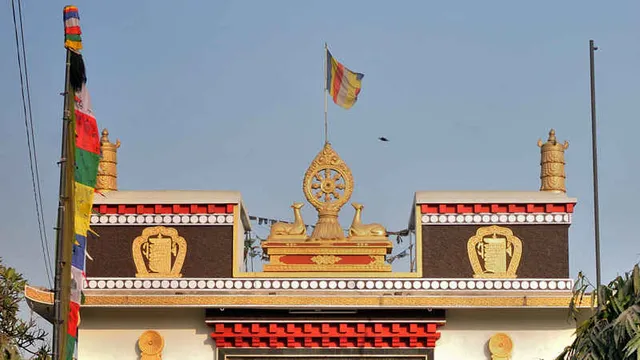
Ladakh Budh Vihar
Bela Road, ISBT Kashmere Gate, Railway Colony, Civil Lines, New Delhi, Delhi 110054, India
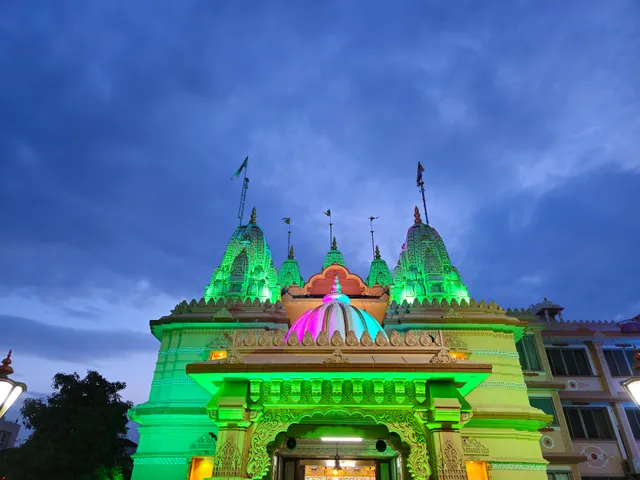
Shree Swaminarayan Gadi Mandir, New Delhi
13, Bela Rd, Railway Colony, Civil Lines, Delhi, 110054, India
Partition Museum & Dara Shukoh Library Cultural Hub
Partition Museum, Ambedkar University, Dara Shukoh Library, Lothiyan Marg, Delhi, 110006, India
Nearby restaurants
Zomsa Restaurant Ladakh Buddhist Vihar Bela Road Delhi 110054 India
Mahatma Gandhi Marg, Ladakh Budh Vihar (Monastery Market, Civil Lines, Delhi 110054, India
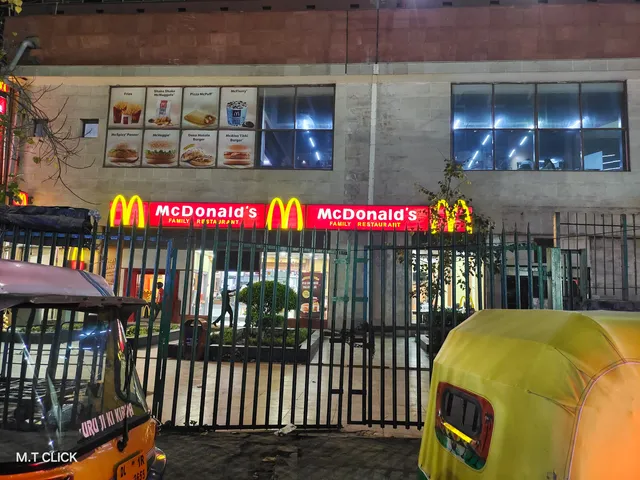
McDonald’s
Metro Station, Lothian Road, Inter State Bus Terminal, Kashmere Gate, New Delhi, Delhi, 110006, India
Shri Balaji Food
M69H+47F, DMRL , Kashmiri Gate , Basement, Metro rail Station, New Delhi, Delhi 110006, India
Open Air Restaurant
M6FJ+3GH, Ladakh Buddhist Vihar, Ladakh Budh Vihar Colony, Civil Lines, New Delhi, Delhi, 110054, India
Fateh Chand Ki Kachori
St. Xaviers School, 4, Raj Niwas Marg, Ludlow Castle, Civil Lines, New Delhi, Delhi, 110054, India
Jumbo king burgers
744, Chhota Bazar, Inter State Bus Terminal, Kashmere Gate, Delhi, 110006, India
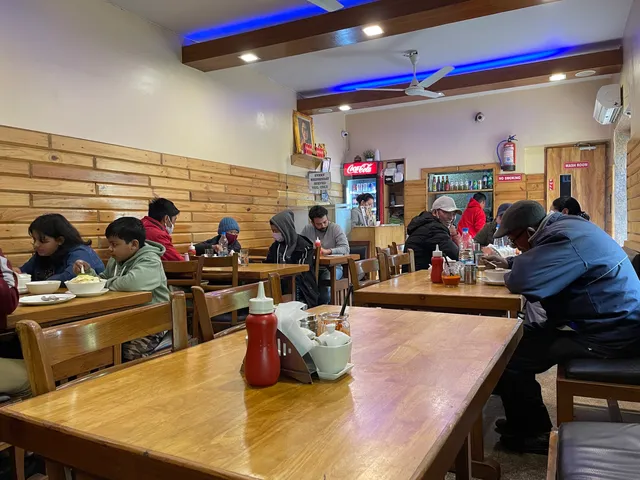
Dolma Restaurant
M6FJ+8G5, Monastery Market, Ladakh Budh Vihar Colony, Civil Lines, New Delhi, Delhi 110054, India
The Cavalry Bar
Oberoi Maidens, 7, Shamnath Marg, Prema Kunj, Civil Lines, New Delhi, Delhi, 110054, India
Kingdom Of Food
DMRC, Basement, Metro Rail Station, Inter State Bus Terminal, Kashmere Gate, New Delhi, Delhi, 110006, India
KFC
Gate No 1, Shop No 10 & 11, Ground Floor, next to Metro Station, Kashmere Gate, New Delhi, Delhi 110006, India
Nearby hotels
Maidens Hotel
7, Sham Nath Marg, Prema Kunj, Civil Lines, New Delhi, Delhi, 110054, India
Homestay AC Dormitory
3rd Floor, 1546, Church Rd, near Ritz Cinema, above SBI Bank & Punjab, National Bank, Kashmere Gate, New Delhi, Delhi, 110006, India
Hotel Green Castle (Heritage Hotel overlooking two protected monuments)
1418 to 1427, Lothiyan Marg, Inter State Bus Terminal, Kashmere Gate, Delhi, 110006, India
Chateau 39
Oberoi Apartment, A39, 2, Sham Nath Marg, Civil Lines, New Delhi, Delhi 110054, India
Nina Kochhar's Homestays
43A, Oberoi Apartments 2, Shamnath Marg, Civil Lines, New Delhi, Delhi 110054, India
Related posts
Keywords
Qudsia Bagh tourism.Qudsia Bagh hotels.Qudsia Bagh bed and breakfast. flights to Qudsia Bagh.Qudsia Bagh attractions.Qudsia Bagh restaurants.Qudsia Bagh travel.Qudsia Bagh travel guide.Qudsia Bagh travel blog.Qudsia Bagh pictures.Qudsia Bagh photos.Qudsia Bagh travel tips.Qudsia Bagh maps.Qudsia Bagh things to do.
Qudsia Bagh things to do, attractions, restaurants, events info and trip planning
Qudsia Bagh
IndiaDelhiCivil LinesQudsia Bagh

Basic Info

Qudsia Bagh

M6CH+98V, Prema Kunj, Railway Colony, Civil Lines, Delhi, 110054, India
4.3(625)
Open until 12:00 AM
Save
spot

Ratings & Description

Info

Qudsia Bagh is an 18th-century garden complex and palace located in Old Delhi, India.

Cultural
Outdoor
Relaxation
Scenic
Family friendly
attractions: Sri Hanuman Birla Mandir, Baba neem karori ashram, Maharaja Agrasen Park, Ladakh Budh Vihar, Shree Swaminarayan Gadi Mandir, New Delhi, Partition Museum & Dara Shukoh Library Cultural Hub, restaurants: Zomsa Restaurant Ladakh Buddhist Vihar Bela Road Delhi 110054 India, McDonald’s, Shri Balaji Food, Open Air Restaurant, Fateh Chand Ki Kachori, Jumbo king burgers, Dolma Restaurant, The Cavalry Bar, Kingdom Of Food, KFC
logoLearn more insights from Wanderboat AI.
Open hoursSee all hours
SatOpen 24 hoursOpen

Plan your stay

hotel
Pet-friendly Hotels in Civil Lines
Find a cozy hotel nearby and make it a full experience.
hotel
Affordable Hotels in Civil Lines
Find a cozy hotel nearby and make it a full experience.
hotel
The Coolest Hotels You Haven't Heard Of (Yet)
Find a cozy hotel nearby and make it a full experience.
hotel
Trending Stays Worth the Hype in Civil Lines
Find a cozy hotel nearby and make it a full experience.

Reviews

Nearby attractions of Qudsia Bagh

Sri Hanuman Birla Mandir, Baba neem karori ashram

Maharaja Agrasen Park

Ladakh Budh Vihar

Shree Swaminarayan Gadi Mandir, New Delhi

Partition Museum & Dara Shukoh Library Cultural Hub

Sri Hanuman Birla Mandir, Baba neem karori ashram

Sri Hanuman Birla Mandir, Baba neem karori ashram

4.8

(596)

Open 24 hours
Click for details
Maharaja Agrasen Park

Maharaja Agrasen Park

4.1

(328)

Closed
Click for details
Ladakh Budh Vihar

Ladakh Budh Vihar

4.5

(78)

Closed
Click for details
Shree Swaminarayan Gadi Mandir, New Delhi

Shree Swaminarayan Gadi Mandir, New Delhi

4.5

(61)

Open 24 hours
Click for details

Things to do nearby

Old Delhi Food-Temples-Spice Market & Rickshaw
Sat, Dec 6 • 10:00 AM
New Delhi, Delhi, 110006, India
View details
Witness spiritual musing with a boatman
Sat, Dec 6 • 6:00 AM
Delhi, Delhi, 110094, India
View details
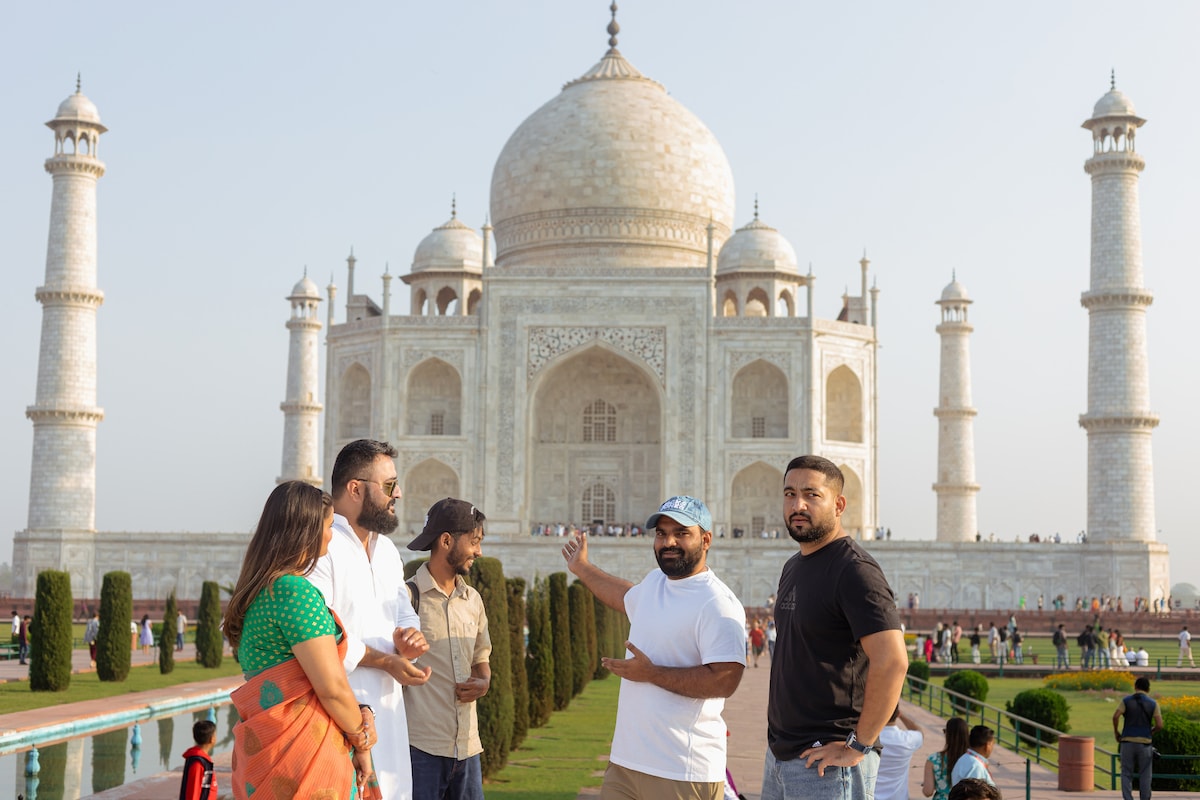
Taj Mahal Tour From Delhi
Sat, Dec 6 • 2:00 AM
Connaught Place New Delhi, Delhi, 110001, India
View details

Nearby restaurants of Qudsia Bagh

Zomsa Restaurant Ladakh Buddhist Vihar Bela Road Delhi 110054 India

McDonald’s

Shri Balaji Food

Open Air Restaurant

Fateh Chand Ki Kachori

Jumbo king burgers

Dolma Restaurant

The Cavalry Bar

Kingdom Of Food

KFC

Zomsa Restaurant Ladakh Buddhist Vihar Bela Road Delhi 110054 India

Zomsa Restaurant Ladakh Buddhist Vihar Bela Road Delhi 110054 India

4.3

(300)

$$

Closed
Click for details
McDonald’s

McDonald’s

4.0

(2.2K)

Click for details
Shri Balaji Food

Shri Balaji Food

3.7

(222)

Click for details
Open Air Restaurant

Open Air Restaurant

4.5

(55)

Closed
Click for details
Get the Appoverlay
Get the AppOne tap to find yournext favorite spots!
Wanderboat LogoWanderboat

Your everyday Al companion for getaway ideas

CompanyAbout Us
InformationAI Trip PlannerSitemap
SocialXInstagramTiktokLinkedin
LegalTerms of ServicePrivacy Policy

Get the app

© 2025 Wanderboat. All rights reserved.
logo

Reviews of Qudsia Bagh

4.3
(625)
avatar
5.0
1y

"Resilience Amidst Ruins: The Shahi Mosque of Qudsia Bagh"

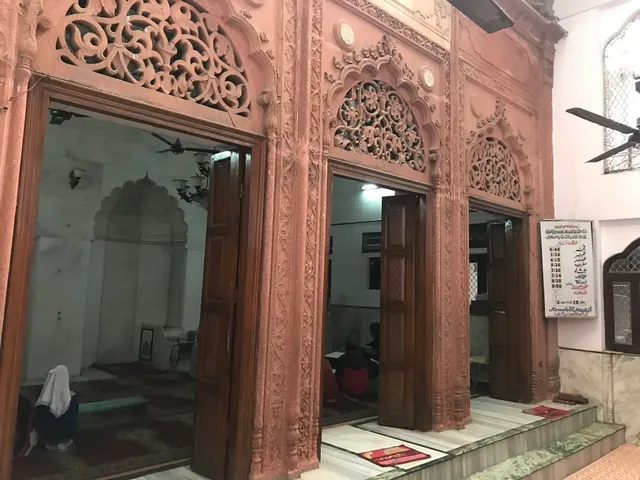
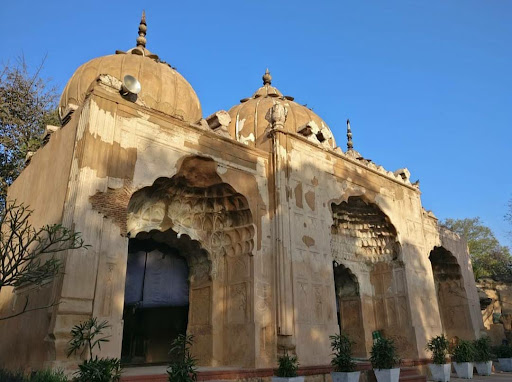
The Shahi mosque within the Qudsia Bagh complex stands as a poignant testament to the architectural grandeur of the Mughal era, despite its current state of desolation. Commissioned in 1748 by Qudsia Begum, a prominent figure in Mughal history as the mother of Emperor Ahmad Shah Bahadur, the complex originally served as a majestic residence nestled in the northern expanse of Delhi's urban fabric. Designed to reflect the opulence and refinement characteristic of Mughal architecture, the palace exemplified the aesthetic sensibilities of its time.

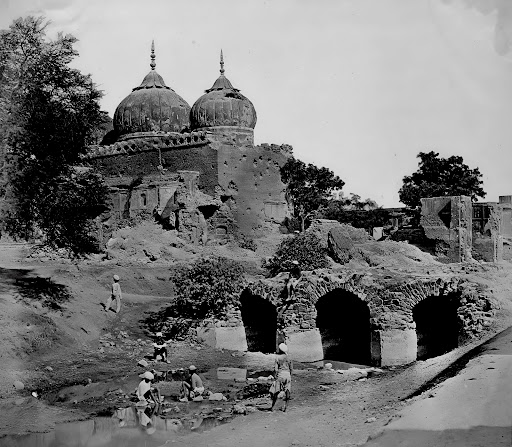
However, the tumultuous events of the Indian Rebellion of 1857, a watershed moment in the subcontinent's colonial history, left an indelible mark on the Qudsia Bagh complex. As the epicenter of conflict shifted to Delhi, the once-palatial residence bore witness to the ravages of war. The strategic significance of the Custom House Battery, located in close proximity, rendered the area a focal point of military engagement. The Shahi mosque, once a symbol of spiritual reverence and architectural splendor, emerged from the crucible of battle bearing scars of destruction.

In the aftermath of the conflict, the Qudsia Bagh complex lay in ruins, its former glory obscured by the debris of conflict and the passage of time. While efforts may have been made to preserve remnants of its erstwhile magnificence, the enduring legacy of the 1857 uprising persists in the fragmented remnants of this once-vibrant architectural marvel. Today, the dilapidated state of the Shahi mosque serves as a poignant reminder of the complex interplay between history, politics, and heritage conservation in the Indian subcontinent.

Qudsia Bagh has undergone several renovations over the centuries. Today, visitors are captivated by its meticulously landscaped gardens, adorned with lush greenery, colorful flowers, and intricate water features. The architectural remnants, including pavilions, gateways, and pathways, stand as a testament to its rich heritage. Additionally, the tranquil atmosphere offers a peaceful retreat from the bustling city life, making it a cherished destination for locals and tourists alike.

By Manav Kaushik

For More on F&B please visit foodfunda_net...

   Read more
avatar
5.0
2y

A historic garden called Qudsia Bagh may be found in Delhi's northern region. Midway through the 18th century, Qudsia Begum, the Mughal Emperor Muhammad Shah's wife, constructed it. The garden is a well-liked tourist site for both locals and visitors since it is a stunning and tranquil respite in the busy metropolis of Delhi.

The garden is enclosed by tall walls that give it a feeling of calm and isolation. It has a surface area of around 25 acres. The garden has a central water channel, fountains, and is decorated with trees, plants, and flowers in the Mughal style. The garden is a wonderful spot to unwind, wander, and take in the beauty of nature.

The beautiful baradari, a twelve-arched pavilion in the middle of the garden, is one of Qudsia Bagh's most distinctive characteristics. Red sandstone is used to create the baradari, which is decorated with elaborate carvings and patterns. It is a well-liked location where guests may take pictures and take in the scenery of the garden.

Additionally, Qudsia Bagh is noteworthy historically. It was initially constructed as a pleasure garden for Qudsia Begum and thereafter utilised by other Mughal royal family members. The mutiny of 1857 was just one of the significant occasions that took place in the garden during the British colonial era. The park also functioned as a location for social and cultural events like musical performances and poetry readings.

Today, locals and visitors seeking a tranquil retreat from the bustling city flock to Qudsia Bagh. The garden is open to the public from dawn until dusk and is conveniently located near public transportation. While strolling through the garden, visitors can savor the stunning flora and learn about the location's historical and cultural significance.

In conclusion, anyone interested in the Mughal era or looking for a tranquil getaway from the bustle of the city should pay a visit to Delhi's Qudsia Bagh, a stunning and historic garden. For anyone visiting Delhi, it is a must-visit location due to its natural beauty, impressive architecture, and cultural...

   Read more
avatar
5.0
3y

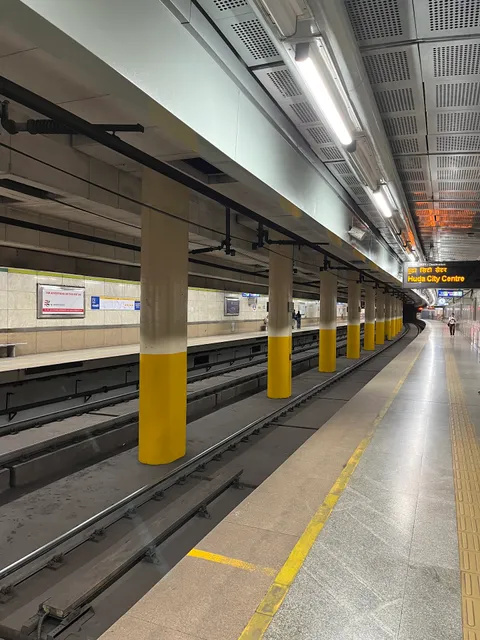
GETTING THERE The nearest metro station is the Kashmiri Gate Metro Station on the Yellow Line of Delhi Metro.

THINGS TO DO IN & AROUND Located in the popular neighbourhood of Old Delhi, visitors can visit monuments and markets in Kashmiri Gate. Visitors can also visit the Red Fort and Jama Masjid in Chandni Chowk, which is 4 km from the Qudsia Bagh. Visitors can also explore the local markets of Chandni Chowk and Old Delhi.

OPENING AND CLOSING TIMING The monument can be accessed at any time of the day. The Qudsia Garden is open on all days of the week.

ENTRY FEES There is no entry fee for Qudsia Garden

BEST TIME TO VISIT QUDSIA BAGH It’s best advised to visit during winters and the cool climate helps in excruciating Delhi Darshan. You can visit the Qudsia Garden at any time of the year.

Delhi has buried many tales of wars, romance and history in its heart. If you seek to unravel those, you would have to do it old school way, exploring every street of Delhi, visiting every neighbourhood and asking old people about the history and heritage of the city. While doing so you might get to hear about the Qudsia Bagh or Qudsia Garden. A forgotten monument in Old Delhi, today left in ruins, narrating the glorious history of the time of its origin. Built by Begum Qudsia, wife of Muhammad Shah, the complex was a palace in itself with all the luxury one could wish for. It had waterfalls, gardens, palace and a private mosque. Today only one Gateway stands tall, paving way for the Qudsia mosque. The garden was built in the Persian Charbagh style, with four symmetrical gardens, with water canals running through them. The surviving Baradari has 12 doors and it is a blend of Persian and British architecture. The mosque which was a private worshipping place for the king and the queen today serves to the locals of the...

   Read more
Page 1 of 7
Previous
Next

Posts

Manav KaushikManav Kaushik
"Resilience Amidst Ruins: The Shahi Mosque of Qudsia Bagh" The Shahi mosque within the Qudsia Bagh complex stands as a poignant testament to the architectural grandeur of the Mughal era, despite its current state of desolation. Commissioned in 1748 by Qudsia Begum, a prominent figure in Mughal history as the mother of Emperor Ahmad Shah Bahadur, the complex originally served as a majestic residence nestled in the northern expanse of Delhi's urban fabric. Designed to reflect the opulence and refinement characteristic of Mughal architecture, the palace exemplified the aesthetic sensibilities of its time. However, the tumultuous events of the Indian Rebellion of 1857, a watershed moment in the subcontinent's colonial history, left an indelible mark on the Qudsia Bagh complex. As the epicenter of conflict shifted to Delhi, the once-palatial residence bore witness to the ravages of war. The strategic significance of the Custom House Battery, located in close proximity, rendered the area a focal point of military engagement. The Shahi mosque, once a symbol of spiritual reverence and architectural splendor, emerged from the crucible of battle bearing scars of destruction. In the aftermath of the conflict, the Qudsia Bagh complex lay in ruins, its former glory obscured by the debris of conflict and the passage of time. While efforts may have been made to preserve remnants of its erstwhile magnificence, the enduring legacy of the 1857 uprising persists in the fragmented remnants of this once-vibrant architectural marvel. Today, the dilapidated state of the Shahi mosque serves as a poignant reminder of the complex interplay between history, politics, and heritage conservation in the Indian subcontinent. Qudsia Bagh has undergone several renovations over the centuries. Today, visitors are captivated by its meticulously landscaped gardens, adorned with lush greenery, colorful flowers, and intricate water features. The architectural remnants, including pavilions, gateways, and pathways, stand as a testament to its rich heritage. Additionally, the tranquil atmosphere offers a peaceful retreat from the bustling city life, making it a cherished destination for locals and tourists alike. By Manav Kaushik For More on F&B please visit foodfunda_net on Instagram
Mohd. Husen ShaikhMohd. Husen Shaikh
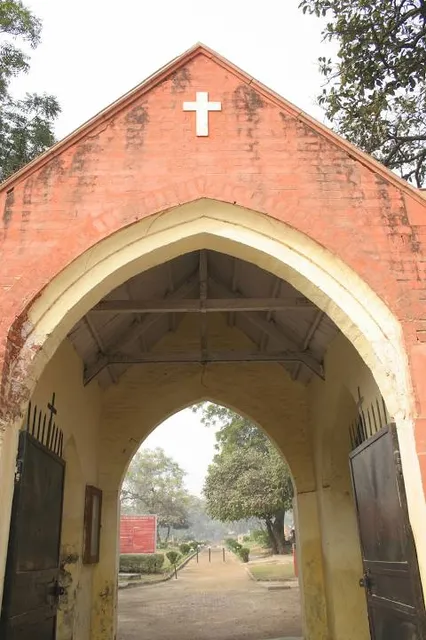
In 1748, Qudsia Begum, the mother of Mughal emperor Ahmad Shah Bahadur constructed a sprawling palace. She along with her husband, the emperor, constructed the palace replete with mosques, a grand entrance, fountains and fruit and flowerbeds. However, the Mughal palace was destroyed after the revolt of 1857. Only the mosque survives though in a worn-out condition. The walls of the mosque have lost its colour, the plaster is falling off and the gates to the mosque visibly can't seem to bear the coming monsoon. Coordinates: 28°40'14.3"N 77°13'50.5"E Text:IndiaTimes The Shahi Mosque is a Mughal era mosque near Kashmiri Gate #Delhi. The Mosque along with a Palace garden was part of what is known as Qudsia Bagh and was built by Qudsia Begum mother of Mughal Emperor Ahmad Shah and wife of Mughal Emperor Muhammed Shah in 1748. Qudsia Bagh used to be the rendezvous of the Mughal royals who used to come here during the evenings along with their wives. The garden is set in a typical Persian Charbagh style. Most of the Palace garden was destroyed during the Revolt of 1857. Today only the mosque, an entry gate and a few pavilions remain. The entry gate under restoration by ASI
AdmissionAdmission
Once spread over 20 acres of land, Qudsia Bagh was laid in Persian Charbagh style outside the city walls of Shahjahanabad. This complex was built in 1748 by Qudsia Begum, the wife of Mughal Emperor Mohammad Shah Rangeela. This garden was one of the locations that played a role during the 1857 First War of Independence and was destroyed and damaged during the course of events. It is said that the mosque situated in the garden complex was used by the revolutionaries to fire at the British troops who were setting up a battery behind the garden walls. The ruined conditions of the structures at the complex bear testament to the intensity of the fighting. Qudsia Bagh was also the site of the last meeting of Bhagat Singh and his comrades before they undertook their mission of throwing bombs in the Central Legislative Assembly. It is said that the women revolutionaries present at the meeting put tilaks of their blood on the foreheads of the brave-hearts before they departed.
See more posts
See more posts
hotel
Find your stay

Pet-friendly Hotels in Civil Lines

Find a cozy hotel nearby and make it a full experience.

"Resilience Amidst Ruins: The Shahi Mosque of Qudsia Bagh" The Shahi mosque within the Qudsia Bagh complex stands as a poignant testament to the architectural grandeur of the Mughal era, despite its current state of desolation. Commissioned in 1748 by Qudsia Begum, a prominent figure in Mughal history as the mother of Emperor Ahmad Shah Bahadur, the complex originally served as a majestic residence nestled in the northern expanse of Delhi's urban fabric. Designed to reflect the opulence and refinement characteristic of Mughal architecture, the palace exemplified the aesthetic sensibilities of its time. However, the tumultuous events of the Indian Rebellion of 1857, a watershed moment in the subcontinent's colonial history, left an indelible mark on the Qudsia Bagh complex. As the epicenter of conflict shifted to Delhi, the once-palatial residence bore witness to the ravages of war. The strategic significance of the Custom House Battery, located in close proximity, rendered the area a focal point of military engagement. The Shahi mosque, once a symbol of spiritual reverence and architectural splendor, emerged from the crucible of battle bearing scars of destruction. In the aftermath of the conflict, the Qudsia Bagh complex lay in ruins, its former glory obscured by the debris of conflict and the passage of time. While efforts may have been made to preserve remnants of its erstwhile magnificence, the enduring legacy of the 1857 uprising persists in the fragmented remnants of this once-vibrant architectural marvel. Today, the dilapidated state of the Shahi mosque serves as a poignant reminder of the complex interplay between history, politics, and heritage conservation in the Indian subcontinent. Qudsia Bagh has undergone several renovations over the centuries. Today, visitors are captivated by its meticulously landscaped gardens, adorned with lush greenery, colorful flowers, and intricate water features. The architectural remnants, including pavilions, gateways, and pathways, stand as a testament to its rich heritage. Additionally, the tranquil atmosphere offers a peaceful retreat from the bustling city life, making it a cherished destination for locals and tourists alike. By Manav Kaushik For More on F&B please visit foodfunda_net on Instagram
Manav Kaushik

Manav Kaushik

hotel
Find your stay

Affordable Hotels in Civil Lines

Find a cozy hotel nearby and make it a full experience.

Get the Appoverlay
Get the AppOne tap to find yournext favorite spots!
In 1748, Qudsia Begum, the mother of Mughal emperor Ahmad Shah Bahadur constructed a sprawling palace. She along with her husband, the emperor, constructed the palace replete with mosques, a grand entrance, fountains and fruit and flowerbeds. However, the Mughal palace was destroyed after the revolt of 1857. Only the mosque survives though in a worn-out condition. The walls of the mosque have lost its colour, the plaster is falling off and the gates to the mosque visibly can't seem to bear the coming monsoon. Coordinates: 28°40'14.3"N 77°13'50.5"E Text:IndiaTimes The Shahi Mosque is a Mughal era mosque near Kashmiri Gate #Delhi. The Mosque along with a Palace garden was part of what is known as Qudsia Bagh and was built by Qudsia Begum mother of Mughal Emperor Ahmad Shah and wife of Mughal Emperor Muhammed Shah in 1748. Qudsia Bagh used to be the rendezvous of the Mughal royals who used to come here during the evenings along with their wives. The garden is set in a typical Persian Charbagh style. Most of the Palace garden was destroyed during the Revolt of 1857. Today only the mosque, an entry gate and a few pavilions remain. The entry gate under restoration by ASI
Mohd. Husen Shaikh

Mohd. Husen Shaikh

hotel
Find your stay

The Coolest Hotels You Haven't Heard Of (Yet)

Find a cozy hotel nearby and make it a full experience.

hotel
Find your stay

Trending Stays Worth the Hype in Civil Lines

Find a cozy hotel nearby and make it a full experience.

Once spread over 20 acres of land, Qudsia Bagh was laid in Persian Charbagh style outside the city walls of Shahjahanabad. This complex was built in 1748 by Qudsia Begum, the wife of Mughal Emperor Mohammad Shah Rangeela. This garden was one of the locations that played a role during the 1857 First War of Independence and was destroyed and damaged during the course of events. It is said that the mosque situated in the garden complex was used by the revolutionaries to fire at the British troops who were setting up a battery behind the garden walls. The ruined conditions of the structures at the complex bear testament to the intensity of the fighting. Qudsia Bagh was also the site of the last meeting of Bhagat Singh and his comrades before they undertook their mission of throwing bombs in the Central Legislative Assembly. It is said that the women revolutionaries present at the meeting put tilaks of their blood on the foreheads of the brave-hearts before they departed.
Admission

Admission

See more posts
See more posts