HTML SitemapExplore
logo
Find Things to DoFind The Best Restaurants

Raj Ghat Memorial — Attraction in Delhi

Name
Raj Ghat Memorial
Description
Nearby attractions
Kisan Ghat
110006, Unnamed Rd, Shakti Sthal, Raj Ghat, Delhi, 110002, India
Feroz Shah Kotla Fort
J6MV+X87, Balmiki Basti, Vikram Nagar, New Delhi, Delhi, 110002, India
Delhi-Topra Ashokan Pillar
J6PW+84H, Balmiki Basti, Vikram Nagar, New Delhi, Delhi, 110002, India
Zeenat-ul Masjid
J6WV+HXF, Daryaganj, New Delhi, Delhi, 110002, India
Shantivan
J6XX+P9P, Shanti Van, Mahatma Gandhi Marg, behind Red Fort, Delhi, 110002, India
Nearby restaurants
Sugandh Restaurant
Shop No. 4702, 21, Ansari Rd, Daryaganj, New Delhi, Delhi, 110002, India
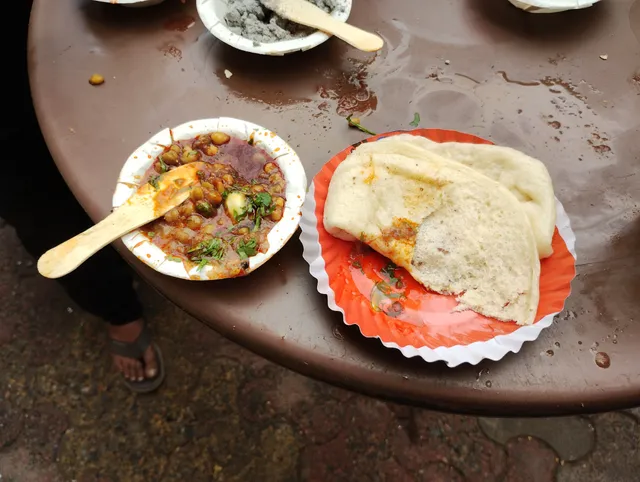
Lotan Chole Kulche
J6RV+V2Q, Daryaganj, New Delhi, Delhi, 110002, India
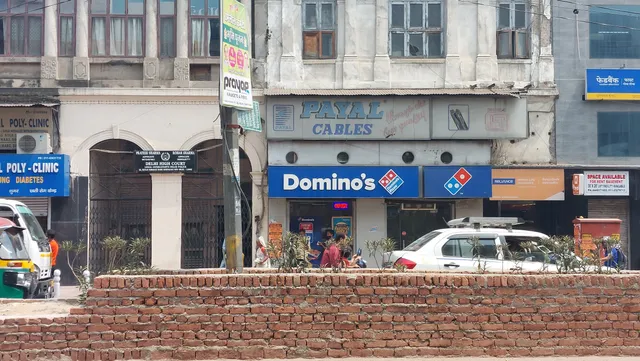
Domino's Pizza | Daryaganj, New Delhi
Ground Floor E, 23, Netaji Subhash Marg, opposite Golcha Cinema, Daryaganj, New Delhi, Delhi, 110002, India
Zaika Foods
3615, Netaji Subhash Marg, near Golcha Cinema, Kucha Alam, Khabas Pura, Old Delhi, Delhi, 110002, India
Santushti Restaurant
4360, 4, Ansari Rd, Daryaganj, New Delhi, Delhi, 110002, India
Guptaji Ki Pav Bhaji
9, Dayanand Rd, Daryaganj, New Delhi, Delhi, 110002, India
Akash Deep Restaurant
Shop No-3627, 1st Floor, Golcha Cinema Corner, Netaji Subhash Marg, Kucha Alam, Khabas Pura, Daryaganj, New Delhi, Delhi, 110002, India
Negi Restaurant
Delhi Gate, 3450, Delhi Chamber Building, Daryaganj, New Delhi, Delhi 110002, India
Chinese Tadka
6, Dayanand Rd, Parda Bagh, Daryaganj, New Delhi, Delhi, 110002, India
Mehta's
Shop No-3623, Netaji Subhash Marg, Khabas Pura, Daryaganj, opp. Police Station, New Delhi, Delhi 110002, India
Related posts
Keywords
Raj Ghat Memorial tourism.Raj Ghat Memorial hotels.Raj Ghat Memorial bed and breakfast. flights to Raj Ghat Memorial.Raj Ghat Memorial attractions.Raj Ghat Memorial restaurants.Raj Ghat Memorial travel.Raj Ghat Memorial travel guide.Raj Ghat Memorial travel blog.Raj Ghat Memorial pictures.Raj Ghat Memorial photos.Raj Ghat Memorial travel tips.Raj Ghat Memorial maps.Raj Ghat Memorial things to do.
Raj Ghat Memorial things to do, attractions, restaurants, events info and trip planning
Raj Ghat Memorial
IndiaDelhiRaj Ghat Memorial

Basic Info

Raj Ghat Memorial

J6RX+6RR, behind Red Fort, Gandhi Smriti, Raj Ghat, New Delhi, Delhi, 110002, India
4.5(11.6K)
Open 24 hours
Save
spot

Ratings & Description

Info

Cultural
Outdoor
Scenic
Family friendly
Accessibility
attractions: Kisan Ghat, Feroz Shah Kotla Fort, Delhi-Topra Ashokan Pillar, Zeenat-ul Masjid, Shantivan, restaurants: Sugandh Restaurant, Lotan Chole Kulche, Domino's Pizza | Daryaganj, New Delhi, Zaika Foods, Santushti Restaurant, Guptaji Ki Pav Bhaji, Akash Deep Restaurant, Negi Restaurant, Chinese Tadka, Mehta's

logoLearn more insights from Wanderboat AI.

Plan your stay

hotel
Pet-friendly Hotels in Delhi
Find a cozy hotel nearby and make it a full experience.

hotel
Affordable Hotels in Delhi
Find a cozy hotel nearby and make it a full experience.

hotel
The Coolest Hotels You Haven't Heard Of (Yet)
Find a cozy hotel nearby and make it a full experience.

hotel
Trending Stays Worth the Hype in Delhi
Find a cozy hotel nearby and make it a full experience.

Reviews

Nearby attractions of Raj Ghat Memorial

Kisan Ghat

Feroz Shah Kotla Fort

Delhi-Topra Ashokan Pillar

Zeenat-ul Masjid

Shantivan
Kisan Ghat

Kisan Ghat

4.4

(91)

Open 24 hours
Click for details
Feroz Shah Kotla Fort

Feroz Shah Kotla Fort

4.2

(3.9K)

Open 24 hours
Click for details
Delhi-Topra Ashokan Pillar

Delhi-Topra Ashokan Pillar

4.4

(112)

Open until 5:00 PM
Click for details
Zeenat-ul Masjid

Zeenat-ul Masjid

4.7

(247)

Open until 8:00 PM
Click for details

Things to do nearby

Craft home-style cuisine in Delhi
Fri, Dec 5 • 11:00 AM
New Delhi, Delhi, 110024, India
View details
Explore delhis street food
Fri, Dec 5 • 4:00 PM
New Delhi, Delhi, 110006, India
View details
Titanic: A Voyage Through Time
Fri, Dec 5 • 2:00 PM
NH 8, Sector 15 Part 2, Sector 17, Gurugram, 122001
View details

Nearby restaurants of Raj Ghat Memorial

Sugandh Restaurant

Lotan Chole Kulche

Domino's Pizza | Daryaganj, New Delhi

Zaika Foods

Santushti Restaurant

Guptaji Ki Pav Bhaji

Akash Deep Restaurant

Negi Restaurant

Chinese Tadka

Mehta's
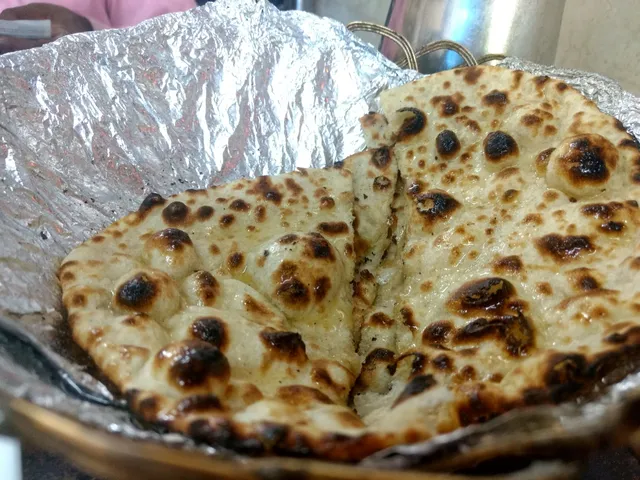
Sugandh Restaurant

Sugandh Restaurant

4.1

(184)

Click for details
Lotan Chole Kulche

Lotan Chole Kulche

3.8

(174)

Click for details
Domino's Pizza | Daryaganj, New Delhi

Domino's Pizza | Daryaganj, New Delhi

3.8

(1.4K)

Click for details
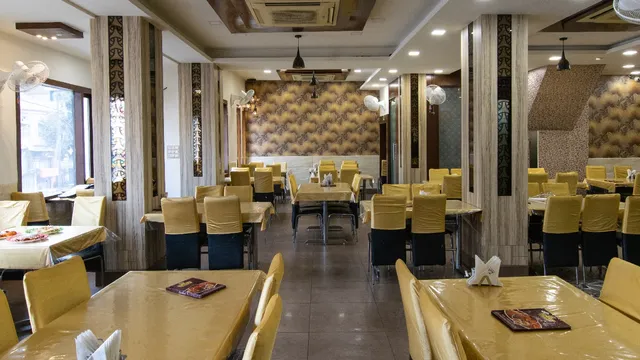
Zaika Foods

Zaika Foods

4.2

(1.2K)

$$

Click for details

Get the Appoverlay
Get the AppOne tap to find yournext favorite spots!
Wanderboat LogoWanderboat

Your everyday Al companion for getaway ideas

CompanyAbout Us
InformationAI Trip PlannerSitemap
SocialXInstagramTiktokLinkedin
LegalTerms of ServicePrivacy Policy

Get the app

© 2025 Wanderboat. All rights reserved.
logo

Reviews of Raj Ghat Memorial

4.5
(11,571)
avatar
5.0
19w

Raj Ghat in New Delhi is the solemn national memorial dedicated to Mahatma Gandhi, marking the exact spot of his cremation on 31 January 1948. It serves as a space for reflection, reverence, and remembrance.

🕊️ Historical & Symbolic Significance

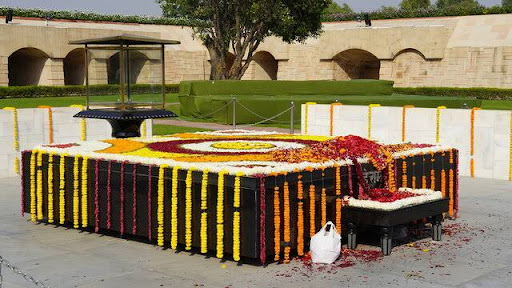
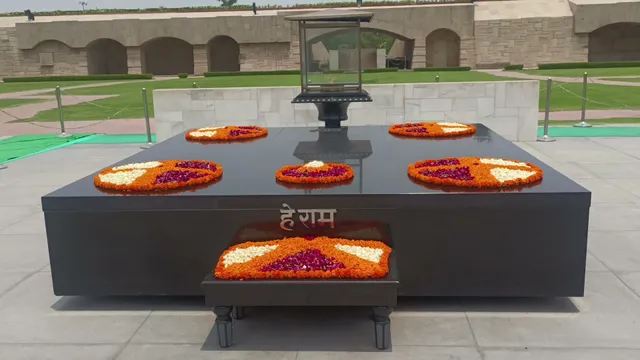
Built shortly after Gandhi's assassination, the memorial features a simple black marble platform with the inscription “Hey Ram”, believed to be his last words. An eternal flame at one end symbolizes his undying ideals.

The design, created by Vanu G. Bhuta, reflects Gandhiji’s philosophy of simplicity and humility.

The memorial is located on Mahatma Gandhi Marg, between Delhi’s Ring Road and the Yamuna River—formerly part of Old Delhi’s Shahjahanabad. Its name means "Royal Steps", referring to the historic ghat nearby.

🌳 Layout & Surroundings

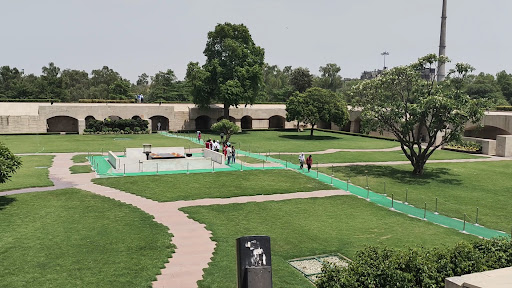
A stone footpath lined with well-kept lawns and gardens, designed by Alick Percy-Lancaster, leads up to the memorial.

Many trees in the compound were planted by global dignitaries like Queen Elizabeth II, Ho Chi Minh, and U.S. President Eisenhower.

Beyond Gandhi’s memorial, the complex includes additional samadhis (memorials) for national leaders such as Nehru, Indira Gandhi, Rajiv Gandhi, Lal Bahadur Shastri, Atal Bihari Vajpayee, and more.

🕓 Visiting Information

Feature Details

Timings Open every day from approximately 6:30 AM to 6:00 PM, with variations by season:

April–September: 6:30 AM–6:00 PM

October–March: 5:30 AM–7:00 PM (some sources note opening as early as 5:00 AM) | | Entry Fee | Free for all visitors | | Photography| Permitted (no flash); but visitors should be respectful and avoid photographing during prayer intervals. | | Footwear | Must be removed before entering the memorial area. | | Cultural Ceremonies | Weekly prayer sessions and spinning programmes held every Friday at ~5:30 PM, the anniversary of Gandhi’s death. Donations collected benefit causes dear to Gandhi, such as upliftment of marginalized communities. |

📚 National Gandhi Museum

Located adjacent to Raj Ghat, the National Gandhi Museum exhibits:

Over 35,000 documents, books, letters, and personal artifacts of Gandhi: dhoti, shawl, walking sticks, charkha models, even one of the bullets used in his assassination.

An audio-visual section for films on Gandhi's life (free showings, typically on weekends).

🧘 Visitor Experience

A tranquil venue surrounded by greenery and fountains—perfect for quiet reflection or meditative walks. A lesser-known pond beyond the main memorial, noted for its solitude, is especially peaceful.

Best visiting times: early morning or late afternoon, especially during cooler months (October–March), when Delhi’s weather is pleasant and crowds are lighter.

✅ Why Raj Ghat Matters

It memorializes India’s Father of the Nation in a manner true to his principles: modest, open to all, contemplative.

Located in a scenic, serene park yet easily accessible from Delhi’s heritage core.

The adjacent Gandhi Museum provides deep insights into his life, values, and legacy.

Would you like help planning your route to Raj Ghat from Patna, checking public transport options, or pairing it with nearby landmarks like the Red Fort or...

   Read more
avatar
5.0
14w

Overview Rajghat is a memorial in Delhi, India, dedicated to Mahatma Gandhi, the "Father of the Nation." Located on the banks of the Yamuna River, it marks the exact spot where he was cremated on January 31, 1948, the day after his assassination. The memorial is a powerful symbol of peace, non-violence, and the enduring legacy of one of the world's most influential leaders. Its simplicity and serenity are a direct reflection of Gandhi's own values. Historical Significance Rajghat is one of the most significant national memorials in India. The site holds a deep emotional and historical resonance for Indians and people from around the globe. It is the place of Gandhi's final rites, and as such, it became hallowed ground overnight. Since then, it has been a tradition for Indian and foreign dignitaries, including heads of state and prominent leaders, to visit and pay their respects. The memorial complex has also expanded to include the samadhis (memorials) of other notable Indian leaders, making it a broader tribute to the nation's political history. Architecture and Layout The design of Rajghat is remarkably simple and elegant, in keeping with Gandhi's philosophy of humility and simplicity. The Memorial Platform: The central feature is a simple black marble platform, a two-foot high square slab that marks the cremation spot. The words "Hey Ram," believed to be Gandhi's last words, are inscribed on the stone. Eternal Flame: An eternal flame in a bronze urn burns continuously at one end of the platform, symbolizing Gandhi's timeless legacy and the undying spirit of his ideals. Gardens: The memorial is set in a large, beautifully landscaped park with lush green lawns, trees, and fountains. Many of the trees have been planted by visiting dignitaries from around the world, each with a plaque, adding a unique and international dimension to the site. Museums: Nearby, there are two museums, the National Gandhi Museum and the Gandhi Memorial Museum, that showcase Gandhi's life, philosophy, and the Indian freedom struggle through a rich collection of photographs, books, artifacts, and films. Visitor Experience and Review Visitors consistently describe their experience at Rajghat as deeply moving and peaceful. The serene environment offers a stark contrast to the bustling city of Delhi, providing a space for quiet reflection. Atmosphere: The solemn and tranquil atmosphere is a major highlight. Many find it to be a meditative space that inspires introspection on the themes of peace, non-violence, and human dignity. Maintenance: The memorial is exceptionally well-maintained, with clean and well-manicured gardens. Visitors are required to remove their footwear before approaching the memorial platform as a sign of respect. Accessibility: Rajghat is easily accessible by road and metro. Entry is free. It's recommended to visit during the cooler hours of the day to fully enjoy the gardens. Significance: For anyone interested in Indian history, culture, or the life of Mahatma Gandhi, a visit to Rajghat is considered essential. It is not just a tourist attraction but a place of profound national and...

   Read more
avatar
5.0
1y

Raj Ghat is a memorial dedicated to Mahatma Gandhi, located in Delhi, India. Here are some key facts about Raj Ghat:

Location: Situated on the banks of the Yamuna River in Delhi.

Design: Designed by architect Vanu Bhuta, the memorial features a black marble platform marking the spot where Gandhi was cremated.

Inauguration: Opened in 1948, shortly after Gandhi's death.

Significance: A sacred place for Indians and a symbol of India's struggle for independence.

Visitors: A popular tourist destination, attracting visitors from around the world.

Ceremonies: Various events and ceremonies are held at Raj Ghat to commemorate Gandhi's life and legacy.

Gardens: The memorial is surrounded by beautiful gardens and trees.

Museum: A nearby museum showcases Gandhi's personal belongings and photos of his life.

Security: Strict security measures are in place to protect visitors.

Timings: Open daily from 5:30 am to 7:30 pm.

Raj Ghat is a place of great historical and cultural significance in India, and a must-visit destination for those traveling to Delhi.

Additional facts:

The memorial is built using red sandstone and black marble. The platform is surrounded by a square garden with walking paths. The museum exhibits a collection of Gandhi's personal items, including his spectacles and spinning wheel. Raj Ghat is also the final resting place of other notable Indian leaders, including Jawaharlal Nehru and Indira Gandhi. The memorial is maintained by the Government of India and is a popular spot for political and cultural events. Here are some more facts about Raj Ghat:

Eternal Flame: An eternal flame burns at one end of the platform, symbolizing the eternal spirit of Gandhi.

Gandhi's Last Words: The memorial features an inscription of Gandhi's last words, "Hey Ram" (Oh God), which he uttered at the time of his assassination.

Quotes and Sayings: The walls surrounding the memorial feature quotes and sayings of Gandhi, highlighting his philosophy of non-violence and peace.

Prayer Services: Prayer services are held daily at Raj Ghat, where visitors can participate in chanting and singing devotional songs.

Special Events: Raj Ghat hosts various special events throughout the year, including Gandhi's birthday (October 2) and martyrdom day (January 30).

Visitor Facilities: The memorial complex has facilities for visitors, including drinking water, toilets, and seating areas.

Security Check: Visitors are required to undergo security checks before entering the memorial complex.

Photography: Photography is allowed for personal use, but tripods and commercial photography require permission.

Respect and Decorum: Visitors are expected to maintain respect and decorum within the memorial complex, including removing their shoes before entering the platform.

Free Entry: Entry to Raj Ghat is free, making it accessible to visitors from all walks of life.

Raj Ghat is a place of great historical and cultural significance, and visitors are expected to behave in a respectful and...

   Read more
Page 1 of 7
Previous
Next

Posts

Ayaskant ParijaAyaskant Parija
Overview Rajghat is a memorial in Delhi, India, dedicated to Mahatma Gandhi, the "Father of the Nation." Located on the banks of the Yamuna River, it marks the exact spot where he was cremated on January 31, 1948, the day after his assassination. The memorial is a powerful symbol of peace, non-violence, and the enduring legacy of one of the world's most influential leaders. Its simplicity and serenity are a direct reflection of Gandhi's own values. Historical Significance Rajghat is one of the most significant national memorials in India. The site holds a deep emotional and historical resonance for Indians and people from around the globe. It is the place of Gandhi's final rites, and as such, it became hallowed ground overnight. Since then, it has been a tradition for Indian and foreign dignitaries, including heads of state and prominent leaders, to visit and pay their respects. The memorial complex has also expanded to include the samadhis (memorials) of other notable Indian leaders, making it a broader tribute to the nation's political history. Architecture and Layout The design of Rajghat is remarkably simple and elegant, in keeping with Gandhi's philosophy of humility and simplicity. * The Memorial Platform: The central feature is a simple black marble platform, a two-foot high square slab that marks the cremation spot. The words "Hey Ram," believed to be Gandhi's last words, are inscribed on the stone. * Eternal Flame: An eternal flame in a bronze urn burns continuously at one end of the platform, symbolizing Gandhi's timeless legacy and the undying spirit of his ideals. * Gardens: The memorial is set in a large, beautifully landscaped park with lush green lawns, trees, and fountains. Many of the trees have been planted by visiting dignitaries from around the world, each with a plaque, adding a unique and international dimension to the site. * Museums: Nearby, there are two museums, the National Gandhi Museum and the Gandhi Memorial Museum, that showcase Gandhi's life, philosophy, and the Indian freedom struggle through a rich collection of photographs, books, artifacts, and films. Visitor Experience and Review Visitors consistently describe their experience at Rajghat as deeply moving and peaceful. The serene environment offers a stark contrast to the bustling city of Delhi, providing a space for quiet reflection. * Atmosphere: The solemn and tranquil atmosphere is a major highlight. Many find it to be a meditative space that inspires introspection on the themes of peace, non-violence, and human dignity. * Maintenance: The memorial is exceptionally well-maintained, with clean and well-manicured gardens. Visitors are required to remove their footwear before approaching the memorial platform as a sign of respect. * Accessibility: Rajghat is easily accessible by road and metro. Entry is free. It's recommended to visit during the cooler hours of the day to fully enjoy the gardens. * Significance: For anyone interested in Indian history, culture, or the life of Mahatma Gandhi, a visit to Rajghat is considered essential. It is not just a tourist attraction but a place of profound national and international importance.
VIVEK MISHRAVIVEK MISHRA
Raj Ghat is a memorial dedicated to Mahatma Gandhi, located in Delhi, India. Here are some key facts about Raj Ghat: 1. _Location_: Situated on the banks of the Yamuna River in Delhi. 2. _Design_: Designed by architect Vanu Bhuta, the memorial features a black marble platform marking the spot where Gandhi was cremated. 3. _Inauguration_: Opened in 1948, shortly after Gandhi's death. 4. _Significance_: A sacred place for Indians and a symbol of India's struggle for independence. 5. _Visitors_: A popular tourist destination, attracting visitors from around the world. 6. _Ceremonies_: Various events and ceremonies are held at Raj Ghat to commemorate Gandhi's life and legacy. 7. _Gardens_: The memorial is surrounded by beautiful gardens and trees. 8. _Museum_: A nearby museum showcases Gandhi's personal belongings and photos of his life. 9. _Security_: Strict security measures are in place to protect visitors. 10. _Timings_: Open daily from 5:30 am to 7:30 pm. Raj Ghat is a place of great historical and cultural significance in India, and a must-visit destination for those traveling to Delhi. Additional facts: - The memorial is built using red sandstone and black marble. - The platform is surrounded by a square garden with walking paths. - The museum exhibits a collection of Gandhi's personal items, including his spectacles and spinning wheel. - Raj Ghat is also the final resting place of other notable Indian leaders, including Jawaharlal Nehru and Indira Gandhi. - The memorial is maintained by the Government of India and is a popular spot for political and cultural events. Here are some more facts about Raj Ghat: 1. _Eternal Flame_: An eternal flame burns at one end of the platform, symbolizing the eternal spirit of Gandhi. 2. _Gandhi's Last Words_: The memorial features an inscription of Gandhi's last words, "Hey Ram" (Oh God), which he uttered at the time of his assassination. 3. _Quotes and Sayings_: The walls surrounding the memorial feature quotes and sayings of Gandhi, highlighting his philosophy of non-violence and peace. 4. _Prayer Services_: Prayer services are held daily at Raj Ghat, where visitors can participate in chanting and singing devotional songs. 5. _Special Events_: Raj Ghat hosts various special events throughout the year, including Gandhi's birthday (October 2) and martyrdom day (January 30). 6. _Visitor Facilities_: The memorial complex has facilities for visitors, including drinking water, toilets, and seating areas. 7. _Security Check_: Visitors are required to undergo security checks before entering the memorial complex. 8. _Photography_: Photography is allowed for personal use, but tripods and commercial photography require permission. 9. _Respect and Decorum_: Visitors are expected to maintain respect and decorum within the memorial complex, including removing their shoes before entering the platform. 10. _Free Entry_: Entry to Raj Ghat is free, making it accessible to visitors from all walks of life. Raj Ghat is a place of great historical and cultural significance, and visitors are expected to behave in a respectful and dignified manner.
dhdy chhxdhdy chhx
**Rajghat, Delhi: A Reverent Tribute to the Father of the Nation** *Rajghat*, nestled along the tranquil banks of the Yamuna River in Delhi, is not just a memorial but a sacred pilgrimage site for admirers of Mahatma Gandhi, the towering figure of India's independence movement. Visiting Rajghat is akin to stepping into the pages of history, where the echoes of Gandhi's principles of truth, nonviolence, and selflessness resonate with every visitor. *Ambiance and Setting:* As you approach Rajghat, you're greeted by a serene expanse of greenery and meticulously landscaped gardens. The simplicity of the memorial's design is intentional, reflecting Gandhi's own philosophy of minimalism and humility. The hushed tranquility of the surroundings invites introspection and reverence, creating a space for visitors to connect with Gandhi's enduring legacy. *Meditative Walk:* Upon entering Rajghat, visitors are greeted by the black marble platform marking the spot where Gandhi was cremated on January 31, 1948. The path leading to the platform is lined with trees and shrubs, creating a serene avenue for contemplation. Many visitors choose to walk barefoot as a mark of respect, immersing themselves in the meditative atmosphere of the memorial. *Memorial Structure:* At the heart of Rajghat stands a simple, open-air structure made of black stone, under which lies a perpetual flame symbolizing the eternal presence of Gandhi's ideals. Surrounding the flame are inscriptions of Gandhi's most profound teachings, reminding visitors of the timeless relevance of his message in today's world. *Gandhi Museum:* Adjacent to Rajghat is the Gandhi Museum, a treasure trove of artifacts, photographs, and documents chronicling Gandhi's life and legacy. The museum offers a comprehensive glimpse into Gandhi's remarkable journey, from his early years in South Africa to his pivotal role in India's struggle for independence. Exhibits highlighting Gandhi's principles of nonviolence, communal harmony, and social justice serve as a poignant reminder of his enduring relevance in today's world. *Reflection and Contemplation:* For many visitors, Rajghat is more than just a historical site—it's a place of pilgrimage, where they can pay homage to Gandhi's memory and draw inspiration from his unwavering commitment to truth and righteousness. Whether you're a history enthusiast, a spiritual seeker, or simply a curious traveler, a visit to Rajghat is a humbling and transformative experience that leaves an indelible mark on the soul. In conclusion, Rajghat is not merely a memorial but a living testament to the ideals and principles that Mahatma Gandhi lived and died for. Its tranquil ambiance, meditative surroundings, and profound symbolism make it a must-visit destination for anyone seeking to understand the essence of Gandhian philosophy and its enduring impact on the world. A visit to Rajghat is not just a journey through history but a journey of the spirit—an opportunity to reflect, contemplate, and renew our commitment to the values of truth, justice, and compassion that Gandhi embodied in his life and work.
See more posts
See more posts
hotel
Find your stay

Pet-friendly Hotels in Delhi

Find a cozy hotel nearby and make it a full experience.

Overview Rajghat is a memorial in Delhi, India, dedicated to Mahatma Gandhi, the "Father of the Nation." Located on the banks of the Yamuna River, it marks the exact spot where he was cremated on January 31, 1948, the day after his assassination. The memorial is a powerful symbol of peace, non-violence, and the enduring legacy of one of the world's most influential leaders. Its simplicity and serenity are a direct reflection of Gandhi's own values. Historical Significance Rajghat is one of the most significant national memorials in India. The site holds a deep emotional and historical resonance for Indians and people from around the globe. It is the place of Gandhi's final rites, and as such, it became hallowed ground overnight. Since then, it has been a tradition for Indian and foreign dignitaries, including heads of state and prominent leaders, to visit and pay their respects. The memorial complex has also expanded to include the samadhis (memorials) of other notable Indian leaders, making it a broader tribute to the nation's political history. Architecture and Layout The design of Rajghat is remarkably simple and elegant, in keeping with Gandhi's philosophy of humility and simplicity. * The Memorial Platform: The central feature is a simple black marble platform, a two-foot high square slab that marks the cremation spot. The words "Hey Ram," believed to be Gandhi's last words, are inscribed on the stone. * Eternal Flame: An eternal flame in a bronze urn burns continuously at one end of the platform, symbolizing Gandhi's timeless legacy and the undying spirit of his ideals. * Gardens: The memorial is set in a large, beautifully landscaped park with lush green lawns, trees, and fountains. Many of the trees have been planted by visiting dignitaries from around the world, each with a plaque, adding a unique and international dimension to the site. * Museums: Nearby, there are two museums, the National Gandhi Museum and the Gandhi Memorial Museum, that showcase Gandhi's life, philosophy, and the Indian freedom struggle through a rich collection of photographs, books, artifacts, and films. Visitor Experience and Review Visitors consistently describe their experience at Rajghat as deeply moving and peaceful. The serene environment offers a stark contrast to the bustling city of Delhi, providing a space for quiet reflection. * Atmosphere: The solemn and tranquil atmosphere is a major highlight. Many find it to be a meditative space that inspires introspection on the themes of peace, non-violence, and human dignity. * Maintenance: The memorial is exceptionally well-maintained, with clean and well-manicured gardens. Visitors are required to remove their footwear before approaching the memorial platform as a sign of respect. * Accessibility: Rajghat is easily accessible by road and metro. Entry is free. It's recommended to visit during the cooler hours of the day to fully enjoy the gardens. * Significance: For anyone interested in Indian history, culture, or the life of Mahatma Gandhi, a visit to Rajghat is considered essential. It is not just a tourist attraction but a place of profound national and international importance.
Ayaskant Parija

Ayaskant Parija

hotel
Find your stay

Affordable Hotels in Delhi

Find a cozy hotel nearby and make it a full experience.

Get the Appoverlay
Get the AppOne tap to find yournext favorite spots!
Raj Ghat is a memorial dedicated to Mahatma Gandhi, located in Delhi, India. Here are some key facts about Raj Ghat: 1. _Location_: Situated on the banks of the Yamuna River in Delhi. 2. _Design_: Designed by architect Vanu Bhuta, the memorial features a black marble platform marking the spot where Gandhi was cremated. 3. _Inauguration_: Opened in 1948, shortly after Gandhi's death. 4. _Significance_: A sacred place for Indians and a symbol of India's struggle for independence. 5. _Visitors_: A popular tourist destination, attracting visitors from around the world. 6. _Ceremonies_: Various events and ceremonies are held at Raj Ghat to commemorate Gandhi's life and legacy. 7. _Gardens_: The memorial is surrounded by beautiful gardens and trees. 8. _Museum_: A nearby museum showcases Gandhi's personal belongings and photos of his life. 9. _Security_: Strict security measures are in place to protect visitors. 10. _Timings_: Open daily from 5:30 am to 7:30 pm. Raj Ghat is a place of great historical and cultural significance in India, and a must-visit destination for those traveling to Delhi. Additional facts: - The memorial is built using red sandstone and black marble. - The platform is surrounded by a square garden with walking paths. - The museum exhibits a collection of Gandhi's personal items, including his spectacles and spinning wheel. - Raj Ghat is also the final resting place of other notable Indian leaders, including Jawaharlal Nehru and Indira Gandhi. - The memorial is maintained by the Government of India and is a popular spot for political and cultural events. Here are some more facts about Raj Ghat: 1. _Eternal Flame_: An eternal flame burns at one end of the platform, symbolizing the eternal spirit of Gandhi. 2. _Gandhi's Last Words_: The memorial features an inscription of Gandhi's last words, "Hey Ram" (Oh God), which he uttered at the time of his assassination. 3. _Quotes and Sayings_: The walls surrounding the memorial feature quotes and sayings of Gandhi, highlighting his philosophy of non-violence and peace. 4. _Prayer Services_: Prayer services are held daily at Raj Ghat, where visitors can participate in chanting and singing devotional songs. 5. _Special Events_: Raj Ghat hosts various special events throughout the year, including Gandhi's birthday (October 2) and martyrdom day (January 30). 6. _Visitor Facilities_: The memorial complex has facilities for visitors, including drinking water, toilets, and seating areas. 7. _Security Check_: Visitors are required to undergo security checks before entering the memorial complex. 8. _Photography_: Photography is allowed for personal use, but tripods and commercial photography require permission. 9. _Respect and Decorum_: Visitors are expected to maintain respect and decorum within the memorial complex, including removing their shoes before entering the platform. 10. _Free Entry_: Entry to Raj Ghat is free, making it accessible to visitors from all walks of life. Raj Ghat is a place of great historical and cultural significance, and visitors are expected to behave in a respectful and dignified manner.
VIVEK MISHRA

VIVEK MISHRA

hotel
Find your stay

The Coolest Hotels You Haven't Heard Of (Yet)

Find a cozy hotel nearby and make it a full experience.

hotel
Find your stay

Trending Stays Worth the Hype in Delhi

Find a cozy hotel nearby and make it a full experience.

**Rajghat, Delhi: A Reverent Tribute to the Father of the Nation** *Rajghat*, nestled along the tranquil banks of the Yamuna River in Delhi, is not just a memorial but a sacred pilgrimage site for admirers of Mahatma Gandhi, the towering figure of India's independence movement. Visiting Rajghat is akin to stepping into the pages of history, where the echoes of Gandhi's principles of truth, nonviolence, and selflessness resonate with every visitor. *Ambiance and Setting:* As you approach Rajghat, you're greeted by a serene expanse of greenery and meticulously landscaped gardens. The simplicity of the memorial's design is intentional, reflecting Gandhi's own philosophy of minimalism and humility. The hushed tranquility of the surroundings invites introspection and reverence, creating a space for visitors to connect with Gandhi's enduring legacy. *Meditative Walk:* Upon entering Rajghat, visitors are greeted by the black marble platform marking the spot where Gandhi was cremated on January 31, 1948. The path leading to the platform is lined with trees and shrubs, creating a serene avenue for contemplation. Many visitors choose to walk barefoot as a mark of respect, immersing themselves in the meditative atmosphere of the memorial. *Memorial Structure:* At the heart of Rajghat stands a simple, open-air structure made of black stone, under which lies a perpetual flame symbolizing the eternal presence of Gandhi's ideals. Surrounding the flame are inscriptions of Gandhi's most profound teachings, reminding visitors of the timeless relevance of his message in today's world. *Gandhi Museum:* Adjacent to Rajghat is the Gandhi Museum, a treasure trove of artifacts, photographs, and documents chronicling Gandhi's life and legacy. The museum offers a comprehensive glimpse into Gandhi's remarkable journey, from his early years in South Africa to his pivotal role in India's struggle for independence. Exhibits highlighting Gandhi's principles of nonviolence, communal harmony, and social justice serve as a poignant reminder of his enduring relevance in today's world. *Reflection and Contemplation:* For many visitors, Rajghat is more than just a historical site—it's a place of pilgrimage, where they can pay homage to Gandhi's memory and draw inspiration from his unwavering commitment to truth and righteousness. Whether you're a history enthusiast, a spiritual seeker, or simply a curious traveler, a visit to Rajghat is a humbling and transformative experience that leaves an indelible mark on the soul. In conclusion, Rajghat is not merely a memorial but a living testament to the ideals and principles that Mahatma Gandhi lived and died for. Its tranquil ambiance, meditative surroundings, and profound symbolism make it a must-visit destination for anyone seeking to understand the essence of Gandhian philosophy and its enduring impact on the world. A visit to Rajghat is not just a journey through history but a journey of the spirit—an opportunity to reflect, contemplate, and renew our commitment to the values of truth, justice, and compassion that Gandhi embodied in his life and work.
dhdy chhx

dhdy chhx

See more posts
See more posts