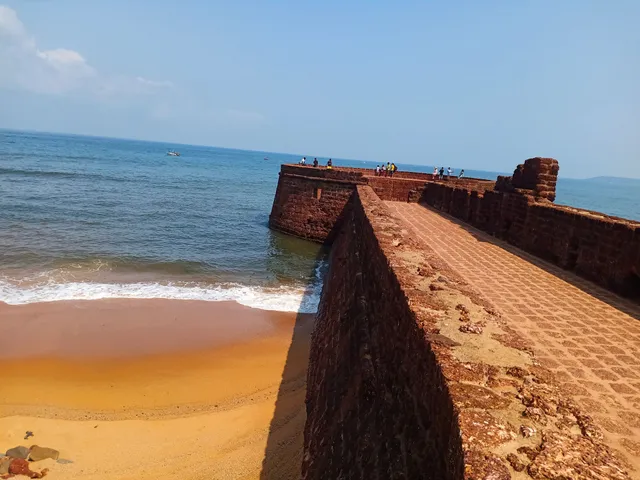
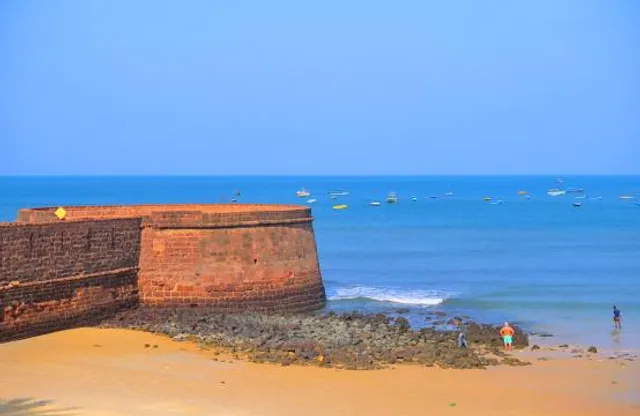
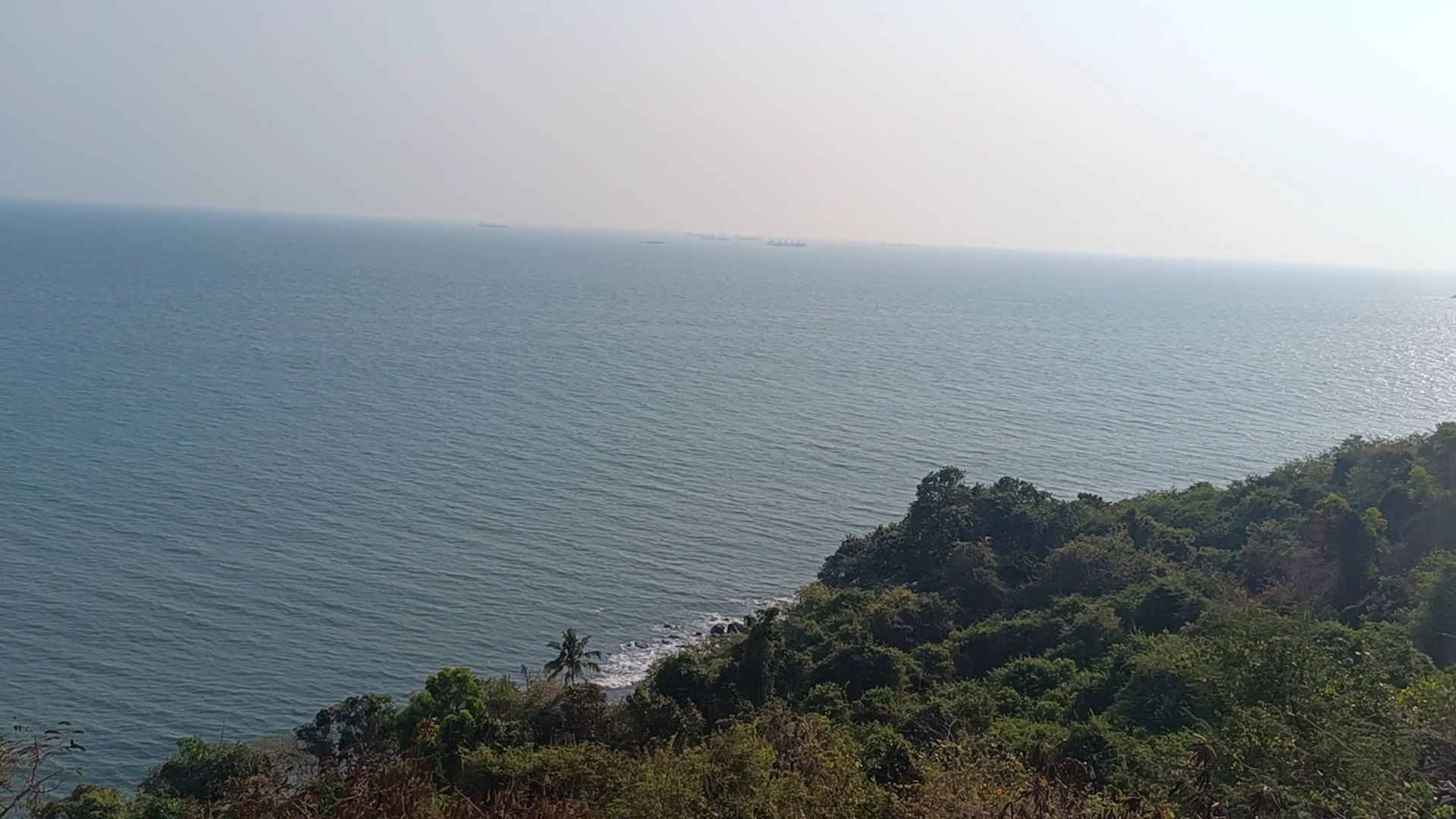
Fort Aguada is a magnificent 17th-century Portuguese fort located on Sinquerim Beach in Goa, India. It's a popular tourist destination, known for its rich history, impressive architecture, and breathtaking panoramic views of the Arabian Sea. Here is a detailed review of the fort. History and Architecture Strategic Importance: Constructed in 1612, Fort Aguada was a crucial defense system for the Portuguese. Its primary purpose was to guard against Dutch and Maratha invaders and to protect the nearby Bardez sub-district. "Aguada" Meaning: The name "Aguada" is derived from the Portuguese word for "watery." This is because the fort had a large freshwater spring that supplied water to passing ships, making it one of the largest freshwater storages in Asia at the time. The fort's massive cistern could hold over 2.37 million gallons of water. Fort Design: The fort showcases typical Portuguese military architecture. It was built using durable laterite stone, a material commonly found in Goa. The fort's walls are impressively thick (1.3 meters) and high (5 meters), and its design was strategically integrated with the natural terrain to make it difficult to breach. The fort is divided into two main parts: The Upper Part: This section functioned as the main fort and watering station. It includes a moat, an underground water storage chamber, a gunpowder room, and bastions. There was also a secret escape passage for use during emergencies. The Lower Part: This area provided a safe berth for Portuguese ships. The Lighthouse: A key feature of the fort is the lighthouse, built in 1864. It is one of the oldest in Asia and once served as a vital guide for ships coming from Europe. The original lighthouse was replaced by a new one in 1976. Aguada Jail: During the Salazar administration, a part of the fort was converted into a prison, used primarily for political enemies. While the jail is a significant part of the fort's history, visitors are not allowed inside. Things to Do and See Explore the Fort: Visitors can walk along the thick brick walls, explore the old bastions, and see the remnants of the water supply system. The fort's well-preserved structure gives a sense of its military history and grandeur. Visit the Lighthouse: Although the older lighthouse is no longer operational, it's a prominent landmark and a great spot for photography. Enjoy Panoramic Views: One of the main draws of Fort Aguada is the stunning, far-reaching views of the Arabian Sea and the meeting point of the sea with the Mandovi River. It's an ideal location for photography and simply taking in the scenic beauty. Catch the Sunset: Many visitors recommend visiting in the late afternoon to experience a spectacular sunset over the sea. Visit the St. Lawrence Chapel: Located on the outskirts of the fort, this chapel is dedicated to the patron saint of sailors and is another example of Portuguese architecture. Visitor Information Location: Fort Aguada is situated on Sinquerim Beach, south of Candolim, in North Goa. It's about 16 km from Panaji, the capital of Goa. Opening Hours: The fort is generally open from 9:00 AM to 5:00 PM or 6:00 PM, though specific timings can vary. It's open every day of the week. Entry Fee: There is no entry fee to visit Fort Aguada. Tips: It's recommended to visit early in the morning to avoid crowds and the heat, especially during the summer. Bring a camera to capture the beautiful scenery. Wear comfortable shoes for walking on the fort's stone pathways. Street food options are available nearby for a...
Read more🏰 Fort Aguada: Goa's Majestic Watchtower and Testament to 17th-Century Power! 🛡️ RATING: ⭐⭐⭐⭐⭐ (5/5 – Iconic History, Architectural Brilliance, and Breathtaking Panoramic Views)
Fort Aguada is more than just a ruin; it is a magnificent piece of military history and the most well-preserved Portuguese fort in Goa. Standing proudly on the headland overlooking Sinquerim Beach, it offers an unparalleled perspective on the confluence of the Mandovi River and the Arabian Sea. A visit here is essential for understanding Goa's strategic past and capturing some of the most spectacular coastal views.
The Signature Aguada Experience Architectural Grandeur: Built by the Portuguese in 1612, the fort's robust laterite walls, deep trenches, and expansive ramparts showcase incredible 17th-century military engineering. Despite its age, the structure remains imposing and commands respect.
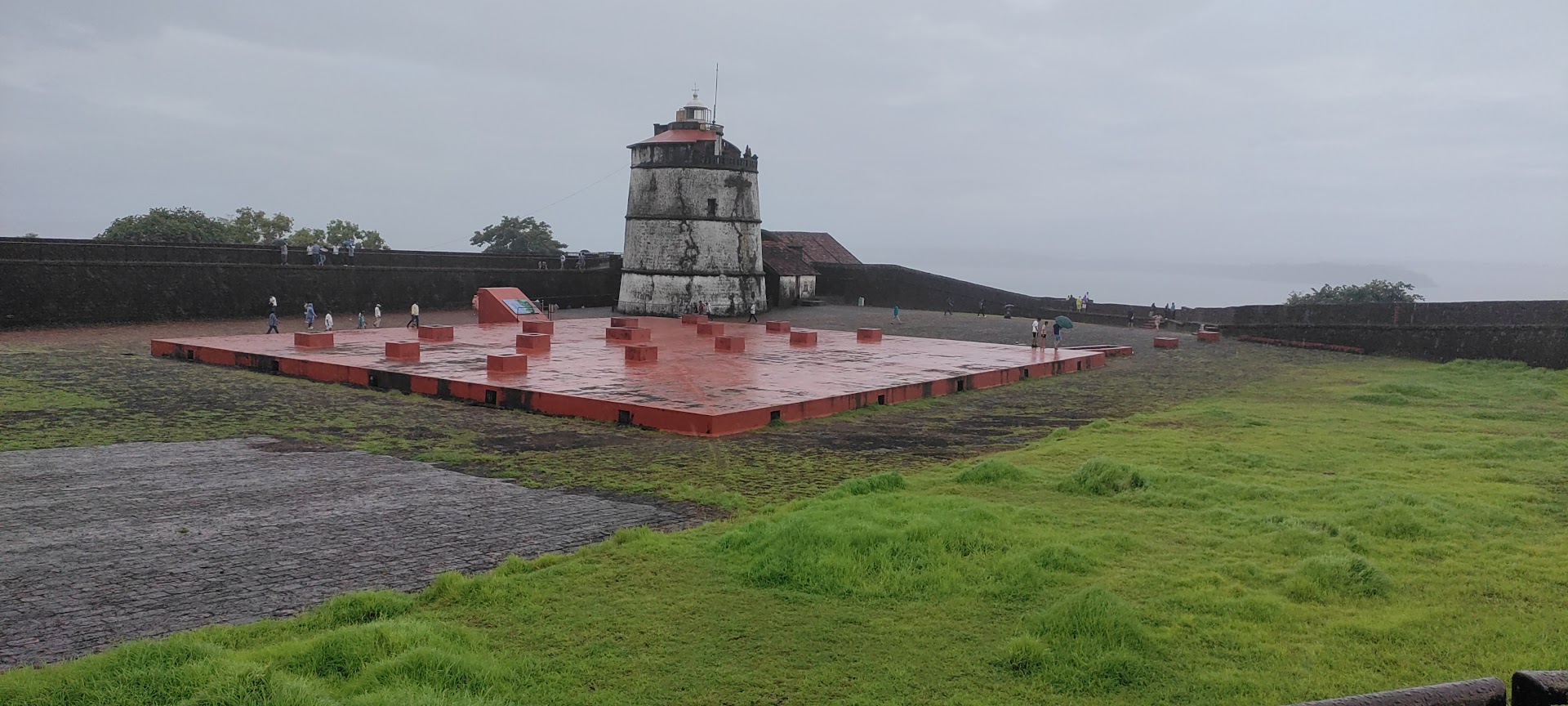
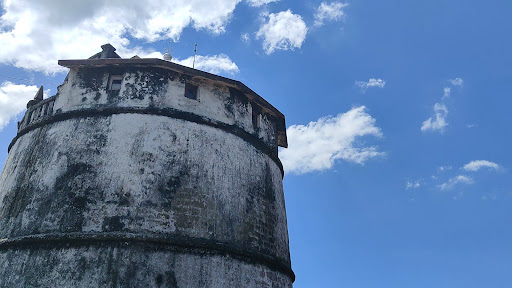
The Lighthouse (Upper Fort): The star attraction is the four-storey Lighthouse, built in 1864. Climbing the hill to the Upper Fort (where the lighthouse stands) rewards you with a 360-degree panoramic vista. From here, you can clearly see the entire Calangute-Candolim coast, the city of Panjim across the Mandovi estuary, and ships navigating the sea lanes.
The Historic Water Source: The fort's name, "Aguada" (meaning "watering place" in Portuguese), derives from the massive underground reservoir it contained, which had the capacity to hold over two million gallons of fresh water. This reservoir was historically vital, supplying fresh water to passing Portuguese ships—a strategic necessity in the days of sail.
History and Context Fort Aguada was strategically crucial for the Portuguese. Its position allowed it to guard the entrance to the Mandovi River, which was the main access route to the capital, Old Goa. Its cannons protected the territory from potential threats, particularly the Dutch and the Marathas.
Note on the Jail: The complex further down the hill, known as the Aguada Jail, was a former prison and has now been converted into a museum, adding another layer to the site's rich history.
📸 Pro-Tips for Visitors Separate Sections: The fort is generally divided into two accessible parts: the Upper Fort (Lighthouse) and the Lower Fort (Ramparts) near Sinquerim beach. Ensure you visit both for the complete experience.
Timing is Key: Visit either early morning (9:30 AM) when it opens to avoid the worst of the crowds and heat, or in the late afternoon (4:30 PM) to experience the sunset from the ramparts—the golden light hitting the old walls is pure magic for photography.
Comfortable Footwear: You will be doing a significant amount of walking over uneven stone paths and steps, so wear sturdy, comfortable shoes.
Photography Spot: The best spot for a panoramic shot is from the base of the lighthouse, looking south toward the vast ocean.
Conclusion: Fort Aguada is a historical masterpiece that offers more than just sightseeing—it offers a tangible connection to the region’s colonial past and provides the most dramatic coastal backdrop in North Goa. It’s an absolute must-visit for history buffs and photography...
Read moreA Comprehensive Review of Aguada Fort and Aguada Jail in Goa
Goa is a treasure trove of history and culture, and the Aguada Fort and Aguada Jail stand as enduring symbols of its fascinating colonial past and freedom struggle. Visiting these landmarks offers an enriching experience, though some practical aspects warrant attention.
Aguada Fort Nestled atop a hill with a panoramic view of the Arabian Sea, Aguada Fort is an architectural marvel from the 17th century. Built by the Portuguese to defend against Dutch and Maratha invasions, the fort served as a vital strategic point with its freshwater spring that provided water to passing ships—hence its name, "Aguada," derived from the Portuguese word for water. The sprawling complex, with its bastions and lighthouse, offers an engaging journey into history.
The highlight of the fort is its vantage point, which provides breathtaking views of the coastline, making it a paradise for photographers and nature lovers. Its well-maintained pathways and the surrounding greenery add to the serenity of the location. However, the fort could benefit from more detailed information boards or guided tours to help visitors fully appreciate its historical significance.
Parking Facilities One of the more frustrating aspects of visiting these landmarks is the parking management. Both the fort and the jail charge ₹100 each for parking, which adds up quickly, especially for those visiting both sites. Moreover, the parking staff often fail to provide receipts unless specifically requested—sometimes requiring visitors to ask twice. This lack of transparency can be off-putting and detracts from the overall experience.
Final Thoughts A visit to Aguada Fort and Aguada Jail is a journey through history, offering moments of awe and reflection. The fort's architectural beauty and scenic vistas complement the jail's poignant storytelling. That said, the management could improve by addressing parking issues and revisiting the pricing structure for the jail. Better amenities and guided tours would further enhance the visitor experience.
Despite these minor drawbacks, Aguada Fort and Aguada Jail remain iconic landmarks that highlight Goa's historical and cultural heritage. They are well worth a visit for history buffs, photographers, and anyone looking to explore the less commercialized side of...
Read more