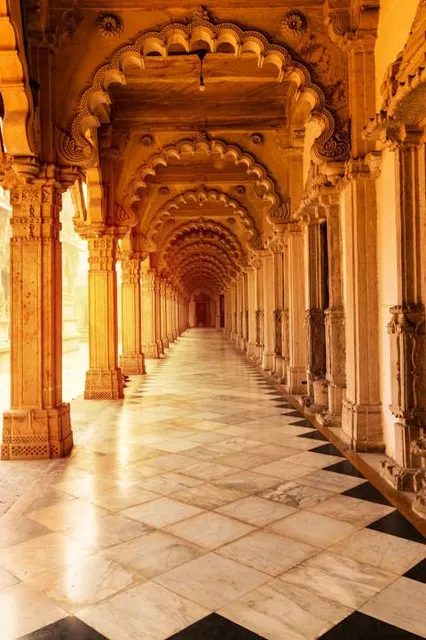
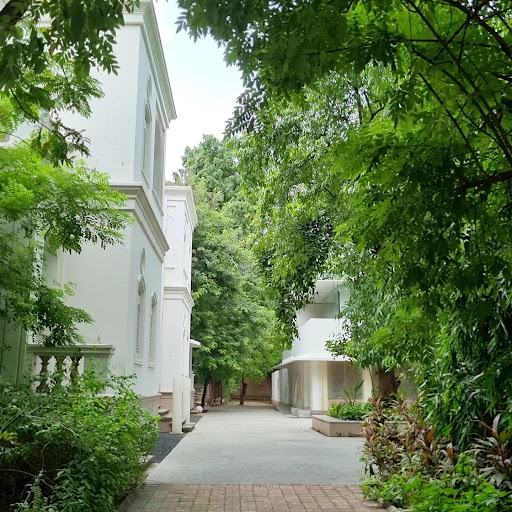
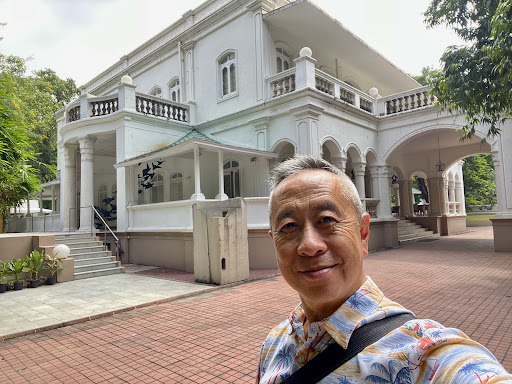
Just beside the Calico Museum, this museum is located in the Shahibaug, Ahmedabad. The museum, which is segregated into 2 portions. One is a beautiful bungalow considered as heritage house of Shri Kasturbhai Lalbhai restored and turned into a museum which consists of family's collections of antiques. The antiques integrated into the everyday decor. The museum also consists of Indian sculptures, bronzes, manuscripts, paintings, drawings, miniature paintings, woodwork, bead work, and ancient and contemporary coins, which have used in ahmedabad. The main building, a colonial house built in 1905, showcases over a thousand years of Indian art. The selection on display reflects the eclectic nature of the collection. It seeks to balance art historical merit with personal favourites while retaining the essence of the family home. The paintings on view are from a range of traditions and styles, with paintings from the Persian, Mughal, Deccan, Pahari and Rajasthani schools, Tibetan Thangkas, Company School portraits, modernist paintings from the Bengal School, and painted postcards from pre-independent India. Art in stone, metal, wood, and Bidri covers a span of more than a thousand years. In the adjacent building, the Claude Batley house, built in the 1930s, space has been created to house temporary exhibitions, retrospectives of artists, and display of works by young artists. Leaving the beauty of the older building untouched and unmarred, a glass gallery, unique and distinctive, has been added to create extra display space. The complex also has a small amphitheatre with a seating capacity of 250 that can host small performances, musical soirees, talks, and discourses. Thus, with different and changing events being planned throughout the year, we hope to create a dynamic and vibrant atmosphere to draw people for a cultural treat. The white building against the green looks refreshing. The other one is the Arvind Indigo Museum. The museum will serve as both a repository of indigo dye-based objects and a space for artists and makers to explore the applications and uses of indigo across various mediums. Its ultimate aim is to make indigo relevant to contemporary art and craft practices and to thereby revitalise indigo cultivation practices. Overall, the visit to this museum was very much knowledgeable indeed to get a better view of artistically contrasting exploration. For this showcasing this beauty, you will get a proper guide with vast knowledge of the building museum. It is better to book via mail or telephone prior to visiting this place, which doesn't levy any costs...
Read moreI had high hopes before visiting Kasturbhai Lalbhai Museum after hearing it's built in a heritage house and showcases some beautiful artefacts and artworks. But honestly, the experience left me quite disappointed.
Firstly, the place is aesthetically beautiful - no doubt. The architecture of the house itself feels like a mix of old Ahmedabad charm and quiet class. There are paintings, bird art galleries, and a few textile-related displays that are nice to look at if you’re into heritage and Indian art. I remember this one room with bird paintings - it was so silent, almost felt like I was being watched for every breath I took.
But what truly ruined the experience was the attitude of the staff. I don’t usually write negative things, but the rudeness was on another level. It felt like they were doing us a favour by letting us walk through, even though this is a public museum.
First thing they did after we entered was ask us to put our phones in the locker. Okay, fine, I understand - maybe rules are rules. But what frustrated me was that they let two girls ahead of us keep their phones after they insisted a little. This kind of gender-based partiality is just plain unfair. Either make the rules strict for everyone or don’t bother at all.
Also, no photography allowed inside. Not even a single shot. I understand flash photography being banned - but not allowing one small memory to be clicked? Felt unnecessary, especially when there’s nothing extremely confidential or antique that can't be captured. Most paintings are already in the public domain or similar to what you can find in other museums.
Another annoying part - they rushed us through each section. We barely had time to even stand and read the little information provided near the exhibits. It felt like being in a school tour where the teacher says “chalo chalo jaldi”. There were some genuinely interesting artefacts but we weren’t given the time or space to appreciate them properly.
I would honestly recommend going to the Calico Museum instead, which is nearby. They were polite, offered us a guided tour with proper respect, and even served us some snacks at the end. That little touch made us feel like welcome guests rather than intruders.
To sum it up - the museum could have been a beautiful cultural stop, but the vibe, staff behaviour, and lack of basic visitor-friendly policies really put me off. Maybe I just caught them on a bad day, who knows... but I wouldn’t personally recommend it unless...
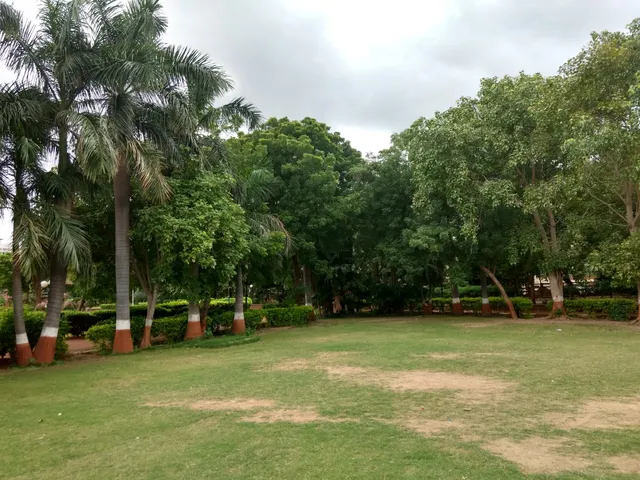
Read moreSet amongst tall trees and lush gardens, the Kasturbhai Lalbhai Museum complex consists of two buildings that have been painstakingly restored by renowned architect Rahul Mehrotra. The main building, a colonial house built in 1905, showcases over a thousand years of Indian art. The selection on display reflects the eclectic nature of the collection. It seeks to balance art historical merit with personal favorites, while retaining the essence of the family home. The paintings on view are from a range of traditions and styles, with paintings from the Persian, Mughal, Deccan, Pahari and Rajasthani schools, Tibetan Thangkas, Company School portraits, modernist paintings from the Bengal School, and painted postcards from pre-independent India. Art in stone, metal, wood and Bidri covers a span of more than a thousand years. In the adjacent building, the Claude Batley house, built in the 1930s, space has been created to house temporary exhibitions, retrospectives of artists and display of works by young artists. Leaving the beauty of the older building untouched and unmarred, a glass gallery, unique and distinctive has been added to create extra display space. The complex also has a small amphitheater with a seating capacity of 250 that can host small performances, musical soirees, talks and discourses. Thus with different and changing events being planned through the year, we hope to create a dynamic and vibrant atmosphere to draw people for a...
Read more