Chokling Monastery – Complete Visitor Guide and History
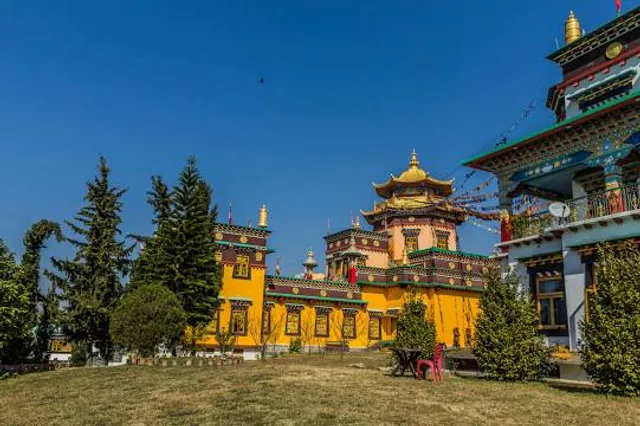
Overview: Chokling Monastery, also known as Neten Chokling Gompa, is a beautiful Tibetan Buddhist monastery located in the peaceful village of Bir in Himachal Pradesh, India. It belongs to the Nyingma school of Tibetan Buddhism, the oldest of the four major schools. Built in traditional Tibetan architectural style, Chokling Monastery is a spiritual haven and an important cultural and religious site for both monks and visitors.
Surrounded by snow-capped peaks, prayer flags, and lush greenery, it is not only a place for Buddhist study and meditation but also an attraction for travelers, photographers, and seekers of inner peace.
Location:
Village: Bir
Tehsil: Baijnath
District: Kangra
State: Himachal Pradesh
Altitude: Approximately 5,000 feet (1,525 meters)
Setting: Close to the Tibetan colony in Upper Bir, with views of the Dhauladhar mountains
History of Chokling Monastery:
Chokling Monastery was established in the 1960s by the 3rd Neten Chokling Rinpoche, a high lama of the Nyingma tradition, after fleeing Tibet during the Chinese invasion in 1959. He settled in Bir, where the Indian government had allotted land to Tibetan refugees. He built this monastery to re-establish the teachings, rituals, and way of life of the Nyingma lineage.
After his passing, his reincarnation, the 4th Neten Chokling Rinpoche, born in Bhutan in 1973, was recognized and enthroned. He is not only a spiritual teacher but also a filmmaker, known for directing the Tibetan-themed film The Milarepa. He continues to guide the monastery spiritually, along with his responsibilities in both India and Bhutan.
The monastery has grown into a vital center for Buddhist learning and preservation of Tibetan culture.
Architecture and Aesthetic:
Chokling Monastery is constructed in vibrant Tibetan style:
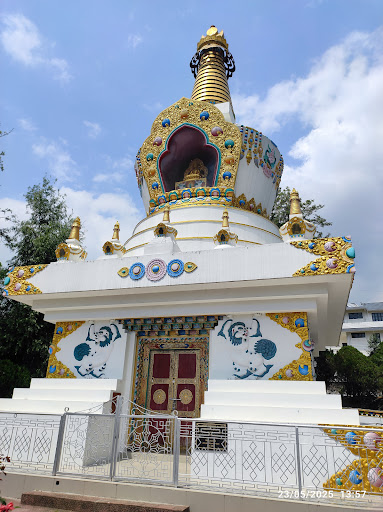
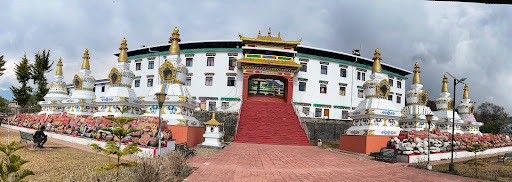
A large golden stupa greets visitors at the entrance
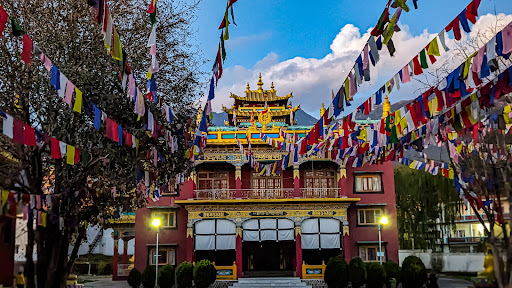
Red-and-white walls with traditional Tibetan motifs and murals
A grand entrance gate flanked by prayer wheels
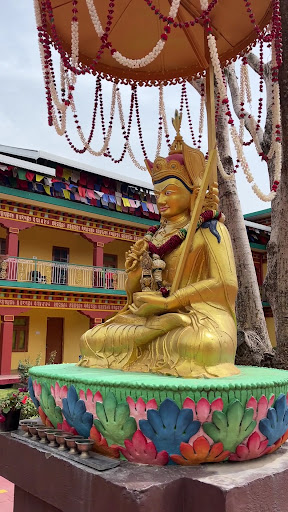
The main shrine hall (Lhakhang) is adorned with murals of Padmasambhava (Guru Rinpoche), the Eight Manifestations, Buddhas, and protective deities
A serene courtyard where ceremonies and dances take place
The walls of the monastery and its buildings showcase intricate woodwork and colorful paintings
The monastery also houses a tulku residence, monk quarters, a guesthouse, and an institute for scriptural studies.
Spiritual and Cultural Significance:
Affiliation: Nyingma school (oldest tradition in Tibetan Buddhism)
Main Deity: Guru Padmasambhava (Guru Rinpoche), the "Second Buddha" who brought Vajrayana Buddhism to Tibet
Focus: Ritual practice, study of ancient scriptures, tantric meditation, and community welfare
The monastery plays a key role in preserving ancient rituals, texts, and practices that were endangered due to the cultural upheaval in Tibet. It serves as a beacon of light for Tibetan Buddhism in exile.
Activities and Festivals:
Daily Prayers: Morning and evening chanting rituals, open for silent participation.
Teachings: Occasionally, teachings are offered by senior monks or visiting Rinpoches. If you’re lucky, you can attend one during your visit.
Masked Dance Festival (Cham): Held on special religious occasions. Monks perform sacred dances wearing elaborate masks and robes to invoke protection and blessings.
Losar (Tibetan New Year): A major celebration involving prayer, music, dance, and food. The monastery becomes vibrant with cultural performances and ceremonies.
Meditation Retreats: Though not always open to the public, the monastery supports long-term retreats for monks and sometimes lay practitioners.
Visitor Information:
Opening Hours: 9:00 AM to 5:00 PM
Entry Fee: Free
Dress Code: Modest clothing is advised. Avoid shorts and sleeveless shirts inside the temple halls.
Photography: Allowed in the courtyard and exterior; ask permission before taking photos inside
Facilities: Restrooms and some guest rooms available nearby in Bir...
Read moreChokaling Monastery, Bir. After having lunch in Tenzin Jamdol Cafe, we started for Chokalinga Monastery. Our driver did not know the way. Ajeet entered the location and obtained the directions on Google Maps. It took us to the side gate located on the northeast side of the main courtyard of the monastery near a beautiful stupa, whereas the main entrance to the monastery is through the monastery park on the south-southwestern part of the monastery. It was quite hot with the sun glaring down from a cloudless sky. There was no shade in the courtyard, and no one wanted to walk around in the sun, so naturally we sought refuge in the main building of the monastery. So, none of us saw the main entrance and the beautiful eight chortens located there except me, who, being curious by nature, had ventured up to the top of the gate. The verandah of the main building had shades made of white cloth to offer protection from the heat. It was calm, quiet and serene and importantly cool in the main building of the monastery. The walls of the varandha were covered with beautiful paintings in vibrant and vivid colours typical of monasteries all over the country. The paintings depicted the mythological stories and events in the life of Buddha. The main hall houses the statue of Padmasambhava or Guru Rinpoche, who was a Buddhist master of the 8th Century. Small statues of Buddha are mounted in two rows, all along the walls at a height of 8 to 9 feet. These statues presented an impressive sight. Here again, the pillars were painted with beautiful designs. The walls had two bas-reliefs etched nicely and looking amazingly beautiful. After paying our respects and offering short prayers, we left for the second main building of the monastery. The varandha has a big golden gong. Inside, a huge golden stupa dominates the hall. It is a very fine example of Tibetan art and craft and is beautifully made and painted. Along the rear wall, there are three statues, one of Amitayus and two white statues of Bodhisattvas. Immediately behind the golden stupa is a beautiful golden statue of Green Tara. The statue is framed by an arch with vines, flowers and leaves motifs with small golden statues of goddesses. Looked amazingly beautiful. The paintings in vibrant and vivid in colours and have a mesmerising effect, and you fondly remember their beauty long after leaving...
Read moreChokling Monestry - you can join the prayer session which happens throughout the day starting 6 O'clock in the morning till late evening. I feel very calm, composed and filled with good energies after visiting this Monastery and attending the prayer session. The Vibrant colours of the Monastery is something you can't resist your eyes to not look into. I had a lovely time visiting Chokling Monastry I hope to visit it soon when I plan to visit Bir...
Read more