Date of Visit: 17th December , 4:30PM
GUYS PLEASE VISIT MUSEUM AT 4:30PM and REPORT IT IF YOU EXPERIENCING THE SAME .
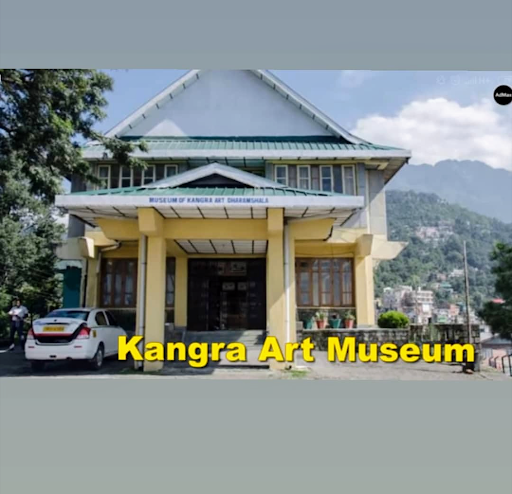
I would like to share a deeply disappointing experience at the Kangra Art Museum. Here’s what happened:
I visited the museum with my wife around 4:30 PM, purchasing tickets priced at ₹50 per person. Given the cost, my expectations were naturally high, and I was curious to explore the museum’s offerings. However, my experience was far from pleasant.
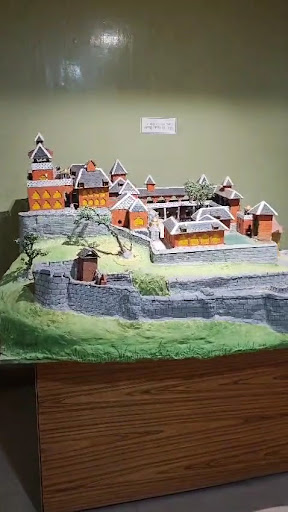
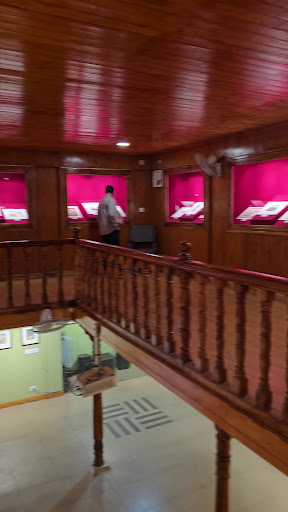
Upon entering, I noticed the art gallery displayed a mix of artwork and Kangri cultural artefacts. While I am not a big art enthusiast, being Himachali by birth, I wanted to explore and learn about the old Kangri culture that is no longer widely practiced. The visit took me about 25-35 minutes as I observed every piece with interest.
Issue 1: Forced to Leave Early
Around 4:50 PM, a staff member approached me and asked me to leave because the museum was about to close. While I agreed, I mentioned I still had a portion left to visit. Within minutes, he returned and disrespectfully demanded to see my ticket, even though it had already been checked upon entry.
This left me shocked. If tickets are mandatory for entry, why was I being treated as though I was visiting for free? The original staff member who checked my ticket was present nearby but did not intervene. Instead, I was surrounded by three to four staff members (including the ticket checker, a security guard, and another staff member), all trying to rush me out of the museum before 5 PM.
My Concerns: Shortened Working Hours: The museum staff seemed to be operating on their own schedule, starting late and closing early, despite their government-mandated duty hours being 8 hours per day. Forcing visitors out before 5 PM raises questions about their commitment to their responsibilities. Rude and Unwelcoming Behavior: The way I was questioned and treated was highly disrespectful. If this is how they treat a local Himachali, I am concerned about the experience of tourists from other states or international visitors. Unclear Policies on Free Entry: If tickets are mandatory, why was I singled out and treated as though I had entered for free? Is free entry allowed for certain visitors? If not, why the unnecessary harassment? Value for Money: ₹50 per person is not a small amount, and for this price, visitors expect both a proper experience and respectful treatment from staff.
Questions for the Authorities: • What are the official working hours of the museum, and what is the last ticket purchase time? • Why are visitors being forced to leave before closing time? • What measures are in place to ensure staff treat visitors with respect? • Is free entry allowed, and if so, under what conditions?
I urge the Kangra Art Museum management, Himachal Tourism Department, and the Himachal Pradesh government to address these issues promptly. Such experiences tarnish the image of Himachal Pradesh as a welcoming destination. Museums are cultural and educational hubs, and their staff should uphold the highest standards of hospitality and professionalism.
I hope this feedback will lead to necessary improvements for the benefit of...
Read moreThe Museum of Kangra Art, located in Dharamshala, Himachal Pradesh, is a remarkable institution dedicated to showcasing the rich cultural and artistic heritage of the Kangra region. Nestled in the scenic hills of Dharamshala, the museum offers a unique glimpse into the region's artistic evolution, emphasizing the Kangra School of painting, a significant part of Indian art history.
Upon entering the museum, visitors are welcomed by its thoughtfully curated exhibits, which include a wide range of Kangra paintings, ancient sculptures, decorative arts, and traditional artifacts. The Kangra School, known for its exquisite miniature paintings, flourished in the 18th century under the patronage of the local Rajput rulers. The museum showcases several masterpieces from this period, many of which depict themes from Hindu mythology, portraits, and landscapes. These artworks are celebrated for their delicate brushwork, vibrant colors, and intricate detailing, characteristic of the Kangra style.
The museum’s collection also highlights the rich history of the region, with displays of ancient sculptures, wooden carvings, and textiles, offering insights into the cultural and religious practices of the time. A significant section of the museum is dedicated to the ancient artifacts and stone sculptures that reflect the region's Buddhist heritage, a nod to Dharamshala’s proximity to Tibetan settlements. The displays highlight the Buddhist influence on local culture, with several pieces showing intricate depictions of deities and figures associated with Tibetan Buddhism.
The museum is not just a space for viewing art but also a learning hub, where visitors can delve deeper into the history and significance of the Kangra region’s artistic traditions. The informative descriptions accompanying each exhibit are detailed, providing context to the paintings and artifacts on display, making it an enriching experience for art enthusiasts, history buffs, and casual visitors alike. It serves as an important center for the preservation of the region’s cultural heritage.
In addition to the permanent collections, the museum occasionally hosts temporary exhibitions, workshops, and cultural events, which further enhance its role as an interactive space for both locals and tourists. The museum’s setting in Dharamshala, a popular hill station known for its Tibetan culture, adds a unique charm to the experience. Visitors can enjoy panoramic views of the surrounding mountains, adding to the overall appeal of the museum. Overall, the Museum of Kangra Art is an enriching experience, offering a deep dive into the artistic traditions of one of India’s most culturally vibrant regions. Its serene environment, informative exhibits, and dedication to preserving local heritage make it a noteworthy destination for anyone visiting...
Read morePhoto by Anilbhardwajnoida, CC BY-SA 3.0
Traveler Tips
Be ready to be flooded with a lot of information on Tibetan, Buddhist and Kangra’s history.
If visiting in winter, make sure to wear warm clothing and comfortable footwear to walk around the premises.
Things to Do
The museum is a photography haven for history lovers as they can photograph more than 1500 artifacts which are on display for visitors to marvel at.
Gorge on the history of the region with the plethora of artifacts which include sculptures, textiles, jewelry and anthropological elements of fascination.
If you’re an artist, you can enroll in their certification courses and learn more about the artwork of artists from all over the country and even display your work.
Visit the local bazaar and collect many of the local, ethnic goods being sold by vendors.
Try out all the eateries in and around the area for a taste of the local, mouth-watering cuisines.
Availability of Guides
There are no guides available around the museum. The artifacts have information boards and can be easily read to understand their importance. So, the unavailability of guides will not affect your sightseeing.
Best Time to Visit
Since the location is basically a hill station, the best time to visit would be during the summer months from March to July to escape the scorching heat of the other places in the country. The winters here are extremely chilly with snow as the temperature drops below zero degrees. Visiting the museum in the morning is apt to stroll over and look at all the items on display till afternoon.
How to Reach
The Museum is present right in the center of the city at the Kotwali Bazaar. It can be easily reached by cabs and auto rickshaws from any corner of the city of Dharamshala. Moreover, it is just at a distance of about 35 kilometers from Palampur with many buses stopping at the museum due to its importance as a prime tourist location.
Interesting Facts and Trivia About the Kangra Art Museum
This remarkable Museum was set up and open to the public in 1990 and now boasts a good collection of almost 1500 artifacts.
The Museum hosts artifacts from a wide timeline which includes paintings from the 17th century, artifacts from the 5th century, and even works of modern artists.
There are also some photos from way back in 1905 of the earthquake which struck Kangra.
Many artifacts which pertain to the tribal culture of the areaincluding carvings on wood and clothing are on display here.
Even the life of the royalty of the region is on display like their palanquins, clothing and weapons used...
Read more