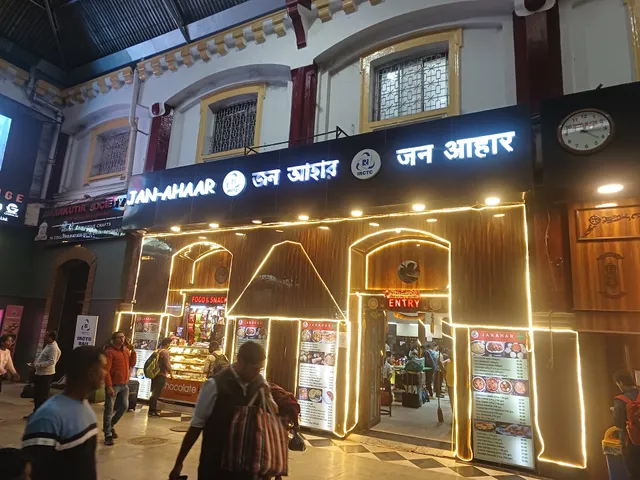
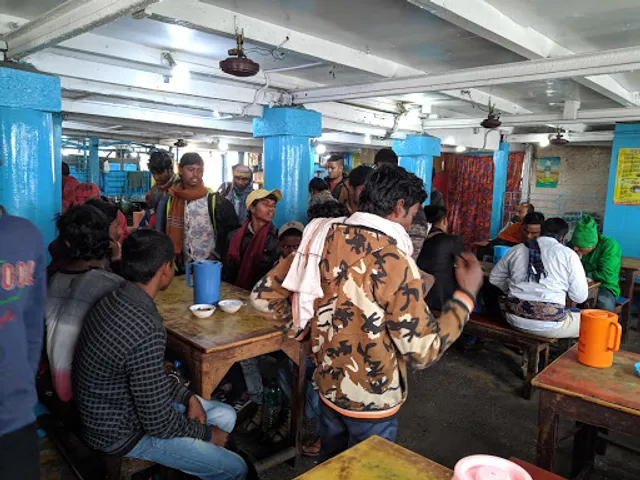
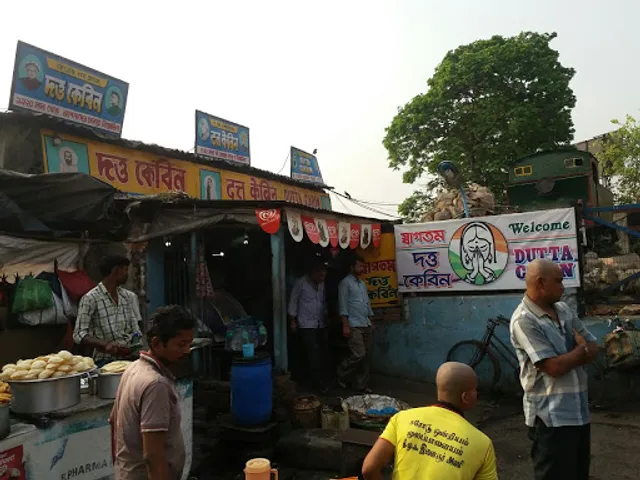
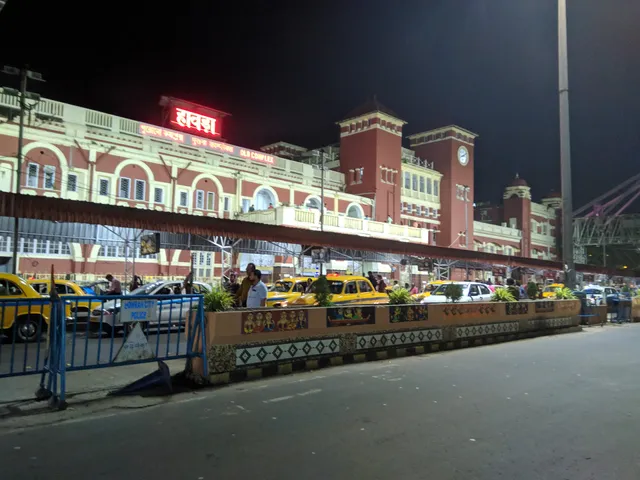
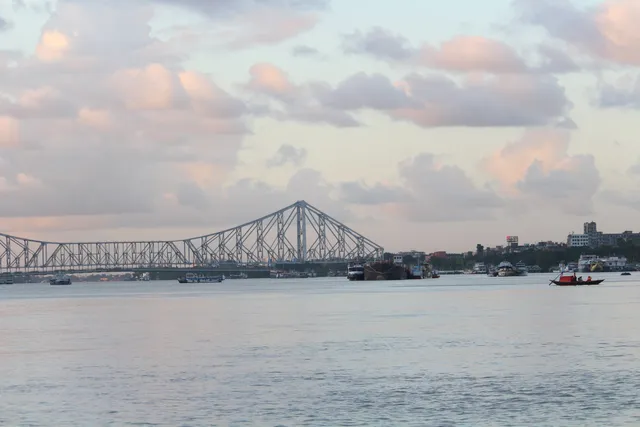
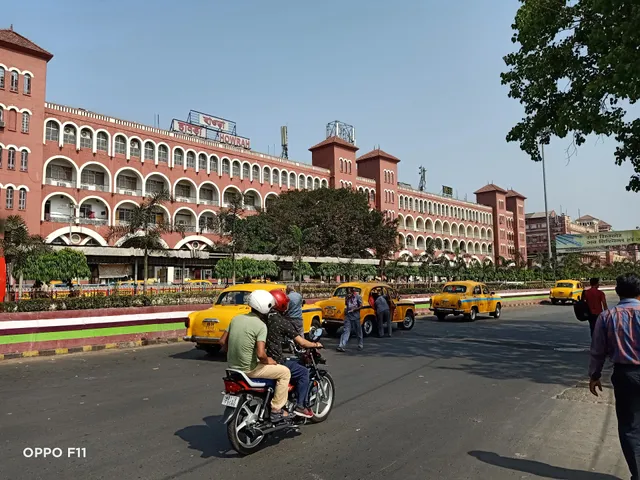
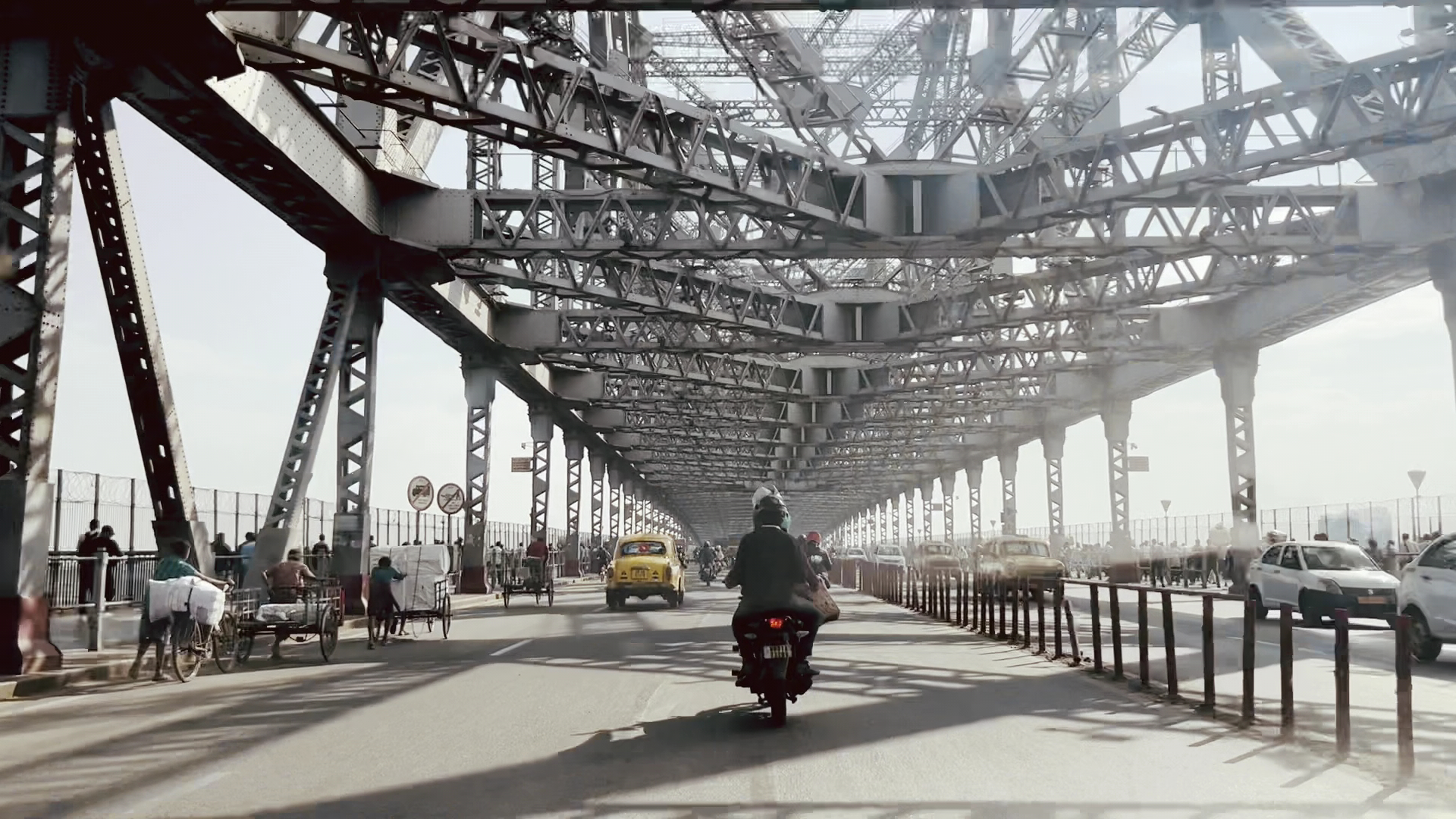
Where Steel Meets the Soul: Kolkata's Howrah Station and the Iconic Bridge Kolkata, the City of Joy, pulsates with a unique energy, a blend of old-world charm and modern dynamism. Two of its most iconic landmarks, Howrah Railway Station and the majestic Howrah Bridge, stand as testaments to this vibrant spirit, each a bustling hub of activity and a symbol of the city's enduring legacy. Howrah Station: A Gateway to Bengal Stepping into Howrah Railway Station is like entering a time capsule. This grand, sprawling terminal, one of the oldest and busiest in India, is a microcosm of the nation itself. The cacophony of announcements, the rhythmic rumble of trains, the throngs of passengers – it's a sensory overload that's both exhilarating and overwhelming. A Historic Hub: Built during the British Raj, Howrah Station has witnessed countless journeys, both literal and metaphorical. It's a place where dreams take flight, where families reunite, and where the pulse of Bengal beats strongest. A City Within a City: The station is a self-contained world, with a labyrinth of platforms, food stalls serving up steaming cups of chai and delectable Bengali sweets, and vendors selling everything from newspapers to trinkets. Beyond the Platform: While the station's primary function is transportation, it's also a cultural landmark. Its architectural grandeur, a blend of colonial and Indian styles, is a sight to behold. The Howrah Bridge: A Steel Marvel Just a stone's throw away from the station lies the magnificent Howrah Bridge, a cantilever marvel that spans the Hooghly River. This iconic structure, officially known as Rabindra Setu, is more than just a bridge; it's a lifeline, connecting Kolkata and Howrah, and a symbol of the city's engineering prowess. A Feat of Engineering: The Howrah Bridge is one of the busiest cantilever bridges in the world, carrying a staggering volume of vehicular and pedestrian traffic daily. Its sheer size and intricate design are awe-inspiring. A Visual Spectacle: Whether bathed in the golden light of sunrise or illuminated against the night sky, the Howrah Bridge is a sight to behold. Its silhouette against the Kolkata skyline is an image etched in the city's collective memory. A Cultural Icon: The bridge has been featured in countless films, books, and photographs, solidifying its status as a cultural icon. It's a symbol of Kolkata's resilience, its ability to bridge divides, and its enduring spirit. The Intertwined Legacy: Howrah Station and the Howrah Bridge are inextricably linked, each playing a crucial role in the city's daily life. The station serves as a gateway to Kolkata, while the bridge provides a vital connection to the other side of the river. Together, they represent the heart and soul of Kolkata, a city that seamlessly blends tradition and modernity. Experiencing the Magic: To truly appreciate the magic of Kolkata, take a stroll across the Howrah Bridge, feel the vibrations of the passing traffic, and witness the breathtaking views of the city skyline. Then, immerse yourself in the vibrant chaos of Howrah Station, where the energy of the city is palpable. These two landmarks are not just structures; they are living, breathing entities that embody the spirit of Kolkata. Tips for Visitors: Be prepared for crowds, especially during peak hours. Take care of your belongings, as pickpocketing can be a concern. Enjoy the street food, but be mindful of hygiene. Capture the stunning views of the bridge from both sides of the river. Travel during off peak hours if possible, to avoid some of the extreme crowds. Kolkata's Howrah Station and Howrah Bridge are more than just landmarks; they are experiences. They are a glimpse into the heart of a city that is rich in history, culture, and spirit. So, come and experience the magic for yourself, and let the City of Joy...
Read moreIntroduction
Name of the Structure: Howrah Bridge (officially Rabindra Setu).
Purpose and Significance: Spanning the Hooghly River, it connects the cities of Howrah and Kolkata, serving as a vital lifeline for commuters, cargo, and tourists alike. It’s one of the busiest cantilever bridges in the world and an iconic symbol of Kolkata.
Completion Date and Cost: Opened to the public in 1943 at a cost of approximately ₹25 million.
Design and Aesthetics
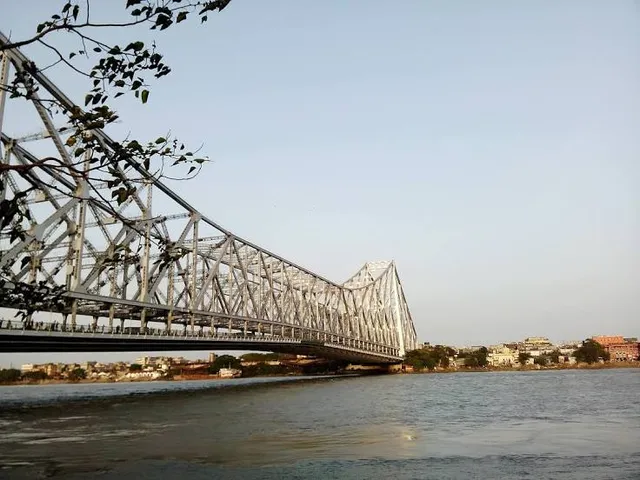
Architectural Design: The bridge is a cantilever design, notable for its massive steel structure without nuts and bolts; instead, it uses rivets.
Visual Appeal: Its colossal steel framework creates a striking silhouette over the Hooghly River, particularly breathtaking during sunrise and sunset.
Innovative Features: The absence of nuts and bolts and its sheer scale make it an engineering marvel.
Functionality and Performance
Primary Functionality: Howrah Bridge supports vehicular and pedestrian traffic, accommodating over 100,000 vehicles and 150,000 pedestrians daily.
Capacity and Usage: Despite its heavy usage, the bridge has stood resilient for over 80 years.
Durability: Made entirely of steel, it demonstrates remarkable durability, even in the face of monsoons and high humidity. Maintenance: Regular inspections and refurbishments keep it operational, though wear and tear from traffic and environmental conditions are evident.
Engineering and Construction
Construction Process: Built by the Braithwaite, Burn & Jessop Construction Company during World War II, it was completed in challenging conditions with limited resources.
Engineering Feats: At the time of its completion, it was the third-longest cantilever bridge globally.
Safety Standards: Designed to withstand high loads, including dynamic loads from traffic and wind.
Environmental Impact
Eco-Friendliness: While the bridge itself is not eco-friendly, its role in reducing ferry traffic has contributed to a cleaner river environment.
Impact on Surroundings: It has shaped the urban landscape of Kolkata, becoming a critical part of the city's identity.
Usability
Accessibility: Easily accessible from Howrah Railway Station and Kolkata city center, with clear roadways and pedestrian pathways.
User Experience: Walking across the bridge offers stunning views of the Hooghly River and Kolkata's skyline.
Adaptability: The bridge remains a key component of Kolkata’s transportation network but struggles to handle the ever-growing traffic demands.
Challenges and Criticism
Flaws or Issues: Heavy traffic often leads to congestion and wear on the structure. Maintenance efforts sometimes disrupt flow. Public Opinion: Highly revered as a cultural and engineering landmark, though some commuters find the traffic congestion frustrating.
Cost vs. Benefit: Considering its historic significance and functionality, it has repaid its investment many times over.
Quirky Fact
When traffic is particularly high, the bridge vibrates due to the dynamic load. This vibration can be felt by those walking or driving across. While this may sound unnerving, many describe it as a “fun kind of scary,” adding a thrilling dimension to crossing this iconic structure.
Conclusion and Recommendations
Overall Impact: The Howrah Bridge is not just an infrastructure marvel but a cultural icon that encapsulates the spirit of Kolkata. Its historical and practical importance is unmatched.
Suggestions for Improvement: Improved traffic management systems and pedestrian walkways could enhance usability and reduce congestion.
Rating or Recommendation: Engineering: 5/5 Aesthetics: 4.5/5 Functionality: 4/5
Recommended as a must-visit for history enthusiasts and anyone keen to experience the...
Read moreThe Howrah Bridge, an emblem of Kolkata's skyline, is more than just a physical structure; it embodies the spirit and vitality of the city. Stretching majestically across the Hooghly River, this iconic cantilever bridge is a testament to engineering marvel and architectural grandeur. Completed in 1943, it has since stood as a symbol of Kolkata's resilience and progress.
At first glance, the Howrah Bridge is a spectacle of steel, with its intricate lattice work and imposing dimensions. Yet, its true beauty lies in its functionality and significance to the city's residents. Serving as a crucial link between Kolkata and its twin city Howrah, the bridge facilitates the seamless flow of traffic, connecting millions of people daily. From the chaotic hustle of buses and taxis to the leisurely stroll of pedestrians, the bridge accommodates all with equal grace.
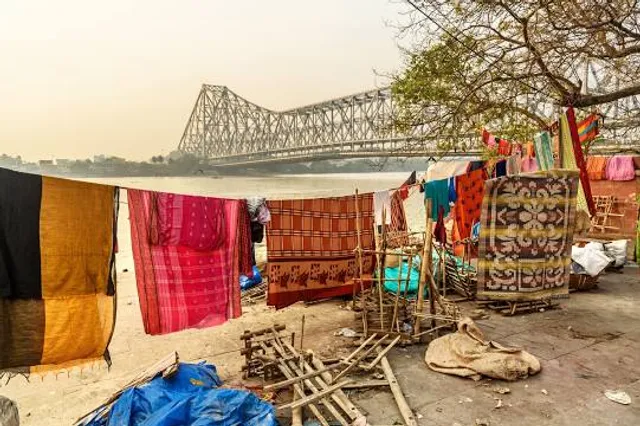
However, the Howrah Bridge is more than just a means of transportation; it is a cultural landmark that resonates with the soul of Kolkata. As the sun sets and the city lights flicker to life, the bridge transforms into a beacon of hope and inspiration. Couples stroll hand in hand, children play, and vendors peddle their wares, all against the backdrop of the shimmering river below. It's a scene that encapsulates the vibrancy and diversity of Kolkata's streets.
Yet, amidst its beauty, the Howrah Bridge also bears witness to the passage of time and the challenges of urban life. The constant hum of traffic, the occasional honking of horns, and the ever-present smog serve as reminders of the city's perpetual motion. Maintenance efforts are ongoing, with workers tirelessly inspecting and repairing the bridge to ensure its safety and longevity.
In the hearts of Kolkata's residents, the Howrah Bridge holds a special place—a symbol of home, resilience, and community. It's not just a bridge; it's a lifeline, connecting people across the river and across generations. As the city evolves and modernizes, the bridge stands as a steadfast reminder of Kolkata's rich heritage and enduring spirit.
In conclusion, the Howrah Bridge is more than just a feat of engineering; it's a living, breathing testament to Kolkata's past, present, and future. With its iconic silhouette and bustling atmosphere, it continues to captivate and inspire all who encounter it. As long as the waters of the Hooghly flow, so too will the legacy of the Howrah Bridge endure, a timeless symbol of Kolkata's identity...
Read more