CATHEDRAL OF THE MOST HOLY ROSARY things to do, attractions, restaurants, events info and trip planning
Basic Info
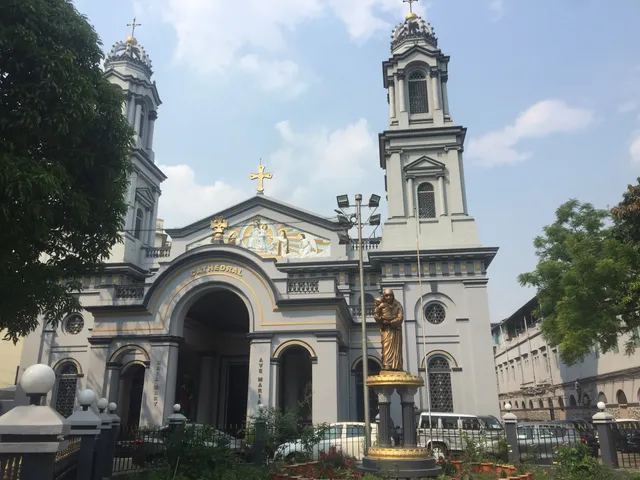
CATHEDRAL OF THE MOST HOLY ROSARY
13,15, Brabourne Rd, Pageya Patti Street, Portuguese Church St, Bara Bazar, Kolkata, West Bengal 700001, India
4.5(370)
Open 24 hours
Save
spot
spot
Ratings & Description
Info
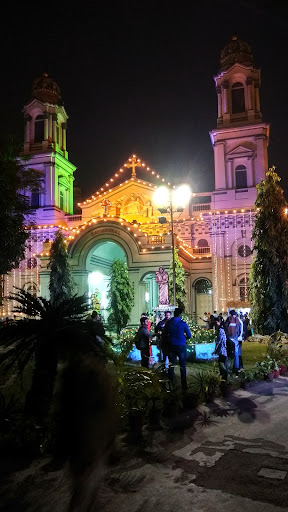
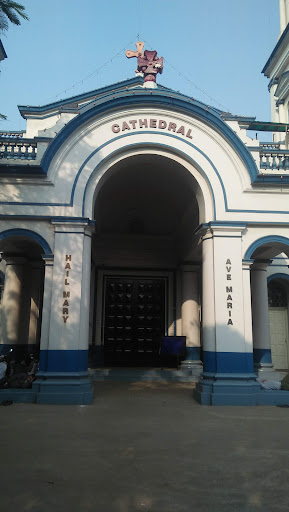
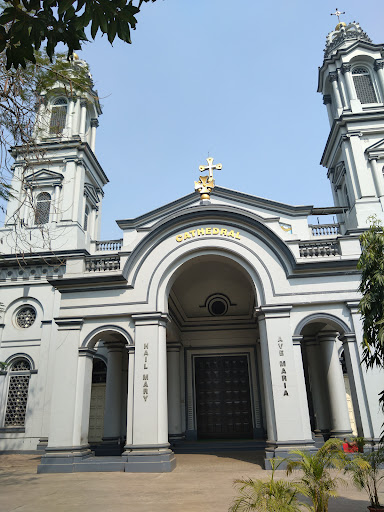
The Cathedral of the Most Holy Rosary in Burrabazar, Kolkata, is the cathedral of the Roman Catholic Archdiocese of Calcutta. It is also known as the Murgihata Church and was founded in 1799.
Cultural
Scenic
Relaxation
Family friendly
Accessibility
attractions: Maghen David Synagogue, Nakhoda Masjid, Beth El Synagogue, Panch mukhi Hanuman Temple, Raja Katra, Howrah Bridge, Mallick Ghat, St. Andrew's Church ( C.N.I ), Gillander House, Writers' Building, Jorasanko Thakurbari, restaurants: Prabhuji Pure Food, Prabhuji Pure Food, Royal Indian Hotel Pvt. Ltd., Royal Indian Hotel Pvt. Ltd., Gujarati Hotel, Tewari Sweets, Sufia Restaurant, Gujarati Basa Restaurant, Zero Miles Bar & Restaurant, Thakur Mahal, local businesses: 147, Rabindra Sarani, China Market Wholesale Stationery, Ganapati Traders, 14, Netaji Subhas Rd, Sindharam Sanwarmal Mewawala, Central Market, Muhammad Ali Park, Marhaba Centre, GauriShankar & Co., Ganesh Store
 Learn more insights from Wanderboat AI.
Phone
+91 1800 212 1655
Website
archdioceseofcalcutta.in
Plan your stay

Pet-friendly Hotels in Kolkata
Find a cozy hotel nearby and make it a full experience.

Affordable Hotels in Kolkata
Find a cozy hotel nearby and make it a full experience.

The Coolest Hotels You Haven't Heard Of (Yet)
Find a cozy hotel nearby and make it a full experience.

Trending Stays Worth the Hype in Kolkata
Find a cozy hotel nearby and make it a full experience.
Reviews
Live events
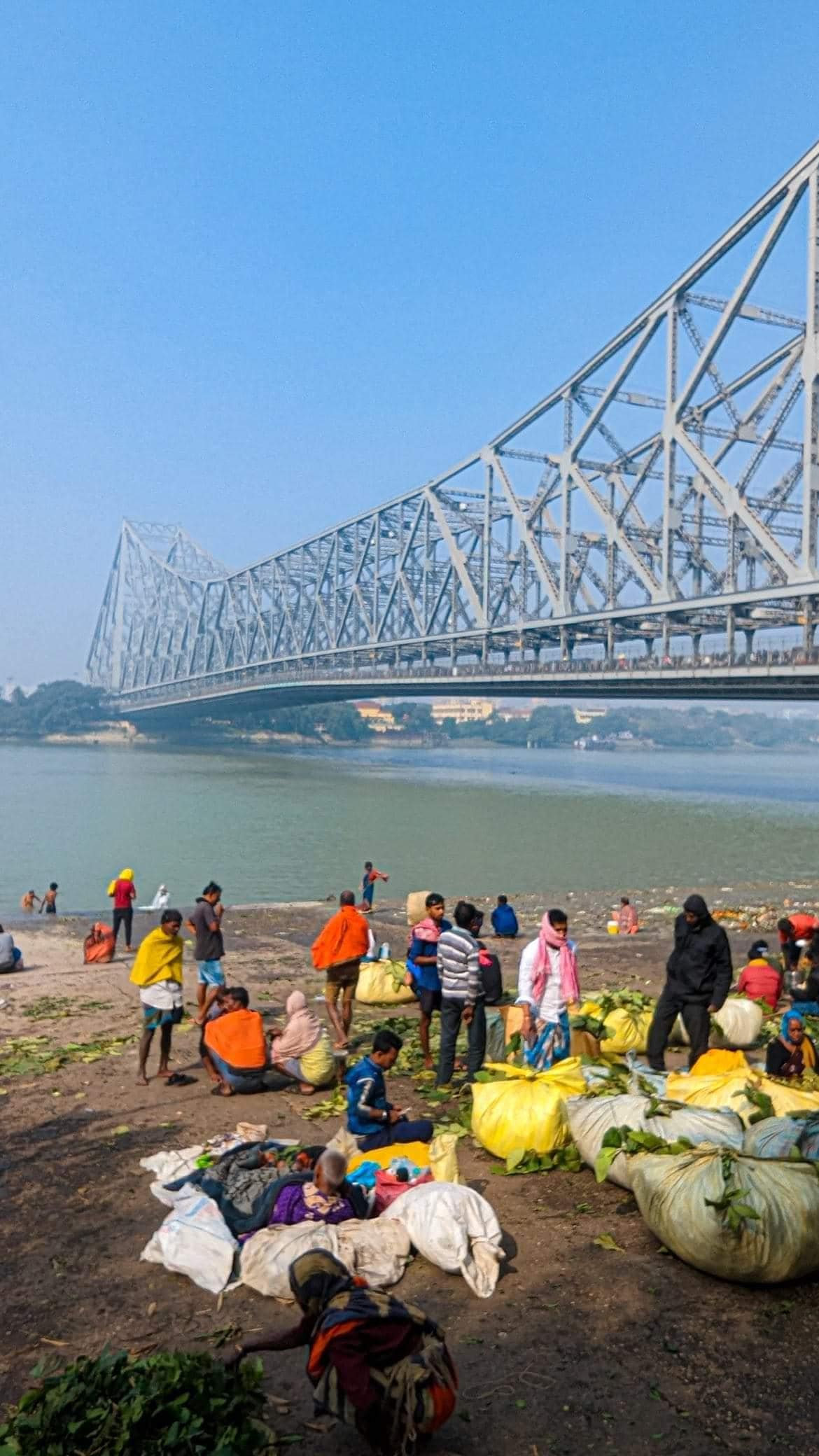
Kolkata: A Sea of Faces and A Thousand Places
Thu, Feb 26 • 9:30 AM
Kolkata, West Bengal, 700069, India
View details

Bengali Nights Food Tour with 15-plus tastings
Thu, Feb 26 • 5:00 PM
Kolkata, West Bengal, 700013, India
View details
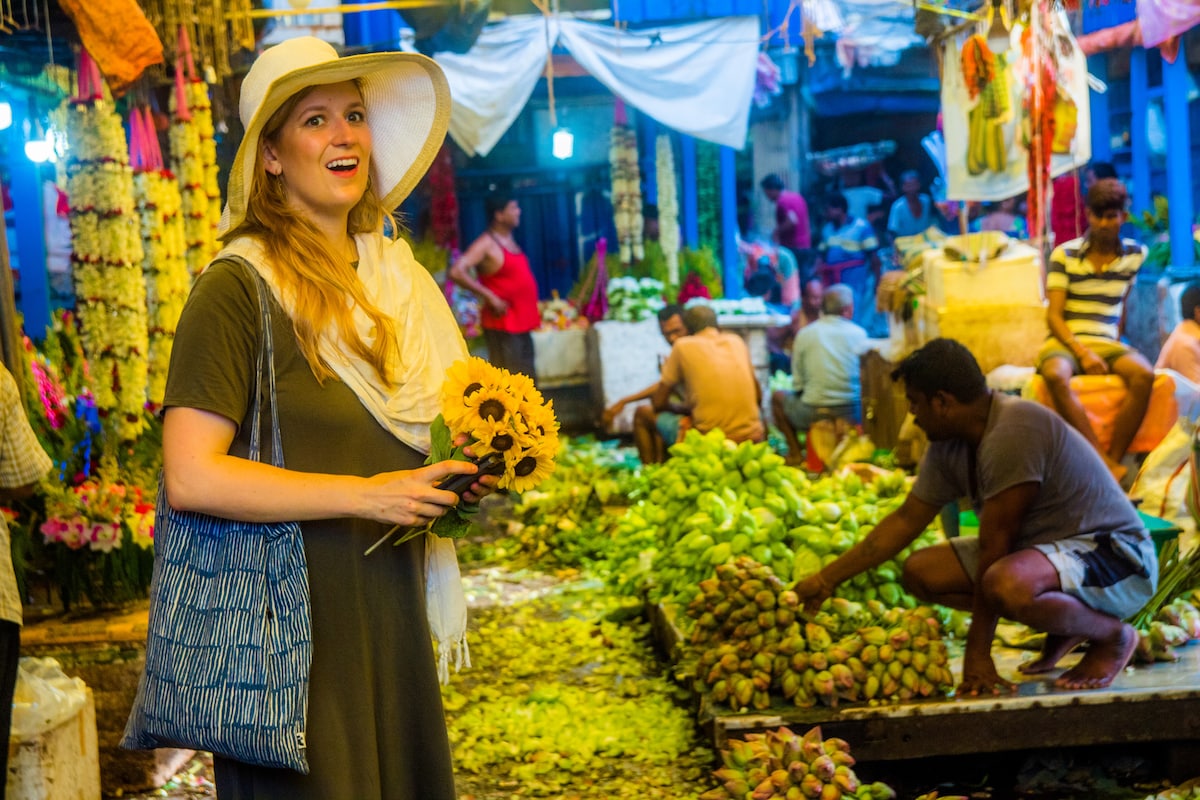
Watch Calcutta wake up- Magic Hour Tour
Fri, Feb 27 • 5:30 AM
Kolkata, West Bengal, 700072, India
View details
Nearby attractions of CATHEDRAL OF THE MOST HOLY ROSARY
Maghen David Synagogue
Nakhoda Masjid
Beth El Synagogue
Panch mukhi Hanuman Temple, Raja Katra
Howrah Bridge
Mallick Ghat
St. Andrew's Church ( C.N.I )
Gillander House
Writers' Building
Jorasanko Thakurbari
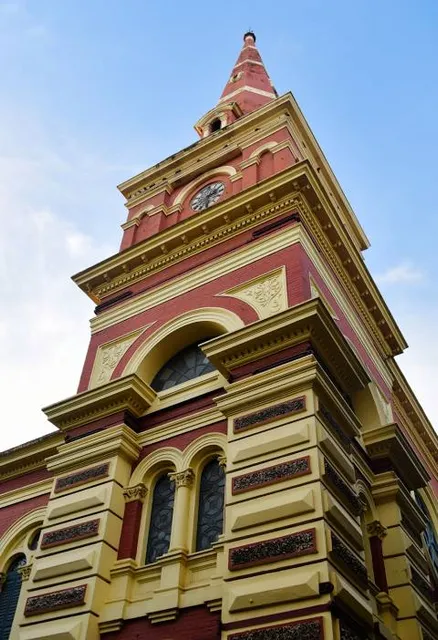
Maghen David Synagogue
4.3
(654)
Open until 4:00 PM
Click for details
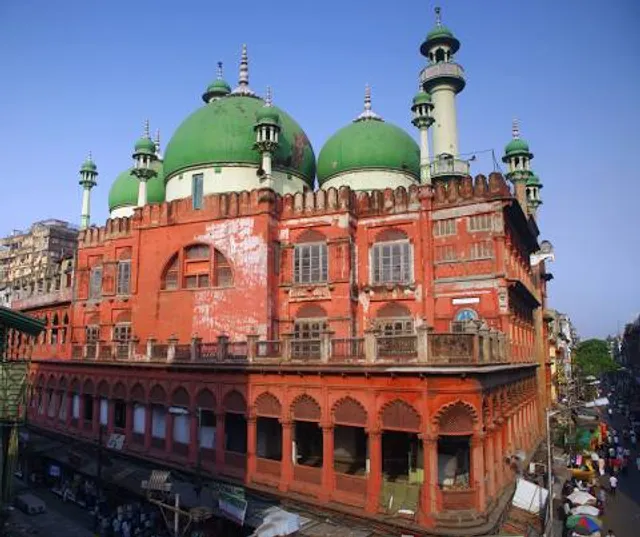
Nakhoda Masjid
4.6
(4K)
Open until 9:00 PM
Click for details
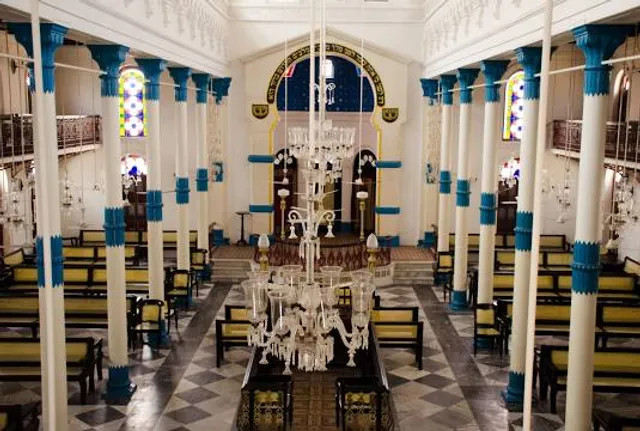
Beth El Synagogue
4.4
(133)
Open 24 hours
Click for details
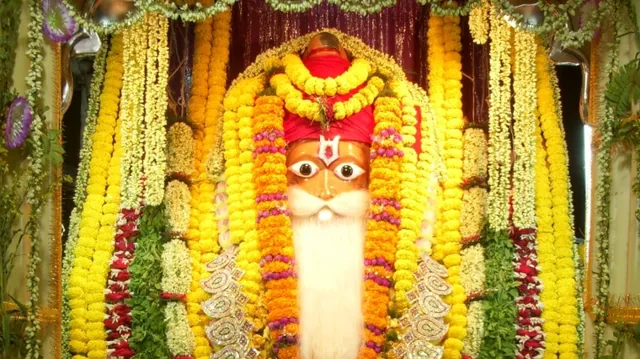
Panch mukhi Hanuman Temple, Raja Katra
4.7
(856)
Closed
Click for details
Nearby restaurants of CATHEDRAL OF THE MOST HOLY ROSARY
Prabhuji Pure Food
Prabhuji Pure Food
Royal Indian Hotel Pvt. Ltd.
Royal Indian Hotel Pvt. Ltd.
Gujarati Hotel
Tewari Sweets
Sufia Restaurant
Gujarati Basa Restaurant
Zero Miles Bar & Restaurant
Thakur Mahal
Prabhuji Pure Food
4.1
(1.7K)
$$
Open until 9:00 PM
Click for details

Prabhuji Pure Food
4.1
(1.8K)
$$
Open until 9:00 PM
Click for details
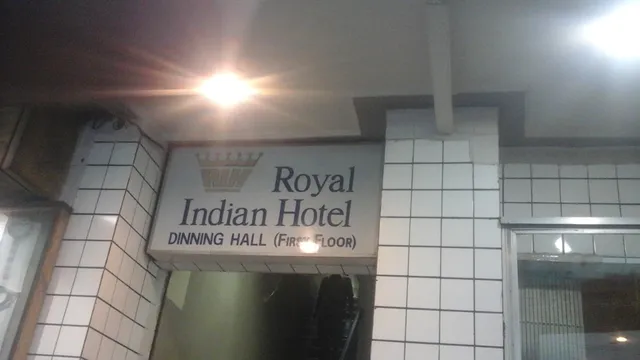
Royal Indian Hotel Pvt. Ltd.
4.0
(6K)
Open until 12:00 AM
Click for details
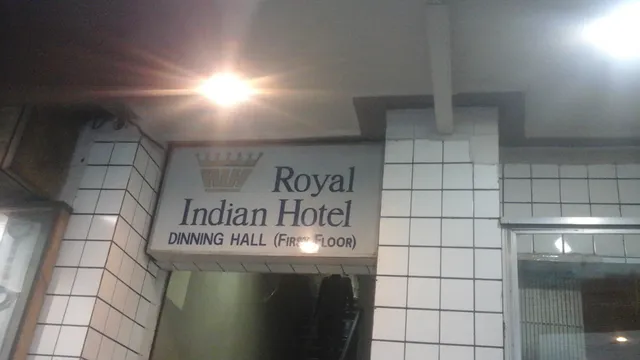
Royal Indian Hotel Pvt. Ltd.
4.0
(6K)
Open until 12:00 AM
Click for details
Nearby local services of CATHEDRAL OF THE MOST HOLY ROSARY
147, Rabindra Sarani
China Market Wholesale Stationery
Ganapati Traders
14, Netaji Subhas Rd
Sindharam Sanwarmal Mewawala
Central Market
Muhammad Ali Park
Marhaba Centre
GauriShankar & Co.
Ganesh Store
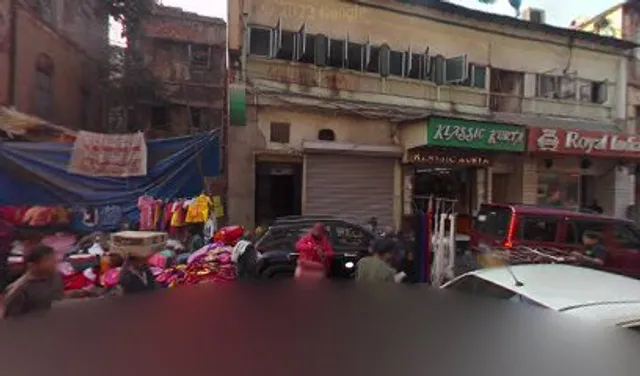
147, Rabindra Sarani
4.0
(6K)
Click for details
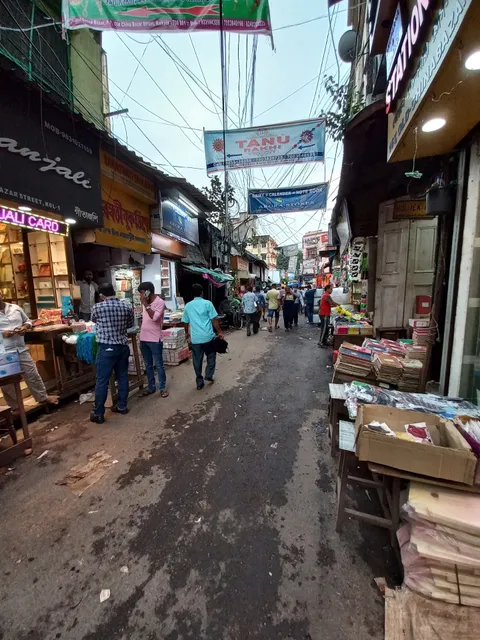
China Market Wholesale Stationery
4.3
(42)
Click for details
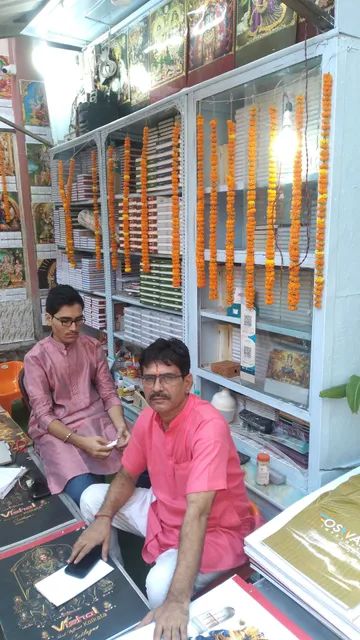
Ganapati Traders
3.5
(9)
Click for details
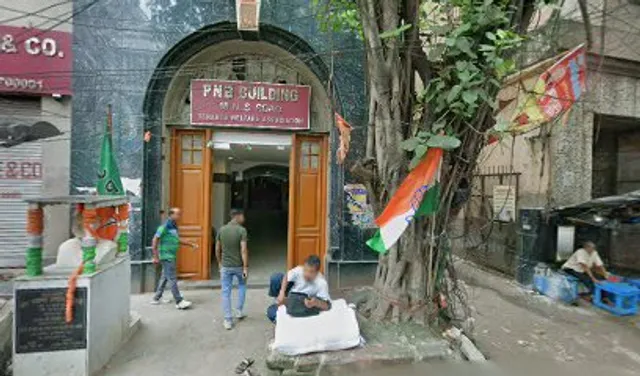
14, Netaji Subhas Rd
4.4
(170)
Click for details