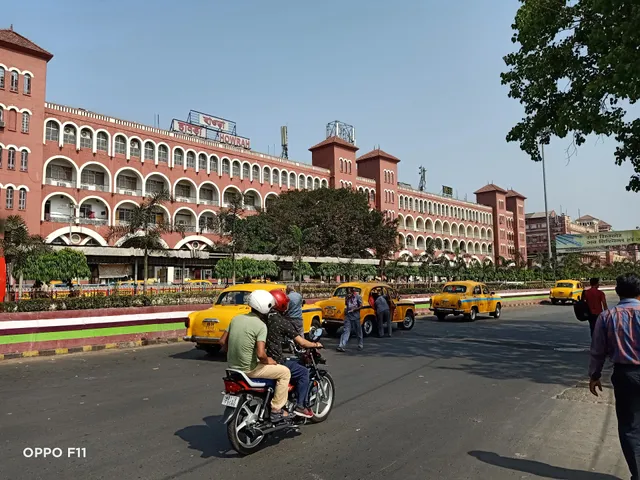
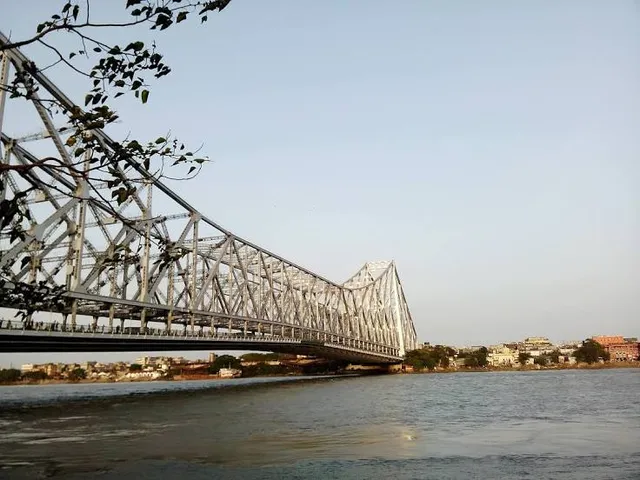
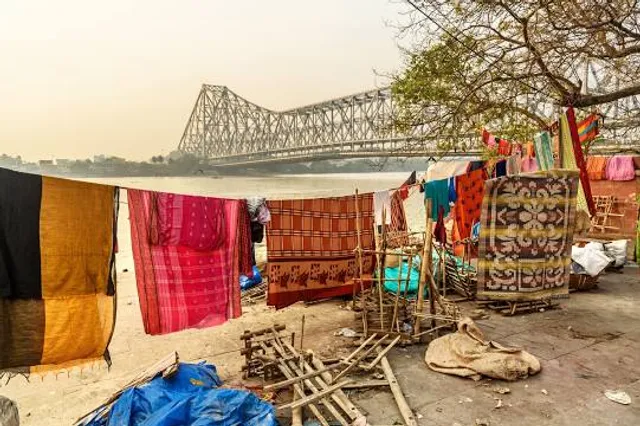
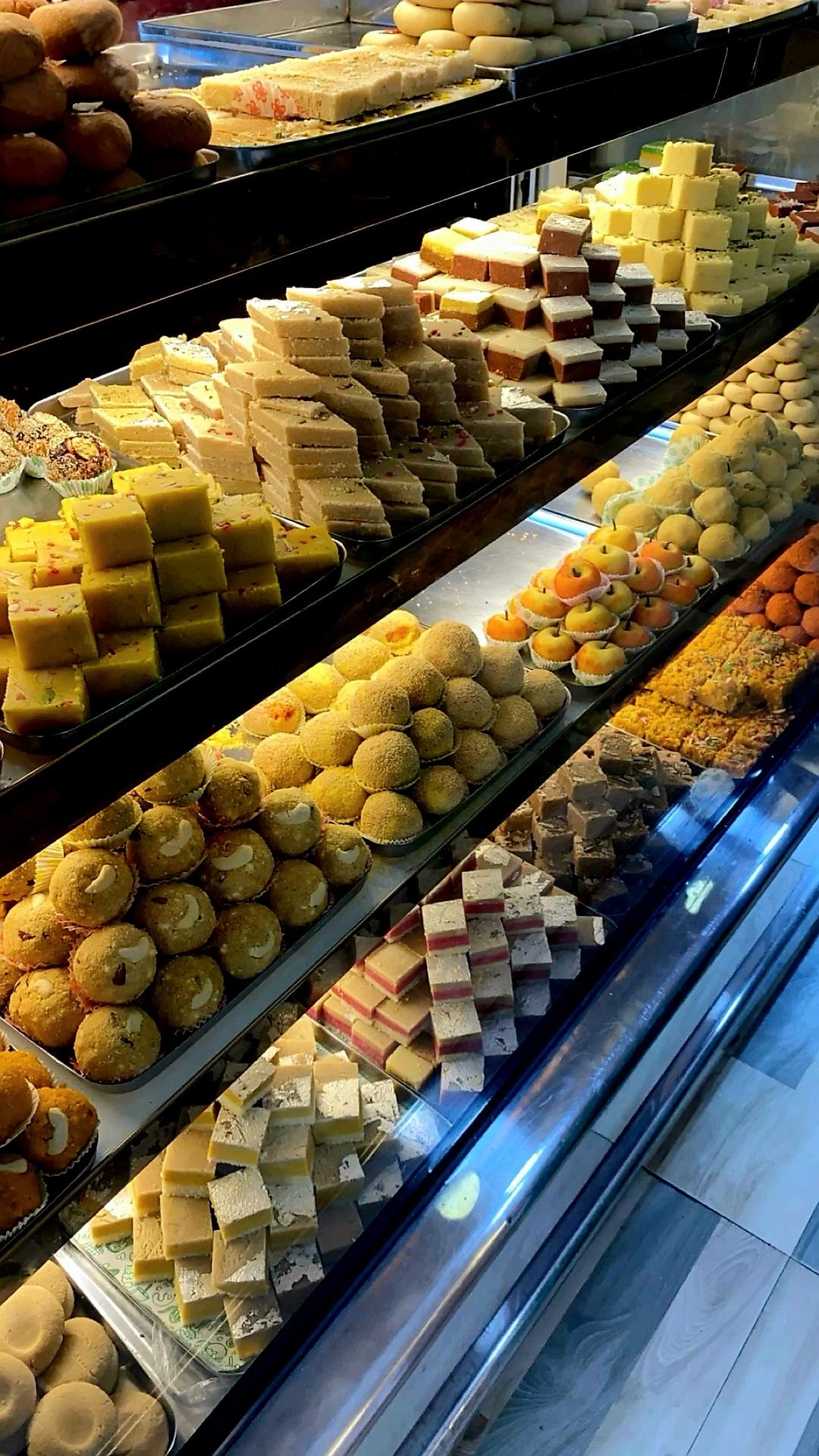
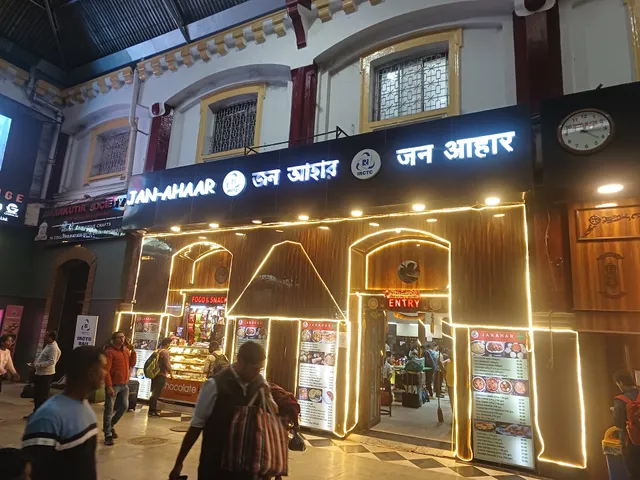
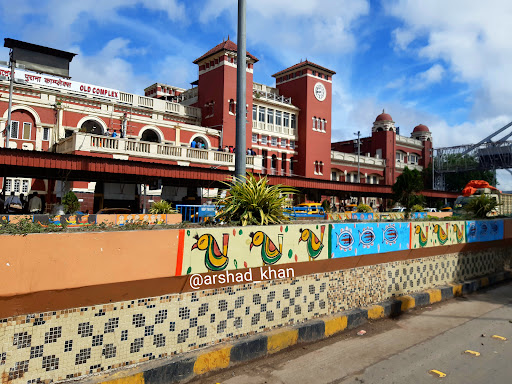
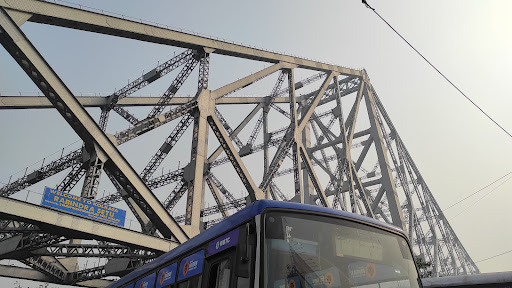
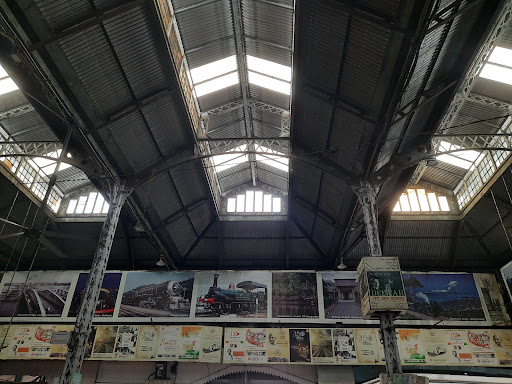
Howrah Junction Railway Station (HWH), located on the banks of the Hooghly River in Howrah, West Bengal, is India’s largest and busiest railway complex, serving as a vital gateway to Kolkata. Established in 1854, this heritage structure blends colonial architecture with modern upgrades, handling over 600 trains and a million passengers daily across its 23 platforms. Having visited recently, here’s my take on this iconic station. The station’s scale is awe-inspiring, with a mix of old-world charm in its red-brick facade and functional expansions like Terminal 1 and 2. Connectivity is a major strength—trains link to every corner of India, from the Howrah–Barddhaman locals to long-distance expresses like the Rajdhani. I found the free Wi-Fi (RailWire) reliable for checking train updates, and digital boards in English and Hindi made navigation easier, though you need to know if your train departs from the old or new complex. Amenities are plentiful: IRCTC food stalls, a KFC outlet, and local eateries offer everything from biryani to sweets, with prices starting at ₹50. The AC waiting room (₹10/hour) on Platform 21, accessible by elevator, is a steal, offering clean washrooms, hot water, and a view of the Howrah Bridge—perfect for layovers. Unique features like drive-in parking next to platforms and a Yatri Niwas (budget hotel) add convenience, especially for families or those with heavy luggage. Prepaid taxis and Volvo buses to Kolkata Airport (17 km away) make onward travel smooth, though I’d recommend Uber for transparency (₹300–500 to the airport). The railway museum is a hidden gem for history buffs, showcasing the station’s 170-year legacy. The sheer crowd can be overwhelming, especially during rush hours, making it easy to lose your way in the chaos of porters, vendors, and passengers. Cleanliness, while improved, isn’t consistent—platforms and subways sometimes have litter or pests under seats, which needs addressing. Safety concerns linger: narrow staircases to subways, clogged with hawkers, pose risks, particularly for seniors, and pickpocketing is a known issue, so stay vigilant. I noticed some fans in waiting areas were broken, and ventilation in non-AC zones felt stuffy. Porters often overcharge outsiders (₹200–500 for short carries), and the prepaid taxi booth could be better organized—expect haggling if you don’t book online. Signage is patchy; without clear markers for the old vs. new complex, first-timers may struggle. Security feels understaffed for such a massive hub, and unauthorized vendors on platforms add to the clutter. Howrah Junction is a microcosm of India—chaotic yet vibrant, historic yet evolving. Its unmatched connectivity and facilities make it a lifeline for millions, but it falls short of global standards like Japan’s or Europe’s stations due to crowd management and maintenance gaps. The heritage structure and riverfront setting are undeniably striking, and small touches like the AC lounge and Wi-Fi show modernization efforts. For a smoother visit, arrive early, book tickets online via redRail or IRCTC to avoid counter queues, and stick to well-lit areas at night (the station’s open 24/7). Pair a visit with a stroll to the nearby Howrah Bridge or Malik Ghat Flower Market for a taste of local life.Early mornings (5–8 AM) or late evenings (post-9 PM) for fewer crowds.Food and waiting rooms are affordable; allocate ₹500–1000 for transport and extras.Keep valuables secure and avoid engaging with touts.From Kolkata, take the metro to Howrah Maidan or a ferry across the Hooghly for a...
Read moreA big revamping is required for this junction. The corrupted worst maintained railway station. Unwanted and unauthorised travellers roaming in platforms. The station with illegal occupants and illegal business in platform.One has to be here to feel the bustling atmosphere. The Junction is enormous, having the most platforms for any railway station, and it is easy for you to get lost in the crowd. Having said that, it is a piece of Bengali heritage and one can not but rever the piece of history it carries with it. It is also a historic structure. It has been withstanding over a period of decades. It is a beautiful sight when you look at the architecture around it. It is very crowded and therefore people do not come for visiting this place separately but do it as a part of their rail journey.A very busy station with lot of hustle and bustle .trains to many destinations can be boarded. Local trains also run from the stn plus the station has many food stalls and stationery stores having magazine, it's a landmark place of Howrah .lakhs of footfall count daily. This is one of the oldest and busiest railway junction station of India. Both short and long distance trains are available from here. You can find express trains for almost all directions in India. Proper and clear announcement and clear display board will guide you to find your train. The platform area is clean. Sufficient public transports are available just outside the station. You cannot go further from here by train as it is a terminus railway station. The station is situated almost on the banks of river Hooghly and is tastefully illuminated at night whose reflection on the river waters gives it a wonderful look. The station building was constructed by the British and has been subsequently expanded to add another similar flank. It is a junction station where train routes from south India and north India meet. It is also the most important railway gateway to the city of Kolkata. The station has all the facilties to cater to Railway passengers including some good food outlets.I have stopped here so many times and so many persons also stayed here for so many time because actual kolkata started from here , all main route trains come here. very rushy area and no properly designed this station. if you received the call of train of plate form 17,18,19....23 from plate form area of 1,2,3......16 so you can not reach there without spending 15...
Read moreHowrah Junction is one of Bharat’s largest and busiest railway stations, located in West Bengal. It serves as a gateway to East India & holds significant historical importance.
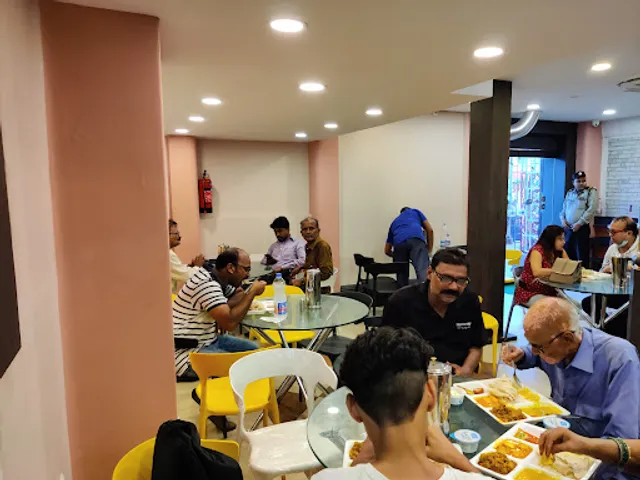
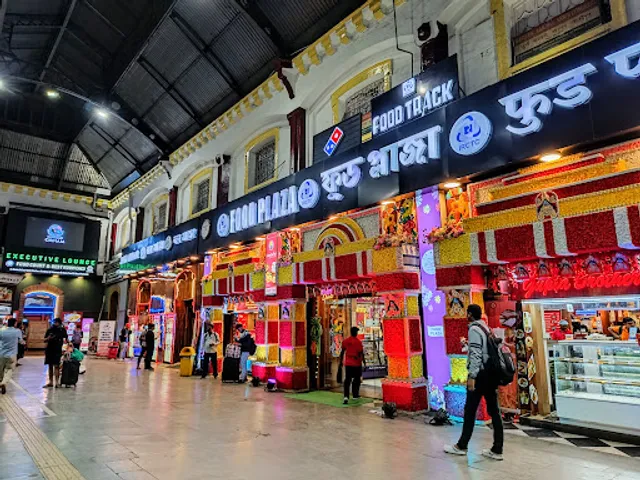
The Station has 23 platforms, with more under construction, making it one of the largest railway hubs in the country. The main building, with its red brick colonial architecture, is a landmark in the city. The station offers numerous waiting rooms, food courts (with eateries like Domino’s, Pizza Hut, KFC, etc.), retiring rooms, and washrooms. However, many of these facilities, mostly the washrooms, are outdated, unclean and barely usable. Recent upgrades include the installation of escalators and elevators.
During peak hours, the station is often overcrowded despite its vast size. Cleanliness has improved compared to earlier times but still falls short of acceptable standards.
Parking within the station premises is expensive and limited, costing ₹350 for two hours, which makes pickups and drop-offs challenging and reserved for the deep pockets. The Yatri Sathi cab service outside the gates usually has long queues, and accessing aggregator cabs like Uber or Snap-E requires crossing a four-lane road and walking extensively with luggage amidst traffic.
The station has easy access to the Howrah Bridge. Recently, it has been connected to the New Howrah Metro Green Line via an interconnected gate. A subway connecting the railway station and the metro station is also under construction.
Outside the station, you’ll find numerous food stalls selling local dishes like bhaat, dal, biryani, and chai at very affordable prices, of course with compromised hygiene.
Due to its vast size and complex layout, first time visitors will find navigating the station challenging due to inadequate signage and a lack of modern information kiosks.
Overall, Howrah Station is a vibrant blend of history and functionality, serving as a lifeline for lakhs of passengers every day. However, the station urgently requires modernisation, improved crowd management, and cleaner amenities to truly make it...
Read more