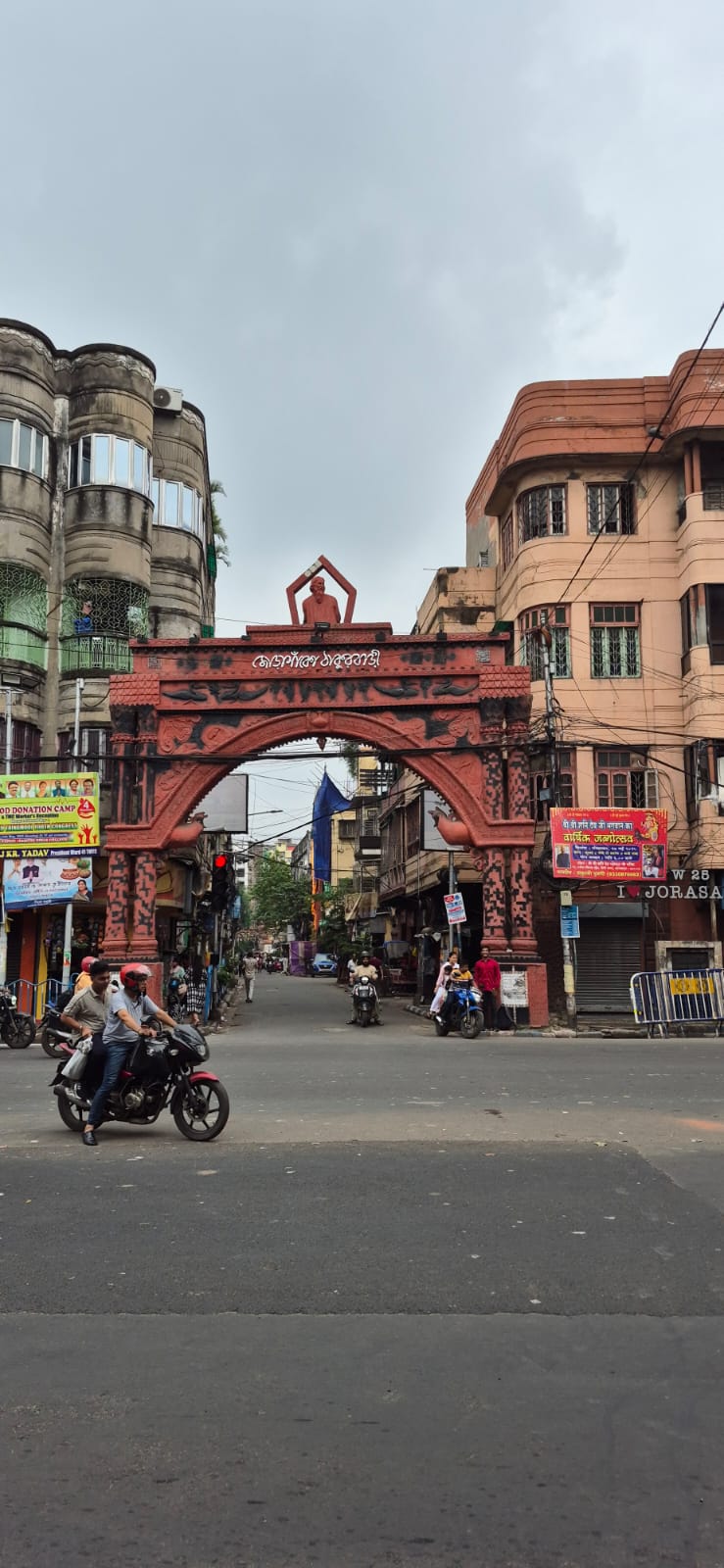
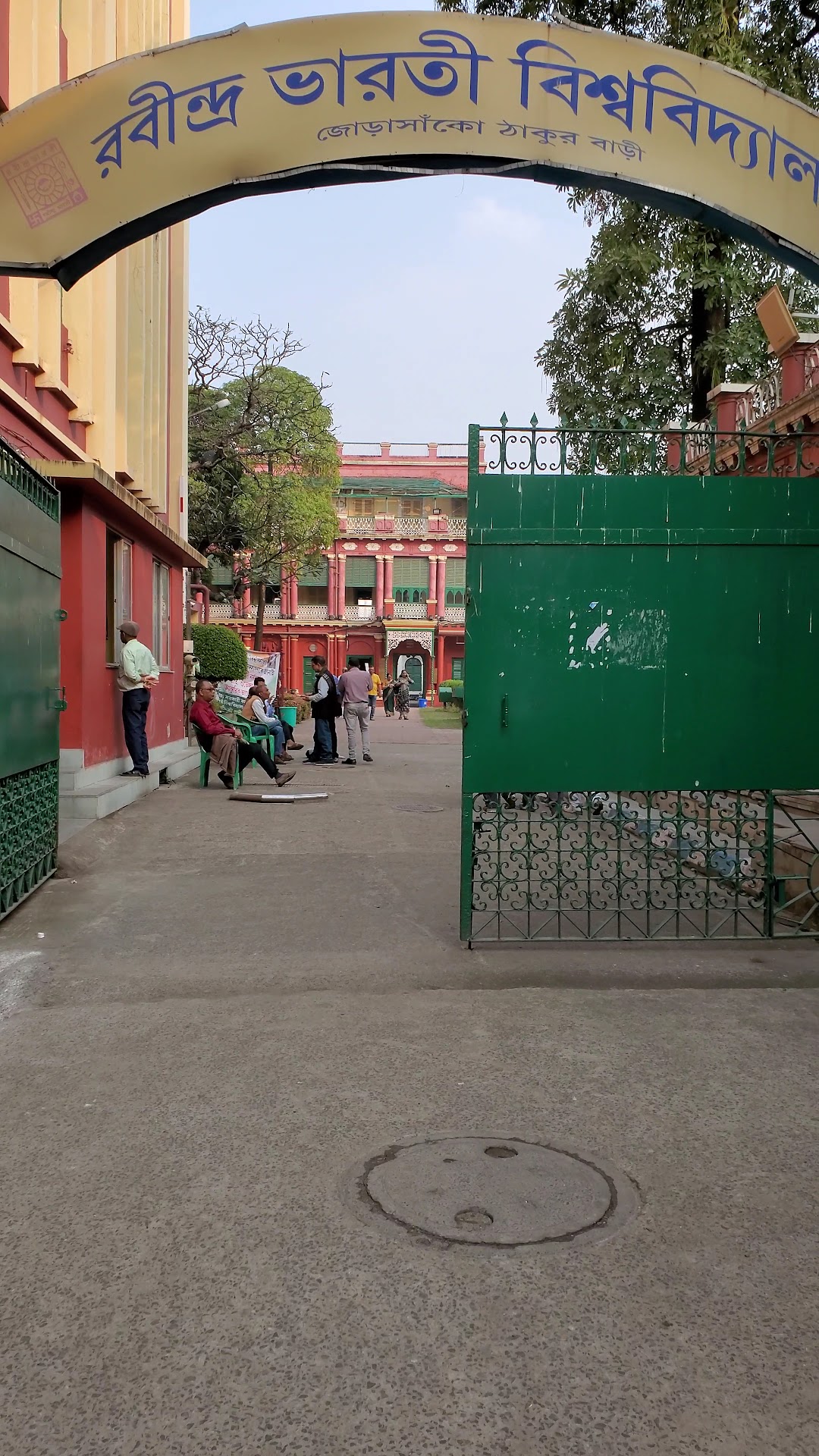
Jorasanko Thakurbari, also known as the Tagore House, is a historic landmark in Kolkata, India. It was the ancestral home of the Tagore family, one of Bengal’s most prominent families, known for their immense contributions to literature, art, music, and Indian nationalism.
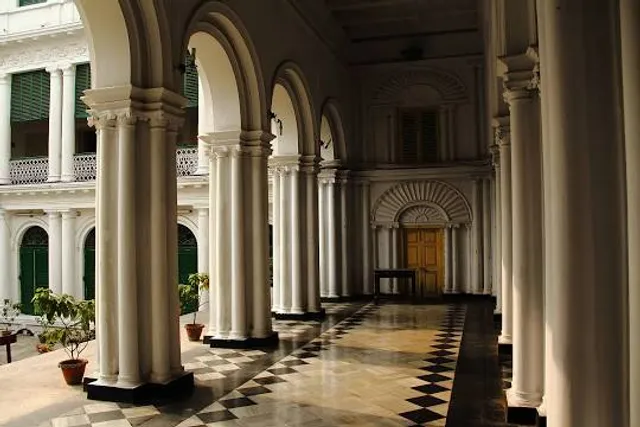
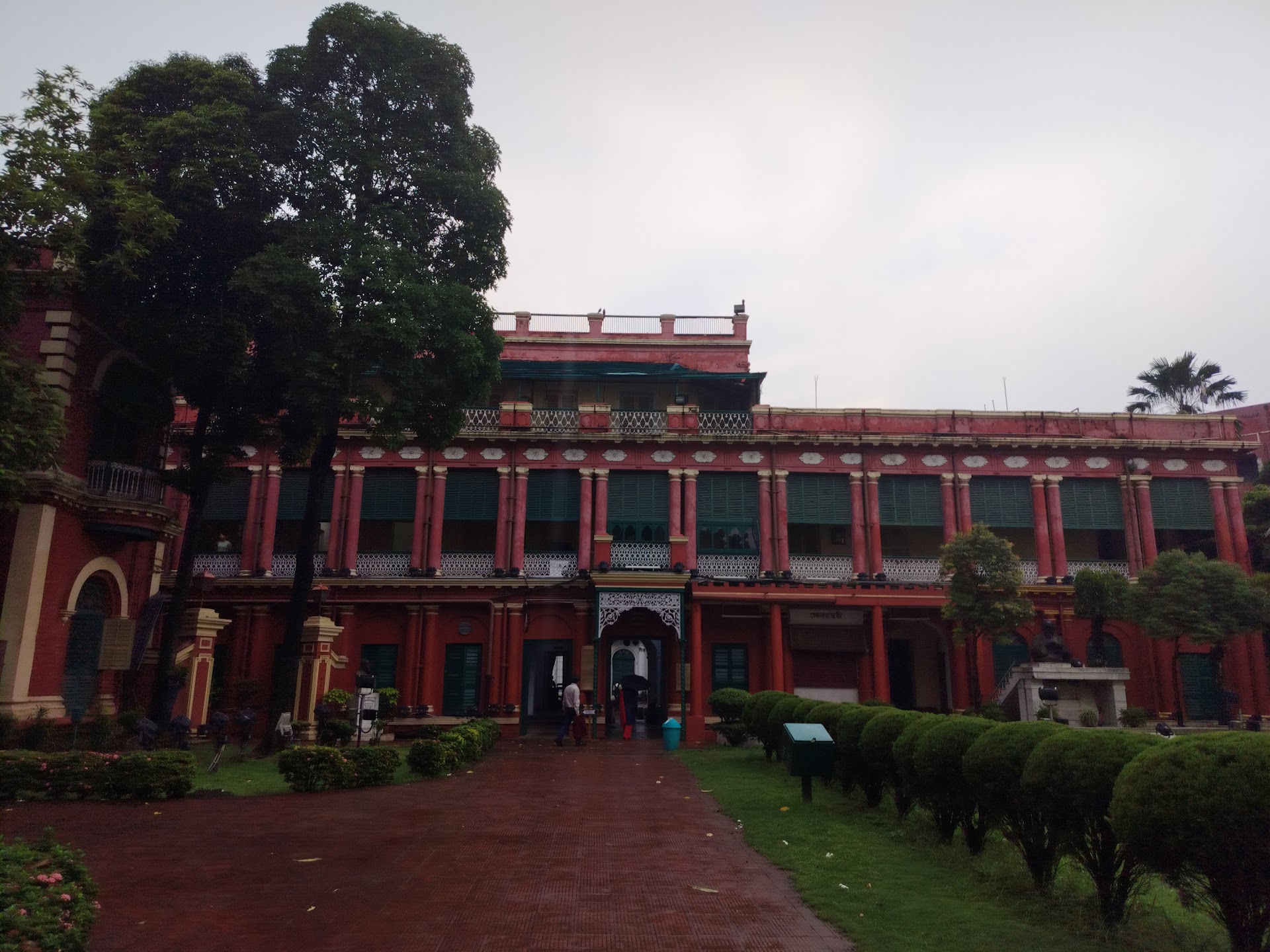
Founding and Architectural Heritage • Built in the 18th Century: The Jorasanko Thakurbari was constructed in 1785 by Prince Dwarkanath Tagore, the grandfather of Rabindranath Tagore, who was a leading industrialist and reformer of his time. • Name Origin: The name “Jorasanko” is derived from two bridges (jora means “pair” and sanko means “bridge”) located nearby. • Architecture: The mansion is a classic example of Bengali colonial architecture, featuring sprawling courtyards, ornate balconies, and spacious halls.
Cultural Significance
The Jorasanko Thakurbari was not just a residence but a cultural and intellectual hub during the Bengal Renaissance.
The Tagore Family’s Legacy • Rabindranath Tagore: The first non-European Nobel laureate in Literature (1913) was born and spent most of his early life here. He wrote many of his iconic works, including poems, songs, and plays, in this house. • Dwarkanath Tagore: A key figure in Bengal’s industrialization, known for his progressive outlook and connections with British officials and reformers. • Debendranath Tagore: A spiritual leader and founder of the Brahmo Samaj, a socio-religious reform movement in 19th-century India. • Abanindranath Tagore: Pioneer of modern Indian painting and the creator of the Bengal School of Art.
Center of the Bengal Renaissance
The house became a cradle for intellectual discourse, art, literature, and cultural reform in the 19th and early 20th centuries. Discussions on women’s rights, social reforms, and anti-colonial movements often took place here.
Transformation into Rabindra Bharati Museum • 1961: To commemorate Rabindranath Tagore’s birth centenary, the house was converted into the Rabindra Bharati Museum. • The museum preserves Tagore’s manuscripts, paintings, photographs, and personal artifacts, providing a glimpse into his life and works. • It also showcases the cultural legacy of the Tagore family, including their contributions to music, literature, and art.
Cultural and Educational Role Today • The premises now house Rabindra Bharati University, a prominent institution for the study of fine arts, performing arts, and social sciences. • Regular cultural programs, exhibitions, and seminars are held to celebrate Tagore’s legacy and the broader cultural movements he inspired.
Legacy of Jorasanko Thakurbari
Jorasanko Thakurbari remains a symbol of Bengal’s intellectual and artistic heritage. It continues to inspire scholars, artists, and visitors from around the world, standing as a testament to the enduring influence of the Tagore family in shaping...
Read more📍 Location: 6/4 Dwarakanath Tagore Lane, Jorasanko, Kolkata – near Girish Park Metro Station 🕰️ Timings:
Museum: 10:30 AM – 5:00 PM (Closed on Mondays and national holidays)
Light & Sound Show: Evening (usually after 6:30 PM; check timing seasonally)
🏠 Historical Significance Jorasanko Thakurbari is not just a building — it is the birthplace and residence of Rabindranath Tagore, the first Asian Nobel Laureate in Literature. The house once bustled with creativity and intellectual ferment, being a hub for the Bengal Renaissance, and home to one of the most culturally influential families of India.
The Tagore family — especially Debendranath, Rabindranath, Abanindranath, and others — contributed to literature, art, music, philosophy, and politics.
🖼️ Museum Experience The museum inside the house is called Rabindra Bharati Museum, maintained by Rabindra Bharati University.
Exhibits: Original furniture used by the Tagores
Rare photographs of Rabindranath and his family
Paintings by Rabindranath, Abanindranath, Gaganendranath, and Nandalal Bose
Letters, handwritten poems, and manuscripts
Galleries themed around countries Tagore visited (e.g., Japan, England, Hungary)
Rooms preserved as they were — including Tagore’s bedroom and the room where he passed away in 1941
➡️ Descriptions are available in both Bengali and English (though some complain English translations are not comprehensive).
🌇 Light & Sound Show Held in the evening in an open-air courtyard (in Bengali and English), this 45-minute show narrates the life, philosophy, and contributions of Tagore.
💡 Tip: Visit during winter months for better comfort and ambiance.
✅ What I Liked Rich Cultural Atmosphere Walking through the house makes you feel like you're stepping into the world of the 19th and early 20th century — intimate and reflective.
Authenticity Rooms are preserved rather than overly renovated. Wooden railings, antique furniture, and oil lamps evoke the era perfectly.
Diverse Art Collection Tagore’s own artworks, sketches, and calligraphy show his lesser-known artistic side.
Peaceful Courtyard The central courtyard and surrounding balconies offer great photo opportunities (where permitted).
⚠️ Things to Improve Toilets & Facilities The washrooms are often not well-maintained, which is a let-down for such an important site.
Photography Restrictions You can’t click photos inside the museum without a special paid permit (INR 50–100). Even then, many galleries prohibit photography completely.
Accessibility No ramps or lifts for elderly or physically challenged visitors. Many sections are upstairs and require climbing narrow wooden staircases.
Staff Behavior Mixed reviews. Some are helpful; others are indifferent or even rude — especially near the show counters or...
Read moreJorasanko Thakurbari: A Glimpse into Tagore's Legacy
Nestled in the heart of Kolkata, Jorasanko Thakurbari stands as a magnificent testament to the life and legacy of the illustrious poet and Nobel laureate, Rabindranath Tagore. This historic mansion, where the Tagore family resided for generations, is a treasure trove of cultural heritage and artistic brilliance that should not be missed by anyone visiting Kolkata.
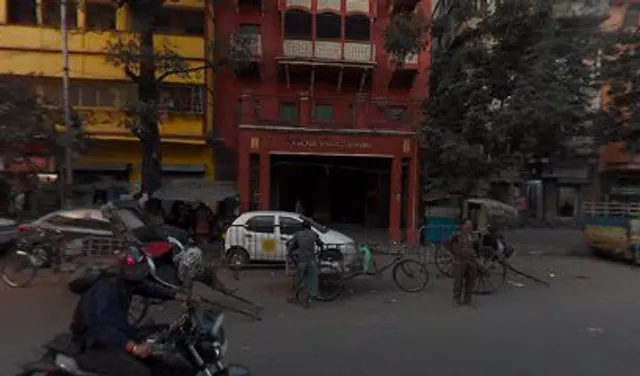
History and Architecture: Jorasanko Thakurbari, often referred to as the "House of the Thakurs," is a stunning example of traditional Bengali architecture. The red-bricked structure, adorned with ornate balconies and intricate ironwork, offers a glimpse into the opulence of the Tagore family. Walking through its hallowed halls, visitors can almost hear the echoes of Tagore's verses and melodies that were composed within these walls.
Museum and Exhibits: The Thakurbari has been meticulously transformed into a museum, preserving the personal belongings, artworks, and manuscripts of Rabindranath Tagore. As you explore the various rooms, you'll come across Tagore's paintings, literary works, musical instruments, and even his Nobel Prize medal. It's a captivating journey through the life of a polymath who left an indelible mark on Indian literature, music, and art.
Reaching Jorasanko Thakurbari: Jorasanko Thakurbari is conveniently located in the Jorasanko area of North Kolkata. Here are some ways to reach this cultural gem:
By Metro: Take the Kolkata Metro and disembark at the Girish Park Metro Station. From there, it's just a short walk to the Thakurbari.
By Taxi or Ride-sharing: Taxis and ride-sharing services like Uber and Ola are readily available in Kolkata. Simply input "Jorasanko Thakurbari" as your destination, and you'll be on your way.
By Bus: Several bus routes connect different parts of the city to Jorasanko. Check with a local or use a transportation app for the most convenient route.
Visitor Tips: Plan your visit during the morning or early afternoon to avoid crowds. Photography is allowed in most areas, so don't forget your camera. Respect the museum's rules and guidelines to help preserve this historical site for future generations.
In conclusion, Jorasanko Thakurbari is a must-visit destination for anyone interested in the life and work of Rabindranath Tagore. It offers a profound insight into the cultural richness of Bengal and the genius of one of India's greatest luminaries. Immerse yourself in the poetry, music, and artistry of Tagore as you explore this enchanting mansion – a true jewel in the crown of Kolkata's...
Read more