Orchha Wildlife Sanctuary lies within the area through which Betwa River flows. It's one of the most scenic places in Madhya Pradesh. Orchha Wildlife Sanctuary is also home to few of the most endangered species in the world.
About Orchha Wildlife Sanctuary Orchha, a town in the Tikamgarh District is known as few of the most visited places in Madhya Pradesh. Orchha also gets importance due to few of the most popular places that exist within it, including the Orchha Wildlife Sanctuary. Orchha Wildlife Sanctuary lies within the area through which Betwa River flows. It's one of the most scenic places in Madhya Pradesh. The river water of Betwa forms one of the main sources of water for the wildlife living within. Unlike other vast wildlife sanctuaries, Orchha Wild life Sanctuary is comparatively smaller, around 25 kms long and 15 kms wide. It covers an area of around 46 sq.km. Yet the Orchha Wildlife Sanctuary gains importance due to few factors, which includes rich wildlife, Betwa River and some dense plantations. Orchha Wildlife Sanctuary is also home to few of the most endangered species in the world.
Recommended: Panna Tiger Reserve - Travel Information
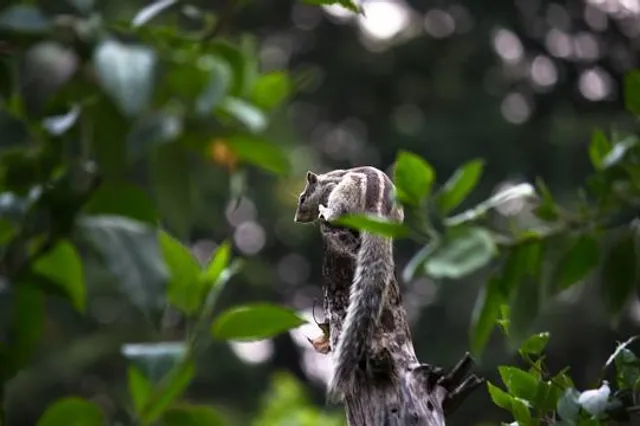
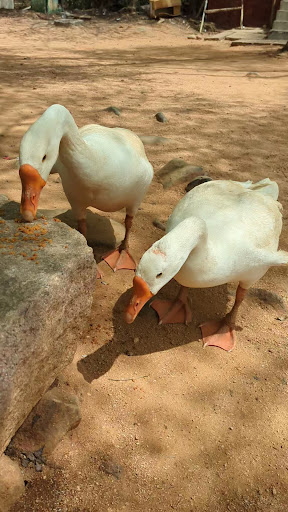
Orchha Wildlife Sanctuary Established in the year 1994, Orchha Wildlife Sanctuary lies within huge forest which is home to few of the dense plantations of Dhawa Trees and Kardhai Trees (Anogeissus Spp). Other than the Betwa River, Jamni River too flows along the Orchha Wildlife Sanctuary. Though it can't be referred as a reserve, yet the Orchha Wildlife Sanctuary resembles a natural jungle environ which borders the Madhya Pradesh from Uttar Pradesh. The Orchha Wildlife Sanctuary appeals tourist for its solitude and natural forest ambience. Apart from Dhawa and Kardhai Trees, few other plants which contribute to the thick plantations of Orchha Wildlife Sanctuary include Teak, Palaash and Khair. Though one may not enjoy the pleasure of spotting tigers and leopards, yet one can find many interesting fauna like spotted deer, Blue Bull, Peacock, Wild pig, Monkey, Jackal, Nilgai, Sloth Bear and many such species. Watching these animals within their natural habitats is a great experience within itself. But what appeals more than anything is the Bird watching experience one gets to enjoy in Orchha Wildlife Sanctuary. In fact Orchha Wildlife Sanctuary is often referred as a Bird Sanctuary by main foreign and Indian tourists. Around 200 bird species can be found at Orchha Wildlife Sanctuary near the river ecosystem, which includes many in-house birds and various migrants from all over the World like peafowls, peacocks, swans, black swan, Jungle Bush Quail, minivet, stork, kingfisher, owls, woodpecker, geese, collared scops owls and many more. Around 200 bird species can be found at Orchha Wildlife Sanctuary near the river ecosystem, which includes many in-house birds and various migrants from all over the World like peafowls, peacocks, swans, black swan, Jungle Bush Quail, minivet, stork, kingfisher, owls, collared scops owls and many more. Apart from Bird Watching, Orchha Wildlife Sanctuary also offers many other adventure sports options including fishing, river rafting, canoeing, boating, trekking, camping and jungle trekking and hiking opportunities.
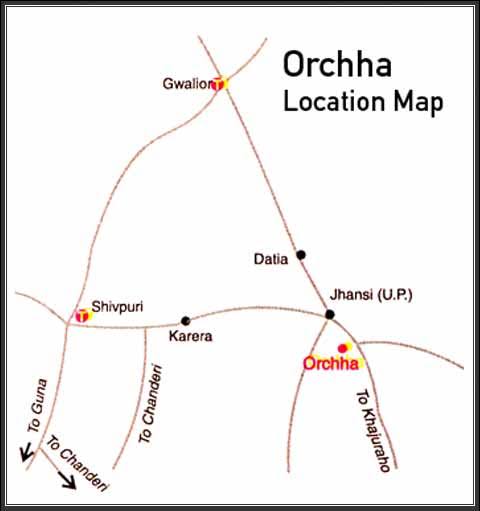
How to reach Orchha Wildlife Sanctuary The nearest airport for Orchha Wildlife Santuary is Gwalior, around 85 km away. Gwalior Airport is well connected with regular flights from Bhopal, Mumbai, Indore and Delhi. The nearest rail head for Orchha Wildlife Sanctuary is Orchha and Jhansi. Jhansi is located around 16 km from Orchha. Jhansi is connected to major cities in India by regular trains from major cities of India. Orchha Railway Station on the other hand lies on the Jhansi – Allahabad route. One can get an auto rickshaw from Orcha Railway station to the wildlife sanctuary. By road,...
Read moreOrchha, a town in the Tikamgarh District is known as few of the most visited places in Madhya Pradesh. Orchha also gets importance due to few of the most popular places that exist within it, including the Orchha Wildlife Sanctuary. Orchha Wildlife Sanctuary lies within the area through which Betwa River flows. It's one of the most scenic places in Madhya Pradesh. The river water of Betwa forms one of the main sources of water for the wildlife living within. Unlike other vast wildlife sanctuaries, Orchha Wild life Sanctuary is comparatively smaller, around 25 kms long and 15 kms wide. It covers an area of around 46 sq.km. Yet the Orchha Wildlife Sanctuary gains importance due to few factors, which includes rich wildlife, Betwa River and some dense plantations. Orchha Wildlife Sanctuary is also home to few of the most endangered species in the world.
Recommended: Panna Tiger Reserve - Travel Information
Orchha Wildlife Sanctuary
Established in the year 1994, Orchha Wildlife Sanctuary lies within huge forest which is home to few of the dense plantations of Dhawa Trees and Kardhai Trees (Anogeissus Spp). Other than the Betwa River, Jamni River too flows along the Orchha Wildlife Sanctuary. Though it can't be referred as a reserve, yet the Orchha Wildlife Sanctuary resembles a natural jungle environ which borders the Madhya Pradesh from Uttar Pradesh. The Orchha Wildlife Sanctuary appeals tourist for its solitude and natural forest ambience. Apart from Dhawa and Kardhai Trees, few other plants which contribute to the thick plantations of Orchha Wildlife Sanctuary include Teak, Palaash and Khair. Though one may not enjoy the pleasure of spotting tigers and leopards, yet one can find many interesting fauna like spotted deer, Blue Bull, Peacock, Wild pig, Monkey, Jackal, Nilgai, Sloth Bear and many such species. Watching these animals within their natural habitats is a great experience within itself. But what appeals more than anything is the Bird watching experience one gets to enjoy in Orchha Wildlife Sanctuary. In fact Orchha Wildlife Sanctuary is often referred as a Bird Sanctuary by main foreign and Indian tourists. Around 200 bird species can be found at Orchha Wildlife Sanctuary near the river ecosystem, which includes many in-house birds and various migrants from all over the World like peafowls, peacocks, swans, black swan, Jungle Bush Quail, minivet, stork, kingfisher, owls, woodpecker, geese, collared scops owls and many more. Around 200 bird species can be found at Orchha Wildlife Sanctuary near the river ecosystem, which includes many in-house birds and various migrants from all over the World like peafowls, peacocks, swans, black swan, Jungle Bush Quail, minivet, stork, kingfisher, owls, collared scops owls and many more. Apart from Bird Watching, Orchha Wildlife Sanctuary also offers many other adventure sports options including fishing, river rafting, canoeing, boating, trekking, camping and jungle trekking and hiking...
Read moreA great place to walk (which I did) or bike. Not too many animals for me - just birds and cows and peacocks and monkeys. There are some small ruins to explore, as well. The views of the Betwa are great.
There are a number of very wide paths, roads really, that run through the sanctuary. Sadly, I couldn't find a good map of them. To enter, I walked across the pedestrian bridge from orchha and walked up to the road and entered at the gate across from the ticket book (30 rupees to enter). I followed the "bike" trail to the tip of the north end of the island, then followed the roads southward along the east side stopping at a couple observation towers and checking out an old wall and an old hunting lodge (down a side road to the river).
The trail to the Northern tip doesn't show up on Google maps or on all trails - but was the most interesting of the trails, I thought. It does meet up with the trails that do show up on Google maps and alltrails, though.
I exited from the south gate and walked the road a bit north to the bridge. Lots of cars and cows and monkeys in the road, but they all stayed out of my way. The paths in the sanctuary (roads really) are very clearly pathways, and there are good signs at the intersections of the roads - so easy to navigate.
If I had to do it again, I'd take a tuk tuk to the ticket counter and then to the south entrance, and then walk backwards the way I walked. Alternatively, just do the loop using the bike path and only visit the very north end of the Island. You can see the paths/roads as tan lines on the Google maps satellite view if you zoom in. A decent map with paths on it would have been nice, but there is no way you'd ever lose the path - and every intersection has an arrow pointing to...
Read more