HTML SitemapExplore
logo
Find Things to DoFind The Best Restaurants

Ellora Cave No. 10 — Attraction in Maharashtra

Name
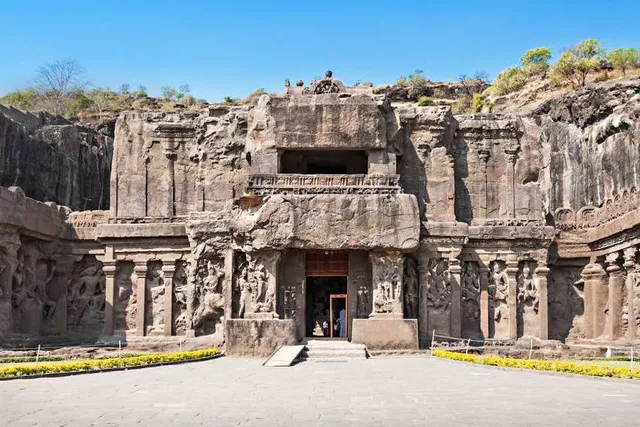
Ellora Cave No. 10
Description
Nearby attractions
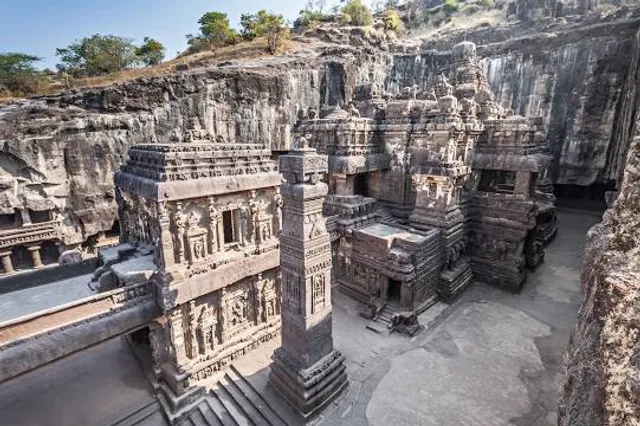
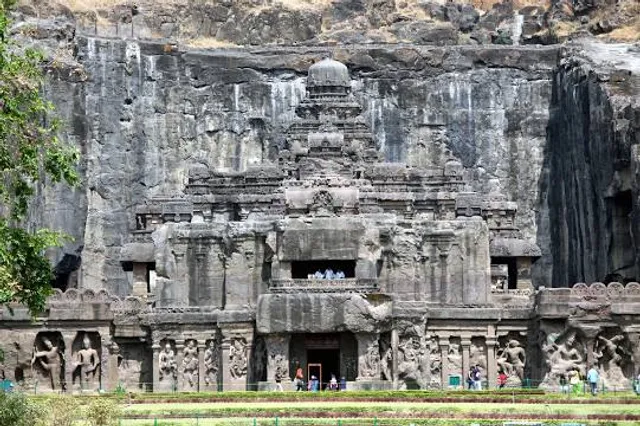
Kailasa Temple
Ellora, Verul, Maharashtra 431102, India
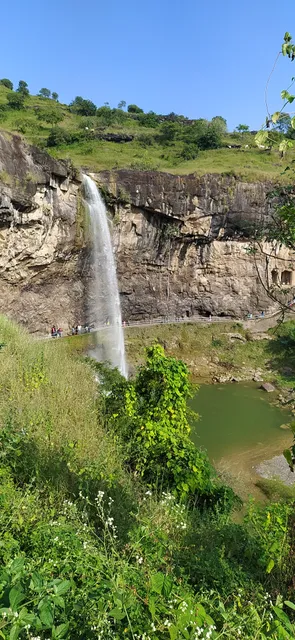
Waghora Waterfall
25HH+927, Water Fall of Verul, Ellora, Maharashtra 431102, India
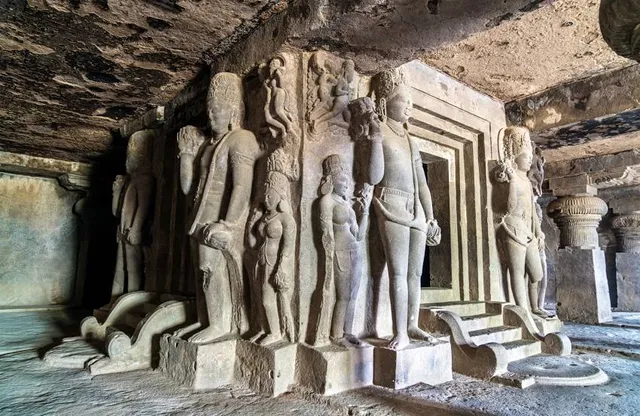
Ellora Cave No. 29 The Dhumar Lena
25HG+FM3, Ellora Cave Rd, Verul, Maharashtra 431102, India
Nearby restaurants
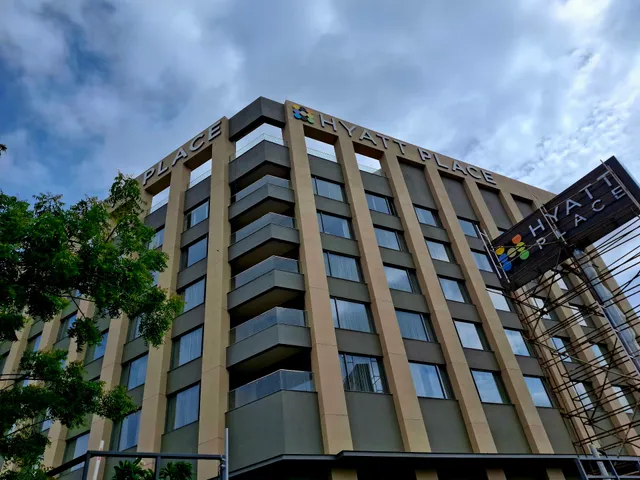
modern hotel
25FH+664, near restaurant, Ellora, Verul, Maharashtra 431102, India
Garikipati Restaurant
Garikipati restaurant ,post Ellora caves, tq, Maharashtra 431102, India
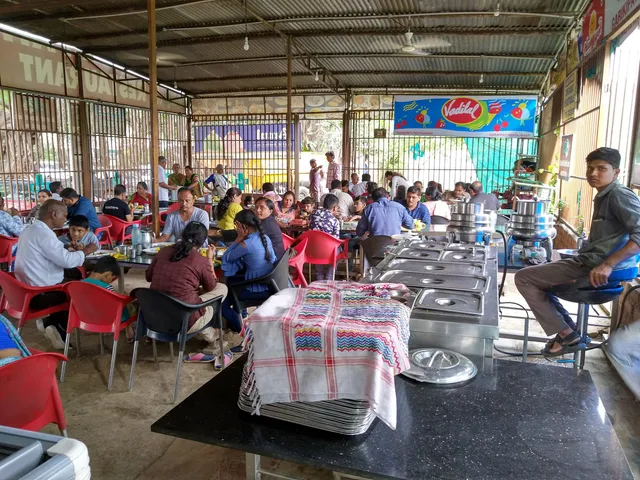
Ellora Restaurant
Front of Ellora caves, Main Road, get, Chhatrapati Sambhajinagar, Ellora, Maharashtra 431102, India
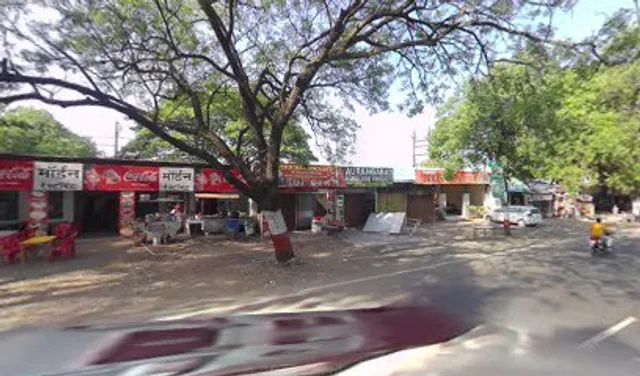
Modern Restaurant
Samartha Nagar, Aurangabad SH-22, Dhule Daulatabad, Nagpur - Aurangabad - Mumbai Hwy, Aurangabad, Maharashtra 431102, India
MAHARAJA RESTAURANT
SHOP NO 3, Verul, Maharashtra 431102, India
Vrindavan Restaurant
25FF+668, Verul, Maharashtra 431102, India
Om Shanti Raswanti
25FG+69G, फुलब्री - खुलताबाद - ऐलोरा मार्ग, Verul, Maharashtra 431102, India
Quality Restaurant
Samartha Nagar, Aurangabad, SH-22, Dhule Daulatabad Highway, Aurangabad, Aurangabad, Maharashtra 431102, India
Tulsi Family Restaurant
Grushnewar Temple, beside Ellora, Verul, Maharashtra 431102, India
Welcome Cafe
Ellora, Verul, Maharashtra 431102, India
Nearby hotels
Hotel Kailas
NH. 211, Opp Ellora Caves, Aurangabad, Maharashtra 431102, India
Hotel Vrindavan
Near, Ellora Cave Rd, Ellora, Verul, Maharashtra 431102, India
Abhayanand Agro Tourism
behind Tulsi Restaurant, near Ellora Caves, Aurangabad, Verul, Maharashtra 431102, India
HOTEL KANHAIYA & RESTAURANT
25FC+HJH, Verul, Maharashtra 431102, India
Hotel Ellora view
25FC+GWV, Verul, Maharashtra 431102, India
Related posts
Keywords
Ellora Cave No. 10 tourism.Ellora Cave No. 10 hotels.Ellora Cave No. 10 bed and breakfast. flights to Ellora Cave No. 10.Ellora Cave No. 10 attractions.Ellora Cave No. 10 restaurants.Ellora Cave No. 10 travel.Ellora Cave No. 10 travel guide.Ellora Cave No. 10 travel blog.Ellora Cave No. 10 pictures.Ellora Cave No. 10 photos.Ellora Cave No. 10 travel tips.Ellora Cave No. 10 maps.Ellora Cave No. 10 things to do.
Ellora Cave No. 10 things to do, attractions, restaurants, events info and trip planning
Ellora Cave No. 10
IndiaMaharashtraEllora Cave No. 10

Basic Info

Ellora Cave No. 10

25CH+CV4, Ellora Cave Rd, Verul, Maharashtra 431102, India
4.8(229)
Open 24 hours
Save
spot

Ratings & Description

Info

Cultural
Scenic
Family friendly
Accessibility
attractions: Kailasa Temple, Waghora Waterfall, Ellora Cave No. 29 The Dhumar Lena, restaurants: modern hotel, Garikipati Restaurant, Ellora Restaurant, Modern Restaurant, MAHARAJA RESTAURANT, Vrindavan Restaurant, Om Shanti Raswanti, Quality Restaurant, Tulsi Family Restaurant, Welcome Cafe
logoLearn more insights from Wanderboat AI.

Plan your stay

hotel
Pet-friendly Hotels in Maharashtra
Find a cozy hotel nearby and make it a full experience.
hotel
Affordable Hotels in Maharashtra
Find a cozy hotel nearby and make it a full experience.
hotel
The Coolest Hotels You Haven't Heard Of (Yet)
Find a cozy hotel nearby and make it a full experience.
hotel
Trending Stays Worth the Hype in Maharashtra
Find a cozy hotel nearby and make it a full experience.

Reviews

Nearby attractions of Ellora Cave No. 10

Kailasa Temple

Waghora Waterfall

Ellora Cave No. 29 The Dhumar Lena

Kailasa Temple

Kailasa Temple

4.8

(4.2K)

Closed
Click for details
Waghora Waterfall

Waghora Waterfall

4.6

(64)

Open 24 hours
Click for details
Ellora Cave No. 29 The Dhumar Lena

Ellora Cave No. 29 The Dhumar Lena

4.7

(110)

Open 24 hours
Click for details

Nearby restaurants of Ellora Cave No. 10

modern hotel

Garikipati Restaurant

Ellora Restaurant

Modern Restaurant

MAHARAJA RESTAURANT

Vrindavan Restaurant

Om Shanti Raswanti

Quality Restaurant

Tulsi Family Restaurant

Welcome Cafe

modern hotel

modern hotel

3.2

(4)

Click for details
Garikipati Restaurant

Garikipati Restaurant

4.3

(588)

Click for details
Ellora Restaurant

Ellora Restaurant

3.6

(37)

Click for details
Modern Restaurant

Modern Restaurant

3.4

(8)

Click for details
Get the Appoverlay
Get the AppOne tap to find yournext favorite spots!
Wanderboat LogoWanderboat

Your everyday Al companion for getaway ideas

CompanyAbout Us
InformationAI Trip PlannerSitemap
SocialXInstagramTiktokLinkedin
LegalTerms of ServicePrivacy Policy

Get the app

© 2025 Wanderboat. All rights reserved.
logo

Posts

Piyush KabraPiyush Kabra
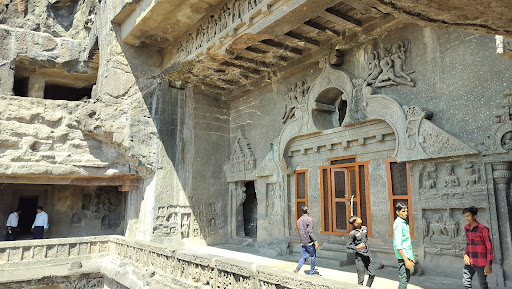
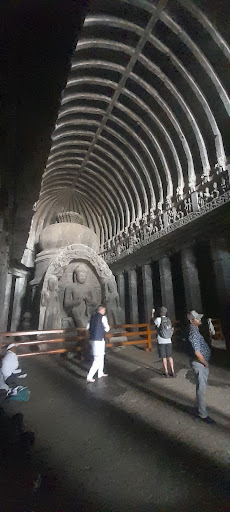
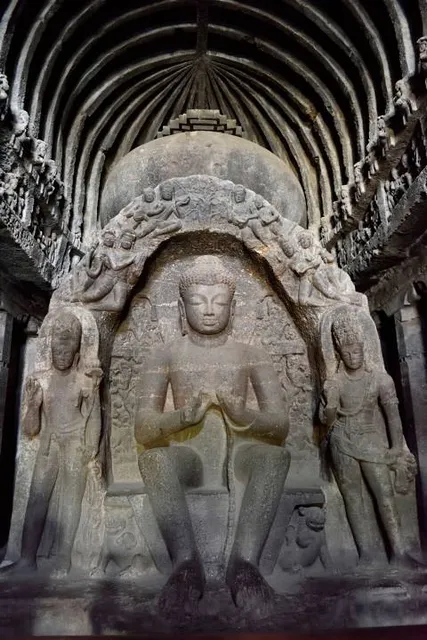
The Viswakarma cave is also known locally as the Sutar ki jhopdi owing to the construction style. It is still a splendid work with a large open court in front surrounded by a corridor. Its pillars is carved with various representations. The inner temple, consisting of central naïve and side aisles, measures 85 feet in length, 43 feet width and 34 feet height. The naïve is separated by the aisles by 28 octagonal pillars, 14 feet in height, with plain bracket capitals, while two more square ones just inside the entrance support the gallery above and cut off from the front aisle. The back of the naïve stands a huge stupa nearly 27 feet in height and 16 feet in diameter. It has simple circular base, hemispherical dome and a square capital. It has a large front piece nearly 17 feet in height attached to it, on which is a 11 feet colossal Buddha seated with his feet down, while on the arch over his head is carved the Bodhi Tree, with dwarfs on either side, typical to a Mahayana construction. The arched roof is carved in imitation of wooden ribs, each rising from behind a little Naga bust. The deep frieze above the pillars is divided into two belts, the lower and narrower carved with crowds of fat little ganas in all sitting positions. Needless to say that worshippers used to chant hymns and prayers in chaitya halls and the arched structure echoes nicely. It is said that if we visit this cave early in the morning, any loud voice will echo 3-4 times spanning around a minute. At the ends of the front corridor are two cells and two chapels with the usual Buddha figures. From the left end of the back corridor a stair ascends to the gallery above, which contains an outer one above the corridor and an inner one over the front aisle, separated by the two pillars that divide the lower portion of the great window into three lights. From the outer area, too, small chapels are entered, each containing sculpture of Buddha mythology, and where the very elaborate head-dresses of the females of the period may be studied. Over the chapel to the right of the window is a remarkable group of little fat figures, and the projecting frieze that crowns the façade is elaborately sculpted with pairs of figures in compartments. High up on each side are two small chapels, difficult to access.
Sushant KadamSushant Kadam
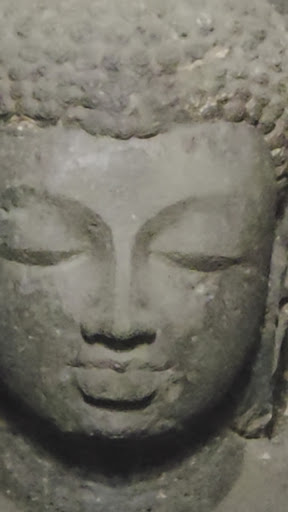
Ellora Cave No. 10 is one of the most beautiful and peaceful caves I have ever visited. It is a Buddhist cave and is also called the "Visvakarma Cave" or "Carpenter's Cave." As soon as I entered the cave, I felt calm and relaxed. The place is full of positive energy, and it feels like a perfect spot for meditation and peace. The first thing you notice is the big statue of Buddha sitting in the center of the cave. It is carved out of the rock and looks very grand and powerful. He is shown sitting in a teaching pose, which gives a strong feeling of wisdom and peace. The sound inside the cave is very special too. If you make a sound, it echoes in a beautiful way, almost like music. The ceiling of the cave is curved and looks like the wooden beams of a hall, even though it’s all carved from stone. The shape is like a chaitya (prayer hall), and it feels very spiritual inside. There are many small carvings along the walls that show scenes from the life of Buddha and other figures. The work is very detailed and shows how skilled the ancient artists were. What makes Cave No. 10 extra special is the peaceful silence inside. Even though many tourists visit Ellora, this cave somehow stays calm and quiet. You can sit there for some time, close your eyes, and feel completely at peace. The most magical thing happens only once a year—in the morning of March 10 or 11, the first sunrays enter the cave and fall directly on Buddha’s face. It is the most miraculous and breathtaking moment I have ever seen. For a few minutes, the whole cave lights up, and the Buddha looks like he is glowing with real light. It’s not just beautiful—it feels deeply spiritual. You can’t help but feel amazed at how ancient architects and artists planned it so perfectly without modern tools. It’s a true wonder of ancient Indian architecture and shows their deep knowledge of science, art, and spirituality.
Vikas SinghVikas Singh
Locally known as Visvakarma, this cave is the only chaitya hall at Ellora. On both sides of the front courtyard is a shrine. The shrine on the southern side has a seated Padmapani in its sanctum. The verandah beyond has a big cell on either side of the doorway. The cave also has sculptures of Tara and Avalokitesvara. The imposing apsidal chaitya hall has an elaborate stupn in the rear. A huge figure of Buddha in the praiantbapada posture with Bodhisattvas and vidyadharas is carved in front of the stupn. The pillars separating the nave from the side aisles are simple and octagonal in shape with floral decoration. The vaulted roof exhibits raga-supported ribs. Between the naga ends of the ribs and the tops of the pillars are two friezes. The upper frieze shows figures of Buddha in panels and the lower frieze shows ganas. Besides, the long bas-relief carved in three panels on the balustrade of the minstrel's gallery is especially noteworthy. The balcony is reached by a flight of stairs on the northern side of the verandah. The walls on this first floor have cells and niches containing figures of Avalokitesvara and Vajrapani. Here we also find the Buddhist creed inscribed in characters of eighth-ninth century. The centre of the wall has an opening over which is a trefoil-arch of exquisite beauty. Grouped on either side of the opening, the gandharvas and apsaras, are charming to behold, as are the crowning portions over the niches at either end of the gallery. Bodhisattva Padmapani, however the Bodhisattva of the southern niche remains unidentified. The southern niche has kudu and amalaka designs, the latter suggesting its affinity to temples of the northern style. The design on the northern niche has only kudu motifs. The frieze ofganas at the bottom of each of these is striking. The dancing figures and the mithunas on the parapet are noteworthy.
See more posts
See more posts
hotel
Find your stay

Pet-friendly Hotels in Maharashtra

Find a cozy hotel nearby and make it a full experience.

The Viswakarma cave is also known locally as the Sutar ki jhopdi owing to the construction style. It is still a splendid work with a large open court in front surrounded by a corridor. Its pillars is carved with various representations. The inner temple, consisting of central naïve and side aisles, measures 85 feet in length, 43 feet width and 34 feet height. The naïve is separated by the aisles by 28 octagonal pillars, 14 feet in height, with plain bracket capitals, while two more square ones just inside the entrance support the gallery above and cut off from the front aisle. The back of the naïve stands a huge stupa nearly 27 feet in height and 16 feet in diameter. It has simple circular base, hemispherical dome and a square capital. It has a large front piece nearly 17 feet in height attached to it, on which is a 11 feet colossal Buddha seated with his feet down, while on the arch over his head is carved the Bodhi Tree, with dwarfs on either side, typical to a Mahayana construction. The arched roof is carved in imitation of wooden ribs, each rising from behind a little Naga bust. The deep frieze above the pillars is divided into two belts, the lower and narrower carved with crowds of fat little ganas in all sitting positions. Needless to say that worshippers used to chant hymns and prayers in chaitya halls and the arched structure echoes nicely. It is said that if we visit this cave early in the morning, any loud voice will echo 3-4 times spanning around a minute. At the ends of the front corridor are two cells and two chapels with the usual Buddha figures. From the left end of the back corridor a stair ascends to the gallery above, which contains an outer one above the corridor and an inner one over the front aisle, separated by the two pillars that divide the lower portion of the great window into three lights. From the outer area, too, small chapels are entered, each containing sculpture of Buddha mythology, and where the very elaborate head-dresses of the females of the period may be studied. Over the chapel to the right of the window is a remarkable group of little fat figures, and the projecting frieze that crowns the façade is elaborately sculpted with pairs of figures in compartments. High up on each side are two small chapels, difficult to access.
Piyush Kabra

Piyush Kabra

hotel
Find your stay

Affordable Hotels in Maharashtra

Find a cozy hotel nearby and make it a full experience.

Get the Appoverlay
Get the AppOne tap to find yournext favorite spots!
Ellora Cave No. 10 is one of the most beautiful and peaceful caves I have ever visited. It is a Buddhist cave and is also called the "Visvakarma Cave" or "Carpenter's Cave." As soon as I entered the cave, I felt calm and relaxed. The place is full of positive energy, and it feels like a perfect spot for meditation and peace. The first thing you notice is the big statue of Buddha sitting in the center of the cave. It is carved out of the rock and looks very grand and powerful. He is shown sitting in a teaching pose, which gives a strong feeling of wisdom and peace. The sound inside the cave is very special too. If you make a sound, it echoes in a beautiful way, almost like music. The ceiling of the cave is curved and looks like the wooden beams of a hall, even though it’s all carved from stone. The shape is like a chaitya (prayer hall), and it feels very spiritual inside. There are many small carvings along the walls that show scenes from the life of Buddha and other figures. The work is very detailed and shows how skilled the ancient artists were. What makes Cave No. 10 extra special is the peaceful silence inside. Even though many tourists visit Ellora, this cave somehow stays calm and quiet. You can sit there for some time, close your eyes, and feel completely at peace. The most magical thing happens only once a year—in the morning of March 10 or 11, the first sunrays enter the cave and fall directly on Buddha’s face. It is the most miraculous and breathtaking moment I have ever seen. For a few minutes, the whole cave lights up, and the Buddha looks like he is glowing with real light. It’s not just beautiful—it feels deeply spiritual. You can’t help but feel amazed at how ancient architects and artists planned it so perfectly without modern tools. It’s a true wonder of ancient Indian architecture and shows their deep knowledge of science, art, and spirituality.
Sushant Kadam

Sushant Kadam

hotel
Find your stay

The Coolest Hotels You Haven't Heard Of (Yet)

Find a cozy hotel nearby and make it a full experience.

hotel
Find your stay

Trending Stays Worth the Hype in Maharashtra

Find a cozy hotel nearby and make it a full experience.

Locally known as Visvakarma, this cave is the only chaitya hall at Ellora. On both sides of the front courtyard is a shrine. The shrine on the southern side has a seated Padmapani in its sanctum. The verandah beyond has a big cell on either side of the doorway. The cave also has sculptures of Tara and Avalokitesvara. The imposing apsidal chaitya hall has an elaborate stupn in the rear. A huge figure of Buddha in the praiantbapada posture with Bodhisattvas and vidyadharas is carved in front of the stupn. The pillars separating the nave from the side aisles are simple and octagonal in shape with floral decoration. The vaulted roof exhibits raga-supported ribs. Between the naga ends of the ribs and the tops of the pillars are two friezes. The upper frieze shows figures of Buddha in panels and the lower frieze shows ganas. Besides, the long bas-relief carved in three panels on the balustrade of the minstrel's gallery is especially noteworthy. The balcony is reached by a flight of stairs on the northern side of the verandah. The walls on this first floor have cells and niches containing figures of Avalokitesvara and Vajrapani. Here we also find the Buddhist creed inscribed in characters of eighth-ninth century. The centre of the wall has an opening over which is a trefoil-arch of exquisite beauty. Grouped on either side of the opening, the gandharvas and apsaras, are charming to behold, as are the crowning portions over the niches at either end of the gallery. Bodhisattva Padmapani, however the Bodhisattva of the southern niche remains unidentified. The southern niche has kudu and amalaka designs, the latter suggesting its affinity to temples of the northern style. The design on the northern niche has only kudu motifs. The frieze ofganas at the bottom of each of these is striking. The dancing figures and the mithunas on the parapet are noteworthy.
Vikas Singh

Vikas Singh

See more posts
See more posts

Reviews of Ellora Cave No. 10

4.8
(229)
avatar
5.0
8y

Ellora Cave 10 (Top Pick)

Popularly known as “Viswakarma” (the celestial architect) and also as Sutar-ka-jhopra (Carpenter’s hut), this is the only chaitya (chapel) cave in the group. The local carpenters visit the cave frequently and worship Buddha as Viswakarma, the patron of their craft.

The cave is entered through a gate, cut into the natural rock, into a courtyard open to the sky, with cells to the right and left arranged in two storeys. The cells around the courtyard have square-based pillars at the foot of which was a lion facing outwards. The monastery was on the ground floor, and above are what are presumed to have been the monks’ living quarters.

Through the courtyard, one reaches the elaborately carved chapel of Lord Buddha, a typical chaityagriha. The exterior decoration gives the impression that instead of stone, wood was the building material, hence ‘Viswakarma’. The façade has a trefoil window with apsara groups for ornamentation. The main hall is large (26 m by 13 m, 10 m high). The curved fluted ‘beams’ suggest to some the upturned hull of a ship. The chamber has 28 octagonal pillars, each with a vase and foliage capital, dividing it up into a nave and side aisles. The aisle runs round the decorated stupa (dagoba) with a colossal 4.5-m ‘Preaching Buddha’ carved in front of it.

The visitor is filled with awe at the sight of Lord Buddha seated in dharmacakra pravartanamudra, nearly 11 feet in height, visible by the natural light entering through the entrance door and chaitya window in the balcony. Here, the Buddha image is placed on the front part of a large stupa, nearly 27 feet in height.

The roof is a huge arch with imitations of wooden ribs neatly reproduced in stone. The flat portion in between the pillars and the bottom of the stone ribs, known as triforium, is decorated with a series of seated Buddha images flanked by attendant figures.

The huge chaitya arch in front of the chaityagriha has attained the form of a trefoil decoration, unlike the huge pointed horse-shoe arch of earlier chaityas. The arch has three portions, the central one decorated with an attic window at its centre, which also lightens the interior of the cave. Below the other two portions are sunken niches with an image of Avalokiteshwara on the south side and Manjushri on the north side. The niches represent miniature temple shrines and adorned with extremely beautiful decorations imitating a sikhara of contemporary times. The chaitya arch and the balcony decorations are complete with precision and also imitation of wooden architecture. Even the wooden pins at the joints of beams and lintels are...

   Read more
avatar
5.0
7y

Notable among the Buddhist caves is Cave 10, a chaitya worship hall called the 'Vishvakarma cave' (literally the cave of one who accomplishes everything, or the architect of the gods), built around 650 CE.It is also known as the "Carpenter's Cave", because the rock has been given a finish that has the appearance of wooden beams. Beyond its multi-storeyed entry is a cathedral-like stupa hall also known as chaitya-griha (prayer house). At the heart of this cave is a 15-foot statue of Buddha seated in a preaching pose.

A part of the Carpenter's cave (Buddhist Cave 10) Cave 10 combines a vihara with a chapel-like worship hall that has eight subsidiary cells, four in the back wall and four in the right, as well as a portico in the front.It is the only dedicated chaitya griha amongst the Buddhist caves and is constructed along similar lines to Caves 19 and 26 of Ajanta. Cave 10 also features a gavaksha, or chandrashala, arched window and a side connection to Cave 9 of Ellora.

The main hall of the Visvakarma cave is apsidal in plan and is divided into a central nave and side aisles by 28 octagonal columns with plain bracket capitals. In the apsidal end of the chaitya hall is a stupa on the face of which a colossal high seated Buddha in vyakhyana mudra (teaching posture). A large Bodhi tree is carved at his back. The hall has a vaulted roof in which ribs (known as triforium) have been carved in the rock imitating the wooden ones.The friezes above the pillars are Naga queens, and the extensive relief artwork shows characters such as entertainers, dancers and musicians.

The front of the prayer hall is a rock-cut court entered via a flight of steps. The entrance of the Cave has a carved facade decorated with numerous Indian motifs including apsaras and meditating monks.On either side of the upper level are pillared porticos with small rooms in their back walls. The pillared verandah of the chaitya has a small shrine at either end and a single cell in the far end of the back wall. The corridor columns have massive squared shafts and ghata-pallava (vase and foliage) capitals. The various levels of Cave 10 also feature idols of male and female deities, such as Maitreya, Tara, Avalokitesvara (Vajradhamma), Manjusri, Bhrkuti and Mahamayuri, carved in the Pala dynasty style found in eastern regions of India.Some southern Indian influences can also be found in various works...

   Read more
avatar
5.0
1y

The Viswakarma cave is also known locally as the Sutar ki jhopdi owing to the construction style. It is still a splendid work with a large open court in front surrounded by a corridor. Its pillars is carved with various representations.

The inner temple, consisting of central naïve and side aisles, measures 85 feet in length, 43 feet width and 34 feet height. The naïve is separated by the aisles by 28 octagonal pillars, 14 feet in height, with plain bracket capitals, while two more square ones just inside the entrance support the gallery above and cut off from the front aisle.

The back of the naïve stands a huge stupa nearly 27 feet in height and 16 feet in diameter. It has simple circular base, hemispherical dome and a square capital. It has a large front piece nearly 17 feet in height attached to it, on which is a 11 feet colossal Buddha seated with his feet down, while on the arch over his head is carved the Bodhi Tree, with dwarfs on either side, typical to a Mahayana construction.

The arched roof is carved in imitation of wooden ribs, each rising from behind a little Naga bust.

The deep frieze above the pillars is divided into two belts, the lower and narrower carved with crowds of fat little ganas in all sitting positions. Needless to say that worshippers used to chant hymns and prayers in chaitya halls and the arched structure echoes nicely. It is said that if we visit this cave early in the morning, any loud voice will echo 3-4 times spanning around a minute.

At the ends of the front corridor are two cells and two chapels with the usual Buddha figures. From the left end of the back corridor a stair ascends to the gallery above, which contains an outer one above the corridor and an inner one over the front aisle, separated by the two pillars that divide the lower portion of the great window into three lights. From the outer area, too, small chapels are entered, each containing sculpture of Buddha mythology, and where the very elaborate head-dresses of the females of the period may be studied. Over the chapel to the right of the window is a remarkable group of little fat figures, and the projecting frieze that crowns the façade is elaborately sculpted with pairs of figures in compartments. High up on each side are two small chapels,...

   Read more
Page 1 of 7
Previous
Next