HTML SitemapExplore
logo
Find Things to DoFind The Best Restaurants

Kailasa Temple — Attraction in Maharashtra

Name
Kailasa Temple
Description
Nearby attractions
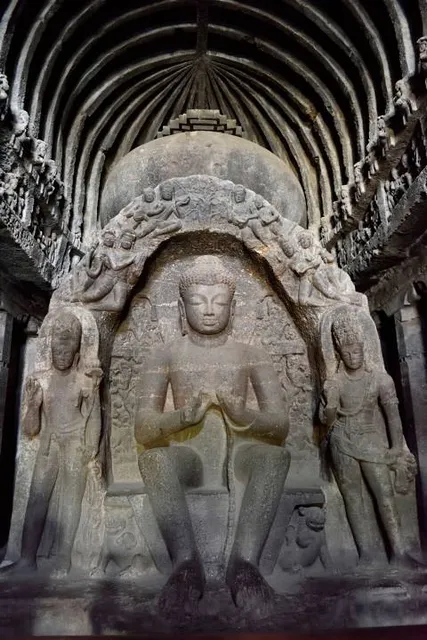
Ellora Cave No. 10
25CH+CV4, Ellora Cave Rd, Verul, Maharashtra 431102, India
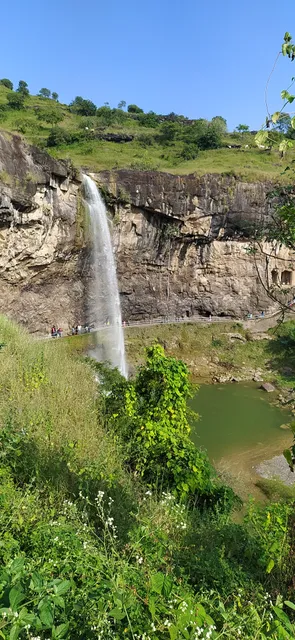
Waghora Waterfall
25HH+927, Water Fall of Verul, Ellora, Maharashtra 431102, India
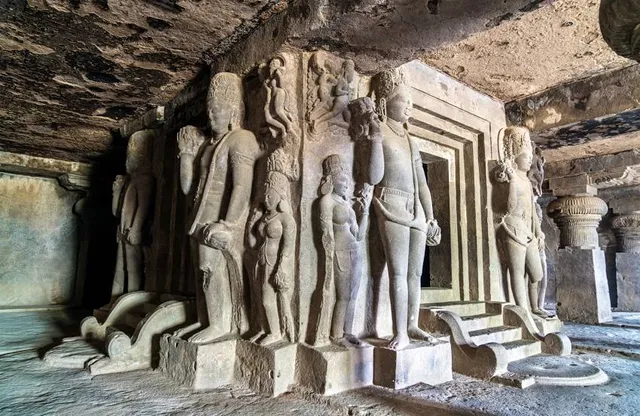
Ellora Cave No. 29 The Dhumar Lena
25HG+FM3, Ellora Cave Rd, Verul, Maharashtra 431102, India
Nearby restaurants
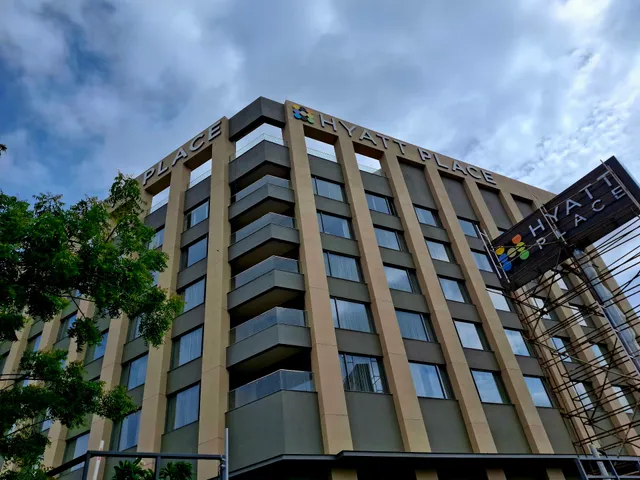
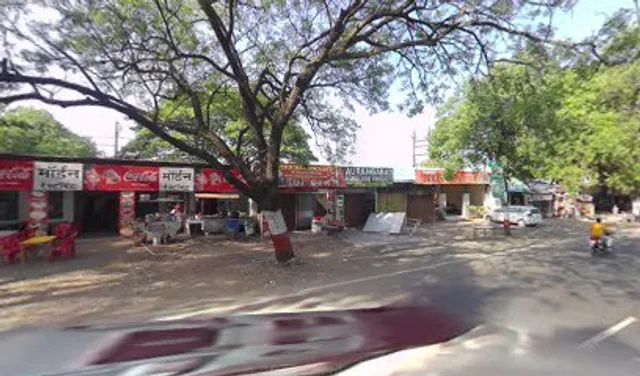
modern hotel
25FH+664, near restaurant, Ellora, Verul, Maharashtra 431102, India
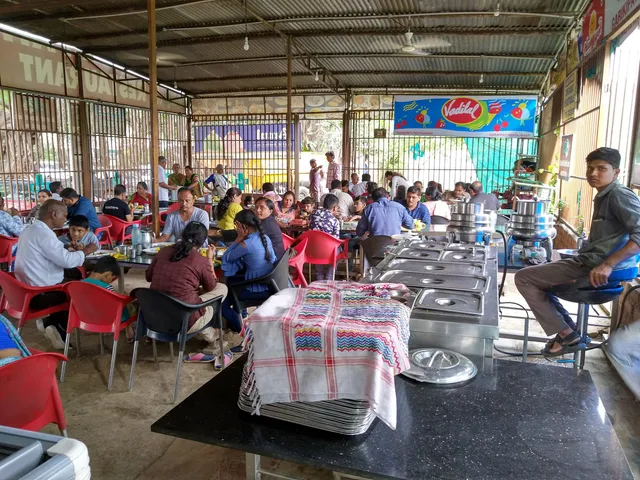
Garikipati Restaurant
Garikipati restaurant ,post Ellora caves, tq, Maharashtra 431102, India
Ellora Restaurant
Front of Ellora caves, Main Road, get, Chhatrapati Sambhajinagar, Ellora, Maharashtra 431102, India
Modern Restaurant
Samartha Nagar, Aurangabad SH-22, Dhule Daulatabad, Nagpur - Aurangabad - Mumbai Hwy, Aurangabad, Maharashtra 431102, India
MAHARAJA RESTAURANT
SHOP NO 3, Verul, Maharashtra 431102, India
Vrindavan Restaurant
25FF+668, Verul, Maharashtra 431102, India
Om Shanti Raswanti
25FG+69G, फुलब्री - खुलताबाद - ऐलोरा मार्ग, Verul, Maharashtra 431102, India
Mast Tea Center
25GG+JCR, Verul, Maharashtra 431102, India
Quality Restaurant
Samartha Nagar, Aurangabad, SH-22, Dhule Daulatabad Highway, Aurangabad, Aurangabad, Maharashtra 431102, India
Tulsi Family Restaurant
Grushnewar Temple, beside Ellora, Verul, Maharashtra 431102, India
Nearby hotels
Hotel Kailas
NH. 211, Opp Ellora Caves, Aurangabad, Maharashtra 431102, India
Hotel Vrindavan
Near, Ellora Cave Rd, Ellora, Verul, Maharashtra 431102, India
Abhayanand Agro Tourism
behind Tulsi Restaurant, near Ellora Caves, Aurangabad, Verul, Maharashtra 431102, India
HOTEL KANHAIYA & RESTAURANT
25FC+HJH, Verul, Maharashtra 431102, India
Hotel Ellora view
25FC+GWV, Verul, Maharashtra 431102, India
Hotel Tulsi Inn
Hotel Tulsi inn, Ghrushneshwar Mandir Rd, Ellora, Verul, Maharashtra 431102, India
Related posts
Indian travel--Kailasa Temple
Keywords
Kailasa Temple tourism.Kailasa Temple hotels.Kailasa Temple bed and breakfast. flights to Kailasa Temple.Kailasa Temple attractions.Kailasa Temple restaurants.Kailasa Temple travel.Kailasa Temple travel guide.Kailasa Temple travel blog.Kailasa Temple pictures.Kailasa Temple photos.Kailasa Temple travel tips.Kailasa Temple maps.Kailasa Temple things to do.
Kailasa Temple things to do, attractions, restaurants, events info and trip planning
Kailasa Temple
IndiaMaharashtraKailasa Temple

Basic Info

Kailasa Temple

Ellora, Verul, Maharashtra 431102, India
4.8(4.2K)
Closed
Save
spot

Ratings & Description

Info

Cultural
Accessibility
attractions: Ellora Cave No. 10, Waghora Waterfall, Ellora Cave No. 29 The Dhumar Lena, restaurants: modern hotel, Garikipati Restaurant, Ellora Restaurant, Modern Restaurant, MAHARAJA RESTAURANT, Vrindavan Restaurant, Om Shanti Raswanti, Mast Tea Center, Quality Restaurant, Tulsi Family Restaurant
logoLearn more insights from Wanderboat AI.
Open hoursSee all hours
Fri9 AM - 5 PMClosed

Plan your stay

hotel
Pet-friendly Hotels in Maharashtra
Find a cozy hotel nearby and make it a full experience.
hotel
Affordable Hotels in Maharashtra
Find a cozy hotel nearby and make it a full experience.
hotel
The Coolest Hotels You Haven't Heard Of (Yet)
Find a cozy hotel nearby and make it a full experience.
hotel
Trending Stays Worth the Hype in Maharashtra
Find a cozy hotel nearby and make it a full experience.

Reviews

Nearby attractions of Kailasa Temple

Ellora Cave No. 10

Waghora Waterfall

Ellora Cave No. 29 The Dhumar Lena

Ellora Cave No. 10

Ellora Cave No. 10

4.8

(229)

Open 24 hours
Click for details
Waghora Waterfall

Waghora Waterfall

4.6

(64)

Open 24 hours
Click for details
Ellora Cave No. 29 The Dhumar Lena

Ellora Cave No. 29 The Dhumar Lena

4.7

(110)

Open 24 hours
Click for details

Nearby restaurants of Kailasa Temple

modern hotel

Garikipati Restaurant

Ellora Restaurant

Modern Restaurant

MAHARAJA RESTAURANT

Vrindavan Restaurant

Om Shanti Raswanti

Mast Tea Center

Quality Restaurant

Tulsi Family Restaurant

modern hotel

modern hotel

3.2

(4)

Click for details
Garikipati Restaurant

Garikipati Restaurant

4.3

(588)

Click for details
Ellora Restaurant

Ellora Restaurant

3.6

(37)

Click for details
Modern Restaurant

Modern Restaurant

3.4

(8)

Click for details
Get the Appoverlay
Get the AppOne tap to find yournext favorite spots!
Wanderboat LogoWanderboat

Your everyday Al companion for getaway ideas

CompanyAbout Us
InformationAI Trip PlannerSitemap
SocialXInstagramTiktokLinkedin
LegalTerms of ServicePrivacy Policy

Get the app

© 2025 Wanderboat. All rights reserved.
logo

Reviews of Kailasa Temple

4.8
(4,167)
avatar
4.0
1y

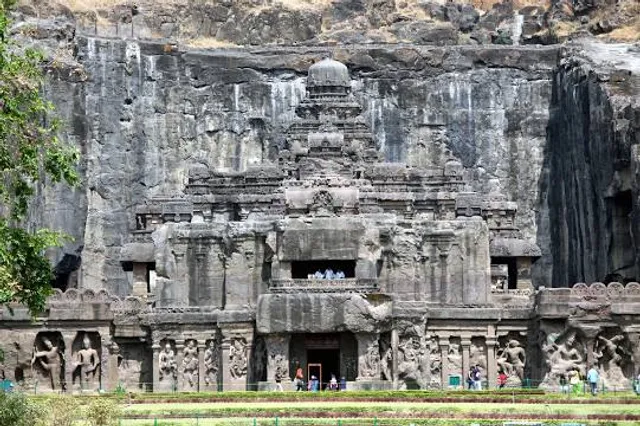
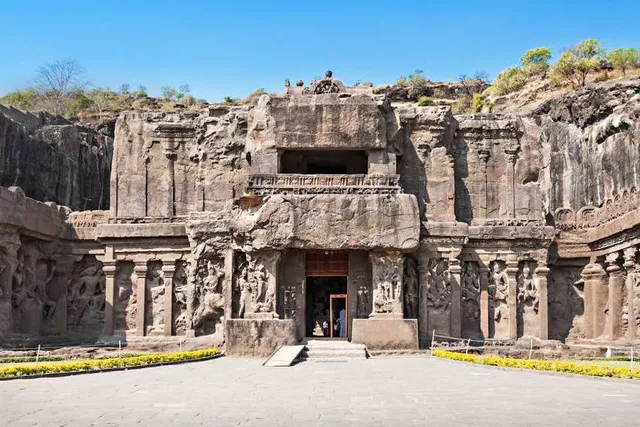
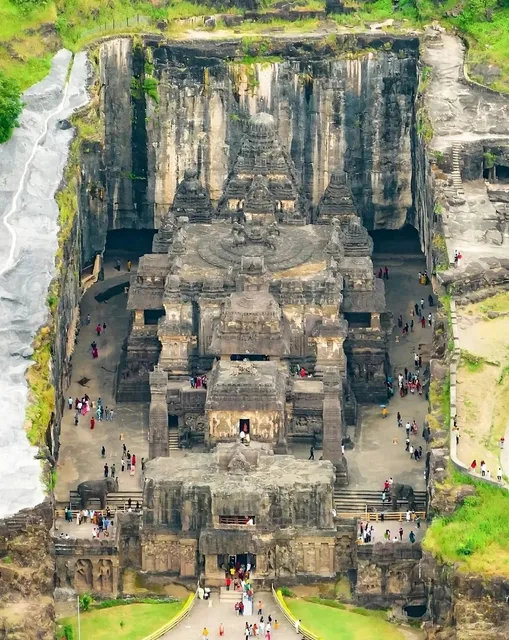
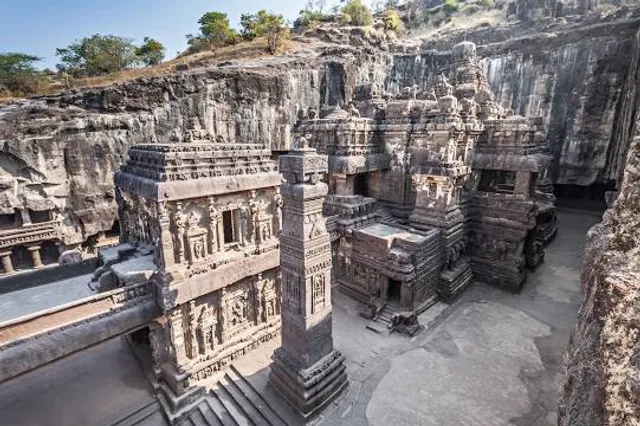
The Kailasha (IAST: Kailāśa) or Kailashanatha (IAST: Kailāśanātha) temple is the largest of the rock-cut temples at the Ellora Caves near Aurangabad district, Maharashtra of Maharashtra, India. A megalith carved from a cliff face, it is considered one of the most remarkable cave temples in the world because of its size, architecture, and sculptural treatment. It has been called "the climax of the rock-cut phase of Indian architecture". The top of the structure over the sanctuary is 32.6 metres (107 ft) above the level of the court below. Although the rock face slopes downwards from the rear of the temple to the front, archaeologists believe it was sculpted from a single rock. The Kailasa temple (Cave 16) is the largest of the 34 Hindu, Buddhist, and Jain cave temples and monasteries known collectively as the Ellora Caves, ranging for over two kilometres (1.2 mi) along the sloping basalt cliff at the site. Most of the excavation of the temple is generally attributed to the eighth century Rashtrakuta king Krishna I (r. c. 756 – 773), with some elements completed later. The temple architecture shows traces of Pallava and Chalukya styles. The temple contains a number of relief and free-standing sculptures on a grand scale equal to the architecture, though only traces remain of the paintings which originally decorated it. Dhavalikar admits that the most important sculpture of the temple, which depicts Ravana shaking the Kailasa mountain, appears to have been built after the main edifice. This sculpture is considered one of the finest pieces of Indian art, and it is possible that the temple came to be known as Kailasa after it. Dhavalikar theorizes that this sculpture was carved around 3-4 decades after the completion of the main shrine, on the basis of its similarity to the tandava sculpture in the Lankeshvar cave.H. Goetz dated this relief to the reign of Krishna III. Like Goetz, Dhavalikar attributes some other structures in the temple complex to the later rulers. These include the Lankeshvar cave and the shrine of the river goddesses (possibly constructed during the reign of Govinda III). Dhavalikar further theorizes that the excavation of the Dashavatara cave, which began during the reign of Dantidurga, was completed during the reign of Krishna I. This explains the similarities between the sculptures in the two caves. Dhavalikar pointed out that no major part of the monolithic temple appears to have been an afterthought: architectural evidence suggests that the entire temple was planned at the beginning.[20] The main shrine is very similar to (although much larger than) the Virupaksha Temple at Pattadakal, which itself is a replica of the Kailasa temple at Kanchi.[11] The Pattadakal Virupaksha Temple was commissioned by the Chalukyas of Badami to commemorate their victory over the Pallavas, who had constructed the Kailasa temple at Kanchi. According to the Virupaksha temple inscriptions, the Chalukyas brought the Pallava artists to Pattadakal after defeating the Pallavas. Dhavalikar theorizes that after defeating the Chalukyas, Krishna must have been impressed by the Virupaksha Temple located in their territory. As a result, he brought the sculptors and architects of the Virupaksha Temple (including some Pallava artists) to his own territory, and engaged them in the construction of the Kailasa temple at Ellora.If one assumes that the architects of the Virupaksha temple helped construct the Kailasa temple at Ellora, the construction of a massive temple during the reign of a single monarch does not seem impossible. The architects already had a blueprint and a prototype, which must have significantly reduced the effort involved in constructing a new temple. Moreover, quarrying a monolithic temple would have actually involved less effort than transporting large stones to build a new temple of similar size. Assuming that one person can cut around 4 cubic feet of rock every day, Dhavalikar estimated that 250 labourers would have managed to construct the Kailasa temple at Ellora...

   Read more
avatar
5.0
46w

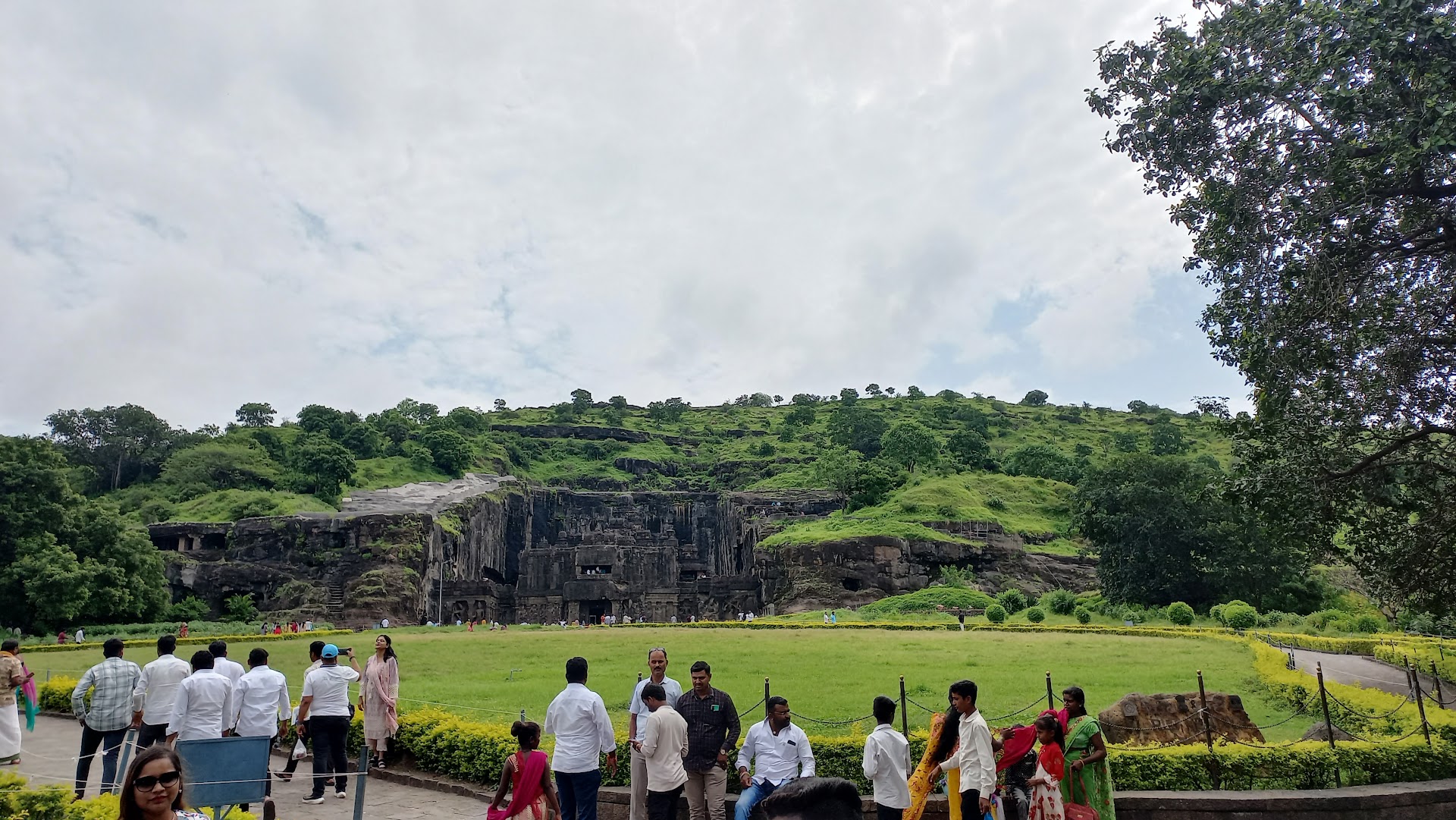
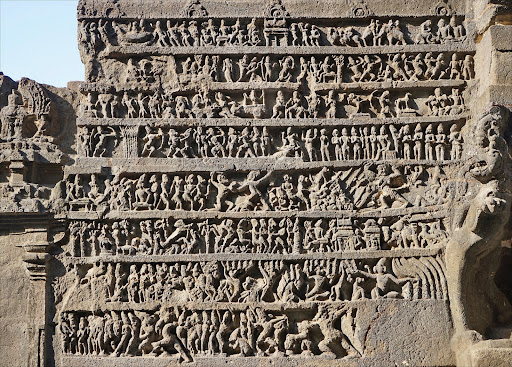
In life, only a handful of instances occur where the mind loses its sense of consciousness, the sporadic thoughts vanishes, the heart skips a beat and eyes gleam at the splendor of the scene they are presented with. Such an occurrence happened when I first saw the kailasa temple and the surrounding rock monasteries of ellora. From the outside, far away at the entrance the temple looked like any other ancient hindu temple but as I went closer, the place unfolded its grandeur and the many mysteries it has contained that has baffled scientists for ages. At the first sign, my senses went numb for a second then a lot of questions flooded my brain. How was the construction of the temple imagined ? How did they carve out an entire valley of temples without modern architectural knowledge? How the rocks were excavated and where they remaining rocks went ?The kailasa temple is a megalithic structure i.e. made from single rock. How did the architect identify and estimate the required size of rock from just a glimpse from the top of the mountain ? The area is prone to landslides and heavy rain occurs every year, since the temple is excavated from the top, where is the foundation that kept it from flooding all these centuries ? It takes a moment to settle down then you start to see the beauty of the temple. Every stone carving has its meaning. There is a giant shivling in the central building made of basalt rock, it is not worshiped anymore. The temple roof has carvings of flowers, mandela and laxmi while the outside walls depict Mahabharat war. There are in total 10 elephants carved in the outside wall each having different poses and different facial features. The place was once home to a thriving civilization, the remains of which can be seen throughout the complex. There are holes and stone holders in the walls that were used to hold the mashals. The area around it has turned greasy and black. There was a school system in the temple no 16. The guard told us many stories about the place as well as informed us about the history. Since temple no 16 served as school, it has smaller steps, at the front courtyard where teaching was done there is an altar where the teacher would sit and in front of him students will sit in rows, there were parallel lines inched indicating seating arrangement. There were holes dug in the floor that were used to grind and extract colour from flowers, haldi and vegetables etc. each of them had a common feature one big hole in which grinding was done a small channel connected it to a smaller hole where the colour would be collected. We did see vaguely traces of different colours in the channel. There are many legends and folklore about how the temple was built. Two of them are very popular. The first one is. Around 750 BCE during the reign of King Krishna of Rashtrakuta empire, the king had a vision in his dream of lord Shiva Appearing and carving out the temple in a single stroke of his trident. The next day he wandered in search of that place and when he reached here, he saw the temple already built. Driven by his faith and belief he built the Shivling and established it there, also he moved to the temple leaving his palace behind and conducted the remaining affairs of his reign from the temple. Another local folklore associates it with lord Girneshwar Jyotirling temple which is nearby. One time, the king fell extremely ill and was on the verge of his death. Her queen, Queen Manikeshawri, prayed to lord Girneshwar for her husband's recovery and in return she would build a temple of Shiva so grant that no one would have ever seen such a temple before. Miraculously the king recovered within a day. The queen overwhelmed by this, took an oath that she will not consume food and water and will fast until se sees the Shikar (Top of temple). As it would take months before the temple could be built. Kokasa the cheif architect had an idea and started excavating the temple from top and within a week the shikara was visible, in this way he saved the...

   Read more
avatar
5.0
1y

|| Kailash Temple: An Architectural Marvel Wrapped in Mysteries ||

The Kailash temple is renowned as the world's most enigmatic temple, with its construction shrouded in mystery as captivating as its stunning beauty. Nevertheless, the subterranean caves beneath this temple hold even more secrets than the temple itself. Curiously, these caves have been officially sealed, leaving us pondering what concealed mysteries lie within. The government's decision to withhold access to these caves raises intriguing questions about the nature of the secrets they safeguard.

According to belief, the Kailash temple is commonly attributed to the eighth century; however, many experts suggest that its origins may extend back several millennia. Legend has it that King Krishna I of Rastrakutta constructed this temple under extraordinary circumstances. Afflicted by a severe illness, the king's wife made a vow to Bhagawan Shiva that if her husband recovered, they would erect a temple at the site, and she would observe a fast until she witnessed its completion.

After the king's recovery, he resolved to fulfill his promise but encountered a predicament: constructing such a magnificent temple would take an extensive period, rendering it impossible for the queen to maintain her lengthy fast. In desperation, the queen turned to Bhagawan Shiva, imploring his assistance. It is believed that in response to her prayers, Bhagawan Shiva bestowed upon her a powerful device known as the Bhumi Astra.

With the aid of the Bhumi Astra, the temple was miraculously constructed from top to bottom on a solitary rock. The monumental task that would have taken laborers centuries to complete was accomplished swiftly as the Bhumi Astra had the remarkable ability to transform soil and rock into vapor. After the temple's completion, King Krishna supposedly concealed the Bhumi Astra within the underground caves beneath the temple.

In her 1876 book, Emma Hendricks, a British historian, recounted an encounter with an archaeologist who shared intriguing information about the caves beneath the Kailash temple. According to the archaeologist, the temple's external appearance does not accurately represent its true size, as there exists a vast construction beneath the caves.

Furthermore, various other archaeologists have conducted research on the caves of the Kailash temple, and their findings indicate the presence of high levels of radioactivity within the underground chambers. These radioactive emissions, however, are not dispersed throughout the entire area but appear to originate from a singular source located even deeper than the caves themselves. As a result, prolonged stays within the caves are deemed unsafe due to the concentrated radioactivity emanating from this mysterious underground location.

When the East India Company occupied India, they took control over such ancient places & only British researchers were allowed to go here. These caves of Kailash temple were closed before India's independence. Research related to it was also erased. But even after 70 years of independence, these caves have been kept closed, and research on this has also been banned by the govt. All these things prove that even today many secrets are buried in the caves of Kailash temple, which are being hidden from all of us. And if we study the old British research, it comes to the fore that radio activity is being generated from a source under these caves. If it’s the reality, then it might be possible that even today the ancient astra is present in it. Another reason that makes it more mysterious is the way it is made. According to the scientists, they claim that it has been constructed from top to bottom, by cutting the mountains, while generally the construction of any building starts with its foundation. This proves that it has been constructed with the help of some highly...

   Read more
Page 1 of 7
Previous
Next

Posts

Indian travel--Kailasa Temple
Kelly MartinKelly Martin
Indian travel--Kailasa Temple
Your browser does not support the video tag.
shelovesparadiseshelovesparadise
📍Ellora Caves, Aurangabad, Maharashtra Ellora Caves is UNESCO world heritage site and a multi-religious rock-cut cave complex, located in the Aurangabad District of Maharashtra, India. The Ellora Caves built during 600 to 1000 CE, comprise Hindu, Buddhist and Jain temples and over a 100 caves with only 34 open to the public. Out of all the excavations done, Cave 16 or Kailasha temple - a monument dedicated to Shiva is the largest single monolithic rock excavated in the world. ✅Ellora Caves Timings- 8am to 5:30 pm ✅Ellora Caves Location- Ellora Cave Road, Ellora, Aurangabad, Maharashtra 431005 ✅Ellora Caves Opening Days-Monday to Sunday except Tuesday as they are closed ✅Best time to visit- Nov to Mar ✅Entry fee for Indians- Rs 40 and for foreigners- Rs 600 ✅Nearest Airport : Aurangabad Airport ✅Nearest Railway Station :Daulatabad Railway Station ✅Nearest Bus Station : Ellora Caves Bus Stop #ellora #elloracaves #unescoworldheritage #unescoworldheritagesite #maharashtra #maharashtratourism #aurangabad #history #beautifularchitecture #kailasatemple #hinduism #temple #buddhist #jain #shiva #travelgram #reelitfeelit #wanderlust #travelreel #incredibleindia🇮🇳
Sourav LahiriSourav Lahiri
In life, only a handful of instances occur where the mind loses its sense of consciousness, the sporadic thoughts vanishes, the heart skips a beat and eyes gleam at the splendor of the scene they are presented with. Such an occurrence happened when I first saw the kailasa temple and the surrounding rock monasteries of ellora. From the outside, far away at the entrance the temple looked like any other ancient hindu temple but as I went closer, the place unfolded its grandeur and the many mysteries it has contained that has baffled scientists for ages. At the first sign, my senses went numb for a second then a lot of questions flooded my brain. How was the construction of the temple imagined ? How did they carve out an entire valley of temples without modern architectural knowledge? How the rocks were excavated and where they remaining rocks went ?The kailasa temple is a megalithic structure i.e. made from single rock. How did the architect identify and estimate the required size of rock from just a glimpse from the top of the mountain ? The area is prone to landslides and heavy rain occurs every year, since the temple is excavated from the top, where is the foundation that kept it from flooding all these centuries ? It takes a moment to settle down then you start to see the beauty of the temple. Every stone carving has its meaning. There is a giant shivling in the central building made of basalt rock, it is not worshiped anymore. The temple roof has carvings of flowers, mandela and laxmi while the outside walls depict Mahabharat war. There are in total 10 elephants carved in the outside wall each having different poses and different facial features. The place was once home to a thriving civilization, the remains of which can be seen throughout the complex. There are holes and stone holders in the walls that were used to hold the mashals. The area around it has turned greasy and black. There was a school system in the temple no 16. The guard told us many stories about the place as well as informed us about the history. Since temple no 16 served as school, it has smaller steps, at the front courtyard where teaching was done there is an altar where the teacher would sit and in front of him students will sit in rows, there were parallel lines inched indicating seating arrangement. There were holes dug in the floor that were used to grind and extract colour from flowers, haldi and vegetables etc. each of them had a common feature one big hole in which grinding was done a small channel connected it to a smaller hole where the colour would be collected. We did see vaguely traces of different colours in the channel. There are many legends and folklore about how the temple was built. Two of them are very popular. The first one is. Around 750 BCE during the reign of King Krishna of Rashtrakuta empire, the king had a vision in his dream of lord Shiva Appearing and carving out the temple in a single stroke of his trident. The next day he wandered in search of that place and when he reached here, he saw the temple already built. Driven by his faith and belief he built the Shivling and established it there, also he moved to the temple leaving his palace behind and conducted the remaining affairs of his reign from the temple. Another local folklore associates it with lord Girneshwar Jyotirling temple which is nearby. One time, the king fell extremely ill and was on the verge of his death. Her queen, Queen Manikeshawri, prayed to lord Girneshwar for her husband's recovery and in return she would build a temple of Shiva so grant that no one would have ever seen such a temple before. Miraculously the king recovered within a day. The queen overwhelmed by this, took an oath that she will not consume food and water and will fast until se sees the Shikar (Top of temple). As it would take months before the temple could be built. Kokasa the cheif architect had an idea and started excavating the temple from top and within a week the shikara was visible, in this way he saved the Queen's life.
See more posts
See more posts
hotel
Find your stay

Pet-friendly Hotels in Maharashtra

Find a cozy hotel nearby and make it a full experience.

Indian travel--Kailasa Temple
Kelly Martin

Kelly Martin

hotel
Find your stay

Affordable Hotels in Maharashtra

Find a cozy hotel nearby and make it a full experience.

Get the Appoverlay
Get the AppOne tap to find yournext favorite spots!
📍Ellora Caves, Aurangabad, Maharashtra Ellora Caves is UNESCO world heritage site and a multi-religious rock-cut cave complex, located in the Aurangabad District of Maharashtra, India. The Ellora Caves built during 600 to 1000 CE, comprise Hindu, Buddhist and Jain temples and over a 100 caves with only 34 open to the public. Out of all the excavations done, Cave 16 or Kailasha temple - a monument dedicated to Shiva is the largest single monolithic rock excavated in the world. ✅Ellora Caves Timings- 8am to 5:30 pm ✅Ellora Caves Location- Ellora Cave Road, Ellora, Aurangabad, Maharashtra 431005 ✅Ellora Caves Opening Days-Monday to Sunday except Tuesday as they are closed ✅Best time to visit- Nov to Mar ✅Entry fee for Indians- Rs 40 and for foreigners- Rs 600 ✅Nearest Airport : Aurangabad Airport ✅Nearest Railway Station :Daulatabad Railway Station ✅Nearest Bus Station : Ellora Caves Bus Stop #ellora #elloracaves #unescoworldheritage #unescoworldheritagesite #maharashtra #maharashtratourism #aurangabad #history #beautifularchitecture #kailasatemple #hinduism #temple #buddhist #jain #shiva #travelgram #reelitfeelit #wanderlust #travelreel #incredibleindia🇮🇳
shelovesparadise

shelovesparadise

hotel
Find your stay

The Coolest Hotels You Haven't Heard Of (Yet)

Find a cozy hotel nearby and make it a full experience.

hotel
Find your stay

Trending Stays Worth the Hype in Maharashtra

Find a cozy hotel nearby and make it a full experience.

In life, only a handful of instances occur where the mind loses its sense of consciousness, the sporadic thoughts vanishes, the heart skips a beat and eyes gleam at the splendor of the scene they are presented with. Such an occurrence happened when I first saw the kailasa temple and the surrounding rock monasteries of ellora. From the outside, far away at the entrance the temple looked like any other ancient hindu temple but as I went closer, the place unfolded its grandeur and the many mysteries it has contained that has baffled scientists for ages. At the first sign, my senses went numb for a second then a lot of questions flooded my brain. How was the construction of the temple imagined ? How did they carve out an entire valley of temples without modern architectural knowledge? How the rocks were excavated and where they remaining rocks went ?The kailasa temple is a megalithic structure i.e. made from single rock. How did the architect identify and estimate the required size of rock from just a glimpse from the top of the mountain ? The area is prone to landslides and heavy rain occurs every year, since the temple is excavated from the top, where is the foundation that kept it from flooding all these centuries ? It takes a moment to settle down then you start to see the beauty of the temple. Every stone carving has its meaning. There is a giant shivling in the central building made of basalt rock, it is not worshiped anymore. The temple roof has carvings of flowers, mandela and laxmi while the outside walls depict Mahabharat war. There are in total 10 elephants carved in the outside wall each having different poses and different facial features. The place was once home to a thriving civilization, the remains of which can be seen throughout the complex. There are holes and stone holders in the walls that were used to hold the mashals. The area around it has turned greasy and black. There was a school system in the temple no 16. The guard told us many stories about the place as well as informed us about the history. Since temple no 16 served as school, it has smaller steps, at the front courtyard where teaching was done there is an altar where the teacher would sit and in front of him students will sit in rows, there were parallel lines inched indicating seating arrangement. There were holes dug in the floor that were used to grind and extract colour from flowers, haldi and vegetables etc. each of them had a common feature one big hole in which grinding was done a small channel connected it to a smaller hole where the colour would be collected. We did see vaguely traces of different colours in the channel. There are many legends and folklore about how the temple was built. Two of them are very popular. The first one is. Around 750 BCE during the reign of King Krishna of Rashtrakuta empire, the king had a vision in his dream of lord Shiva Appearing and carving out the temple in a single stroke of his trident. The next day he wandered in search of that place and when he reached here, he saw the temple already built. Driven by his faith and belief he built the Shivling and established it there, also he moved to the temple leaving his palace behind and conducted the remaining affairs of his reign from the temple. Another local folklore associates it with lord Girneshwar Jyotirling temple which is nearby. One time, the king fell extremely ill and was on the verge of his death. Her queen, Queen Manikeshawri, prayed to lord Girneshwar for her husband's recovery and in return she would build a temple of Shiva so grant that no one would have ever seen such a temple before. Miraculously the king recovered within a day. The queen overwhelmed by this, took an oath that she will not consume food and water and will fast until se sees the Shikar (Top of temple). As it would take months before the temple could be built. Kokasa the cheif architect had an idea and started excavating the temple from top and within a week the shikara was visible, in this way he saved the Queen's life.
Sourav Lahiri

Sourav Lahiri

See more posts
See more posts