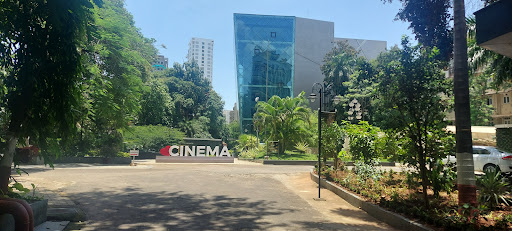
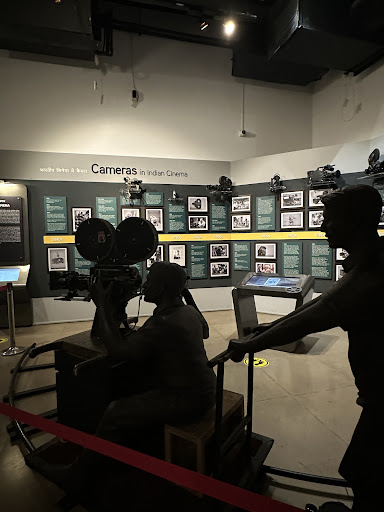
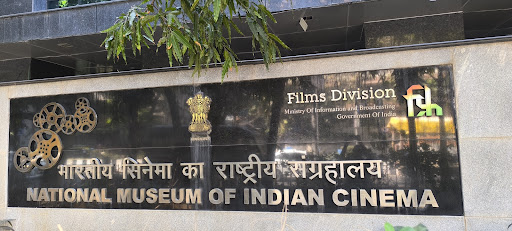
National Museum of Indian Cinema things to do, attractions, restaurants, events info and trip planning
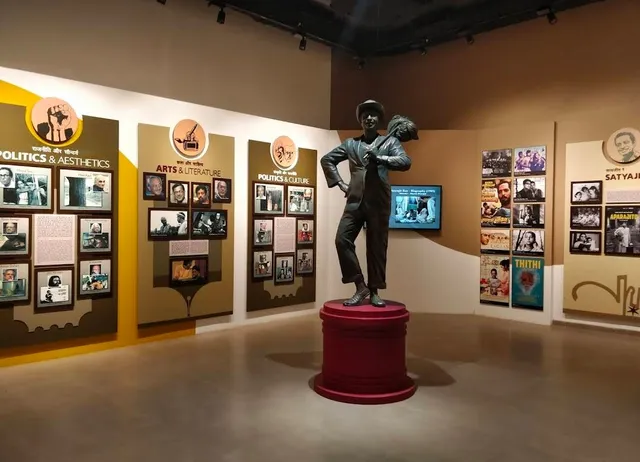
Basic Info
National Museum of Indian Cinema
Gulshan Mahal, 24, Dr Gopalrao Deshmukh Marg, Cumballa Hill, Mumbai, Maharashtra 400026, India
4.6(1.0K)
Closed

tickets
Save
spot
spot
Ratings & Description
Info
Cultural
Entertainment
Family friendly
Accessibility
attractions: Amarsons Garden, Shree Mahalakshmi Temple, Tata Garden Park, August Kranti Maidan, Shri Dhakleshwar Mahadev Temple, Mumbai, Tulshiwadi Cha Maharaja, restaurants: Light of Persia Restaurant and Store, Nila Mehta Snackx, Mer Konfekt, Sardar, Right Place (Ice Cream Parlour & Snacks), Sandwizzaa Pedder Road, Pizza Caprina, Mad Over Donuts, Blue Tokai Coffee Roasters | Breach Candy, Tea Post, local businesses: Jaslok Hospital & Research Centre, The B.D. Petit Parsee General Hospital, Venus Apartments, Film Centre, Zainab Manzil, Shree Swaminarayan Mandir, Mahalaxmi Mumbai, Asian Cancer Institute and ACI Cumballa Hill Hospital, Frosty Ice Cream, Ramanlal Vithaldas & Co., Heritage Box- Best Indian Perfumes
 Learn more insights from Wanderboat AI.
Website
filmsdivision.org
Open hoursSee all hours
Wed11 AM - 6 PMClosed
Plan your stay

Pet-friendly Hotels in Mumbai
Find a cozy hotel nearby and make it a full experience.

Affordable Hotels in Mumbai
Find a cozy hotel nearby and make it a full experience.

The Coolest Hotels You Haven't Heard Of (Yet)
Find a cozy hotel nearby and make it a full experience.

Trending Stays Worth the Hype in Mumbai
Find a cozy hotel nearby and make it a full experience.
Reviews
Live events
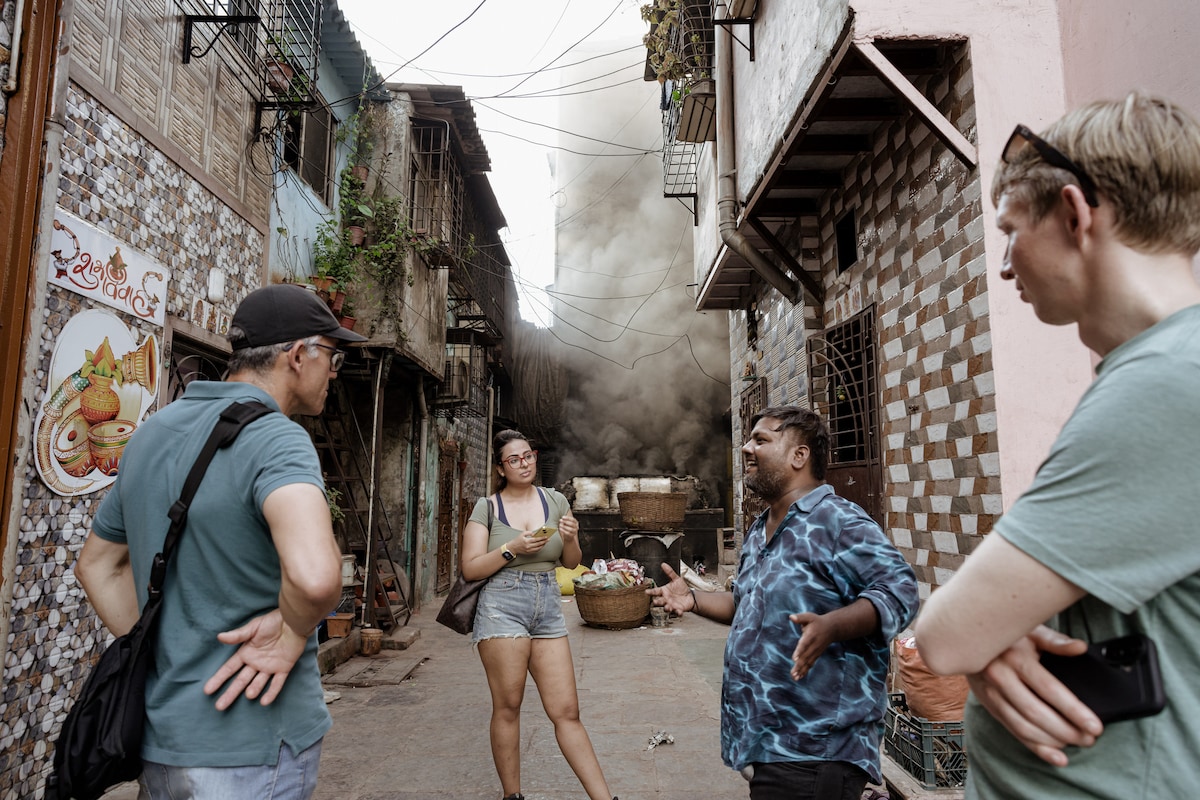
Dharavi Slum Tour with Optional Dhobi ghat Laundry
Thu, Jan 29 • 9:30 AM
Mumbai, Maharashtra, 400016, India
View details
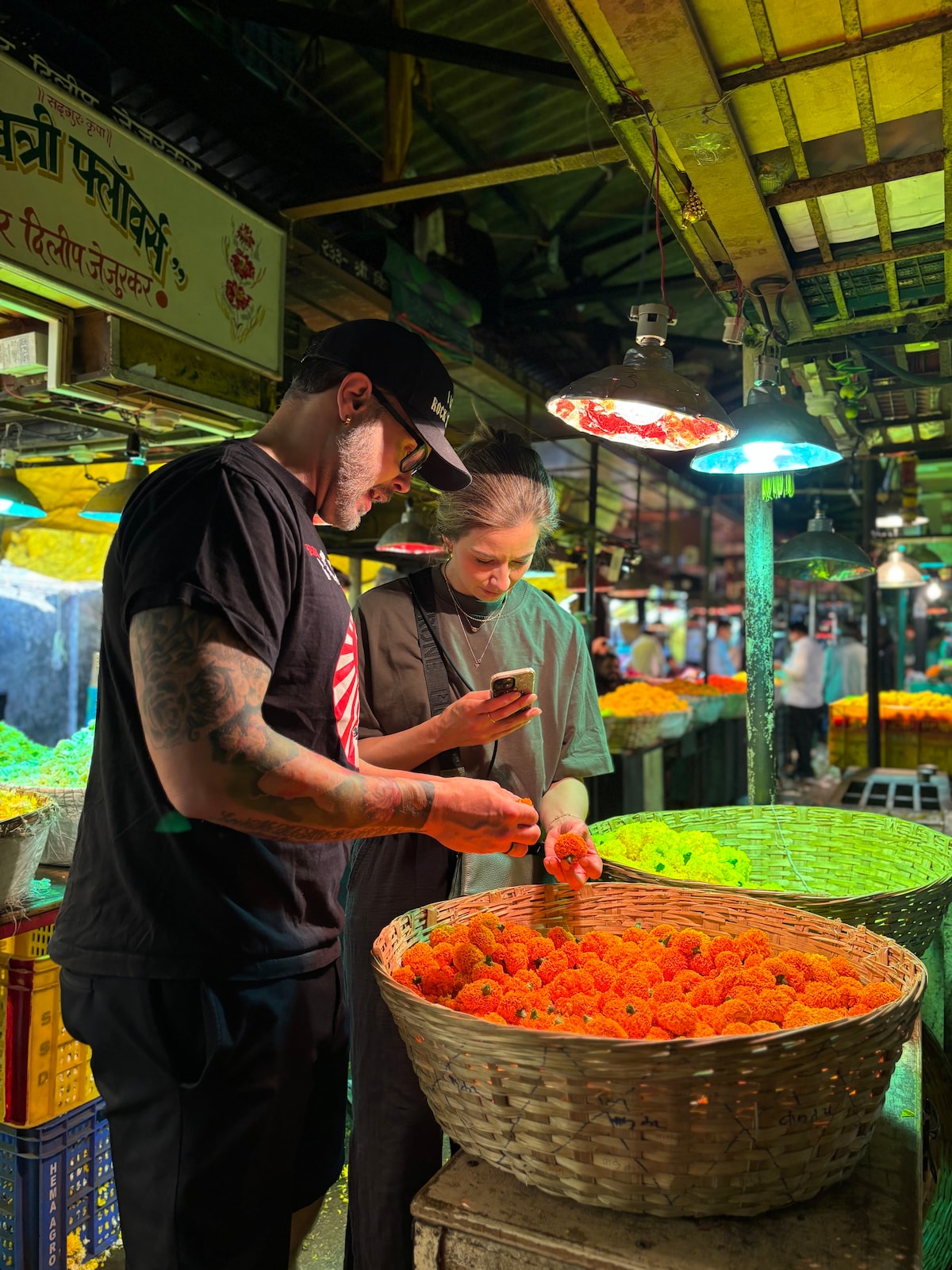
Mumbai Morning Markets: Flowers, Fish, and More
Thu, Jan 29 • 6:30 AM
Mumbai, Maharashtra, 400001, India
View details
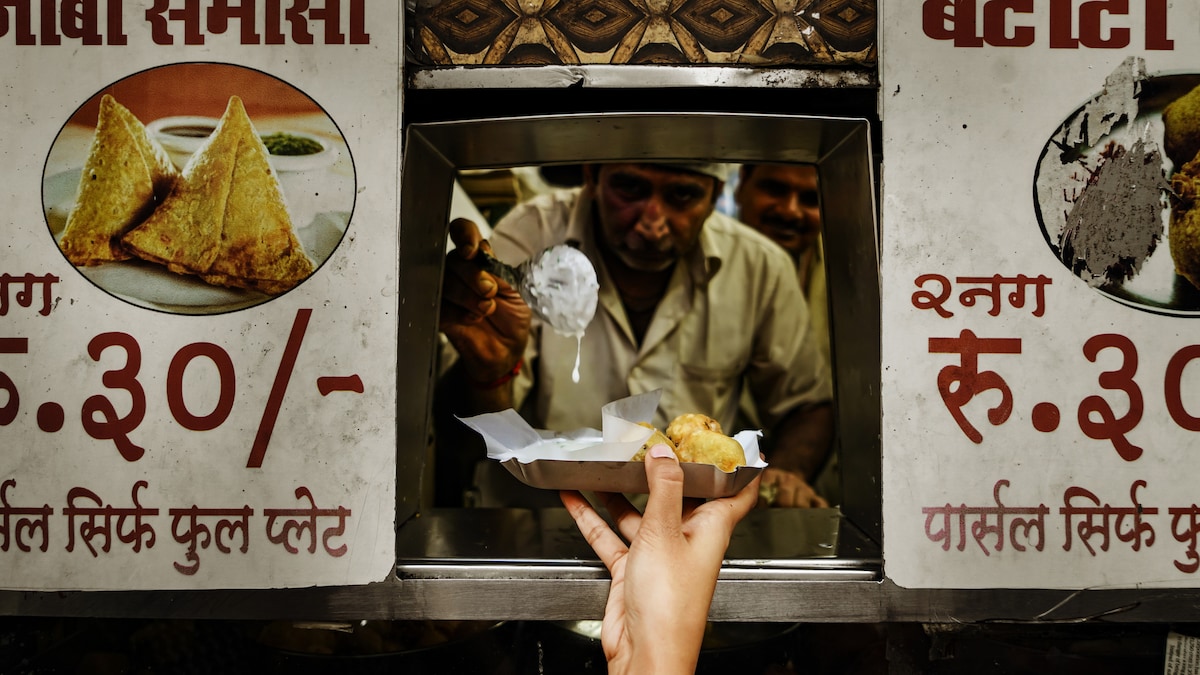
Bombay Express Food Tour with 15-plus tastings
Thu, Jan 29 • 4:00 PM
Mumbai, Maharashtra, 400020, India
View details
Nearby attractions of National Museum of Indian Cinema
Amarsons Garden
Shree Mahalakshmi Temple
Tata Garden Park
August Kranti Maidan
Shri Dhakleshwar Mahadev Temple, Mumbai
Tulshiwadi Cha Maharaja
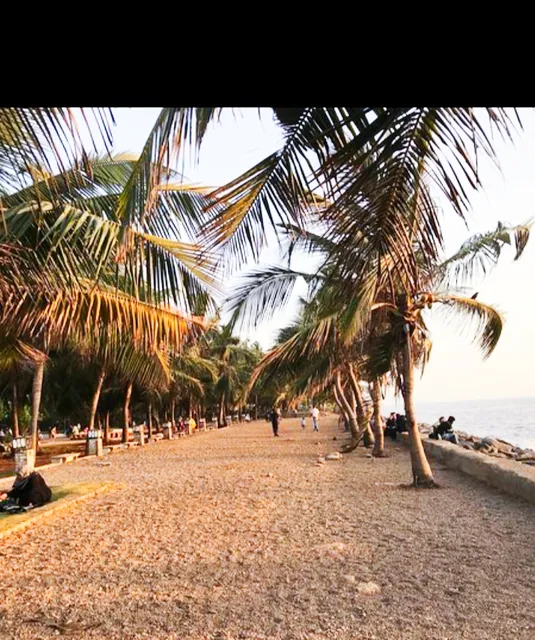
Amarsons Garden
4.3
(2.7K)
Open until 9:30 PM
Click for details
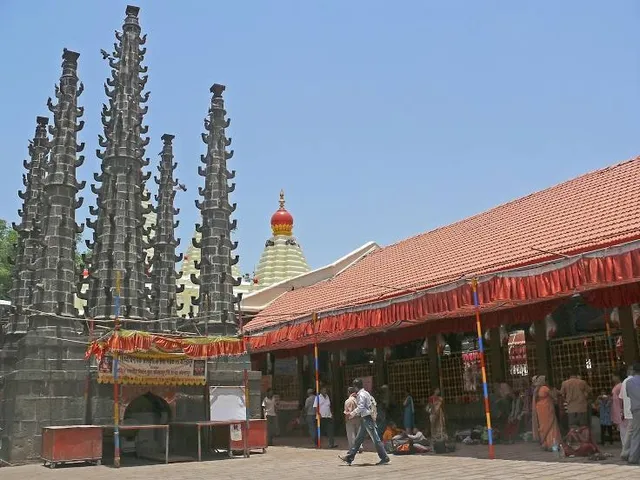
Shree Mahalakshmi Temple
4.7
(13.7K)
Open until 10:00 PM
Click for details
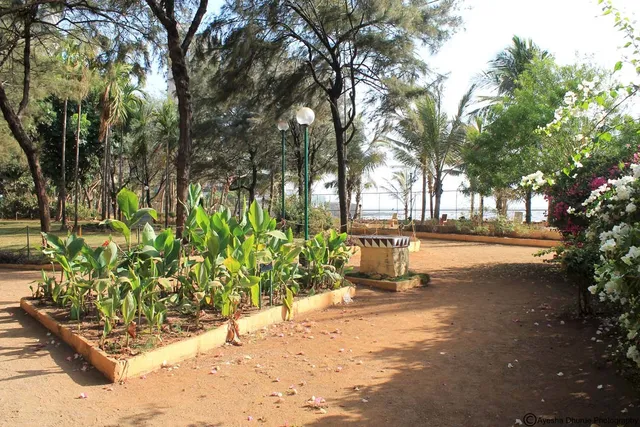
Tata Garden Park
4.2
(1.5K)
Open until 8:00 PM
Click for details
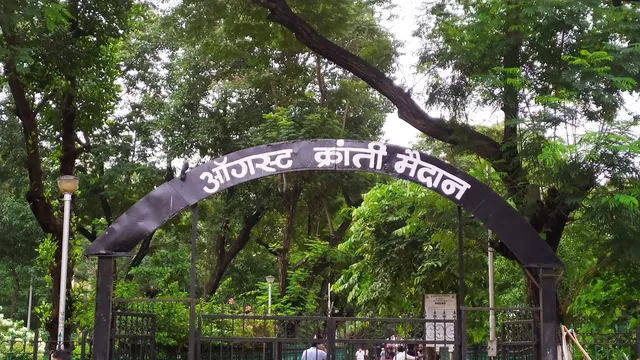
August Kranti Maidan
4.3
(2.9K)
Open until 9:30 PM
Click for details
Nearby restaurants of National Museum of Indian Cinema
Light of Persia Restaurant and Store
Nila Mehta Snackx
Mer Konfekt
Sardar
Right Place (Ice Cream Parlour & Snacks)
Sandwizzaa Pedder Road
Pizza Caprina
Mad Over Donuts
Blue Tokai Coffee Roasters | Breach Candy
Tea Post
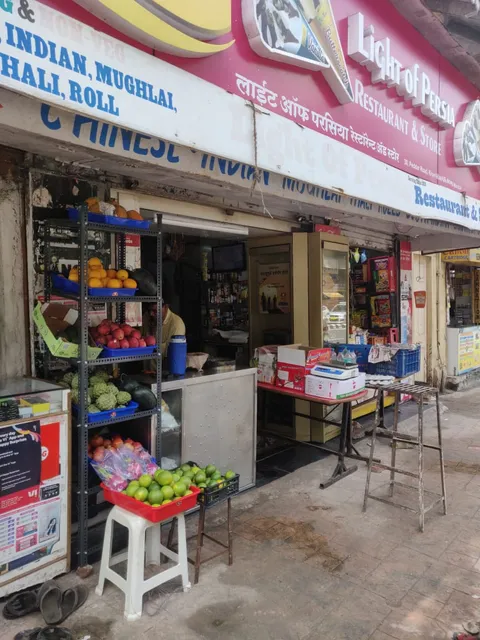
Light of Persia Restaurant and Store
3.8
(329)
Open until 12:00 AM
Click for details
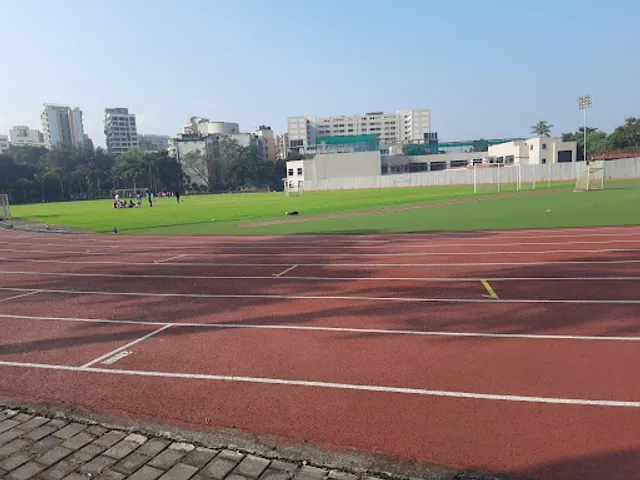
Nila Mehta Snackx
4.0
(18)
Closed
Click for details

Mer Konfekt
4.6
(62)
Closed
Click for details
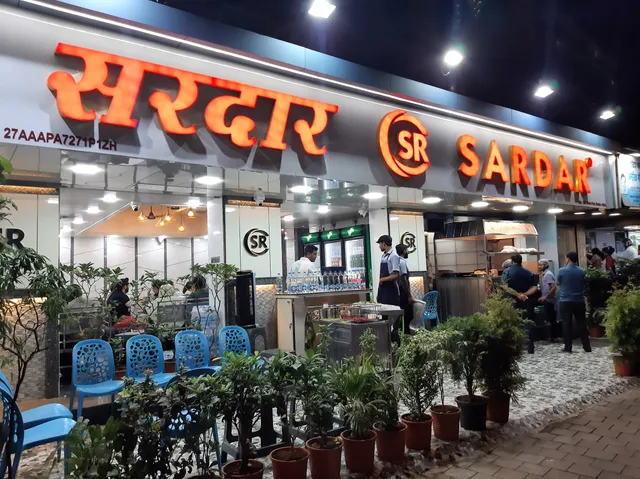
Sardar
3.8
(11.4K)
Open until 1:30 AM
Click for details
Nearby local services of National Museum of Indian Cinema
Jaslok Hospital & Research Centre
The B.D. Petit Parsee General Hospital
Venus Apartments
Film Centre
Zainab Manzil
Shree Swaminarayan Mandir, Mahalaxmi Mumbai
Asian Cancer Institute and ACI Cumballa Hill Hospital
Frosty Ice Cream
Ramanlal Vithaldas & Co.
Heritage Box- Best Indian Perfumes
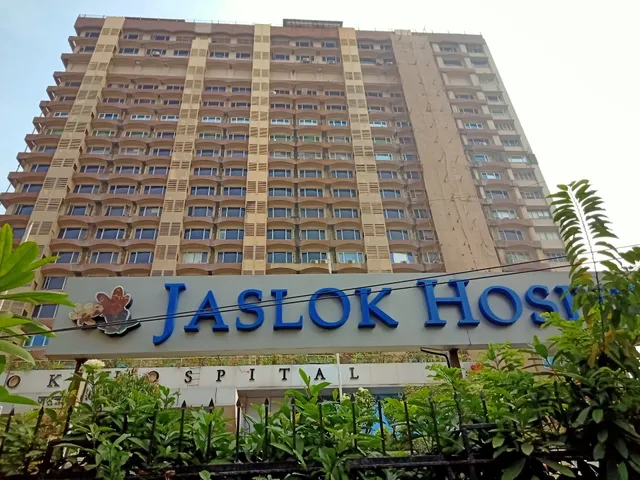
Jaslok Hospital & Research Centre
4.8
(35)
Click for details
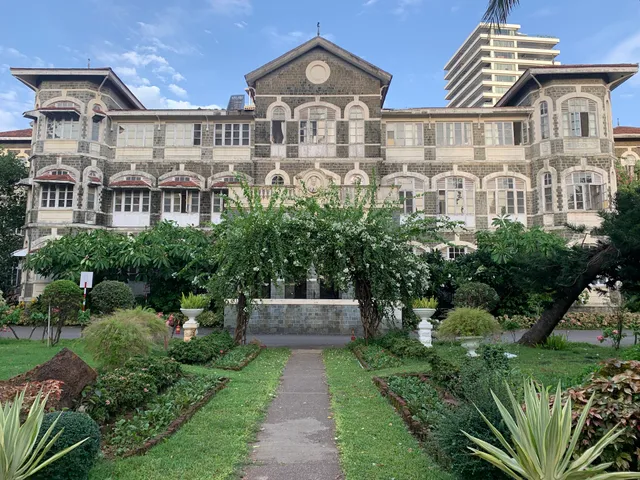
The B.D. Petit Parsee General Hospital
4.3
(80)
Click for details
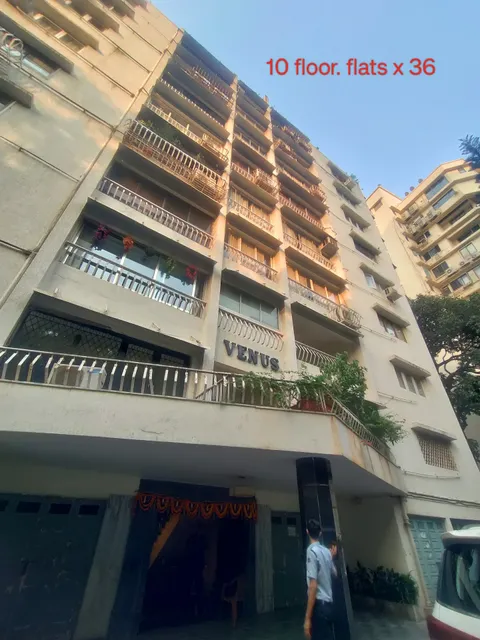
Venus Apartments
3.8
(11)
Click for details
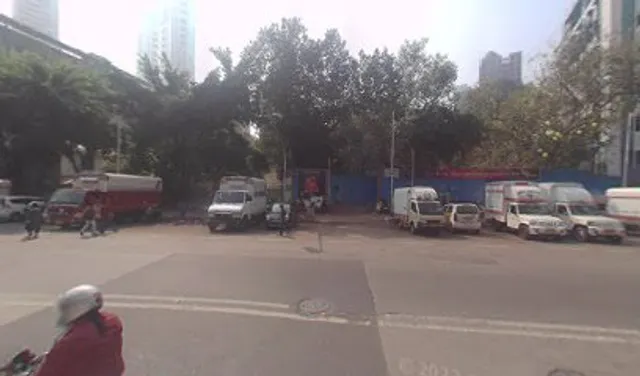
Film Centre
4.9
(133)
Click for details