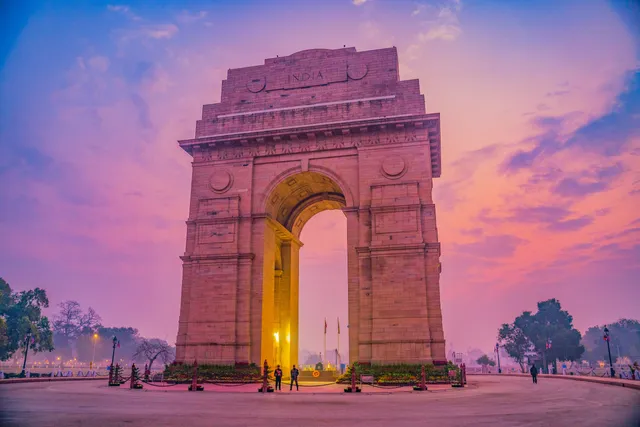
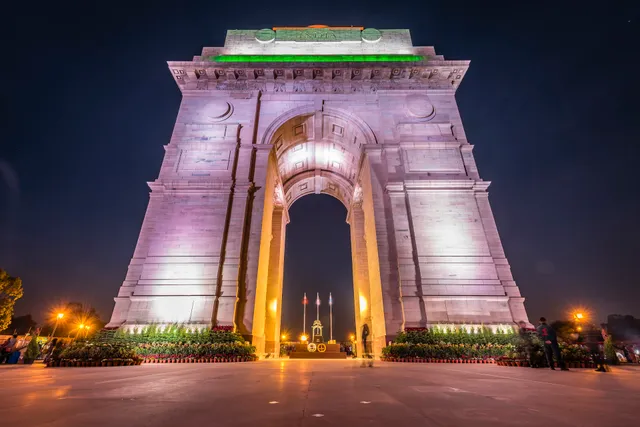
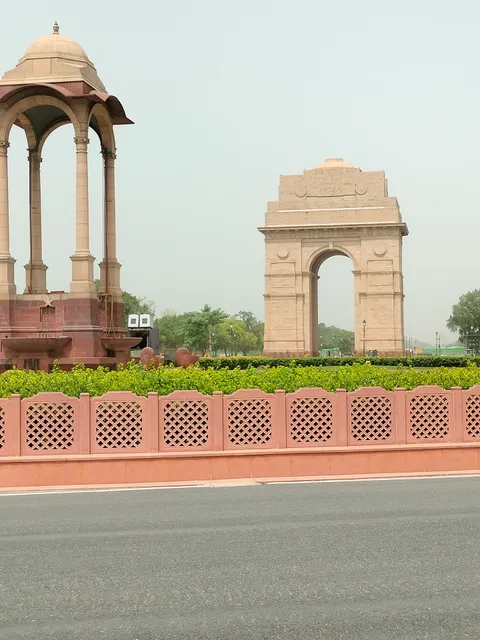
The National Gallery of Modern Art (NGMA) in Delhi is a premier cultural institution that stands as a testament to India’s rich artistic legacy and its evolving modern art scene. Located at Jaipur House, near India Gate, this gallery is a treasure trove for art enthusiasts, offering an immersive experience into the world of Indian modern art from the colonial period to the present day.
The NGMA, established in 1954, is housed in a building that was once the residence of the Maharaja of Jaipur. The architecture itself is a blend of traditional and modern elements, with spacious galleries and a serene environment that sets the tone for the artistic journey awaiting inside. The gallery’s layout is meticulously designed, with works of art displayed in a way that guides visitors through the evolution of modern art in India. The NGMA in Delhi is the largest of its kind in India, with branches also located in Mumbai and Bengaluru.
As you step into the gallery, you are immediately struck by the vast collection of artworks that span over a century. The NGMA houses more than 14,000 works of art, including paintings, sculptures, and photographs, by some of the most renowned artists in Indian history. The collection covers a wide range of artistic movements, from the Bengal School of Art to contemporary art, providing a comprehensive overview of the development of modern art in India.
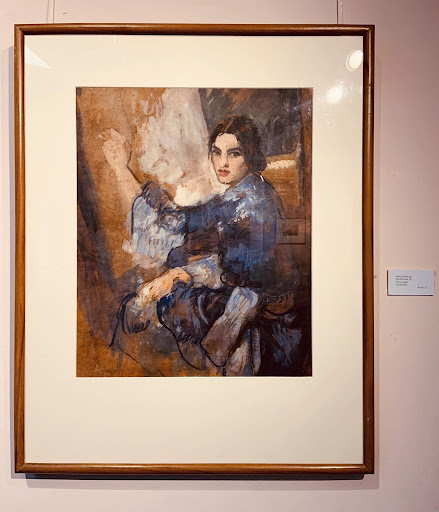
One of the most remarkable aspects of the NGMA is its extensive collection of works by Rabindranath Tagore, Amrita Sher-Gil, Raja Ravi Varma, and Nandalal Bose, among others. These artists played a pivotal role in shaping the trajectory of Indian modern art, and their works are given pride of place in the gallery. Tagore’s expressive lines, Sher-Gil’s bold use of color, and Varma’s blend of Indian and European styles are just some of the highlights that make the NGMA a must-visit for anyone interested in art.
The gallery is divided into different sections, each dedicated to a specific period or style of art. The pre-independence section, for instance, showcases the struggle for India’s freedom through the eyes of artists. The post-independence section, on the other hand, reflects the optimism and challenges of a newly independent nation. The contemporary section is particularly interesting, offering a glimpse into the current trends in Indian art and the ways in which artists are engaging with global issues.
In addition to its permanent collection, the NGMA also hosts temporary exhibitions that focus on specific artists, movements, or themes. These exhibitions are thoughtfully curated and offer visitors a deeper understanding of the featured works. The gallery also organizes workshops, lectures, and film screenings, making it a vibrant cultural hub for art lovers and the general public alike.
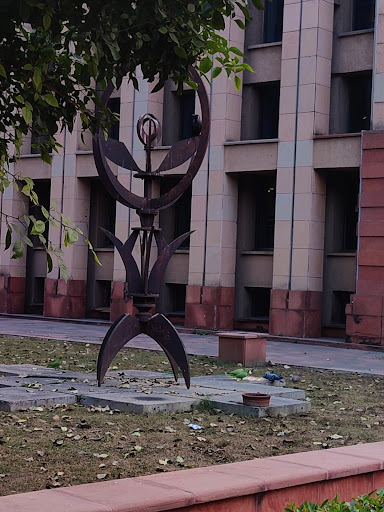
One of the unique features of the NGMA is its sculpture garden, which offers a tranquil space for visitors to relax and reflect. The garden is home to a variety of sculptures by Indian artists, each telling its own story through form and material. The interplay between art and nature in this space adds another dimension to the visitor experience.
The NGMA also has a well-stocked library and a museum shop where visitors can purchase books, prints, and souvenirs related to the gallery’s collection. The library is an invaluable resource for researchers and students, offering access to a vast collection of books, journals, and archival materials on modern art.
However, while the NGMA is undoubtedly a world-class institution, it does have a few areas that could be improved. The information provided alongside the artworks is sometimes limited, making it challenging for visitors to fully appreciate the context and significance of certain pieces. Audio guides or more detailed descriptions could greatly enhance the visitor experience. Additionally, the gallery’s website could be more user-friendly, offering more detailed information about current and upcoming...
Read moreThe National Gallery Of Modern Art ( NGMA ) is located around the India Gate circle, specifically on Sher Shah Road. It is easily navigable via Google maps.
The National Gallery of Modern Art is a beautiful art gallery that is maintained by the Ministry of Culture, Government of India . It is also known as Jaipur House as it was the Palace of Maharaja of Jaipur once and is closed on Mondays. The entry ticket would cost you 20 Rupees per person if you are of Indian Ethnicity, the prices are different for nationalities other than Indian.
NGMA is spread beautifully in a huge area, housing different buildings. The Gallery has 4 floors in total and it is a treat if you are someone who has a knack for art and beauty. It will easily take you an hour or two to go through all the paintings and sculptures. Each floor caters to a different art period and paintings dating to that period of time. The segregation of art on different floors takes you through a journey of how art was perceived and done, different mediums used, main themes etc. My personal favorites were Raja Ravi Verma's Woman holding a Fruit, Inayatullah's Diwali, Thomas Daniell's Aurangzeb's Mosque Mar Chugtai's Laila and Hiraman Tota and Hemen Majumdar's Toilet. There are various sculptures as well that are displayed on each floor, the light music playing in the background of the Gallery would make you feel like in a movie appreciating all the art around. I would not describe it more, as I feel one should experience it by themselves to really feel the beauty of this place.
There is also a souvenir shop in the entrance of the gallery where you could buy prints of certain artists that you love and it's a steal for the price they are offered.
There is also wheelchair accessibility and assistance for people in need. When I visited, a staff member was giving a tour to someone in a wheelchair and it felt like a beautiful moment to watch. Anyone's disability should never be a roadblock to enjoy something and NGMA helped me see it beautifully !
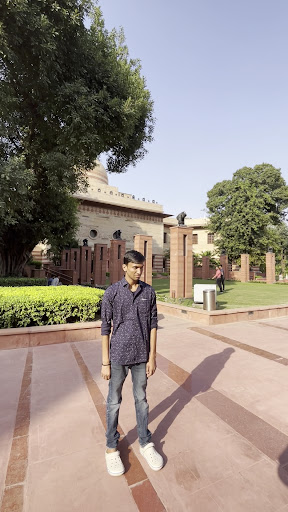
Photography is prohibited inside the gallery, hence only photos I could have are of the outside premises. I feel it's a good step as it allows you to absorb and enjoy the art that is in front of you.
The NGMA is a must visit gem if your are visiting Delhi and have internet in aesthetics and art. Visiting and spending 20 rupees here, will be your best 20 rupees ever spent !
Highly Recommended...
Read moreAn Artist's Paradise. Today, I'm in an attempt to find myself. I take a metro ride and reach Mandi House, Raja bhaiya's chai is awaiting me. But, unfortunately, he wasn't there today at the tea stall. An art piece with chalk was drawn on his counter. Is the Universe giving me signs again? I checked how far is the National Gallery of Modern Art. It showed 20 minutes walking.
Mandi House has a very serene feeling to it, the energies are filled with artists, actors, theatre, art, revolution. I kept walking straight, passing through Doordarshan Bhawan, Kamani Auditorium, LTG and reached the chowk. I took a left towards Major Dhyan Chand National Stadium and on my right is India Gate. National Gallery of Modern Art is here, the guard asks me to fill an entry form. I walk-in. The ticket is ₹25 for Indians.
'National Gallery has an exhibit of Zamin by the great MF Hussain too.' tells Rajji.
The moment I enter the 3 storey-white walled galleries, aesthetically pleasing wooden-frames catch my attention. The art came very late, because I was in a dilemma of what to see first, the lower ground floor or the upper ground floor. As I took a step forward, the Art Gallery welcomed me with a statue of the Father of our Nation, Mahatma Gandhi. Firstly, I went downstairs to meet the artists from the Bombay Progressive Artists' Group through their art. Artworks of FN Souza, K.H. Ara, M. F. Husain, S. H. Raza, S. K Bakre and friends, took me through the Indian form of modernism. I saw modern people clicking modern art through their modern forms of technology. Now, the artwork is in their mobile phones. So, is in mine.
As I walked ahead, some installations provoked my thoughts, took me to a world far away from my imagination and made me decipher the ideas behind it.
Then I went upstairs and was welcomed by Amrita Shergil's self-portraits. This time I couldn't find her artwork, 'The Storyteller'. Then Raj ji told me, 'it has been shifted to some other exhibition.' Out of curiosity I asked, 'How is it that they have so many classic artworks and keep on...
Read more